


Today’s leaders are the backbone of successful organizations, guiding their teams through challenges, fostering innovation, and creating an engaging work environment. However, many organizations need help to develop the leadership skills necessary to tackle complex issues and reach their full potential.
In this blog post, we will explore the crucial role of leadership development strategies to help cultivate a team of influential leaders. We’ll delve into the benefits of investing in leadership development and offer a comprehensive framework for achieving meaningful and sustainable growth within your organization.
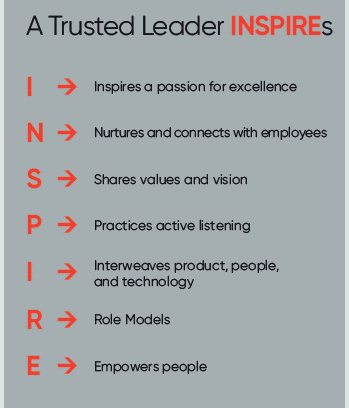
Why is Leadership Development Important?
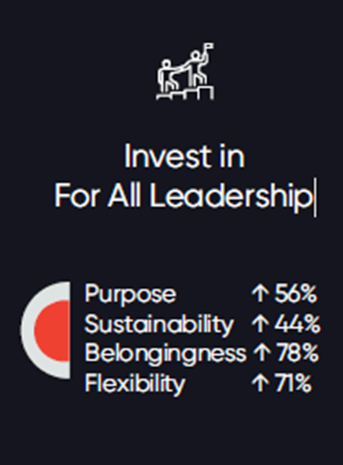
Having effective leaders is crucial for the business. Our Report on India’s Best Companies To Work For™ showed that For All, Leadership, on average, results in 62% more employees finding meaning in their job, making a difference, and creating a better future. Leadership Development helps leaders and business in the following ways –
- Empowers leaders to guide teams towards success: Effective leaders steer the ship, fostering innovation and driving positive change.
- Ignites employee engagement: Strong leaders motivate and inspire, leading to higher productivity and satisfaction.
- Ensures a smooth future: Developing future leaders guarantees a seamless transition and maintains organizational continuity.
- Gives your organization a competitive edge: Leaders with the right skills can help you adapt and thrive in a dynamic business landscape.
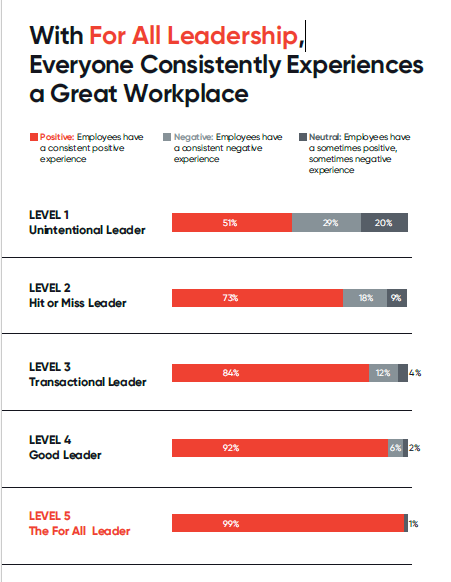
Investing in leadership development is an investment in your organization’s future. It empowers leaders, engages employees, and sets the stage for long-term success.
Strategies for Effective Leadership Development:
Cultivating strong leaders isn’t just about potential, it’s about providing the right tools and opportunities. Here are some key strategies to unlock effective leadership development within your organization:
Empowering Continuous Leadership Development
Foster a learning environment where leaders are motivated to improve their skills and embrace new knowledge continuously. Establish a formal structure, such as workshops, training courses, or mentoring programs, to facilitate ongoing skill development and knowledge acquisition. Create an environment where both managers and employees feel comfortable taking the initiative in pursuing growth opportunities and tackling challenging projects.
Clarify Potential Career Paths
Building a solid leadership pipeline requires helping individuals envision their future within the organization. This can be achieved through various strategies:
- Career Mapping Workshops: Organize workshops that help leaders identify their strengths, values, and aspirations. These sessions can then guide them in exploring various career paths that align with their unique profiles within the organization.
- Leadership Development Programs: Implement multi-level leadership development programs that equip leaders with skills and expose them to diverse leadership roles and responsibilities. This broadens their understanding of career possibilities and allows them to identify roles that resonate with their interests and goals.
- Mentorship and Sponsorship Connections: Connect leaders with experienced mentors and sponsors who can offer guidance and insights into leadership career paths. Their personal experiences and perspectives can provide valuable information about other roles, their requirements, and the potential career trajectory of each path.
- Internal Job Shadowing Programs: Facilitate internal job shadowing opportunities where leaders can observe and learn from individuals in different leadership roles. This firsthand experience clarifies the day-to-day responsibilities and required skills for various leadership positions.
By implementing these strategies, organizations can empower leaders to map their potential career paths, fostering engagement, motivation, and long-term commitment to their professional development and the organization’s success.
Provide More Micro-Development Opportunities
Beyond micro-learning, fostering leadership development requires experiential opportunities. By participating in organizational events, networking gatherings, short-term projects, and committee positions, individuals gain a realistic understanding of leadership in action and build essential skills and confidence. They “walk the walk” of leadership, learning through practical projects and honing communication, collaboration, and decision-making abilities. These experiences cultivate a sense of accomplishment and self-belief, empowering future leaders to tackle demanding projects and obligations confidently. This combination of knowledge and real-world expertise creates a comprehensive development program, equipping individuals for seamless transitions and strengthening your leadership pipeline for long-term success.
Identify Emerging Leaders
Leadership Excellence cultivates a culture of continuous improvement, develops strong leaders, attracts top talent, delivers on promises, and demonstrates integrity, driving organizational success and inspiring employee confidence. Hence, it is imperative to nurture the existing leadership excellence organizations may have.
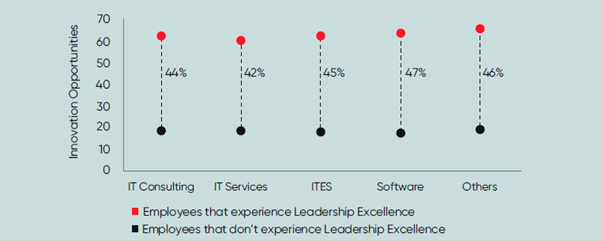
Building a robust leadership pipeline demands proactively identifying emerging leaders within your organization. Utilize performance management systems that assess leadership potential alongside objective leadership development assessment tools. Foster a culture of observing talent across departments, looking for individuals who consistently demonstrate initiative and inspire others. Finally, invest in employee engagement initiatives to create an environment where potential leaders feel empowered to showcase their talents. This multi-pronged approach ensures you unveil hidden potential, paving the way for a future filled with capable and driven leaders.
Determine Skills Gaps and Anticipate Company’s Needs
Building future-proof leadership requires addressing the skills gap. This involves conducting skills gap analyses to identify areas for development based on the organization’s evolving needs. Additionally, monitoring industry trends and competitor landscapes uncovers emerging leadership competencies. By proactively designing and implementing development programs to address both the identified skills gap and anticipated future needs, organizations ensure their leaders possess the necessary skills to navigate future challenges and drive long-term success.
Investing in leadership development strategies is crucial for organizational success, employee engagement, and fostering a pipeline of future leaders. Organizations can cultivate a strong and effective leadership team by implementing a comprehensive framework that emphasizes individual needs, diverse learning methods, and continuous feedback. Visit us here to learn more.