The Great Place To Work® report on India’s Best Workplaces in Retail 2024 report has unveiled a concerning trend in workplace dynamics. While organizations maintain high overall workplace satisfaction scores, there’s a notable gender gap that demands immediate attention. Female employees’ perception of their workplace culture has dropped by 4% , a significant decline that signals the urgent need for more focused efforts in building truly equitable workplaces.
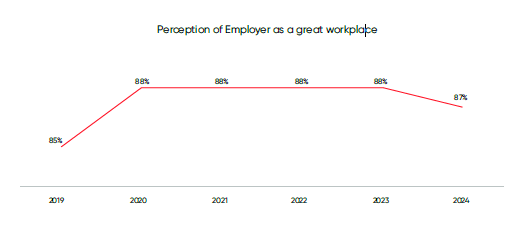
Female employees' perception of their workplace has dropped by 4% - a significant decline that signals the urgent need for more focused efforts in building truly equitable workplaces.

The economic implications of these gender disparities cannot be overlooked. Organizations face reduced employee engagement among female staff, higher turnover rates, and lost productivity. Perhaps most critically, they miss out on the innovation potential that comes with fully engaged, equitably treated female employees.

Building Blocks of Gender Equity

The data reveals an intriguing paradox in workplace perceptions. Both male and female employees report they don’t perceive overt gender bias at their workplaces, with 90% of men and 87% of women agreeing they’re treated fairly, regardless of gender. However, a deeper examination uncovers substantial disparities beneath this surface-level agreement.
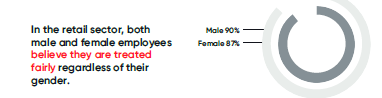
In the retail sector, both male and female employees believe they are treated fairly regardless of their gender.

This disparity manifests across several critical areas. Women consistently report lower satisfaction with fair pay and profit sharing, express concerns about management favoritism, and feel more affected by workplace politics. They also perceive fewer opportunities for career advancement. These findings suggest that while organizations may have successfully eliminated obvious forms of gender discrimination, subtle barriers and systemic inequities continue to impact women’s workplace experiences significantly.

Leading organizations have recognized these challenges and are implementing comprehensive strategies to build more equitable workplace cultures. 

Visibility and Recognition

A key focus area is visibility and recognition. Progressive companies are creating platforms where women can share their experiences and stories, ensuring they have adequate visibility with top leadership. These organizations understand that recognition isn’t just about acknowledging achievements – it’s about creating an environment where women feel valued and heard.

Meaningful Onboarding

The importance of meaningful onboarding has emerged as another crucial factor. The report emphasizes that an employee’s comfort in bringing their full self to work is significantly influenced by their initial experiences with the organization. Forward-thinking companies are designing inclusive onboarding programs that address women’s specific needs and concerns. They’re providing early access to mentorship opportunities and creating clear pathways for growth and development from day one.

Leadership Development

Leadership development has become a cornerstone of gender equity initiatives. The best workplaces focus on identifying high-potential women who might not see their own leadership capabilities. They’re creating structured development programs specifically for women leaders and providing sponsorship opportunities with senior leaders. These programs acknowledge that building leadership capacity requires both skill development and confidence building.

Pay Equity Initiatives

Pay equity initiatives have taken center stage in many organizations’ equity efforts. Progressive companies are conducting regular pay equity audits and implementing transparent pay scales. They’re addressing historical pay disparities through targeted adjustments and creating clear compensation frameworks that eliminate bias. These efforts recognize that pay equity is both a moral imperative and a key driver of employee satisfaction and retention.  Women’s perception in key areas of equity and impartiality lags by almost 7% compared to that of their male colleagues.
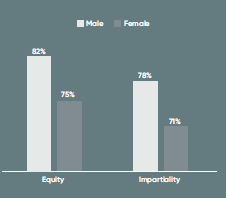
Women's perception in key areas of equity and impartiality lags by almost 7% compared to that of their male colleagues.

Flipkart’s Programs for Women’s Career Continuity and Growth

Case studies from industry leaders offer valuable insights into effective gender equity initiatives. 

Career Development Programs

Flipkart, for example, has implemented a comprehensive suite of programs addressing women’s needs throughout their career journey. Their Catalyze program offers a six-month development journey using the GROW model, specifically designed to prepare women for leadership roles. The company’s GirlsWannaCode initiative empowers women in technology through targeted skill development, while their innovative Flip Forward program helps women restart their careers after breaks. These programs demonstrate the importance of addressing gender equity at every career stage.
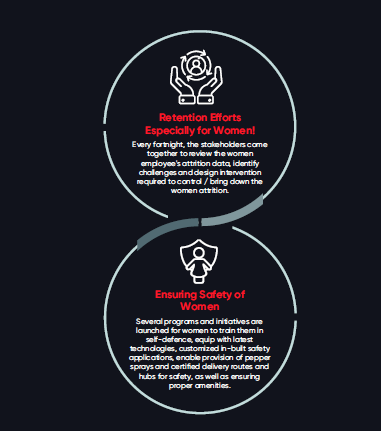
Flipkart's Commitment to Safety, Equality, and Inclusivity

Safety and Retention

Safety and retention have emerged as crucial focus areas in Flipkart’s approach. The company conducts regular reviews of women’s attrition data to identify and address challenges proactively. They’ve implemented comprehensive safety measures, including self-defense training and certified delivery routes, recognizing that physical safety is fundamental to workplace equity. Their custom-built safety applications and infrastructure show how technology can be leveraged to support gender equity goals.

Building a Sustainable Framework

Creating lasting change requires organizations to focus on cultural transformation at a deep level. This involves challenging unconscious biases through regular training and awareness programs. 

Cultural Transformation

Successful organizations are creating Employee Resource Groups that support women’s professional growth and fostering environments where speaking up about inequities is not just permitted but encouraged. The establishment of zero-tolerance policies for harassment and discrimination sends a clear message about organizational values.

Structural Changes

Structural changes play a vital role in supporting gender equity initiatives. Organizations must review and revise policies that might inadvertently disadvantage women. This includes creating flexible work arrangements that support work-life integration and implementing family-friendly policies that support both parents. Progressive companies are establishing clear metrics for measuring progress in gender equity, recognizing that what gets measured gets improved.

Leadership Accountability

Leadership accountability has emerged as a critical factor in successful gender equity initiatives. Organizations are setting specific, measurable goals for improving gender equity and including these metrics in leadership performance evaluations. Regular reporting on progress toward equity goals ensures sustained attention to these issues. Perhaps most importantly, leadership teams are being called upon to actively champion and model inclusive behaviors.

The future of workplace equity depends on leadership teams recognizing that this is not just a human resources initiative but a strategic priority that requires ongoing attention and resources. By making gender equity central to their organizational strategy and backing that commitment with concrete actions, organizations can create lasting change that benefits all employees and drives sustainable success.

Get Certified to Showcase Your Commitment

Achieving Great Place To Work Certification is an excellent way to demonstrate your organization’s commitment to employees’ overall well-being and experience. This Certification not only enhances your employer branding but also helps attract and retain top talent. It highlights to current and prospective employees that your organization values their overall well-being, fostering an environment where they feel appreciated and supported.

By implementing a culture of trust, respect, and collaboration, you can create a workplace where employees feel valued and connected. Certification also provides a benchmark for continuous improvement, helping you identify areas where you can further enhance employee well-being and overall workplace culture. 

For All Summit Mumbai 2025: Vision to Value – Building Workplaces That Matter

Join us on February 6, 2025, in Mumbai for an enlightening day filled with insights on creating sustainable, humane, and inclusive workplaces. Learn from industry leaders about purpose-driven cultures, innovative HR practices, and adaptive leadership strategies.

Get your passes today – https://testg.in/for-all-summit

For All Summit 2025 Mumbai Banner

Gen Z, born between the mid-1990s and early 2010s, is often called the “digital-native” generation. Unlike Millennials, who witnessed the internet’s evolution, Gen Z grew up surrounded by high-speed internet, smartphones, and social media. This immersion in technology, along with growing social and environmental awareness, shapes their worldview and career expectations.

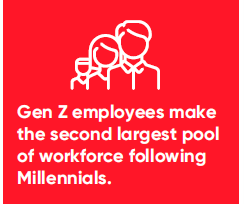
Gen Z employees make the second largest pool of the workforce, following Millennials

Gen Z’s familiarity with technology makes them adaptable and quick to leverage digital tools to streamline work processes. According to the Great Place To Work® report on India’s Best Companies To Work For 2024, many companies notice Gen Z’s demand for innovation and digital transformation at work. 

  • Entrepreneurial Spirit: Gen Z thrives on self-initiative and often seeks environments where they can innovate. This aligns with the report’s observation that Gen Z employees exhibit high levels of engagement when they are offered opportunities to innovate, showing a direct link to positive workplace culture and business growth.
  • Authenticity and Balance: Gen Z seeks work-life balance and values authenticity, often looking for workplaces that support mental well-being and offer flexibility. With a strong emphasis on authenticity, they are inclined towards workplaces that allow them to express their true selves without judgment.

Understanding Gen Z’s Work Preferences

Flexibility and Autonomy 

Unlike previous generations, Gen Z views flexibility not as a perk but as a basic requirement. They value remote work options, flexible hours, and autonomy to make decisions within their roles. The India’s Best Companies To Work For 2024 report highlights that Gen Z’s desire for flexibility correlates with their productivity and motivation. They are 18% more likely to stay with an organization that offers them autonomy and flexibility, making this a critical retention factor. 

Work-Life Balance

Work-life balance is more than a buzzword for Gen Z; it’s a priority. This generation grew up witnessing the burnout associated with ‘hustle culture’ and seeks roles that respect their mental and physical well-being. According to the report, companies that emphasize employee wellness, mental health support, and clear boundaries between work and personal life tend to have higher satisfaction scores among Gen Z employees.  They prefer employers who understand that mental health is essential for sustained productivity.

Digital Savvy and Innovation-Driven

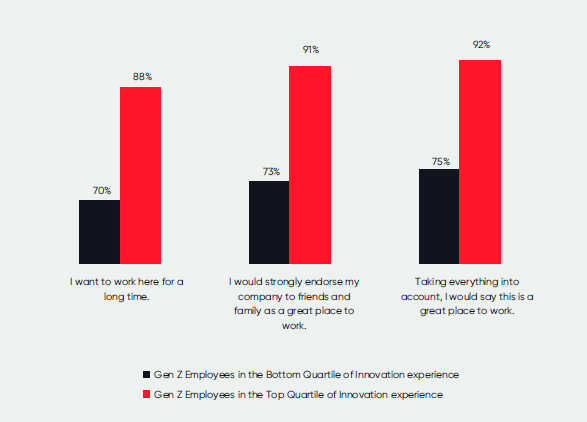
Gen Z’s natural comfort with technology means they look for workplaces that embrace digital tools and continuous innovation. They expect quick, digital solutions in their workflow and find satisfaction in environments where technology plays a central role. Data from the report reveals that organizations offering Gen Z employees the chance to engage in innovation see an 18% increase in loyalty, advocacy, and overall job satisfaction. This statistic underlines how a culture that encourages innovation retains digitally savvy talent.

Why Authenticity Matters to Gen Z

Cultural Fit

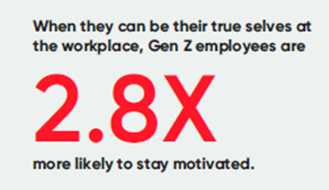
Gen Z seeks a culture that values diversity, equity, and inclusion (DEI). This generation has a heightened awareness of social issues and expects employers to reflect similar values in the workplace. They want to feel seen and respected as individuals and look for companies where DEI is practiced, not just promoted. The report mentions that when Gen Z feels they can bring their “authentic selves” to work, they are 2.8 times more likely to remain motivated. This statistic emphasizes the importance of an inclusive culture where employees feel safe and valued.

The report mentions that when Gen Z feels they can bring their “authentic selves” to work, they are 2.8 times more likely to remain motivated.

Trust in Leadership  

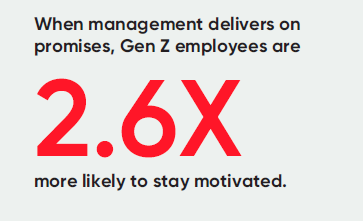
Trustworthiness and integrity in leadership are paramount for Gen Z. The report finds that Gen Z employees are 2.6 times more likely to stay motivated if they see management delivering on promises and practicing transparency. Authentic leadership fosters trust, creating a positive atmosphere that resonates with Gen Z. When leaders are open and accountable, Gen Z feels more invested in their roles and the organization’s success.

The report finds that Gen Z employees are 2.6 times more likely to stay motivated if they see management delivering on promises and practicing transparency.

Brand Values Alignment

Gen Z is driven by a sense of purpose and expects their employers to act on ethical and sustainable practices. According to the India’s Best Companies To Work For 2024 report, Gen Z employees prioritize working for brands that align with their values, especially regarding social and environmental issues. They are more likely to endorse and stay with companies whose missions resonate with their beliefs, emphasizing the importance of corporate social responsibility (CSR) in attracting and retaining Gen Z talent. 

Keeping Gen Z Motivated and Engaged

Clear Pathways for Growth 

Gen Z employees are highly focused on career development and look for transparent pathways to advance within their organizations. They appreciate well-defined progression plans and opportunities to upskill, as it assures them that their career growth aligns with the company’s vision. According to the report, organizations that provide clear growth trajectories and skills training have seen increased satisfaction among Gen Z employees, who value mentorship and tangible pathways to advancement.

Opportunities for Innovation

Gen Z thrives in environments that encourage creativity and continuous learning. A culture that welcomes new ideas and promotes collaborative brainstorming sessions is essential for keeping Gen Z engaged. The India’s Best Companies To Work For 2024 report emphasizes that workplaces offering high innovation experiences see an 18% improvement in retention, brand endorsement, and satisfaction levels among Gen Z employees. This indicates that fostering creativity and adaptability in the workplace is key to engaging this generation.

Frequent Feedback and Recognition  

Unlike previous generations, Gen Z values regular feedback over annual reviews. They seek immediate insights to fine-tune their performance and are motivated by recognition. Companies that implement real-time feedback and reward systems tend to see higher engagement levels among Gen Z employees. The report supports this by highlighting the positive impact of continuous feedback, which empowers Gen Z to grow within their roles and contributes to a sense of purpose and achievement.

Leveraging Gen Z’s Strengths for Business Success

Embracing Digital Transformation  

Gen Z’s digital fluency enables them to drive technological advancements in the workplace. Their comfort with digital tools and eagerness to experiment with new tech solutions make them valuable assets in companies undergoing digital transformation. The report notes that companies integrating digital workflows see increased productivity and innovation as Gen Z employees streamline processes and introduce more efficient ways of working.  Leveraging this strength can help organizations stay competitive and adaptable in a rapidly changing landscape.

Gen Z employees with higher and more positive experience with innovation at
their workplace, take a lead of 18% in willingness to stay, brand endorsement and
positive workplace culture perception.

Entrepreneurial Thinking  

Gen Z has a distinct entrepreneurial mindset, often challenging conventional practices with fresh ideas and solutions. This generation appreciates workplaces that encourage autonomy and support out-of-the-box thinking. Companies that tap into Gen Z’s entrepreneurial spirit benefit from innovative solutions and a creative approach to problem-solving. The report emphasizes that Gen Z employees are 2.8 times more likely to feel motivated in organizations that allow them to bring their authentic, entrepreneurial selves to work.

Brand Ambassadors  

As social media natives, Gen Z employees can be effective brand advocates. They naturally align with companies that share their values and can amplify the brand’s mission online. According to the report, when Gen Z employees feel authentically connected to their workplace, they are more likely to endorse the company publicly. This alignment not only enhances brand reputation but also attracts like-minded talent, fostering a cycle of positive brand reinforcement.

Engaging Gen Z in the workplace requires a combination of authenticity, flexibility, and inclusivity. Companies that recognize Gen Z’s unique values and motivations are better positioned to attract and retain this generation, which in turn contributes to a more dynamic and innovative workplace.

To cultivate a Gen Z-friendly workplace, leaders should focus on building a culture that values transparency, supports professional growth, and aligns with social and environmental values. By addressing Gen Z’s expectations, organizations can create workplaces where these young employees thrive, innovate, and drive long-term success.

Get Certified to Showcase Your Commitment

Achieving Great Place To Work Certification is an excellent way to demonstrate your organization’s commitment to employees’ overall well-being and experience. This Certification not only enhances your employer branding but also helps attract and retain top talent. It highlights to current and prospective employees that your organization values their overall well-being, fostering an environment where they feel appreciated and supported.

By implementing a culture of trust, respect, and collaboration, you can create a workplace where employees feel valued and connected. Certification also provides a benchmark for continuous improvement, helping you identify areas where you can further enhance employee well-being and overall workplace culture. 

For All Summit Mumbai 2025: Vision to Value – Building Workplaces That Matter

Join us on February 6, 2025, in Mumbai for an enlightening day filled with insights on creating sustainable, humane, and inclusive workplaces. Learn from industry leaders about purpose-driven cultures, innovative HR practices, and adaptive leadership strategies.

Get your passes today – https://testg.in/for-all-summit
In today’s workplace landscape, Diversity, Equity, Inclusion, and Belonging (DEIB) are more than buzzwords. They are essential elements for fostering a thriving organizational culture. According to the 2024 report by Great Place To Work®, India’s best workplaces have made significant strides in these areas, demonstrating how a strong DEIB framework can benefit employees and businesses alike. Below, we explore data-driven insights from the DEIB 2024 report, highlighting its impact on individual growth, business success, and societal progress.

The Business Value of DEIB

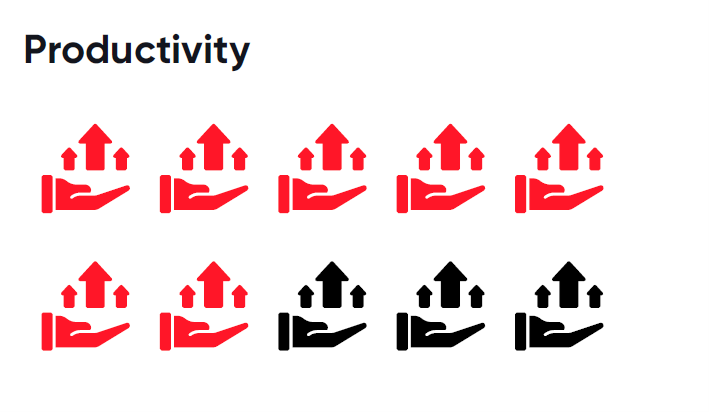
Great Place To Work’s 2024 data shows that organizations investing in DEIB see a tangible positive impact on business outcomes. More than 70% of organizations in the report believe prioritizing DEIB has spurred greater innovation, reduced attrition, and increased productivity. Employees who feel a sense of belonging through DEIB are 4.3 times more likely to look forward to coming to work, underscoring how inclusive environments foster both engagement and motivation. When diversity is prioritized, employees are empowered to bring unique perspectives, boosting creativity and revenue growth.

The image shows that organizations focusing on diversity, equity, inclusion, and belonging have seen improvements in work quality and employee productivity. When employees feel a sense of belonging, they are 4.3 times more likely to look forward to coming to work.

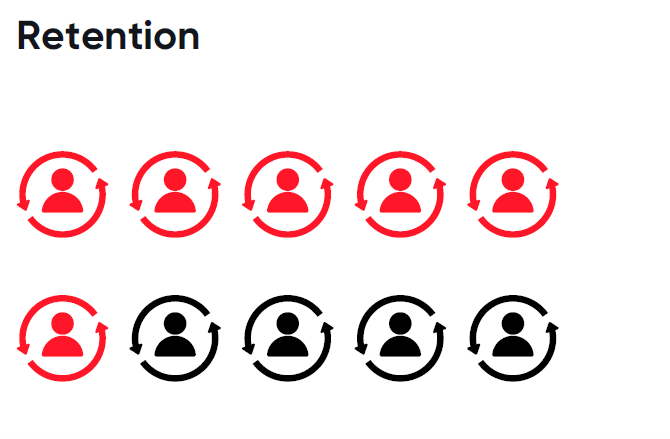
The correlation between DEIB and organizational loyalty is also noteworthy. Employees who experience a blend of diversity, equity, and inclusion are 3.4 times more likely to remain with their organization long-term. By enhancing workplace culture, companies can improve employee experiences, increase retention, and strengthen their reputation as an employer of choice.

The image highlights that organizations prioritizing diversity, equity, inclusion, and belonging have seen reduced attrition rates among diverse groups. When employees feel a sense of belonging, they are 3.4 times more likely to stay with the organization long-term.

Enhancing Employee Well-being and Growth

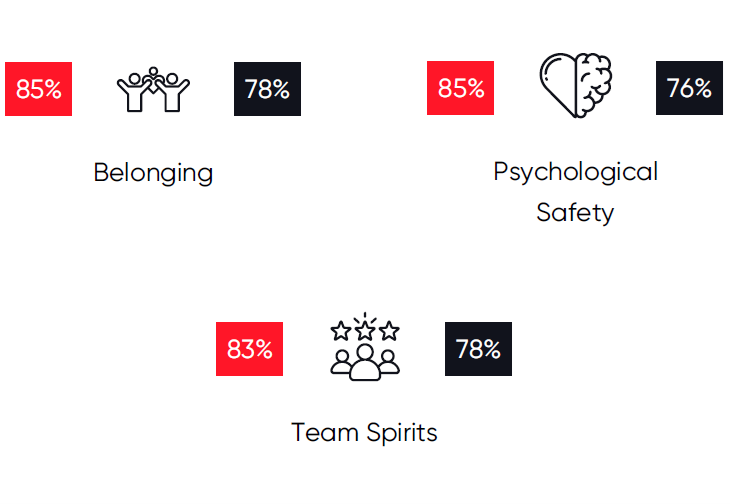
Great workplaces in India are also fostering employee well-being and career growth. The report indicates that the best workplaces are rated significantly higher in areas such as psychological safety, team spirit, and work-life balance. Specifically, 85% of employees in these best workplaces feel a sense of belonging, compared to only 78% in other organizations. This strong sense of community is further strengthened by initiatives aimed at supporting mental health and enabling employees to learn from their mistakes. These programs help individuals feel safe, valued, and supported, leading to higher productivity and job satisfaction.

Best workplaces in DEIB show an increase in scores for belonging, psychological safety and team spirits.

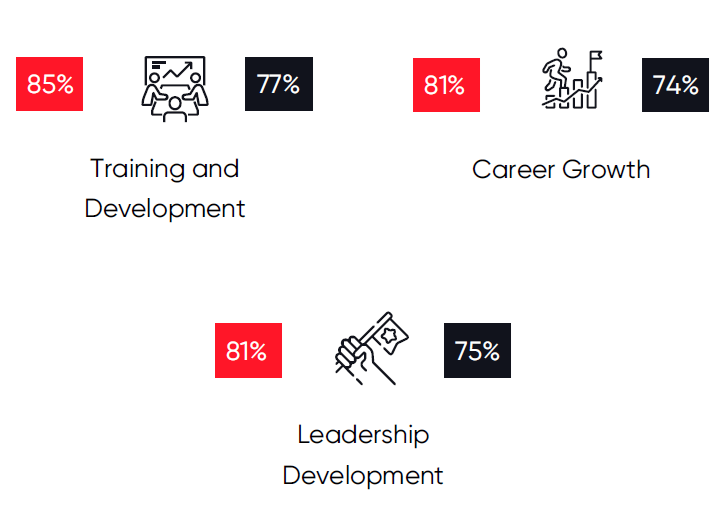
Leadership development and career advancement are essential elements of DEIB-focused workplaces. In the best workplaces, 81% of employees report having access to growth opportunities and leadership training. Such practices empower individuals to advance within the organization, build relevant skills, and ultimately contribute to a more inclusive workplace culture. These initiatives create an environment where employees feel motivated and recognized, increasing their commitment to the company.

Employees at best workplaces feel very positive about their learning and development opportunities.

Addressing Representation Gaps and HEGs

Despite the progress, representation for Historically Excluded Groups (HEGs) remains an area where many organizations can improve. The report highlights gaps in workforce representation for groups such as LGBTQIA+ individuals, persons with disabilities, and veterans. Best practices from leading organizations include targeted hiring strategies, equitable pay structures, and leadership opportunities for HEGs. When companies take action to close these gaps, they make strides toward a truly inclusive environment.

Among the HEGs, the LGBTQIA+ community and persons with disabilities are two groups where representation often lags. Organizations that succeed in DEIB make a concerted effort to include these groups, not only in hiring but in career advancement and leadership roles. By fostering such inclusion, these organizations can bridge the gap between intent and action, providing equitable opportunities for all employees.

Building an Inclusive Culture through DEIB Initiatives

For DEIB initiatives to succeed, organizations must go beyond policymaking and foster an inclusive culture. The best workplaces are characterized by authenticity and transparency, with policies that actively support inclusion. Companies like Lowe’s India and Axis Bank are implementing impactful programs that enhance DEIB in meaningful ways. Axis Bank’s “HouseWorkIsWork” campaign, for example, addresses the challenges faced by homemakers reentering the workforce, tapping into an often-overlooked talent pool. Similarly, Lowe’s conducts interactive experiences to raise awareness about disabilities, including activities like “Dialogue in the Dark,” which educates employees on challenges faced by visually impaired individuals.

These inclusive practices are crucial for creating a workplace where everyone feels respected and valued. By fostering a culture of inclusivity, companies can unlock employees’ potential and promote a supportive work environment. Such initiatives illustrate that DEIB is not just a compliance measure but a cornerstone of long-term growth and success.

Overcoming Barriers to DEIB Implementation

Implementing DEIB is challenging, especially in diverse cultural landscapes like India. According to the report, legal, cultural, and economic barriers often hinder DEIB efforts. For example, outdated stereotypes about gender roles and stigmas associated with disabilities continue to persist in the workplace. To overcome these challenges, companies must adopt targeted strategies, including anti-discrimination policies and accessibility improvements, to create an environment where everyone can thrive.

One approach highlighted in the report is the creation of Employee Resource Groups (ERGs) for HEGs, which provide a platform for underrepresented employees to voice their concerns, build connections, and receive support. Additionally, organizations like Infosys have made significant strides in accessibility, implementing ramps, braille-enabled lifts, and gender-neutral washrooms across their campuses. Such structural changes address economic and cultural barriers, enabling employees from diverse backgrounds to succeed.

Creating Sustainable DEIB Impact through Leadership

True progress in DEIB requires leadership commitment and accountability. Inclusive leadership is essential for embedding DEIB principles throughout the organization. Leaders must model inclusive behaviors, actively listen to employees, and make transparent decisions that reflect their commitment to diversity. The report emphasizes the role of inclusive leaders who practice empathy, fairness, and allyship, creating an environment where diverse voices are valued.

Leaders who prioritize DEIB initiatives strengthen the company’s foundation and cultivate a workforce that feels valued and engaged. By embedding DEIB values in all levels of decision-making, companies not only foster a culture of belonging but also build resilience and adaptability for future challenges. This leadership-driven approach is integral for ensuring the sustainability of DEIB efforts.

Measuring and Tracking DEIB Progress

Tracking DEIB progress is crucial for maintaining momentum and identifying areas for improvement. According to the report, data collection on metrics such as gender diversity, pay equity, and promotion rates is essential for evaluating DEIB initiatives’ effectiveness. Organizations are encouraged to gather employee feedback, conduct regular audits, and monitor HEG representation. For instance, conducting annual equal-pay audits and publishing the findings, as seen in Fractal Analytics, helps maintain transparency and accountability in pay practices.

Monitoring progress allows organizations to align their DEIB goals with business outcomes, ensuring that inclusion efforts are not only impactful but sustainable. This approach also encourages continuous improvement, as companies can adapt their strategies based on feedback and emerging challenges.

The Broader Impact of DEIB on Society

Investing in DEIB has benefits beyond individual organizations. When businesses embrace diversity and inclusion, they contribute to broader societal change by creating opportunities for marginalized communities. The report highlights that 79% of organizations believe their DEIB efforts positively impact the communities they support, with employees reporting a sense of pride in their social contributions.

Organisations that invest in DEIB, are able to see direct impact on community outreach.

The alignment of DEIB initiatives with Sustainable Development Goals (SDGs), such as gender equality and decent work, illustrates how organizations can make a meaningful social impact. By addressing inequalities and promoting fair employment practices, companies contribute to a more just and inclusive society, amplifying the ripple effects of DEIB efforts across communities.

The Great Place To Work report underscores that DEIB is an essential strategy for creating supportive workplaces, fostering innovation, and achieving sustainable growth. The experiences of India’s best workplaces show that organizations that prioritize DEIB not only enhance their competitive advantage but also contribute to a fairer and more inclusive world. By continuing to advance DEIB practices, companies can unlock employees’ full potential, drive positive business outcomes, and make a lasting impact on society.

Get Certified to Showcase Your Commitment    

Achieving Great Place To Work Certification™ is an excellent way to demonstrate your organization’s commitment to employees’ overall well-being and experience. This Certification not only enhances your employer branding but also helps attract and retain top talent. It highlights to current and prospective employees that your organization values their overall well-being, fostering an environment where they feel appreciated and supported.

By implementing a culture of trust, respect, and collaboration, you can create a workplace where employees feel valued and connected. Certification also provides a benchmark for continuous improvement, helping you identify areas where you can further enhance employee well-being and overall workplace culture.

For All Summit Mumbai 2025: Vision to Value – Building Workplaces That Matter

Join us on February 6, 2025, in Mumbai for an enlightening day filled with insights on creating sustainable, humane, and inclusive workplaces. Learn from industry leaders about purpose-driven cultures, innovative HR practices, and adaptive leadership strategies. Get your passes today – https://testg.in/for-all-summit
Banner for registering for the Great Place To Work® For All™ Summit 2025

In an era where workplace diversity has evolved from aspiration to imperative, India’s Best Workplaces are setting in women’s empowerment. The landscape of corporate India is undergoing a remarkable transformation, with progressive organizations recognizing that gender diversity isn’t just about meeting quotas—it’s about fostering environments where women can truly thrive and lead. This transformation is reshaping organizational cultures and creating new standards for workplace excellence.

The Numbers Tell a Compelling Story 

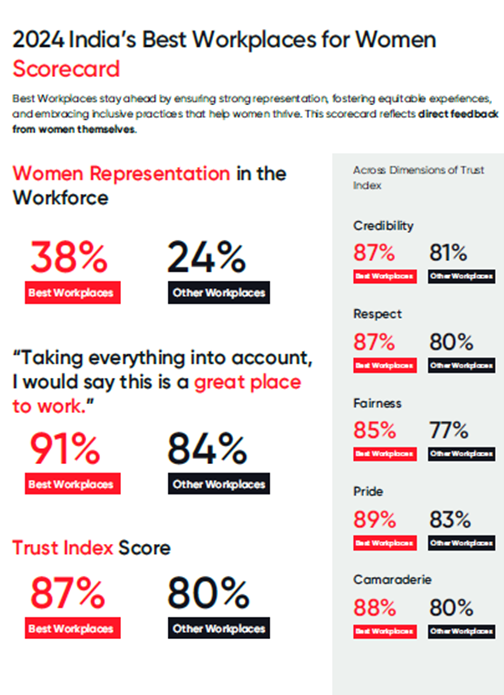
The stark contrast between Best Workplaces and other organizations reveals a telling narrative. With women comprising 38% of their workforce—significantly higher than the 24% seen in other workplaces—these leading organizations demonstrate their commitment to gender diversity through action, not just words. This commitment translates directly into workplace satisfaction, with 91% of women in Best Workplaces rating their organizations as “great places to work” compared to 84% in other workplaces.

2024 India’s Best Workplaces for Women Scorecard

These statistics aren’t just numbers—they represent thousands of women finding fulfillment and success in their professional lives. The higher Trust Index score of 87% in Best Workplaces, compared to 80% in other organizations, indicates a fundamental difference in how women experience their work environment, from daily interactions to career development opportunities.

The Power of Belonging: A Catalyst for Transformation

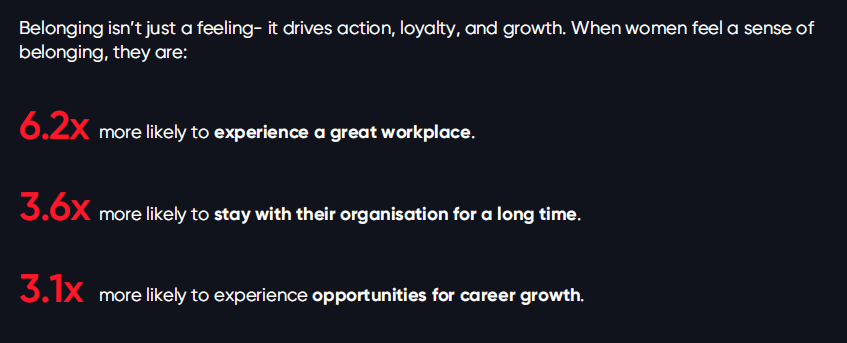
Perhaps the most striking finding is the profound impact of creating environments where women feel they truly belong. Organizations that successfully balance diversity, equity, and inclusion witness an 11% higher sense of belonging among their female employees. This isn’t merely a feel-good metric—it translates into tangible outcomes. Women who experience this sense of belonging are 6.2 times more likely to consider their workplace exceptional, 3.6 times more likely to commit to long-term careers with their organizations, and 3.1 times more likely to see clear paths for career advancement.

When Organisation get the Balance Right, Belonging Strengthens, Leading to a Transformed Culture

The ripple effects of strong belonging extend beyond individual satisfaction. When women feel genuinely integrated into their workplace community, they’re more likely to contribute innovative ideas, take on leadership roles, and mentor others, creating a virtuous cycle of empowerment and growth.

Blueprint for Success: Measuring What Matters

Best Workplaces are adopting sophisticated approaches to tracking and improving women’s workplace experiences. Their metrics span the entire employee lifecycle, from recruitment to leadership development:

Leadership and Retention

Forward-thinking organizations are moving beyond basic headcount metrics. They’re examining women’s participation in strategic discussions, tracking the promotion of women to senior roles from within, and monitoring the effectiveness of flexible work arrangements. Critical attention is paid to post-maternity return rates and the use of support services, ensuring that parenthood doesn’t become a career obstacle.

The most successful organizations are also monitoring the frequency of women’s inclusion in key meetings and strategy discussions, recognizing that visibility and voice are crucial components of leadership development.

Development and Growth

Success in women’s empowerment requires a deliberate focus on growth opportunities. Best Workplaces track participation in leadership programs, monitor the gender distribution in promotion pools, and ensure equitable access to recognition and rewards. This systematic approach helps identify and nurture high-potential female talent, creating robust leadership pipelines.

Recruitment and Onboarding Excellence

Progressive organizations are reimagining their talent acquisition strategies, focusing on gender-balanced candidate pools and diverse interview panels. They track the gender ratio of applicants, shortlisted candidates, and new hires, particularly for leadership positions. Special attention is paid to early engagement scores and retention rates by gender, ensuring that women feel supported from day one.

Innovation in Action: Leading Practices from Top Organizations

Several organizations are pioneering innovative approaches to women’s empowerment:

Addressing the Broken Rung 

Max Life Insurance’s ROAR program tackles a critical challenge in women’s career progression—the transition to first-time management roles. By focusing on communication skills, executive presence, and leadership capabilities, the program helps women overcome self-limiting beliefs and build strong foundations for leadership careers. The program’s emphasis on practical skills like power dressing, body language, and elevator pitches demonstrates a comprehensive approach to leadership development.

Supporting Mid-Career Transitions

R1 RCM Global Private Limited’s Winspire program demonstrates the power of targeted intervention at crucial career junctures. This seven-month development initiative has achieved remarkable success, with 40% of participants advancing to senior roles, proving that structured support can significantly impact career trajectories. The program’s combination of classroom sessions, self-paced learning, and senior leader interactions creates a comprehensive learning experience.

Comprehensive Maternity Support

Happiest Minds’ MoMentum program takes a holistic approach to supporting working mothers through three crucial phases: pre-maternity preparation, during-leave engagement, and post-maternity transition. This comprehensive support system helps talented women navigate one of the most challenging periods in their careers while maintaining their professional momentum. The program’s inclusion of mental health support and peer networking through WhatsApp groups shows attention to both practical and emotional needs.

Building Leadership Pipelines

Tata AIG’s Blue-League Journey exemplifies how organizations can systematically develop women leaders. Their four-month transformative program, focusing on personal growth, people management, execution, and business acumen, creates a structured pathway for high-potential women to advance into leadership roles. The program’s competitive selection process and comprehensive curriculum demonstrate a serious commitment to leadership development.

Fostering Community and Connection

Voya India’s MAAERI Women’s Network Council shows how organizations can create powerful platforms for women to connect, learn, and grow. Through panel discussions with senior leaders and sessions addressing critical topics like unconscious bias, the initiative helps women navigate workplace challenges while building strong professional networks.

What Will It Take to Create Real Impact?

While Best Workplaces have shown impressive progress in women’s empowerment, creating lasting change requires a systematic approach across multiple dimensions. Here’s a comprehensive framework for organizations seeking to make a real difference:

Track and Manage experience, Sensitizing People Managers, Measure and communicate key and Leadership Commitment

1. Track and Manage Experiences

Organizations must go beyond surface-level metrics to truly understand women’s workplace experiences. This requires:

  • Establishing Robust Feedback Mechanisms: Creating anonymous channels where women can voice concerns and suggestions without fear of retribution. Psychological safety is crucial for gathering honest feedback that can drive meaningful change.
  • Implementing Focus Groups and Listening Sessions: Regular sessions where women can share their experiences and expectations directly with leadership create valuable dialogue and ensure that initiatives are aligned with real needs.

2. Sensitizing People Managers

People managers play a pivotal role in shaping workplace experiences and retention decisions. Key focus areas include:

  • Addressing Unconscious Bias: Regular training sessions for all employees, especially people managers, help identify and mitigate unconscious biases that can affect decisions around hiring, promotions, and day-to-day interactions.
  • Life Stage Sensitivity: People managers must understand and support women during critical life stages and personal milestones. Their responses during these crucial moments often influence women’s decisions to stay with or leave an organization. This understanding should extend to providing flexible arrangements and support systems when needed.

3. Measure and Communicate Impact

What gets measured gets managed. Organizations should:

  • Set Clear, Measurable Goals: Establish specific targets for women’s representation at various levels, success metrics for women-specific initiatives, and engagement metrics for women at work.
  • Implement Regular Reporting: Conduct quarterly reviews to assess progress against these goals, ensuring transparency and accountability. This regular monitoring allows organizations to adjust strategies promptly when needed.

4. Demonstrate Leadership Commitment

Leadership commitment is the cornerstone of successful women’s empowerment initiatives:

  • Clear Communication: Leaders must clearly articulate their commitment to diversity and inclusion, creating a culture that genuinely values women’s contributions.
  • Resource Allocation: Demonstrate commitment through concrete actions by allocating specific budgets and resources for women’s development initiatives.
  • Leading by Example: Leaders set the organizational tone through their actions—or inaction. They can foster an inclusive culture by:
    • Actively sponsoring women in their careers
    • Challenging biases when they observe them
    • Using inclusive language consistently
    • Ensuring equal opportunities for growth and advancement
    • Modeling behaviors that support women’s professional development

Driving Business Excellence Through Women’s Empowerment

The data is clear: organizations that excel in women’s empowerment aren’t just doing the right thing—they’re building more successful businesses. Higher trust index scores (87% in Best Workplaces versus 80% in others) indicate stronger organizational cultures. These companies are better positioned to attract and retain top talent, foster innovation through diverse perspectives, and build more resilient organizations.

Moreover, organizations with strong women’s empowerment initiatives often see improvements in decision-making, innovation, and customer understanding, as diverse perspectives lead to more comprehensive solutions and strategies.

Beyond Numbers to Lasting Impact

The journey toward true workplace equality requires more than policies and programs—it demands a fundamental shift in organizational culture. India’s Best Workplaces are showing that when organizations commit to genuine change, the results are transformative. They’re creating environments where women don’t just participate—they thrive, lead, and shape the future of work.

As we look ahead, the message is clear: women’s empowerment in the workplace isn’t just a gender issue—it’s a business imperative that shapes organizational success in the modern economy. Organizations that recognize and act on this reality today will be the leaders of tomorrow. The blueprint for success exists; the challenge now lies in scaling these proven practices across industries and organizations to create a more equitable and prosperous future for all.

Get Certified to Showcase Your Commitment

Achieving Great Place To Work Certification™ is an excellent way to demonstrate your organization’s commitment to employees’ overall wellbeing and experience. This Certification not only enhances your employer branding but also helps attract and retain top talent. It highlights to current and prospective employees that your organization values their health, happiness, and overall wellbeing.    

By implementing a culture of trust, respect, and collaboration, you can create a workplace where employees feel strong, healthy, and connected. Certification also provides a benchmark for continuous improvement, helping you identify areas where you can further enhance employee well-being and overall workplace culture.  

For All™ Summit 2025 Mumbai: Vision to Value – Building Workplaces That Matter

Join us on February 6, 2025, in Mumbai for an enlightening day filled with insights on creating sustainable, humane, and inclusive workplaces. Learn from industry leaders about purpose-driven cultures, innovative HR practices, and adaptive leadership strategies.

Get your passes today – https://testg.in/for-all-summit
Banner for registering for the Great Place To Work® For All™ Summit 2025

In an era where organizational success hinges on innovation and adaptability, one truth stands increasingly clear: companies that empower women don’t just promote equality—they catalyze extraordinary business outcomes. While the dialogue around women’s participation in the workforce has intensified, recent data reveals both promising developments and persistent challenges that demand our attention. The historical contributions of women as the backbone of economies and societies have often gone unrecognized, but today’s organizations are beginning to understand that when women are empowered to participate fully, the ripple effects transform entire industries.

The Current Landscape: Progress and Plateaus

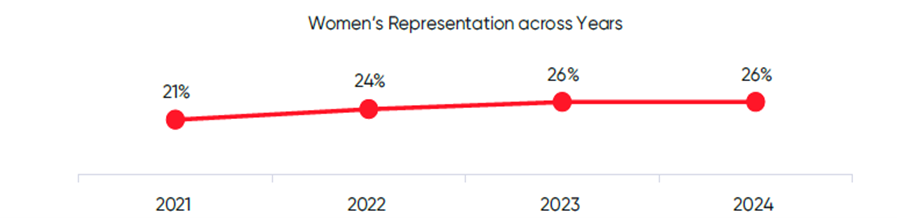
Womens representation across years

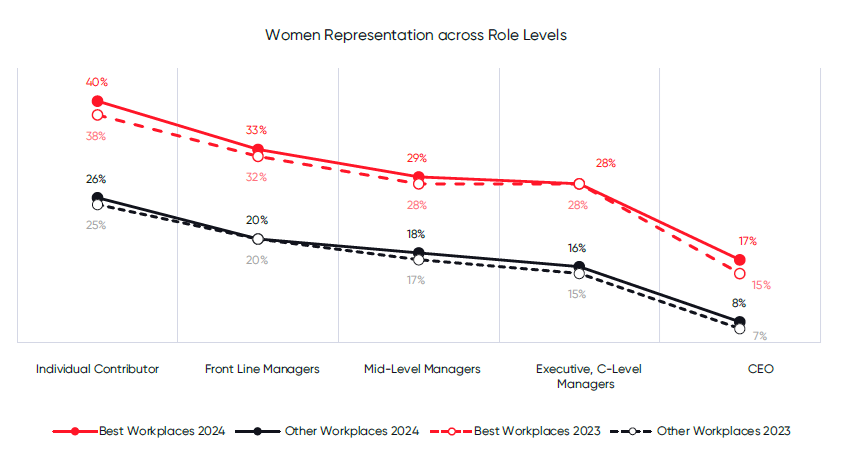
The journey of women in the workforce tells a story of both advancement and stagnation. After steady growth from 2021 to 2023, women’s representation has hit a concerning plateau at 26%, with merely 16% occupying executive or C-suite positions. This stagnation signals a crucial reality: passive progress is no longer sufficient to drive meaningful change. The steep decline in workforce participation over the last decade, driven by cultural expectations, deep-rooted social norms, and caregiving responsibilities, highlights the complexity of the challenge we face.

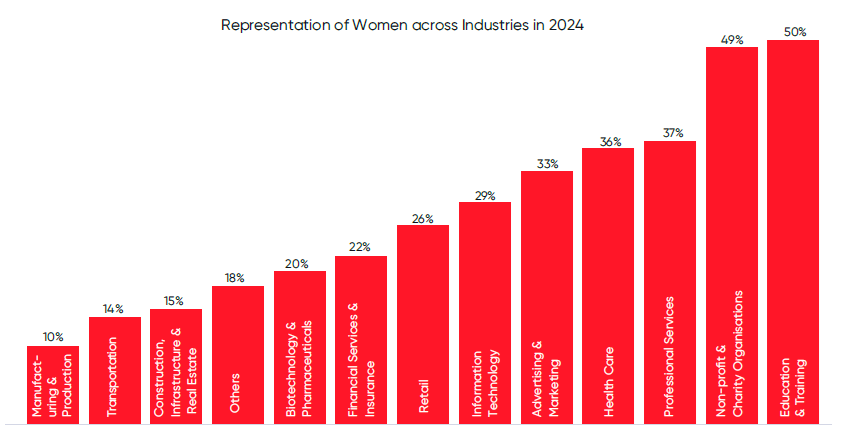
Representation of Women across Industries in 2024

The disparity becomes even more pronounced across sectors. While education and non-profit organizations lead with nearly 50% women representation, traditional male-dominated industries like manufacturing, transportation, and construction continue to lag significantly behind.

Women Representation across Role Levels

More troubling still is the World Economic Forum’s projection that achieving gender parity in economic participation could take up to 131 years at the current pace. This timeline serves as a stark reminder that transformative action is needed now.

Beyond Numbers: The Experience Gap 

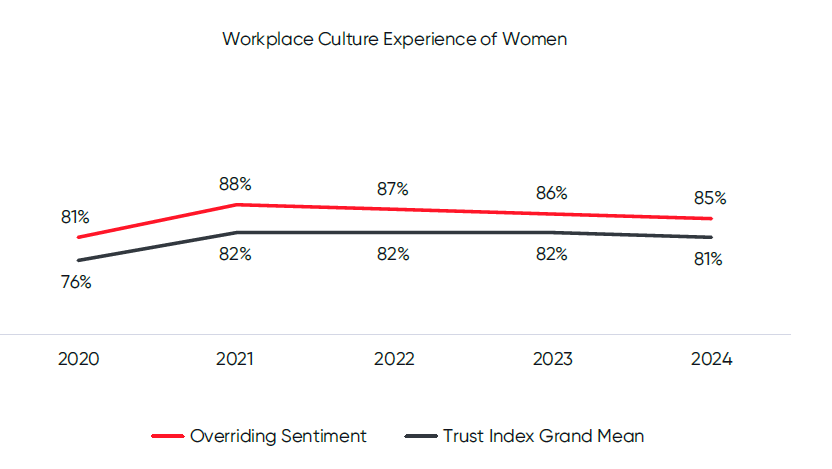
Raw representation statistics tell only part of the story. Recent sentiment analysis reveals a growing emotional disconnect in women’s workplace experiences. A concerning trend shows fewer women feeling appreciated or believing in management’s commitment to their words. Only 65% feel they receive fair compensation from their company’s profits, highlighting a widening chasm between leadership and employees. This disconnect is further amplified by increasing perceptions of favoritism and workplace politics.

Workplace Culture Experience of Women

While 95% of women report feeling physically safe at work, true engagement stems from deeper factors: feeling valued, heard, and treated fairly.

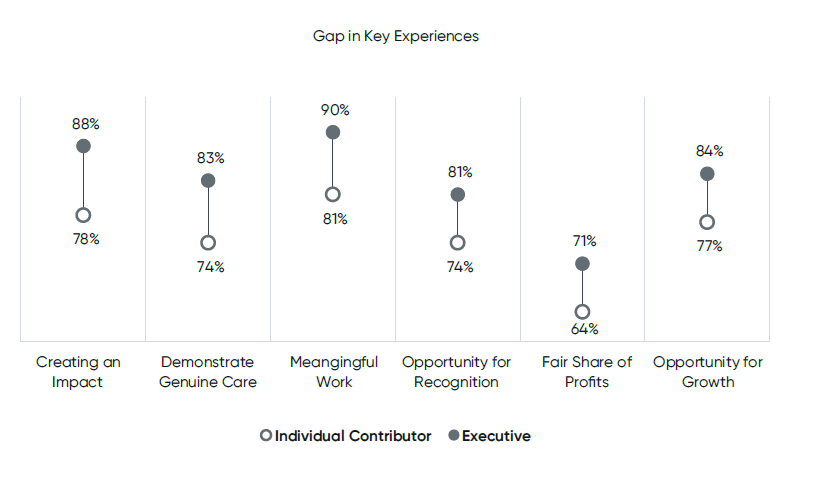
Gap in Key Experiences

The transition from individual contributors to leadership positions remains a significant hurdle, evidenced by a 7% gap in growth opportunities between executives (84%) and individual contributors (77%). This disparity in career development opportunities underscores the need for more equitable advancement pathways across all organizational levels.

Understanding the Retention Challenge 

Social and workplace conditions often contribute to women’s workforce attrition. The Global Gender Gap Report indicates this is a widespread issue across industries, particularly in countries like India. Research consistently shows that fairness, growth opportunities, and recognition are key drivers affecting women’s intent to stay in the workplace. Organizations must recognize that creating an environment where women can thrive requires addressing these fundamental aspects of the work experience.

Best Workplaces: Setting the Gold Standard

What sets Best Workplaces apart in this landscape? The answer lies in their comprehensive approach to women’s empowerment. These organizations have demonstrated that supporting women’s advancement isn’t just about meeting quotas—it’s about fostering an environment where women can thrive at every level. Their success is built on understanding that having women as role models across all levels is crucial for building a strong pipeline of leadership talent.

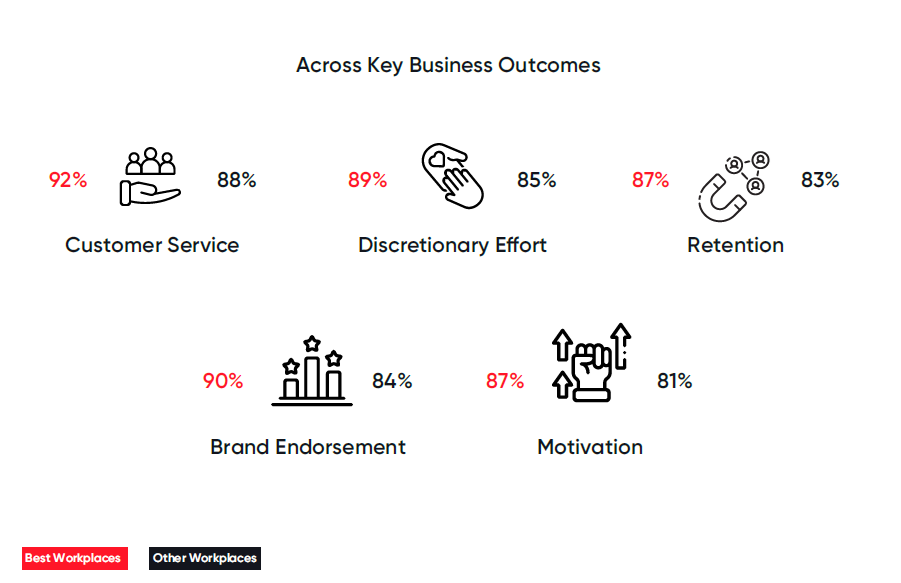
Experiences of Women Employees Across Key Business Outcomes

The results speak volumes: Best Workplaces boast twice the number of women CEOs compared to other organizations. Their success extends beyond leadership demographics, with 90% of employees expressing pride in their company’s brand and 92% reporting high customer satisfaction. Perhaps most tellingly, 87% of employees indicate strong intent to stay, while 89% consistently go above and beyond in their contributions. These organizations report up to 9% more positive experiences in key areas that drive retention compared to other workplaces.

The Blueprint for Change

Creating an inclusive workplace requires a strategic, multi-faceted approach that addresses both systemic barriers and individual needs:

1. Strategic Recruitment

Successful organizations implement targeted recruitment strategies, including:

  • Setting clear diversity targets aligned with organizational goals
  • Using gender-neutral language in job postings to eliminate unconscious bias
  • Implementing blind hiring processes to ensure fair evaluation
  • Developing comprehensive returnship programs for women rejoining the workforce
  • Showcasing success stories of women within the organization to inspire others

2. Engagement and Development

Retention hinges on creating an environment where women can flourish:

  • Offering flexible work arrangements that accommodate various life stages
  • Providing equal growth opportunities through transparent promotion processes
  • Establishing mentorship programs that connect women with senior leaders
  • Creating women’s networks and resource groups for peer support
  • Implementing focused leadership development initiatives
  • Ensuring equal access to high-visibility projects and opportunities
  • Providing comprehensive support for work-life integration

3. Measurement and Accountability

Progress requires regular monitoring and adjustment:

  • Establishing robust feedback mechanisms at all organizational levels
  • Conducting regular focus groups to understand women’s experiences
  • Setting measurable goals with clear timelines and accountability
  • Maintaining transparent reporting on diversity metrics
  • Analyzing retention data to address attrition causes
  • Implementing regular pay equity audits
  • Tracking promotion rates and career progression patterns

The Business Case for Women’s Empowerment

The impact of women’s empowerment extends far beyond social responsibility. Best Workplaces consistently demonstrate superior outcomes in:

  • Customer service excellence through diverse perspectives
  • Brand loyalty from both employees and customers
  • Employee discretionary effort and innovation
  • Workplace motivation and team collaboration
  • Innovation and problem-solving through diverse thinking
  • Market understanding and product development
  • Overall organizational resilience and adaptability

Looking Ahead: The Path Forward

As we navigate the evolving workplace landscape, organizations must move beyond surface-level initiatives to create lasting change. This requires:

1. Leadership Commitment:

  • Beyond verbal support, leaders must allocate resources and lead by example
  • Regular communication of commitment to diversity and inclusion
  • Active participation in mentorship and sponsorship programs
  • Personal accountability for diversity goals

2. Cultural Transformation:

  • Organizations need to address unconscious biases through comprehensive training
  • Create systems that support women through various life stages
  • Foster an environment where speaking up is encouraged and valued
  • Develop inclusive policies that consider diverse needs and perspectives

3. Sustainable Progress:

  • Regular measurement and communication of key metrics
  • Continuous adjustment of strategies based on feedback and results
  • Integration of diversity goals into business strategy
  • Development of long-term talent pipelines

The message is clear: organizations that genuinely commit to women’s empowerment don’t just contribute to social progress—they position themselves for sustained success in an increasingly competitive business landscape. As we look to the future, the question isn’t whether to prioritize women’s empowerment, but how quickly organizations can adapt to this imperative for change.

The time for incremental progress has passed. Organizations must take bold steps to create workplaces where women don’t merely participate but lead, innovate, and transform. In doing so, they won’t just be supporting women’s advancement—they’ll be securing their own path to excellence in the modern business world. The success of Best Workplaces proves that when organizations create truly inclusive environments, everyone wins—employees, customers, and the bottom line.

Get Certified to Showcase Your Commitment    

Achieving Great Place To Work® Certification™ is an excellent way to demonstrate your organization’s commitment to employees’ overall wellbeing and experience. This Certification not only enhances your employer branding but also helps attract and retain top talent. It highlights to current and prospective employees that your organization values their health, happiness, and overall wellbeing. 

By implementing a culture of trust, respect, and collaboration, you can create a workplace where employees feel strong, healthy, and connected. Certification also provides a benchmark for continuous improvement, helping you identify areas where you can further enhance employee well-being and overall workplace culture.

For All Summit 2025: Vision to Value – Building Workplaces That Matter

Join us on February 6, 2025, in Mumbai for an enlightening day filled with insights on creating sustainable, humane, and inclusive workplaces. Learn from industry leaders about purpose-driven cultures, innovative HR practices, and adaptive leadership strategies.

Get your passes today – https://testg.in/for-all-summit 
Banner for registering for the Great Place To Work® For All™ Summit 2025
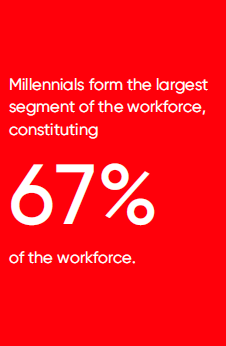
In the dynamic landscape of modern employment, the concept of employee experience has emerged as a critical factor in building a positive and productive workplace culture. As Millennials continue to make up an ever-larger segment of the workforce, understanding and adapting to their unique needs and expectations has become essential for organizations aiming to attract and retain top talent. According to the latest data from India’s Best Workplaces™ for Millennials 2024, Millennials now constitute 67% of the workforce, making them the largest generational cohort. This significant presence demands a shift in how companies approach employee sentiment, integrating flexibility, meaningful benefits, and opportunities for growth.

The Millennial Workforce: Shaping the Future of Work

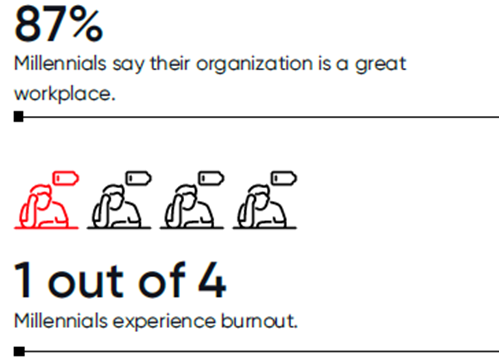
Born between 1981 and 1997, Millennials are now the dominant force in the workforce. As they progress into managerial and leadership roles, their expectations from their employers are evolving. They seek more than just a paycheck—they desire a work environment that supports work-life integration, provides career growth opportunities, and ensures fair pay. Our recent data says that 87% of Millennials express that their organization is a great workplace. Despite this positive sentiment, 1 out of 4 Millennials report experiencing burnout, highlighting a critical area for improvement.

Millennials are not a monolithic group; they are diverse in their personal and professional lives. Younger Millennials are particularly driven by career advancement, while older Millennials place a higher value on psychological and emotional safety. As this generation continues to advance into senior roles, their influence on workplace culture and expectations will only grow.

The Importance of Unique Benefits and Fair Pay

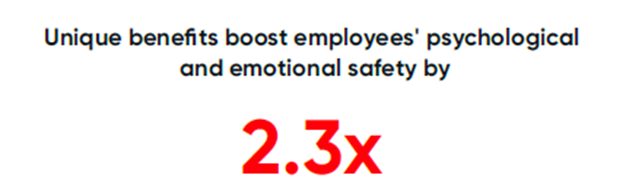
To create an exceptional employee experience, organizations must offer more than standard benefits. Millennials seek unique perks that enhance their well-being and work-life balance. Research indicates that providing unique benefits can boost employees’ psychological and emotional safety by 2.3 times. These benefits can include everything from on-site childcare and recreational spaces to comprehensive wellness programs and flexible work arrangements.

Fair pay is another crucial element. Millennials are increasingly aware of salary disparities and expect their compensation to reflect their skills and contributions. Ensuring that pay is competitive and equitable not only addresses this concern but also enhances the perception of the organization as a great place to work. Organizations that regularly benchmark salaries and adjust compensation to align with market standards can significantly improve employee satisfaction and retention.

Balancing Personal and Professional Roles

Millennials juggle various roles in their personal lives, which influences their expectations of their work environment. For instance:

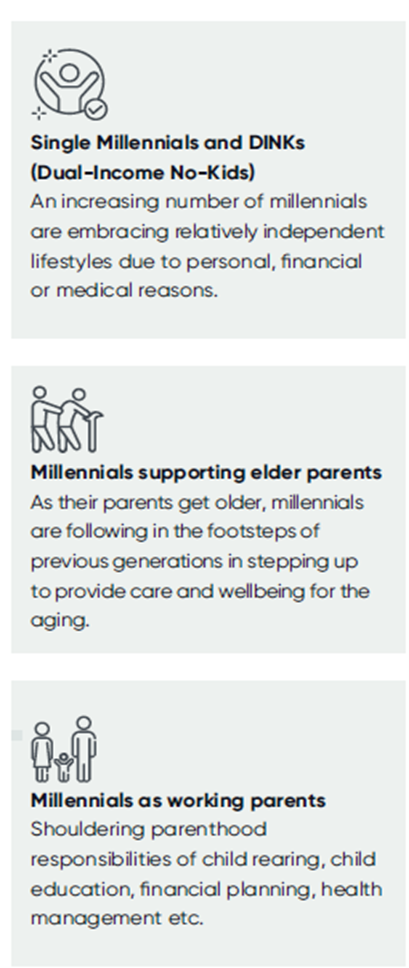
  • Single Millennials and DINKs (Dual-Income No-Kids): Many Millennials are embracing independent lifestyles, whether due to personal choice or financial reasons. They value work environments that offer flexibility and support their unique living situations.
  • Millennials Supporting Elder Parents: As Millennials’ parents age, they are increasingly stepping up to provide care and support. This responsibility impacts their work-life balance and necessitates policies that accommodate their caregiving needs.
  • Millennials as Working Parents: Balancing parenthood with professional responsibilities is a significant challenge. Millennials who are parents need support in the form of flexible schedules, parental leave, and family health benefits to manage their dual responsibilities effectively.

In the workplace, Millennials are not just filling roles but are actively shaping their organizations. As individual contributors, they seek opportunities to leverage their expertise and advance their careers. Data shows that 79% of Millennials feel they are given career growth opportunities, while 80% believe they are offered training and development to enhance their leadership skills. As they move into roles such as team leads and senior executives, they are responsible for mentoring younger professionals and driving organizational success.

Strategies for Enhancing Employee Experience

Organizations looking to improve employee experience for Millennials should consider several strategies:

  1. Upgrading In-House Childcare and Recreational Spaces: Providing on-site childcare and recreational facilities can significantly benefit working parents and those with caregiving responsibilities. These amenities help employees balance their work and personal lives, enhancing their overall satisfaction and productivity.

  2. Updating Policies for Flexible Work Hours and Parental Leaves: Flexibility in work hours and comprehensive parental leave policies are crucial for supporting employees with diverse personal needs. Such policies can significantly improve work-life balance and employee well-being.
  3. Implementing Comprehensive Health, Wellness, and Financial Support Programs: A holistic approach to employee well-being includes physical, mental, and financial support. Comprehensive wellness programs that address these areas can create a more supportive and engaging work environment.

  4. Regular Salary Benchmarking: Organizations should regularly conduct salary benchmarking to compare their compensation packages with market standards. This ensures employees are paid competitively and fairly, addressing potential wage discrepancies that may arise. By aligning pay with industry trends, companies can enhance employee satisfaction, reduce turnover, and foster greater loyalty across the workforce.
  5. Equipping Managers for Open Conversations: Training managers to lead data-driven, transparent discussions about salary increments and promotion criteria is crucial. These open conversations help create a culture of trust, making employees feel valued and informed. Empowering managers with the right tools fosters transparency, boosts engagement, and promotes fairness in career advancement decisions.
  6. Reverse Mentoring Programs: Implement reverse mentoring programs where junior employees mentor senior leaders and encourage mutual learning and understanding. This initiative bridges generational gaps, fosters innovation, and allows leaders to gain fresh perspectives. In turn, younger employees feel empowered and valued, creating a more inclusive and dynamic workplace environment.
  7. Cross-Functional Project Opportunities: Offering employees opportunities to participate in cross-functional projects broadens their skills, allowing them to explore diverse areas of the organization. This exposure fosters collaboration, enhances engagement, and boosts innovation by bringing together different perspectives. It also helps employees grow professionally while increasing their contributions to the company.
  8. Developmental and Feedforward Conversations: Regular developmental conversations between managers and employees create a consistent feedback loop that promotes growth and continuous improvement. By focusing on future potential (feedforward) rather than just past performance, these conversations help employees feel supported, motivated, and better equipped to advance in their careers.
  9. Creating Personalized Development Plans: Tailoring development plans to align with individual employees’ personal goals and career aspirations is key to fostering job satisfaction and professional growth. Personalized plans ensure employees receive targeted training and opportunities, leading to a more engaged and motivated workforce that sees clear paths to advancement.

The Role of Leadership in Shaping Millennial Employee Experience

Effective leadership is vital in shaping positive workplace experiences for employees. Leaders must foster a culture of trust, respect, and collaboration to create an environment where employees feel valued and empowered. Millennials, who make up a significant portion of managerial roles in India, are themselves driving changes in leadership practices. They are seeking work environments that offer opportunities for career advancement, clear role expectations, and fair compensation.

Leadership also involves creating opportunities for professional development. Whether through formal training programs or hands-on project experience, providing employees with the resources they need to succeed is essential for maintaining high levels of engagement and performance.

The Future of Employee Experience: Embracing Change

As Millennials continue to influence the workforce, the future of workplace culture will be characterized by flexibility, inclusivity, and a focus on holistic well-being. Millennials are not only seeking career growth but also a work environment that supports their mental, emotional, and physical health.

Creating a great employee experience involves understanding and addressing the diverse needs of Millennial employees. By implementing flexible policies, offering unique benefits, and fostering a supportive work environment, organizations can build a culture that attracts top talent and supports their long-term success.

Get Certified to Showcase Your Commitment

Achieving Great Place To Work Certification is an excellent way to demonstrate your organization’s commitment to employees’ overall well-being and experience. This Certification not only enhances your employer branding but also helps attract and retain top talent. It highlights to current and prospective employees that your organization values their health, happiness, and overall well-being.

Certification serves as a benchmark for continuous improvement, helping organizations identify areas where they can further enhance employee well-being and workplace culture. By fostering a culture of trust, respect, and collaboration, organizations can create a workplace where employees feel strong, healthy, and connected.

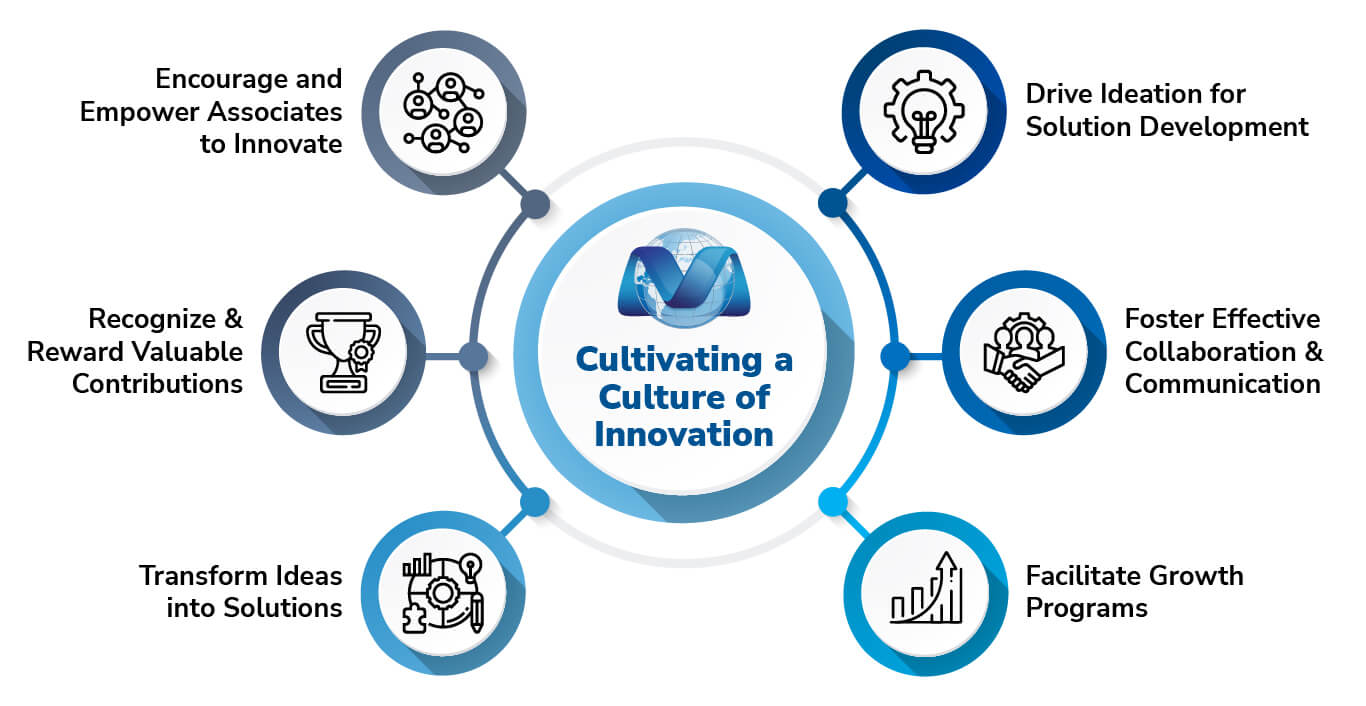
According to Great Place To WorkⓇ ’s research, to cultivate a culture of Innovation By All, it is crucial for organizations to align their innovation practices with employee experiences. This alignment is essential to bridge the gap between the innovation approach and the desired outcomes.

MOURI Tech (P) Limited’s culture reflects this philosophy in many ways, which has enabled it to be one of the Top 50 Companies (in the Large category) in India’s Best Workplaces Building a Culture of Innovation by All 2023 list.

As a Global Enterprise Solutions company operating under the motto ‘Employee First. Customer Foremost’, MOURI Tech’s journey toward innovation has been both challenging and rewarding, marked by bold moves and strategic decisions. By Investing heavily in R&D, and embracing a “fail-fast” mentality, MOURI Tech provided its employees with the necessary freedom and resources to pursue ambitious projects.

MOURI Tech has made significant strides in innovation over the years. One of the key milestones in its innovation journey was the launch of its Artificial Intelligence (AI)-powered platform in 2018 to help businesses automate and streamline their operations using AI and ML algorithms. This platform has been a game-changer for many of MOURI Tech’s customers, enabling them to improve operational and business efficiencies, achieve significant cost savings, and gain a competitive edge in their respective industries.

A major factor in MOURI Tech’s success in innovation has been its culture of experimentation and risk-taking approach. The company encourages its associates (as employees are referred to, here) to think outside the box and explore new ideas and concepts. Leaders here believe that the best ideas come from people who are involved directly with customers, suppliers, and products on a daily basis. MOURI Tech’s Ideation Platform has paved the way for the development of several innovative products & solutions for the clients, thereby helping MOURI Tech to maintain a consistent level of competitiveness.

mouri tech innovation blog-infographic

Here are a few examples of the impact made:

  • As reviewing multiple contracts was becoming a challenge owing to the rapid organizational growth, the Recruitment and AI teams collaborated and came up with an AI-enabled process that could wrap up reviews in 80% less time and with 40% more accuracy.
  • The Recruitment and AI teams also came together to develop an AI-based Resume Scoring Solution to decrease profile screening time by 90%.
  • An idea shared by an associate, about developing a solution that helps read through emails and create a Customer Sales Order form, thus bypassing the need to read through a huge number of emails from a vendor for orders. This has been well received in the market as an efficient, employable product.

As the technology landscape continues to evolve, MOURI Tech is well-positioned to lead the way in innovation and help organizations across the globe achieve their digital transformation goals and through it, sustained growth.

Learn more about MOURI Tech (P) Ltd, a Great Place to Work.

The modern workplace is a dynamic landscape, constantly evolving to reflect the ever-changing needs of a diverse workforce. In this environment, achieving Diversity, Equity, Inclusion, and Belonging (DEIB) is no small feat. It’s akin to assembling a complex puzzle with interconnected pieces. Each element, valuable, contributes to a larger picture: a workplace that fosters success promotes employee well-being, and ultimately thrives in today’s competitive landscape.

Beyond Diversity: Belonging as the Cornerstone

Imagine a magnificent building. Diversity, Equity, and Inclusion represent the strong foundation upon which it stands. However, without a framework to connect these elements, the building remains incomplete. Belonging acts as that framework, providing the structure and stability needed for sustainable growth.

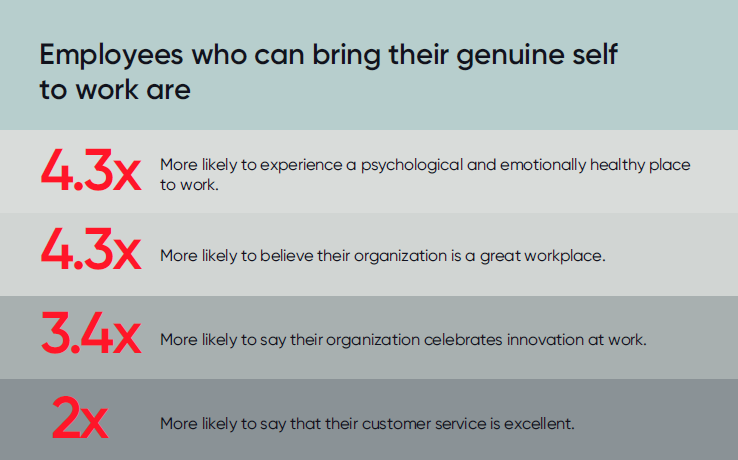
Employees who can bring their genuine self to work are 4.3X more likely to experience a psychological and emotionally healthy place to work. 4.3X more likely to believe their organization is a great workplace. 3.4X more likely to say their organization celebrates innovation at work. 2X more likely to say that their customer service is excellent.

At Best Workplaces™, they follow a simple belief: to succeed, one needs to bring together different pieces to create a place where everyone feels welcome, valued, and empowered to do their best work. This means going beyond simply having a diverse workforce. It’s about fostering an environment where individuals feel comfortable bringing their unique perspectives, talents, and experiences to the table. This creates a vibrant tapestry of ideas, leading to a more successful and innovative workplace.

The Power of Feeling Connected

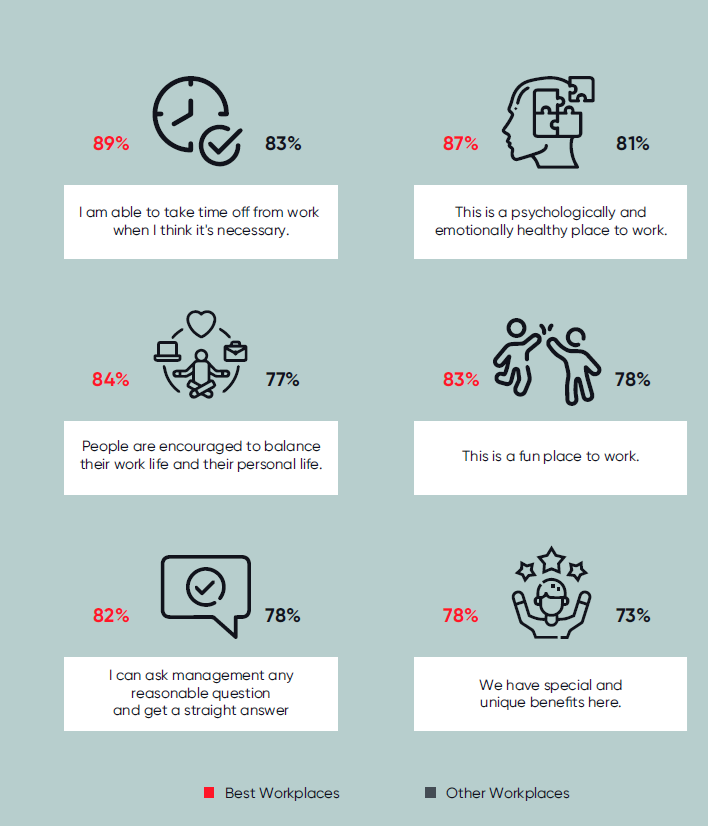
Belonging is the ultimate goal of DEIB efforts. It’s more than just physical presence; it’s the feeling of being truly connected to your colleagues and valued as an equal member of the team. Best Workplaces prioritize employee well-being and create a psychologically healthy, fun, and open culture that promotes work-life balance and offers unique benefits. This fosters a sense of security and encourages employees to bring their whole selves to work, leading to greater engagement and productivity.

Best Workplaces prioritize employee well-being, promote work-life balance, and offer unique benefits, fostering a psychologically healthy, fun, and open culture.

Leaders Championing Belonging

Leaders are increasingly recognizing the value of belonging. This shift in mindset has sparked the development of targeted strategies to cultivate a sense of connection within teams. Psychological safety, the feeling of being able to express oneself without fear of negative consequences, has emerged as a critical component. When employees feel safe to share ideas and take risks, creativity flourishes, and innovation thrives.

The Art of Belonging

Art has always been a powerful tool for self-expression, allowing us to explore our identities and connect with others on a deeper level. This power extends to the workplace as well. By embracing artistic expression, we can create avenues for employees to share their authentic selves, fostering a sense of connection and belonging. It allows individuals to showcase their unique talents and perspectives, building respect and appreciation for diversity.

Expressing Identity Through Art

Imagine a workplace where data analysts can showcase their award-winning nature photography alongside their statistical reports. Or a space where a programmer finds solace in composing music during breaks, later sharing their original pieces with colleagues. Artistic expression allows employees to share their passions and interests beyond their professional roles. This creates a more holistic understanding of everyone, fostering empathy and building stronger bonds between colleagues.

Sharing Creates a Sense of Belonging

Trust is a cornerstone of any successful workplace relationship. A key element of this trust is respect. When employees feel respected by their leaders and peers for who they are, a sense of belonging flourishes. At Best Workplaces, our Trust Index™ Survey measures if employees feel they can be their full selves at work. This includes understanding if leaders show a genuine interest in their employees’ lives – their hobbies, passions, and even their favorite foods. By taking the time to learn about their employees as individuals, leaders can reinforce this sense of belonging and create a more positive work environment.

Encouraging Artistic Expression at Work

The good news is that nurturing artistic expression doesn’t require a complete overhaul of your workplace culture. Here are a few ways to get started:

  • Create a Psychologically Safe Environment: Foster open communication and encourage employees to share their ideas without fear of judgment. This can be achieved through team-building exercises, anonymous feedback channels, and active listening during meetings.
  • Bring Art and Creativity into the Workplace: Organize field trips to art galleries or museums related to your industry. Host workshops with local artists who can teach employees new skills, such as painting, pottery, or even improv comedy. Feature employee artwork in common areas, creating a vibrant and welcoming space.
  • Embrace Deep Work: Many creative pursuits require focused attention. Schedule dedicated times for “deep work,” where employees can minimize distractions and delve into projects that require intense focus and innovation.
  • Celebrate Employee Achievements: Recognize and celebrate employee achievements, both big and small. This could include highlighting artistic endeavors in company newsletters, showcasing employee artwork during team meetings, or even hosting talent shows or art exhibitions.

Remember, artistic expression isn’t just for artists. By encouraging employees to explore their creative sides, you can unlock a wealth of potential. Studies have shown that fostering creativity in the workplace leads to a number of benefits, including:

  • Enhanced Problem-Solving: Approaching challenges from a more creative perspective can lead to innovative solutions and improved decision-making.
  • Increased Employee Engagement: When employees feel their ideas are valued, and they have opportunities to be creative, they become more invested in their work.
  • Improved Communication and Collaboration: Artistic expression can break down communication barriers and encourage collaboration across teams.
  • Reduced Stress and Improved Well-being: Engaging in creative activities can be a powerful stress reliever, leading to happier and healthier employees.

By fostering a culture that embraces artistic expression, you’re not just creating a more vibrant workplace; you’re laying the foundation for a more successful and innovative organization. When each employee feels like a valued member of the team, with the freedom to express their unique talents and perspectives, the entire organization thrives. Let’s build a framework for success together, where belonging isn’t just a word but a lived experience for everyone.

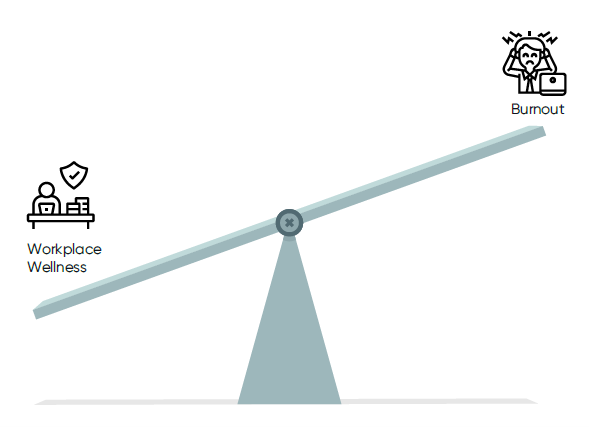
The specter of burnout is once again looming large over workplaces. After a brief reprieve during the initial phases of the pandemic, employee wellbeing seems to be declining. Managers are left scrambling to understand the root cause, often overlooking a significant factor hiding in plain sight: neurodivergent masking.

The Perception Gap and the Silent Struggle

Data paints a concerning picture of a disconnect between leadership perception and employee reality. Leaders consistently overestimate employee wellbeing, often reporting high satisfaction with workplace wellness initiatives. However, employees tell a different story. A staggering number (one in four) struggle to openly discuss stress, burnout, anxiety, or depression at work for fear of judgment. This lack of open communication creates a breeding ground for burnout to fester, leaving employees feeling unseen and unheard.

One out of every four employees struggle in speaking up about stress, burnout, anxiety, or depression at their workplace without feeling judged.

The good news is that leaders have a powerful, yet often underestimated, impact on employee wellbeing. Studies by UKG have shown that managers significantly influence mental health more than doctors or therapists. Employees, recognizing this influence, prioritize good mental health over high salaries. When they feel supported, valued, and heard, employees are twice as likely to stay with their company, go the extra mile, and adapt to change. This highlights the crucial role leaders play in fostering a work environment conducive to mental wellbeing and overall employee success.

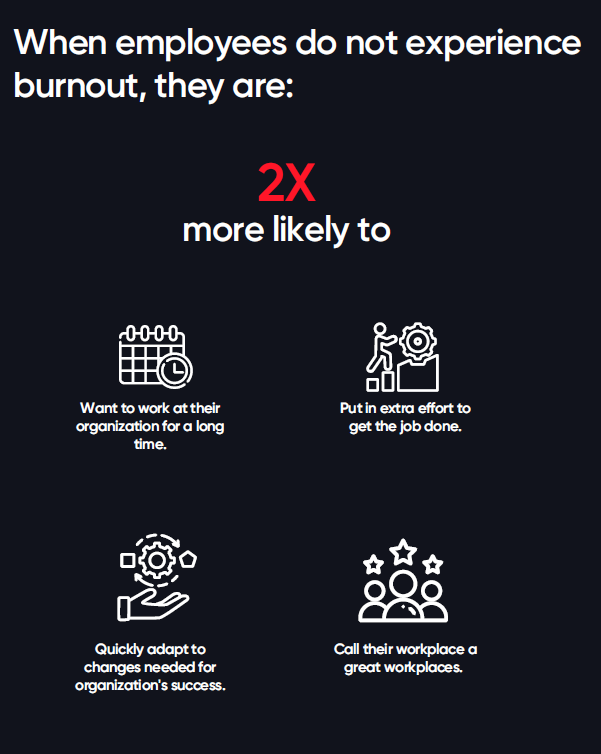
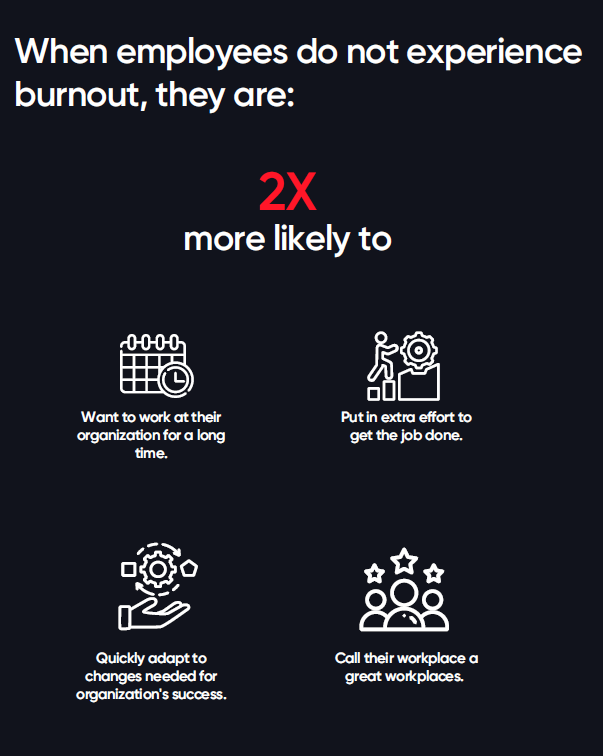
When employees do not experience burnout, they are twice as likely to want to stay at the organization for a long time, put in the extra effort, quickly adapt to changes needed for the organization's success, and consider their workplace a great place to work.

Masking: The Hidden Cost of Fitting In

One under-recognized explanation for the burnout gap lies in the concept of neurodivergent masking. Neurodivergent individuals, which include those with conditions like ADHD, autism, or dyslexia, often have unique ways of processing information, interacting with the world, and experiencing emotions. In a workplace built around a presumed neurotypical standard, these individuals may feel pressure to conform. This constant effort to appear “normal” at work, known as masking, is emotionally and cognitively draining.

Imagine the constant strain of suppressing your natural communication style, stifling fidgeting that helps you focus, or masking sensory sensitivities to harsh lighting or loud noises. Over time, this masking becomes an invisible burden, silently contributing to burnout.

Burnout: Beyond Disengagement, a Threat to Retention

Burnout isn’t just about a decline in employee engagement or productivity. It’s a serious issue with real consequences. Employees experiencing burnout are more likely to withdraw, lose motivation, and ultimately leave their jobs. This presents a significant risk in today’s talent-scarce market. Here’s the harsh reality: companies struggling to attract and retain top talent can’t afford to ignore the needs of neurodivergent employees. Addressing neurodiversity and promoting inclusion isn’t just the right thing to do, it’s good business sense.

Building a Better Workplace for All: Fostering Neurodiversity Inclusion

By fostering inclusion for neurodivergent employees, companies can create a wellbeing benefit for everyone. Here are some key steps to take:

  • Move Beyond the Golden Rule: The well-meaning principle of “treating others the way you want to be treated” can be problematic in a diverse workplace. Leaders need to understand that everyone has different work styles and preferences. Embrace variety and provide the flexibility employees need to thrive. This could involve offering flexible work arrangements, creating quiet spaces for focused work, or utilizing alternative communication methods, such as video conferencing for those who struggle with social interaction in meetings.
  • Spread the Word, Loud and Clear: Promoting your commitment to neurodiversity inclusion is crucial. Don’t just add it to a dusty policy document. Make it a cornerstone of your employer branding and actively communicate it to both new hires and existing employees. Develop awareness campaigns and workshops to educate everyone on neurodiversity. Remember, a truly inclusive environment requires everyone to participate, not just managers. Train employees on neurodiversity so they can better understand and appreciate their colleagues’ unique strengths and challenges.
  • Track the Cycle- Transparency is Key: Positive experiences of disclosure create a ripple effect, encouraging others to feel safe sharing their needs. Conversely, negative experiences can damage trust and discourage open communication. Be mindful of how your company culture treats those who come forward. Track and address any instances of discrimination or prejudice. Implement anonymous reporting systems to encourage open communication about negative experiences.
  • Listen and Learn- Surveys and Open Communication: Don’t make assumptions. Survey your workforce to understand the specific needs and challenges faced by neurodivergent employees. Focus on creating an environment where everyone can contribute their best, not on diagnosing individuals. Conduct open forums and workshops to encourage dialogue and create a safe space for feedback. Partner with employee resource groups (ERGs) dedicated to neurodiversity to gain valuable insights and perspectives.

Building a Culture of Inclusion Starts Today

By creating a culture of inclusion and open communication, organizations can combat burnout and unlock the full potential of their neurodivergent employees. Imagine the innovation and creativity that can flourish when diverse minds feel valued and empowered to contribute in their own unique way.

Don’t let burnout become the norm. Take the first step towards a more inclusive and thriving workplace by considering these additional tips:

  • Champion Neurodiversity from the Top: Leadership buy-in is essential. When senior leaders openly advocate for neurodiversity inclusion, it sends a powerful message throughout the organization. Encourage leaders to participate in neurodiversity training programs and actively demonstrate their commitment to creating a supportive environment.
  • Focus on Strengths, Not Deficits: Neurodivergent individuals bring a wealth of unique talents and perspectives to the table. Shift the focus from perceived limitations to recognizing and celebrating strengths. For example, someone with ADHD may excel at brainstorming creative solutions, while an autistic employee may possess exceptional attention to detail.
  • Provide Accessible Resources: Make accommodation readily available and remove any stigma associated with using them. This could include offering noise-canceling headphones, flexible deadlines for certain tasks, or access to specialized software that caters to different learning styles.
  • Celebrate Neurodiversity: Recognize and celebrate the contributions of neurodivergent employees. Highlight their successes in company communications and create opportunities for them to share their experiences with colleagues. This can not only boost morale but also inspire others to embrace neurodiversity.

The Road to a More Inclusive Future

Building a truly inclusive workplace for neurodivergent employees is an ongoing process. It requires continuous learning, open communication, and a commitment to fostering a culture of understanding and respect. By taking these steps, organizations can not only combat burnout but also unlock the full potential of their diverse workforce, leading to a more innovative, productive, and successful future.

Ready to Get Started?

Partner with organizations specializing in neurodiversity inclusion to gain valuable expertise and resources. Consider collaborating with groups like The Autistic Self Advocacy Network (ASAN) or The National Center for Learning Disabilities (NCLD). Additionally, pursuing certifications like the Neurodiversity Certification Program from the International Board of Credentialing and Continuing Education Standards (IBCCE) can demonstrate your commitment to creating a neuroinclusive workplace.

Remember, investing in neurodiversity inclusion isn’t just the right thing to do, it’s a smart business decision. By creating a work environment where everyone feels valued and empowered to contribute their best, organizations can unlock a competitive advantage and thrive in today’s rapidly changing world. Start building a more inclusive future today.

Employee well-being has undergone a remarkable transformation. Once a niche concept discussed in hushed tones, it’s now a hot-button issue gracing boardroom agendas worldwide. However, despite initial progress, recent data paints a concerning picture. The 2022 Workplace Wellness Index, while initially positive, reveals a worrying decline in 2023. Employee satisfaction dipped by a concerning 2 points, while burnout experiences surged by a staggering 3 points. This stark data serves as a potent reminder: true well-being isn’t a one-time initiative but a continuous journey demanding unwavering commitment from individuals and organizations alike.

Workplace Wellness is an umbrella term used to describe organizational benefits and practices, designed to support employee health and wellbeing at the workplace - Mental Health, Physical Health, Social Health and Financial Health.

Workplace Wellness, an umbrella term encompassing benefits and practices designed to support employee health and well-being, plays a crucial role in this journey. Remember, burnout – a state of complete mental, physical, and emotional exhaustion – thrives in its absence. The 2023 data paints a clear picture: lower well-being perceptions coincide with a rise in burnout.

The stakes are high. When employees don’t experience burnout, they’re: 

  • Twice as likely to want a long-term stay at their organization, fostering stability and loyalty. 
  • More motivated to go the extra mile for the company, boosting productivity and innovation. 
  • More adaptable to necessary changes for organizational success, ensuring a future-proof workforce. 
  • More likely to view their workplace as truly “great,” creating a positive employer brand that attracts top talent. 
The image shows that when employees do not experience burnout, they are 2x more likely to want to work at their organization for a long time, put in extra effort to get the job done, quickly adapt to changes needed for organization's success and call their workplace a great workplaces.

So, how do we tackle this well-being crisis in the modern workplace? Perhaps it’s time to look beyond traditional solutions. Enter Toddlers – an unconventional source brimming with surprisingly effective well-being lessons. 

Toddler-like Well-being: Lessons from the Littles 

Yes, toddlers – those seemingly tireless balls of energy – actually work incredibly hard every day. They’re constantly learning, exploring, and navigating complex social situations. Yet, they often enjoy scheduled breaks for play, outdoor time, meals with friends, and, yes, even naps. Now, compare that to many working adults who eat lunch at their desks, skip breaks, and remain glued to their screens for hours. Structured breaks, even a short walk or screen-free activity, can be incredibly beneficial for adult well-being.

Burnout is a state of complete mental, physical, and emotional exhaustion. It is an established fact that employee wellbeing and burnout are inversely proportional
concepts.

But that’s not all toddlers can teach us. Here are five key well-being lessons we can glean from these pint-sized experts:

1. Be a Team Player – Collaboration is in a Toddler’s DNA: Collaboration is ingrained in toddlers. Focused on building relationships and learning, they naturally work well with others. The key is approaching colleagues without judgment. Research shows toddlers don’t assign blame when tasks go awry; they simply acknowledge the issue and seek solutions together. Imagine the power of replicating this collaborative spirit in the workplace! Foster teamwork by encouraging open communication, establishing clear roles and responsibilities, and celebrating team successes.

2. Ask More Questions – Curiosity is a Toddler’s Superpower: Building meaningful connections is a cornerstone of well-being, identified as one of the five well-being dimensions in Great Place To Work research. And what better way to build connections than by asking questions?

Toddlers are masters at this. Studies reveal toddlers can ask hundreds of questions in an hour when not distracted by recording equipment. Asking questions isn’t just about information gathering, it demonstrates humility and genuine interest in others. Encourage a culture of curiosity in the workplace by creating safe spaces for questions, actively listening to colleagues, and celebrating the power of “not knowing” as a springboard for learning and innovation.

3. Embrace Saying “No” – Setting Boundaries Like a Toddler: Toddlers are infamous for their frequent “nos.” While we don’t recommend emulating their full-blown contrariness, there’s a valuable well-being lesson here: setting boundaries. Often, our default response to requests is “yes,” leading to overwork and burnout. To protect your time and well-being, consider resetting your default or pausing before accepting another project. Communicate your boundaries clearly and respectfully with colleagues and managers.

4. Adopt the Toddler Sleep Schedule – Prioritize Sleep Like a Pro-Napping Toddler: Sleep is vital for well-being. Here, toddlers have us beat. Their typical routine involves winding down an hour before bedtime with screen-free activities like reading or quiet play, a warm bath, hygiene routines, and a consistent bedtime. This simple playbook dramatically improves sleep quality, benefiting the entire day. Implement similar sleep routines by establishing a regular sleep schedule, creating a relaxing bedtime ritual, and ensuring a sleep-conducive environment. Encourage employees to utilize flexible work arrangements or nap pods to prioritize sleep during the workday.

5. Celebrate Others – Unleash Your Inner Toddler Cheerleader: Great Place To Work research highlights the importance of a recognition culture for employee well-being. Celebrating others comes naturally to toddlers. Organizations aiming to create “great workplaces” should strive to emulate the pure joy with which a two-year-old celebrates a colleague’s (in their case, playmate’s) success. It might seem silly, but research shows a little fun goes a long way.

Here are some ways to unleash your inner toddler cheerleader: 

  • Public Recognition: Celebrate individual and team achievements during meetings, company newsletters, or on social media platforms. 
  • Peer-to-Peer Recognition: Implement programs where employees can recognize and appreciate each other’s contributions. Simple gestures like handwritten notes or public shout-outs can make a big difference. 
  • Informal Celebrations: Encourage spontaneous celebrations for milestones, big or small. Did a colleague close a big deal? Break out the high fives and maybe some celebratory snacks! 
  • Make it Fun: Don’t be afraid to inject some lightheartedness into celebrations. Think silly awards, themed potlucks, or even games related to the accomplishment. 
The graph shows that the perception of sense of community at the workplace
tends to increase with age, with the youngest workers reporting the lowest sense of community and those 55 years or older reporting the highest. 83% of employees report having a positive sense of community at their workplace. 84% reports that they have a caring workplace. 81% reports workplace co-operatation.

The Power of Play: Rethinking Breaks in the Workplace 

Toddlers understand the importance of play. It’s not just about fun, it’s essential for learning, development, and well-being. Unfortunately, many adults view breaks as a sign of laziness and often skip them altogether. But research shows that incorporating breaks for play, even short ones, can: 

  • Boost Creativity and Problem-solving: Play allows the mind to relax and wander, which can spark new ideas and innovative solutions. 
  • Reduce Stress and Improve Mood: Playtime triggers the release of endorphins, the body’s natural feel-good chemicals. 
  • Enhance Focus and Concentration: Stepping away from work allows the brain to recharge, leading to renewed focus upon returning. 

Here are some ways to incorporate play into the workday: 

  • Dedicated Game Rooms: Create designated spaces with games, puzzles, or even board games for employees to enjoy during breaks. 
  • Walking Meetings or Walking Breaks: Encourage walking meetings or short breaks to stretch your legs and engage in casual conversation. 
  • Organized Activities: Organize on-site games, group fitness classes, or even meditation sessions to promote well-being and team bonding. 

Conclusion: Building a Culture of Well-Being 

In today’s world of constant hustle, it’s easy to lose sight of well-being. But by embracing some of the simple wisdom toddlers possess – collaboration, curiosity, setting boundaries, prioritizing sleep, celebrating others, and incorporating play – we can cultivate a more positive and productive work environment for all. Let’s redefine our approach to workplace well-being and create spaces where employees can thrive, not just survive. Remember, well-being isn’t a luxury; it’s the foundation for a successful and fulfilling work experience.

Taking Action: A Call to Change 

The well-being crisis in the workplace is real. It’s time to move beyond beanbags and ping-pong tables and embrace a holistic approach to well-being. By implementing the lessons learned from our pint-sized colleagues and fostering a culture of collaboration, curiosity, healthy boundaries, sleep prioritization, celebration, and play, we can build a future where work and well-being go hand-in-hand. The power to create positive change lies within us. Let’s start by unleashing our inner toddler and rediscovering the joy of learning, connecting, and thriving at work.

Camera red icon

LIVE WEBINAR WITH Q & A

certification-badge-2026-rhc4efc9ny04x7lz17jff7guyhsup5b0yvrou4vd72

The Certification Advantage: Why Partner with Great Place To Work®

How partnering with Great Place To Work can strengthen your people strategy, and drive business outcomes through data-driven insights and Certification.

prasad-kachraj

Prasad Kachraj

Managing Director, Great Place To Work, India

23rd September 2026  |  4.00 PM - 4.30 PM IST

Register Now