Gen Z employees often have higher expectations in the workplace. They are also seen as less connected to traditional work standards and discipline.

Findings from the Great Place To Work Study 2026 reveal a surprising truth. Women on the shopfloor, Gen Z in frontline roles, and mid-career employees provide important insights about the future of manufacturing culture. These patterns show that improving workplace culture is not just about making it better across the board. It requires understanding where culture is effective, who it benefits, and what this means for the upcoming workforce.

For decades, manufacturing culture has been shaped from the top down, grounded in corporate values and layered through management. The Great Place To Work Study 2026 indicates a shift is happening.

When it comes to trust, pride, and camaraderie, the shopfloor outperforms the office.

For CXOs and CHROs, this means a clear message: the next cultural advantage will come from where leaders decide to learn, not just from where they lead.

The shopfloor may be becoming manufacturing’s strongest culture driver

The study shows that shopfloor employees exhibit 4 points higher employee engagement than managerial staff. Even more notably, women on the shopfloor — though they make up only 11% of the workforce — are 8 points more engaged than women in staff or executive roles.

The shopfloor women employees feel the workplace is more fair, supportive, and enjoyable. They believe they get better benefits, have a better work-life balance, face less politics, and are treated more equally by managers—especially when it comes to pay, rewards, and promotions.
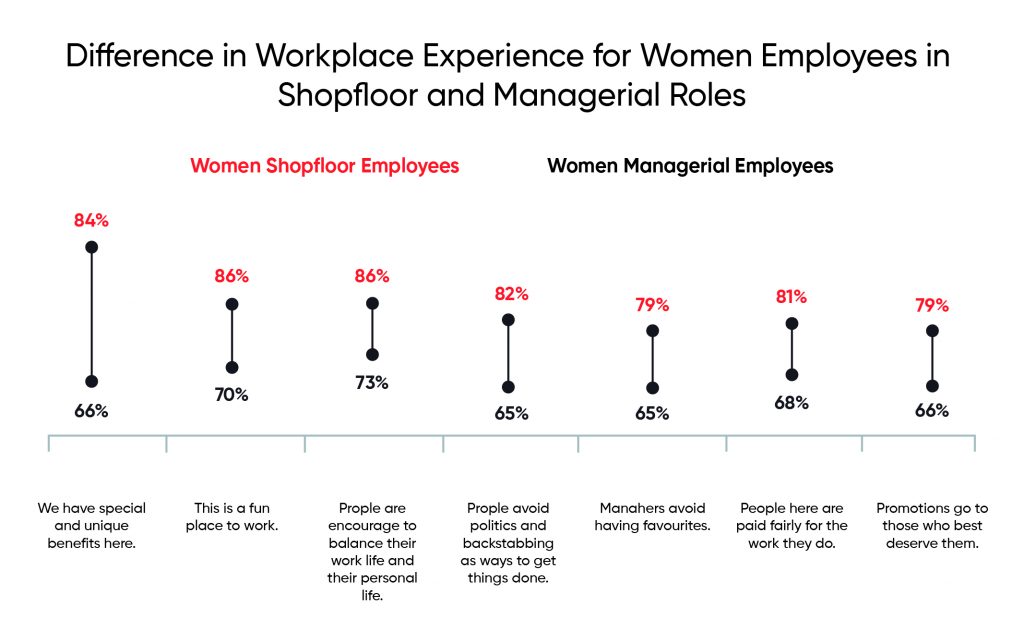
Difference in workplace experience for women employees shopfloor

This trend reveals a deeper insight: culture is not just about what policies are — it is felt through everyday interactions, visible fairness, team bonding, and how managers behave.

For leaders, the message is clear: you can not build future workplace culture solely from corporate offices. The shopfloor may already hint at what great culture looks like — visible fairness, effective collaboration, and more transparent leadership.

For Gen Z, the shopfloor appears to provide clearer leadership than the headquarters

The study finds that Gen Z employees connect more emotionally and feel more positive on the shopfloor than their HQ-based peers in key leadership areas, such as – setting clear expectations, linking individual roles to company goals, encouraging two-way communication and fostering empowerment.
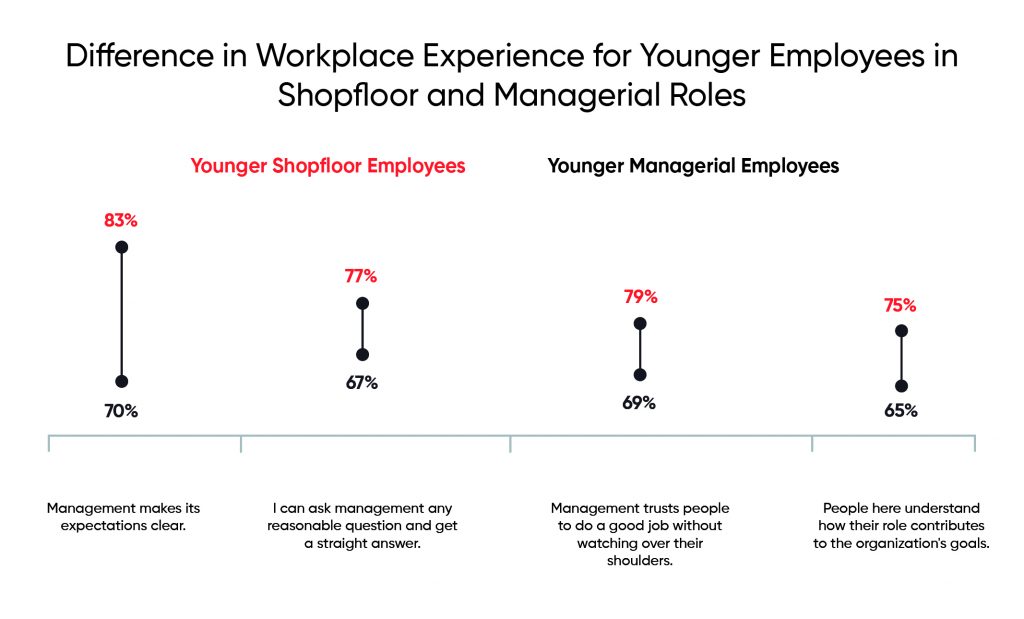
Difference in workplace experience for younger employees

This finding challenges the common belief that younger employees naturally prefer corporate environments for growth and engagement. Instead, data suggests Gen Z responds better to direct, clear leadership that is closer to the work.  

For a generation seeking purpose, feedback, and transparency, the shopfloor may provide a surprisingly solid leadership environment, not in spite of its intensity, but because of it.  

This is an important signal for leaders reevaluating their manufacturing talent branding. If frontline roles give a better leadership experience than office jobs for younger employees, the concern lies not just in attracting talent but also in how various parts of the organization facilitate leadership quality. 

Career maturity alters the cultural equation and reduces differences based on roles

Employees in their second decade of their stint tend to feel more positive than their younger colleagues. However, unlike early-career employees, they don’t show as much variation in workplace experience based on whether they work on the shopfloor or in managerial roles.

Data suggests that the divide between shopfloor and managerial roles stabilizes after 10+ years of employment, while in the first five years, it is distributed in a 3:7 ratio.
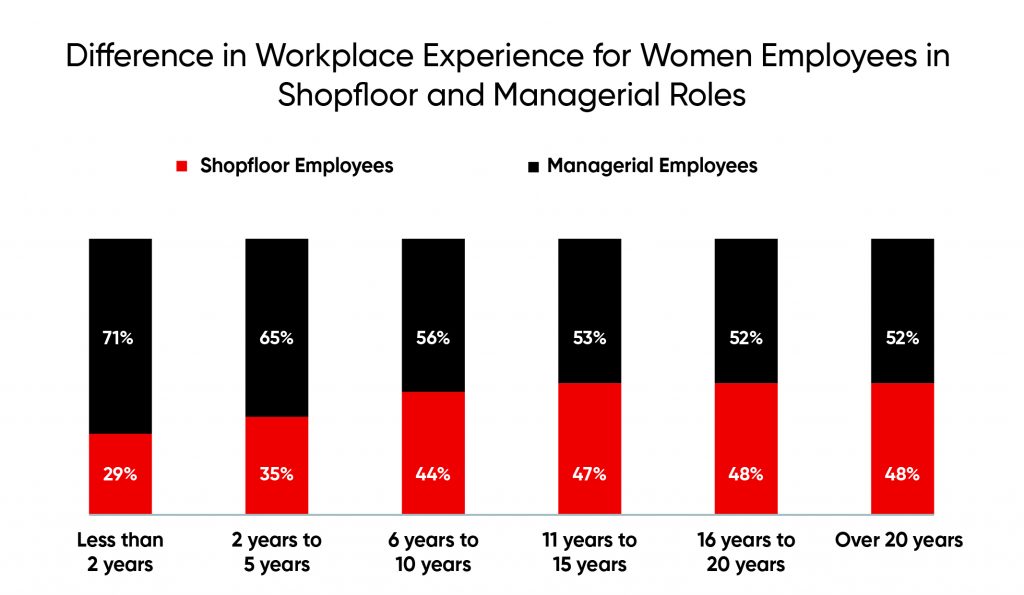
Difference in workplace experience for women employees

This trend implies that career stage is just as important as role type in understanding workplace experience. Early on, employees are still figuring out the organization — its pathways, politics, fairness, and growth signals. During this time, differences based on roles may be more pronounced.  

This is a critical insight for talent strategy. If role-based culture gaps are widest in the early employee lifecycle, then the first five years are critical. That is when perceptions of fairness, growth, and inclusion are likely to diverge — and where retention risk can quietly build.  

Rather than treating culture as a generic employee value proposition, manufacturing organizations may need to be more specific: different career stages require tailored cultural interventions. Failing to address early-career experiences often leads to long-term disengagement starting within the first 24 months.

The Generational Handoff: A Key Cultural Turning Point

  • Gen X constitutes 90% of the workforce with over 20 years of experience.  
  • The 16–20 years group is where Gen X and Millennials share almost equally.  
  • Millennials are increasingly present in entry and mid-level positions.  
  • This is an ongoing transition, not a future scenario.  
  • The 16–20 years group reflects the shift of leadership influence — where established practices meet new expectations.

This has two important implications:

  • Institutional knowledge is heavily held by Gen X  
  • Cultural expectations are increasingly shaped by Millennials

This is not just about succession planning; it is about managing culture continuity.

Organizations must ensure that:  

  • Strengths of legacy leadership (discipline, resilience, operational rigor) are maintained
  • Modern expectations (transparency, inclusion, dialogue, growth focus) are embraced

The risk lies not in the transition itself but in cultural dilution during it.

The Strategic Imperative for CHROs and CXOs  

Through these trends, one ground reality is clear:

Manufacturing organizations are not experiencing a single culture; they are managing various micro-cultures based on roles, tenure, gender, and generations.  

The competitive edge will come from the ability to:  

  • Identify where culture is strongest  
  • Understand where it breaks down  
  • Create consistency without sacrificing contextual strengths

Five Strategic Actions for Leadership Teams   

1. Institutionalize “Culture Mining” from the Shopfloor

  • Identify repeatable behaviors that foster fairness, trust, and camaraderie.
  • Translate these behaviors into leadership expectations across management levels.
  • Establish cross-learning connections between frontline and corporate teams.

2. Make Fairness Measurable and Visible   

  • Move beyond policy frameworks to track perceptions.
  • Review promotions, pay, and recognition equity across different groups.
  • Introduce fairness metrics and accountability at the manager level.

3. Redefine Leadership Capability Around Clarity and Credibility

  • Standardize the clarity of goals across roles.  
  • Embed regular, structured check-ins between managers and employees.  
  • Train leaders on honest, two-way communication, not just top-down messaging.  

4. Prioritize the First Five Years as a Key Intervention Period

  •  Create unique experiences for early-career employees.
  • Strengthen management skills for dealing with first-time workforce employees.
  • Track engagement in the early tenure as an indicator of future turnover and cultural well-being.

5. Actively Manage the Generational Handoff

  • Develop reverse and cross-generational mentoring systems.  
  • Document institutional knowledge before it is lost.  
  • Align leadership development with a shared culture framework that transcends generations.  

Conclusion  

The manufacturing sector has traditionally excelled in optimizing systems, processes, and assets. However, future competitive differentiation will rely on something more subtle: effectively managing culture with the same precision as operations.

The Great Place To Work Study 2026 makes it clear — culture is no longer evenly distributed in organizations. It is experienced differently among workforce segments, and those differences provide valuable strategic insights.

For the C-suite, the goal is not just to improve culture but to learn from what works, correct what doesn’t, and create a more cohesive, fair, and leadership-driven workplace experience across the entire organization.

In the next era of manufacturing, culture will continue to be For All to support cultural differences and fuel performance.

Frequently Asked Questions:

What does the Great Place To Work® Study 2026 reveal about workplace culture in manufacturing?

The study finds that shopfloor employees experience higher levels of trust, pride, camaraderie, and engagement than many office-based employees. These findings suggest that strong frontline cultures can be a significant competitive advantage for manufacturing organizations.

Why is Gen Z engagement stronger on the shopfloor than in corporate roles?

According to the study, Gen Z employees on the shopfloor benefit from clearer expectations, stronger connections between their work and business goals, better communication, and more visible leadership support. These factors contribute to a more positive and meaningful employee experience.

How can manufacturing companies improve employee retention during the early years of employment?

The research highlights the first five years as the most critical period for shaping workplace experiences. Organizations can improve retention by strengthening manager capabilities, creating clear growth pathways, ensuring fairness, and closely monitoring engagement among early-tenure employees.

What can manufacturing leaders learn from women’s experiences on the shopfloor?

The study shows that women on the shopfloor report higher engagement and more positive experiences related to fairness, support, work-life balance, and managerial treatment than women in staff and executive roles. These insights can help organizations strengthen inclusion and equity practices across the workforce.

How should manufacturing organizations manage evolving workforce expectations across generations?

As Gen X employees continue to hold valuable institutional knowledge and Millennials increasingly influence workplace expectations, organizations need deliberate strategies such as cross-generational mentoring, knowledge transfer programs, and leadership development initiatives that balance tradition with evolving employee needs.
It is no longer just a social goal to have equal opportunities for men and women at work; it is now a business necessity. Organizations that support equal opportunity for all genders always do better than the ones who don’t, both in terms of innovation and profitability. But even after decades of advocacy and policy changes, millions of working women still don’t have true gender equality.

The 2025 report from Great Place To Work® India says that women still make up only 26% of the workforce. This number has not changed in three years. The “broken rung” phenomenon that keeps women from rising to leadership positions, as well as the loss of employees after maternity leave and the imbalance between work and life, are all systemic, cultural, and deeply rooted.

This blog talks about what gender equality in the workplace really means, why it’s important for businesses, and, most importantly, what leaders and HR teams can do to make a real, measurable difference.

What Does It Mean to Have Gender Equality at Work?

Gender equality refers to the practices of making sure that all employees, irrespective of their gender, have equal opportunity, leadership roles, training, pay, resources, and professional development. It’s not always about reimbursement or salary but also about equal rights, representation, equal voice and equal protection from bias and discrimination.

This is a major opportunity for organizations to incorporate DEIB (Diversity, Equity, Inclusion, and Belonging) in their culture and process. Great Place To Work India has introduced the RISE framework as a guiding principle for workplaces that are looking to grow and expand in 2026:

  • Representation
  • Inclusion
  • Support
  • Equity

So, gender equality isn’t just about having women in the room; it’s about making sure that women can lead, thrive, and be heard at every level of the organization.

Why Do Companies Need to Care About Gender Equality?

There is a strong and measurable business case for gender equality. The Great Place To Work India 2025 report says that companies that put DEIB first, such as gender equity, do much better than their competitors on important metrics:

  • Productivity: 88% of employees in such workplaces are willing to go the extra mile, while only 79% of employees in the other workplaces are.
  • Retention: 89% of employees plan to stay for a long time. 
  • Agility: 91% of employees can quickly adjust to change that speeds up innovation.
  • Employee Advocacy: 91% of employees promote their company to their family and friends.

The report also says that 8 out of 10 employers think that focusing on DEIB has led to more innovation, and 9 out of 10 say it has helped the communities they serve. So, treating men and women equally is not only the right thing to do, but it is also good for business.

Current Scenario of Gender Equality in India’s Workforce

As most of the particulars are aware of the problem in the workplace and companies are trying to fix it, but as per the recent 2025 data there is still a big difference across all the sectors and levels.

The 26% Level

From three consecutive years (2023, 2024, and 2025), the percentage of women staying is just 26% in comparison of 21% in 2021. The reason for stagnant growth is not only the structural roadblock but also a temporary slowdown. The sector divide is even more troubling: while the Non-Profit and Education sectors have up to 47% and 41% women, the Transportation (12%), Biotechnology & Pharmaceuticals (13%) and Manufacturing & Production (14%) sectors are still very under-represented.

The Leadership Cliff

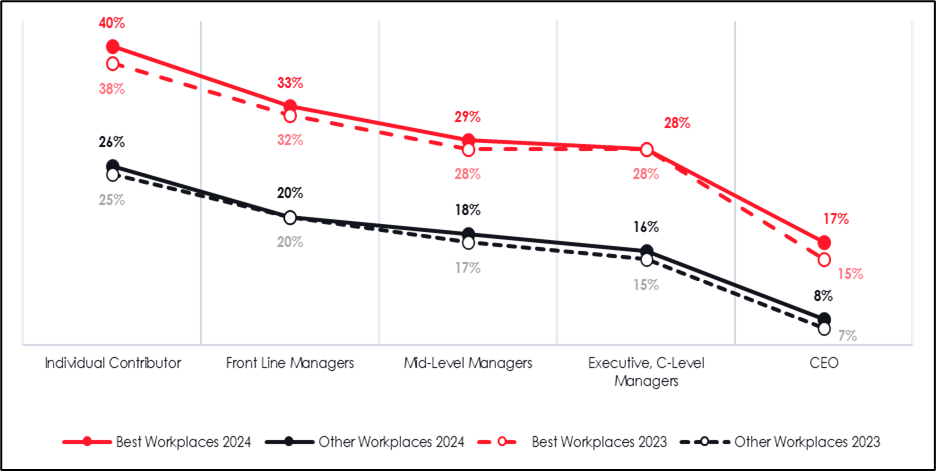
Women make up 28% of individual contributors, but their share drops sharply at every level of management: 19% at frontline management, 16% at mid-level management, 15% at executive and C-level, and a shocking 8% at the CEO level. This slow decline isn’t a coincidence; it shows a pattern of structural and cultural barriers that build up over the course of a career.

Industry-Level Gaps in Inclusion (HEG Representation)

The IT sector has the most representation among Historically Excluded Groups (HEGs), with 33%, followed by Professional Services (31%) and Banking, Financial Services, and Insurance (30%). Manufacturing and production are only at 23%, which shows that DEIB progress is still mostly happening in tech-forward fields.

Key Obstacles to Equal Treatment of Men and Women at Work

The first step to breaking down the barriers is to understand what they are. The research lists down three main types of problems:

1. The Broken Rung:

The “broken rung” is the point at which women are unfairly passed over for their first promotion to senior leadership. The broken rung happens much earlier and more quietly than the common metaphor of a “glass ceiling”.

Women in mid-level management have a hard time getting promoted because the paths to promotion are not clear, evaluations are biased against women, there aren’t many opportunities for growth, and the “boys’ club” culture keeps them out of informal networks and decision-making processes. In 2025, 21% of women said they hadn’t had any chances to develop their leadership skills, which is a big reason why their careers were stuck.

2. Leaving after Maternity

Taking maternity leave is one of the trickiest times in a woman’s career. Many companies don’t give returning mothers the support they need. They have to go back to work quickly, there aren’t many flexible options, they have to travel a lot, and they often don’t have a structured re-onboarding process. Women say they feel “like a ball” when they come back from leave because they are passed around without proper knowledge transfers or introductions to clients. This leads to more new mothers leaving their jobs, which means losing experienced workers.

3. Problems with Work-Life Balance

22% of women say they don’t have a good work-life balance in 2025, and 18% say they don’t have any flexibility at work. People most often say that rigid 9 to 6 schedules, micromanagement, long commutes, and unstructured hybrid models are problems. The data shows that women are almost three times more likely to have a good work-life balance if they have the freedom to take time off when they need to. This makes flexible work policies one of the most effective ways to help women balance their work and home lives.

Solutions to Promote Gender Equality in the Workplace

The path forward requires moving from policy to practice. Leading workplaces demonstrate that targeted, well-designed initiatives can create measurable change.

Fix the Broken Rung with Structured Programs

Leadership Shadowing: Women who take part in this program follow executives around during important meetings and strategy sessions, which gives them firsthand experience with making decisions and boosts their confidence in leadership roles.

Anytime Promotions: A colleague-driven promotion process lets women start conversations about moving up in their careers at any time, not just during annual cycles. This is based on how ready they are, not how long they’ve been there.

Organizations should also set clear diversity goals for leadership positions, make sure that promotion policies are clear, and give managers the tools they need to give regular, helpful feedback on career development.

Support Working Mothers at Every Stage

  • Extended work from home for New Mothers: New mothers and adoptive parents of babies under six months should be allowed to work from home, making it easier for them to get back to work.
  • Buddy program: Expectant and returning mothers are matched with experienced parent buddies who help them with their health, emotional needs, and parenting skills from pregnancy to reintegration.
  • Supporting new mothers: There should be professional counselling for pregnant women and new mothers, as well as designated rest and feeding rooms and support.

Make work rules that are fair and flexible

Companies like PwC in India offer their employees the choice of five different types of flexible work arrangements. Also, new mothers can travel to the office with their babies and have some other special facilities for child care as well. Brooke Hospitals for Animals (India) has a Gender Equity Leave policy that lets employees take up to 10 days off each year for menstrual pain, as well as for menopause symptoms and fertility treatments. All of this is done in private.

Moreover, one of the best e-commerce brands has a Choice-Based Work Plan that helps people reach their goals while also helping the institution reach its goals. This encourages people to be intentional about how they manage their work and develop professionally.

Close the Gap in Pay and Benefits

This is also one of the important practices to create a better workplace environment. Every year, Fractal Analytics Limited does an Annual Gender Pay Parity Audit to make sure that pay is fair for everyone, regardless of their role or identity. On the other hand, the company R1 RCM Global gives managers Inclusive Communication Guides that have tools for reducing bias and example scripts for difficult conversations about pay and performance. These things are especially important for LGBTQIA+ employees, who already have the lowest representation in the workforce at just 0.02% and face some of the biggest pay and benefits gaps.

How Leaders Can Promote Gender Equality?

The Great Place To Work® India report makes it clear that long-lasting DEIB change depends on leaders being committed. Even the best policies won’t work if there isn’t visible, accountable advocacy at the top. This is how leaders can really make a difference:

1. Make DEIB a part of your core values

Only 45% of the CHROs feel that DEIB can be officially added to the core values of their organization. Leaders should work together to make a DEIB vision statement that is part of performance reviews and career advancement plans, not something separate. It can be processed not only in a large-sized organisation but also can be more useful in small & mid-size companies.

2. Make sure that leaders come from a variety of backgrounds

Two out of three CHROs say that fewer than a quarter of their leadership teams include people from groups that have been historically left out. Leaders need to start formal sponsorship programs for diverse talent with a lot of potential, and require that all interview panels and candidate lists have diverse candidates.

3. Make people responsible for DEIB results

Only 43% of CHROs think that accountability tools will help DEIB practices. To fix this, companies should link some of their leaders’ bonuses to a clear DEIB scorecard and give all levels of management ongoing bias training to encourage inclusive leadership behaviors.

4. Keep a close eye on diversity metrics

Only half of CHROs keep track of retention data for all types of employees. Setting up a real-time DEIB metrics dashboard, making exit interviews the same for everyone to get separate data, and putting out annual public-facing DEIB reports are all important steps toward real progress.

Final Thoughts

Achieving gender equality in the workplace is a long-term process that needs a lot of work on many levels, from changing HR policies to restructuring the culture to holding leaders accountable.

The India’s Best Workplaces in Diversity, Equity, Inclusion & Belonging Report 2025 shows how far we’ve come and how far we still have to go. Women make up 26% of India’s corporate workforce, and this number hasn’t changed in three years. Only 8% of CEOs are women. 0.02% of the workforce is made up of LGBTQIA+ people. These numbers don’t just need to be known about; they need to be acted on.

But there is another side also where orgnaizations that made to India’s Best Companies To Work For (Top 100) are showing that intentional, empathetic, and data-driven practices can close the gaps, one promotion, one flexible policy, and one pay audit can fix a lot of things.

So, organizations that go beyond making promises and actually do something about it will not only make their workplaces more fair, but they will also make their businesses stronger, more creative, and more adaptable. Now is the time to act.

Frequently Asked Questions

Why is gender equality important for businesses?

Gender equality helps businesses make their workplaces more welcoming and productive by encouraging new ideas, getting employees more involved, and making the workplace more diverse.

What is the difference between gender equality and gender equity?

Gender equality means giving everyone the same chances, while gender equity means making sure that everyone has the right support and resources to get fair results.

What are examples of gender equality initiatives?

Some examples include flexible work policies, equal pay audits, leadership development programs for women, maternity return-to-work support, and inclusive hiring practices.

What are the 4 main pillars of gender equality?

The four main pillars are representation, inclusion, support, and equity. They make sure that everyone, regardless of gender, has the same chances, voice, resources, and opportunities.


Wellbeing in the workplace means creating an environment where employees feel physically, mentally, financially, socially, and professionally supported. Organizations that embed wellbeing into daily work see higher engagement, loyalty, and innovation. From hybrid to escalating mental health needs, the modern workplace has realised a need for a holistic approach to employee wellbeing. Leaders who treat wellbeing as foundational, unlock tangible gains in stronger intent to stay, higher discretionary effort, and brand advocacy. The momentum is very real in India, with wellbeing initiatives, digital health solutions, and stigma-reduction drives fundamentally changing how people experience work each day.

What Is Wellbeing in Work?

Workplace wellbeing is the consistent, intentional design of policies, practices, and daily norms that support employees’ physical, mental, financial, social, and occupational or career health. It is not confined to benefits; rather, it is how the work is designed, how leaders lead, and whether people feel safe, heard, and supported-to avoid burnout and make sustainable high performance possible.

Why Wellbeing in the Workplace Matters?

  • Engagement and retention: Great Place To Work® data shows that employees in thriving organizations are 5 times more engaged, loyal, and committed.
  • Business Resilience: Companies are even appointing Chief Health Officers to link employee health with resilience, profitability, and ESG outcomes.

What Are the 5 Pillars of Wellbeing in the Workplace?

It identifies four core pillars: physical, mental, financial, and social; adding an additional dimension of occupational wellbeing provides a practical fifth pillar to tie wellbeing to growth and mastery.

  • Physical Wellbeing: Preventive healthcare, fitness, and ergonomics guarantee safe, adaptable workspaces, including hybrid options and IAQ attention. 
  • Mental Well-being: The psychological safety of feeling able to speak up without fear of judgment, workload management, stigma-free support, and line managers trained to humanize performance expectations. In India, for example, a quarter of employees still struggle to talk openly about workplace stress or anxiety-leaders need to make the conversation normal. 
  • Financial Wellbeing: Competitive pay, transparency, financial education, and career linked progression help reduce stress that spills into mental health. 
  • Social Wellbeing: Belonging, fair work allocation, trust, community support, and recognition are core drivers that the Best Workplaces ™ constantly invest in. 
  • Occupational Wellbeing (Career): Growth pathways, skill development, clear goals, and autonomy-so people feel capable, valued, and energized by meaningful work.  
  • Why balance matters: Dropping even one pillar reduces wellbeing by ~20%; with only one pillar, overall wellbeing collapses to 23%, and with none, just 5% of employees report any sense of wellbeing. 

What Are the Common Hurdles and How to Overcome Them? 

  • Stigma & silence around mental health: Train managers on psychological safety; promote Tele‑MANAS/ESIC‑aligned resources; run regular “listen & act” pulse checks. 
  • Complacency post-pandemic (wellbeing treated as a temporary fix): Make wellbeing a steady operating norm with leadership role-modelling
  • Unfair work allocation & favouritism: Transparent decision-making, equitable workload mechanisms, and data-led reviews that inhibit office politics. 
  • Fragmented wellbeing programs: Integration of wellbeing into job design, flexible policies, recognition, and belonging-make employees feel seen and supported. 
  • Measurement gaps: Connect wellbeing drivers with engagement outcomes – intent to stay, discretionary effort, advocacy, and operational metrics of productivity and agility. 

Key Metrics to Track Wellbeing in the Workplace

Experience Metrics

  • Psychological safety & belonging (e.g., % employees who feel safe to speak up; belonging scores).
  • Work allocation fairness and work‑life balance indices.

Engagement & Culture Outcomes

  • Intent to stay (target ≥85%); discretionary effort; brand advocacy—benchmarked against data from best workplaces.
  • Prevalence of burnout and motivation levels

Business & ROI Signals

  • Productivity, innovation rates, and agility; reduction in absenteeism/presenteeism costs

Conclusion

Sustainable performance comes from cultures where wellbeing is embedded. The data is clear: organizations that invest consistently in belonging, fair workloads, psychological safety, and holistic health create thriving workplaces with stronger loyalty, productivity, and resilience. Leaders who choose to T.H.R.I.V.E. (Tune-in, Humanize, Role-model, Include, Validate, and Enable), and measure what matters will attract, engage, and retain the talent that powers long‑term success.

Frequently Asked Questions

What is the difference between wellness and wellbeing in the workplace?

Wellness often refers to programs and benefits (e.g., health checks, fitness apps). Whereas Wellbeing is a broader term and refers to employee’s day‑to‑day experience at work. For instance, fair workloads, psychological safety, belonging, pay transparency, and flexible design, where people can thrive.

What are the warning signs of poor workplace wellbeing?

Burnout symptoms (exhaustion, cynicism), low motivation, rising attrition risk (declining intent to stay), reduced innovation and agility, uneven workload, favouritism, and employees hesitating to voice concerns about stress or anxiety.

Who is responsible for employee wellbeing, HR or managers?

Both are responsible along with leadership accountability. HR designs systems and access to resources; managers and leaders create everyday experiences (work allocation, psychological safety, recognition).

How do you measure ROI on wellbeing programs?

Track experience metrics (belonging, fairness), engagement outcomes (intent to stay, discretionary effort, advocacy), and business signals (productivity, innovation, absenteeism).

What’s the biggest mistake companies make with wellbeing programs?

Treating wellbeing as a perk or crisis response instead of a core operating norm. When initiatives aren’t embedded in workload design, leadership behaviour, and fairness, benefits become cosmetic, and momentum fades post‑pandemic, leading to disengagement and attrition.

In a world that is rapidly shrinking and growing beyond physical borders, your workplace likely includes talent from across the world. Cultural diversity in the workplace is now not just an exception but it has become a norm.

Businesses conduct their operations worldwide, with travel and communication becoming increasingly easier. This, in turn, underscores the need for a diverse workforce equipped to address global challenges. While cultural diversity in the workplace provides distinct benefits, it also poses some challenges. 

At Great Place to Work® we help companies evaluate where they stand and understand how they can make their workplace even better. The key is to determine whether your company understands what cultural diversity truly means and whether it is fully leveraging its potential when implemented correctly.

Let’s start by understanding the concept first before getting into the tips  to get it right.

What does cultural diversity in the workplace mean?

People often mistake cultural diversity for recruiting from different regions. While this is right, cultural diversity goes beyond this; it means including people from all backgrounds, including:

  • From various regions
  • Speaking different languages
  • Holding varied regional beliefs
  • Belonging to different age groups
  • Representing diverse gender identities
  • With different disabilities

The differences can include visible, tangible, and intangible elements such as lifestyles, communication styles, decision-making approaches, and work cultures. 

Why does cultural diversity matter in the workplace?

Whether your business is well-established or a startup, you need to ensure it is future-proof. One way to do that is to ensure your team is prepared to anticipate and address challenges as they arise. 

Markets, even local ones, now have a diverse audience, with people from different areas and backgrounds moving to different parts of the world.. And when businesses reach beyond their geographical boundaries and serve diverse audiences, the need for a culturally diverse workforce becomes essential. It becomes imperative to have inclusion and diversity in the workplace

Let’s look at this from a different point of view.

Example #1: Local business selling locally

Today, even local markets attract people from across the country, and even globally, which means local businesses have to foster cultural diversity to stay competitive and relevant.

Example #2: Local business wanting to expand nationally

When a local business wants to expand nationwide, it is essential to consider local flavors when selling its products or services. Creating and fostering diverse teams can help with this transition as the market’s needs change.

Example #3: Local business wanting to expand globally

Global expansion plans for any local business are daunting, and having a team that understands the needs of the global market can help you make the transition with ease. Translating product details, adjusting positioning, and getting the price right are examples of how a local team can help.

Example #4: A multinational company wanting to grow more

By definition, a multinational company has a presence across the globe and likely has a culturally diverse team. However, when such companies want to grow more, they have to start exploring the need to diversify their team.

Example #5: A business opting for a hybrid working model

The idea of a hybrid working model has taken hold due to advances in the internet and technology. Moreover, companies are realizing the benefits of reducing infrastructure spending and having diverse teams that can leverage different zones to work around the clock. 

With a culturally diverse team, you can:

  • Meet the changing needs of local and global markets
  • Promote an atmosphere of fairness and equal opportunities
  • Foster and develop creative problem-solving and lateral thinking
  • Improve employer branding and employee engagement
  • Prepare your organization to face global market challenges
  • Ensure customer satisfaction even with changing demographics

Companies that foster a culture of diversity in the workplace have employees who are committed and motivated to do their best. 

What are the benefits of cultural diversity in the workplace?

It is clear that businesses of all sizes and sectors can benefit from fostering a culture of diversity. But to understand why cultural diversity makes a business a great place to work, it is crucial to delve a bit deeper into the benefits.

1. Access to a larger talent pool

When you decide to ignore any limiting factors and focus only on the qualifications, skills, and attitudes of prospective talent, you get more choices.

2. Diverse and creative team

Drawing people from regions, genders, ages, backgrounds, and other factors will provide you with a team that approaches any problem with creativity and builds a bigger customer base.

3. Easier reach to different markets

With a culturally diverse team, entering and developing larger and more diverse markets becomes easier thanks to their experience, knowledge, and locally relevant skills.

4. Attractive employer branding

When you build a culturally diverse team, your brand value in the employment market and across the industry will increase. By having a culturally diverse team, you can attract the best talent across the globe.

5. More engaged workforce

People become more diligent, curious, and eager to learn about other cultures when your team has an eclectic mix of people, leading to a more engaged workforce.

6. Improved compliance with local laws

A diverse workforce will inherently be aware of local laws and help the company remain compliant.

What are the best practices to ensure cultural diversity?

Now that we know  the benefits of a culturally diverse team, let’s look at some best practices to foster an atmosphere that values diversity and inclusion. 

1. Consult with a culture expert

When it comes to improving your organization’s culture, it has to be a concerted effort, starting with top management and extending to all teams, no matter their role. This effort becomes easier when you consult with a culture expert like Great Place to Work.

2. No barriers; only merit and talent

Start with your recruitment teams and work on job descriptions to remove the usual limiting factors, such as region, gender, age, and others. Ensure your job description focuses on the skills, relevant experience, and talent prospective candidates need. 

3. Invest in communication technology

When you want to build a culturally diverse organization, you need to ramp up your communication and project-related technology. For example, if you have easy, coordinated chat options and project-related software, communication becomes easier.

4. Top-down approach to organization culture

Whenever you implement changes in organizational culture, it is essential to demonstrate how well top management has adapted to them. Doing this will ensure that the rest of the teams are inspired to adopt the same practices. 

5. Research, identify, and implement 

Take the time to research the best practices that work for you, identify the strategies that work best for your organization with the help of an expert, and implement them.

6. Establish policies and training programs

It is critical to establish mechanisms for employees to address cultural change issues and to train managers on the best way to handle related issues.

7. Encourage your employees to support and celebrate the differences

The HR department can take the lead on encouraging employees to celebrate and embrace the differences so that everyone feels included and appreciated. Organizing events that celebrate important events can be a step towards this.

What common challenges do organizations face while fostering cultural diversity?

Having a culturally diverse organization is the best approach for a business to grow and thrive in today’s competitive environment. However, your business may face some challenges as it transforms into a culturally diverse company.

The common challenges include:

  • Resistance to change: Often, one of the major roadblocks to an organization becoming culturally diverse is that existing employees resist change and become hostile. Open communication and including them in the process can mitigate this issue. 
  • Communication barriers: Often, when putting together a diverse team from different backgrounds and orientations, communication is a major barrier that makes it difficult to function cohesively. Investing in communication channels and establishing policies helps overcome these barriers.
  • Unconscious biases: Very often, people hold preconceived notions about others, which can make it difficult to foster diversity and inclusion. Open dialogues and interactions in social settings can help overcome these biases.
  • Cultural misunderstandings: Each culture carries its dos and don’ts, which can make it difficult for others to understand. Conducting workshops and showcasing leadership support can help overcome these problems.

Cultural diversity is the way forward

In today’s world, fostering a culturally positive environment is a necessity to ensure businesses thrive and grow to meet the changing needs of the market. However, cultural diversity has to be understood and implemented correctly to yield positive results. 

To do that, you need a partner who will help you assess where you stand currently and offer guidance on the way forward. Want to know how our teams at Great Place to Work can help? Click here to connect with us. 

Frequently Asked Questions

1. Does cultural diversity help organizations grow?

Yes, cultural diversity can help organizations correct their course, enter new markets, stand up to competition, and become more profitable, only when done right. It starts by ensuring your brand stands out, helps you attract the right talent, and meets local compliance and regulations.

2. How can companies ensure a culturally diverse atmosphere?

To ensure a company has a culturally diverse atmosphere, it has to start by assessing where it stands now and plan how they want to diversify. Then they can get help from culture transformation experts to get started. It starts by educating, establishing communication, and obtaining complete leadership buy-in.

3. As a local company in the local market, why does my business need to be culturally diverse?

You need to embrace cultural diversity to ensure your business does not fall behind your peers. Moreover, if you want to attract the best talent, then being culturally diverse is the best way forward.

4. What will the process of converting my company to a culturally diverse company entail?

At first, your leadership teams will need to visibly show their buy-in to ensure the rest of the organization follows suit. Moreover, you must invest in robust communication systems to ensure easy two-way interactions.

5. How long will it take for my business to start seeing results from becoming culturally diverse?

The short-term effects of becoming culturally diverse will start showing in a positive atmosphere and increased productivity within the first three to six months. The long-term efforts will continue to deliver ROI through increased revenue, better brand visibility, and improved customer relations. 


Inclusion and diversity in the workplace are essential for innovation, employee engagement, and business growth. By including different perspectives, companies can encourage creativity and attract top talent.

Diversity refers to the differences and unique characteristics that individuals bring to a workplace. This can include differences in race, ethnicity, gender, age, religion, sexual orientation, education, and socioeconomic status. The importance of inclusion and diversity in the workplace lies in the fact that it allows for a wide range of perspectives, experiences, and ideas, which can lead to increased creativity, innovation, and problem-solving. A diverse workforce can also help companies better understand and serve diverse customer bases, as well as attract and retain top talent from all backgrounds.

How historically excluded groups can bring value to the workplace.

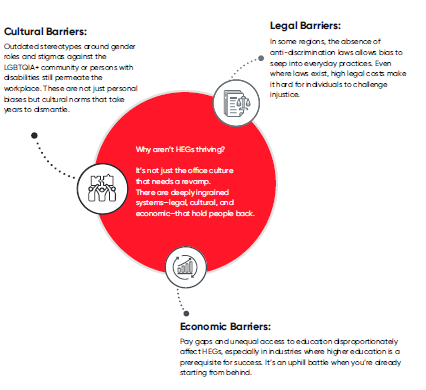
However, historically excluded groups, such as women, people of color, and members of the LGBTQIA+ community, which constitutes almost 10% of the overall workforce, have not always had equal access to employment opportunities. So, let’s explore the power of diversity and how these historically excluded groups can bring value to your organization.

What Barriers Have Marginalized Groups Faced Historically?

Throughout history, marginalized groups such as women, people of color, and members of the LGBTQIA+ community have faced significant barriers to accessing employment opportunities. These barriers include systemic discrimination, stereotyping, and biases that have been ingrained in the workplace culture for centuries.

For example, married women were largely excluded from the workforce until the early 20th century, and even then, they were often relegated to low-paying, low-skilled jobs. Similarly, members of the LGBTQIA+ community have also faced significant discrimination and exclusion from employment opportunities, with many being forced to conceal their identity or face discrimination and harassment in the workplace.

The historical exclusion of these groups from the workforce has had long-lasting effects, including creating significant economic disparities and limiting opportunities for these groups to achieve their full potential. However, there has been progress made in recent years towards creating more inclusive workplaces and increasing access to employment opportunities for marginalized groups.

How Does Diversity Impact Employee Morale and Retention?

Inclusion and diversity in the workplace can have a significant impact on employee morale, retention, and productivity. When employees feel valued and respected for their unique backgrounds and experiences, they are more likely to be engaged and committed to their work. This can lead to increased job satisfaction and morale, as well as reduced turnover rates.

Additionally, a diverse workforce can bring many perspectives and ideas to the table, leading to more innovative solutions to business challenges. Furthermore, companies prioritizing diversity and inclusion tend to have stronger employer brands, which can help attract and retain top talent.

Inclusion in Action: Inspiring Examples From the Best Workplaces™ for Women 2022

Companies that prioritize inclusion and equality for women in the workplace are outperforming their competitors in various ways. They are more likely to attract and retain top talent, improve employee morale and productivity, increase innovation and creativity, enhance customer satisfaction, and ultimately achieve better financial results. Drawing from the Best Workplaces for Women 2022 report, we will highlight the innovative approaches companies are using to create a more diverse and inclusive workplace culture.

One of the most important steps for any organization to implement strategies is to identify the current status of diversity in the workforce. For example, Aegis Customer Support Services Private Limited rolls out a diversity scan survey to understand the existing diversity mix and understand people’s perceptions about diversity and inclusion initiatives that they can incorporate into their policies.

Inspiring Examples from the Best Workplaces™ for Women 2022

On the other hand, _VOIS leadership teams interact with the different communities in the workforce on a monthly basis to understand how they are getting along with the rest of the employees and also try to take real-time feedback on how the business can work on policies to support them more. They have a 10-member LGBT community and network for _VOIS who come together for a discussion with the D&I Lead. The suggestion from the community helped _VOIS structure its efforts in the PRIDE strategy. You can understand a lot more about how different organizations are promoting inclusivity in the workplace with different insights and case studies here.

How Can Companies Break Down Barriers to Inclusion and Diversity in the Workplace?

Achieving diversity and inclusivity in the workplace is crucial for any company that wants to succeed in today’s global economy. Historically excluded groups have faced significant barriers in gaining equal access to job opportunities and advancement.

To overcome these barriers, companies must prioritize diversity and inclusion as core values and incorporate them into all aspects of their operations. This includes creating a culture of openness and respect where all employees feel valued and supported, implementing hiring practices that prioritize diversity, providing training and development programs that promote inclusivity and sensitivity, and offering flexible work arrangements that accommodate diverse needs.

How can companies break down the barriers to diversity and create a truly inclusive workplace

Additionally, companies can form partnerships with community organizations that support historically excluded groups to gain access to diverse talent pools and create opportunities for mentorship and networking. By breaking down the barriers to diversity and creating a truly inclusive workplace, companies can not only attract and retain top talent but also enhance innovation, creativity, and overall business success.

What Role Does Leadership Play in Fostering Inclusion?

Effective leadership is crucial in creating a diverse and inclusive workplace. Leaders must recognize and address unconscious biases and actively promote diversity in all areas of the organization. They must create an inclusive environment where all employees feel valued, respected, and empowered to contribute their unique perspectives and experiences. Effective leaders prioritize diversity and inclusivity initiatives, hold themselves and others accountable for progress, and regularly evaluate and adjust strategies. By embracing diversity and inclusivity, organizations can attract and retain top talent, drive innovation, and improve overall performance.

Conclusion

Diversity is essential in the modern workplace, and it has the potential to benefit both employees and companies alike. A diverse workforce can bring different perspectives, ideas, and experiences, leading to greater innovation, creativity, and problem-solving. Additionally, it can help companies better reflect and understand their customers, leading to increased competitiveness and customer loyalty. Moreover, an inclusive workplace that values and supports diversity can boost employee morale, reduce turnover, and attract top talent. Ultimately, diversity is not just a moral imperative; it is a business imperative that can help organizations thrive in today’s rapidly changing world.

Frequently Asked Questions

What is the difference between inclusion and diversity in the workplace?

Diversity refers to representation of different groups, while inclusion ensures all employees feel valued and supported.

Why is workplace diversity important for business success?

Workplace diversity fosters innovation, improves decision-making, and helps companies better serve diverse customers.

How can companies promote inclusion and diversity effectively?

Inclusion and diversity in the workplace can be promoted by implementing bias training, inclusive hiring, flexible policies, and leadership accountability.

What are examples of inclusive workplace practices?

Some examples of inclusive workplace practices include employee resource groups, mentorship programs, and diversity audits are common strategies.


According to Great Place To WorkⓇ ’s research, to cultivate a culture of Innovation By All, it is crucial for organizations to align their innovation practices with employee experiences. This alignment is essential to bridge the gap between the innovation approach and the desired outcomes.

MOURI Tech (P) Limited’s culture reflects this philosophy in many ways, which has enabled it to be one of the Top 50 Companies (in the Large category) in India’s Best Workplaces Building a Culture of Innovation by All 2023 list.

As a Global Enterprise Solutions company operating under the motto ‘Employee First. Customer Foremost’, MOURI Tech’s journey toward innovation has been both challenging and rewarding, marked by bold moves and strategic decisions. By Investing heavily in R&D, and embracing a “fail-fast” mentality, MOURI Tech provided its employees with the necessary freedom and resources to pursue ambitious projects.

MOURI Tech has made significant strides in innovation over the years. One of the key milestones in its innovation journey was the launch of its Artificial Intelligence (AI)-powered platform in 2018 to help businesses automate and streamline their operations using AI and ML algorithms. This platform has been a game-changer for many of MOURI Tech’s customers, enabling them to improve operational and business efficiencies, achieve significant cost savings, and gain a competitive edge in their respective industries.

A major factor in MOURI Tech’s success in innovation has been its culture of experimentation and risk-taking approach. The company encourages its associates (as employees are referred to, here) to think outside the box and explore new ideas and concepts. Leaders here believe that the best ideas come from people who are involved directly with customers, suppliers, and products on a daily basis. MOURI Tech’s Ideation Platform has paved the way for the development of several innovative products & solutions for the clients, thereby helping MOURI Tech to maintain a consistent level of competitiveness.

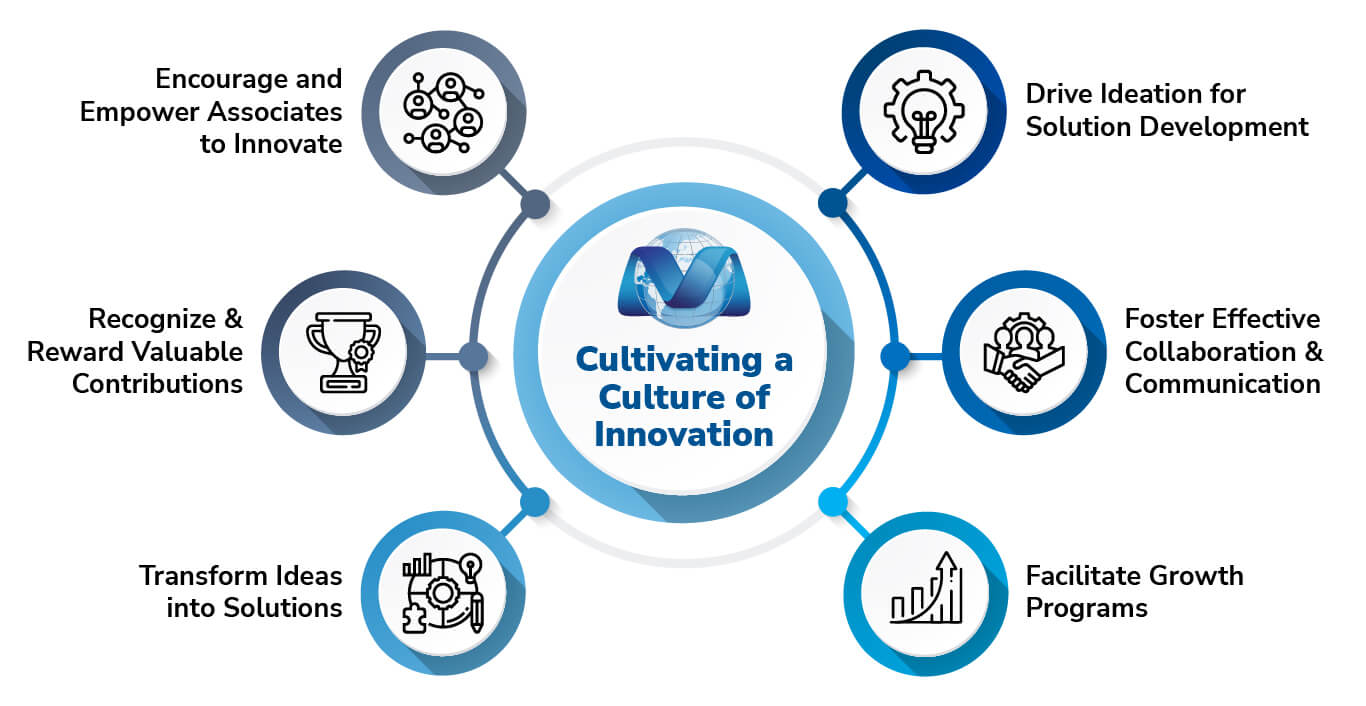
mouri tech innovation blog-infographic

Here are a few examples of the impact made:

  • As reviewing multiple contracts was becoming a challenge owing to the rapid organizational growth, the Recruitment and AI teams collaborated and came up with an AI-enabled process that could wrap up reviews in 80% less time and with 40% more accuracy.
  • The Recruitment and AI teams also came together to develop an AI-based Resume Scoring Solution to decrease profile screening time by 90%.
  • An idea shared by an associate, about developing a solution that helps read through emails and create a Customer Sales Order form, thus bypassing the need to read through a huge number of emails from a vendor for orders. This has been well received in the market as an efficient, employable product.

As the technology landscape continues to evolve, MOURI Tech is well-positioned to lead the way in innovation and help organizations across the globe achieve their digital transformation goals and through it, sustained growth.

Learn more about MOURI Tech (P) Ltd, a Great Place to Work.

In today’s competitive and evolving workplace, equity is more than just a buzzword; it’s a fundamental requirement for fostering an environment where all employees can thrive. In the financial services industry, especially within the Banking, Financial Services, and Insurance (BFSI) sector, there is a growing recognition that equitable practices are crucial for long-term success. The “India’s Best Workplaces in BFSI 2024” report sheds light on this, showcasing how equity impacts employee satisfaction, organizational culture, and performance.

Understanding Equity in the Workplace

Equity in the workplace refers to the fair treatment of all employees, ensuring that everyone has equal access to opportunities, rewards, and resources, regardless of gender, age, position, or background. Unlike equality, which promotes identical treatment, equity recognizes individual needs and adjusts resources accordingly to eliminate barriers to success.

For companies in the BFSI sector, prioritizing equity means creating policies that address the unique challenges faced by different demographics, thereby fostering a culture where everyone feels valued. A focus on equity not only improves job satisfaction but also drives productivity, enhances loyalty, and creates a more dynamic workplace.

Equity in BFSI: Gender and Generational Perspectives

The BFSI sector has made strides in promoting equity, yet data from the 2024 report reveals disparities in employee experiences, particularly across gender and generational lines.

Gender-Based Differences in Equity Perception

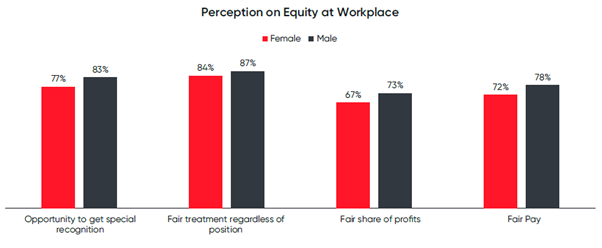
The report indicates that while four out of five BFSI employees feel positively about workplace equity, female employees report a lower satisfaction rate than their male counterparts. Specifically, women are five percentage points less satisfied with workplace equity. This discrepancy spans multiple aspects, including fair pay, recognition, and treatment regardless of position.

Perception of equity at the workplace

Recognition: Women in the BFSI sector are less likely to feel they receive special recognition. The report states that one in four female employees perceives a lack of recognition opportunities, which can impact motivation and job satisfaction. Recognition is essential for fostering a sense of accomplishment, and a lack of it can lead to disengagement, particularly for women striving to balance multiple roles.

Fair Pay and Profit Sharing: Another significant area where gender inequity persists is in compensation. The report shows that women are less likely to feel they receive a fair share of profits and fair pay. Fair compensation is a core component of equity, as it acknowledges the value of each employee’s contributions, regardless of gender. Addressing pay disparities is critical for ensuring women feel equally valued and motivated.

Workplace Culture and Bias: Gender bias remains a challenge in the BFSI sector, with some women reporting a lack of opportunities compared to their male colleagues. This perception highlights the need for ongoing efforts to address unconscious biases in promotion and recognition processes, ensuring fair opportunities for advancement.

Generational Variations in Equity Perception

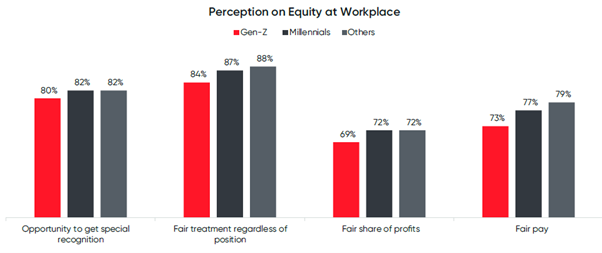
In addition to gender, the report reveals generational differences in equity perceptions. Gen Z employees, who represent a growing demographic in the BFSI sector, report lower satisfaction with fair pay compared to their older counterparts. 

Perception on Equity at Workplace

Fair Pay for Younger Employees: Nearly 80% of Gen Z and Millennial employees are generally satisfied with equity at work; however, Gen Z employees report a 6% lower perception of fair pay. For younger employees who may be balancing student loans and early career expenses, perceptions of unfair compensation can significantly impact retention. Addressing this generational gap in satisfaction can help prevent attrition and promote loyalty among younger talent.

Recognition and Growth Opportunities: Both Gen Z and Millennials emphasize the importance of fair recognition and growth opportunities. Ensuring that younger employees feel recognized and have access to advancement opportunities is vital for fostering a sense of belonging and loyalty. Organizations that prioritize equitable practices across generations are better positioned to retain top talent and support career development.

Addressing Gender-Based Equity Needs in the BFSI Workplace

Focusing on Care in Workplace - Across Genders

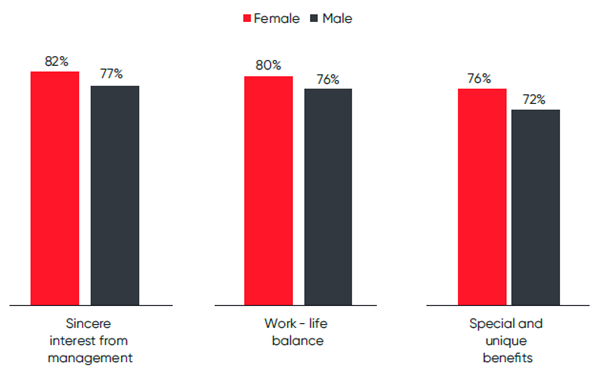
Sincere Interest from Management: According to the data, 82% of female employees feel that they receive sincere interest from management, compared to 77% of male employees. This five-point difference indicates a gap in how supported women feel by their leaders. Organizations can bridge this gap by fostering transparent communication, mentorship programs, and leadership training that emphasizes empathy and support.

Work-Life Balance: Work-life balance is another crucial area where female employees report a higher need, with 80% indicating satisfaction compared to 76% of male employees. Given that women often face greater demands related to family and caregiving responsibilities, BFSI organizations should prioritize flexible work policies that allow for a healthy balance, ensuring women can thrive both personally and professionally.

Special and Unique Benefits: Finally, women show a slightly higher need for unique benefits, with 76% reporting satisfaction versus 72% of male employees. This indicates a demand for tailored benefits that cater specifically to women’s needs, such as parental support, healthcare benefits, and career development opportunities targeted at addressing gender-specific challenges in the workplace.

Equity Across Generations: Understanding the Needs of Gen Z and Millennials

Focusing on Care in Workplace - Across Generations

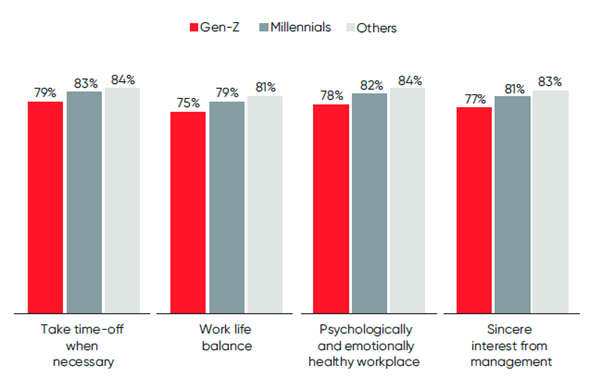
Taking Time Off When Necessary: Only 79% of Gen Z employees feel they can take time off when needed, compared to 83% of Millennials and 84% of older employees. This discrepancy suggests that younger employees may feel pressured to constantly perform or may lack the confidence to request time off, potentially impacting their work-life balance and overall mental health. Organizations could promote a culture that normalizes taking breaks to avoid burnout, especially for younger employees early in their careers.

Work-Life Balance: The report shows that only 75% of Gen Z employees feel satisfied with their work-life balance, compared to 81% of older generations. This gap highlights the need for flexible scheduling options and remote work policies to accommodate the lifestyle preferences of younger workers, who prioritize balance and personal development.

Psychologically and Emotionally Healthy Workplace: A psychologically and emotionally supportive workplace is essential for employee well-being. While 78% of Gen Z employees perceive their workplace as healthy in this regard, Millennials (82%) and older employees (84%) feel slightly more supported. The BFSI sector could implement mental health programs, counseling services, and stress management workshops to address this generational gap.

Sincere Interest from Management: Gen Z employees feel the least satisfied in terms of management’s genuine interest in their growth, with 77% expressing positive sentiment compared to 81% of Millennials and 83% of other generations. Providing mentorship programs, feedback channels, and career development resources could help younger employees feel more valued and connected to their leaders.

Achieving workplace equity is an ongoing process that requires commitment from all levels of an organization. By focusing on transparent practices, recognizing individual contributions, addressing biases, and providing supportive work environments, BFSI companies can create a culture where every employee feels valued and empowered.

In a world where talent is one of the most valuable assets, companies that champion equity are not only building better workplaces—they’re setting the standard for the future of the BFSI sector.

Get Certified to Showcase Your Commitment

Achieving Great Place To Work Certification is an excellent way to demonstrate your organization’s commitment to employees’ overall well-being and experience. This Certification not only enhances your employer branding but also helps attract and retain top talent. It highlights to current and prospective employees that your organization values their overall well-being, fostering an environment where they feel appreciated and supported.

By implementing a culture of trust, respect, and collaboration, you can create a workplace where employees feel valued and connected. Certification also provides a benchmark for continuous improvement, helping you identify areas where you can further enhance employee well-being and overall workplace culture. 

As the world unites to celebrate International Women’s Day on March 8, 2025, a glaring reality checks our progress: Indian women in the workplace still face an uphill battle for equity and opportunity. Despite growing conversations around diversity and inclusion, systemic barriers limit women’s growth and opportunities. According to India’s Best Workplaces for Women 2024 report, women make up 26% of the workforce, yet only 16% break the glass ceiling to rise to executive roles. This stark drop highlights the need for more equitable workplaces where women can thrive at every stage of their careers.

Women’s experiences across different career stages show that while their aspirations evolve, common themes emerge around recognition, growth, and the need for support systems. Addressing these needs is not just a moral imperative, it’s a business one.

We analyzed feedback from over 12 lakh women in India’s largest study on Best WorkplacesTM for Women and bring to you a powerful reflection of their experiences, aspirations, and challenges. Across role levels, their voices highlight what they need to thrive, and the barriers that hold them back.

What Early-Career Women Want: Security and Opportunity

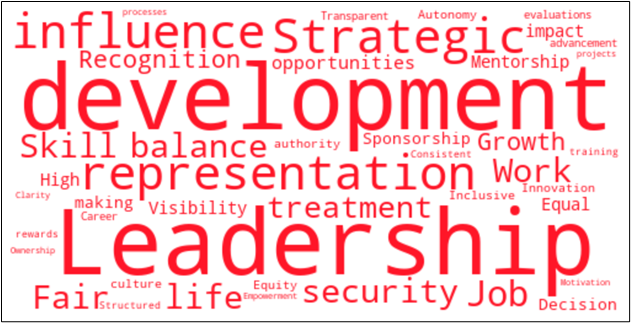
As women embark on their professional journeys, they’re not just looking for a job – they’re seeking a foundation for lifelong growth, development, and fulfilment. At the start of their professional journeys, women prioritize job security, work-life balance, and opportunities to develop new skills. They seek stable environments where fair treatment and timely salaries are non-negotiable. Yet heavy workloads, limited training opportunities, and lack of recognition often stifle their potential.

Companies must invest in structured training programs and clear growth pathways to nurture this talent. Fair evaluations and consistent rewards can go a long way in making women feel valued and motivated. Workplaces should not only provide employment opportunities but also lay a foundation for future growth.

What Women Supervisors Want: Fairness and Autonomy

As women rise to supervisory roles, they’re expected to lead, inspire, and deliver results. Their focus shifts to autonomy and equitable advancement. They expect opportunities to influence processes and make decisions while being treated fairly. However, unclear promotion pathways, lack of mentorship, and limited decision-making authority often create frustration.

Organizations must empower women at this level by offering leadership development programs and transparent performance evaluations. Ensuring women have a voice in shaping team outcomes fosters ownership and drives engagement.

wordcloud: influence, developement, leadership, etc

What Women Managers Want: Visibility and Growth

For women managers, visibility and recognition become essential. They want their ideas heard and their contributions acknowledged without bias. Yet inconsistent access to strategic projects and departmental disparities often limit their ability to advance.

Creating a great workplace for women managers means ensuring equal access to high-impact opportunities and unbiased performance recognition. Sponsorship programs, where senior leaders actively advocate for women’s growth, can help them gain the visibility needed to break through organizational silos.

What Senior Women Leaders Want: Influence and Equity

Women aspire to shape strategy and drive organizational impact at the senior leadership level. They seek opportunities to lead high-impact projects and representation in top leadership. Yet the glass ceiling remains a formidable barrier, with women’s representation dropping 11% from mid-level management to C-suite positions.

graph of individual contributor, front line managers, mid-level managers, executibe, c-level managers and ceo

To address this, companies must prioritize building strong leadership pipelines and providing high-impact opportunities. Ensuring women’s equal representation in decision-making forums and executive roles will create a more balanced and innovative leadership team.

The Glass Ceiling: A Barrier Yet to Be Broken

Despite their achievements, women still face significant barriers when moving into senior leadership. The steep drop in executive-level representation points to systemic issues like unconscious bias, lack of mentorship, and limited access to high-visibility roles.

Breaking this glass ceiling requires intentional strategies. Companies must identify and address the structural challenges preventing women’s advancement and ensure high-potential women receive the sponsorship and visibility needed to move into leadership roles.

Addressing the Barriers: What Companies Must Do

Creating equitable workplaces requires a multi-pronged strategy, focused on building sustainable support systems for women at every career stage:

  1. Returnship Programs: Offer structured opportunities for women on career breaks to re-enter the workforce, including flexible roles and targeted upskilling initiatives.
  2. Diversity-Focused Hiring: Ensure job postings use gender-neutral language and leverage women’s networks and communities to attract diverse candidates.
  3. Equitable Growth Opportunities: Provide women equal access to leadership development programs, mentorship, and high-visibility projects across roles and locations.
  4. Flexibility and Support: Institutionalize policies like flexible work arrangements, childcare support, and extended parental leave to help women balance personal and professional priorities.
  5. Leadership Accountability: Tie diversity and inclusion metrics to leadership performance evaluations and set measurable goals for women’s representation and engagement.
  6. Recognition and Visibility: Celebrate women’s achievements and share their success stories to inspire and attract future talent.

This holistic approach ensures that women remain in the workforce and thrive and grow into leadership roles.

The Business Case for Women in Leadership

The evidence is clear: companies that prioritize gender inclusion outperform their peers. India’s Best Workplaces for Women 2024 report reveals that inclusive workplaces drive stronger employee engagement, higher customer satisfaction, and greater brand loyalty. When women feel valued and empowered, they catalyze growth, driving retention, performance, and motivation.

Beyond diversity targets, organizations investing in gender equity gain a clear business edge. Inclusive workplaces drive innovation, improve decision-making, and create a culture of trust. Companies that actively support women don’t just build better workplaces — they build stronger, more competitive businesses poised for long-term success.

A Call to Action for Leaders

This International Women’s Day, it’s time to move beyond symbolic gestures and commit to real change. Building equitable workplaces requires more than policy statements — it demands intentional action and accountability. Leaders must champion women’s advancement as a strategic business priority, not just as a diversity goal.

As we strive for a more equitable workplace, let us recognize the transformative power of collective action. We can achieve remarkable things when we come together to challenge systemic barriers and champion women’s advancement. The future of work belongs to organizations that invest in women leaders today. Will you be part of this movement?

Get Certified to Showcase Your Commitment

Achieving Great Place To Work Certification™ is an excellent way to demonstrate your organization’s commitment to employees’ overall well-being and experience. This Certification not only enhances your employer branding but also helps attract and retain top talent. It highlights to current and prospective employees that your organization values their overall well-being, fostering an environment where they feel appreciated and supported.

By implementing a culture of trust, respect, and collaboration, you can create a workplace where employees feel valued and connected. Certification also provides a benchmark for continuous improvement, helping you identify areas where you can further enhance employee well-being and overall workplace culture. 

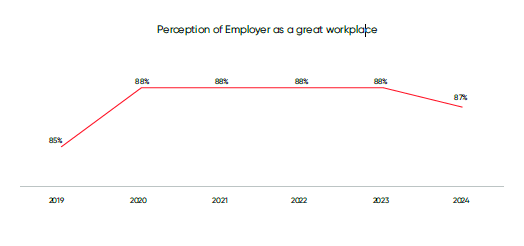
The Great Place To Work® report on India’s Best Workplaces in Retail 2024 report has unveiled a concerning trend in workplace dynamics. While organizations maintain high overall workplace satisfaction scores, there’s a notable gender gap that demands immediate attention. Female employees’ perception of their workplace culture has dropped by 4% , a significant decline that signals the urgent need for more focused efforts in building truly equitable workplaces.

Female employees' perception of their workplace has dropped by 4% - a significant decline that signals the urgent need for more focused efforts in building truly equitable workplaces.

The economic implications of these gender disparities cannot be overlooked. Organizations face reduced employee engagement among female staff, higher turnover rates, and lost productivity. Perhaps most critically, they miss out on the innovation potential that comes with fully engaged, equitably treated female employees.

Building Blocks of Gender Equity

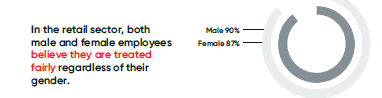
The data reveals an intriguing paradox in workplace perceptions. Both male and female employees report they don’t perceive overt gender bias at their workplaces, with 90% of men and 87% of women agreeing they’re treated fairly, regardless of gender. However, a deeper examination uncovers substantial disparities beneath this surface-level agreement.

In the retail sector, both male and female employees believe they are treated fairly regardless of their gender.

This disparity manifests across several critical areas. Women consistently report lower satisfaction with fair pay and profit sharing, express concerns about management favoritism, and feel more affected by workplace politics. They also perceive fewer opportunities for career advancement. These findings suggest that while organizations may have successfully eliminated obvious forms of gender discrimination, subtle barriers and systemic inequities continue to impact women’s workplace experiences significantly.

Leading organizations have recognized these challenges and are implementing comprehensive strategies to build more equitable workplace cultures. 

Visibility and Recognition

A key focus area is visibility and recognition. Progressive companies are creating platforms where women can share their experiences and stories, ensuring they have adequate visibility with top leadership. These organizations understand that recognition isn’t just about acknowledging achievements – it’s about creating an environment where women feel valued and heard.

Meaningful Onboarding

The importance of meaningful onboarding has emerged as another crucial factor. The report emphasizes that an employee’s comfort in bringing their full self to work is significantly influenced by their initial experiences with the organization. Forward-thinking companies are designing inclusive onboarding programs that address women’s specific needs and concerns. They’re providing early access to mentorship opportunities and creating clear pathways for growth and development from day one.

Leadership Development

Leadership development has become a cornerstone of gender equity initiatives. The best workplaces focus on identifying high-potential women who might not see their own leadership capabilities. They’re creating structured development programs specifically for women leaders and providing sponsorship opportunities with senior leaders. These programs acknowledge that building leadership capacity requires both skill development and confidence building.

Pay Equity Initiatives

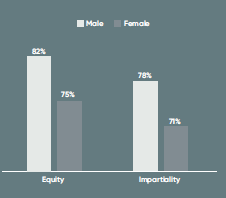
Pay equity initiatives have taken center stage in many organizations’ equity efforts. Progressive companies are conducting regular pay equity audits and implementing transparent pay scales. They’re addressing historical pay disparities through targeted adjustments and creating clear compensation frameworks that eliminate bias. These efforts recognize that pay equity is both a moral imperative and a key driver of employee satisfaction and retention.  Women’s perception in key areas of equity and impartiality lags by almost 7% compared to that of their male colleagues.

Women's perception in key areas of equity and impartiality lags by almost 7% compared to that of their male colleagues.

Flipkart’s Programs for Women’s Career Continuity and Growth

Case studies from industry leaders offer valuable insights into effective gender equity initiatives. 

Career Development Programs

Flipkart, for example, has implemented a comprehensive suite of programs addressing women’s needs throughout their career journey. Their Catalyze program offers a six-month development journey using the GROW model, specifically designed to prepare women for leadership roles. The company’s GirlsWannaCode initiative empowers women in technology through targeted skill development, while their innovative Flip Forward program helps women restart their careers after breaks. These programs demonstrate the importance of addressing gender equity at every career stage.

Flipkart's Commitment to Safety, Equality, and Inclusivity

Safety and Retention

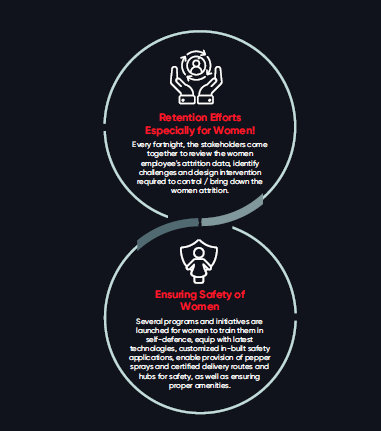
Safety and retention have emerged as crucial focus areas in Flipkart’s approach. The company conducts regular reviews of women’s attrition data to identify and address challenges proactively. They’ve implemented comprehensive safety measures, including self-defense training and certified delivery routes, recognizing that physical safety is fundamental to workplace equity. Their custom-built safety applications and infrastructure show how technology can be leveraged to support gender equity goals.

Building a Sustainable Framework

Creating lasting change requires organizations to focus on cultural transformation at a deep level. This involves challenging unconscious biases through regular training and awareness programs. 

Cultural Transformation

Successful organizations are creating Employee Resource Groups that support women’s professional growth and fostering environments where speaking up about inequities is not just permitted but encouraged. The establishment of zero-tolerance policies for harassment and discrimination sends a clear message about organizational values.

Structural Changes

Structural changes play a vital role in supporting gender equity initiatives. Organizations must review and revise policies that might inadvertently disadvantage women. This includes creating flexible work arrangements that support work-life integration and implementing family-friendly policies that support both parents. Progressive companies are establishing clear metrics for measuring progress in gender equity, recognizing that what gets measured gets improved.

Leadership Accountability

Leadership accountability has emerged as a critical factor in successful gender equity initiatives. Organizations are setting specific, measurable goals for improving gender equity and including these metrics in leadership performance evaluations. Regular reporting on progress toward equity goals ensures sustained attention to these issues. Perhaps most importantly, leadership teams are being called upon to actively champion and model inclusive behaviors.

The future of workplace equity depends on leadership teams recognizing that this is not just a human resources initiative but a strategic priority that requires ongoing attention and resources. By making gender equity central to their organizational strategy and backing that commitment with concrete actions, organizations can create lasting change that benefits all employees and drives sustainable success.

Get Certified to Showcase Your Commitment

Achieving Great Place To Work Certification is an excellent way to demonstrate your organization’s commitment to employees’ overall well-being and experience. This Certification not only enhances your employer branding but also helps attract and retain top talent. It highlights to current and prospective employees that your organization values their overall well-being, fostering an environment where they feel appreciated and supported.

By implementing a culture of trust, respect, and collaboration, you can create a workplace where employees feel valued and connected. Certification also provides a benchmark for continuous improvement, helping you identify areas where you can further enhance employee well-being and overall workplace culture. 

For All Summit Mumbai 2025: Vision to Value – Building Workplaces That Matter

Join us on February 6, 2025, in Mumbai for an enlightening day filled with insights on creating sustainable, humane, and inclusive workplaces. Learn from industry leaders about purpose-driven cultures, innovative HR practices, and adaptive leadership strategies.

Get your passes today – https://testg.in/for-all-summit

For All Summit 2025 Mumbai Banner

Diversity, Equity, Inclusion, and Belonging (DEIB) are increasingly recognized as foundational elements for any thriving workplace. Beyond just being socially responsible, a focus on DEIB contributes to better team cohesion, innovation, and positive business outcomes. However, building a truly inclusive environment means going beyond surface-level actions and addressing systemic challenges that create barriers for certain employee groups, particularly historically excluded groups (HEGs).

While many organizations are well-intentioned in their DEIB initiatives, three core challenges often hinder genuine progress: hidden barriers to inclusion, unrecognized blind spots in existing policies, and a gap between intentions and tangible actions. Addressing these areas is essential to foster an environment where every employee can thrive. 

The Barriers to Inclusion We’re Ignoring

In many workplaces, barriers to inclusion persist despite DEIB initiatives, often because these barriers are deeply ingrained in the cultural, legal, and economic structures within organizations. These factors contribute to an exclusionary environment that marginalizes certain groups and limits their access to equal opportunities. Such obstacles are easy to overlook, especially if they exist subtly or without visible opposition from leadership.

Barriers to inclusive practices

Legal Barriers

Even where anti-discrimination laws exist, they are often insufficient or inaccessible for those most affected by bias. High legal costs can prevent HEGs from challenging discriminatory practices, and organizations without stringent anti-discrimination policies can inadvertently perpetuate bias.

Cultural Barriers

Persistent stereotypes and biases, such as assumptions about gender roles or stigmas toward the LGBTQIA+ community, remain prevalent in workplaces and influence both hiring and promotional practices. Cultural norms, especially in regions with deeply rooted prejudices, often take years to dismantle, creating a barrier for HEGs.

Economic Barriers

Economic inequities, like pay disparities and lack of access to higher education, can restrict the upward mobility of HEGs. Employees from disadvantaged backgrounds may struggle to advance in industries where specific degrees or qualifications are required. These economic barriers create an uneven playing field, making it harder for HEGs to achieve parity with other groups.

Only 56% of organizations offer leadership training programs for HEGs, limiting their career advancement. This reinforces how the lack of systemic change in organizations disproportionately affects HEGs, highlighting the need for targeted efforts to dismantle these barriers.

Recognizing Our Blind Spots

The Reality of Unseen Bias

Despite good intentions, many DEIB programs fall short because they overlook structural issues that perpetuate bias. These “blind spots” lead to superficial, checklist-driven DEIB efforts that may look good on paper but fail to bring about meaningful inclusion. Employees quickly recognize when initiatives are symbolic rather than impactful, which can erode trust and engagement over time.

Data showcasing how building confidence helps employees.

Career Growth Limitations

Many organizations lack structured career advancement programs for HEGs, resulting in fewer opportunities for promotion and leadership roles. While some companies might offer leadership training broadly, fewer have tailored programs that address the unique challenges HEGs face. This absence of growth avenues often discourages HEGs from staying with the organization long-term.

Data showcasing how acknowledging contributions helps employees.

Respect and Acknowledgment Gaps

Respect is fundamental to a sense of belonging, yet many employees report feeling undervalued or overlooked. When individuals do not feel respected or acknowledged, engagement declines. The report’s CARE framework highlights how providing acknowledgment and fostering respect can double employee sentiment, underscoring the importance of these seemingly small actions.

Data showcasing how showing respect helps employees.

Burnout and Engagement

Burnout is a prevalent issue, especially when employees feel that DEIB efforts are insincere or that their concerns are not heard. 1 in 3 employees experience burnout due to a lack of genuine engagement and support. This disconnect further alienates HEGs and underscores the importance of building a workplace culture where engagement and support are prioritized.

Data showcasing how efforts towards having a supportive workplace helps employees.

Actionable Insight

The report introduces the CARE framework, which emphasizes building a workplace where Confidence, Acknowledgment, Respect, and Engagement thrive. Each element of CARE works to counter the blind spots that can sabotage DEIB efforts:

  • Confidence: Aligned leadership and visible action build confidence among employees, especially HEGs, who feel more empowered to express their needs.
  • Acknowledgment: Recognizing contributions, especially from HEGs, fosters a sense of inclusion.
  • Respect: Providing respect through sensitivity training and fair treatment improves engagement.
  • Engagement: Encouraging open communication helps employees feel seen and heard, reducing burnout.

The CARE framework underscores that DEIB success depends on continuous, intentional action, rather than one-time initiatives, to address deep-seated blind spots and build a culture of trust and inclusion. 

From Intent to Action

Shifting from Policy to Practice: While many organizations have DEIB policies, true progress lies in implementing actionable strategies that reflect these intentions. Moving from policy to practice requires a clear commitment to developing inclusive systems that support diversity at every level of the organization. Here’s how:

Inclusive Leadership: Effective DEIB starts with leadership. Leaders who demonstrate traits like active listening, empathy, and transparent communication set the standard for an inclusive culture. Leaders can encourage open discussions around DEIB topics, actively listen to employee concerns, and communicate DEIB goals clearly. When leaders model inclusive behaviors, employees feel more confident expressing themselves, which fosters a supportive environment.

Policy Transformation: Policies must go beyond compliance. For DEIB goals to have a lasting impact, organizations should establish anti-discrimination policies that hold everyone accountable for maintaining an inclusive environment. Inclusive hiring practices—such as gender-neutral language in job descriptions, diverse interview panels, and accommodations for individuals with disabilities—are critical for attracting and retaining HEGs. These changes ensure fair treatment from the recruitment phase through career progression, laying the foundation for a diverse workforce.

Support and Accountability: Establishing Employee Resource Groups (ERGs) is a powerful way to provide support and foster community for HEGs. ERGs offer a platform for underrepresented groups to voice their concerns and build connections, creating a stronger sense of belonging. Additionally, tracking DEIB progress through key metrics—such as representation rates, promotion data, and employee satisfaction—ensures accountability. Regular reviews of DEIB initiatives provide insights into what’s working and where improvements are needed, creating a cycle of continuous improvement.

Workplaces with comprehensive DEIB strategies report that employees are 3.4 times more likely to feel engaged, fostering a stronger commitment to the organization. Moreover, organizations that prioritize DEIB see reduced turnover and increased productivity, highlighting the business case for transforming DEIB from intent to actionable practices.

To truly advance DEIB, organizations must recognize and address the barriers to inclusion that have long been ignored, acknowledge and act on their blind spots, and shift from surface-level policies to impactful, practical actions. These steps are essential for fostering an environment where every employee feels valued and empowered.

When organizations commit to cultivating an inclusive culture and take ongoing, measurable steps to advance DEIB, they not only improve their business outcomes but also contribute to a fairer, more equitable world.

Get Certified to Showcase Your Commitment    

Achieving Great Place To Work® Certification™ is an excellent way to demonstrate your organization’s commitment to employees’ overall well-being and experience. This Certification not only enhances your employer branding but also helps attract and retain top talent. It highlights to current and prospective employees that your organization values their overall well-being, fostering an environment where they feel appreciated and supported.

By implementing a culture of trust, respect, and collaboration, you can create a workplace where employees feel valued and connected. Certification also provides a benchmark for continuous improvement, helping you identify areas where you can further enhance employee well-being and overall workplace culture. 

For All Summit Mumbai 2025: Vision to Value – Building Workplaces That Matter

Join us on February 6, 2025, in Mumbai for an enlightening day filled with insights on creating sustainable, humane, and inclusive workplaces. Learn from industry leaders about purpose-driven cultures, innovative HR practices, and adaptive leadership strategies.

Get your passes today – https://testg.in/for-all-summit

Banner for registering for the Great Place To Work® For All™ Summit 2025
Camera red icon

LIVE WEBINAR WITH Q & A

certification-badge-2026-rhc4efc9ny04x7lz17jff7guyhsup5b0yvrou4vd72

The Certification Advantage: Why Partner with Great Place To Work®

How partnering with Great Place To Work can strengthen your people strategy, and drive business outcomes through data-driven insights and Certification.

prasad-kachraj

Prasad Kachraj

Managing Director, Great Place To Work, India

23rd September 2026  |  4.00 PM - 4.30 PM IST

Register Now