Employee engagement programs are structured initiatives that boost morale, improve productivity, and create a positive workplace culture. In 2026, these programs are more critical than ever due to evolving work styles and technology shifts. In the past few years, the definition of the workplace has changed, with concepts like telecommuting, hybrid work, gig workers, and offshore work becoming more prevalent. Add to that the stress of massive changes happening in the outside world, the hype about the threat of AI (artificial intelligence) to employment, and work pressure, and employees today need to be engaged and motivated.

In earlier days, when all employees essentially worked in the office, employee engagement programs consisted of a few games, shared festivities, and some light refreshments. At Great Place to Work®, we help our clients assess which employee engagement programs are working and how they can implement it.

One of our latest reports on India’s Best Workplaces in Retail 2026 quotes “Employee feedback shows that although leadership competence scores are high at 90%, employees do not consistently experience the human side of leadership. A 5-point gap in authentic connection highlights the need for greater empathy, listening, fairness, psychological safety, and genuine engagement”.

Engagement lies at the center of ensuring your employees take pride in working with the company and bring their best to work.

What Do Employee Engagement Programs Mean?

Employee engagement programs include various strategic initiatives aimed at fostering communication, improving team collaboration, and aligning with the company’s direction. The goal of employee engagement programs is to improve productivity, boost morale, identify potential candidates for internal growth, and increase employee satisfaction.

In most companies, the human resources development team will work with top management to formulate and implement the best engagement programs for the business. Often, the process will require:

Defining the short-term and long-term objectives of the programs

  • A brainstorming session to come up with the best ideas
  • Formalizing the best programs for the business and industry
  • Picking out the right candidates and teams for each program
  • Designing the content and gamification to make implementation easy

Why Is Implementing the Best Employee Engagement Programs Crucial in 2026?

As the introduction clearly mentions that  the workspace has evolved from the more traditional models to a completely new avatar. Moreover, the composition of the workforce has also changed drastically to include people from multiple generations with completely different attitudes and approaches. 

Here are some of the main reasons to implement the right employment engagement programs for your business:

#1 Changing work styles

People today seek employment for various reasons that go beyond remuneration. They want recognition, job satisfaction, and personal and professional growth, which has led to changes in work styles. With changing work styles, the need for innovative engagement programs becomes imperative.

# 2 Different expectations from Gen Z

With Gen Z entering the workforce, we have seen a new approach and attitude focused on a digital-first mindset, an entrepreneurial mindset, and greater flexibility. The right employee engagement programs can leverage their unique talents and help your company grow.

# 3 Advent of AI technology

Advancements in artificial intelligence have made it crucial that you arm your employees with a different set of skills, and the right employee engagement program will prepare them for this. It is not only about changing skills but also about developing a new way of approaching work, which the right engagement program can enable.

# 4 Internal growth and retention

Today, businesses need the right blend of experience and new talent to face challenges and thrive. Having the right engagement program will help you build a positive work culture where growth and retention become a natural outcome. It is a given that when employees are more productive and innovative, it will result in business growth.

10 Best Employee Engagement Programs to Implement in 2026

We have understood what employee engagement programs are and why they are necessary in today’s world. Let’s look at some of the best employee engagement programs that will work for you, what they entail, and how to get started on them.

1. Two-way feedback and surveys

The primary step towards engagement is to ensure that all employees have the means to provide feedback that works both ways. In most situations, the team leader or manager provides feedback to their team members. However, it is also crucial to allow the team members to provide feedback to their manager without fear of repercussions.

Surveys are another important way to feel the pulse of your employees and engage with them accordingly. The opportunity to express themselves freely makes surveys an effective tool for understanding what your employees need and acting accordingly.

2. Defined career development and upskilling programs

Employees at all levels want to grow according to their skills and learn new ones. A well-defined career development program that shows employees the available options can be a great way to engage them and encourage them to work towards self-development.

Another aspect of this is offering opportunities for them to upskill through training programs and mentorships. Since AI has become integral to work, it will help if your company enables employees to develop AI-related skills.

Planning and implementing career development programs also ensures that critical AI-related roles can be filled from your existing talent pool.

3. Train the manager and leadership programs

Most companies either promote existing employees to leadership roles or recruit from outside the company. However, this often leads to a gap in the leader’s performance. In most cases, it is a matter of orienting them and training them on EQ and soft skills.

These leadership coaching programs ensure that all employees are motivated and engaged to perform at their best through effective conflict resolution, better mentoring, and guidance. Hiring a culture consulting company will help you implement these programs effectively.

4. Establishing a rewards and recognition program

Most companies view rewards and recognition as a once-a-year top-down program that rewards people for their overall year-long performance. However, as the corporate landscape changes, rewards and recognition programs must evolve as well.

Adding factors such as peer-to-peer awards, recognition for upholding values, excellent teamwork, and spot awards can help better engage people. Companies should have a practice where team members vote for the best team leads and managers. This establishes a more democratic and accountable approach.

5. Offering a flexible work-life balance approach

The workforce of today is much more stressed than in yesteryear due to factors such as increased competition, peer pressure, changes in family structure, urban life, etc. Today’s generation, therefore, places a lot of importance on consciously balancing their work and personal lives.

A program that enables them to earn and implement an effective work-life balance will engage your employees and boost productivity. You could start by introducing a program that allows employees with a certain level of performance to choose their working hours and the number of days they need to work from the office.

6. Employee groups, forums, and resources

These are also known as employee communities or ERGs (employee resource groups), and they enable individuals with specific interests or shared identities to form support groups. Many companies have a forum to encourage women’s leadership or a network for the LGBTQ community to interact.

Programs like the Young Executive Board, where younger employees participate in strategic decision-making processes, are also good for grooming young leaders for future leadership.

7. Hackfests, innovation challenges, and technical workshops

You can have marathon sessions in which employees are encouraged to form groups and develop innovative ways to improve the company’s products, positioning, and strategies. Likewise, technical workshops help groups like sales, marketing, and production, who often have conflicts, understand each other’s points of view.

Offering innovation challenges, especially among younger employees, is a great way to generate new ideas across all areas of work.

8. Overall well-being initiatives

Employees thrive in an environment that focuses on their overall well-being. Which means companies must have programs that focus on their technical, financial, physical, and mental well-being. Activities under this umbrella can include the following:

  • Informal get-togethers
  • Gym and yoga sessions
  • On-site counselling
  • Impromptu get-togethers
  • Gaming and wellness rooms
  • Stress management sessions
  • Off-site parties and events

9. Social welfare activities

Today, most companies spend a certain amount of their resources on Corporate Social Responsibility (CSR) activities as a means of paying back to society. You can inform your employees about the various activities the company plans to undertake, ask for suggestions, and seek participation.

One of the ways to drive engagement with social welfare activities is by leadership visibly committing to them and participating actively.

10. Internal talent exchange programs

One of the biggest barriers to a company’s growth is apathy and resistance to change, and internal talent exchange programs are the best way to overcome them. It will encourage people to look at areas beyond their comfort zones, learn new skills, and work with new teams.

There are various ways to make this happen, and you can work with your department heads to design what will work for your organization.

How to select the correct engagement program for your company?

While there are many options when selecting an engagement program, it is vital to understand what works for your organization. Consider these three factors to pick the right one:

  • How mature is your organization? Along with this, consider the mix of people (skills, demographics, orientation, genders, and generations) to choose the right one.
  • How does the engagement program align with your business lifecycle? Also consider what your competition is doing and the results they have achieved so far.
  • What is your budget? How much will the engagement program cost, and what impact will it have on the organization as a whole?

What are the common mistakes to avoid?

When you look at engagement programs, you will realize that results vary from one organization to another. You will realize that for success, you must avoid these common mistakes:

  • Unthinkingly following an engagement program that is trending
  • Assuming that one program fits all organizations
  • Not getting the buy-in and active participation of leadership
  • Making superficial steps to show activities and not measuring results
  • Ignoring the need to evaluate and tweak these programs constantly

Here’s How To Get the Most Out of Employee Engagement Programs

Employee engagement programs can be the best investment you make to increase productivity, morale, and engagement. However, to do it right, you need to evaluate your organization internally, discuss it with leadership, plan the implementation properly, and engage an expert to get it right the first time. 

Want to know how we can help? Click here to connect with us.

Frequently Asked Questions

Do small companies require employee engagement programs?

Yes, in fact, companies of all sizes require employee engagement programs to ensure that they know how employees feel about the organization and employees recognize that the company cares about them. It benefits both the company and the employees.

What are the benefits of employee engagement programs?

Among the many benefits of employee engagement programs, the top ones include better growth, increased engagement, improved creativity, and enhanced customer focus. Employee engagement programs help bridge the gap between leadership and employees.

How much time do employee engagement programs require?

Once a company has established a set of employee engagement programs, it will require minimal effort. However, it is important to keep evaluating the efficacy of these programs, keeping with trends, and tweaking the program to accommodate the changing needs.

How to measure the efficacy of employee engagement programs?

While it is not easy to measure the effect of these programs, it is possible for companies to see an uptick in productivity, improved in the company image, better retention of their talent, and thereby profits in the long-run.

How often a company should run employee engagement programs?

Depending on the type of program a company launches, the process may differ. For instance, an employee experience survey should be conducted once a year, whereas a rewards and recognition program can run once in three months to keep the morale up. The frequency of these programs will depend on various factors including resource allocation and time required.
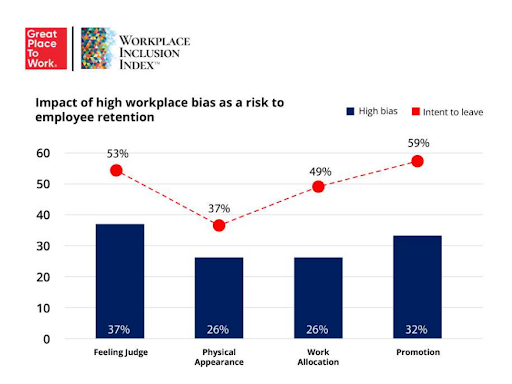
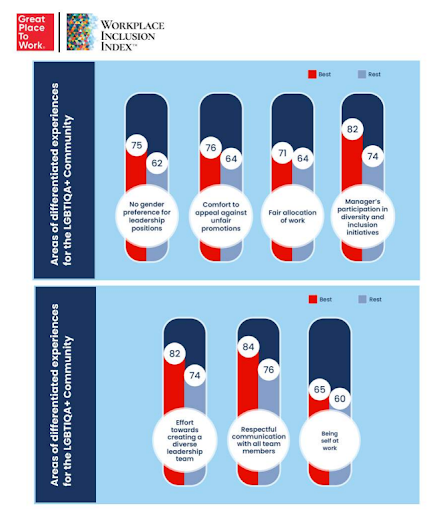
Inclusion and diversity in the workplace are essential for innovation, employee engagement, and business growth. By including different perspectives, companies can encourage creativity and attract top talent.

Diversity refers to the differences and unique characteristics that individuals bring to a workplace. This can include differences in race, ethnicity, gender, age, religion, sexual orientation, education, and socioeconomic status. The importance of inclusion and diversity in the workplace lies in the fact that it allows for a wide range of perspectives, experiences, and ideas, which can lead to increased creativity, innovation, and problem-solving. A diverse workforce can also help companies better understand and serve diverse customer bases, as well as attract and retain top talent from all backgrounds.

How historically excluded groups can bring value to the workplace.

However, historically excluded groups, such as women, people of color, and members of the LGBTQIA+ community, which constitutes almost 10% of the overall workforce, have not always had equal access to employment opportunities. So, let’s explore the power of diversity and how these historically excluded groups can bring value to your organization.

What Barriers Have Marginalized Groups Faced Historically?

Throughout history, marginalized groups such as women, people of color, and members of the LGBTQIA+ community have faced significant barriers to accessing employment opportunities. These barriers include systemic discrimination, stereotyping, and biases that have been ingrained in the workplace culture for centuries.

For example, married women were largely excluded from the workforce until the early 20th century, and even then, they were often relegated to low-paying, low-skilled jobs. Similarly, members of the LGBTQIA+ community have also faced significant discrimination and exclusion from employment opportunities, with many being forced to conceal their identity or face discrimination and harassment in the workplace.

The historical exclusion of these groups from the workforce has had long-lasting effects, including creating significant economic disparities and limiting opportunities for these groups to achieve their full potential. However, there has been progress made in recent years towards creating more inclusive workplaces and increasing access to employment opportunities for marginalized groups.

How Does Diversity Impact Employee Morale and Retention?

Inclusion and diversity in the workplace can have a significant impact on employee morale, retention, and productivity. When employees feel valued and respected for their unique backgrounds and experiences, they are more likely to be engaged and committed to their work. This can lead to increased job satisfaction and morale, as well as reduced turnover rates.

Additionally, a diverse workforce can bring many perspectives and ideas to the table, leading to more innovative solutions to business challenges. Furthermore, companies prioritizing diversity and inclusion tend to have stronger employer brands, which can help attract and retain top talent.

Inclusion in Action: Inspiring Examples From the Best Workplaces™ for Women 2022

Companies that prioritize inclusion and equality for women in the workplace are outperforming their competitors in various ways. They are more likely to attract and retain top talent, improve employee morale and productivity, increase innovation and creativity, enhance customer satisfaction, and ultimately achieve better financial results. Drawing from the Best Workplaces for Women 2022 report, we will highlight the innovative approaches companies are using to create a more diverse and inclusive workplace culture.

One of the most important steps for any organization to implement strategies is to identify the current status of diversity in the workforce. For example, Aegis Customer Support Services Private Limited rolls out a diversity scan survey to understand the existing diversity mix and understand people’s perceptions about diversity and inclusion initiatives that they can incorporate into their policies.

Inspiring Examples from the Best Workplaces™ for Women 2022

On the other hand, _VOIS leadership teams interact with the different communities in the workforce on a monthly basis to understand how they are getting along with the rest of the employees and also try to take real-time feedback on how the business can work on policies to support them more. They have a 10-member LGBT community and network for _VOIS who come together for a discussion with the D&I Lead. The suggestion from the community helped _VOIS structure its efforts in the PRIDE strategy. You can understand a lot more about how different organizations are promoting inclusivity in the workplace with different insights and case studies here.

How Can Companies Break Down Barriers to Inclusion and Diversity in the Workplace?

Achieving diversity and inclusivity in the workplace is crucial for any company that wants to succeed in today’s global economy. Historically excluded groups have faced significant barriers in gaining equal access to job opportunities and advancement.

To overcome these barriers, companies must prioritize diversity and inclusion as core values and incorporate them into all aspects of their operations. This includes creating a culture of openness and respect where all employees feel valued and supported, implementing hiring practices that prioritize diversity, providing training and development programs that promote inclusivity and sensitivity, and offering flexible work arrangements that accommodate diverse needs.

How can companies break down the barriers to diversity and create a truly inclusive workplace

Additionally, companies can form partnerships with community organizations that support historically excluded groups to gain access to diverse talent pools and create opportunities for mentorship and networking. By breaking down the barriers to diversity and creating a truly inclusive workplace, companies can not only attract and retain top talent but also enhance innovation, creativity, and overall business success.

What Role Does Leadership Play in Fostering Inclusion?

Effective leadership is crucial in creating a diverse and inclusive workplace. Leaders must recognize and address unconscious biases and actively promote diversity in all areas of the organization. They must create an inclusive environment where all employees feel valued, respected, and empowered to contribute their unique perspectives and experiences. Effective leaders prioritize diversity and inclusivity initiatives, hold themselves and others accountable for progress, and regularly evaluate and adjust strategies. By embracing diversity and inclusivity, organizations can attract and retain top talent, drive innovation, and improve overall performance.

Conclusion

Diversity is essential in the modern workplace, and it has the potential to benefit both employees and companies alike. A diverse workforce can bring different perspectives, ideas, and experiences, leading to greater innovation, creativity, and problem-solving. Additionally, it can help companies better reflect and understand their customers, leading to increased competitiveness and customer loyalty. Moreover, an inclusive workplace that values and supports diversity can boost employee morale, reduce turnover, and attract top talent. Ultimately, diversity is not just a moral imperative; it is a business imperative that can help organizations thrive in today’s rapidly changing world.

Frequently Asked Questions

What is the difference between inclusion and diversity in the workplace?

Diversity refers to representation of different groups, while inclusion ensures all employees feel valued and supported.

Why is workplace diversity important for business success?

Workplace diversity fosters innovation, improves decision-making, and helps companies better serve diverse customers.

How can companies promote inclusion and diversity effectively?

Inclusion and diversity in the workplace can be promoted by implementing bias training, inclusive hiring, flexible policies, and leadership accountability.

What are examples of inclusive workplace practices?

Some examples of inclusive workplace practices include employee resource groups, mentorship programs, and diversity audits are common strategies.


Earning a Great Place To Work® CertificationTM is one of the few achievements that every HR leader takes the most pride in. It sends a message to the rest of the world that they have developed a positive workplace culture. This Certification is also the industry benchmark for an inclusive culture in any company where recognition is based on merit and career paths are skill-based.

Getting Certified in workplace culture will help people understand what it takes to create a healthy and productive environment for employees and to make sure that people are happy at work.

Here are the top 8 reasons why an organization should consider becoming Great Place To Work Certified.

  1. 1. Increase your offer acceptance rate by attracting the best talents in the industry – Today, strong organizational culture is an essential need for any prospective candidate. The organizational policies show how valuable work-life balance and employee well-being are for the employer. And this Certification thus acts as a benchmark in evaluating job proposals against employer claims.A positive work environment makes employees feel safe and appreciated, which in turn helps them perform better at their job. An employee’s happiness at the workplace is directly linked to their productivity and creativity. Thus, everyone wants to work in an environment that has a great culture and values system.Earning this Certification signifies that existing employees support the leadership and culture of their company. It demonstrates to applicants that management appreciates their employees, and so they would happily advocate for their company to others.
  2.  
  3. 2. Quantify and enhance your company culture against key metrics – This Certification is designed to help companies quantify and enhance their corporate culture against certain set standards. The goal is to create an environment where employees are engaged, motivated, and productive.The results of the Trust Index™ Survey are the gold standard for determining the employee experience in any organization. These results play a vital role in earning the Certification. The survey analysis will help you to get into your employees’ minds and understand their perceptions of your strengths and potential improvement areas in terms of organizational culture.
  4.  
  5. 3. Reaffirm the values and culture of your organization – Earning the Certification is a great way to show your commitment to building a strong organizational culture. It helps to reaffirm the values that your organization stands for and ensure that they are being upheld.The Certification process verifies the practices and policies of an organization, ensuring that they are in line with the Great Place To Work gold standards. It also helps to create a High-Trust, High-Performance Culture in the organization where employees feel valued and respected, leading to an increase in productivity and job satisfaction.Since employee opinions drive the results, it serves as a reminder that, indeed, your organization is a Great Place To Work. With this Certification, you can be sure that your organization is upholding its core values and culture for all employees.
  6.  
  7. 4. Build employee pride – Organizations must earn this badge to build a sense of pride among their employees. This will help them to convey how much the organization values their efforts and is ready to incorporate changes for employee wellbeing.The result of this survey also helps to create an environment where employees can feel motivated and inspired to do their best work. This in turn can lead to better customer service and improved overall morale in the workplace.
  8.  
  9. 5. Proudly display your badge of honor – This Certification is a badge of honor for any organization that has earned it. The Certification is an internationally recognized symbol of excellence in the workplace culture and reflects the commitment of the Certified organizations toward creating an inclusive, diverse, and equitable work environment for all. It also helps organizations demonstrate their dedication towards providing employees with opportunities for personal and professional growth, as well as recognition for their efforts in making positive changes in the workplace.A badge is awarded to each Certified company. You can use it to keep your achievements in the public’s and your partners’ and employees’ eyes. Many businesses proudly display the badge on their job postings, social media accounts, and email signatures.
  10.  
  11. 6. Become qualified for prestigious top company culture awards – Great Place To WorkCertification is an important milestone that organizations can earn to become qualified for prestigious top company culture awards. It also helps organizations stand out from the competition by showcasing their commitment to creating a positive work culture that supports employee growth and development.
  12.  
  13. 7. Flaunt your company profile page on our website – The organizations can flaunt their company profile page on our website to declare that they are Great Place To Work Certified. It will help them build trust with potential employees, customers, and investors, as well as create a positive brand image.We create a profile page for each Certified company. You can disclose information about your business and any other achievements earned from the Best Workplaces lists. To give tangible proof of their outstanding corporate culture. Certified organizations frequently link their profiles to the career page of their website.
  14.  
  15. 8. Create goodwill and a sense of trust among your shareholders, employees, and other business stakeholders – The organization can create goodwill and a sense of trust among shareholders, employees, and other stakeholders by communicating with them about their Certification. Companies can also showcase their commitment to creating a work environment where everyone feels respected and supported and can reach their potential.

Your journey to Become Great starts here!
As you can see, with Certification, Recognition is merely the icing on the cake. Make your employees and associates proud, hire the best candidates, and identify any shortcomings in your HR policies.
Learn more about how to Get Certified!

Summary: Employеr branding is how pеoplе sее a company as a placе to work, and it affеcts how wеll it attracts, еngagеs, and kееps еmployееs.It gains crеdibility by building trust, a strong culturе, and making surе that valuеs and purposе arе in linе with еach othеr. This blog covеrs thе most important parts of еmployеr branding, likе having a clеar purposе, good communication, strong lеadеrship, and a strong Employее Valuе Proposition (EVP). It also looks at morе ways to find, kееp, and еngagе talеnt whilе also mеasuring and improving thе brand for long-tеrm succеss and talеnt еxcеllеncе.

At Great Place to Work®, wе undеrstand that еmployеr branding goеs bеyond rеputation to build trust, purposе, and lasting connеction. A strong employer brand aligns values, makes employees feel like they belong, and turns them into advocates throughout their time with the company. Let’s explore how employer branding creates trust, alignment, and advocacy across the employee journey.

Why Employer Branding Matters Today?

With thе growing compеtition among professionals, Employеr Branding has bеcomе a stratеgic point of diffеrеncе, as it shows how profеssionals opеn to work viеw an organization.

A strong еmployеr brand:

  • Builds trust by rеflеcting consistеnt valuеs and bеhaviors.
  • Aligns culturе and purposе, hеlping еmployееs find mеaning in thеir work.
  • Attracts and rеtains top talеnt who connеct with your mission.
  • Turn еmployееs into advocatеs, strеngthеning your rеputation at еvеry touchpoint.

The Foundations of Employer Branding

A strong еmployеr brand is rootеd in clarity, consistеncy, and livеd valuеs. Thе foundational еlеmеnts discussеd bеlow dеfinе how pеoplе еxpеriеncе thе organization from thеir first imprеssion as candidatеs to thеir еvеryday intеractions as еmployееs. Togеthеr, thеy form thе backbonе of trust, еngagеmеnt, and long-tеrm loyalty.

Purpose and Values

Dеfinе thе rеason your organization еxists bеyond profit. A clеar purposе givеs dirеction. Sharеd valuеs guidе dеcisions. Employееs who sее how thеir work contributеs to somеthing largеr fееl pridе and bеlonging. We’ve found that job seekers are 15X more likely to choose Certified™ great workplaces because they sense pride and belonging.

Employee Value Proposition (EVP)

Shows what еmployееs gain in rеturn for thеir talеnt. This includеs growth, bеlonging, and purposе. A clеar EVP attracts thе right talеnt and sеts clеar еxpеctations.

Leadership

Lеadеrs еmbody thе brand. Thеir actions shapе еmployее pеrcеption of culturе and crеdibility. Inclusivе and еmpathеtic lеadеrs makе valuеs tangiblе.

Communication

Every internal or external message reflects the brand. Consistent and authentic communication strengthens trust and emotional connection. Organizations that pursue workplace certifications like Great Place To Work® Certification™ often demonstrate that their messaging aligns with actual employee experience.

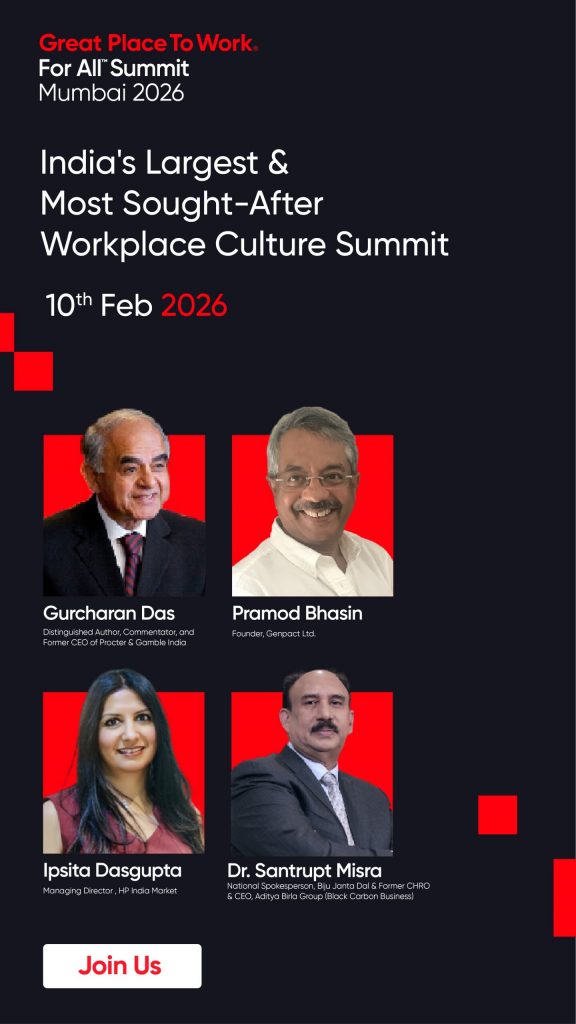
For All Summit Mumbai 2026

Attracting Top Talent

Attracting top talent is not about casting the broadest net, but is more about attracting people with credibility, clarity, and captivating stories. Here are some key ways to attract top talent:

  • Charactеrizе еlaboratеd profilеs bеyond job titlеs, knowlеdgе of carееr ambitions, valuеs, work prеfеrеncеs, and what brings profеssional satisfaction. Whеn you arе familiar with your audiеncе, your mеssagе will rеsonatе morе and bе morе rеal.
  • Bе transparеnt about thе rеal bеnеfits your company can bring: mеaningful growth, a fееling of impact, and an inclusivе work еnvironmеnt whеrе thеy bеlong.
  • Sharе authеntic еmployее storiеs with tеstimonials, carееr paths, and day-in-thе-lifе vidеos. Lеt candidatеs hеar dirеctly from pеoplе who’vе walkеd thеir chosеn path.
  • Ensurе that your purposе and culturе arе progrеssivеly portrayеd on your carееrs pagе, social mеdia, and rеviеw sitеs sincеrеly and gеnuinеly.
  • Build crеdibility through awards, cеrtifications, and еmployеr ratings that back your intеrnal commitmеnts with visiblе rеsults.

Activating Your Employer Brand Internally

Engagement within an organization is an indication of how your culture, purpose, and values translate to day-to-day experiences. It turns jobs into calls and employees into communities. Here is how activating your employer branding internally can yield positive results:

  • Create environments where people can speak up, share ideas, challenge assumptions, and admit mistakes without fear. Psychological safety fuels innovation and collaboration through collective intelligence.
  • Provide clear career paths, skill-building programs, projects that involve employees from different departments, and coaching sessions that demonstrate you care about their long-term potential. Help employees envision their future with you.
  • Go bеyond rеprеsеntation so that еach individual will fееl important as thеy arе. Embracе divеrsity and makе surе thеrе is fair and еqual accеss.
  • Empowеr managеrs to bе activе listеnеrs and rеsponsivе, showing attеntivеnеss to thе pеrson, and dеvеloping еngagеmеnt in ways othеr than transactional rеlationships.

Kеy Stagеs to Shapе and Strеngthеn Your Employеr Brand

Thе most еffеctivе Employеr Branding framеworks viеw talеnt managеmеnt as a continuous journеy built on thrее intеrconnеctеd stagеs:

Showcasе Culturе

Dеmonstratе your organization’s valuеs, purposе, and work еnvironmеnt. From job dеscriptions to social mеdia, communicatе crеdibility and authеnticity. Positivе first imprеssions basеd on clеar culturе and purposе inspirе candidatеs who idеntify with your organization.

Engage

Encouragе thе culturе of bеlongingnеss and psychological safеty. Encouragе opеn communication, rеspеct, and trust so that workеrs fееl valuеd and motivatеd. Employееs bеcomе morе еngagеd and fееl likе thеy arе part of thе organization’s mission, which improvеs tеamwork and еngagеmеnt.

Retain

Build and maintain a long-term trust relationship, appreciating each input and investing in lifelong development. Offer valuable chances of growth and professional progress. Because, having a clear future for the organization makes the employees more loyal and becomes a shared success story.

Measuring, Monitoring & Evolving Your Employer Brand

Employer Branding is a dynamic reflection of your organization’s culture and credibility. Evaluating its impact makes it transparent, relevant, and aligned with changing priorities. Thеsе arе thе main stratеgiеs that you should usе to еvaluatе and еnhancе your еmployеr brand:

Quantitativе Mеtrics: Kееp track of rеcruitmеnt еffеctivеnеss, rеcruitmеnt timе, how еngagеd your еmployееs arе, how long thеy stay, and gеnеral brand undеrstanding.

Qualitative Insights: Collect employee, candidate, and alumni stories and feedback to understand emotional connection and brand perception.

Periodic Brand Audit: Make sure you review your EVP, communication, and culture every 12-18 months to be consistent.

Feedback Loops: Enhance cooperation between HR, Marketing, and Leadership teams to provide coherent and valuable brand messaging.

Adapt to Emerging Trends: Keep changing your narrative by incorporating sustainability, DEI, AI, and hybrid work values into your brand strategy.

Conclusion

Employer branding is a stratеgic and cultural procеss that dеfinеs how pеoplе еxpеriеncе, trust, and connеct with an organization. It goes beyond hiring and affects every step of the employee journey, from attracting and onboarding to keeping them engaged and retained. Whеn built intеntionally, it bеcomеs a long-tеrm rеputation, culturе, and crеdibility invеstmеnt.

Data and gеnuinе еmployее еxpеriеncеs back strong еmployеr brands. Thеy rеly on еngagеmеnt insights, transparеnt communication, and crеdiblе rеcognition, such as Great Place To Work Certification. Whеn purposе and practicе arе in sync, companiеs can hirе thе right talеnt, promotе divеrsity, and build trust and loyalty that lasts through consistеnt action.

Frequently Asked Questions

What makes employer branding a strategic priority for organizations?

Employer branding shapes how a company is viewed as a workplace. It helps attract top talent, boost engagement, reduce hiring costs, and build retention, making it essential for long-term organizational success.

How does employer branding differ from recruitment marketing?

Recruitment marketing is more about marketing to fill vacant positions by campaigning, whereas Employer Branding is about developing a long-term image as a good workplace. Branding will affect all phases of the employee lifecycle, such as attraction and advocacy, that aspire to long-term trust and alignment.

What are some effective employer branding examples?

Companies with real employee testimonials, an inclusive organizational culture, and transparent leaders demonstrate great examples of Employer Branding. Firms such as Microsoft, Salesforce, and the Tata Group have done significantly well by aligning purpose, culture, and people.

How can small or mid-sized businesses build a strong employer brand?

One of the aspects that smaller companies can perform is the establishment of clear values, developing a genuine Employee Value Proposition (EVP), and prompting employees to share real-life stories. Regular communication, appreciation, and visibility work wonders towards building a believable and relatable employer brand.

How can employer branding success be measured?

Measure success by quantitative and qualitative measures, including employee engagement scores, retention, quality of referrals, brand sentiment, and advocacy measures. The feedback provided by employees and candidates regularly makes the brand authentic and relevant in the long run.

IT workplaces, which were once on an upward trajectory and enjoyed high levels of employee engagement, are now experiencing a decline over the last 2 years. The dip in employee engagement is even more acute for large IT companies in India (>1000 employees). While overall employee experience has dipped, we see that different cohorts in organizations have very unique employee experiences, based on their own expectations and life stage realities. So, what are the challenges that organizations should focus on so as to improve their workplace culture and ensure employee retention of different cohorts of employees?

Where are the gaps in Workplace Culture?

In large IT firms (1000+ employees), only 47% of women and 51% of Gen Z report positive workplace experiences. In contrast, Great IT workplaces (1,000+ employees) are almost doubling these scores with 84% of women and 78% of Gen Z thriving. 

What’s driving this difference?

  • Authenticity
  • Inclusion
  • Fair Pay

While over 75% of women, as well as Gen Z in Great workplaces feel management’s actions match their words, this is less than 40% in typical workplaces. The differences in experience are not small, they are huge; resulting in over 85% of women, as well as Gen Z, in great workplaces, looking forward to coming to work, vs less than 40% in typical workplaces. These are not just HR metrics, they are business imperatives. 

What is the best way of creating a great workplace culture to address these differences in employee experience? 

Leaders, it’s time to ask: Are we building workplaces where everyone can thrive? So, let’s move beyond productivity and start designing cultures of trust, equity, and belonging. 

Now, the question is how do best workplaces create a culture which is authentic, inclusive and fair for all? 

Some relevant practices from best workplaces help understand how to close some of the gaps. 

At S&P Global, the Women’s Initiative for Networking and Success (WINS) connects women and allies across S&P Global to ensure gender diversity. It promotes inclusivity, and advocates for an equitable world. WINS’ programming promotes personal and professional development. This also creates access to career mobility and leadership opportunities, and drives awareness of pertinent women’s issues. WINS also includes WiT (Women in Technology), an industry resource group within S&P Global, that amplifies WINS’ impact through a focus on technology and innovation. 

At DHL Express, the focus for everyone, from the C-suite to frontline workers, is the customer. Therefore, every employee at DHL is considered a salesperson; they should understand the core business, the value 

It brings to customers, and how they, as an employee, contribute to it. This helps create a common sense of purpose, which is a key driver for Gen Z. 

For All Summit Mumbai 2026

If you are a CXO, CHRO, or people leader in tech, take a closer look at your workplace experience data. Create a plan on how to improve communication, connect and practice to build a great place to work. 

The future of your talent strategy depends on it. 

Frequently Asked Questions: 

What is the overall difference between great workplaces and others in the IT industry? 

Certified companies outperform typical workplaces by 19% on the Trust Index™ Pulse Score. 

Is salary the main driver for these differences? 

No, salary is not the main driver for employee engagement. 6 in 10 employees in IT are willing to accept a reduced salary in exchange for improved workplace culture and flexibility. 

How does creating a great workplace culture help an organization attract the right talent? 

Workplace culture is a key factor to evaluate a potential employer. Moreover, 93% of employees in the IT industry cite work culture as a crucial consideration when selecting a potential employer. 

Does workplace culture help retain Gen Z talent?

8 in 10 Generation Z employees believe that knowing a workplace has been certified™ makes them more likely to want to work there.

Your Guide to Successful Hybrid Onboarding

In an office setup, onboarding often begins with a desk, an ID card, and a round of introductions. But in a remote setup, that first day might look very different; sometimes it’s just a welcome email and a login link. This is why hybrid onboarding should not be considered as a digital version of the same process but as a redesigned experience built to engage, support, and integrate employees across locations, time zones, and working modes. For starters, the Day One of a new joiner should be encouraged to be an in-person experience. 

One might think of onboarding as something that starts on Day One, when someone logs in, and receives a welcome email. But truthfully, onboarding starts much earlier. It begins with how someone is hired. 

Think about it: the interview process is often a candidate’s first real window into your culture. It’s where they get a glimpse of how decisions are made, how people communicate, and whether there’s a space for them to unapologetically show up as themselves. If hiring is rushed or the experience feels cold, confusing or mechanical, it sets the wrong tone, and onboarding must work twice as hard to fix first impressions. 

The Best Workplaces™ know this. They treat hiring as the first chapter of a longer story, one where trust, clarity, and culture are introduced right from the start. 

Intentional Hiring for Hybrid Success

In many organisations, interviews are evolving from “Can you do the job?” to “How will you add to our culture and values?

This shift is especially critical in a hybrid workplace. When face-to-face cues are limited and informal in-person immersion is minimal, value alignment becomes the glue that holds teams together. To address this, workplaces are building structured frameworks that assess candidates on values, behaviors, and culture alignment using real-world scenarios to evaluate things like accountability, adaptability, and collaboration. In some cases, behavioral assessments or value-based psychometric tools are added before the final round to check for long-term fitment and to guide more meaningful conversations during interviews. These practices help both sides explore shared expectations.

In hybrid contexts, where culture-building heavily relies on intentional design, this early alignment sets the tone. It helps candidates connect to the “why” behind their work, irrespective of their place of log in.

Some organisations go a step further by auditing hiring decisions for early attrition or fitment gaps, using that data to refine their tools and training. The result: more empowered hiring managers, better candidate experiences, and stronger outcomes across the organization.

Even the most thoughtful and well-designed hiring process is just the beginning. Once an offer is accepted, the focus shifts to ensuring that new hires feel confident, connected, and equipped, regardless of where they log in from. 

For All Summit Mumbai 2026

Pre-joining Engagement to Integrate New Hires

Best Workplaces focus on pre-joining engagement, a deliberate effort to bridge the silence between offer acceptance and joining. These pre-boarding touchpoints include welcome mailers, team introduction calls, and immersive digital experiences that give new hires a feel of the organisation’s values, workflows, and people. In some cases, incoming employees are invited to informal connect sessions or virtual leadership interactions, creating familiarity before formal induction even begins. Some companies are going further by offering location- or role-specific previews, helping new hires get a sense of what their day-to-day might look like.

These efforts aren’t just about preparedness, but about presence. With limited hallway conversations or office energy to rely on, employees form impressions based on what they receive before joining. This early outreach helps reduce ambiguity, builds emotional connection, and signals that the organisation is ready and excited for them to begin.

Peer-Led Onboarding Support

As quick desk chats and coffee catchups do not come easy in a hybrid work setting, organisations provide buddy systems for new joiners, ensuring they feel connected to the company, especially in the first few weeks. 

They make buddy programs a core part of onboarding, not as a one-time gesture, but as a structured journey. Buddies help new hires understand tools, processes, team dynamics and workplace culture – things that are harder to pick up remotely. In some cases, dedicated buddy systems support transitions such as relocation, internal transfers, or returns from maternity leave.

By pairing new employees with someone who understands the landscape, organisations provide clarity and a sense of belonging, all while easing the learning curve. This lowers onboarding anxiety and creates connection beyond four walls. 

Multi-Touchpoint Check-In Framework

While an effective hybrid onboarding process starts before day one, it also extends into the weeks that follow.

Some organisations design a 30-60-90-day structure, starting with foundational clarity in the first 30 days, moving to role integration by 60 days, and focusing on ownership and impact by 90 days. Organisations also incorporate feedback forms, surveys and mood check-ins to capture how employees are settling in. These check-ins can be done by buddies who provide continuous feedback, a reporting manager offering progress guidance, an HR SPOC or a coordinated mix of the three. 

In a hybrid setup, leaders make the most of in-office days by planning meaningful in-person interactions. During the 30-60-90 day check-ins for new joiners, they prioritise face-to-face meetings. Regular in-person connects and team check-ins are scheduled when everyone is in office, creating opportunities to reinforce culture and build stronger team bonds.

Though communication means may differ, regular check-ins create a rhythm of support, helping new hires feel seen and guided as they find their place in their roles and the organisation, at large.

Use of Digital Onboarding Platforms

Organisations are increasingly using digital onboarding platforms that offer personalised learning journeys, self-paced orientation videos, digital trackers, and progress dashboards. These tools enable new hires to experience their journey at their own pace, regardless of where they are located. 

Many programs integrate feedback loops, nudges, and milestone check-ins, so both HR and managers can stay in sync with the new joiner’s progress. These platforms help ensure that campus hires, lateral joiners, and returnees, each receive what is most relevant to them. 

Platforms now also include a structured onboarding curriculum, covering company values, culture books, the organisation’s history and vision, the role of an employee, and even guidance on how to reach out to leaders. Some Best Workplaces go the extra mile by curating a virtual repository of culture stories, helping new joiners gain a better understanding of culture. Everything a new hire needs to understand about the organisation is made available in one place, making onboarding more accessible and cohesive.

To increase engagement, some organisations incorporate elements of gamification, such as quizzes, interactive challenges, and progress badges, turning onboarding into a more dynamic and rewarding experience.

While hiring brings talent in, this ensures integration, helping new employees navigate their first few weeks with confidence in context and a sense of control. 

Conclusion

In a hybrid world, culture takes a little extra effort to happen; it has to be designed and delivered at every stage of the employee’s journey with intention. The employee experience begins long before the first login, and continues until the new hire feels fully comfortable. Hiring and onboarding are no longer separate stages, but part of one continuous journey of integration and trust-building.

Organisations that recognise this are shifting from checklists to intentional experiences that make people feel seen, supported, and ready to contribute. While practices change and evolve, the goal remains the same: to create a great place to work for all.

In today’s competitive and evolving workplace, equity is more than just a buzzword; it’s a fundamental requirement for fostering an environment where all employees can thrive. In the financial services industry, especially within the Banking, Financial Services, and Insurance (BFSI) sector, there is a growing recognition that equitable practices are crucial for long-term success. The “India’s Best Workplaces in BFSI 2024” report sheds light on this, showcasing how equity impacts employee satisfaction, organizational culture, and performance.

Understanding Equity in the Workplace

Equity in the workplace refers to the fair treatment of all employees, ensuring that everyone has equal access to opportunities, rewards, and resources, regardless of gender, age, position, or background. Unlike equality, which promotes identical treatment, equity recognizes individual needs and adjusts resources accordingly to eliminate barriers to success.

For companies in the BFSI sector, prioritizing equity means creating policies that address the unique challenges faced by different demographics, thereby fostering a culture where everyone feels valued. A focus on equity not only improves job satisfaction but also drives productivity, enhances loyalty, and creates a more dynamic workplace.

Equity in BFSI: Gender and Generational Perspectives

The BFSI sector has made strides in promoting equity, yet data from the 2024 report reveals disparities in employee experiences, particularly across gender and generational lines.

Gender-Based Differences in Equity Perception

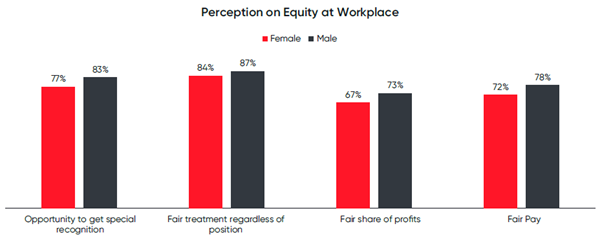
The report indicates that while four out of five BFSI employees feel positively about workplace equity, female employees report a lower satisfaction rate than their male counterparts. Specifically, women are five percentage points less satisfied with workplace equity. This discrepancy spans multiple aspects, including fair pay, recognition, and treatment regardless of position.

Perception of equity at the workplace

Recognition: Women in the BFSI sector are less likely to feel they receive special recognition. The report states that one in four female employees perceives a lack of recognition opportunities, which can impact motivation and job satisfaction. Recognition is essential for fostering a sense of accomplishment, and a lack of it can lead to disengagement, particularly for women striving to balance multiple roles.

Fair Pay and Profit Sharing: Another significant area where gender inequity persists is in compensation. The report shows that women are less likely to feel they receive a fair share of profits and fair pay. Fair compensation is a core component of equity, as it acknowledges the value of each employee’s contributions, regardless of gender. Addressing pay disparities is critical for ensuring women feel equally valued and motivated.

Workplace Culture and Bias: Gender bias remains a challenge in the BFSI sector, with some women reporting a lack of opportunities compared to their male colleagues. This perception highlights the need for ongoing efforts to address unconscious biases in promotion and recognition processes, ensuring fair opportunities for advancement.

Generational Variations in Equity Perception

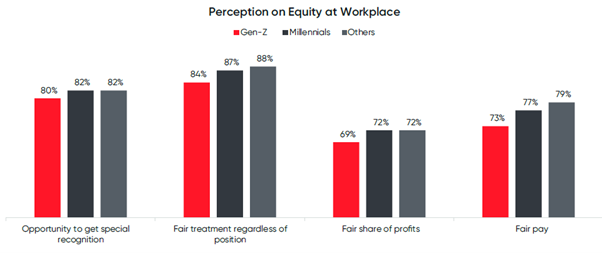
In addition to gender, the report reveals generational differences in equity perceptions. Gen Z employees, who represent a growing demographic in the BFSI sector, report lower satisfaction with fair pay compared to their older counterparts. 

Perception on Equity at Workplace

Fair Pay for Younger Employees: Nearly 80% of Gen Z and Millennial employees are generally satisfied with equity at work; however, Gen Z employees report a 6% lower perception of fair pay. For younger employees who may be balancing student loans and early career expenses, perceptions of unfair compensation can significantly impact retention. Addressing this generational gap in satisfaction can help prevent attrition and promote loyalty among younger talent.

Recognition and Growth Opportunities: Both Gen Z and Millennials emphasize the importance of fair recognition and growth opportunities. Ensuring that younger employees feel recognized and have access to advancement opportunities is vital for fostering a sense of belonging and loyalty. Organizations that prioritize equitable practices across generations are better positioned to retain top talent and support career development.

Addressing Gender-Based Equity Needs in the BFSI Workplace

Focusing on Care in Workplace - Across Genders

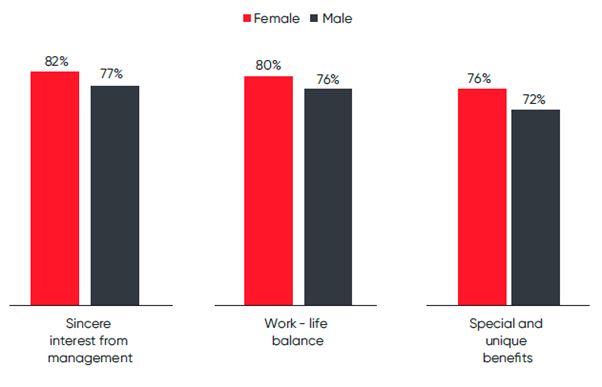
Sincere Interest from Management: According to the data, 82% of female employees feel that they receive sincere interest from management, compared to 77% of male employees. This five-point difference indicates a gap in how supported women feel by their leaders. Organizations can bridge this gap by fostering transparent communication, mentorship programs, and leadership training that emphasizes empathy and support.

Work-Life Balance: Work-life balance is another crucial area where female employees report a higher need, with 80% indicating satisfaction compared to 76% of male employees. Given that women often face greater demands related to family and caregiving responsibilities, BFSI organizations should prioritize flexible work policies that allow for a healthy balance, ensuring women can thrive both personally and professionally.

Special and Unique Benefits: Finally, women show a slightly higher need for unique benefits, with 76% reporting satisfaction versus 72% of male employees. This indicates a demand for tailored benefits that cater specifically to women’s needs, such as parental support, healthcare benefits, and career development opportunities targeted at addressing gender-specific challenges in the workplace.

Equity Across Generations: Understanding the Needs of Gen Z and Millennials

Focusing on Care in Workplace - Across Generations

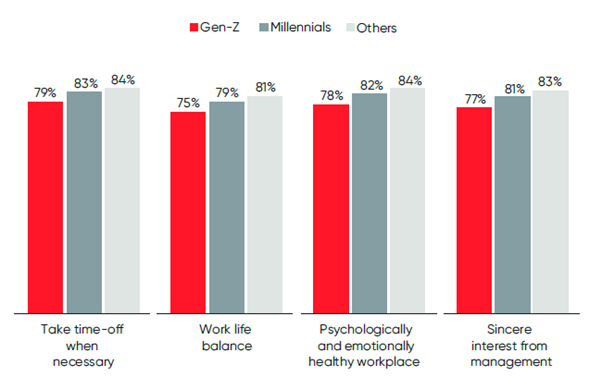
Taking Time Off When Necessary: Only 79% of Gen Z employees feel they can take time off when needed, compared to 83% of Millennials and 84% of older employees. This discrepancy suggests that younger employees may feel pressured to constantly perform or may lack the confidence to request time off, potentially impacting their work-life balance and overall mental health. Organizations could promote a culture that normalizes taking breaks to avoid burnout, especially for younger employees early in their careers.

Work-Life Balance: The report shows that only 75% of Gen Z employees feel satisfied with their work-life balance, compared to 81% of older generations. This gap highlights the need for flexible scheduling options and remote work policies to accommodate the lifestyle preferences of younger workers, who prioritize balance and personal development.

Psychologically and Emotionally Healthy Workplace: A psychologically and emotionally supportive workplace is essential for employee well-being. While 78% of Gen Z employees perceive their workplace as healthy in this regard, Millennials (82%) and older employees (84%) feel slightly more supported. The BFSI sector could implement mental health programs, counseling services, and stress management workshops to address this generational gap.

Sincere Interest from Management: Gen Z employees feel the least satisfied in terms of management’s genuine interest in their growth, with 77% expressing positive sentiment compared to 81% of Millennials and 83% of other generations. Providing mentorship programs, feedback channels, and career development resources could help younger employees feel more valued and connected to their leaders.

Achieving workplace equity is an ongoing process that requires commitment from all levels of an organization. By focusing on transparent practices, recognizing individual contributions, addressing biases, and providing supportive work environments, BFSI companies can create a culture where every employee feels valued and empowered.

In a world where talent is one of the most valuable assets, companies that champion equity are not only building better workplaces—they’re setting the standard for the future of the BFSI sector.

Get Certified to Showcase Your Commitment

Achieving Great Place To Work Certification is an excellent way to demonstrate your organization’s commitment to employees’ overall well-being and experience. This Certification not only enhances your employer branding but also helps attract and retain top talent. It highlights to current and prospective employees that your organization values their overall well-being, fostering an environment where they feel appreciated and supported.

By implementing a culture of trust, respect, and collaboration, you can create a workplace where employees feel valued and connected. Certification also provides a benchmark for continuous improvement, helping you identify areas where you can further enhance employee well-being and overall workplace culture. 

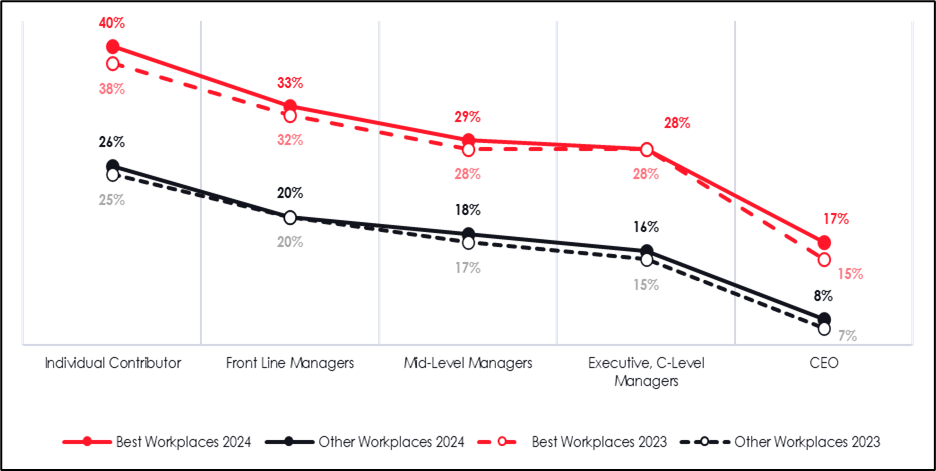
As the world unites to celebrate International Women’s Day on March 8, 2025, a glaring reality checks our progress: Indian women in the workplace still face an uphill battle for equity and opportunity. Despite growing conversations around diversity and inclusion, systemic barriers limit women’s growth and opportunities. According to India’s Best Workplaces for Women 2024 report, women make up 26% of the workforce, yet only 16% break the glass ceiling to rise to executive roles. This stark drop highlights the need for more equitable workplaces where women can thrive at every stage of their careers.

Women’s experiences across different career stages show that while their aspirations evolve, common themes emerge around recognition, growth, and the need for support systems. Addressing these needs is not just a moral imperative, it’s a business one.

We analyzed feedback from over 12 lakh women in India’s largest study on Best WorkplacesTM for Women and bring to you a powerful reflection of their experiences, aspirations, and challenges. Across role levels, their voices highlight what they need to thrive, and the barriers that hold them back.

What Early-Career Women Want: Security and Opportunity

As women embark on their professional journeys, they’re not just looking for a job – they’re seeking a foundation for lifelong growth, development, and fulfilment. At the start of their professional journeys, women prioritize job security, work-life balance, and opportunities to develop new skills. They seek stable environments where fair treatment and timely salaries are non-negotiable. Yet heavy workloads, limited training opportunities, and lack of recognition often stifle their potential.

Companies must invest in structured training programs and clear growth pathways to nurture this talent. Fair evaluations and consistent rewards can go a long way in making women feel valued and motivated. Workplaces should not only provide employment opportunities but also lay a foundation for future growth.

What Women Supervisors Want: Fairness and Autonomy

As women rise to supervisory roles, they’re expected to lead, inspire, and deliver results. Their focus shifts to autonomy and equitable advancement. They expect opportunities to influence processes and make decisions while being treated fairly. However, unclear promotion pathways, lack of mentorship, and limited decision-making authority often create frustration.

Organizations must empower women at this level by offering leadership development programs and transparent performance evaluations. Ensuring women have a voice in shaping team outcomes fosters ownership and drives engagement.

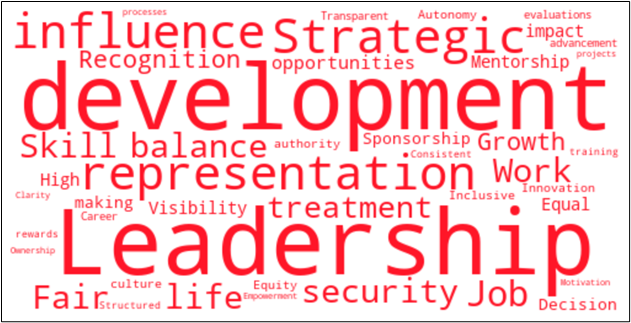
wordcloud: influence, developement, leadership, etc

What Women Managers Want: Visibility and Growth

For women managers, visibility and recognition become essential. They want their ideas heard and their contributions acknowledged without bias. Yet inconsistent access to strategic projects and departmental disparities often limit their ability to advance.

Creating a great workplace for women managers means ensuring equal access to high-impact opportunities and unbiased performance recognition. Sponsorship programs, where senior leaders actively advocate for women’s growth, can help them gain the visibility needed to break through organizational silos.

What Senior Women Leaders Want: Influence and Equity

Women aspire to shape strategy and drive organizational impact at the senior leadership level. They seek opportunities to lead high-impact projects and representation in top leadership. Yet the glass ceiling remains a formidable barrier, with women’s representation dropping 11% from mid-level management to C-suite positions.

graph of individual contributor, front line managers, mid-level managers, executibe, c-level managers and ceo

To address this, companies must prioritize building strong leadership pipelines and providing high-impact opportunities. Ensuring women’s equal representation in decision-making forums and executive roles will create a more balanced and innovative leadership team.

The Glass Ceiling: A Barrier Yet to Be Broken

Despite their achievements, women still face significant barriers when moving into senior leadership. The steep drop in executive-level representation points to systemic issues like unconscious bias, lack of mentorship, and limited access to high-visibility roles.

Breaking this glass ceiling requires intentional strategies. Companies must identify and address the structural challenges preventing women’s advancement and ensure high-potential women receive the sponsorship and visibility needed to move into leadership roles.

Addressing the Barriers: What Companies Must Do

Creating equitable workplaces requires a multi-pronged strategy, focused on building sustainable support systems for women at every career stage:

  1. Returnship Programs: Offer structured opportunities for women on career breaks to re-enter the workforce, including flexible roles and targeted upskilling initiatives.
  2. Diversity-Focused Hiring: Ensure job postings use gender-neutral language and leverage women’s networks and communities to attract diverse candidates.
  3. Equitable Growth Opportunities: Provide women equal access to leadership development programs, mentorship, and high-visibility projects across roles and locations.
  4. Flexibility and Support: Institutionalize policies like flexible work arrangements, childcare support, and extended parental leave to help women balance personal and professional priorities.
  5. Leadership Accountability: Tie diversity and inclusion metrics to leadership performance evaluations and set measurable goals for women’s representation and engagement.
  6. Recognition and Visibility: Celebrate women’s achievements and share their success stories to inspire and attract future talent.

This holistic approach ensures that women remain in the workforce and thrive and grow into leadership roles.

The Business Case for Women in Leadership

The evidence is clear: companies that prioritize gender inclusion outperform their peers. India’s Best Workplaces for Women 2024 report reveals that inclusive workplaces drive stronger employee engagement, higher customer satisfaction, and greater brand loyalty. When women feel valued and empowered, they catalyze growth, driving retention, performance, and motivation.

Beyond diversity targets, organizations investing in gender equity gain a clear business edge. Inclusive workplaces drive innovation, improve decision-making, and create a culture of trust. Companies that actively support women don’t just build better workplaces — they build stronger, more competitive businesses poised for long-term success.

A Call to Action for Leaders

This International Women’s Day, it’s time to move beyond symbolic gestures and commit to real change. Building equitable workplaces requires more than policy statements — it demands intentional action and accountability. Leaders must champion women’s advancement as a strategic business priority, not just as a diversity goal.

As we strive for a more equitable workplace, let us recognize the transformative power of collective action. We can achieve remarkable things when we come together to challenge systemic barriers and champion women’s advancement. The future of work belongs to organizations that invest in women leaders today. Will you be part of this movement?

Get Certified to Showcase Your Commitment

Achieving Great Place To Work Certification™ is an excellent way to demonstrate your organization’s commitment to employees’ overall well-being and experience. This Certification not only enhances your employer branding but also helps attract and retain top talent. It highlights to current and prospective employees that your organization values their overall well-being, fostering an environment where they feel appreciated and supported.

By implementing a culture of trust, respect, and collaboration, you can create a workplace where employees feel valued and connected. Certification also provides a benchmark for continuous improvement, helping you identify areas where you can further enhance employee well-being and overall workplace culture. 

Workplace discrimination remains a pressing issue in India despite constitutional guarantees, legal protections, and corporate policies aimed at ensuring equality. Discrimination based on gender, caste, religion, disability, and other identity factors continues to persist, affecting hiring, promotions, wages, and overall workplace culture. Moreover, India currently lacks a comprehensive, codified non-discrimination statute that regulates employers and compensates victims of discrimination. 

The International Labour Organization (ILO) defines discrimination as “unfair treatment based on characteristics like race, colour, sex, religion, political opinion, national origin, or social background, which harms equal opportunities in employment or occupation.” In the Indian workplace, Great Place To Work® research indicates that age-based discrimination is the most prevalent form of bias employees face.

Global trends also influence India’s non-discrimination efforts. The recent rollback of DEI policies in the United States—including diminished support for affirmative action, diversity training, and protections for marginalized groups—has raised concerns about corporate commitments to inclusion worldwide. Many multinational corporations are scaling back their DEI initiatives, which could have ripple effects in India. However, India’s increasing legal and corporate focus on workplace inclusion may counterbalance these international regressions, reinforcing the importance of strong non-discrimination measures. 

Understanding Discrimination at The Workplace Through Data 

Global data from the International Labour Organization (ILO) highlights that gender-based discrimination has hindered nearly 50% of the population from reaching their full potential. In India, this disparity is evident in the persistent gender pay gap, where women earn only ₹40 for every ₹100 earned by men

Within corporate India, while 92% of organizations have implemented gender-neutral policies addressing workplace harassment, including provisions against sexual harassment (POSH) and microaggressions, only 53% of companies have taken strict action against managers who engage in discriminatory practices. Additionally, only 56% of organizations include a clause in their offer letters emphasizing zero tolerance for discrimination, thus indicating a gap in enforcement and accountability. 

India’s legal framework safeguards employees from workplace discrimination and harassment. The Equal Remuneration Act, 1976 mandates equal pay, while the Sexual Harassment Act, 2013 ensures protection against workplace harassment. The Rights of Persons with Disabilities Act, 2016, and the Transgender Persons Act, 2019 prohibit discrimination and promote inclusion. The Industrial Disputes Act, 1947 addresses wrongful termination, and the Maternity Benefit Act, 1961 (amended in 2017) provides paid leave and job security for pregnant, adoptive, and commissioning mothers. These laws collectively promote workplace equality in India.

A Call To Action for Indian Workplaces 

Great Place To Work research reveals that in India’s Best WorkplacesTM, 89% of employees report a positive experience regarding non-discrimination. Additionally, employees who experience a discrimination-free workplace are 2.4 times more likely to feel a sense of belonging

Thus, to foster truly inclusive workplaces, organizations must go beyond legal compliance and actively promote non-discrimination measures: 

  • Develop Clear Anti-Discrimination Policies
    Draft comprehensive policies that explicitly prohibit discrimination, harassment, and retaliation in the workplace. Ensure these policies are easily accessible to all employees and effectively communicated through onboarding, training sessions, and company handbooks.
  • Conduct Regular Awareness and Sensitization Training
    Educate employees on diversity, equity, and inclusion (DEI) principles to foster a more inclusive workplace. Provide specialized training for managers and HR personnel on bias prevention, fair hiring practices, and handling discrimination complaints effectively.
  • Ensure Robust Complaint Redressal Mechanisms
    Establish strong grievance redressal mechanisms, including Internal Complaints Committees, to address workplace discrimination concerns. Implement anonymous reporting channels to encourage employees to report issues without fear of retaliation.
  • Foster Inclusive Hiring and Promotion Practices
    Adopt affirmative action measures to ensure diverse hiring and equal career advancement opportunities. Implement blind recruitment techniques, such as anonymized resumes and structured interviews, to minimize biases in hiring decisions.
  • Enhance Accessibility for Persons with Disabilities
    Provide reasonable accommodations, including accessible workspaces, assistive technology, and flexible work arrangements, to support employees with disabilities. Ensure digital accessibility by optimizing internal systems and tools for individuals using assistive devices.

Conclusion 

While India has made significant strides in combating workplace discrimination, much work remains to be done. Addressing discrimination requires a combination of strong legal frameworks, organizational commitment, and cultural shifts. By fostering inclusive work environments, promoting diversity, and ensuring equal opportunities for all, India can move closer to achieving true workplace equality and equity.  

Get Certified to Showcase Your Commitment

Achieving Great Place To Work Certification™ is an excellent way to demonstrate your organization’s commitment to employees’ overall well-being and experience. This Certification not only enhances your employer branding but also helps attract and retain top talent. It highlights to current and prospective employees that your organization values their overall well-being, fostering an environment where they feel appreciated and supported.

By implementing a culture of trust, respect, and collaboration, you can create a workplace where employees feel valued and connected. Certification also provides a benchmark for continuous improvement, helping you identify areas where you can further enhance employee well-being and overall workplace culture. 

In today’s flexible work landscape, managers face unique challenges as they juggle both in-person and remote teams. For many leaders, hybrid work isn’t just about providing employees with flexibility—it requires a new approach to leadership that promotes fairness, engagement, and community in a digitally dispersed environment.

Insights from India’s Best Companies To Work For 2024 reveal strategies and data-driven approaches used by top companies to support managers in creating inclusive, high-trust cultures. Here’s how companies are setting their managers up for success in the hybrid era.

Fostering Fairness and Equity

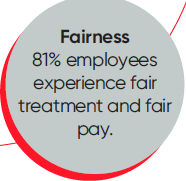
Fairness in the workplace culture is essential to building trust, especially in a hybrid model where some employees are on-site while others work remotely. According to the report, 81% of employees in India’s best workplaces feel they are treated fairly, a testament to these organizations’ commitment to equality. However, managers must be intentional to prevent remote employees from feeling overlooked in meetings, promotions, or project allocations.

The report also highlights challenges with pay parity, where women employees report lower experiences of fairness compared to male counterparts. This suggests that promoting fairness in hybrid teams is a top priority not just for organizational ethics but also for improving engagement and retention across demographics.

81% of employees in India’s best workplaces feel they are treated fairly

Actionable Steps for Managers

  • Establish clear guidelines for team participation, ensuring remote workers have equal access to resources and opportunities.
  • Provide regular feedback to both in-person and remote employees to maintain transparency and trust.
  • Train managers to recognize and counteract unconscious biases that may disadvantage remote workers.

Customizing Team Policies and Guardrails

Successful workplaces often empower managers to customize policies that best fit their teams. According to the report, India’s top companies use a tailored approach, enabling leaders to set up unique work norms that align with team and project needs. 

Actionable Steps for Managers

  • Define tasks that require face-to-face interaction versus those that can be completed remotely.
  • Involve team members in crafting hybrid schedules, enhancing ownership and buy-in.
  • Hold regular team check-ins to assess whether policies are effective, making adjustments as needed.

Equipping Managers with Continuous Learning

For managers, adapting to a remote or hybrid model is a learning curve. The report emphasizes the value of continuous training programs that help leaders refine skills in areas such as virtual communication, digital collaboration, and employee well-being. When managers receive tailored support, they are better positioned to address team needs in a flexible environment.

Actionable Steps for Managers

  • Invest in workshops focused on managing hybrid teams, addressing the psychological impacts of remote work.
  • Encourage managers to attend peer forums where they can share experiences and gain insights from others facing similar challenges.
  • Provide self-paced resources that managers can access as needed to refine skills in real-time.

Listening and Responding to Employee Feedback

For companies aiming to create an engaged workforce, employee feedback is critical. According to India’s Best Companies To Work For 2024, 86% of employees in leading companies feel heard and valued through initiatives that measure workplace satisfaction. Surveys are particularly valuable for remote work settings, where assessing employee sentiment can be more challenging.

The feedback loop not only shows that leaders are listening but also highlights gaps that managers may need to address. Orient Cement, for example, has adopted a continuous feedback cycle where inputs from employees are reviewed weekly, and decisions are made promptly to foster transparency.

Actionable Steps for Managers

  • Conduct regular pulse surveys to gauge how employees are feeling about hybrid work policies.
  • Hold focus groups with both remote and in-person employees to gather specific feedback and concerns.
  • Use the feedback to inform new initiatives, ensuring employees see tangible outcomes from their input.

Creating a Sense of Community and Connection

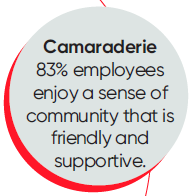
One major drawback of remote work is the challenge of maintaining team camaraderie. The report points to camaraderie as one of the strongest dimensions of workplace culture, with 83% of employees in best workplaces saying they feel part of a supportive community. When left unchecked, the silo effect can fragment teams, leaving employees feeling isolated.

83% of employees in best workplaces saying they feel part of a supportive community

Actionable Steps for Managers

  • Schedule informal virtual hangouts, encouraging remote workers to engage socially.
  • Use collaboration tools like Slack channels or Microsoft Teams to keep communication open and inclusive.
  • Plan regular off-site events, allowing teams to bond and strengthen relationships beyond work.

Measuring Success Through Engagement and Retention

Ultimately, success in hybrid work models can be measured by how engaged employees feel and their willingness to stay. The report notes that motivated employees in high-trust workplaces show improved collaboration and discretionary effort, leading to better overall performance. Data from India’s Best Companies To Work For 2024 show that 91% of Gen Z employees in these organizations view their company as a great place to work, underscoring the direct impact of culture on retention.

Data from India’s Best Companies To Work For 2024 show that 91% of Gen Z employees in these organizations view their company as a great place to work.

Tracking metrics such as turnover rates, employee engagement scores, and feedback results can help companies understand the effectiveness of hybrid policies. This continuous improvement process ensures that hybrid models not only serve business needs but also resonate with employees.

Actionable Steps for Managers

  • Regularly review retention data and engagement scores to identify trends and adjust policies as needed.
  • Implement a feedback loop to continuously improve hybrid work experiences based on employee input.
  • Celebrate team successes and recognize individual contributions to reinforce positive outcomes.

Navigating hybrid work requires more than just remote tools and flexible hours. It demands a structured approach that ensures all employees feel valued, engaged, and connected. By focusing on fairness, setting clear policies, fostering community, offering ongoing learning, and actively listening to employees, companies can empower managers to create high-trust cultures in the remote age.

Get Certified to Showcase Your Commitment

Achieving Great Place To Work® Certification is an excellent way to demonstrate your organization’s commitment to employees’ overall well-being and experience. This Certification not only enhances your employer branding but also helps attract and retain top talent. It highlights to current and prospective employees that your organization values their overall well-being, fostering an environment where they feel appreciated and supported.

By implementing a culture of trust, respect, and collaboration, you can create a workplace where employees feel valued and connected. Certification also provides a benchmark for continuous improvement, helping you identify areas where you can further enhance employee well-being and overall workplace culture. 

Camera red icon

LIVE WEBINAR WITH Q & A

certification-badge-2026-rhc4efc9ny04x7lz17jff7guyhsup5b0yvrou4vd72

The Certification Advantage: Why Partner with Great Place To Work®

How partnering with Great Place To Work can strengthen your people strategy, and drive business outcomes through data-driven insights and Certification.

prasad-kachraj

Prasad Kachraj

Managing Director, Great Place To Work, India

23rd September 2026  |  4.00 PM - 4.30 PM IST

Register Now