Introduction

In the realm of modern business, the eternal quest for the perfect hire continues to be a challenge for leaders and HR professionals alike. In their pursuit of assembling high-performing teams, two fundamental approaches often stand in stark contrast: hiring for culture fit and skill set. While both strategies have merits, leaders must recognize the significance of striking the right balance between these seemingly opposing forces. This delicate equilibrium fosters a thriving workplace culture, cultivates inclusivity, and nurtures diversity, making it a crucial consideration for any organization committed to sustainable success.

Understanding the Notion of Culture Fit

The concept of culture fit revolves around identifying candidates whose values, beliefs, and work styles align with those of the existing organizational culture. Proponents argue that such alignment fosters harmony within the team enhances employee satisfaction, and boosts productivity. After all, a team of individuals sharing common goals, principles, and approaches is more likely to function cohesively and tackle challenges efficiently.

However, excessive focus on culture fit can inadvertently lead to organizational homogeneity, stifling innovation and creating an echo chamber of ideas. Moreover, it risks perpetuating unconscious biases, as hiring managers might unconsciously favor candidates who mirror their own backgrounds and experiences. To avoid this pitfall, leaders must recognize the value of diversity and strive to cultivate a culture that welcomes diverse perspectives and embraces differing viewpoints.

Prioritizing Skill Set for Performance Excellence

On the other hand, prioritizing skill sets emphasizes hiring candidates based on their technical proficiency, expertise, and experience. This approach aims to strengthen the team’s capabilities and enhance overall performance. A team comprised of specialists excelling in their respective domains can tackle complex challenges and drive innovation with dexterity.

However, solely focusing on skill sets can undermine the fabric of workplace culture. It may result in a disconnected workforce lacking a shared sense of purpose and mutual understanding. Employees may struggle to collaborate effectively without shared values and cultural cohesion, leading to inefficiencies and potential conflicts.

Striking the Right Balance: The Power of Inclusivity

Striking the right balance between hiring for culture fit and skill set can be achieved through the powerful lens of inclusivity. Inclusive hiring practices encourage leaders to look beyond surface-level qualities and delve into the essence of a candidate’s potential to contribute meaningfully to the organization.

Instead of seeking candidates who fit into a predefined mold, inclusive leaders embrace the idea that diversity strengthens a team’s capabilities. They recognize that individuals from varied backgrounds bring unique perspectives, experiences, and problem-solving approaches, enriching the organization’s collective intelligence.

Inclusive leaders prioritize a diverse skill set that aligns with the team’s specific needs while actively seeking candidates who can contribute to and thrive within the existing organizational culture. This approach strikes a harmonious balance that values both cultural fit and skill set, ensuring the team is well-equipped to adapt to challenges and seize opportunities in an ever-changing landscape.

Creating an Inclusive Workplace Culture

To cultivate an inclusive workplace culture, leaders must lay the foundation with a well-defined core values reflecting the organization’s mission and vision. These values should celebrate diversity, promote collaboration, and encourage continuous learning and growth.

Leaders also play a pivotal role in leading by example. They set the tone for the entire organization to follow suit when they show a dedication to diversity and promote an atmosphere where varied opinions are acknowledged and respected. Transparency and open lines of communication also foster an inclusive atmosphere where workers feel free to express themselves and offer their own viewpoints without worrying about being judged.

The organization’s culture can be actively shaped by team members when inclusive leaders actively connect with their workforce and provide opportunities for feedback. By encouraging diverse voices to be heard, leaders nurture a sense of ownership and belonging among team members, fostering loyalty and commitment.

Building a Diverse Talent Pipeline

Leaders must proactively create a diversified talent pipeline to balance skill set and culture fit. To recruit applicants with a variety of backgrounds and experiences, recruitment activities must be expanded. Collaboration with groups that support diversity, equity, and inclusion can also help to increase the candidate pool.

Additionally, blind hiring practices, where personal information irrelevant to the role is concealed during the initial stages of recruitment, can help mitigate unconscious biases and level the playing field for all applicants.

Conclusion

Hiring for culture fit versus skill set is a perpetual dilemma leaders face in their pursuit of assembling high-performing teams. Striking the right balance between these approaches is crucial to fostering a thriving workplace culture, promoting inclusivity, and driving sustainable success. Embracing inclusivity as the guiding principle enables leaders to leverage the diverse strengths of their team members, cultivating an environment where collaboration and innovation thrive. By consciously prioritizing both culture fit and skill set, organizations can build robust, dynamic teams that adapt seamlessly to challenges and excel in an ever-evolving business landscape.
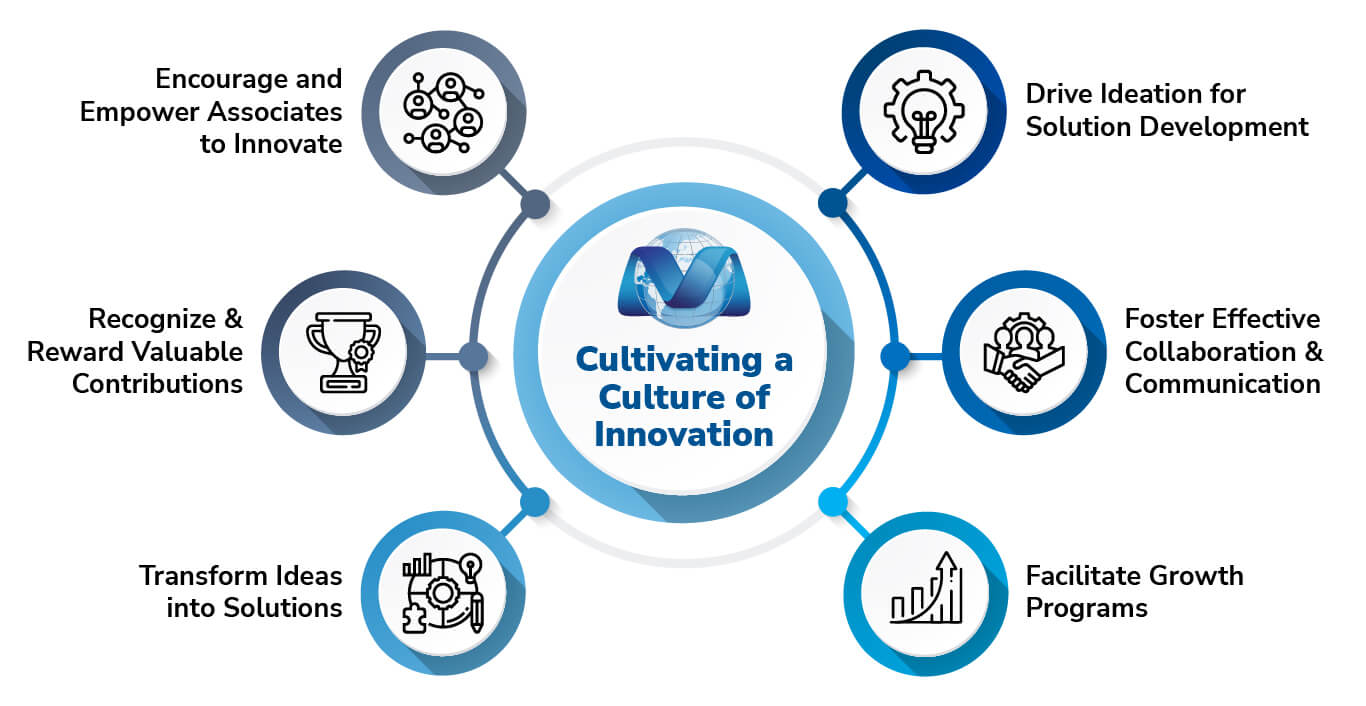
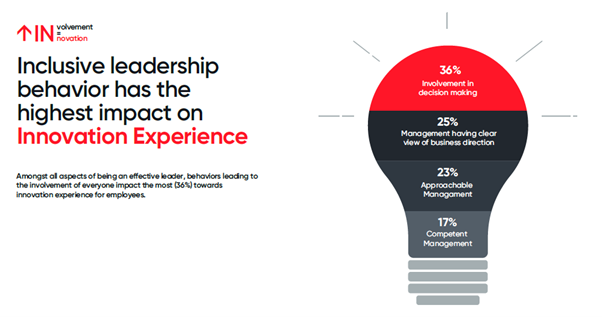
According to Great Place To WorkⓇ ’s research, to cultivate a culture of Innovation By All, it is crucial for organizations to align their innovation practices with employee experiences. This alignment is essential to bridge the gap between the innovation approach and the desired outcomes.

MOURI Tech (P) Limited’s culture reflects this philosophy in many ways, which has enabled it to be one of the Top 50 Companies (in the Large category) in India’s Best Workplaces Building a Culture of Innovation by All 2023 list.

As a Global Enterprise Solutions company operating under the motto ‘Employee First. Customer Foremost’, MOURI Tech’s journey toward innovation has been both challenging and rewarding, marked by bold moves and strategic decisions. By Investing heavily in R&D, and embracing a “fail-fast” mentality, MOURI Tech provided its employees with the necessary freedom and resources to pursue ambitious projects.

MOURI Tech has made significant strides in innovation over the years. One of the key milestones in its innovation journey was the launch of its Artificial Intelligence (AI)-powered platform in 2018 to help businesses automate and streamline their operations using AI and ML algorithms. This platform has been a game-changer for many of MOURI Tech’s customers, enabling them to improve operational and business efficiencies, achieve significant cost savings, and gain a competitive edge in their respective industries.

A major factor in MOURI Tech’s success in innovation has been its culture of experimentation and risk-taking approach. The company encourages its associates (as employees are referred to, here) to think outside the box and explore new ideas and concepts. Leaders here believe that the best ideas come from people who are involved directly with customers, suppliers, and products on a daily basis. MOURI Tech’s Ideation Platform has paved the way for the development of several innovative products & solutions for the clients, thereby helping MOURI Tech to maintain a consistent level of competitiveness.

mouri tech innovation blog-infographic

Here are a few examples of the impact made:

  • As reviewing multiple contracts was becoming a challenge owing to the rapid organizational growth, the Recruitment and AI teams collaborated and came up with an AI-enabled process that could wrap up reviews in 80% less time and with 40% more accuracy.
  • The Recruitment and AI teams also came together to develop an AI-based Resume Scoring Solution to decrease profile screening time by 90%.
  • An idea shared by an associate, about developing a solution that helps read through emails and create a Customer Sales Order form, thus bypassing the need to read through a huge number of emails from a vendor for orders. This has been well received in the market as an efficient, employable product.

As the technology landscape continues to evolve, MOURI Tech is well-positioned to lead the way in innovation and help organizations across the globe achieve their digital transformation goals and through it, sustained growth.

Learn more about MOURI Tech (P) Ltd, a Great Place to Work.

In today’s dynamic business landscape, attracting and retaining top talent has become an organization’s paramount goal. The success of any company relies not only on its products or services but also on the collective strength of its employees. Recognizing this, some companies in India have emerged as beacons of excellence, setting the bar high when creating a conducive and fulfilling work environment.

In this blog, we will delve into the best practices embraced by a few of India’s Best Companies To Work For™.

1. Learnings from Best Workplaces: Best Practices in Equity in Pay

Bridging the Gap: Ericsson India’s Strategies for Equal Compensation

At Ericsson India Global Services, they ensure that all employees are treated fairly and equally regarding pay. They do this by providing special training for People Managers to understand and promote Diversity and Inclusion. They also focus on gender diversity during performance evaluations and salary reviews to ensure everyone gets a fair chance.

To prevent any unconscious biases that could affect pay decisions, they conduct Unconscious Bias Training. Moreover, they regularly analyze employee data, especially related to gender, to identify and fix gender pay gaps. This way, they aim to create a more equal and inclusive workplace for everyone.

Inclusive Excellence: NVIDIA’s Proactive Approach to Pay Parity

At NVIDIA, ensuring everyone is treated fairly and equally regarding pay is a top priority. They take this seriously and have a thorough process to check for any pay disparities every year. They look at more than 75 aspects, such as job performance, education, experience, and job level.

If they find any significant differences in pay that shouldn’t be there, they act immediately to fix it. They want to ensure that everyone’s hard work and contributions are recognized and rewarded fairly.

NVIDIA doesn’t stop there. They also make sure that promotions are given fairly to all employees, regardless of their gender, race, or ethnicity. They monitor promotion rates across the company and have found no significant differences based on these factors.

Empowering Associates: MOURI Tech’s Focus on Pay Satisfaction and Benefits

At MOURI Tech (P) Limited, fairness and equal opportunities are at the core of their compensation strategy. They follow diversified wage acts governed by the central body, ensuring a transparent and just compensation philosophy that values their skilled workforce.

Through intensive analysis, market studies, and surveys, MOURI Tech derives structured pay metrics, aligning them with industry standards and employee satisfaction. They are committed to providing fair and justified compensation, fostering an inclusive and supportive work environment that empowers every employee to thrive and contribute effectively to the organization’s growth. MOURI Tech sets a strong example for building a workplace that values and rewards employees, fostering a culture of growth and success.

2. The Learnings from Best Workplaces – Best Practices in Encouraging Flexibility and Work-Life Balance

Hilton’s Sabbatical and Flexibility Initiatives

Hilton, known for its commitment to a fulfilling work environment, offers unique Sabbatical and Flexibility Initiatives. Selected Team Members enjoy three mini sabbaticals to “Reconnect and Recharge,” fostering a motivated workforce.

The “Hilton Flex” program enables wage access as earned, granting financial autonomy. Modernized schedule management and a dedicated app empower employees to control their work schedules.

Hilton’s focus on well-being and flexibility sets a remarkable example for nurturing workplace cultures, leading to engaged and productive teams. Embracing these best practices fosters a satisfied and harmonious workforce, ensuring long-term success.

3. Learnings from Best Workplaces – Best Practices in Maximizing Human Potential

Unleashing Team Potential: Atlassian’s Flexible Work Program

At Atlassian India LLP, the innovative TEAM Anywhere program empowers employees to choose their work location – office or home – offering up to 90 days of remote work. They orient around time zones, ensuring global teams collaborate effectively.

India-based employees can work in any state, and the streamlined compensation system allows hiring talent nationwide. The Global Relocation Policy offers immigration support, showcasing Atlassian’s commitment to an inclusive work environment. The Flexible Work Program fosters an adaptive and inclusive culture, enabling employees to thrive and contribute to the company’s success.

Unlocking Leadership Potential: Salesforce’s Pathways to Success

At Salesforce, equitable access to leadership opportunities is a priority. The Great Leader Pathways (GLPs) program revolutionizes leadership training, tailored to employees’ unique stages of growth. These pathways offer personalized learning with self-paced, live, and immersive experiences, nurturing essential skills and mindsets.

The GLPs include distinct pathways:

1. Aspiring People Leader: For individual contributors aspiring to lead and support teams effectively.

2. Leader of Individual Contributors: Equips leaders to foster collaborative and high-performing teams.

3. Leader of Leaders: Empowers leaders responsible for guiding and supporting fellow leaders.

4. Function Leaders: Hones the skills of executives responsible for specific functions’ success.

5. Enterprise Leaders: Engages senior executives in transformative experiences for leading the organization.

6. Growing Experts: Focuses on developing subject matter expertise without formal managerial roles.

Salesforce’s dedication to cultivating exceptional leaders at all levels strengthens its talent pipeline and fosters a culture of growth and empowerment. This investment in leadership development ensures employees can unlock their full potential and contribute to both the company’s and their personal success.

4. Learnings from Best Workplaces: Best Practices in Creating a Fun Place to Work

Celebration: Barbeque Nation’s innovative ideas for celebrating talent

Barbeque-Nation Hospitality Limited exemplifies best practices for creating a fun workplace. Throughout December, they celebrated each day uniquely, fostering camaraderie and excitement among employees.

The first week featured knowledge-based quizzes, promoting learning and friendly competition. The second week celebrated diverse Indian flavors, fostering cultural appreciation and team bonding. The third week offered indoor games, allowing employees to unwind and build collaboration. The fourth week showcased talent hunt activities, recognizing individual contributions with exciting prizes.

Barbeque-Nation’s fun workplace practices teach us the importance of joy, camaraderie, and recognition. Embracing such activities cultivates a positive workplace culture, leading to engaged employees, improved productivity, and a successful organization.

Wizards Challenge: Akamai’s Strategy to Identify and Solve Problems in a Fun Way

Akamai Technologies India Private Limited adopts the ‘Wizards Challenge,’ a fun and engaging ideation program encouraging creative problem-solving. With well-defined problem statements, clear timelines, and rewards, the company fosters a culture of creativity and teamwork. The challenge unlocks the creative potential of its workforce, driving continuous improvement and showcasing their commitment to talent and innovation. Embracing fun and recognition empowers teams to tackle business challenges with creativity and agility.

5. Learnings from Best Workplaces: Best Practices in Leadership Development

Investing in Leadership: DHL Express proactively invests in leadership development initiatives.

DHL Express India’s Certified International Specialist (CIS) program fosters a community based on product quality and exceptional service. It starts with a detailed induction for new hires, emphasizing customer-centricity and transforming leadership thinking. The program promotes collaboration across functions, providing networking opportunities and a CIS Passport to track progress. The CIM Supervisory Excellence Academy offers comprehensive training for lower-level managers. Graduation ceremonies celebrate achievements and inspire employees to reach their potential.

Future Leaders Acceleration Program: HP’s Commitment to Enhancing Leadership Potential

HP invests in leadership excellence through the Future Leaders Acceleration Program (FLAP). This initiative empowers middle-level managers with essential competencies for future leadership roles.

The FLAP curriculum covers personal branding, networking, change management, communication in virtual settings, decision-making, and group dynamics.

The blended learning approach combines virtual modules, live sessions with experienced leaders, and virtual classroom sessions led by experts.

The program fosters camaraderie and collaboration, promoting networking and idea exchange. HP’s dedication to leadership development creates a strong leadership pipeline and a culture of continuous learning, contributing to its sustained success. The best workplaces prioritize empowering employees, fostering inclusivity, and investing in continuous growth. By embracing such practices, organizations can cultivate exceptional workplaces where motivated and fulfilled employees contribute to sustained success and growth.

To read more on this, download our report here.

The lines between work and personal life have become increasingly blurred in today’s digital age. Work and personal life were traditionally separate entities with distinct time and space. Individuals would go to their workplaces during designated hours and then return home to engage in personal activities. This clear separation allowed for a balance between work and leisure.

With the rise of remote work, constant connectivity, and the prevalence of social media, employees navigate a complex web of responsibilities and distractions.

1. The Connection to Employee Burnout

A well-defined agenda sets the tone for a successful virtual meeting. Share the agenda with participants in advance, allowing them to prepare, contribute, and raise questions. Ensure the objectives are explicit and aligned with your team’s goals. It is proven that a clear agenda increases meeting productivity by providing a roadmap for discussions and minimizing tangents. 

Lack of recovery time

The lack of recovery time due to work seeping into personal time prevents individuals from disconnecting and rejuvenating. With clear boundaries, employees find it easier to separate themselves from work-related stressors, leading to continuous strain with sufficient rest.

Increased workload and higher expectations

With constant accessibility, employees may be expected to be available and responsive outside regular working hours. The never-ending stream of emails, messages, and tasks creates a sense of always being “on,” leading to heightened stress and exhaustion.

Reduced personal time

Additionally, blurred boundaries reduce personal time and fulfillment. When work spills over into personal life, individuals have limited opportunities to engage in self-care, pursue hobbies, and spend quality time with loved ones. This imbalance erodes overall life satisfaction and adds to the burden of burnout.

2. The Role of a Balanced Management

In today’s day and age, the pressure to constantly mix personal life with work has become prevalent in many organizations. While it’s essential to foster a positive work culture and encourage employee engagement, forcibly blending work and personal life can lead to detrimental outcomes. When employees are constantly expected to participate in work-related social activities, work during vacations, or sacrifice personal time for work, it erodes their ability to disconnect, recharge, and maintain a healthy work-life balance.

This approach not only infringes upon individuals’ privacy but also disregards the importance of boundaries for their well-being. It can lead to increased stress, burnout, and decreased job satisfaction. When employees feel their time is consistently invaded, it can negatively impact their motivation, creativity, and overall performance.

3. Work Culture and Organizational Expectations

Organizational culture plays a significant role in work-life boundary blurring. Cultures prioritizing constant work engagement and long hours erode boundaries, while those valuing work-life balance and well-being support healthier boundaries. Leadership behavior sets the tone for boundary management within organizations, with leaders who model healthy work-life integration encouraging employees to do the same.

Expectations of immediate responses and 24/7 availability contribute to blurred boundaries. Communication technologies enable instant connectivity, creating an expectation of constant availability and quick responses. In globally connected organizations, teams in different time zones may require round-the-clock availability and challenging work-life boundaries.

4. Strategies for Balancing Work and personal life

Setting workload expectations

Setting realistic expectations for work and personal life is crucial for maintaining a healthy work-life balance. It starts with prioritizing and managing your workload effectively. Set achievable goals, prioritize tasks based on importance and urgency, and learn to delegate or seek support when needed.

Setting reasonable expectations for your workload can prevent work from encroaching on your time. Clearly defining your work and personal boundaries is equally important. Communicate these boundaries to colleagues, supervisors, and clients, and assertively protect them. Let others know when you are available and when you need uninterrupted personal time.

Scheduling regular self-care activities

Practicing self-care and setting boundaries is vital to maintaining a healthy work-life balance. Schedule regular self-care activities that promote relaxation, well-being, and personal fulfillment. This can include exercise, hobbies, spending time with loved ones, or engaging in activities that recharge and rejuvenate you.

Additionally, establish work-free zones in your home or specific times when work-related activities are not allowed. By creating physical boundaries, you can help create a mental separation between work and personal life.

Be rigid about your boundaries.

Learning to say no is also crucial. Set limits and be comfortable declining requests or negotiating deadlines when your workload or personal commitments become overwhelming. Respectfully assert your boundaries to avoid overextending yourself.

5. Leverage Technology

While technology can contribute to blurred boundaries, it can also be harnessed effectively to support work-life integration. Leverage productivity tools and apps to streamline tasks, manage time efficiently, and enhance productivity. This can help you accomplish more in less time, allowing for a better balance between work and personal life.

Establish digital boundaries by implementing designated technology-free periods or limiting the use of work-related apps and notifications during personal time. This helps create a healthier relationship with technology and reduces the constant temptation to engage with work.

By recognizing the importance of work-life balance and taking proactive steps to address the blurred boundaries, individuals and organizations can create an environment that fosters employee well-being, engagement, and productivity. It is a collective effort that requires ongoing evaluation, adjustment, and a commitment to prioritizing the holistic needs of employees. Together, we can navigate the challenges of blurred boundaries and cultivate a healthier and more sustainable approach to work and personal life.

To learn more about how to create a healthy workplace, visit us here.

Our recent announcement of the top 100 India’s Best Companies To Work For™ allowed us to look into valuable insights into workplace culture and employee satisfaction. With a wealth of data available, we have extracted key insights that shed light on what makes these companies stand out. In this blog, we will delve into these insights, exploring the factors contributing to their success and the lessons that can be learned from their exemplary practices.

The Upside to Investing in Best Workplaces

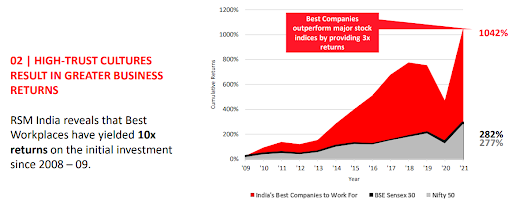
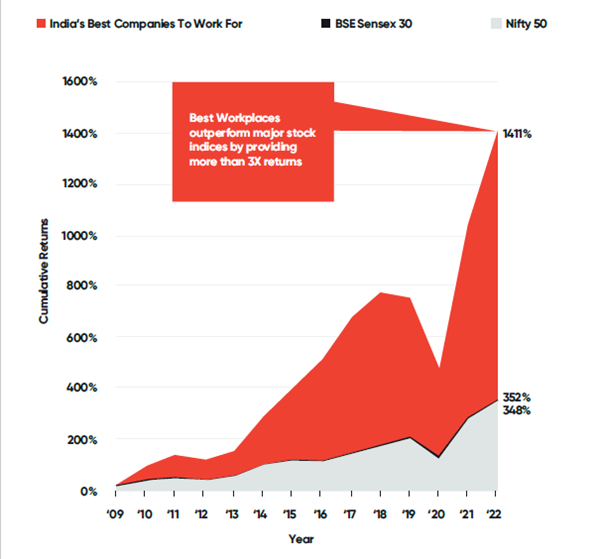
According to a study by RSM India, investing in the best workplaces not only fosters a High-Trust, High-Performance Culture but also leads to higher business returns. RSM India study reveals that Best Workplaces have yielded 14X cumulative returns on the initial investment since 2008–09.

A key insight from the report highlights the significance of fair pay and treatment and a better work environment in driving Great workplace experience. When individuals perceive that they are paid and treated fairly, they are five times more likely to consider their organization a great workplace.

Furthermore, providing an equitable experience across demographics has resulted in an 8% increase in productivity and a 10% boost in innovation.

These insights highlight the benefits of investing in the best workplaces, including enhanced employee satisfaction, increased productivity, and improved innovation.

Enabling Employees to Maximize Their Potential

During the current high growth phase of the Indian economy, it becomes crucial for organizations to focus on enabling their employees to maximize their potential. This entails creating an environment where employees are empowered to thrive and excel. By fostering such a culture, organizations can tap into the capabilities and talents of their workforce, enabling them to contribute to the growth and success of the business in this transformative period of the Indian economy.

Creating an organization that maximizes human potential requires ensuring that every individual, regardless of their background or role, has a consistently positive experience. This inclusive approach is essential for unlocking the full potential of employees.

Therefore, harnessing the benefits of maximizing human potential serves as a powerful catalyst for progress and becomes a critical component in seizing the expected economic growth for India. By maximizing human potential organizations can effectively leverage the talent and capabilities of their workforce, fueling both individual and collective success in the evolving Indian economy.

Dimensions of Indian Workplace Culture across Demographics and Industries

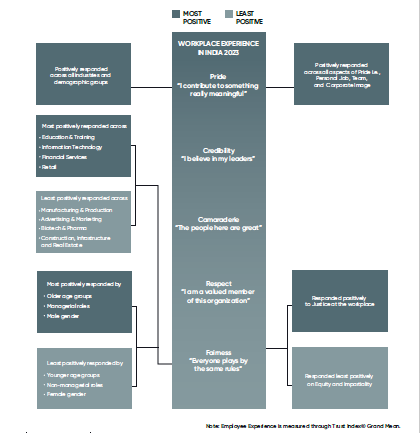
The culture of workplaces encompasses five key dimensions that cut across demographics and industries. In 2023, the Employee Experience dimension has slightly increased by 1%, reaching 83%. This improvement can be attributed to the efforts of Best Workplaces in creating an environment that supports and nurtures employees.

Among the dimensions, Pride stands out as the most positive aspect, exhibiting a 5% difference from the lowest dimension, Fairness. This indicates that employees feel a strong sense of Pride in their work and organization. Furthermore, Respect and Camaraderie have grown since the previous year, with a 1% increase each. These findings highlight the status of each dimension and identify those that determine the strengths and areas for improvement.

Standing Out in 2023: How the Best Workplaces Outshine Others

In the current year, Best Workplaces have further showcased its excellence by excelling in fair gain sharing, equitable compensation practices, and providing a superior work environment. These outstanding qualities have accentuated the growing disparity between Best Workplaces and other workplaces. As a result, Best Workplaces have distinguished themselves, even more this year, with an average of 10% more employees responding positively to these aspects.

The key to unlocking greatness within organizations is ensuring fair pay, fair treatment, and a better work environment for employees. Irrespective of the industry, when individuals perceive that they are paid fairly, treated equitably, and provided with an improved work environment, they are five times or more likely to consider their organization a Great Place To Work.

Adding the Lens of Size and Industry, the First Step to Devise Workplace Culture Solutions 

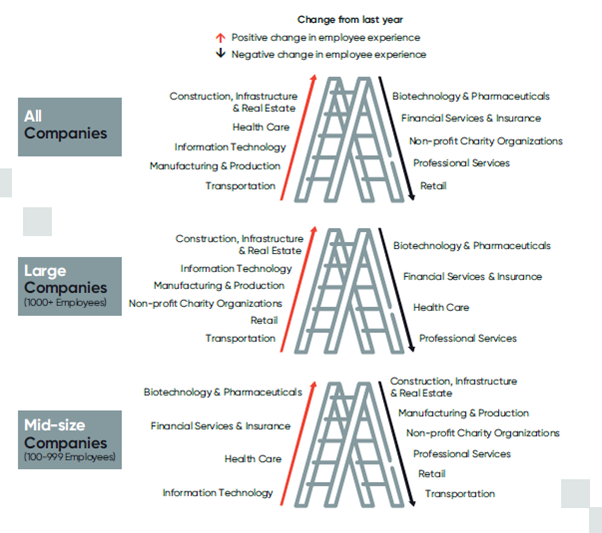
When it comes to workplace culture solutions, it is crucial to consider the size and industry of the organization. Compared to the previous year, the Construction, Infrastructure & Real Estate, Non-profit Charity Organizations, Retail, Information Technology, Transportation, and Manufacturing & Production sectors in large companies have surpassed others, resulting in an overall improvement in employee experience. Although the overall experience remains similar, mid-size companies have shown higher year-to-year shifts, while large companies have maintained a stable experience.

This highlights the importance of customizing strategies to suit specific sectors and company sizes to achieve successful outcomes. Recognizing the unique dynamics and challenges within each industry and company size allows organizations to tailor their approaches to address their employees’ specific needs and expectations. By implementing targeted strategies and interventions, organizations can foster a workplace culture tuned to the characteristics of their industry and size, leading to enhanced employee engagement, satisfaction, and overall success.

Trends Shaping the Future of Workplace

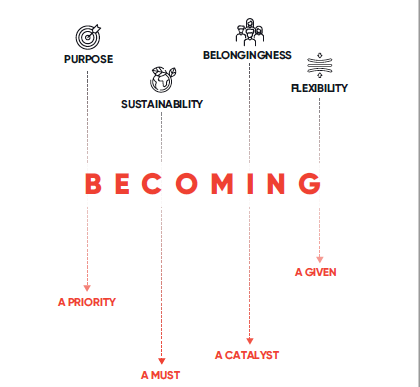
In the rapidly evolving world, there has been a shift in priorities. Purpose has emerged as a leading force, and sustainability is no longer seen as optional but a necessary component. Belonging has become a driving force for progress, and flexibility is now an inherent expectation. These facets are transforming not only how we lead but also how we operate and thrive in the modern workplace.

The development of For All Leadership is essential to navigating this new paradigm. With For All leaders at the helm, everyone within the organization consistently experiences a great workplace.

For All Leadership recognizes the significance of inclusivity, purpose-driven practices, and adaptability in empowering individuals and driving organizational success in this evolving landscape. By embracing these principles and fostering a culture of For All Leadership, organizations can effectively navigate the changing dynamics of the world while enabling employees to thrive, innovate, and contribute to a better future for all.

By prioritizing fair pay, fair treatment, and a better work environment, these companies have demonstrated their commitment to employee satisfaction. The significance of For All Leadership must be noticed, as it has been shown to unlock the full potential of individuals and foster a culture of inclusivity and purpose. As we navigate a rapidly changing world, embracing priorities such as purpose, sustainability, belonging, and flexibility is crucial. By incorporating these principles into our organizations, we can create environments where employees find meaning in their work, make a difference, and contribute to a better future.

To learn more about the best practices of India’s Best Companies To Work For™ download the report here.

With its impressive track record of 2,600+ successful technology projects, over 2,000 professionals worldwide, and 350+ cloud-certified professionals, Jade has established itself as one of the fastest-growing IT companies across 11 countries. What sets Jade apart is its remarkable growth, technical expertise, and unwavering commitment to cultivating an employee-centric culture based on trust and transparency.

Jade’s journey in building its strong workforce and culture is worth knowing. Since its inception in 2003, its beliefs, strategy, and philosophy have been continuously demonstrated. They continue to be India’s Best Companies To Work For™ for the second year in a row and India’s Best Workplaces™ in IT & IT-BPM 2022. With this, let’s delve into Jade’s journey and explore how they have fostered a culture of trust within their organization.


How has Jade built the culture of trust with transparency and accountability at its core?

Jade strongly emphasizes transparency and open communication channels throughout the organization. CEO Karan Yaramada leads by example, conducting the Quarterly Business Status Meeting with the leaders and Quarterly All Hands Meeting with all employees at Jade, where he discusses the company’s financial and business performance. This inclusive approach ensures that all employees, including contractual staff, are well-informed about the organization’s progress. As an anchor of this meeting, the CEO makes it a point to ask pointed questions to help and coach the entire team to take complete ownership of the company’s betterment all the time.

Furthermore, Jade maintains an open-door policy, encouraging employees at all levels to voice their opinions, concerns, and ideas. Skip-level meetings provide opportunities for direct interaction between employees and senior management, fostering a collaborative atmosphere where everyone’s input is valued. By creating a forum for open dialogue, Jade has built a foundation of trust and inclusivity, empowering employees to contribute to the company’s success.

People are the foundation of our company, and our culture is our greatest asset. I am proud of what we have built together and am honored to lead a team that values people above all else. Let us continue to cultivate a work environment where everyone is valued, respected, and supported, and where our collective efforts result in exceptional outcomes. – Karan Yaramada, CEO.

We frequently receive all-company messages from our CEO about business, recent wins, holiday messages, and sometimes personal musings on topics like the economy or social environment.

I feel like I know him better and understand his perspectives, which builds my trust in him. – Senior Director at Jade, USA

Management is always transparent with respect to business communications; they are there to support us. – Associate Manager at Jade, India

Every decision which would affect the way of working is discussed openly and fairly with the team giving us a heads up to the changes that are about to affect us, plus allowing us to raise any concerns or suggest new ideas to better the process. – Analyst at Jade, India

Fairness at the Core: Trusting and Valuing Employees

Fairness as a dimension of Trust Index™ is often the more challenging to sustain and improve as it is largely driven by perception. Jade has seen a significant increase in employee experience in areas around fair pay, a fair share of profits, absence of manager favoritism, and sustained scores on fairness in performance evaluation and promotions. 

Jade Global has the great quality to recognize the employees based on their performance and gives good appraisals and promotions to each employee.- Analyst at Jade India

One notable practice is their upfront trust in employees. Upon joining the company, all eligible employees in early and mid-career grades receive 100% of their variable pay upfront, along with their regular salary. This policy demonstrates Jade’s belief in their employees’ abilities and dedication without questioning their performance or long-term commitment. Although there is a clause for recovery if an employee leaves within the first year, this condition is communicated transparently to all employees from the outset.

In addition to this unique policy, Jade adopts a team-based decision-making approach for promotions and horizontal movements. Each promotion case is thoroughly discussed, with openly considered strengths, weaknesses, and performance data points. This inclusive process ensures that decisions regarding career progression are made collectively, fostering a sense of fairness and objectivity.

Jade’s approach to performance appraisal further reinforces their commitment to trust and transparency. They have successfully implemented two performance review cycles— yearly and mid-term. This allows new employees and their managers to engage in meaningful performance discussions early on rather than waiting for an entire year to receive feedback. The company invests in training sessions to educate managers on effective performance appraisal techniques. These sessions equip managers with the necessary skills to provide constructive feedback and guide employees in their professional growth.

To sum up, Jade’s remarkable growth and recognition as a leading IT company are a testament to its commitment to building an employee-centric culture based on trust, transparency, and fairness. By fostering open communication channels, practicing transparency in decision-making, and investing in continuous learning and development, Jade has created an environment where employees feel valued, empowered, and motivated to excel. As Jade continues to set itself apart in the IT industry, their unwavering focus on employee trust and well-being positions them as a standout organization and an employer of choice.

Clear and effective communication is crucial for fostering a positive work environment and driving successful outcomes. When engaging in professional conversations, it’s essential to recognize the distinctions between debate, discussion, and dialogue. While these terms are often used interchangeably, understanding their unique characteristics can help facilitate productive interactions and promote collaboration within the workplace.

  • Debating: Exploring Opposing Viewpoints  Debate is a structured form of communication where individuals present and defend their contrasting viewpoints. It involves logical arguments, evidence, and persuasion techniques. In a workplace setting, debates can be valuable for examining different perspectives, challenging assumptions, and fostering critical thinking. However, it’s important to maintain respect, focus on ideas rather than personal attacks, and avoid becoming entrenched in winning at all costs.
  • Discussing: Sharing Information and Ideas  Discussion entails an exchange of information, ideas, and opinions among individuals. It is a less confrontational and more open-ended approach compared to debate. Discussions often involve active listening, asking questions, and seeking consensus. Within the workplace, discussions can be effective for problem-solving, generating creative solutions, and encouraging brainstorming. It is crucial to create an inclusive environment where everyone feels comfortable expressing their thoughts and where diverse perspectives are welcomed.
  • Dialoguing: Building Understanding and Collaboration The dialogue goes beyond simply exchanging ideas and aims to foster understanding, empathy, and collaboration among participants. It involves active listening, suspending judgment, and exploring shared meanings. In a workplace context, dialogue is valuable for addressing complex issues, building relationships, and enhancing teamwork. By embracing dialogue, individuals can develop a deeper understanding of diverse viewpoints, cultivate mutual respect, and work towards common goals.
The Importance of Context:

Understanding when to engage in debate, discussion, or dialogue is key to effective workplace communication. The choice of approach depends on various factors, including the nature of the topic, the organizational culture, and the desired outcomes. Certain situations may call for a more structured debate, while others may benefit from an open discussion or a deep dialogue to foster collaboration and achieve consensus.

Enhancing Workplace Communication:
  • Active Listening: Cultivate attentive listening skills to truly understand and respect different perspectives.
  • Empathy and Respect: Foster an environment where individuals feel valued, respected, and comfortable expressing their opinions.
  • Constructive Feedback: Provide feedback in a constructive manner that encourages growth and development rather than focusing on personal attacks.
  • Encouraging Participation: Create opportunities for all team members to contribute and share their ideas, ensuring an inclusive and diverse workplace.
  • Establishing Common Goals: Focus on shared objectives to foster collaboration and create a sense of collective responsibility.

By recognizing the differences between debate, discussion, and dialogue, individuals can enhance their workplace communication skills and contribute to a more harmonious and productive work environment. Employing the appropriate communication approach in various situations can lead to better problem-solving, stronger relationships, and improved overall outcomes. Striving for respectful and meaningful conversations is a valuable step toward achieving a culture of open communication and collaboration in the workplace.

How can you assess the culture of dialogue in your organization?

If you’re wondering whether your team is truly engaged in meaningful conversations, we have a solution that can provide insights. It revolves around leveraging feedback from your team members.

For over three decades, we have been assisting businesses similar to yours in gaining a comprehensive understanding of their team dynamics.

We’re referring to measuring crucial aspects such as teamwork, communication effectiveness, and leadership performance.

Intrigued? Reach out to us for more information. We will show you how the Great Place To Work Certification, which incorporates employee surveys and thorough analysis, can help you evaluate and improve dialogue within your organization today.

In today’s fast-paced and highly competitive work environment, fostering a culture of appreciation and recognition has become more crucial than ever. Recognizing and appreciating employees’ efforts not only boosts morale and motivation but also enhances productivity and overall job satisfaction. While appreciation can take many forms, understanding and utilizing the five languages of appreciation can be a game-changer in harnessing the power of recognition in the workplace. Developed by Dr. Gary Chapman and Dr. Paul White, these languages offer a comprehensive framework to express appreciation in ways that resonate with individual employees.

Let’s delve into these five languages and explore how they can be effectively harnessed to create a positive and thriving work environment.

Words of Affirmation 

The first language of appreciation is words of affirmation. Verbal or written appreciation can have a significant impact on individuals who value this language. Simple acts such as praising a job well done, acknowledging a team member’s efforts during a meeting, or sending a thoughtful email expressing gratitude can go a long way. The key is to provide specific and genuine feedback, highlighting the person’s strengths and contributions. This language is especially powerful for employees who thrive on verbal encouragement and acknowledgment.

Quality Time

For some individuals, quality time is the language that resonates most deeply. Taking the time to actively listen, engage in meaningful conversations, or offer one-on-one mentoring sessions shows genuine interest and care for the employee. Managers can prioritize spending quality time with their team members by scheduling regular check-ins, organizing team-building activities, or simply creating a supportive space for open communication. This language is particularly effective for employees who value personal connections and feel appreciated through meaningful interactions.

Acts of Service

Actions often speak louder than words, and for individuals who appreciate acts of service, lending a helping hand can be a powerful way to demonstrate appreciation. Offering assistance with tasks, volunteering for additional responsibilities, or providing practical support to overwhelmed colleagues can make a significant impact. Managers and coworkers can identify opportunities to alleviate workload burdens, recognize individual strengths, and step in when needed. This language is particularly impactful for employees who value teamwork and feel appreciated through practical assistance.

Tangible Gifts

While some individuals may perceive material gifts as the primary way of feeling appreciated, it’s important to note that this language is not solely about the monetary value of the gift. It’s about the thoughtfulness and effort put into choosing a meaningful token of appreciation. Personalized gifts, symbolic items, or even a simple handwritten note can show that the person’s contributions are valued and recognized. Managers can create a system to identify meaningful gifts for employees on special occasions or as a spontaneous gesture of appreciation. This language can be particularly effective for employees who appreciate tangible reminders of their value and hard work.

Physical Touch

The fifth language of appreciation, physical touch, may not be appropriate or preferred in all workplace settings. However, for certain individuals, appropriate physical contact such as handshakes, high-fives, or pats on the back can convey appreciation and reinforce positive connections. It’s important to establish clear boundaries and ensure that physical touch is welcomed and comfortable for all parties involved. In situations where physical touch may not be suitable, alternative expressions of appreciation in other languages can be utilized. 

Creating a Culture of Appreciation

To harness the power of the five languages of appreciation, organizations should foster a culture that encourages and supports recognition efforts. Here are some strategies to implement:

    1. Awareness and Training: Educate managers and employees about the five languages of appreciation and encourage self-assessment to determine their own primary and secondary languages. This awareness will help individuals understand their preferences and recognize the diversity of appreciation languages within the organization.

    1. Individualization: Recognize that each employee has unique preferences and adapt your appreciation efforts accordingly. Tailor your recognition to align with their primary language while incorporating elements of other languages to create a well-rounded approach.

    1. Leadership Example: Leaders should set the tone by actively and consistently expressing appreciation using different languages. When leaders demonstrate their commitment to appreciation, it encourages others to follow suit.

    1. Regular Feedback: Create a feedback culture that incorporates appreciation and recognition as a core element. Encourage employees to provide feedback on their preferred languages and implement their suggestions wherever possible.

    1. Celebration and Rewards: Incorporate regular celebrations and rewards programs to acknowledge individual and team achievements. These can be in the form of team outings, certificates, trophies, or public recognition during company-wide events.

Harnessing the power of the five languages of appreciation at the workplace is a strategic investment in employee engagement, satisfaction, and overall productivity. By understanding and incorporating these languages into our daily interactions, we can create a culture that fosters meaningful connections, personal growth, and a sense of belonging. By embracing the diverse ways in which individuals feel appreciated, we can unlock the full potential of our teams and pave the way for a positive and thriving work environment.

Discover which cultural initiatives are making a significant impact with the assistance of Great Place To Work® Certification™. By utilizing our extensive employee surveys and data analysis, you can assess the current well-being and sentiments of your employees. This valuable information will guide you in effectively allocating your limited resources to enhance employee engagement and boost staff morale, irrespective of the prevailing circumstances. Begin your journey of becoming a great workplace today.

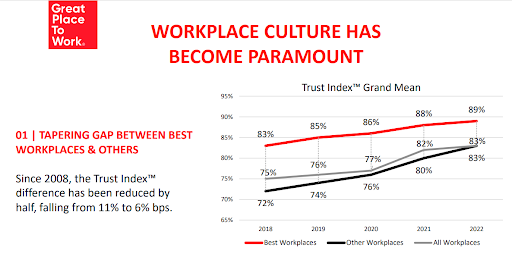
WORKPLACE CULTURE HAS BECOME PARAMOUNT

The year 2022 witnessed significant transformations in the way we work. With the world gradually recovering from the global pandemic, organizations across various industries had to adapt to new challenges and redefine their workplace culture. As we move forward into the future, it becomes crucial to identify the key shifts in workplace culture that have emerged and will continue to shape the professional landscape. In this article, we will explore the five essential shifts we observed in 2022 with respect to workplace culture.

HIGH-TRUST CULTURES RESULT IN GREATER BUSINESS RETURNS

Hybrid Work Environments

The pandemic accelerated the adoption of remote work, and this trend is here to stay. In 2022, organizations increasingly embraced hybrid work models that combined remote and in-person work. This shift gave employees greater flexibility and autonomy, allowing them to balance their personal and professional lives more effectively. Companies will also invest in technologies and infrastructure to support seamless collaboration among distributed teams. However, maintaining a cohesive company culture in a hybrid work environment will become a significant challenge. Organizations must focus on fostering strong communication channels, building trust, and creating opportunities for meaningful interactions to ensure employees feel connected and engaged, regardless of their physical location.

Emphasis on Well-being

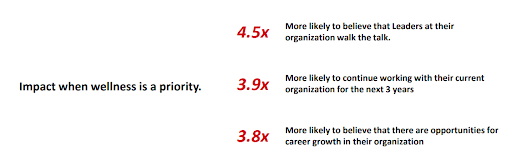
The pandemic has underscored the importance of employee well-being. Since 2022 and beyond, workplace culture will prioritize the holistic well-being of employees, including physical, mental, and emotional health. Companies will invest in initiatives that promote work-life balance, offer mental health support, and encourage regular breaks. Flexible working hours and wellness programs will become integral parts of the workplace culture. Employers understand that a healthy and happy workforce increases productivity, reduces burnout, and improves retention rates.

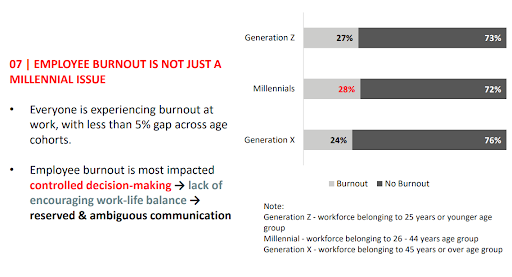
EMPLOYEE BURNOUT IS NOT JUST A MILLENNIAL ISSUE

Impact when wellness is a priority

Diversity, Equity, and Inclusion (DEI)

In recent years, there has been a growing recognition of the importance of diversity, equity, and inclusion in the workplace. In 2023, this focus on DEI will intensify, with organizations making concerted efforts to create inclusive environments where every employee feels valued and heard. Diversity will be prioritized not only in terms of race and gender but also in terms of diverse perspectives, experiences, and backgrounds. Companies will implement unbiased hiring practices, offer diversity training, and establish employee resource groups to foster a sense of belonging. The shift towards DEI will be a moral and business imperative, as diverse teams have been proven to drive innovation and better decision-making.

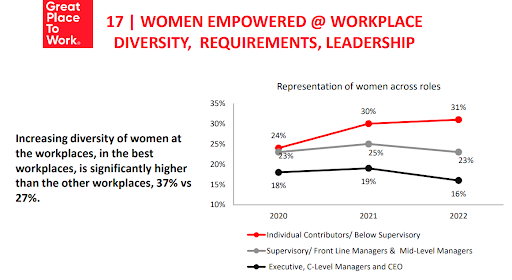
WOMEN EMPOWERED @ WORKPLACE DIVERSITY, REQUIREMENTS, LEADERSHIP

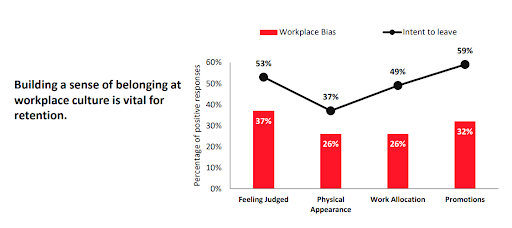
Building a sense of belonging at workplace culture is vital for retention

Remote Onboarding and Employee Experience

With remote work becoming more prevalent, organizations will revamp their onboarding processes to cater to virtual environments. Remote onboarding programs will be designed to help new employees feel connected, understand company values and goals, and establish relationships with colleagues. Companies will invest in digital tools and platforms facilitating remote collaboration, communication, and knowledge sharing. Moreover, organizations will strive to provide a positive and inclusive employee experience, irrespective of the physical location. This will involve regular check-ins, mentorship programs, virtual team-building activities, and continuous feedback mechanisms.

Learning and Development Opportunities

Continuous learning and development have always been critical to professional growth, but in 2023 and beyond, they will take center stage in workplace culture. Organizations will prioritize providing opportunities for employees to upskill and reskill in response to rapidly evolving technologies and job requirements. This may involve offering online learning platforms, mentorship programs, and educational allowances. By investing in the development of their workforce, companies will not only empower employees but also foster a culture of innovation and adaptability.

In conclusion, workplace culture is undergoing a transformative shift since 2022 and beyond. The rise of hybrid work environments, emphasis on employee well-being, focus on diversity, equity, and inclusion, remote onboarding, and learning and development opportunities are essential shifts shaping the future of work. These changes reflect a broader understanding of the importance of creating inclusive, flexible, and supportive work environments that prioritize the well-being and growth of employees.

As we look ahead, it is clear that the future workplace will be a dynamic and ever-evolving space. Organizations that embrace these essential shifts in workplace culture will be better equipped to attract top talent, foster employee engagement, and drive innovation. Adapting and responding to these changes will be crucial for businesses to thrive in the post-pandemic era. Our Trust IndexTM Survey can help you understand where your organization stands regarding the ever-evolving workplace culture.

In the dynamic landscape of BFSI, organizations have come to understand the importance of creating a positive work environment. Our latest research report highlights the impact of these practices, revealing that employees in the best workplaces within the BFSI industry report a higher level of involvement and a significantly more positive work environment.

Blurring lines of BFSI

The BFSI industry is transforming, with its new avatar characterized by government support, domestic demand, and technological advancements. In addition, technological progress has enabled consumers to access multiple transaction opportunities within a single platform, blurring the boundaries between various business sectors.

Amidst these changes, one constant aspect is the industry’s focus on people-centricity. Recognizing the evolving landscape, employees have become crucial enablers and facilitators in this changing environment.

BFSI Workplace Culture: Employee Gaining Importance

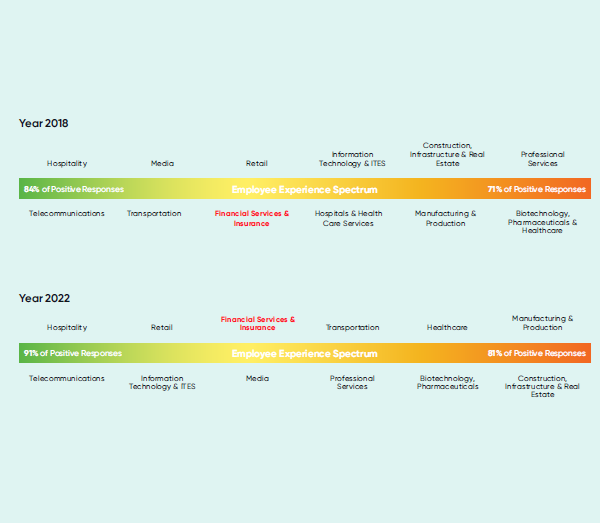
In the past four years, employees in the BFSI industry have reported increased positive workplace experiences. The industry’s overall employee satisfaction has risen by 5 points, from 79 to 84, ranking it 5th among other sectors. This improvement can be attributed to work-life balance, competitive compensation packages, and a supportive corporate culture.

The BFSI sector’s focus on employee satisfaction attracts top talent, enhances productivity, and strengthens its reputation. However, there is still room for improvement through investments in employee development, feedback mechanisms, and initiatives that foster a sense of belonging and purpose. By adapting to evolving workforce needs, the BFSI industry can sustain its positive and fulfilling work environment for continued growth and success.

Varied strengths and needs for BFSI verticals

Banking/Credit Companies

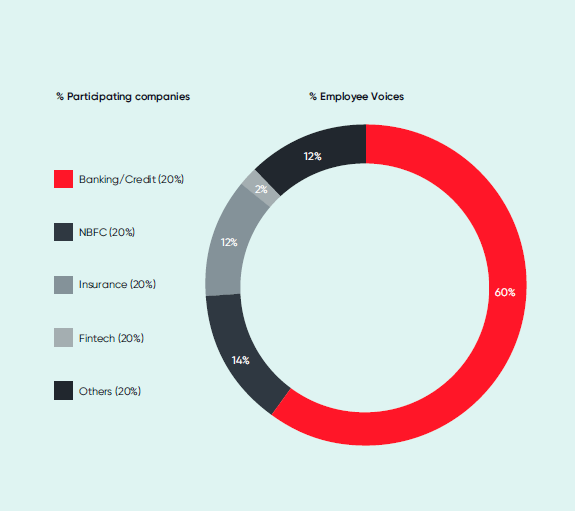
This vertical has the highest employee representation within the industry. However, there is a need to prioritize and improve workplace culture to ensure a positive employee experience.

Fintech Companies

Fintech companies are increasingly participating in workplace culture assessments. This indicates a growing recognition of the importance of fostering a positive work environment and addressing the needs and expectations of employees.

Life Insurance

Life insurance companies excel in building a great workplace culture. Their focus on creating a positive and engaging work environment has resulted in a good employee experience within this vertical.

While some verticals within the BFSI industry need to enhance their workplace culture, others have successfully established a positive environment for their employees. By addressing these varying strengths and needs, the BFSI industry can strive towards creating a consistent and satisfying employee experience across all its verticals.

Your guide to developing better practices

Understand the purpose of the current practices

Understanding the purpose of current practices involves identifying the problems they solve and the opportunities they bring. Then, by comparing the circumstances to those addressed by these practices, we can learn from similarities and adapt strategies accordingly.

Have a look at your organizational practices

Consider the available resources and prioritize the challenges that must be addressed first. Then, explore alternative approaches to achieve similar levels of trust, pride, or camaraderie. Finally, develop a tailored implementation plan for your organization’s specific needs.

Look into resources that would improve the practice’s chance of succeeding

Identify the tangible resources, such as funds and equipment, that can support the implementation of the procedures. Additionally, consider intangible resources like time and proximity that can contribute to the success of the initiatives.

Identify challenges

Identify tangible and intangible challenges to successfully implementing newer or better practices. Evaluate the feasibility of overcoming these challenges in the immediate future. Modify the rules if necessary to ensure successful implementation.

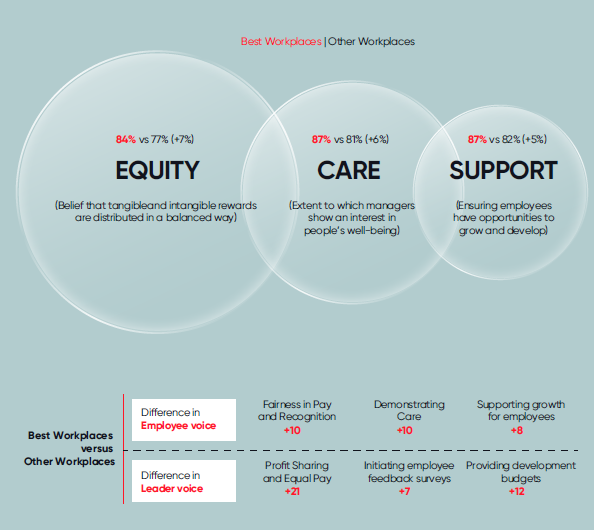
The Mantra of Best Workplaces in BFSI: Equity, Care, and Support

The mantra of Best Workplaces in BFSI is Equity, Care, and Support. These principles will determine future winners in the industry. Key factors include:

Equity

At Best Workplaces, employees respond significantly higher to Fair Profit Sharing (+11%) and Fair Recognition (+8%) compared to other workplaces. By prioritizing equity, Best Workplaces create an environment where employees feel valued and rewarded, fostering a sense of fairness and motivation.

Caring

Workplace culture aspects that demonstrate care, such as encouraging work-life balance and providing exceptional benefits, are critical differentiators for the Best Workplaces in the BFSI industry. Our studies show that these practices have demonstrated significant positive impacts, with an 8% increase in promoting work-life balance and a remarkable 12% increase in offering unique benefits.

Support

Best Workplaces excel in both supporting professional worth and individual effort 8% more employees at Best Workplaces report positively on being offered training or development and developing managers for leadership positions in the organization.

Equity + Caring + Sharing = Inclusivity

At Best Workplaces, 9% more employees respond positively to management involving everyone in decision-making and believe the workplace is psychologically and emotionally healthy workplace.

As the industry evolves, the significance of implementing best workplace practices becomes even more apparent as the gap between the Best Workplaces and others continues to grow. By embracing the mantra of equity, care, and support, BFSI organizations can cultivate a culture premium, leading to improved employee satisfaction, enhanced customer experiences, and, ultimately, sustained success in the industry.

To learn more about the different ways the BFSI sector is working on its workplace culture, download our research report here.

Camera red icon

LIVE WEBINAR WITH Q & A

certification-badge-2026-rhc4efc9ny04x7lz17jff7guyhsup5b0yvrou4vd72

The Certification Advantage: Why Partner with Great Place To Work®

How partnering with Great Place To Work can strengthen your people strategy, and drive business outcomes through data-driven insights and Certification.

prasad-kachraj

Prasad Kachraj

Managing Director, Great Place To Work, India

23rd September 2026  |  4.00 PM - 4.30 PM IST

Register Now