The IT industry, a cornerstone of India’s economy contributes 7.5% to the country’s GDP. According to the Great Place To Work’s research report, despite its economic importance and technological advancements in areas like AI and deep tech, the industry has experienced a 1% drop in overall employee perception. This decline is primarily attributed to decreased camaraderie (-1%) and reduced sense of employee pride (-1%).

Burnout levels remain a concern, affecting 26% of employees across the industry. These challenges underscore the need for a strategic focus on three key areas:

1. Employee Wellbeing: Addressing the rising burnout risk and overall employee experience.

2. Workplace Camaraderie: Rebuilding team spirit in the era of hybrid work.

3. Leadership Excellence: Investing in upskilling to meet the growing demand for a skilled workforce.

By prioritizing these areas, IT companies can navigate the evolving landscape and foster a more engaged, productive workforce.

The Need for Prioritizing Employee Wellbeing

The IT industry faces a significant challenge with burnout, affecting 26% of employees across the sector. This rate remains stable from 2022 but exhibits an 8% variability across different verticals. Notably, the ITES vertical maintains the highest burnout levels at 29%, while IT Consulting sustains the lowest at 21%.
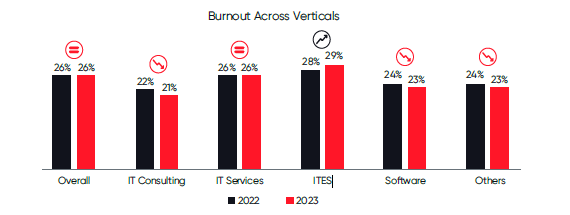
Report from Great Place To Work shows burnout across various verticals.

Interestingly, burnout levels vary across roles and genders. Supervisory roles report 5% more burnout than senior managerial roles. Among senior managers, females experience a 5% higher burnout rate than their male counterparts.

However, there’s a silver lining. Best Workplaces in the IT industry have 5% fewer employees experiencing burnout compared to other workplaces. This difference highlights the impact of effective wellbeing strategies on employee experience.

Strategies for improving employee wellbeing

Recognizing the importance of employee wellbeing, 77% of IT companies now track this crucial aspect. Over half (55%) use multiple methods to monitor employee wellbeing, indicating a growing commitment to comprehensive approaches.

Effective wellbeing strategies encompass physical, mental, and emotional aspects:

  • Physical Wellbeing: Initiatives may include fitness programs, ergonomic workspaces, and health check-ups.
  • Mental Wellbeing: Companies are implementing stress management programs, mindfulness sessions, and access to mental health professionals.
  • Emotional Wellbeing: Focus on creating a supportive work environment, fostering work-life balance, and providing employee assistance programs.

First American (India)’s Wellbeing Initiative

First American (India) (FAI) exemplifies a successful approach to employee wellbeing through their ‘Swasthya’ program. This holistic initiative offers support across emotional, physical, and financial dimensions:

  • Wellness Corner App: Conducts health assessments and provides online consultations.
  • Tranquil App: Aids in mindfulness and stress management.
  • Hybrid Work Model: Ensures flexibility at work.
  • Focus Group Discussions: Assess well-being, encourage feedback via anonymous surveys, and result in transparent action plans.

This multi-faceted approach has contributed to FAI’s recognition as one of India’s Best Workplaces™ in IT & IT-BPM for five consecutive years, demonstrating the positive impact of prioritizing employee wellbeing.
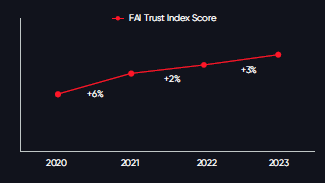
FAI Trust Index Score sees an increase year on year after the implementation of the Wellness initiatives.

Fostering Workplace Camaraderie

The IT industry has experienced a 1% drop in the Camaraderie dimension, reflecting a concerning trend in workplace relationships and team cohesion. This decline is particularly significant as it contributes to the overall 1% decrease in employee perception across the industry. 

The impact of this decline is far-reaching, affecting not only employee satisfaction but also productivity, innovation, and overall organizational performance.
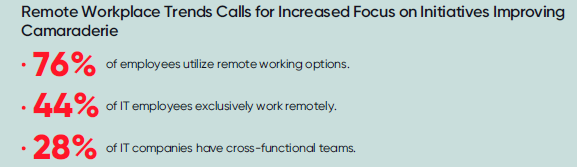
Remote Working: Trends and Leadership Perspectives

Fostering Workplace Camaraderie

To address the camaraderie challenge, IT companies are implementing various strategies:

1. Cross-functional teams: 28% of IT companies have embraced cross-functional teams, fostering collaboration across departments and enhancing team spirit.

2. Remote work initiatives: With 76% of employees utilizing remote working options

3. Emphasis on communication: Implement clear communication channels and encourage open dialogue among team members.

Case study: Aristocrat’s Camaraderie Initiatives

Aristocrat, recognized as one of India’s Best Workplaces in IT & IT-BPM, has successfully fostered camaraderie through several innovative programs:

ShapeShifters Team: Drives engagement with creative online and offline programs for bonding, leadership connections, CSR activities, and honoring support staff.

Power Plays Platform: Encourages celebrating colleagues’ values-driven achievements, equipped with redeemable awards and e-cards.

Friday Box-Office Sessions: Led by subject specialists, these sessions promote discussions, self-growth, empathy, and team camaraderie through films on sensitive topics.

As a result of these initiatives, Aristocrat reports a 7% higher positive sentiment in the dimension of Camaraderie compared to the IT & IT-BPM industry average. Over 80% of employees have been recognized at least once through their peer-to-peer recognition platform, fostering morale, engagement, and positive workplace dynamics.

The growing demand for skilled workforce

The IT industry is experiencing a surge in demand for advanced digital skills, particularly in emerging technologies like AI, Data Science, Cloud Computing, and Cyber Security. This trend is driven by:

Rapid technological advancements: The industry’s shift towards advanced technologies like Quantum Computing, Blockchain, and AR/VR.

Global competition: India’s position as a hub for tech talent with global delivery capabilities.

Future projections: By 2028, India’s digital talent gap in the tech industry is expected to increase 2.8-fold, reaching around 28-29%, with demand exceeding 6 million professionals.

This growing demand underscores the critical need for continuous upskilling and leadership development in the IT sector.
Investing in training and development

Recognizing the importance of a skilled workforce, IT companies are making significant investments in training and development:

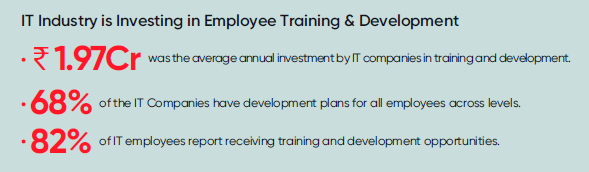
Widespread training opportunities: 82% of IT employees report receiving training and development opportunities, reflecting a strong industry-wide commitment to upskilling.

Substantial financial investment: The average annual investment by IT companies in training and development is ₹1.97Cr, demonstrating the sector’s dedication to nurturing talent.

Developmental Plans: 68% of IT Companies have development plans for all employees across levels.

LatentView Analytics’ S.T.E.P. Program

LatentView Analytics exemplifies leadership excellence through its S.T.E.P. (Stride Towards Excellence Program) initiative:

Objective: Cultivate future analytics leaders over a two-year comprehensive program.

Implementation

  • Intensive training focusing on business leadership, analytics consulting, and thought leadership
  • Candidate selection identifying potential leaders
  • Leadership group mentorship involving experienced leaders
  • Focus on personal and professional excellence

Impact

  • Prepares a new generation of skilled analytics leaders
  • Boosts understanding of business dynamics and strategic decision-making
  • Enhances essential leadership skills for team and growth management
  • Significantly contributes to LatentView’s growth and innovation in analytics

This case study demonstrates how targeted investment in leadership development can drive organizational success and foster a culture of continuous improvement and innovation.

The Interconnected Nature of These Focus Areas 

Employee Wellbeing, Workplace Camaraderie, and Leadership Excellence are deeply interconnected, creating a powerful synergy that drives organizational success. When employees feel cared for, they are more likely to form strong relationships with colleagues, reducing burnout and fostering team cohesion. 

This camaraderie, in turn, enhances Leadership Excellence by creating a supportive environment that nurtures emerging leaders and promotes better communication and mentoring. Skilled leaders further reinforce Employee Wellbeing by addressing concerns effectively and fostering trust and psychological safety. 

These interconnections significantly impact key organizational metrics: 

Employees experiencing personal fulfilment, a key aspect of wellbeing, are 1.7 times more likely to stay with their organization, and across verticals, this results in a 40% higher intent to stay. 

Strong team dynamics, driven by camaraderie, lead to 1.6 times higher productivity, with a 36% higher perception of productivity levels. 

Leadership Excellence is directly linked to innovation, with employees 3.5 times more likely to see innovation opportunities and a 45% higher perception of receiving these opportunities. 
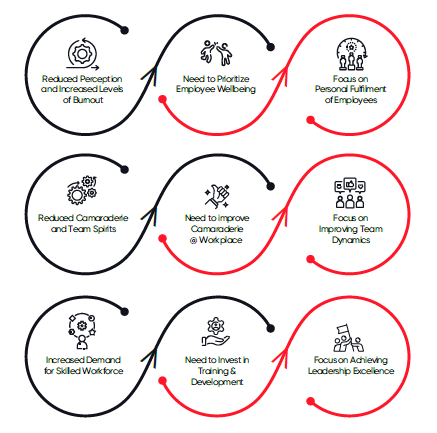
3 Future Focus Areas for the IT Industry

Together, these focus areas create a positive feedback loop, where improvements in one area catalyze enhancements in others, ultimately driving overall organizational performance.

These interconnected focus areas directly impact retention, productivity, and innovation. IT industry leaders must take decisive action to implement comprehensive strategies addressing these key areas, ensuring their organizations remain competitive and resilient in an ever-evolving landscape.

Get Certified to Showcase Your Commitment

Achieving Great Place To Work Certification is an excellent way to demonstrate your organization’s commitment to employees’ overall wellbeing and experience. This Certification not only enhances your employer branding but also helps attract and retain top talent. It highlights to current and prospective employees that your organization values their health, happiness, and overall wellbeing.  

By implementing a culture of trust, respect, and collaboration, you can create a workplace where employees feel strong, healthy, and connected. Certification also provides a benchmark for continuous improvement, helping you identify areas where you can further enhance employee well-being and overall workplace culture.  

The Great Place To Work® India’s Best Workplaces™ Building a Culture of Innovation by All 2024 report showcases India’s ascent on the global innovation stage. This study highlights the critical role of fostering innovation in the workplace, a key driver of India’s progress towards becoming an innovation powerhouse. Despite India’s impressive 40th position in the Global Innovation Index 2023, the report reveals a slight 2% dip in the perceived culture of innovation within organizations, emphasizing the ongoing challenges and opportunities in this journey. 

The Power of Inclusive Innovation in the Workplace

The report emphasises the importance of inclusivity, collaboration, and trust in nurturing a culture of innovation. Best Workplaces distinguishes itself with an 18% lead in innovation metrics, demonstrating the transformative power of environments where every voice is heard and ideas are celebrated. However, the study also points out unique challenges faced by younger generations and women in accessing innovation opportunities, highlighting the need for more equitable practices. 

Innovation readiness at Best Workplaces outpaces others

A strong correlation between workplace satisfaction and innovation culture emerges from the data. As employees’ positive perceptions of their work environment increase, so does the organization’s capacity for innovation. This relationship is further reinforced by the 5%-9% higher positive perception of key performance indicators reported by employees at Best Workplaces, illustrating the tangible benefits of fostering a culture of innovation in the workplace.

How Different Industries Cultivate Innovation in the Workplace

Financial Services & Insurance

The financial services and insurance sector emerges as a frontrunner in fostering a culture of innovation. This sector demonstrates a strong commitment to creative thinking and progressive practices, setting a benchmark for other industries.

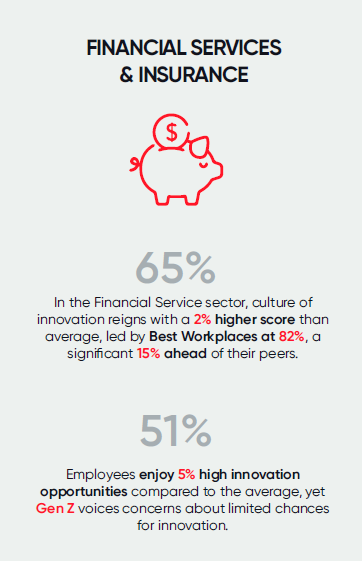
With a 65% culture of innovation score, the financial services and insurance sector outperforms the overall average by 2%. This indicates a sector-wide emphasis on embracing new ideas, technologies, and methodologies. Financial institutions are increasingly recognizing the need to innovate in response to changing customer expectations, digital disruption, and regulatory challenges.

The report reveals that the Best Workplaces in this sector significantly outperform their peers, achieving an impressive 82% innovation score— a substantial 15% lead. This gap underscores the effectiveness of these organizations in creating environments that nurture creativity and forward-thinking. 

The data shows that 51% of employees in the sector enjoy high innovation opportunities. This suggests that over half of the workforce feels empowered to contribute ideas and participate in innovative projects. Such engagement is crucial for maintaining a competitive edge in a rapidly evolving financial landscape.

Innovation at Financial Services & Insurance

Manufacturing

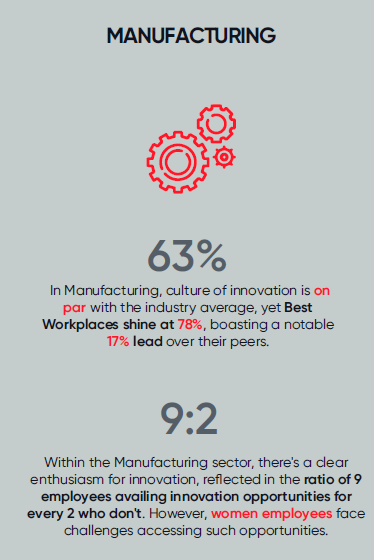
The manufacturing sector shows a commitment to innovation while facing unique challenges. With a 63% innovation culture score, it aligns with the industry average, indicating a steady focus on progressive practices.

Best Workplaces in manufacturing stand out significantly, achieving an 78% score and leading their peers by 17%. This substantial gap suggests these companies have successfully implemented strategies to foster innovation despite traditional industry constraints.

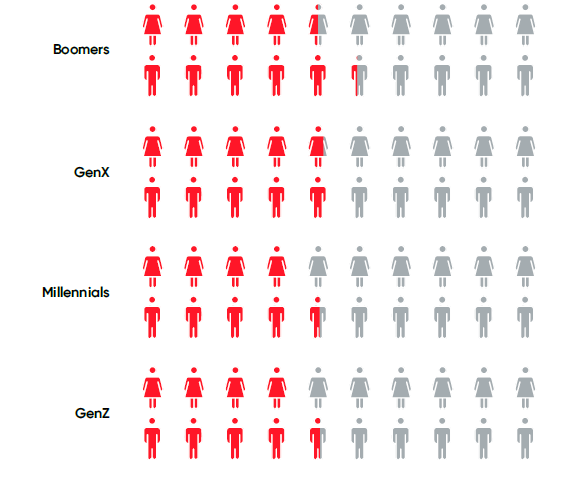
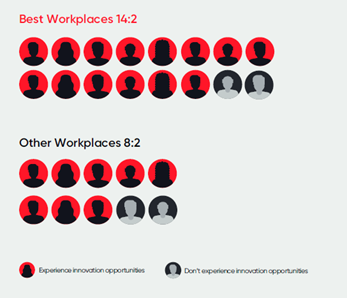
The 9:2 ratio of innovation opportunities is particularly noteworthy, indicating that for every two employees who don’t experience innovation opportunities, nine do. This high ratio reflects a strong overall engagement in innovative practices across the sector.

Innovation at manufacturing Industry

However, the report highlights a critical issue: women employees face challenges in accessing innovation opportunities. Addressing the challenges could involve targeted programs for women in manufacturing, diversity and inclusion training, and re-evaluating innovation processes to ensure equal access.

Information Technology

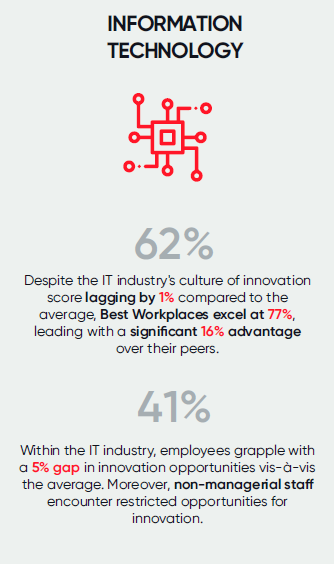
Surprisingly, the IT sector lags slightly in innovation culture with a 62% score, 1% below the overall average. This contradiction is striking, given the industry’s reputation for cutting-edge technology and rapid advancements.

Despite this overall lag, Best Workplaces in IT excels with a 77% score, maintaining a 16% advantage over peers. This disparity suggests a significant gap between leading companies and the rest of the sector in fostering innovation.

Innovation in the IT Industry

The report indicates that 41% of employees face a 5% gap in innovation opportunities compared to the average. This statistic points to potential systemic issues in how innovation in the workplace is approached across the IT industry.

Moreover, non-managerial staff faces limited opportunities to contribute to innovation, underscoring the need for a more inclusive approach that empowers employees at all levels to drive progress.

Overcoming Challenges for Gen Z, Millennials, and Women

Innovation opportunities for Gen Z, Millennials, and women have stalled at just 40%, revealing a significant gap in their ability to engage in and drive innovation within the workplace. Despite their potential, these groups are being left behind, signaling the need for more inclusive and equitable practices to unlock their full capabilities.

Gen Z and Millennials: Despite their potential, these younger generations face obstacles like limited work experience, lack of access to resources, and different workplace expectations compared to older generations. This means they might not be getting the chances they need to innovate and grow. Companies need to understand these challenges to help these groups reach their full potential and meet the changing needs of the workplace.

Women in the Workplace: Although gender equality has improved, women are still underrepresented in leadership roles and fields that drive innovation, such as technology and STEM (Science, Technology, Engineering, and Mathematics). Issues like unconscious bias and unequal access to opportunities are holding women back from fully participating in and succeeding in innovation-driven projects.

Innovation Opportunities Stagnate for Gen Z, Millennials, and Women

While India’s innovation landscape is making significant strides, there is still some work to be done. Empowering every individual—regardless of generation or gender—to contribute to innovation is a necessity and a strategic advantage. By bridging these gaps, organizations can unlock the full potential of their diverse workforce, ensuring sustained growth and a competitive edge on the global stage.

Get Certified to Showcase Your Commitment 

Achieving Great Place To Work Certification is an excellent way to demonstrate your organization’s commitment to employees’ overall wellbeing and experience. This Certification not only enhances your employer branding but also helps attract and retain top talent. It highlights to current and prospective employees that your organization values their health, happiness, and overall wellbeing. 

By implementing a culture of trust, respect, and collaboration, you can create a workplace where employees feel strong, healthy, and connected. Certification also provides a benchmark for continuous improvement, helping you identify areas where you can further enhance employee well-being and overall workplace culture.
As the workplace continues to evolve, one might wonder, “What will the future of workplace culture look like?” Will it be driven by technology, shaped by new leadership styles, or defined by a continued focus on employee well-being? These aren’t just topics for discussion—they’re crucial challenges that today’s business leaders must tackle to stay competitive in a rapidly changing world.

This is where the Great Place To Work® For All™ Summit comes in. As the largest and most sought-after summit in India focused on workplace culture, it aims to build a community of business leaders dedicated to creating exceptional workplaces. The summit offers unmatched learning and networking opportunities, allowing participants to engage with leaders from the best workplaces worldwide who have cultivated a High-Trust, High-Performance Culture.

In this blog, we’ll have a recap of the For All Summit 2024 and explore the main themes and sessions at the For All Summit 2025.

Summit 2024 Recap – 3Ts of Workplace Culture

The For All Summit 2024 was a compelling showcase of how the 3Ts—Talent, Technology, and Trust—are pivotal in shaping India’s future. The summit’s theme underscored the critical role these elements play in driving economic growth, addressing societal challenges, and building sustainable, inclusive organizations.

India’s recent economic success can be attributed to its dynamic workforce, a thriving startup ecosystem, and progressive government initiatives. These factors have collectively propelled India towards becoming a global economic powerhouse. However, challenges such as a potential global economic slowdown, geopolitical instability, and technological disruptions persist. Despite these hurdles, India’s resilience shines brightly. The nation is on a promising trajectory, aiming to become the world’s 3rd largest economy, with a strong emphasis on technological transformation, inclusive development, and innovation, as evidenced by its leadership in the G20 priorities.

For India to fully realize its potential, it’s essential to cultivate a workplace environment that harnesses the power of talent, embraces cutting-edge technology, and builds trust. By doing so, organizations can foster a culture of high performance and inclusivity, contributing not only to their own growth but also to the betterment of society as a whole.

Key Discussions at the For All Summit 2024

The For All Summit 2024 featured a series of engaging sessions led by some of the most respected voices in their fields. One of the highlights was a session by Mr. Amitabh Kant, G20 Sherpa appointed by the Government of India. Drawing from his extensive experience in public policy-making, governance, and economics, Mr. Kant offered a comprehensive perspective on India’s growth journey. He emphasized the critical role of Talent and Trust in propelling India towards becoming an economic superpower and one of the world’s largest economies.

In a session titled “Why and How to Build Trust,” insights were shared by Gautam Aggarwal, Division President, South Asia, and Joseph Fernandes, SVP – HR from Mastercard Inc. This session, moderated by Akshat Shah, VP Sales & Client Experience at Great Place To Work® India, delved deep into the strategies for building trust within organizations, highlighting its significance in creating a cohesive and high-performing work environment.

The summit also offered a unique opportunity to explore the inspiring journey of Sumit Agarwal, a Neurodiverse Entrepreneur & Founder of PR Signal. In a session moderated by Anita Borate, Practice Head, Culture 4D, Great Place To Work® India, attendees were captivated by Sumit’s story of resilience and innovation, demonstrating how diverse talents can lead to groundbreaking success.

Breakout room sessions provided a platform for more focused discussions, with industry speakers sharing their insights on a variety of topics. Post this was “India’s Trust in its Talent,” which featured a discussion led by PV Sindhu, moderated by Balbir Singh, CEO of Great Place To Work® India. Sindhu’s insights into the role of talent in shaping India’s future resonated deeply with the audience.

The day concluded with an enlightening session on “Inside the Boardroom: Delivering Greater Value to ALL Stakeholders.” Atul Dhawan, with three decades of experience at Deloitte India, shared his expertise as a former Chairperson and seasoned board veteran. Complementing his insights, Dr. Punita Kumar-Sinha, a leading Independent Director in the country, provided a unique perspective from her board positions in prominent companies within the BFSI industry, emphasizing the importance of delivering value to all stakeholders.

These sessions, rich with insights and practical takeaways, made the For All Summit 2024 an invaluable experience for all who attended, reaffirming the importance of the 3Ts in driving India’s transformation.

For All Summit 2025 – Vision to Value : Building Workplaces That Matter

As renowned corporate advisor R Gopalakrishnan said at one of our events, India needs SHE enterprises – short for Sustainable, Humane and Enlightened. These three aspects can be linked to a single source – a strong vision. Imagine a workplace driven by a powerful vision, where Purpose ignites passion in every employee. All employees want leaders who build workplaces that matter.

Great Leaders understand that a powerful vision, rooted in the organization’s core values, in turn, drives increased overall organizational and employee value.

As India Inc. gears up for exponential growth, visionary leaders know that turning Vision into Value depends as much on ‘who’ and ‘how’ as it does on ‘from’ and ‘to.’ They recognize that employees, as culture ambassadors, are vital in building impactful workplaces. Our study of India’s Most Trusted Leaders shows that purpose is a powerful motivator—employees who find meaning in their work are 3.2 times more likely to stay and 3.4 times more likely to recommend their company. Leaders who prioritize employee experience by evolving traditional practices, building relevant capabilities, and fostering a sense of belonging are not just enhancing retention—they’re also paving the way for future leaders. Our research confirms this: organizations that excel in leadership development see a 3.2 times higher likelihood of employees staying, proving the business case for investing in their people.

Deep dive into the themes of the For All Summit 2025

Our study of the Best Workplaces shows a growing trend: companies are moving away from strict policies and focusing on clear, shared values. These values help guide decisions, encourage creativity, and give employees the power to take action.

At the For All Summit 2025, we’ll explore this shift with sessions, strategies, and success stories that break down what’s needed for this journey.

Building a modern and thriving workforce: This section will elaborate on key aspects of attracting and retaining talent in a changing environment.

  • Understanding why Purpose is essential
  • Creating opportunities for growth and development for all
  • Innovating in HR and personalizing employee experience

Designing a Successful Future of Work: This section will elaborate on key practical aspects of building a modern workplace that matters to all.

  • Investing in Diversity, Equity, Inclusion & Belonging
  • Re-evaluating traditional workplace structures
  • Making hybrid models work effectively

Developing leadership in an evolving workplace: This section will elaborate on the role of leadership in shaping the future of work.

  • Unlocking adaptive leadership that secures high trust
  • Encouraging leaders to develop a roadmap for future leaders
  • Equipping leaders to navigate the complexities of a modern workforce

The For All Summit, true to its name, believes that the future of work is For All, transcending identity, geography, background and other differentiating factors. It is a unified source of inspiration for workplace culture enthusiasts to learn from leaders who have steered their organizations through challenges and delivered sustained business performance.

Why should you attend The For All Summit 2025? 

Connect : Join an energizing community of visionary leaders of award-winning great workplaces, Great Place To Work culture experts, and thought leaders in HR and across industries.

Innovate: Learn how the most innovative organizations are creating new solutions and strategies to meet the changing needs of their people and businesses in the most challenging times

Lead: Transform into a better and more inspired leader. You’ll return to work ready to lead and equipped with a strengthened community, fresh ideas, and best practices that you can implement immediately.

The For All Summit 2025 is a pivotal opportunity for leaders to bridge vision and values, shaping workplaces that truly matter. Don’t miss the chance to connect with top leaders, innovate with cutting-edge practices, and evolve into a leader who inspires and delivers.

Ready to shape the future of work? Register now for the For All Summit 2025 and join a community dedicated to creating workplaces where vision and values drive success.

Effective People Strategies is key to nurturing an organization’s diverse workforce. India’s leading mid-size workplaces are setting the standard by implementing effective people strategies that cater to their employees’ unique needs. These strategies not only foster inclusivity but also drive employee engagement and organizational success. 

Why is there a need to address needs of a diverse workforce? 

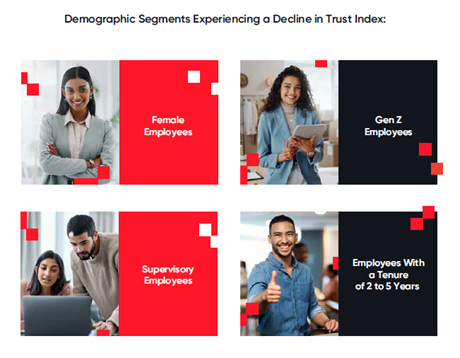
Fostering an inclusive workplace culture is not just a moral imperative but a strategic necessity. The 2024 report on India’s Great Mid-size Workplaces underscores this reality, revealing subtle yet significant shifts in employee sentiment across various demographic groups. 

These trends signal a clear call to action for mid-size organizations. To maintain a competitive edge and foster a truly great workplace, companies must go beyond one-size-fits-all approaches and develop targeted people strategies that address each demographic group’s specific needs and concerns.

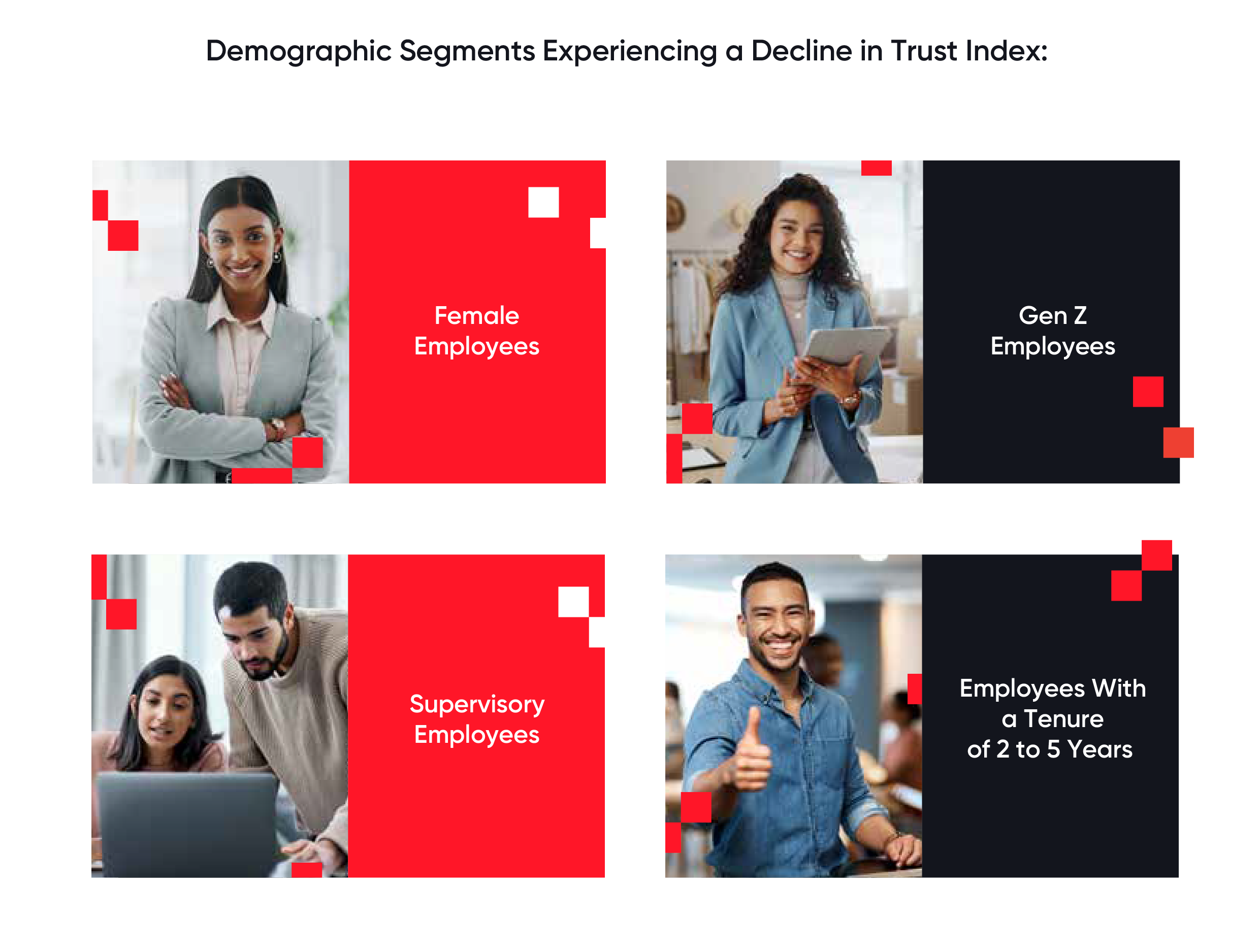
Demographic Segments experiencing decline in perceptions across various segments.

Addressing the Needs of Female Employees

The report on India’s Great Mid-size Workplaces 2024 reveals persistent challenges women face in the workplace. Despite progress in gender equality, female employees continue to experience significant gaps in key areas that impact their job satisfaction and career growth.

Specific Pain Points for Female Employees

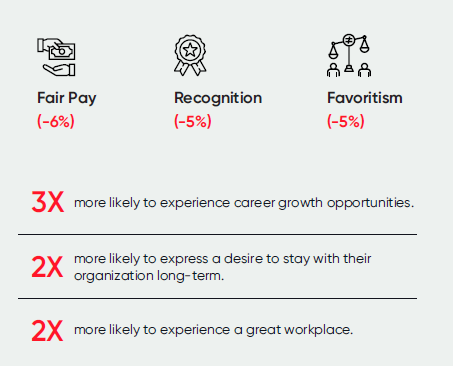
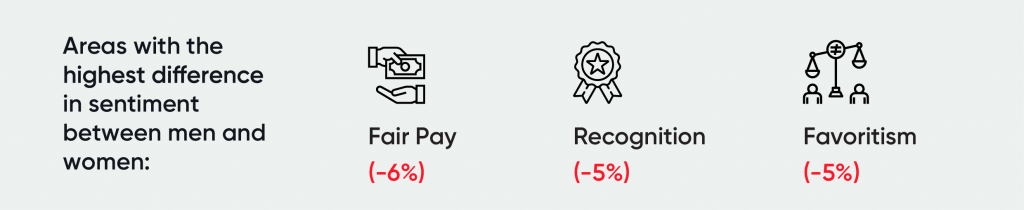
Fair Pay: The report indicates a 6% gap between women’s and men’s perceptions of fair pay. This discrepancy suggests that women feel undervalued in terms of compensation, which can lead to decreased motivation and engagement.

Recognition: There’s a 5% gap in how women perceive recognition for their work compared to their male counterparts. This lack of acknowledgment can hinder women’s sense of value and contribution to the organization.

Favoritism: The data shows a 5% difference in perceptions of favoritism, with women more likely to feel that certain employees receive preferential treatment. This can create a sense of unfairness and limit perceived opportunities for advancement.

Impact of Addressing These Issues

  • When these issues are addressed, women are 3x more likely to experience career growth opportunities.
  • The likelihood of women wanting to stay with their organization in the long term becomes 2x
  • Women become 2x more likely to say they experience a great workplace.
Women Employees Seek Fairer Pay, Recognition and Less of Favoritism

People practices from the Best Workplaces

Targeted Leadership Development: Companies like Brigade Enterprises Limited have implemented programs such as the “Jombay 1000 Women Leaders Program.” This initiative focuses on developing self-motivated women for leadership roles through a comprehensive 17-week program that includes assessments, masterclasses, mentoring, and networking opportunities.

Recognition and Growth Opportunities: Music Broadcast Limited (Radio City 91.1 FM) exemplifies how recognizing women’s achievements can drive engagement. As one female employee shared, “They encourage and support my professional growth, providing equal opportunities and recognizing my achievements. I’ve received three awards in just over a year, which proves they value good talent.”

Addressing the Needs of Gen Z Employees

According to our research report, this demographic, which makes up 17% of the workforce in the surveyed organizations, shows notably lower perceptions in key areas that drive workplace satisfaction and commitment. 

Specific Pain Points for Gen Z Employees

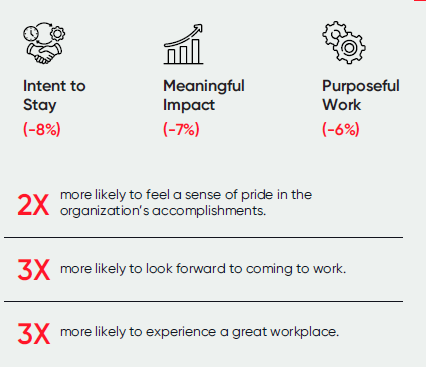
Meaningful Impact: The data reveals a 7% gap in Gen Z’s perception of making a meaningful impact through their work compared to other age groups.

Purposeful Work: There’s a 6% difference in how Gen Z employees view the purposefulness of their work relative to their older colleagues.

Intent to Stay: Most concerningly, there’s an 8% gap in Gen Z’s intent to stay with their current organizations long-term.

Impact of Addressing These Issues

Pride in Organization: Gen Z employees become 2 times more likely to feel a sense of pride in the organization’s accomplishments.

Work Enthusiasm: They are 3 times more likely to look forward to coming to work.

Overall Workplace Experience: Most importantly, Gen Z employees become 3 times more likely to experience their workplace as great overall.

Gen Z's Struggle with Commitment, Impact and Purpose at Work

People practices from the Best Workplaces

Purpose-Driven Culture: Companies like Acuiti Labs (India) Private Limited are emphasizing their broader social mission. As one Gen Z employee shared, “Acuiti Labs’ commitment to social responsibility shows our purpose beyond daily operations. This broader mission, combined with a supportive and innovative work environment, makes me proud to contribute to the company’s success.”

Addressing the Needs of Supervisory Employees

Supervisory Employees are individuals who play a crucial role in bridging upper management and frontline workers. They are experiencing notable declines in workplace sentiment across several key areas.

Specific Pain Points for Supervisory Employees

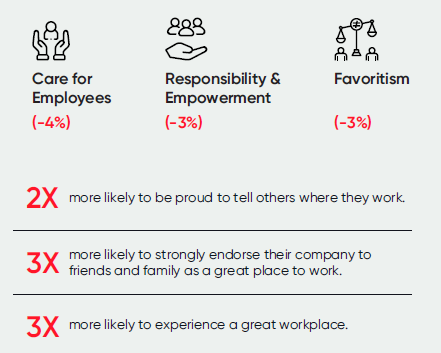
Employee Care: The report indicates a 4% gap in how supervisors perceive the organization’s care for employees compared to other roles.

Favoritism: There’s a 3% difference in supervisors’ perceptions of favoritism within the organization.

Responsibility & Empowerment: Supervisors show a 3% lower perception in areas related to responsibility and empowerment.

Impact of Addressing These Issues

Organizational Pride: Supervisors become 2x more likely to be proud to tell others where they work.

Advocacy: They are 3x more likely to strongly endorse their company to friends and family as a great workplace.

Overall Workplace Experience: Supervisors become 3x more likely to experience their workplace as great overall.

Supervisors Struggle with Employee Care, Empowerment and Fairness

People practices from the Best Workplaces

Leadership Development Programs: Companies like Syngenta Services Private Limited have implemented comprehensive leadership academies offering specialized, self-paced learning journeys focusing on Digital Leadership and Innovation. This comprehensive leadership development initiative fosters skill growth, readiness for broader roles, and improved leadership effectiveness, driving organizational success.

Addressing the Needs of Mid-Tenured Employees (2-5 years)

The report also identifies specific challenges faced by employees who have been with their organizations for 2-5 years, a crucial retention and career development period.

Specific Pain Points for Mid-Tenured Employees

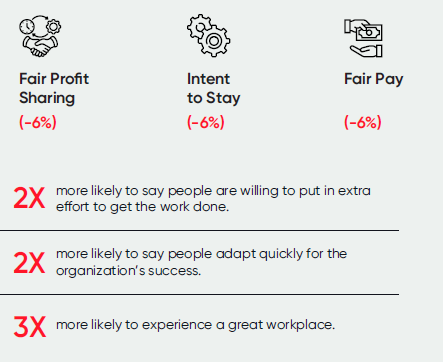
Intent to Stay: There’s a 6% lower perception among mid-tenured employees regarding their intent to stay with the organization long-term.

Fair Profit Sharing: The report shows a 6% gap in how mid-tenured employees view the fairness of profit sharing.

Fair Pay: This group perceives fair pay differently than other tenure groups, by 6%.

Impact of Addressing These Issues

Discretionary Effort: Mid-tenured employees are two times more likely to say they are willing to put in extra effort to get the work done.

Adaptability: They are 2 times more likely to say people adapt quickly for the organization’s success.

Overall Workplace Experience: Mid-tenured employees become 3 times more likely to experience their workplace as great overall.

Profit Share, Fair Pay and Retention in Focus for Mid-Tenured Employees

People practices from the Best Workplaces

Fair and Inclusive Practices: At Version 1 Services Private Limited, fairness and respect are at the core of our culture. As one mid-tenured employee noted, “Version 1’s commitment to recognition based on performance, along with fair profit sharing and pay practices, truly values our contributions. The supportive environment and open communication with management make this a great place to work.”

Addressing the diverse needs of employees through targeted People Strategies is crucial for any organization striving to maintain a competitive edge in today’s workplace. India’s leading mid-size companies are demonstrating that effective People Strategies are not just about implementing policies but about creating an environment where every demographic group feels valued and supported. As the workforce continues to evolve, so must the approach to people strategies—ensuring it remains agile, inclusive, and deeply attuned to every employee’s unique needs.

Get Certified to Showcase Your Commitment 

Achieving Great Place To Work® Certification™ is an excellent way to demonstrate your organization’s commitment to the overall wellbeing and experience of employees. This Certification not only enhances your employer branding but also helps attract and retain top talent. It highlights to current and prospective employees that your organization values their health, happiness, and overall wellbeing. 

By ensuring to implement a culture of trust, respect, and collaboration, you can create a workplace where employees feel strong, healthy, and connected. Certification also provides a benchmark for continuous improvement, helping you to identify areas where you can further enhance employee wellbeing and overall workplace culture. 
In today’s competitive corporate landscape, the well-being of employees has become a top priority for leading organizations. Recognizing that their greatest assets are their people, India’s Best Employers Among Nation Builders have implemented exemplary practices that prioritize employee wellness. These initiatives cater to the holistic health of their employees, addressing physical, mental, and emotional well-being. By focusing on employee wellness, these companies create supportive and inclusive environments that foster productivity, engagement, and overall job satisfaction. In this blog, we will explore some of the outstanding initiatives implemented by India’s Best Employers Among Nation-Builders 2024. 

Focus on DEIB & Women

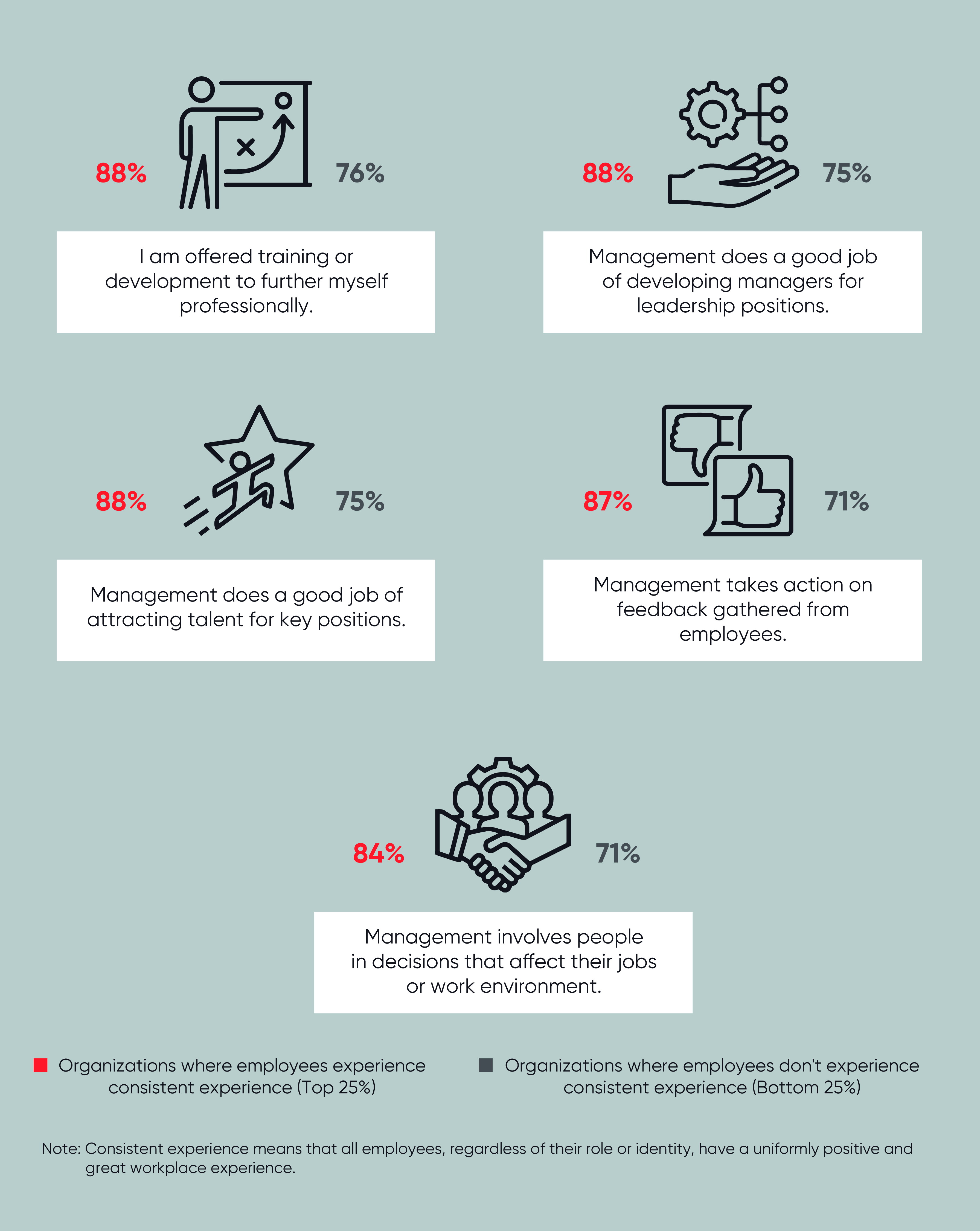
Diversity & Inclusion are essential for creating a workplace where every employee feels valued and empowered. India’s Best Employers Among Nation-Builders 2024 recognize the importance of Diversity, Equity, Inclusion, and Belonging (DEIB), particularly regarding the representation and support of women. These companies have made significant strides in ensuring that their DEIB initiatives are not just policies on paper but are actively implemented and fostered within their organizational culture. Prioritizing a ‘For All’ experience results in a 14% increase in employee perceptions, regarding professional & leadership development, employee involvement in decision-making.

DEIB are essential for creating a workplace where every employee feels valued and empowered.

These initiatives underscore the necessity for companies to make extra efforts towards DEIB and women’s inclusion. Creating dedicated forums for women to voice their concerns and aspirations, offering platforms that recognize and celebrate their achievements, and ensuring leadership support are critical components of these efforts. Such measures not only enhance the sense of belonging among women employees but also drive overall organizational success by leveraging the diverse perspectives and talents within the workforce.

CK Birla Group’s DEI Leadership Connect with Women

The CK Birla Group has implemented a unique initiative known as Diversity Dialogues. This interactive session brings DEI leaders together with all women employees of GMMCO, a CK Birla company, to discuss matters pertinent to women in the workplace. These quarterly meetings cover topics such as job enhancement opportunities, suggestions for workplace improvements, career growth exploration, and leadership support. By gathering inputs from these sessions and sharing them with the CK Birla Group’s DEI forums, the organization ensures that actionable steps are taken to address concerns and promote the interests of women employees.

JSW’s Springboard Initiative

JSW has introduced the Springboard initiative, which highlights the success stories of women within the organization. By showcasing the journeys of dynamic women who have made significant contributions to JSW, this initiative not only celebrates their achievements but also provides inspiration and practical tips for other women aspiring to break through the glass ceiling. These stories serve as powerful agents for peer-to-peer learning, fostering a culture of encouragement and empowerment among women employees.

Focus on Work-Life Balance

Maintaining a healthy work-life balance has become crucial for the well-being and productivity of employees. Work-life balance refers to the equilibrium between professional responsibilities and personal life, allowing employees to pursue personal interests and spend quality time with their families. Companies that prioritize work-life balance tend to have more engaged, satisfied, and loyal employees, which ultimately contributes to the organization’s success.

Achieving a good work-life balance is essential for several reasons. Firstly, it is crucial for mental and physical health, as overworking can lead to stress, burnout, and various health issues, while a balanced lifestyle helps reduce stress and maintain overall health. Secondly, employees who can balance their work and personal lives are generally more productive and perform better at work, as they are more creative and motivated. 

Additionally, companies that support work-life balance are more likely to retain their employees, leading to high retention rates that save costs associated with recruitment and training. Lastly, a supportive work environment that promotes work-life balance increases employee satisfaction and morale, contributing to a positive workplace culture.ife balance increases job satisfaction and morale, leading to a positive workplace culture.
Steel Authority of India (SAIL)’s Shorter Working Period Scheme

SAIL has taken a proactive step to enhance work-life balance through its “Shorter Working Period Scheme.” This policy allows employees to opt for a reduced working period to pursue philanthropic or voluntary activities aimed at societal development. By offering such flexibility, SAIL acknowledges the diverse needs and aspirations of its employees, including women, and supports them in balancing their professional and personal lives effectively. This initiative not only benefits the employees but also encourages a culture of social responsibility and community engagement.

Programs like SAIL’s Shorter Working Period Scheme play a significant role in fostering a healthy work environment. They provide employees with the flexibility to manage their time better, reducing stress and preventing burnout. These programs also reflect the company’s commitment to employee well-being, making it an attractive workplace for current and prospective employees.

Focus on Health & Wellbeing

Today, the challenges posed by modern lifestyles, such as long working hours, increased stress, and sedentary habits, necessitate a proactive approach to maintaining physical and mental health. 

Employee health and well-being have a direct impact on productivity, engagement, and retention. When employees feel physically and mentally well, they are more likely to perform at their best, contribute creatively, and remain committed to their organization. Moreover, a healthy workforce reduces healthcare costs and absenteeism, leading to overall organizational efficiency.

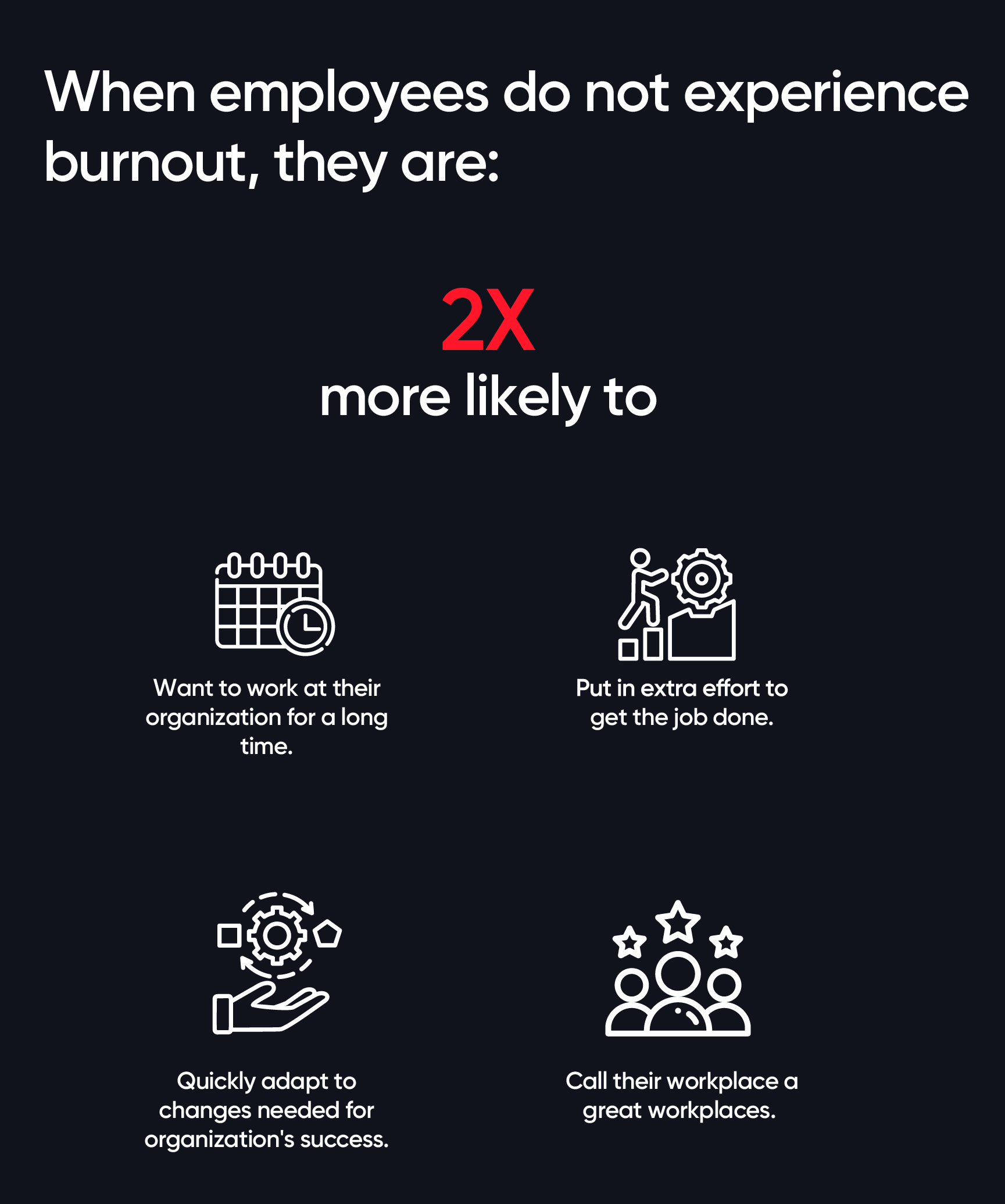
When employees do not experience burnout, they are more productive

Leading companies recognize that the well-being of their employees is integral to their overall success and sustainability. They have implemented comprehensive health and wellness programs that not only address immediate health concerns but also foster long-term wellness and resilience.

HDFC Bank’s Wellness Newsletter

HDFC Bank, under its ‘HDFC Bank Cares’ initiative, publishes a Wellness Newsletter aimed at raising awareness about the importance of health and wellbeing. The newsletter serves as an educational tool, featuring health advisories, informative articles, health tips, and updates. By consistently highlighting health-related topics, HDFC Bank keeps the conversation about wellness ongoing, encouraging employees to take proactive steps toward maintaining their health.

Infosys’ HALE (Health Assessment and Life Enrichment) Program

Infosys has taken significant steps to counter the adverse effects of busy schedules and sedentary lifestyles through its HALE program. HALE addresses both physical and mental health, focusing on employee safety, leisure, and work-life balance. The program provides a proactive approach to health and life enrichment, aiming to increase awareness and promote overall well-being. By fostering a safe work environment and improving productivity levels, HALE ensures that employees are not only healthy but also capable of balancing their personal and professional lives effectively.

India’s top nation builders have demonstrated that investing in employee wellness is not just a moral imperative but a strategic advantage. By prioritizing DEIB, health and well-being, and work-life balance, these companies ensure that their employees are healthy, motivated, and engaged. Through innovative programs and policies, they create workplaces where employee wellness is at the forefront, driving organizational success and sustainability. By setting a benchmark in employee wellness, these leading organizations exemplify how caring for employees can lead to a thriving, productive, and positive workplace. Visit us here to learn more. 

In today’s rapidly changing business environment, the inclusion of all employees, regardless of their role, is more important than ever. Employee inclusion not only fosters a positive workplace culture but also strengthens the overall resilience of an organization. When every team member feels valued and included, companies are better equipped to navigate economic uncertainties and challenges.

Research from Great Place To Work® highlights the significant impact of prioritizing employee experience. During the Great Recession from 2007 to 2009, companies that focused on creating a positive experience for every employee not only avoided the severe impacts of the economic downturn but actually thrived. These companies posted a remarkable 14.4% gain in stock performance, demonstrating that a commitment to employee inclusion and respect translates into tangible business success.

What sets these successful companies apart? It’s their dedication to making every employee feel like a valued teammate. This blog will explore five key practices that help achieve this goal. By implementing these strategies, organizations can ensure that all employees feel respected, included, and motivated to contribute their best efforts, ultimately leading to greater organizational resilience and success.

Foster a Culture of Innovation

Encouraging innovation should not be limited to the C-suite; it should be a company-wide initiative that invites ideas from all levels of the organization. When employees at every level feel that their ideas are valued and can lead to real change, it fosters a more engaged and motivated workforce. This inclusive approach to innovation not only enhances the quality and diversity of ideas but also builds a sense of ownership and commitment among employees.

Sun Pharma, recognized for being one of India’s Best Employers Among Nation- Builders exemplifies this practice through its Ideathon initiative. Ideathon is a structured process designed to gather qualitative ideas aimed at driving process improvements and generating indirect business benefits. The goal is to create a culture where individuals, especially those at the grassroots level, feel empowered to contribute innovative ideas that can be nurtured and developed into successful initiatives.

This program encourages participation from all levels of the organization, ensuring that innovation is not just a top-down directive but a continuous, collaborative effort. By promoting continuous change and improvement, Ideathon helps to cultivate a dynamic and forward-thinking workplace environment.

Recognize and Celebrate Extra Effort for All Roles

Recognizing and celebrating contributions from employees at all levels is crucial for fostering a positive work environment. It’s important to acknowledge the efforts of employees across the organization, not just those in high-profile positions or leadership roles. By consistently recognizing and celebrating the extra effort of employees, you reinforce their value and encourage ongoing dedication and hard work.

Recognition should be an inclusive practice that reflects the diverse contributions of all employees. When employees see that their efforts are acknowledged, it boosts their morale and enhances their sense of belonging within the organization. This inclusive approach to recognition helps build a more engaged and motivated workforce.

Ensure Fair Pay and Benefits

Equitable benefits and pay are fundamental to making employees feel valued and respected. When employees perceive disparities in compensation and benefits, it can lead to feelings of resentment and demotivation. Ensuring fairness in pay and benefits across different roles is essential for maintaining a cohesive and motivated workforce. Equitable compensation practices demonstrate to employees that their contributions are recognized and valued, fostering a sense of loyalty and commitment to the organization.

Best Workplaces Elevating Women’s Workplace Culture Experience

Eliminate Favoritism and Bias

Favoritism and bias can significantly undermine the effectiveness of an organization and erode employee trust. When certain individuals are given preferential treatment based on relationships rather than merit, it creates a perception of unfairness and inequality. This can lead to decreased morale among employees who feel overlooked or undervalued, resulting in disengagement and diminished productivity.

Favoritism and bias in evaluations and promotions also undermine the principles of meritocracy and equal opportunity. When decisions are influenced by personal biases rather than objective criteria, it can prevent deserving employees from advancing and achieving their full potential. This not only affects individual employees but can also hinder overall organizational performance and growth.

To maintain trust and promote equality within the organization, it is essential to ensure that evaluations and promotions are conducted fairly and transparently. Implementing clear, objective criteria for performance assessments and career advancement helps to mitigate the effects of favoritism and bias. By adhering to standardized processes and communicating expectations clearly, organizations can foster a culture of fairness and meritocracy, ensuring that all employees feel valued and have equal opportunities for growth and recognition.

Recognize the Human Story Behind Every Employee

Understanding and appreciating the unique stories and backgrounds of each employee is crucial for building a supportive and inclusive workplace. Every individual brings their own experiences, perspectives, and strengths to the organization. Recognizing these personal stories helps to humanize the workplace, fostering a sense of belonging and respect among employees. When employees feel seen and valued for who they are beyond their job roles, it enhances their engagement and commitment to the organization.

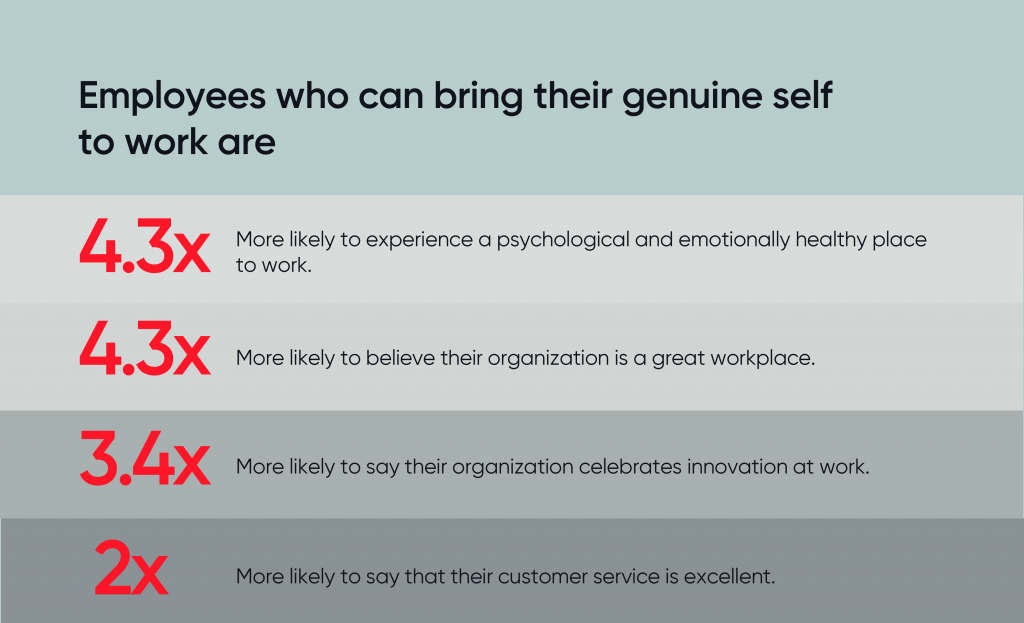
Sharing personal stories within the organization fosters deeper connections and appreciation among team members. When employees are encouraged to bring their whole selves to work, it not only boosts their morale but also enhances their productivity. Feeling valued and understood enables employees to perform at their best, contributing more effectively to the organization’s success. By creating opportunities for employees to share their unique stories and experiences, companies can cultivate a more inclusive and empathetic work environment, driving both individual and collective growth.

Employees who can bring their genuine self to work are more productive.

Creating a workplace where every employee feels valued and included is not just a matter of ethical responsibility; it’s a strategic step that drives organizational success. By fostering a culture of innovation, ensuring fair pay and benefits, recognizing and celebrating contributions, eliminating favoritism and bias, and appreciating the human stories behind each employee, companies can build a resilient and motivated workforce. These practices help create an environment where employees are engaged, productive, and committed to the company’s mission.

The impact of these efforts is profound: not only do they enhance employee satisfaction and retention, but they also lead to improved organizational performance and resilience, especially during challenging economic times. As you implement these strategies, remember that the key to success lies in genuine, consistent efforts to value every team member. When employees feel respected and included, they are more likely to go above and beyond, driving your organization to new heights. Investing in your employees is investing in your future. By making every employee feel like a valued teammate, you create a thriving, dynamic workplace that can weather any storm and emerge stronger. Visit us here to learn more.

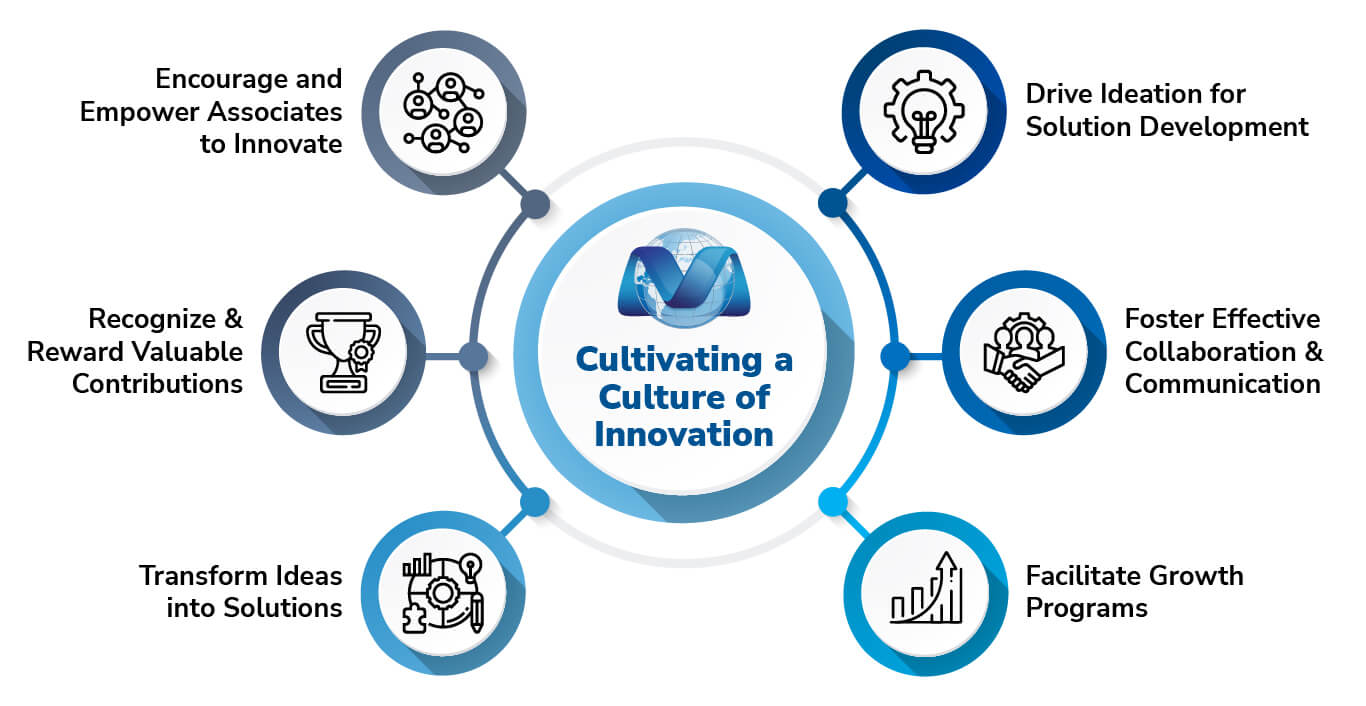
According to Great Place To WorkⓇ ’s research, to cultivate a culture of Innovation By All, it is crucial for organizations to align their innovation practices with employee experiences. This alignment is essential to bridge the gap between the innovation approach and the desired outcomes.

MOURI Tech (P) Limited’s culture reflects this philosophy in many ways, which has enabled it to be one of the Top 50 Companies (in the Large category) in India’s Best Workplaces Building a Culture of Innovation by All 2023 list.

As a Global Enterprise Solutions company operating under the motto ‘Employee First. Customer Foremost’, MOURI Tech’s journey toward innovation has been both challenging and rewarding, marked by bold moves and strategic decisions. By Investing heavily in R&D, and embracing a “fail-fast” mentality, MOURI Tech provided its employees with the necessary freedom and resources to pursue ambitious projects.

MOURI Tech has made significant strides in innovation over the years. One of the key milestones in its innovation journey was the launch of its Artificial Intelligence (AI)-powered platform in 2018 to help businesses automate and streamline their operations using AI and ML algorithms. This platform has been a game-changer for many of MOURI Tech’s customers, enabling them to improve operational and business efficiencies, achieve significant cost savings, and gain a competitive edge in their respective industries.

A major factor in MOURI Tech’s success in innovation has been its culture of experimentation and risk-taking approach. The company encourages its associates (as employees are referred to, here) to think outside the box and explore new ideas and concepts. Leaders here believe that the best ideas come from people who are involved directly with customers, suppliers, and products on a daily basis. MOURI Tech’s Ideation Platform has paved the way for the development of several innovative products & solutions for the clients, thereby helping MOURI Tech to maintain a consistent level of competitiveness.

mouri tech innovation blog-infographic

Here are a few examples of the impact made:

  • As reviewing multiple contracts was becoming a challenge owing to the rapid organizational growth, the Recruitment and AI teams collaborated and came up with an AI-enabled process that could wrap up reviews in 80% less time and with 40% more accuracy.
  • The Recruitment and AI teams also came together to develop an AI-based Resume Scoring Solution to decrease profile screening time by 90%.
  • An idea shared by an associate, about developing a solution that helps read through emails and create a Customer Sales Order form, thus bypassing the need to read through a huge number of emails from a vendor for orders. This has been well received in the market as an efficient, employable product.

As the technology landscape continues to evolve, MOURI Tech is well-positioned to lead the way in innovation and help organizations across the globe achieve their digital transformation goals and through it, sustained growth.

Learn more about MOURI Tech (P) Ltd, a Great Place to Work.

Our recent report on India’s Best Employers Among Nation Builders highlights impressive economic strides India has made and its projected future growth. Best Employers among Nation-Builders have set an indelible mark by contributing a global annual revenue of Rs. 18,00,000Cr.+, boosting an employee headcount of 10L. These exemplary employers have collectively generated an astounding global annual revenue of Rs. 18,00,000 crore and boosted employment with a workforce exceeding 10 lakh. From export growth and global economic contributions to sectoral advancements in manufacturing, financial services, biotechnology, healthcare, information technology, and construction, we’ll dive into the extraordinary impact of these organizations.

 India’s Growth Story 

India’s economic progress in recent years has been remarkable. Substantial growth in various sectors has been driven by the contributions of the nation’s leading employers, who are recognized as India’s Best Employers Among Nation – Builders. These organizations play a pivotal role in this economic transformation. 

Export Growth 

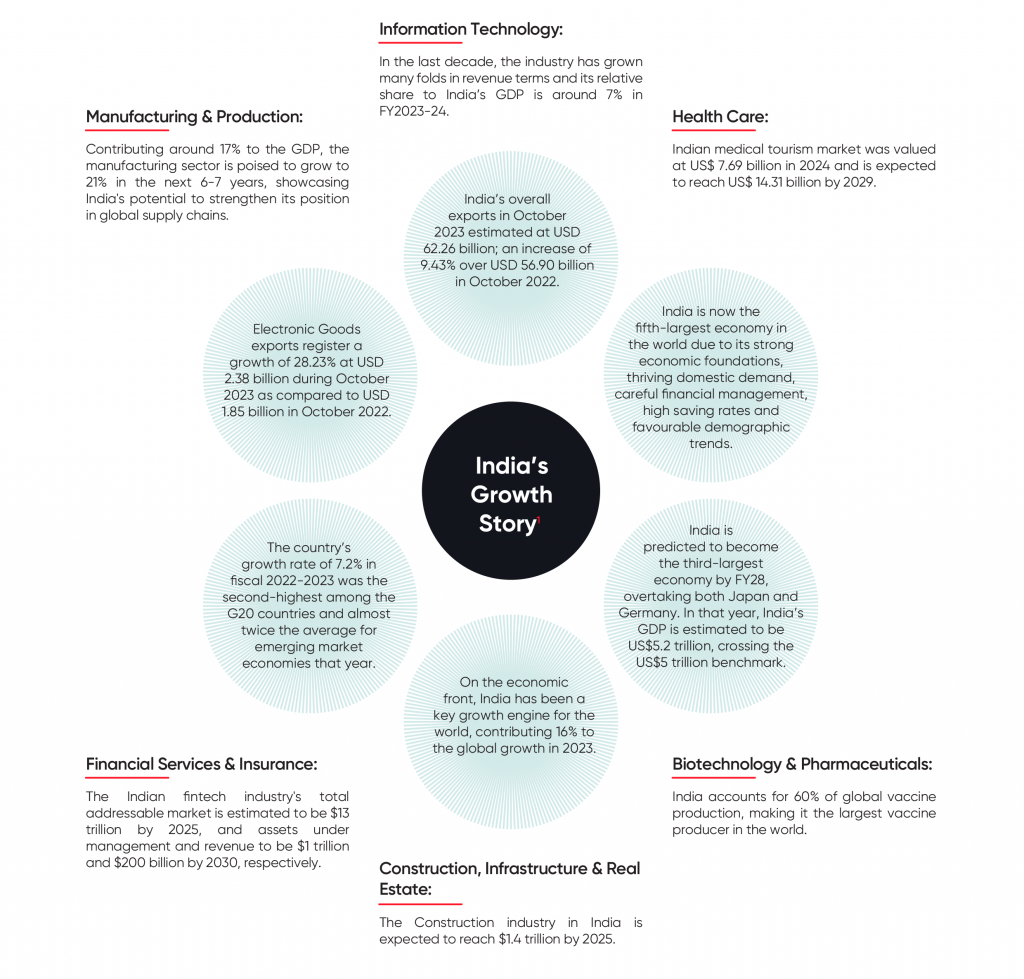
  • Electronic Goods Exports: In October 2023, India registered a 28.23% growth in electronic goods exports, reaching USD 2.38 billion, up from USD 1.85 billion in October 2022. This surge reflects the enhanced capabilities and global competitiveness of India’s manufacturing sector, which is bolstered by innovative practices and investments from leading employers. 
  • Overall Exports: India’s overall exports in October 2023 were estimated at USD 62.26 billion, marking a 9.43% increase from USD 56.90 billion in October 2022. This growth underscores the diverse and dynamic nature of India’s export sectors, including textiles, pharmaceuticals, and IT services, driven by companies that foster a culture of excellence and innovation

Global Economic Contribution 

  • Key Growth Engine: On the global stage, India contributed 16% to global growth in 2023. This significant contribution highlights India’s role as a major player in the global economy, supported by the strategic initiatives and robust performances of its leading corporations. 
  • Future Economic Projections: India is predicted to become the third-largest economy by FY28, overtaking both Japan and Germany, with an estimated GDP of USD 5.2 trillion. This projection is a testament to the strategic foresight and sustainable practices adopted by the nation’s top employers, which are instrumental in driving long-term economic growth.

 Domestic Economic Strength 

  • Growth Rate: In fiscal year 2022-2023, India achieved a growth rate of 7.2%, the second-highest among G20 countries and nearly double the average for emerging market economies. This impressive growth rate is reflective of the effective leadership, resilient business strategies, and innovative approaches of the nation’s best employers. 
  • Economic Foundations: India is now the fifth-largest economy in the world, thanks to its strong economic foundations, thriving domestic demand, careful financial management, high saving rates, and favorable demographic trends. The report highlights how leading organizations contribute to these foundations through their commitment to sustainable growth, employee development, and community engagement. 

Sectoral Contributions 

  • Contributing around 17% to the GDP, the manufacturing sector is poised to grow to 21% in the next 6-7 years. This growth showcases India’s potential to strengthen its position in global supply chains, supported by companies that invest in cutting-edge technologies and workforce skills development. 

Manufacturing & Production 

  • The Indian fintech industry is projected to have a total addressable market of $13 trillion by 2025. By 2030, assets under management are expected to reach $1 trillion, with revenue estimated at $200 billion. 

Financial Services & Insurance 

  • India is the largest vaccine producer globally, accounting for 60% of the world’s vaccine production. 

Biotechnology & Pharmaceuticals 

  • The Indian medical tourism market, valued at $7.69 billion in 2024, is anticipated to grow to $14.31 billion by 2029. 

Health Care 

  • Over the past decade, the health care industry has seen substantial revenue growth. Its contribution to India’s GDP stood at around 7% in FY2023-24. 

Information Technology 

  • The Indian construction industry is projected to reach a market size of $1.4 trillion by 2025. 

Construction, Infrastructure & Real Estate 

  • The construction industry in India is forecasted to achieve a market value of $1.4 trillion by 2025. 

These organizations are recognized not only for their economic contributions but also for their leadership in creating positive workplace cultures, fostering innovation, and driving social change. They are pivotal in shaping a prosperous future for India by setting benchmarks for excellence and inspiring other businesses to follow suit. 

Driving Economic and Social Impact

The Ministry of Corporate Affairs reports that there are more than 1.6 million active companies in India as of November last year. However, very few of these companies make a significant impact on the Indian economy. Recognized by Great Place To Work®, the Best Employers among Nation-Builders distinguish themselves by driving the country’s GDP growth, exports, and employment far more effectively than their peers. These organizations are steadfast in their vision of making India a great place to work for all, proactively contributing to social change and environmental sustainability. 

Our research finds that employees at the Best Employers among Nation-Builders take immense pride in their work and its contribution to society. These companies actively provide their employees with opportunities for growth and development, ensuring a safe and meaningful work environment. 

Employee Pride and Trust 

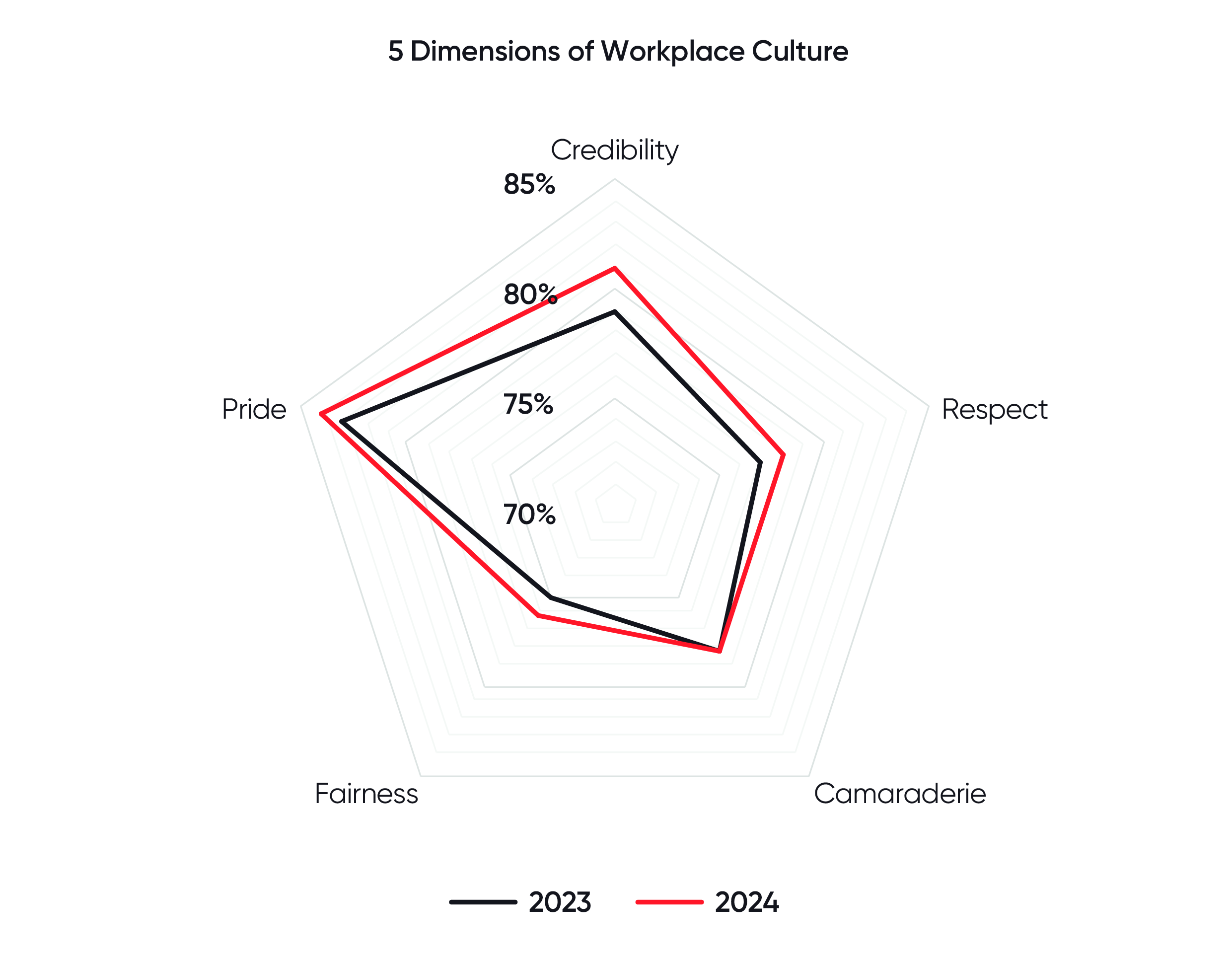
A remarkable 84% of employees at the Best Employers among Nation-Builders take pride in their work, their job, and their organization. In 2024, the Trust Index Grand Mean at these organizations rose by 1%, reaching an impressive 79%. Additionally, 83% of employees believe that, considering everything, their workplace is great for them. These figures highlight the strong sense of pride and trust that employees feel, underscoring the positive work environments fostered by these leading employers. 

The Trust Index Grand Mean at Best Employers among Nation-Builders
rose by 1% in 2024, reaching 79%. Additionally, 83% of employees say that taking
everything into account, it’s a great workplace for them.

Workplace Satisfaction Among Female Employees 

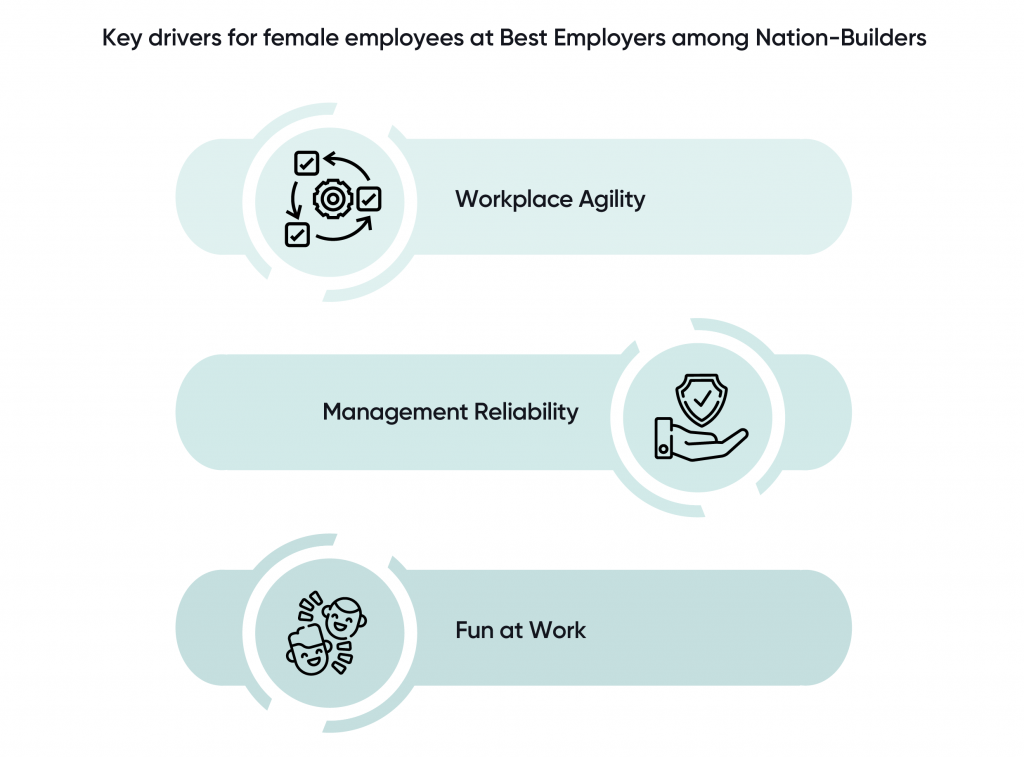
In 2024, the Best Employers among Nation-Builders employ over 200,000 female employees, with 78% of them reporting that, considering everything, it’s a great workplace. This satisfaction rate is 5% lower than that of male employees. Our research highlights that a reliable, fun, and agile workplace are key drivers of satisfaction for female employees at these leading organizations. 

However, areas of improvement for female employees remain fairness in pay, fair share and workplace politics compared to male peers. 

Gen Z Workplace Satisfaction 

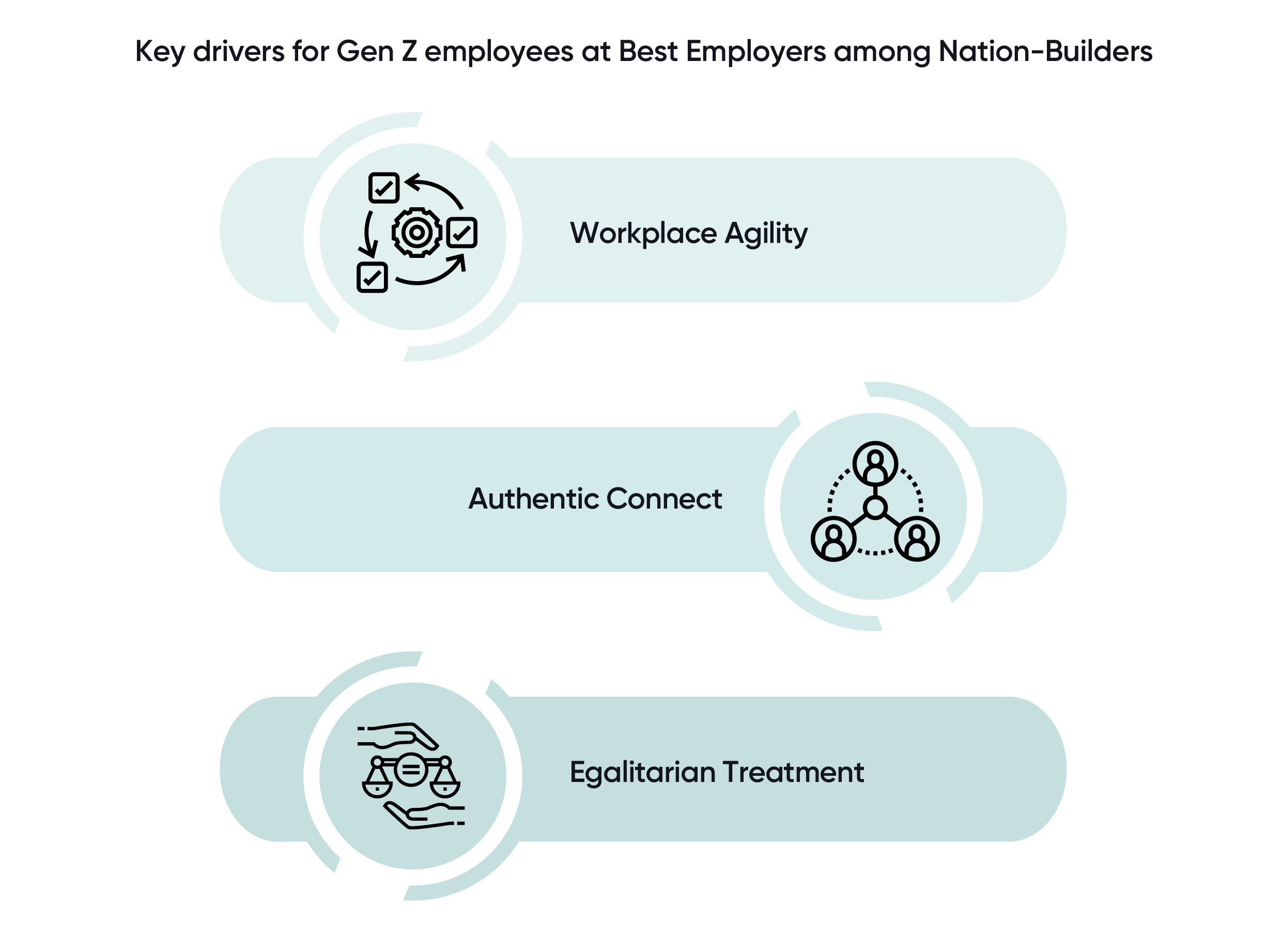
In 2024, the Best Employers among Nation-Builders employ over 190,000 employees who are 25 years old or younger, with 79% of them stating that, taking everything into account, it’s a great workplace. Our research indicates that an agile work environment, authentic connections, and egalitarian treatment are key drivers of workplace satisfaction for Gen Z employees at these leading organizations. 

Additionally, compared to others, Gen Z employees feel less positive about staying in the organization for a long time, making a difference, and being in a psychologically and emotionally healthy workplace.

Key Drivers for Gen Z - Workplace Agility, Authentic Connect and Egalitarian Treatment

Employee Pride and Perception Improvements at Best Employers Among Nation-Builders

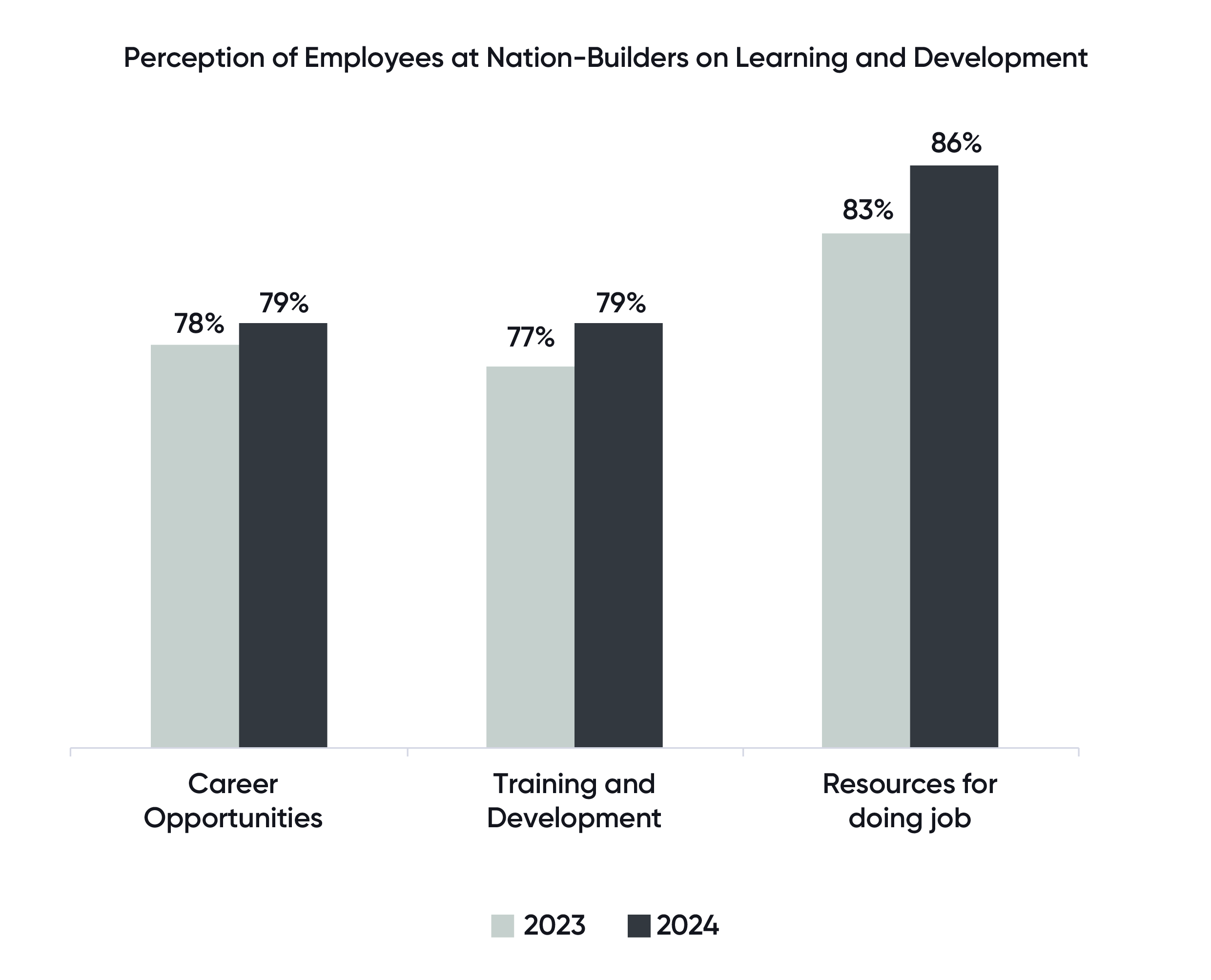
In 2024, 88% of employees at the Best Employers among Nation-Builders are proud to tell others where they work. Employee perceptions have improved by 1-3% compared to 2023 in areas such as career opportunities, training and development, and resource availability.

Furthermore, training and development initiatives play a crucial role for Best Employers among Nation-Builders, where, on an average, every employee experiences 100+ hours of training per year.

Perception of Employees - 
Career Opportunities: 78% in 2023 and 79% in 2024
Training and Development: 77% in 2023 and 79% in 2024
Resource for doing job: 83% in 2023 and 86% in 2024

The Best Employers among Nation-Builders are not just driving India’s economic growth but are also setting new benchmarks for workplace excellence. Through innovative practices and strategic foresight, these organizations foster a sense of pride and trust among their employees, ensuring that they feel valued and engaged. Their exemplary practices serve as an inspiration for other businesses, highlighting the importance of aligning economic success with employee well-being and societal impact. Visit us here to learn more.

Mid-sized organizations are crucial to India’s economic growth, contributing over 29% to the GDP, 50% to exports, and employing over 110 million people. In 2024, there was a minor decline in workplace culture for mid-sized organizations, with the Trust Index score dropping by 1% to 83%. Despite this, employees still regard their workplaces positively.

Cultural Landscape of Mid-size Organizations

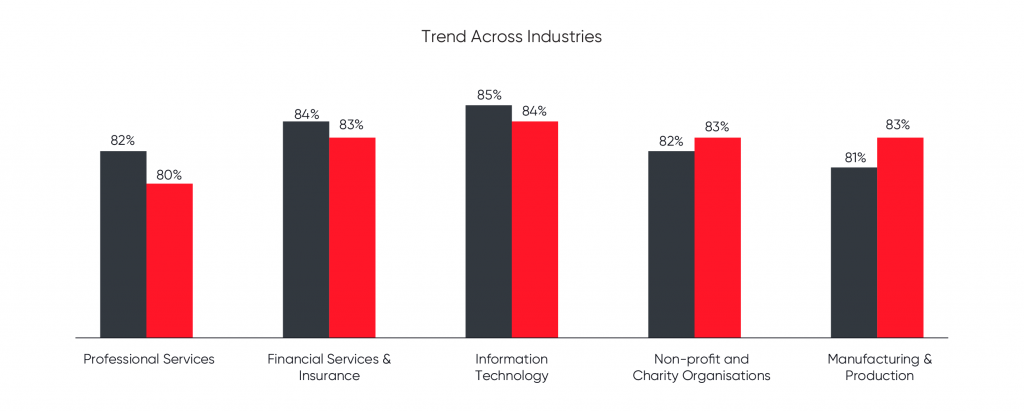
The decline varied across industries, with sectors like IT and BFSI experiencing a 1-2% decrease, while NGOs and Manufacturing saw a 1-2% increase. Key demographics, especially women, showed a need for fairer pay, recognition, and less favoritism. Addressing these issues could lead to greater career growth opportunities and long-term retention for female employees.

Mid-sized organizations’ strengths include high levels of employee pride, ethical management, and a welcoming environment. Notably, 89% of employees rate their management as competent, feel welcomed, believe their service is excellent, and are proud of their workplace. Additionally, 88% feel management is honest and ethical and that their organization contributes positively to society.

Mid-sized organizations demonstrate resilience through high standards of workplace culture, which is essential for employee satisfaction, innovation, and competitiveness in India’s evolving economy. Addressing innovation opportunities and demographic-specific concerns can further enhance their success.

Key Drivers of the Mid-size Workforce in 2024

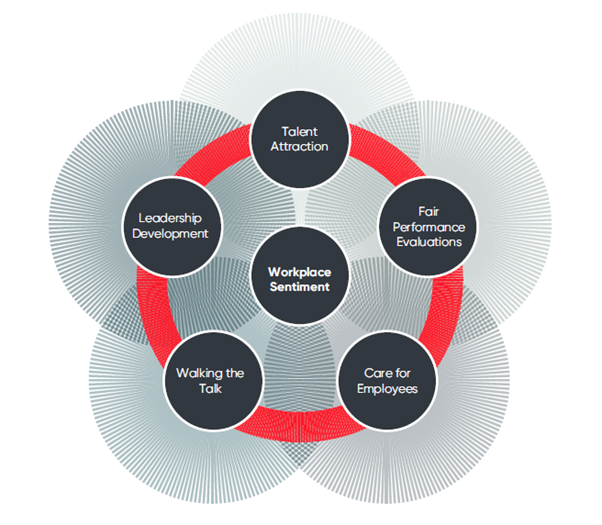
Our research finds that, in 2024, Fair Performance Evaluations, Care for Employees, Walking the Talk, Leadership Development, and Talent Attraction are key drivers of workplace satisfaction for employees in mid-size organizations. 

These drivers reflect a need for a balanced emphasis across various management practices. Fair Performance Evaluations promote transparency and a sense of value, while Care for Employees fosters a sense of belonging. Walking the Talk builds trust by aligning leadership actions with stated values.

Investing in Leadership Development ensures a stable leadership pipeline and fosters growth. Effective and efficient Talent Attraction ensures cultural alignment and fresh innovation while minimizing disruption. When leaders and organizations prioritize these drivers, they collectively shape vibrant workplaces where employees flourish, contributing to organizational success and sustainability.

Key Drivers of the Mid-size Workforce in 2024

Importance of Investing in Key Drivers

Best Workplaces, scoring an average of 7% higher on these key drivers than Other Workplaces, underscore the importance of the right vision and effective implementation of these aspects to cultivate a thriving workplace culture. 
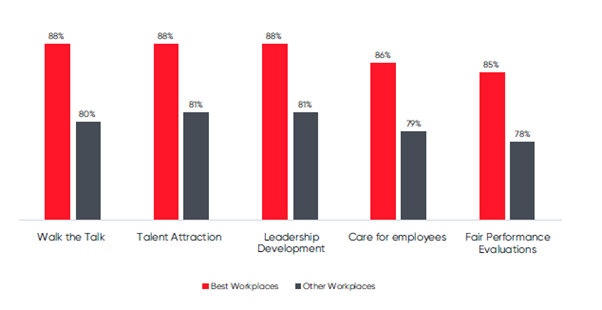
When organizations focus on these key drivers, employees are:

  • 4X more likely to say that they experience a great workplace.
  • 4X more likely to say that they look forward to going to work.
  • 3X more likely to express a desire to remain with the organization long-term.
  • 2X more likely to say that people are willing to go the extra mile to get their work done.

Best Workplaces Exhibit Great Workplace Experience

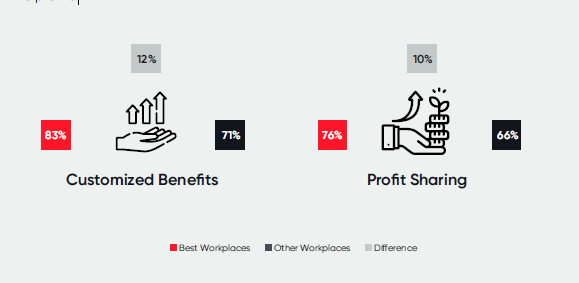
The Trust Index Score for Best Workplaces stands at 89%, compared to 83% at other workplaces. This 6-point difference underscores the greater levels of trust employees have in Best Workplaces. Furthermore, 92% of employees at Best Workplaces report experiencing a great workplace culture, which is 6% higher than the satisfaction rate at other workplaces.

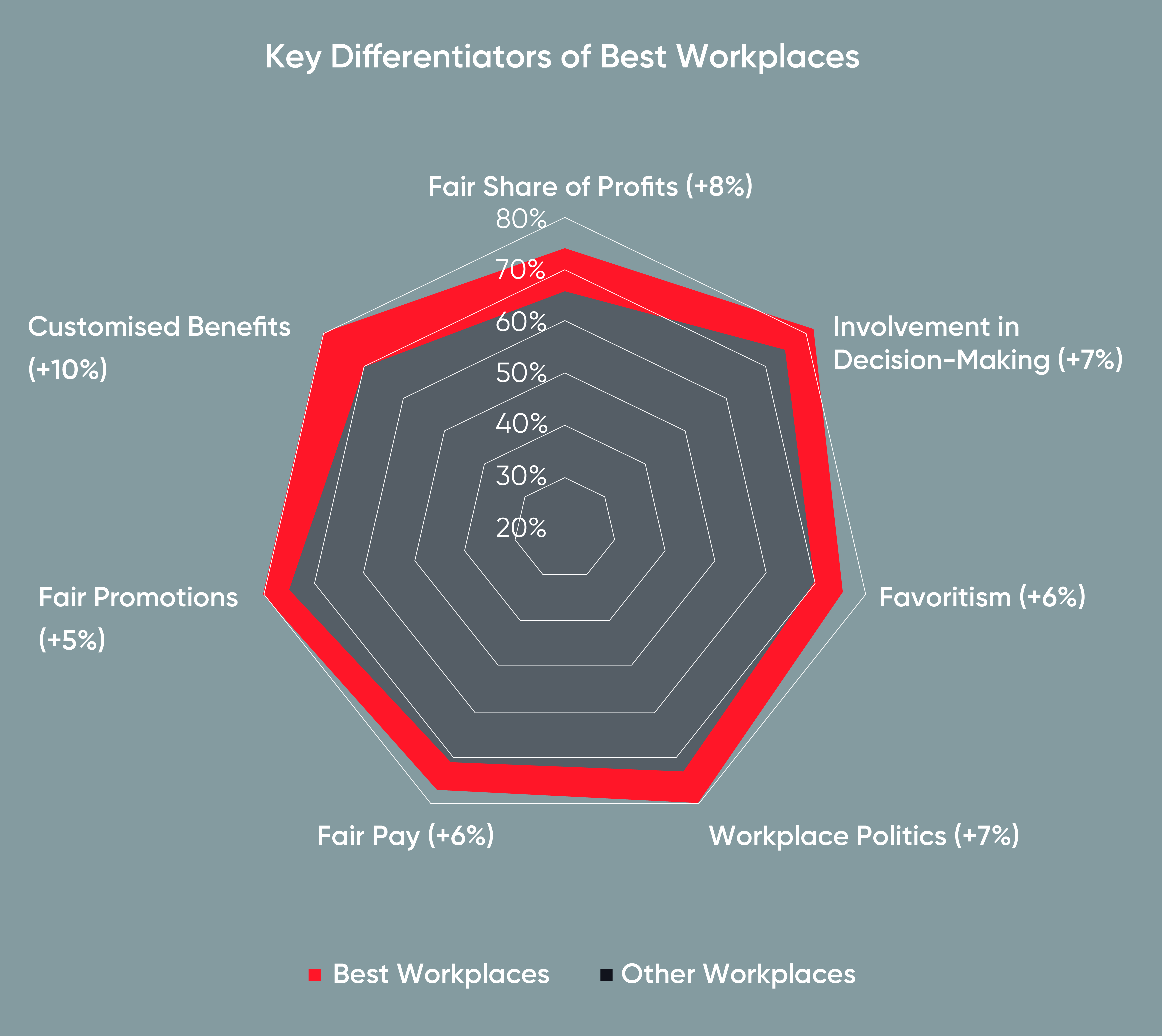
Best Workplaces typically score higher in areas like unique benefits, fair compensation, work-life balance, employee involvement in decision-making, responsiveness to feedback, seamless transitions, an enjoyable work environment, professional development opportunities, and minimizing office politics. These factors set them apart from other workplaces. The most significant gaps are in providing special and unique benefits and ensuring employees receive a fair share of the profits.

Best Workplaces Exhibit Great Workplace Experience

Business Outcomes of Being a Great Mid-size Workplace

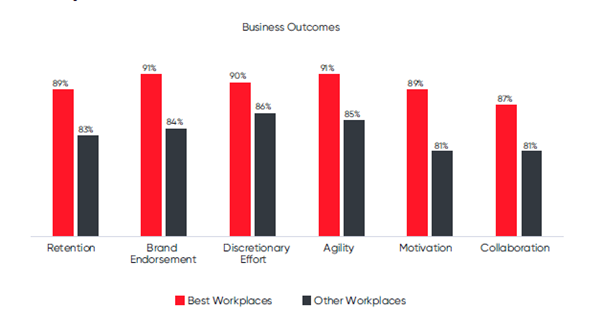
On average, Best Workplaces demonstrate 6% higher Retention, Brand Endorsement, Discretionary effort, Agility, Motivation, and Collaboration levels than Other Workplaces.

This underscores that fostering a great workplace culture not only benefits employees but also significantly enhances business outcomes.

Business Outcomes of Being a Great Mid-size Workplace

As mid-size organizations in India navigate the evolving workplace culture landscape, proactive measures are crucial for sustained success and competitiveness. By implementing targeted interventions for specific demographic segments and tailoring strategies to industry specifics, organizations can effectively address challenges and seize growth opportunities. Prioritizing key drivers such as fair performance evaluations, employee care, authentic leadership, leadership development, and talent attraction sets the stage for creating vibrant, inclusive workplaces where employees thrive. Continuous feedback mechanisms and adherence to best practices enable organizations to adapt and evolve, driving long-term engagement and success.

Looking ahead, mid-size organizations should embrace these strategic recommendations to shape a future where workplace culture, a cornerstone of organizational identity, accelerates business outcomes. By fostering environments that prioritize fairness, empathy, and talent development, organizations can attract and retain top talent while encouraging a culture of innovation and collaboration. These efforts will position mid-size organizations as industry leaders, driving positive change and contributing to the overall growth and prosperity of the Indian business landscape. Visit us here to learn more.

Mid-sized organizations are the backbone of India’s economic growth, playing a vital role in GDP contribution, exports, and job creation. These organizations contribute over 29% of India’s GDP and account for 50% of the country’s total exports. They are instrumental in the manufacturing sector, producing one-third of the output and employing over 110 million people. This makes them crucial to the economy and significant in creating employment opportunities across both urban and rural areas.

Recognizing the importance of mid-sized organizations, the Indian government has introduced various supportive schemes and initiatives. Programs such as SME Samadhaan, Udyog Aadhaar, and Mudra aim to provide financial assistance, simplify regulatory processes, and promote innovation within the sector. This governmental support is essential in helping mid-sized organizations overcome challenges and thrive in a competitive business environment.

For mid-sized organizations in India, it is critical to focus on enhancing business competence, nurturing leadership development, and optimizing employee benefits. Providing a fair share of profits and ensuring transparent, merit-based advancement opportunities are key strategies for sustaining a positive workplace culture. Excelling in these areas not only benefits employees but also drives business success, as evidenced by the performance of Best Workplaces.
Minor Decline in Workplace Experience for Employees in Mid-Sized Organizations

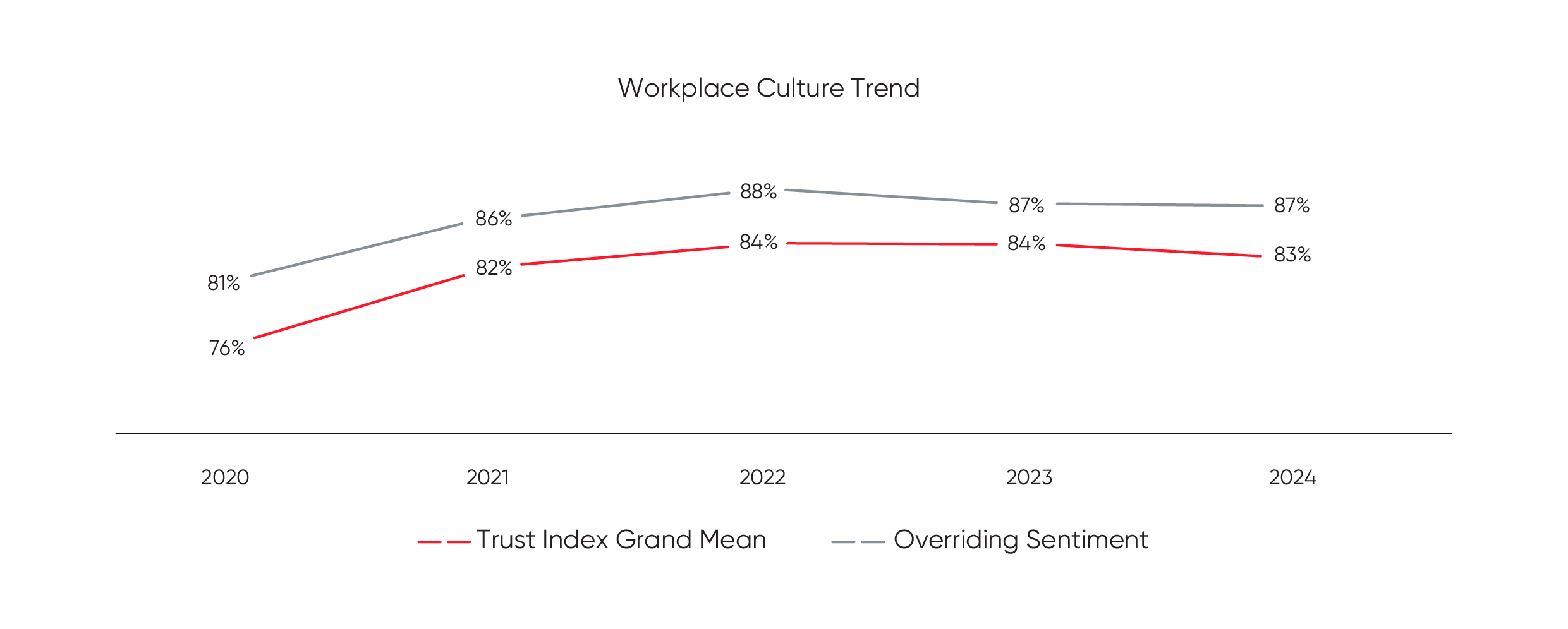
In 2024, the workplace culture experience among mid-sized organizations in India saw a slight decline of 1%. The Trust Index score for these workplaces also experienced a minor decrease of 1% compared to 2023, bringing it to 83%. While this decline is modest, it underscores the importance for organizations to focus on maintaining and enhancing employee trust and satisfaction. Despite these challenges, employees continue to regard their organizations as great places to work, reflecting the resilience of workplace culture.
Minor Decline in Workplace Experience for Employees in Mid-Sized Organizations.

The trend varies across industries. Major sectors like IT, BFSI, and Professional Services experienced a decline of 1-2%, while industries such as NGOs and Manufacturing saw an increase of 1-2% in employee experience compared to last year.

The graph shows the trend across industries. Sectors like IT, BFSI, and Professional Services experienced a decline of 1-2%, while industries such as NGOs and Manufacturing saw an increase of 1-2% in employee experience compared to last year.

Decline in Workplace Sentiment Among Key Demographics

Even though most areas of workplace culture have remained stable at an overall level, we observed a decline in a few sentiments among key employee demographic groups.

Decline in Workplace Sentiment Among Key Demographics.

Women Employees Seek Fairer Pay, Recognition and Less of Favouritism.

Areas with the highest difference in sentiment between men and women: Fair Pay (-6%), Recognition (-5%), and Favoritism (-5%).

When organizations address these issues, female employees are:

  • 3X more likely to experience career growth opportunities
  • 2X more likely to express a desire to stay with their organization long-term.
  • 2X more likely to experience a great workplace.

Strengths to Sustain: What’s Working for Mid-size Workplaces

Despite a slight decline in overall workplace culture scores in 2024, mid-sized organizations in India continue to excel in critical areas such as employee pride, ethical management practices, and a welcoming environment. These strengths, combined with high levels of management competence, form a robust foundation that supports a positive and productive work environment.

For every 2 employees that don’t experience innovation opportunities, there are 9 employees ready to innovate, highlighting the potential for growth in fostering a more innovative workplace culture.
Key highlights include:

  • 89% of employees rate their management as competent, ensuring effective leadership and operational efficiency.
  • 89% of employees feel welcomed when they join the organization.
  • 89% of employees believe their customers would rate their service as ‘excellent,’ reflecting high customer service standards.
  • 89% of employees feel they have the necessary resources and equipment to perform their duties efficiently.
  • 89% of employees are proud to tell others they work here, fostering a strong sense of pride and advocacy within the organization.
  • 88% of employees express that management is honest and ethical in its business practices.
  • 88% of employees feel good about how their organization contributes to society.

These statistics demonstrate the resilience and strength of mid-sized organizations in India, showcasing their ability to maintain a high workplace culture standard even amidst challenges.

Mid-size organizations in India demonstrate a resilient workplace culture, underscored by high levels of safety, fairness, and management competence. These attributes foster an environment where employees feel valued and supported. Maintaining and building upon these strengths is crucial for mid-size organizations to enhance employee satisfaction, drive innovation, and remain competitive.

Mid-sized organizations in India showcase a resilient and dynamic workplace culture, even amidst slight overall scores decline. Key strengths, including high levels of employee pride, ethical management practices, and a welcoming environment, provide a robust foundation for these organizations. By addressing areas such as innovation opportunities and demographic-specific concerns, mid-sized companies can further enhance employee satisfaction and drive business success. The continued focus on maintaining high standards of workplace culture is essential for sustaining growth, fostering innovation, and remaining competitive in India’s rapidly evolving economic landscape. Visit us here to learn more.

Camera red icon

LIVE WEBINAR WITH Q & A

certification-badge-2026-rhc4efc9ny04x7lz17jff7guyhsup5b0yvrou4vd72

The Certification Advantage: Why Partner with Great Place To Work®

How partnering with Great Place To Work can strengthen your people strategy, and drive business outcomes through data-driven insights and Certification.

prasad-kachraj

Prasad Kachraj

Managing Director, Great Place To Work, India

23rd September 2026  |  4.00 PM - 4.30 PM IST

Register Now