As workplace wellness continues to rise on corporate agendas, insights from Great Place To Work®’s report on India’s Best Workplaces in Health & Wellness 2023 reveal innovative strategies that organizations are implementing to foster a culture of health, wellness, and support for employees. Here’s a breakdown of some of the best practices championed by top-performing companies, which can serve as a model for others striving to improve employee well-being.

Mental Health Support

Mental health is no longer an afterthought but a priority. Best workplaces understand the profound impact mental wellness has on productivity and retention, implementing a variety of support measures:

Around 73% of organizations offer access to counseling, with 71% extending these benefits to family members. This support aids employees in managing stress, anxiety, and depression.
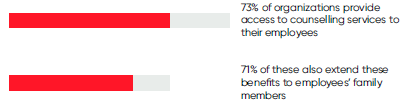
73% of organizations offer access to counseling, with 71% extending these benefits to family members.

Volkswagen Group’s program on Nurturing Emotional well-being equips people managers to support their teams’ emotional health. Under the guidance of the Chief People Officer and psychologists, managers learn to identify signs of distress, subtle cues, and effective communication techniques. A glossary of sensitive questions are shared that aid in tackling difficult conversations, while the program encourages proactive help-seeking.

At Quantiphi Analytics Solution Private Limited, leaders propagate Zen Days. Once every month, they hold a no-meeting day for all their employees. Leaders do not only practice this themselves but also encourage their teams to do so. This also forms a part of the OKRs (Objectives and Key Results) for the leaders. Initiatives like these reduce burnout and foster a sustainable work environment.

Physical Health Programs

Physical health is an essential component of wellness, and companies are evolving their approach from basic healthcare to more proactive initiatives.
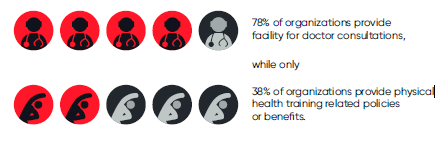
78% of organizations provide facility for doctor consultations, while only 38% of organizations provide physical health training related policies or benefits.

Acquia India Pvt. Ltd. provides a holistic and flexible health insurance benefit. Each employee is allowed to select the coverage options that meet their needs, and the entire cost is borne by the organization. Parents are covered by default in all policies. Above the regulars, the policies also cover IPD, OPD expenses, IVF treatment, psychiatric ailments etc.

H & R Block (India) Pvt. Ltd. organized a free cancer screening session at the premises with the objective of raising awareness about early diagnosis, which plays a vital role in saving lives. This preventive health initiative helped around 300 associates to participate in the awareness sessions and the screening that followed.

Social Wellbeing Initiatives

A sense of community at work fosters social connections and reduces isolation, which is critical for mental wellness.
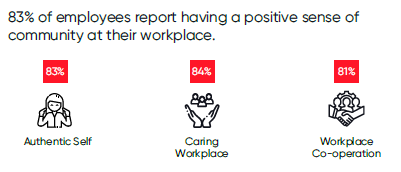
83% of employees report having a positive sense of community at their workplace.

Flipkart’s Daan Utsav Campaign, which includes blood donation drives and community-building events, strengthens team bonds and encourages a culture of giving back. Meanwhile, Accenture’s “Passion Clubs” support hobbies like photography, sports, and cooking, allowing employees to connect over shared interests.

A robust sense of community is reported among 83% of employees at the best workplaces. By creating inclusive environments, companies are supporting social health and workplace cohesion.

Professional Growth and Development

Best workplaces prioritize career progression and continuous learning, which helps employees feel fulfilled and motivated.
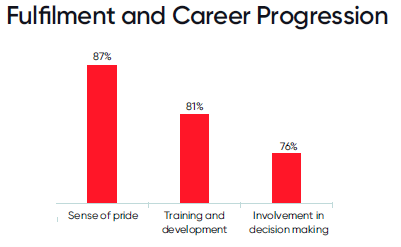
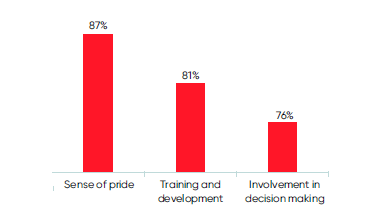
Graph talks about Fulfilment and Career Progression

At First American (India) Private Limited, the five-month Aspiring SME Program equips high-potential employees with leadership skills, contributing to their long-term growth within the organization.

Capgemini Technology Services’ “SheLeads” program pairs women employees with senior leaders to foster leadership development, breaking down barriers to career advancement and promoting gender equality.

Providing effective training and upskilling opportunities demonstrates an organization’s commitment to professional development. This approach boosts morale, enhances job satisfaction, and keeps the workforce engaged.

Employee Autonomy and Empowerment

Empowerment in decision-making builds trust and promotes a sense of ownership among employees.

Leading organizations involve employees in decision-making, which fosters a sense of responsibility and belonging. This engagement creates a culture where employees feel valued and invested in the company’s success.

Allowing flexibility in work schedules and supporting remote work options gives employees autonomy in managing their work-life balance, reducing stress and burnout.

Addressing Burnout

Burnout is a growing concern. Effective strategies for addressing burnout include:
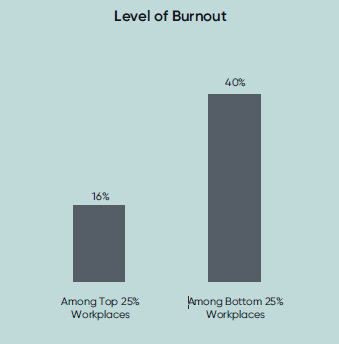
Level of burnout in organizations

Policies like no-meeting days, wellness breaks, and structured work hours help reduce burnout. 

Companies encourage employees to set boundaries between work and personal life, enhancing productivity and minimizing exhaustion. These efforts create a sustainable work culture where employees feel supported and motivated.

Recognition and Rewards

Recognizing employee contributions and celebrating achievements boosts morale and motivation.

Acquia India’s Spot Bonus program recognizes innovation and exemplary work with financial rewards, creating a culture of appreciation and encouraging employees to go above and beyond.

Public acknowledgment of employees’ efforts during team meetings or on internal communication platforms fosters a positive work environment and enhances employee loyalty.

Building a Culture of Psychological Safety

Psychological safety encourages employees to express ideas, take risks, and speak up without fear of negative consequences.
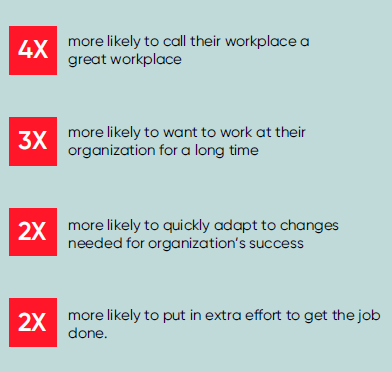
Effects of cultivating psychological safety at the workplace

Leaders who openly discuss their wellness journeys foster an environment of empathy. This transparency helps bridge the gap between management and non-managerial employees, as they see leadership investing in their wellbeing.

Implementing clear and effective mechanisms for addressing workplace wellness issues assures employees that their voices are valued, and concerns will be addressed promptly.

By adopting these practices, organizations can foster an environment where employees feel supported, engaged, and motivated, ultimately contributing to a healthy, productive, and innovative workforce. As organizations continue to prioritize wellness, the impact on business outcomes becomes clear: motivated employees lead to stronger brands, enhanced productivity, and long-term success.

Get Certified to Showcase Your Commitment    

Achieving Great Place To Work Certification  is an excellent way to demonstrate your organization’s commitment to employees’ overall well-being and experience. This Certification not only enhances your employer branding but also helps attract and retain top talent. It highlights to current and prospective employees that your organization values their overall well-being, fostering an environment where they feel appreciated and supported.

By implementing a culture of trust, respect, and collaboration, you can create a workplace where employees feel valued and connected. Certification also provides a benchmark for continuous improvement, helping you identify areas where you can further enhance employee well-being and overall workplace culture.

For All Summit 2025: Vision to Value – Building Workplaces That Matter

Join us on February 6, 2025, in Mumbai for an enlightening day filled with insights on creating sustainable, humane, and inclusive workplaces. Learn from industry leaders about purpose-driven cultures, innovative HR practices, and adaptive leadership strategies.

Get your passes today – https://testg.in/for-all-summit
Banner for registering for the Great Place To Work® For All™ Summit 2025

Today, psychological and emotional safety have emerged as crucial factors that define a positive work environment. This importance is especially pronounced for women, who often face unique challenges that affect their emotional and psychological well-being at work. India’s Best Workplaces for Women 2024 report by Great Place To Work® India highlights that when organizations commit to emotional safety for female employees, the results show increased retention, higher engagement, and a boost in overall workplace satisfaction. Creating a supportive environment where women feel safe, valued, and fairly treated is not only ethical but also beneficial for businesses, as it enhances productivity, commitment, and innovation.

Understanding Psychological and Emotional Safety

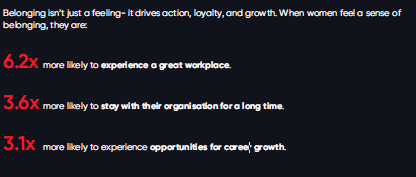
Psychological and emotional safety refers to an environment where employees feel secure, valued, and free to express their ideas without fear of negative consequences. For women, this safety encompasses fairness in opportunities, recognition, support for work-life balance, and trust in leadership. According to the report, organizations that excel in promoting psychological and emotional safety experience greater levels of employee engagement and well-being among their female workforce. Our report shows that when women experience a sense of belonging, they are over 6 times more likely to consider their workplace a “great place to work.”

Such findings underscore the importance of fostering an inclusive culture that not only values but also visibly supports women. Emotional safety enhances focus, productivity, and resilience, allowing female employees to bring their full potential to work.

Key Areas to Boost Psychological and Emotional Safety for Women

Fairness and Respect

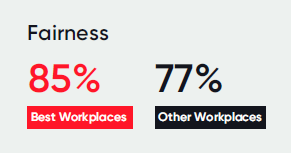
Fairness and respect in the workplace are foundational to emotional safety. They foster a sense of belonging and trust among employees, particularly women, who often encounter systemic biases. In the best workplaces, 85% of women feel they are treated with fairness, as compared to 77% in other organizations. Women in these supportive workplaces also reported an 11% higher sense of belonging, which directly correlates with retention and satisfaction. 

In the best workplaces, 85% of women feel they are treated with fairness, as compared to 77% in other organizations

Fairness in performance evaluations and opportunities for growth is essential. At the best workplaces, 83% of women feel fairly evaluated, which is comparable to the 84% satisfaction rate among men, highlighting a commitment to equity. This indicates that workplaces valuing fairness reduce the gender experience gap and encourage women to thrive by providing a level playing field in areas like promotions, role responsibilities, and performance recognition.

Work-Life Balance

For many women, balancing professional and personal responsibilities is a significant aspect of workplace satisfaction. 

Women in the best workplaces report having up to 9% more positive experiences related to work-life balance and retention drivers compared to those in other workplaces. These organizations offer benefits like mental health days, hybrid work options, and flexible hours that acknowledge and support women’s unique needs, helping them feel valued and understood.

Creating a work-life balance is essential not just for job satisfaction but also for mental well-being. Organizations that provide flexible working arrangements, paid parental leave, and affordable childcare options cultivate a culture that recognizes and supports the personal lives of female employees. Such policies reduce stress and increase loyalty, as women feel they can pursue a career without sacrificing family responsibilities.

Trust in Leadership

A culture of trust between leadership and employees is critical for fostering emotional safety. When female employees trust their leaders, they are more likely to be engaged and committed to their roles. Trust is a key driver of retention, with 87% of women at the best workplaces expressing trust in leadership, as opposed to 80% at other workplaces.

Organizations with high levels of trust also experience a higher retention rate (87%) among female employees, compared to 83% at other workplaces.

Actions such as transparent communication, addressing employee concerns, and demonstrating empathy help build trust in leadership. Leaders can also foster emotional safety by actively supporting career development through mentorship, skill-building opportunities, and recognition of contributions. These practices signal that leadership values the contributions of female employees, promoting loyalty and a sense of belonging.

Supportive Work Environment

A supportive work environment empowers women to bring their authentic selves to work. Such environments are characterized by strong HR support, accessible resources, and inclusive policies. Women who feel part of an inclusive environment are 3.6 times more likely to stay long-term and 3.1 times more likely to see career growth opportunities.

Women who feel part of an inclusive environment are 3.6 times more likely to stay long-term and 3.1 times more likely to see career growth opportunities.

Best workplaces show 9% higher retention rates among women due to supportive policies such as mentorship programs, gender sensitivity training, and employee resource groups.

Inclusive workplaces with mentorship programs help women navigate career challenges and make upward mobility achievable. Employee resource groups, for example, offer platforms for women to share experiences, seek advice, and advocate for positive change within the organization. When companies implement gender sensitivity training, they cultivate empathy across the workforce, making the workplace a safe space for women to grow and contribute effectively.

Why Psychological and Emotional Safety Matters

Creating an environment of psychological and emotional safety for women is not just a moral imperative; it is a driver of tangible business outcomes. According to the Great Place To Work report, the benefits of promoting safety and inclusion include:

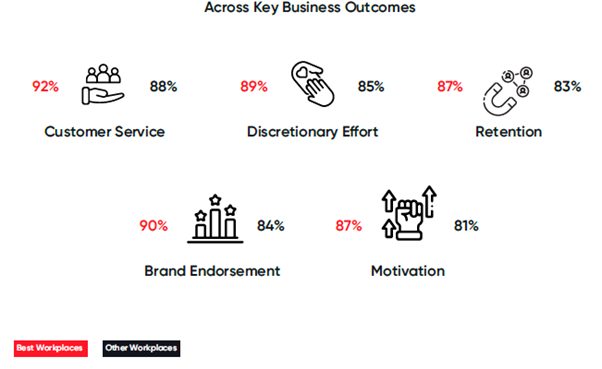
  • Higher brand loyalty and customer satisfaction: 90% of employees in the best workplaces are proud of their company’s brand, and 92% note high customer satisfaction due to a supportive work culture.
  • Increased discretionary effort and motivation: 89% of employees in these workplaces go beyond their job requirements to contribute, underscoring how an emotionally safe environment can drive performance.
Best Workplaces vs Rest

A workplace where women feel safe to be authentic and express their perspectives fosters a culture of trust and collaboration, leading to better business outcomes and a more dynamic workplace.

Practical Steps for Organizations

To implement effective practices for psychological and emotional safety, organizations should consider – 

  • Conduct Regular Feedback Sessions: Encourage open communication channels to understand the needs of female employees and assess workplace culture periodically.
  • Offer Mentorship Programs: Support career growth by pairing women with mentors who can guide them through challenges and career aspirations.
  • Adopt Flexible Work Policies: Implement hybrid and flexible work options to accommodate personal responsibilities.
  • Train Leaders for Empathy and Inclusivity: Educate leaders to recognize and address unconscious biases, respond empathetically, and foster inclusion at every level.
  • Supportive Infrastructure: Establish resource groups, accessible HR policies, and clear channels for reporting grievances, creating an infrastructure that visibly supports women’s professional and personal well-being.

Psychological and emotional safety is essential for cultivating an inclusive and productive workplace for women. Organizations can empower women to thrive and fully participate in the workforce by ensuring fairness, respect, and support at every level. When women feel safe and valued, they contribute with greater confidence, fostering a culture of innovation and success. It’s time for organizations to step up, create emotionally safe environments, and recognize that supporting women is integral to building a thriving, forward-thinking workplace for all.

Get Certified to Showcase Your Commitment    

Achieving Great Place To Work Certification is an excellent way to demonstrate your organization’s commitment to employees’ overall well-being and experience. This Certification not only enhances your employer branding but also helps attract and retain top talent. It highlights to current and prospective employees that your organization values their overall well-being, fostering an environment where they feel appreciated and supported. 

By implementing a culture of trust, respect, and collaboration, you can create a workplace where employees feel valued and connected. Certification also provides a benchmark for continuous improvement, helping you identify areas where you can further enhance employee well-being and overall workplace culture.

For All Summit Mumbai 2025: Vision to Value – Building Workplaces That Matter

Join us on February 6, 2025, in Mumbai for an enlightening day filled with insights on creating sustainable, humane, and inclusive workplaces. Learn from industry leaders about purpose-driven cultures, innovative HR practices, and adaptive leadership strategies.

Get your passes today – https://testg.in/for-all-summit
Banner for registering for the Great Place To Work® For All™ Summit 2025

When teams come together to celebrate achievements, it’s more than just a fun break in the workday. It’s a powerful affirmation of the high-trust, high-performing environment many companies strive to build. Recognizing milestones, whether it’s a Great Place To Work® Certification™, a work anniversary, or the successful completion of a project, reinforces that every employee is valued and part of something meaningful.

Creating a recognition-rich culture isn’t just about boosting morale; it’s about building connections and pride that permeate every level of an organization. Celebrations aren’t just nice-to-haves; they’re essential to creating a workplace culture where everyone feels they belong, contributing to higher engagement and overall well-being.

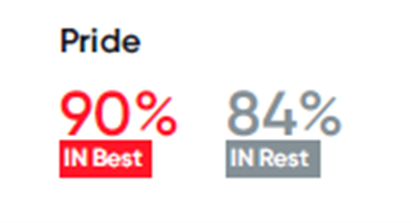
When employees have a sense of pride about their workplace, there is a positive impact on their self-esteem and contributions to the organization’s growth.

Why Recognition Is Key to a Thriving Workplace Culture

Boosts Engagement

When employees see their contributions celebrated, it strengthens their connection to the company. They’re not just working a job; they’re part of a mission.

Enhances Workplace Enjoyment

Celebrations add a dash of fun, breaking up the daily routine and bringing employees together.

Drives Pride and Value

Recognizing big and small achievements reminds employees that they are integral to the team, inspiring them to perform at their best.

The sentiment of Pride in  best workplaces  vs rest

Practical Ways to Celebrate Your Team

Building a recognition-rich culture doesn’t require an extensive budget, just creativity and a genuine desire to connect. Here are a few effective ways to celebrate milestones:

Public Acknowledgment

Make recognition visible, like at Sheetz, where managers give personal shout-outs using Show the Love Toolkits. Whether it’s a company-wide event or a quick shout-out in a team meeting, these moments of appreciation create a sense of belonging.

Casual Celebrations

Let employees enjoy downtime together, building team spirit in a relaxed, fun way.

Storytelling Recognition

Get the team to share spotlight stories about colleagues who go the extra mile, showcasing a diverse array of contributions from across the company.

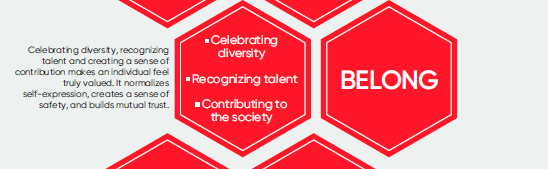
Recognising talent brings a sense of belonging to employees

When employees see their accomplishments celebrated, they feel connected to the company’s mission and goals, leading to increased engagement and well-being. CEO of Great Place To Work, Michael C. Bush, puts it well: “The most important things to celebrate are the values of the organization and how people help the organization achieve its purpose.”

Aligning Celebrations with Company Values

Effective celebrations are those that resonate with company values, ensuring that recognition goes beyond routine pats on the back to reinforce a company’s mission and purpose. 

Connecting celebrations to values creates a powerful message: each employee’s contribution brings the company closer to its overarching goals. Celebrating achievements that embody core values like teamwork, innovation, or dedication reaffirms what the company stands for and inspires employees to keep those values top of mind in their daily work.

Best Practices for Recognizing Workplace Milestones

To make milestone celebrations truly impactful, tailor them to your organization’s culture and the diverse preferences of your team. Here are some best practices for creating memorable and meaningful celebrations:

Personalized Celebrations

Customize recognition based on team members’ unique achievements and personalities. Whether it’s an in-person gathering or a virtual event, ensure the celebration is inclusive and reflective of what makes each individual valuable.

Link to Core Values

Align recognition with key cultural themes, such as innovation or community involvement. 

Seasonal and Heritage Events

Celebrating milestones can also align with broader community or cultural themes. Recognizing cultural heritage months or national days connects team celebrations to the wider world, highlighting shared values and diversity within the team.

Through these intentional acts of appreciation, companies can foster communities where employees feel respected and valued for their unique contributions. This approach lifts morale, motivates employees, and ultimately drives both personal and organizational success.

Building a Legacy of Recognition and Appreciation

The Best Workplaces understand that building a people-first culture isn’t a one-time event. It’s a commitment to consistently show employees they’re valued, weaving a legacy of recognition into the fabric of the organization. As employees become accustomed to an environment where their efforts are noticed and celebrated, their sense of loyalty and enthusiasm for the company grows.

The Lasting Impact of Celebration-Driven Culture

When a company commits to recognizing its employees and celebrating achievements, it creates a ripple effect that touches every corner of the organization. Celebrations become ingrained in daily routines, transforming regular workplaces into vibrant communities where employees are motivated to bring their best.

Through thoughtful and consistent recognition, companies reinforce the idea that each employee matters and each contribution is valued. The result is a workforce that’s not only engaged and loyal but also proud to contribute to a shared mission.

By celebrating values-driven achievements, companies cultivate more than just a happy workplace, they foster a high-trust, high-performance culture that supports both individual and company-wide success. Organizations that embrace this approach not only succeed in creating a great place to work but also inspire their employees to contribute to a thriving, purpose-driven community where recognition is the foundation of long-term success.

Get Certified to Showcase Your Commitment    

Achieving Great Place To Work Certification is an excellent way to demonstrate your organization’s commitment to employees’ overall wellbeing and experience. This Certification not only enhances your employer branding but also helps attract and retain top talent. It highlights to current and prospective employees that your organization values their health, happiness, and overall wellbeing.    

By implementing a culture of trust, respect, and collaboration, you can create a workplace where employees feel strong, healthy, and connected. Certification also provides a benchmark for continuous improvement, helping you identify areas where you can further enhance employee well-being and overall workplace culture.  

For All Summit 2025: Vision to Value – Building Workplaces That Matter

Join us on February 6, 2025, in Mumbai for an enlightening day filled with insights on creating sustainable, humane, and inclusive workplaces. Learn from industry leaders about purpose-driven cultures, innovative HR practices, and adaptive leadership strategies.

Get your passes today – https://testg.in/for-all-summit
Banner for registering for the Great Place To Work® For All™ Summit 2025

Non-governmental organizations (NGOs) play a pivotal role in shaping India’s socio-economic landscape. Often referred to as the backbone of civil society, NGOs contribute significantly across various sectors, from education and healthcare to skill development and environmental conservation. They work diligently to bridge social gaps, uplift marginalized communities, and create lasting change. This extensive engagement translates into a substantial economic impact as well: the NGO sector contributes INR 3.56 trillion annually to India’s GDP, representing approximately 2% of the nation’s economic output. 

NGOs provide critical support to underserved communities, mobilizing resources and expertise to drive improvements in quality of life and public welfare. This work is made possible by a dedicated workforce that often finds purpose and pride in contributing to social progress. Our India’s Best NGOs to Work For report highlights how NGOs support societal wellbeing. 

The Growing Commitment to Workplace Excellence

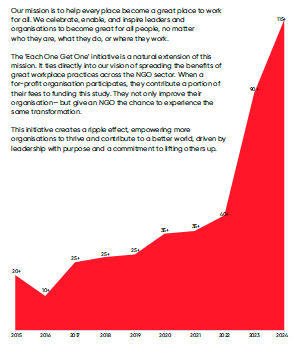
As NGOs expand their reach, they increasingly recognize the importance of cultivating workplaces that attract and retain talent. Participation in Great Place To Work® Certification reflects this shift, with over 115 NGOs involved in 2024, up from around 40 in 2022. This growth highlights a new focus on workplace culture as a crucial part of effectively serving communities.

Participation in Great Place To Work certification reflects this shift, with over 115 NGOs involved in 2024, up from around 40 in 2022.

This commitment has led to tangible outcomes in employee satisfaction and retention, with a 7% higher retention sentiment compared to others. This is crucial, given that 60% of NGO employees have a tenure of less than two years, which impacts organizational stability. Certified NGOs are building environments that emphasize purpose and pride—93% of employees feel positively about their societal contribution, and 91% feel proud to share their affiliation. This alignment between personal values and work enhances loyalty and builds a resilient workforce beyond monetary incentives. 

Addressing Challenges in the NGO sector 

Despite the positive culture and values-driven mission, the NGO sector faces challenges with retention and fair compensation. According to the report, approximately 60% of employees have a tenure of less than two years, indicating high turnover that can impact the consistency and continuity of NGO operations. Furthermore, nearly one in three employees feel that they are not compensated fairly, which can be a barrier to long-term retention. Addressing these challenges through initiatives like fair pay policies and improved career growth paths is essential for creating a sustainable workforce in the NGO sector. 

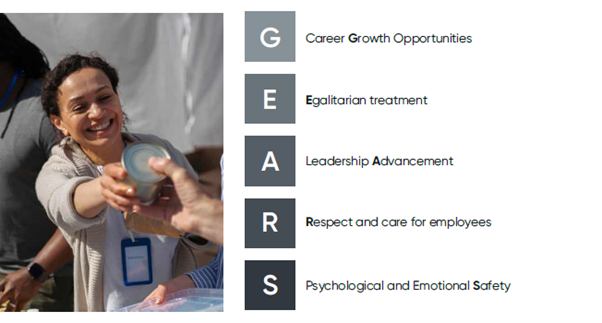
The 5 Key Drivers of Employee Satisfaction (‘5 GEARS’)

To achieve workplace excellence, the top NGOs implement a unique framework known as the “5 GEARS.” This framework encapsulates the five core drivers that contribute to a thriving workplace culture within the sector – 

The gear framework

Career Growth Opportunities 

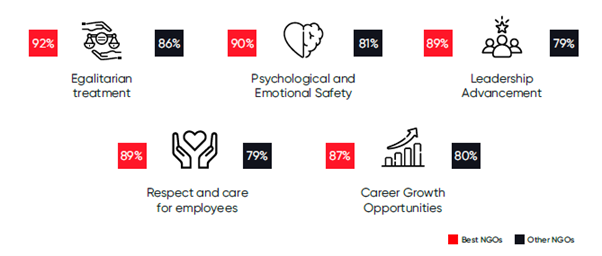
Best NGOs focus on structured growth paths, offering ample learning and development platforms. According to the report, 87% of employees in top NGOs feel their career growth needs are met, in comparison to 79% in other NGOs. This emphasis on growth ensures that employees feel valued and see a future within the organization. 

Egalitarian Treatment

Fairness and equity are central tenets of high-trust high – performance cultures. Top NGOs reported that 90% of employees feel they are treated with equality and fairness, versus 81% in other NGOs. This approach not only improves morale but also strengthens a culture of inclusivity across diverse roles and functions.

Leadership Advancement

Recognizing and cultivating leadership talent internally is a hallmark of the best NGOs. The report highlights that 89% of employees in leading NGOs believe they have ample opportunities for leadership advancement, compared to 79% in others. Leadership development initiatives include mentorship programs, skills training, and leadership coaching, ensuring a robust pipeline of future leaders.

Respect and Care for Employees

Compassion and respect form the foundation of employee relationships in top NGOs. With 92% of employees feeling respected and cared for at their workplace (compared to 86% in other NGOs), this component is essential in building a trusting, loyal workforce.

Psychological and Emotional Safety

The best NGOs prioritize creating an environment where employees feel emotionally and psychologically secure. In top organizations, 89% of employees feel safe in expressing their concerns and ideas, while this figure is 79% in other NGOs. Such an environment fosters open communication and psychological well-being, both crucial for employee engagement and productivity

Best vs Rest

The Role of  ‘Each One, Get One’ in Scaling Workplace Culture

The Each One, Get One initiative is a distinctive program that exemplifies how the Great Place To Work certification’s benefits can be extended across the NGO sector, promoting a healthier, more engaging workplace culture for organizations of all sizes and resources. This initiative operates on a simple yet powerful model: when a for-profit organization participates in the certification process, a portion of their fees is directed towards funding the certification for an NGO. This sponsorship enables non-profits, often constrained by limited budgets, to access the same insights, tools, and workplace transformation programs as their corporate counterparts.

The impact of Each One, Get One is transformative, fostering a ripple effect that enables more NGOs to implement high-trust, high-performance workplace practices. By giving NGOs the resources to prioritize their workplace culture, the initiative empowers these organizations to boost employee satisfaction, reduce turnover, and strengthen mission delivery. In turn, each certified NGO becomes an ambassador of good workplace practices, setting an example within the sector and encouraging others to follow suit. This collective uplift not only enhances the work environment for NGO employees but also leads to more stable and effective organizations, ultimately amplifying their societal impact.

The ongoing efforts within the NGO sector to cultivate excellent workplace environments are not just milestones; they are setting new benchmarks that inspire change across industries. By focusing on values-driven work, purpose alignment, and employee satisfaction, NGOs are creating models of organizational culture that other sectors can emulate. As they continue to evolve, these organizations stand poised to drive positive change not only within the NGO sector but also across the broader socio-economic landscape, leaving an indelible impact on India’s development. 

Get Certified to Showcase Your Commitment    

Achieving Great Place To Work Certification is an excellent way to demonstrate your organization’s commitment to employees’ overall wellbeing and experience. This Certification not only enhances your employer branding but also helps attract and retain top talent. It highlights to current and prospective employees that your organization values their health, happiness, and overall wellbeing.    

By implementing a culture of trust, respect, and collaboration, you can create a workplace where employees feel strong, healthy, and connected. Certification also provides a benchmark for continuous improvement, helping you identify areas where you can further enhance employee well-being and overall workplace culture.  

For All Summit 2025: Vision to Value – Building Workplaces That Matter

Join us on February 6, 2025, in Mumbai for an enlightening day filled with insights on creating sustainable, humane, and inclusive workplaces. Learn from industry leaders about purpose-driven cultures, innovative HR practices, and adaptive leadership strategies.

Get your passes today – https://testg.in/for-all-summit
Banner for registering for the Great Place To Work® For All™ Summit 2025

Today, the role of people managers has never been more critical. As organizations evolve, leaders who effectively manage people are seen as catalysts for innovation, growth, and employee engagement. But what sets apart the truly exceptional leaders? It comes down to mastering the art of connecting with employees, fostering their development, and inspiring them toward a shared vision. This is encapsulated in the Connect, Develop, Inspire framework, which outlines the essential qualities that drive successful leadership. 

People Manager = Connect + Develop + Inspire

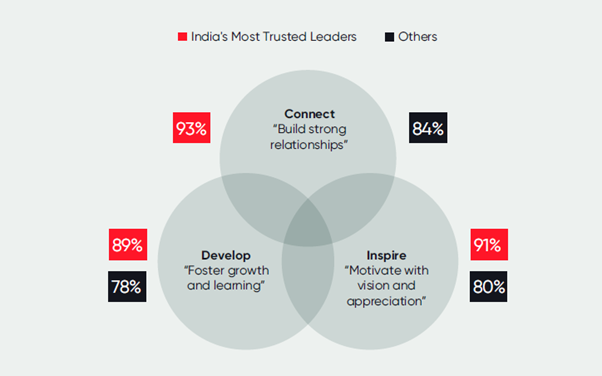
According to our India’s Most Trusted Leaders Report 2024, leadership focuses on three pillars – Connect, Develop, Inspire. These attributes help leaders build trusting relationships, nurture growth, and motivate teams to go beyond their limits. When managers adopt these behaviors, they create high-trust environments that empower employees to thrive both individually and collectively. Data shows that India’s most trusted leaders who embody these qualities score 9-11% higher in leadership effectiveness compared to their peers. This underscores the power of people management in fostering a culture where employees feel valued and engaged.

Connect: Building Relationships 

In the context of leadership, “Connect” refers to a leader’s ability to establish meaningful relationships with their team members. Building strong connections is not just about understanding employees’ professional responsibilities but also acknowledging their personal aspirations and challenges. Leaders who take the time to connect with their employees create an environment of trust, mutual respect, and open communication.

Research highlights that 93% of employees working under trusted leaders feel a sense of connection. These connections enhance communication, reduce workplace stress, and ensure that employees feel seen and heard. For example, leaders can implement regular one-on-one meetings to understand individual challenges and provide support. Open-door policies also foster approachability, allowing employees to voice their concerns without hesitation.

Beyond formal practices, leaders who connect also demonstrate empathy and actively listen to their teams. Whether it’s recognizing personal milestones or offering constructive feedback, these small gestures foster loyalty and engagement. The data is clear: leaders who excel at building connections drive up to 50% higher productivity within their teams.  Strong connections are the foundation upon which high-trust, high-performance cultures are built.

Develop: Fostering Growth

The “Develop” pillar of this framework focuses on a leader’s role in nurturing the growth and potential of their team members. Effective leaders understand that employee development is key to both individual and organizational success. When leaders invest in their employees’ professional growth, they not only enhance their skills but also increase job satisfaction and retention.

Developing employees can take many forms, from formal training programs to mentorship opportunities. Leaders should encourage continuous learning, offer feedback, and create environments where employees are challenged to grow. Providing growth opportunities ensures employees feel valued and aligned with the company’s long-term goals. 

According to research, 89% of employees under trusted leaders report significant personal and professional growth. This is crucial in retaining top talent and preventing burnout. When employees feel they are progressing in their careers, they are more likely to stay with the organization and contribute meaningfully to its success. Furthermore, development-focused leadership aligns employees’ goals with those of the organization, fostering a shared vision and commitment to excellence.

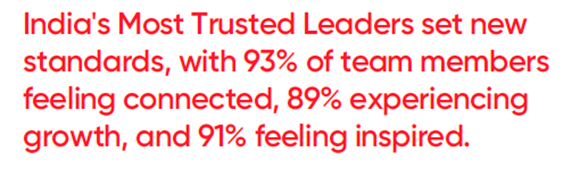
India'a Most Trusted Leaders (IMTL) set new standards, with 93% of team members feeling connected, 89% experiencing growth, and 91% feeling inspired.

Inspire: Motivating with Vision

“Inspire” represents the ability of leaders to elevate their teams by sharing a clear vision and motivating them to achieve greater heights. Inspirational leadership is crucial because it fosters an environment where employees feel connected to a purpose larger than themselves. When leaders inspire, they fuel team morale, encourage innovation, and boost overall performance. 

Vision-driven leadership plays a pivotal role in inspiring teams. Leaders who communicate a compelling vision help employees see the broader impact of their work, giving them a sense of purpose. This connection to a shared goal energizes teams and instills confidence in their contributions. Whether through personal anecdotes or aligning daily tasks with long-term goals, inspiring leaders make work meaningful. 

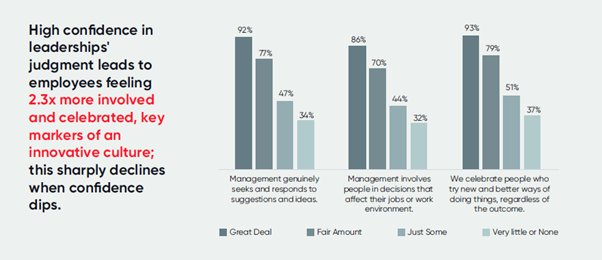
High confidence in leaderships' judgment leads to employees feeling more engaged.

Leaders can inspire their teams by recognizing accomplishments, no matter how small, and celebrating successes. Public recognition of employees’ efforts, coupled with appreciation for their hard work, boosts morale and instils pride in their roles. For instance, personalized notes of thanks or public shoutouts during meetings can go a long way in fostering loyalty. Additionally, sharing stories of how employee contributions align with the organization’s mission further strengthens commitment.

Business Impact of Connect Develop Inspire Leadership

The abovementioned framework not only enhances team morale and engagement but also drives tangible business outcomes. Effective people management through Connect, Develop, and Inspire directly impacts productivity, innovation, and employee retention. When leaders connect with employees, they create a foundation of trust. When they develop their teams, they foster continuous growth and skills. When they inspire, they unlock employees’ full potential, leading to innovation and collaboration.

A high-trust environment, as fostered by leadership, is a significant differentiator in business success. Organizations that cultivate trust among their teams see a 50% increase in productivity and generate 2.5 times more revenue than low-trust workplaces. Moreover, leaders who consistently inspire their teams can achieve a 30% increase in innovation and a 25% improvement in customer satisfaction. This translates to a more agile, creative, and customer-focused organization. 

Retaining top talent is another key benefit of Connect, Develop, and Inspire leadership. When employees feel connected to their leaders, see opportunities for growth, and feel inspired by the company’s mission, they are more likely to stay long-term, reducing costly turnover.

People managers who embody the Connect, Develop, and Inspire not only create a high-trust, high-performance culture but also drive lasting organizational success. These leaders form strong relationships with their teams, nurture their development, and motivate them with a clear vision, leading to increased productivity, innovation, and employee retention. By adopting these behaviors, leaders can transform their teams into engaged, purpose-driven workforces that contribute to sustained business growth. 

Get Certified to Showcase Your Commitment 

Achieving Great Place To Work Certification is an excellent way to demonstrate your organization’s commitment to employees’ overall wellbeing and experience. This Certification not only enhances your employer branding but also helps attract and retain top talent. It highlights to current and prospective employees that your organization values their health, happiness, and overall wellbeing.    

By implementing a culture of trust, respect, and collaboration, you can create a workplace where employees feel strong, healthy, and connected. Certification also provides a benchmark for continuous improvement, helping you identify areas where you can further enhance employee well-being and overall workplace culture.  

For All Summit 2025: Vision to Value – Building Workplaces That Matter

Join us on February 6, 2025, in Mumbai for an enlightening day filled with insights on creating sustainable, humane, and inclusive workplaces. Learn from industry leaders about purpose-driven cultures, innovative HR practices, and adaptive leadership strategies.

Get your passes today – https://testg.in/for-all-summit
Banner for registering for the Great Place To Work® For All™ Summit 2025

In an increasingly interconnected and globalized world, organizations are recognizing that Diversity, Equity, Inclusion, and Belonging (DEIB) aren’t just buzzwords—they are foundational pillars for success. Companies that prioritize DEIB are not only fulfilling a moral and ethical responsibility but are also unlocking enormous business potential.

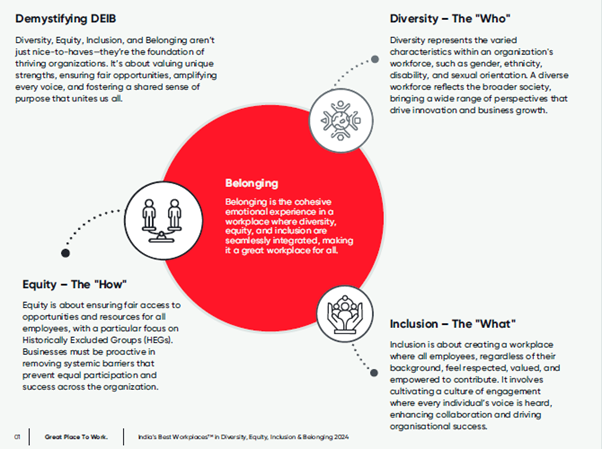
Demystifying DEIB

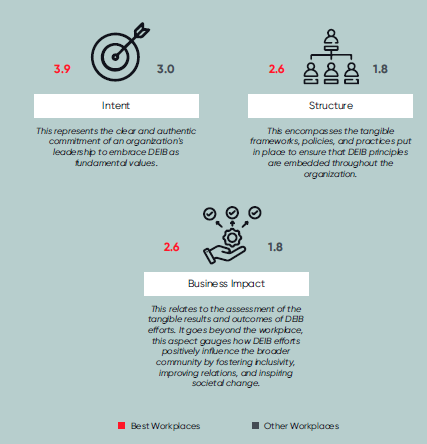
In the India’s Best Workplaces in DEIB   2024 infographic  we see how organizations that embed DEIB into their core culture consistently outperform their peers. These companies experience higher employee engagement, greater innovation, and stronger financial results. But the true power of DEIB lies in its ability to make employees feel valued, respected, and seen—an outcome that benefits both individuals and businesses alike.

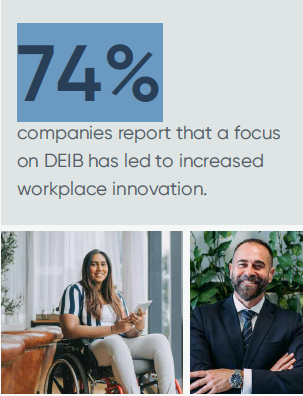
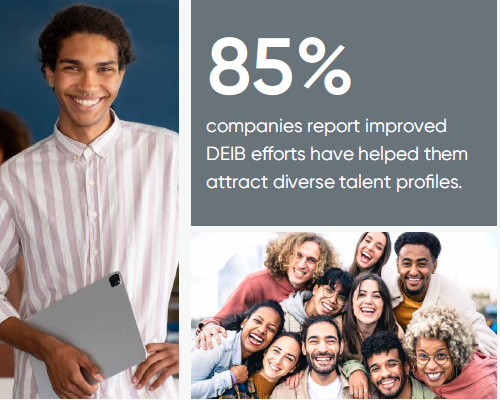
As businesses navigate the challenges of a modern, dynamic workforce, embracing DEIB is no longer a choice—it’s a necessity. The data shows that 74% of companies report a direct link between their focus on DEIB and increased workplace innovation, and 85% say DEIB efforts have helped them attract diverse talent profiles. Clearly, DEIB is a catalyst for growth, driving not only business results but also positive societal impact.

74% companies report that a focus on DEIB has led to increased workplace innovation.

Understanding DEIB: The Key Components

Diversity – The “Who”

Diversity refers to the different characteristics that employees bring to the workplace, including but not limited to gender, ethnicity, age, disability, sexual orientation, and cultural backgrounds. Diversity goes beyond mere representation; it’s about harnessing the unique experiences and perspectives of employees to drive innovation and business growth.

A diverse workforce mirrors the broader society and customer base, giving organizations a competitive edge in understanding and meeting the needs of diverse markets. As highlighted in the 2024 report, 85% of companies report that their DEIB initiatives have helped them attract a broader and more diverse pool of talent. By fostering diversity, organizations not only gain a variety of perspectives but also enhance their capacity to innovate, solve problems creatively, and reach untapped markets.

85% companies report improved DEIB efforts have helped them attract diverse talent profiles.

In today’s workplace, diversity is not just a ‘nice-to-have’—it’s a business imperative. When organizations actively recruit, hire, and retain a diverse workforce, they create a dynamic environment where differences become strengths, fueling fresh ideas and creative problem-solving.

Equity – The “How”  

Equity is about creating a fair playing field where all employees, particularly those from historically excluded groups (HEGs), have access to the same opportunities and resources. Unlike equality, which treats everyone equally, equity recognizes that different people face different barriers and challenges and therefore need tailored support to thrive.

Equity in the workplace involves removing systemic barriers—whether they are in hiring practices, promotion criteria, or daily interactions—that prevent certain groups from fully participating and succeeding in the organization. Companies that embrace equity are proactive in identifying and dismantling these barriers to ensure that everyone, regardless of their background, has a fair chance to succeed.

The India’s Best Workplaces in DEIB 2024 report emphasizes that equity is not a one-time initiative but an ongoing commitment. Equity is the key to building an inclusive environment where historically marginalized groups can contribute their fullest potential, resulting in better business outcomes for the organization as a whole.

When employees feel that the playing field is level, their sense of trust and loyalty increases, which is why workplaces that champion equity see better employee retention and engagement.

Inclusion – The “What”

Inclusion refers to how well an organization incorporates the diverse voices and perspectives of its workforce into everyday interactions, decision-making, and company culture. It’s not enough to just have diverse teams—inclusion ensures that all employees feel respected, valued, and empowered to contribute to the organization’s success, regardless of their background.

Inclusion involves creating a culture where employees from all walks of life feel safe, respected, and valued for who they are. This means cultivating an environment where everyone’s voice is heard and where diverse perspectives are genuinely considered in business decisions. The India’s Best Workplaces in DEIB 2024 report reveals that when diversity, equity, and inclusion are successfully integrated, employees are 3.8 times more likely to describe their workplace as a great place to work. Inclusion doesn’t just improve employee satisfaction—it directly impacts an organization’s ability to succeed.

In inclusive workplaces, leadership teams actively engage with employees, seek out diverse perspectives, and foster collaboration. Inclusion helps to enhance psychological safety, where employees feel comfortable taking risks, speaking up, and being their authentic selves without fear of judgment or retaliation.

Belonging – The Outcome

Belonging is the emotional experience that arises when diversity, equity, and inclusion are fully realized within the organization. It’s about creating a sense of connectedness and shared purpose, where every employee feels they truly matter to the organization. When employees feel they belong, they are more engaged, motivated, and loyal to their workplace.

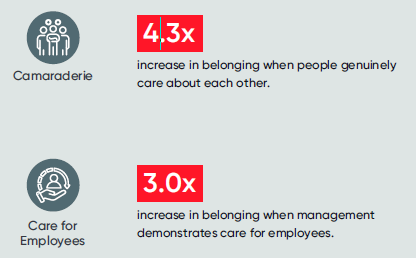
The report highlights the impact of belonging, showing that employees are 4.6 times more likely to feel a sense of belonging when the workplace environment is psychologically and emotionally healthy. Furthermore, when management demonstrates care for employees, the sense of belonging increases by 3.0 times, and when colleagues genuinely care about each other, belonging increases by 4.3 times. 

Data on building belongingness

Belonging is the result of an integrated DEIB strategy, where employees are not just included but are an integral part of the organization’s community. When belonging is present, employees are more likely to be engaged, innovative, and committed to the organization’s long-term success.

DEIB is not just a moral imperative, it is a business necessity. As India’s Best Workplaces in DEIB 2024 report demonstrates, companies that prioritize diversity, equity, inclusion, and belonging consistently outperform their competitors across key business metrics. DEIB drives innovation, attracts top talent, strengthens brand loyalty, and leads to better overall business performance.

For businesses aiming to stay ahead in an increasingly competitive market, embedding DEIB into the core of their strategy is crucial. Not only does it foster a healthier, more engaged workforce, but it also fuels sustainable growth and success. To thrive in today’s rapidly changing world, organizations must create an environment where everyone, regardless of their background, feels valued and empowered to contribute. The result is a workplace where both employees and the business can flourish together.

Get Certified to Showcase Your Commitment    

Achieving Great Place To Work Certification is an excellent way to demonstrate your organization’s commitment to employees’ overall well-being and experience. This Certification not only enhances your employer branding but also helps attract and retain top talent. It highlights to current and prospective employees that your organization values their health, happiness, and overall well-being.    

By implementing a culture of trust, respect, and collaboration, you can create a workplace where employees feel strong, healthy, and connected. Certification also provides a benchmark for continuous improvement, helping you identify areas where you can further enhance employee well-being and overall workplace culture.  

For All Summit 2025: Vision to Value – Building Workplaces That Matter

Join us on February 6, 2025, in Mumbai for an enlightening day filled with insights on creating sustainable, humane, and inclusive workplaces. Learn from industry leaders about purpose-driven cultures, innovative HR practices, and adaptive leadership strategies.

Get your passes today – https://testg.in/for-all-summit
Banner for registering for the Great Place To Work® For All™ Summit 2025

Diversity, equity, inclusion and belonging (DEIB) have become critical priorities for organizations seeking to create positive workplace cultures and drive sustainable success. Our research at Great Place To Work India shows us that DEIB initiatives can profoundly shape company culture, fostering innovation, enhancing employee engagement, and improving business outcomes. Let’s explore how DEIB efforts impact workplace culture and examine some best practices companies can adopt.

The Impact of DEIB on Workplace Culture 

When implemented thoughtfully and consistently, diversity and inclusion initiatives can transform workplace culture in several key ways:

Fostering Innovation and Creativity

Diverse teams bring together a wider range of perspectives, experiences, and ideas.  By creating an inclusive environment where all voices are heard and valued, companies can unlock greater creativity and problem-solving capabilities.

Enhancing Employee Engagement and Belonging  

DEIB efforts help create a culture where employees feel respected, valued, and empowered to bring their authentic selves to work. This sense of belonging drives higher engagement, job satisfaction, and retention.

Improving Decision-Making and Performance

Diverse teams have been shown to make better decisions and outperform homogeneous groups. Companies with strong DEIB cultures can make more informed choices and drive better business results by reducing groupthink and considering a broader range of perspectives.

Building Trust and Psychological Safety

Inclusive cultures foster greater trust between employees and leadership. When people feel psychologically safe to express themselves without fear of negative consequences, it leads to more open communication, collaboration, and innovation.

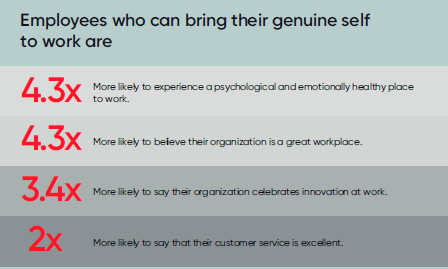
Employees who can bring their genuine self to work are more engaged

Best Practices for Shaping an Inclusive Culture

Leadership Commitment and Accountability 

DEIB efforts must be championed from the top, with leaders playing a visible role in driving change.  Leaders must not only model inclusive behaviors but also tie executive compensation to diversity and inclusion metrics.

For instance, NatWest Group India has set a strong precedent by forming a dedicated Diversity and Inclusion team with structured workstreams targeting various aspects of DEIB. This approach has allowed NatWest to take a comprehensive approach to inclusion, ensuring accountability at the leadership level.

Comprehensive Training and Education

Ongoing training is critical for building an inclusive workplace. DEIB education, particularly around unconscious bias, inclusive behaviors, and cultural competence, can significantly shape employees’ decision-making.

An example is Fractal Analytics, which implemented a three-pillar approach focused on equity in promotions. By mitigating bias and promoting transparent communication, the company created an environment where diverse employees feel valued and recognized for their contributions.

Inclusive Hiring and Promotion Practices

Structured, bias-mitigating processes for recruitment and promotion ensure equal opportunities for all candidates. Utilizing diverse interview panels, standardized evaluation criteria, and inclusive job descriptions are effective strategies.

For example, S&P Global employs its “Effective Interview Skills training” program to prepare hiring teams to conduct fair and structured interviews. Similarly, Vindhya e-Infomedia Private Limited stands out for its inclusive hiring policies, creating a workspace “Accessible for all” with ramps, Braille signage, and audio instructions in elevators to support employees with disabilities. This holistic approach to inclusivity in hiring and work environment design sets a gold standard for accessibility.

Addressing Microaggressions and Exclusionary Behaviors

Building an inclusive culture requires addressing microaggressions and exclusionary behaviors head-on. Organizations should empower employees to speak up against such incidents and offer training on bystander intervention. Establishing clear processes for reporting and addressing these behaviors is critical.

Employee Resource Groups (ERGs)

ERGs foster a sense of community and belonging, providing employees from diverse backgrounds with a platform to connect and support one another. These groups can play a pivotal role in shaping company policies and practices. Mastercard’s Business Resource Groups, serves as a powerful example of how ERGs can promote inclusion and influence broader company initiatives. By securing executive sponsorship and providing resources to these groups, companies can help ensure that ERGs drive meaningful change within the organization.

Embracing Inclusion has a significant impact on employee wellbeing

Transparent Communication and Feedback Mechanisms

Open channels for communication and feedback are essential to building a culture of trust and inclusion. Companies must encourage employees to share feedback, report concerns, and contribute ideas related to DEIB initiatives. Regularly communicating progress on diversity goals and initiatives helps maintain engagement and accountability.

In practice, Akamai Technologies India Private Limited has established clear communication mechanisms, particularly in its remote work policies, remote onboarding support, and wellness programs. This focus on transparency ensures that employees feel connected and supported, even in a virtual environment.

Celebrating Diversity and Fostering Cross-Cultural Understanding

Organizations should regularly celebrate the diverse cultures, identities, and experiences within their workforce. Encouraging employees to share their unique perspectives can promote greater understanding and foster inclusion.

Inclusive Policies and Benefits

Inclusion extends beyond day-to-day interactions and should be reflected in a company’s policies and benefits. Supporting employees from diverse backgrounds with policies such as flexible work arrangements, parental leave, and mental health support is critical. Western Union, for instance, demonstrates a strong commitment to pay equity and transparent compensation practices, ensuring that all employees, regardless of background, are fairly compensated and provided with opportunities for advancement. Additionally, Akamai Technologies has implemented flexible work policies and wellness programs to support the diverse needs of its remote employees.

Embracing Equity has a significant impact on employee wellbeing

Measurement and Accountability

To drive meaningful progress, organizations must establish clear metrics to track the success of their DEIB initiatives. Regularly assessing these efforts through data allows companies to refine strategies and hold leaders accountable for results.

Inclusive Design Thinking

Inclusive design thinking means applying diverse perspectives in the development of products, services, and internal processes. This approach fosters an environment where decisions reflect the needs of all employees and customers. Forming cross-functional teams that prioritize inclusive design helps avoid unintentionally alienating any group.

Diversity, equity, inclusion, and belonging initiatives have the power to profoundly shape workplace culture, driving innovation, engagement, and business success. By adopting best practices and committing to long-term DEIB strategies, companies can create cultures where all employees feel valued, empowered, and able to contribute their best work. In today’s competitive business landscape, prioritizing DEIB is not just the right thing to do—it’s a strategic imperative for building high-performing, resilient organizations.

Get Certified to Showcase Your Commitment    

Achieving Great Place To Work Certification is an excellent way to demonstrate your organization’s commitment to employees’ overall wellbeing and experience. This Certification not only enhances your employer branding but also helps attract and retain top talent. It highlights to current and prospective employees that your organization values their health, happiness, and overall wellbeing.    

By implementing a culture of trust, respect, and collaboration, you can create a workplace where employees feel strong, healthy, and connected. Certification also provides a benchmark for continuous improvement, helping you identify areas where you can further enhance employee well-being and overall workplace culture.  

For All Summit 2025: Vision to Value – Building Workplaces That Matter

Join us on February 6, 2025, in Mumbai for an enlightening day filled with insights on creating sustainable, humane, and inclusive workplaces. Learn from industry leaders about purpose-driven cultures, innovative HR practices, and adaptive leadership strategies. 

Get your passes today – https://testg.in/for-all-summit 
Banner for registering for the Great Place To Work® For All™ Summit 2025

The manufacturing sector in India continues to be a cornerstone of the nation’s economic growth, contributing a substantial 17% to the country’s GDP and employing an estimated 35.6 million people. Despite facing challenges, as reflected in the dip of the Purchasing Managers Index (PMI) to an 18-month low of 54.9 in December 2023, the outlook for the sector remains positive. 

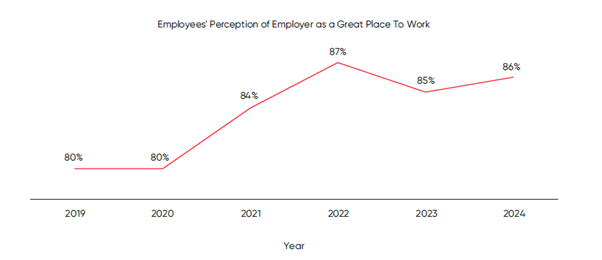
Today, workplace culture has emerged as a critical differentiator for success. Great Place To Work®’s report on India’s Best Workplaces™ in Manufacturing 2024, draws insights from over 4.9 lakh employee voices across 270+ organizations, reveals that 86% of employees in the manufacturing sector consider their organization a great place to work. This marks a 1% increase from the previous year, though still slightly below the peak of 87% observed in 2022. Notably, the manufacturing sector has made significant strides in closing the gap with other industries, with its Grand Mean Trust Index now standing just 1 percentage point behind at 82%.

Perception of workplaces rises, still lower than 2022 Levels

However, the report also highlights areas for improvement. Manufacturing organizations need to focus on involving employees in decisions that affect them, building a sense of collaboration, and improving the perception of impartiality by reducing favoritism and politics in the workplace. The importance of management integrity, building a positive brand image, promoting a physically safe and psychologically healthy workplace, and encouraging work-life balance cannot be overstated for employee satisfaction. With these challenges and opportunities in mind, let’s explore how some of India’s best manufacturing workplaces are setting the standard for exceptional workplace cultures.

Hindalco’s Journey of Trust Development

Hindalco, a 60-year-old company at the forefront of India’s manufacturing industry, has demonstrated that age is no barrier to cultural transformation. Over the past five years, Hindalco has embarked on an ambitious journey to reshape its workplace culture, resulting in a remarkable 14-point increase in its Trust Index Grand Mean compared to 2021.

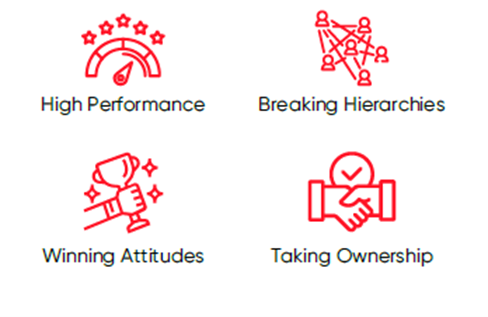
At the heart of Hindalco’s transformation is the “Shillim” movement, a comprehensive initiative designed to cascade key concepts throughout the organization:

  1. High Performance: Encouraging employees to strive for excellence in their roles.
  2. Breaking Hierarchies: Flattening organizational structures to promote open communication.
  3. Winning Attitudes: Fostering a positive and growth-oriented mindset among staff.
  4. Taking Ownership: Empowering employees to take initiative and responsibility for their work.
Hindalco's Journey of Trust Development - High Performance, Breaking Hierarchies, Winning Attitudes and Taking Ownership

Best practices from Hindalco’s culture change strategy include:

  1. Culture Change Champions: Hindalco has trained 200 chosen Culture Champions through capability-building sessions. These champions have, in turn, conducted over 300 Culture Cascade sessions, reaching 7,500 employees.
  2. Empowerment by Design: The company implemented “One on One People Hour Conversations” to create a safe environment of mutual trust and support. Leaders have engaged in 1,700 hours of managerial empowerment dialogues, resulting in the devolution of over 300 decisions to the next level of management.
  3. Bhoomika Board: This initiative recognizes and celebrates employee behaviors that align with the values of a High Performance Contemporary Organization. In the past year, 40,000 recognition cards have been exchanged, and 405 Bhoomika Boards have been set up across the company.

HIL’s Workplace Culture Pathway

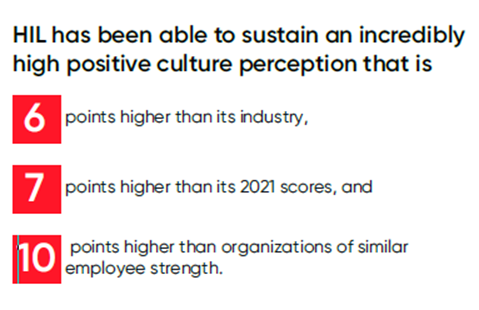
HIL Limited, a CK Birla Group Company, has consistently ranked among India’s Best Companies to Work For, steadily climbing the ranks since its first certification in 2019. HIL’s success is reflected in its impressive culture scores, which are 6 points higher than its industry average, 7 points above its 2021 scores, and 10 points higher than organizations of similar employee strength.

HIL's Workplace Culture Pathway

HIL’s best practices for sustaining a positive workplace culture include:

  1. Systematic Culture Management: HIL follows a five-step culture management cycle that includes regular assessments, identifying focus areas, collecting feedback, taking corrective actions, and setting benchmarks against industry standards.
  2. Developing Trust through Transparency: Annual “Roadshows” are conducted nationwide, visiting all plants to communicate the company’s journey, initiatives, policies, and CSR activities. These events emphasize values of accountability, respect, and integration.
  3. Inculcating Values with New Employee Connections: “Parichay Sessions” allow new employees to connect directly with the Managing Director within 2-3 months of joining. This practice gives new hires a big-picture view of the company and allows them to discuss personal strengths, career paths, and ideas directly with top leadership.
  4. Maximizing Human Potential: HIL has implemented a 3-tier signature program for leadership capability building:
    – LEGO: Focuses on new managers transitioning into leadership roles.
    – LEAP: Enhances team dynamics for middle managers.
    – LEAD: Develops leadership skills for experienced managers and functional heads.

Each program offers tailored training, coaching, and experiential learning to nurture effective people management skills.

Forbes Marshall’s Holistic Employee Development

Forbes Marshall takes a proactive approach to nurturing employee support and competence, emphasizing dialogue, structural adaptability, project assignments, and peer feedback to create a dynamic and trusting work environment..

Best practices from Forbes Marshall include: 

  1. Dialogues on Purpose: The company conducts purposeful discussions to identify employee strengths, align roles with individual passions, and foster trust.
  2. Structural Agility: Forbes Marshall adapts team structures to enhance productivity, ensuring flexibility in organizational design to meet changing needs.
  3. Assigning Projects: Cross-functional teams and challenging roles are leveraged to deepen trust and showcase employee strengths in organization-wide initiatives.
  4. Peer Feedforward: The annual Performance Management System incorporates peer feedback, nurturing a culture of responsibility and trust among team members.

Symphony’s Hospitality-Focused Workplace

Symphony, with a 35-year legacy, understands that its people are the true differentiator. The company employs a hospitality-focused approach to create a unique and enjoyable work atmosphere, fostering not just productivity but a sense of belonging among its employees.

Symphony's Hospitality-Focused Workplace

Symphony’s best practices for creating a welcoming workplace include:

  1. Recruitment & First Impression: The company prioritizes cultural adaptability in interviews, starting with family-related questions to create a comfortable atmosphere.
  2. AARAMBH & Building Relationships: A comprehensive induction program fosters belonging through personalized welcomes and cross-functional sessions.
  3. Inclusion & Mentorship: Mentorship during the probation period helps integrate new joiners smoothly into Symphony’s unique culture.
  4. Employee Engagement & Wellbeing: Digital HR_Konnect forms ensure a positive initial experience, complemented by monthly wellness activities for a relaxed environment.
  5. Recognition & Collaboration: The company recognizes families and organizes team dinners to strengthen bonds and enhance collaboration.
  6. Alumni Involvement: Post-retirement involvement showcases a lasting bond, with retirees serving as mentors for knowledge transfer.

Kumar Equipment’s Commitment to Fairness

Kumar Equipment prioritizes people over categories, fostering a workplace where unbiased promotions, equal recognition, and open communication define a unique and inclusive atmosphere for all employees.

Kumar Equipment's Commitment to Fairness

Best practices from Kumar Equipment include:

  1. Unified Culture: The company eliminates hierarchical distinctions, ensuring equal treatment and connection among all team members.
  2. Skill Enhancement: Challenging tasks promote healthy competition, allowing employees to develop their own mechanisms and experiment with leadership roles for skill improvement.
  3. Open Communication Programs: Kumar introduces break-and-learn programs, providing platforms for sharing thoughts, experiences, and promoting healthy discussions.
  4. Fair Recognition and Opportunities: The company ensures unbiased promotions and equal recognition, invests in world-class equipment, acknowledges contributions, and supports employees pursuing higher education.

The best practices highlighted from India’s top manufacturing workplaces demonstrate a common thread: a commitment to building trust, fostering open communication, and prioritizing employee development. By implementing these strategies, manufacturing companies can create workplaces that not only attract and retain top talent but also drive innovation and productivity in an increasingly competitive global market. As the manufacturing sector continues to evolve, these people-centric approaches will be crucial in shaping the factories of the future.

Get Certified to Showcase Your Commitment    

Achieving Great Place To Work Certification is an excellent way to demonstrate your organization’s commitment to employees’ overall wellbeing and experience. This Certification not only enhances your employer branding but also helps attract and retain top talent. It highlights to current and prospective employees that your organization values their health, happiness, and overall wellbeing.  

By implementing a culture of trust, respect, and collaboration, you can create a workplace where employees feel strong, healthy, and connected. Certification also provides a benchmark for continuous improvement, helping you identify areas where you can further enhance employee well-being and overall workplace culture. 

For All Summit 2025: Vision to Value – Building Workplaces That Matter

Join us on February 6, 2025, in Mumbai for an enlightening day filled with insights on creating sustainable, humane, and inclusive workplaces. Learn from industry leaders about purpose-driven cultures, innovative HR practices, and adaptive leadership strategies.  

Get your passes today – https://testg.in/for-all-summit 
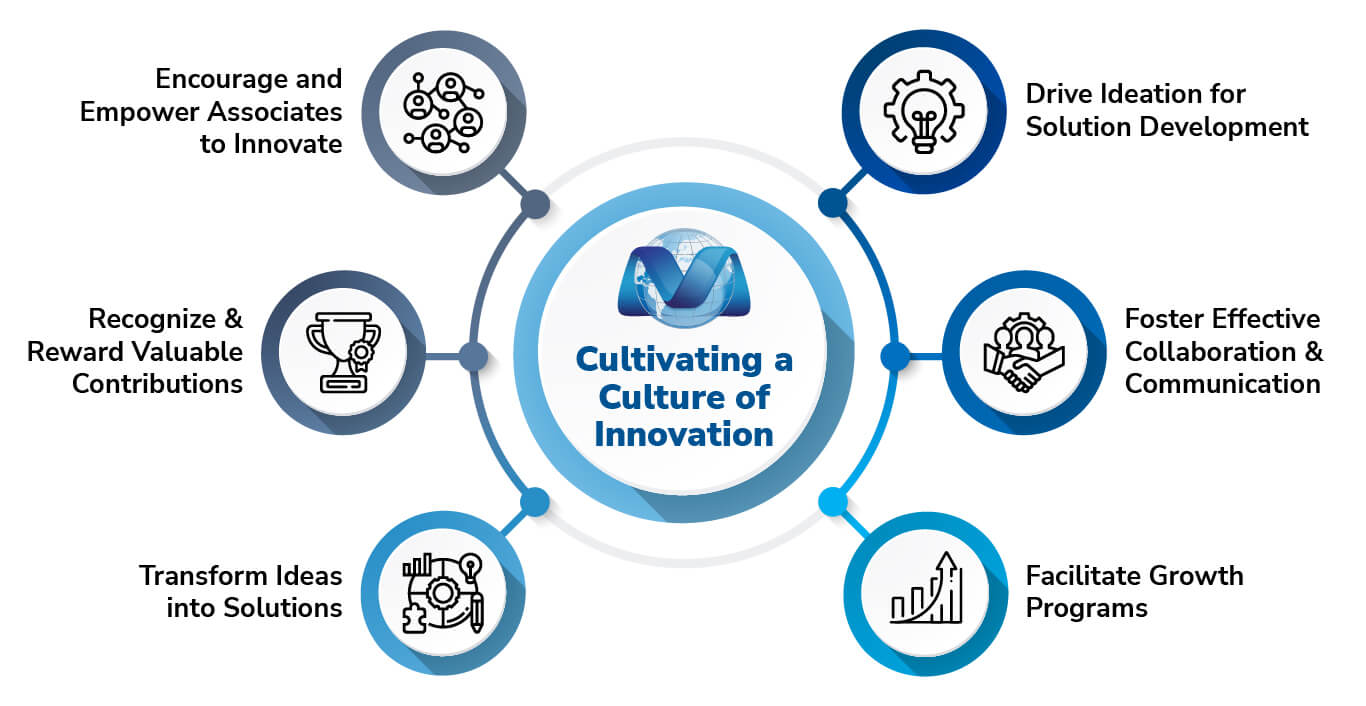
According to Great Place To WorkⓇ ’s research, to cultivate a culture of Innovation By All, it is crucial for organizations to align their innovation practices with employee experiences. This alignment is essential to bridge the gap between the innovation approach and the desired outcomes.

MOURI Tech (P) Limited’s culture reflects this philosophy in many ways, which has enabled it to be one of the Top 50 Companies (in the Large category) in India’s Best Workplaces Building a Culture of Innovation by All 2023 list.

As a Global Enterprise Solutions company operating under the motto ‘Employee First. Customer Foremost’, MOURI Tech’s journey toward innovation has been both challenging and rewarding, marked by bold moves and strategic decisions. By Investing heavily in R&D, and embracing a “fail-fast” mentality, MOURI Tech provided its employees with the necessary freedom and resources to pursue ambitious projects.

MOURI Tech has made significant strides in innovation over the years. One of the key milestones in its innovation journey was the launch of its Artificial Intelligence (AI)-powered platform in 2018 to help businesses automate and streamline their operations using AI and ML algorithms. This platform has been a game-changer for many of MOURI Tech’s customers, enabling them to improve operational and business efficiencies, achieve significant cost savings, and gain a competitive edge in their respective industries.

A major factor in MOURI Tech’s success in innovation has been its culture of experimentation and risk-taking approach. The company encourages its associates (as employees are referred to, here) to think outside the box and explore new ideas and concepts. Leaders here believe that the best ideas come from people who are involved directly with customers, suppliers, and products on a daily basis. MOURI Tech’s Ideation Platform has paved the way for the development of several innovative products & solutions for the clients, thereby helping MOURI Tech to maintain a consistent level of competitiveness.

mouri tech innovation blog-infographic

Here are a few examples of the impact made:

  • As reviewing multiple contracts was becoming a challenge owing to the rapid organizational growth, the Recruitment and AI teams collaborated and came up with an AI-enabled process that could wrap up reviews in 80% less time and with 40% more accuracy.
  • The Recruitment and AI teams also came together to develop an AI-based Resume Scoring Solution to decrease profile screening time by 90%.
  • An idea shared by an associate, about developing a solution that helps read through emails and create a Customer Sales Order form, thus bypassing the need to read through a huge number of emails from a vendor for orders. This has been well received in the market as an efficient, employable product.

As the technology landscape continues to evolve, MOURI Tech is well-positioned to lead the way in innovation and help organizations across the globe achieve their digital transformation goals and through it, sustained growth.

Learn more about MOURI Tech (P) Ltd, a Great Place to Work.

A strong employer brand is no longer a luxury—it’s a necessity. As the war for talent intensifies, organizations prioritize workplace culture and partner with culture consultants to enhance the employee experience. This shift reflects a growing recognition that a positive workplace culture benefits employees and is a strategic imperative that directly impacts business success.

Companies are increasingly aware that their ability to attract and retain top talent hinges on their reputation as an employer. Cultivating a positive workplace culture goes beyond keeping employees happy; it’s a move that can significantly boost the bottom line. That’s where Great Place To Work® Certification™ comes in—providing a powerful tool for amplifying your employer brand.

This blog will delve into how Great Place To Work Certification can improve and heighten the employer branding of an organization. We’ll also explore how companies can leverage Certification Nation Day to further elevate your company’s standing as an employer of choice.

What is Employer Branding

Employer branding is the reputation and image of a company as perceived by its current employees and potential job candidates. It encompasses everything from your company culture and values to your employee benefits and career development opportunities. In essence, it’s your organization’s unique value proposition to its workforce.

Today, where job seekers can easily research companies online, a strong employer brand is more critical than ever. It not only attracts top talent but also plays a crucial role in retaining existing employees. 

Moreover, employer branding extends beyond recruitment and retention. It significantly influences your overall corporate reputation, customer perception, and even investor relations. A positive employer brand can lead to increased customer loyalty, as consumers are more likely to support companies known for treating their employees well.

What is the Role of Great Place To Work Certification in Employer Branding

Great Place To Work Certification is a recognition program that validates and honors organizations with outstanding workplace cultures. The certification process involves a thorough assessment of a company’s culture through the Trust Index™, a research-backed employee experience survey.

At the heart of this certification is trust. We at Great Place To Work believe that trust is the foundation of great workplaces, and this aligns perfectly with strong employer branding. When employees trust their employers, they’re more likely to become brand ambassadors, spreading positive word-of-mouth about their workplace.

Earning this certification significantly boosts a company’s visibility and credibility and sets it apart from its competitors. In a place where job seekers are increasingly discerning, this certification serves as a beacon, attracting top talent and signaling to potential employees that your organization prioritizes creating a positive work environment.

How can Great Place To Work Certification affect Employer Branding

The impact of Great Place To Work Certification on employer branding is two-fold: internal and external.

Internally, the certification process itself can boost employee morale and engagement. When employees see that their company is invested in creating a great workplace, it fosters a sense of pride and belonging. This, in turn, can lead to increased productivity and innovation

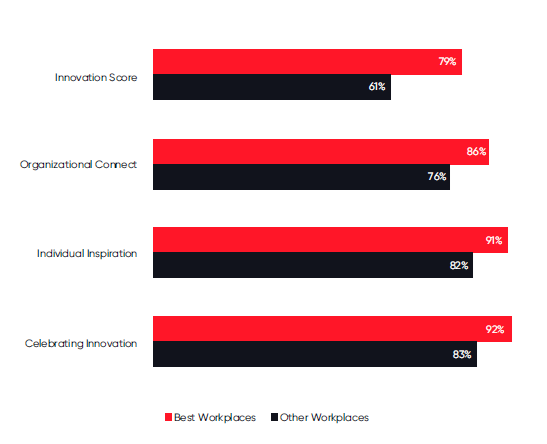
Innovation & productivity in best workplaces V/s Rest

Externally, the certification acts as a powerful tool for attracting talent. Job Seekers Are 15X More Likely To Choose Certified Great Workplaces. This can lead to a larger pool of high-quality applicants, reducing recruitment costs and time-to-hire. Moreover, the certification appeals to investors and business partners, who see it as an indicator of a well-managed, forward-thinking organization.

What is Certification Nation Day?

Certification Nation Day, celebrated annually on October 16, is a global event that recognizes and celebrates the best workplaces worldwide. It’s a day when all Great Place To Work Certified companies come together to showcase their unique company cultures and share their success stories.

For certified companies, Certification Nation Day presents a unique opportunity to align and amplify their employer branding efforts. It’s a chance to shine a spotlight on what makes their workplace special and to celebrate your employees who make it all possible.

Participating in Certification Nation Day can significantly expand the reach of your employer brand. By joining the global conversation, you can increase your visibility to potential employees, customers, and partners. Companies can participate through various means, such as hosting special events, running social media campaigns, or sharing employee testimonials and stories.

How do you Maximize Employer Branding Through Certification Nation Day?

To make the most of Certification Nation Day and boost your employer brand, consider the following strategies:

How to Celebrate Certification Nation Day

Host a Celebration

Make Certification Nation Day a memorable event for your team by organizing a special celebration. This can be done in various ways:

  • In-person Event: If possible, bring your team together for a company-wide celebration. This could include team-building activities, special presentations about your company culture, or even a themed party that reflects your organization’s values.
  • Virtual Celebration: For remote or distributed teams, host a virtual event. Use video conferencing platforms to bring everyone together. You could organize virtual games, host a digital award ceremony recognizing cultural champions, or have a virtual toast to your certification.
  • Hybrid Approach: Combine in-person and virtual elements to ensure all employees, regardless of location, can participate in the celebration.

The goal is to celebrate your outstanding workplace culture which garnered you the certification.

Leverage Social Media

Social media is a powerful tool to amplify your celebration and showcase your company culture to a wider audience. Here’s how you can make the most of it:

  • Create Engaging Posts: Share photos or videos from your celebration, employee testimonials, or infographics about what makes your workplace culture unique.
  • Use Hashtags: Amplify your impact by using the following hashtags in your posts:
    #GPTWCertified
    #CertificationNationDay
    #GreatPlaceToWork
  • Tag Great Place To Work: Don’t forget to mention Great Place To Work India in your posts. This increases visibility and allows us to potentially share your content.
  • Great Place To Work provides a toolkit for Certification Nation Day. Make full use of these resources to promote your participation and achievements effectively.
  • #CertificationNationDay
  • #GreatPlaceToWork

Launch a Special Initiative

Use this day to thank your employees and build a stronger sense of community within your organization. This can lead to increased employee satisfaction and loyalty, further strengthening your employer brand.

You may also use the Certification Nation Day as a launchpad for a new employee-focused initiative. This could be a new professional development program, a wellness challenge, or an innovation contest. This shows your ongoing commitment to maintaining and improving your great workplace.

By participating in Certification Nation Day, you’re not just celebrating your certification—you’re reinforcing your employer brand, engaging your employees, and showing the world what makes your company a great place to work. Mark your calendars for October 16, 2024, and get ready to join the global celebration of great workplaces!

Get Certified to Showcase Your Commitment  

Achieving Great Place To Work Certification is an excellent way to demonstrate your organization’s commitment to employees’ overall wellbeing and experience. This Certification not only enhances your employer branding but also helps attract and retain top talent. It highlights to current and prospective employees that your organization values their health, happiness, and overall wellbeing.  

By implementing a culture of trust, respect, and collaboration, you can create a workplace where employees feel strong, healthy, and connected. Certification also provides a benchmark for continuous improvement, helping you identify areas where you can further enhance employee well-being and overall workplace culture.  

For All Summit 2025: Vision to Value – Building Workplaces That Matter

Join us on February 6, 2025, in Mumbai for an enlightening day filled with insights on creating sustainable, humane, and inclusive workplaces. Learn from industry leaders about purpose-driven cultures, innovative HR practices, and adaptive leadership strategies. 

Get your passes today – https://testg.in/for-all-summit

Banner for registering for the Great Place To Work® For All™ Summit 2025

Camera red icon

LIVE WEBINAR WITH Q & A

certification-badge-2026-rhc4efc9ny04x7lz17jff7guyhsup5b0yvrou4vd72

The Certification Advantage: Why Partner with Great Place To Work®

How partnering with Great Place To Work can strengthen your people strategy, and drive business outcomes through data-driven insights and Certification.

prasad-kachraj

Prasad Kachraj

Managing Director, Great Place To Work, India

23rd September 2026  |  4.00 PM - 4.30 PM IST

Register Now