Every organization has a few people who show up with care, who put thoughtfulness into their work, who invest in their colleagues, and who take quiet pride in what they do. Most of them never know about it from the organization around them. Not because nobody noticed it, but because recognition in most organizations is unstructured, ad hoc, and neglected to the extreme. Creating a culture of appreciation is a deliberate choice at all levels of the organization.

Employee recognition is one of those topics that every organization claims to prioritize but only a few actually get it right. Not because it’s complicated, but because it’s easy to treat as an afterthought, something that happens around appraisal cycles or annual award dinners, rather than something woven into the daily fabric of how people experience work.

That gap between intent and reality is where culture quietly erodes.

What is Employee Recognition and Why Does It Matter?

At its core, employee recognition is the act of validating a person’s contribution, character, and effort in a way that makes them feel seen. It can be formal or informal, public or private, monetary or verbal, but the one thing all successful recognitions have in common is authenticity.

Also Read: How Organizations Can Retain Their Best Talent?

It should feel real to the person being recognized. Recognition is important because belonging is important. A large portion of our lives is spent at work. We bring our talents, our judgment, our time, and a large portion of our identity to the places we work. When those things go unrecognized, a quiet and slow corrosive sense of invisibility begins to take hold.

Our research identifies insufficient recognition as one of the primary drivers behind declining employee engagement, not because people become less capable, but because they become less connected. To their work, to their colleagues, and to the organization’s sense of purpose.

Recognition, if done well, restores that connection.

Why Is It Critical to Build a Culture of Appreciation?

There’s a difference between an organization that recognizes and an organization where recognition is a culture.

In the first scenario, recognition is event-based, or tied to a person who thinks of appreciating/recognizing their fellow colleagues, or to HR. In the second, it’s ambient – especially in how meetings are run, how feedback is given, how managers talk about their teams, and the way peers recognize each other and their work.

The second scenario is not something that just comes into existence naturally. It’s the result of intentional decisions made on all levels of the organization.

Great Place To Work® data shows that Best Workplaces™ score 84% on recognition experience compared to 76% at other organizations. That 8-point gap reflects something deeper than program design; it reflects a fundamentally different relationship between people and the organizations they work for. One where employees feel that who they are and what they contribute actually registers.

When appreciation is cultural, it changes the texture of the workplace. People feel more comfortable being themselves. More comfortable sharing ideas. More invested in collective outcomes. Not because they’re chasing validation, but because they’re in an environment where the fact that they’re individualism is valued.

What are the Benefits of Employee Recognition?

The benefits of a strong recognition culture extend well beyond individual morale.

  1. Retention: People stay where they feel valued. 
  1. Psychological safety: Regular appreciation signals that it’s safe to contribute, to take initiative, and to be visible. It reduces the fear of failure because people trust that their effort will be acknowledged even when outcomes are imperfect. 
  1. Team cohesion: Recognition, particularly between peers, strengthens the relational fabric of teams.  
  1. Leadership credibility: Managers who recognize well are the ones people trust.  
  1. Organizational culture: Cumulatively, recognition shapes what an organization values and communicates

How Can you Build a Strong Culture of Appreciation? 

  1. Lead from the top, genuinely. Recognition cultures are built or broken at the leadership level. When senior leaders acknowledge contributions specifically and sincerely, it establishes the norm for the rest of the organization. People take their cues from those above them. 
  1. Be specific. The difference between “thanks for your help” and “the way you navigated that client conversation last week, your calm under pressure made a real difference” is enormous. Specificity communicates that you were actually paying attention, which is what makes recognition feel real rather than performative. 
  1. Diversify the channels. Effective recognition cultures don’t rely on one mechanism. They create multiple touchpoints, formal award programs, peer recognition tools, manager check-ins, team rituals, because different people feel seen in different ways. What moves one person leaves another unmoved. 
  1. Make it consistent, not occasional. Recognition that only appears at annual reviews or milestone moments creates long stretches where people receive no meaningful acknowledgment at all. The most effective cultures build small, frequent moments of appreciation into everyday workflows. 
  1. Involve everyone. Recognition shouldn’t be the exclusive domain of managers. Peer appreciation is particularly powerful because it captures the granular, daily contributions that leadership often doesn’t have visibility into. When teammates acknowledge each other, it reinforces that the whole organization, not just its hierarchy, is paying attention. 

Types of Employee Recognition 

  1. Peer-to-Peer is one of the most human ways to recognize. Colleagues recognize without any hierarchical obligation, but out of mutual respect. The culture that emerges from this is horizontal trust, where people feel appreciated from and by the people they work with every day, not just their managers. 
  1. Manager-to-Employee is especially powerful because of the relationship involved. Recognizing from someone who has direct responsibility for your growth and evaluation is inherently powerful. But this power also means it must be real. When managers recognize in a non-specific manner, they cause more harm than good, because it creates the impression that the action is more procedural than personal. 
  1. Public Recognition is visible to the whole organization, and in doing so, it signals what your organization valuesHarrisons Malayalam Limited’s Happiness Champion Awards Initiative is a well-designed example, recognizing employees quarterly and annually across individual, manager, leadership, and team categories, with criteria that includes community contribution and the elevation of colleagues’ happiness. What’s notable is that the criteria extend beyond performance outputs to include the human dimensions of workplace contribution. 

Conclusion 

Recognition is not a productivity hack. It is a statement of the kind of workplace you want to create, where people believe that who they are and what they do really does matter to the organization around them. 

Also Read: How to Reduce Employee Turnover Rate?

Creating a culture of appreciation is a long-term commitment. The flip side? A workplace where people feel unseen and invisible, which comes at a far greater cost in terms of retention, trust, and the quality of the relationships that sustain organizations over time. 

Frequently Asked Questions 

How does recognition impact employee engagement?  

Engagement is essentially a measure of how invested people feel in their work and work environment. Recognition is one of the most concrete ways to support that investment; it tells a person that their presence and contributions are being seen, which is a fundamental human desire in any relationship, including a professional relationship. 

What are the best ways to recognize employees?  

The best recognition is personal, timely and meaningful. There isn’t a one-size-fits-all, which is why it’s important to know what works for each individual. To some, public recognition is great. For others, a thoughtful note from their manager means much more. The best recognition cultures offer a variety of channels and trust people to let you know what works. 

How often should employees be recognized?  

Recognition is not for rationing. When you must recognize regularly. Add in small habits of appreciation into routine conversations, team meetings, one-on-ones and project close-outs, it’s more impactful than hoarding recognition for formal events. 

What is the difference between recognition and rewards?  

Recognition is relational. It’s the human act of seeing someone and acknowledging them. Rewards are tangible manifestations of that acknowledgment. Some form of acknowledgment is necessary for both, but the meaning of the reward can be diminished if they are not coupled with genuine recognition, and the reward is of secondary importance to the recognition. It is about the emotional experience of the feeling of being seen. 

What are low-cost recognition ideas?  

Some of the most meaningful forms of recognition require no budget at all, a specific, personal thank-you note, a public mention in a team meeting, a senior leader taking time to acknowledge someone’s contribution directly, or featuring an employee’s work in an internal communication. The currency of recognition is attention, and that is always within reach.
Introduction

A digital detox helps employees reduce stress, regain focus, and boost productivity, making it a critical strategy for HR leaders aiming to build healthier, more engaged teams. Employees experience an overwhelming number of notifications throughout the day. Although technology can make us more productive, it can also lead to mental fatigue, stress, and reduced engagement in the long term. According to Great Place To Work® India’s Health and Wellness Report, 83% of employees consider wellbeing a core workplace driver. This shows that HR leaders must find a way to balance connectivity with wellbeing. Digital Detox serves as a method for people to temporarily stop using screens which enables them to restore their capability to concentrate and create new ideas while maintaining their mental health.

What is Digital Detox?

Digital detox requires people to take a complete break from all their devices which includes smartphones and laptops, and social media platforms to achieve lower stress levels and mental restoration. Employees need to establish technological usage limits which will enable their mental recovery and peak job performance.

Understanding Digital Detox Beyond the Buzzword

Digital detox is a growing trend which has emerged as a reaction to an increasing culture of burnout. In India, there is still considerable stigma associated with mental health issues, meaning that many workers do not bring up stress or burnout at work.

As hybrid working blurs the boundaries between work and home, detox programs offer tools and techniques to help employees regain their focus and find balance again. This is critical for maintaining engagement and retaining workers over time. The next section delves deeper into how digital detox can benefit workplaces.

How Digital Detox Benefits Can Improve Workplace Productivity?

Benefits of digital detox are many, let’s understand how it can improve workplace productivity:

1. Dramatic Productivity GaiConstant notifications slice attention into fragments, thereby cutting efficiency. Scheduled digital breaks let employees work in deep-focus mode; they get more done and make fewer errors.

2. Reduced Burnout and Better Retention of Employees

Burnout is the silent productivity killer. In cultures of wellbeing, 97% of employees are motivated and express an intent to stay, compared to less than 20% employees in cultures of neglect.

3. Improved Creativity and Innovation

Taking breaks gives us time to reflect and come up with new ideas, which is essential for solving problems and being creative. Energized workplaces celebrate innovation at 96%, while those that neglect it only hit 10%.

4. Robust Team Collaboration and Communication

Ironically, less screen time can fuel better communication. In-person or mindful virtual interactions foster trust and belonging that drive engagement.

5. Improved Employee Health and Reduced Healthcare Costs

Living with too much digital media creates eye strain, back pain from poor posture, and stress. Encouraging people to take breaks from digital screens can help reduce long-term health-related costs for the organisation.

6. Higher Employee Engagement and Satisfaction

When employees feel psychologically safe in their workplace, they are 5X more likely to feel engaged and loyal to the organization. When HR leaders implement a detox program for employees, it shows them that the organization cares about them. This, in turn, will enhance their morale and discretionary effort.

7. Improved work-life balance and boundary setting

Hybrid work often erodes boundaries. Detox initiatives help employees be able to “turn-off” after work hours to help create a healthier work/life integration.

Why Digital Detox Matters for HR Leaders Today?

With the conversations around wellness at workplace increasing, the bar has been set high. Employees expect a workplace that nurtures mental resilience, agility, and holistic well-being. HR leaders creating an environment where employees feel comfortable to discuss their mental health will be positioned to attract and retain top-performing employees and decrease employee turnover from burnout.

Also Read: Biggest HR Events in India

The following section talks about the steps that HR leaders can take to enable digital detox at their workplace.

Overcoming Common Digital Detox Challenges

Implementing digital detox can feel daunting, but these strategies make it practical:

  • Start off with “no-meeting” hours, and/or a screen-free lunch break as initial steps.
  • Train teams regarding the value of detox techniques and examples of how they worked well for other organizations.
  • Leaders should role model detox behaviours. When leaders unplug, employees follow.
  • Technology can be used effectively to schedule blocks of uninterrupted work time, and to promote asynchronous communication amongst coworkers.

Conclusion

To avail the benefits of digital detox, you don’t need to restrict technology use; it is about utilising it more wisely. For HR leaders, this is a powerful lever to boost productivity and engagement and increase well-being. In a talent-driven market, organizations that focus on digital wellness will set an example for how to develop the future of work.

Frequently Asked Questions

1. Why should leaders focus on digital detox programs?

Digital detox programs help reduce employee burnout, enhance employee focus, and contribute to an employee’s overall wellbeing; all of which have a direct impact on employee productivity and retention in the long term.

2. How can HR encourage digital detox without hurting workflow?

HR leaders can encourage digital detox initiatives such as scheduled breaks, creation of no-meeting zones, and educating employees about effective time management.

3. How do digital breaks impact overall employee wellbeing?

Digital detox breaks lower the stress level of employees, promote good mental wellness and improve work/life balance.

4. Does digital detox mean no technology at all?

No, it means using technology mindfully and setting boundaries to prevent overload.

5. What is the ideal duration for a digital detox at work?

Short breaks of 15–30 minutes daily or a few hours weekly can significantly improve focus and reduce stress.

According to Great Place To WorkⓇ ’s research, to cultivate a culture of Innovation By All, it is crucial for organizations to align their innovation practices with employee experiences. This alignment is essential to bridge the gap between the innovation approach and the desired outcomes.

MOURI Tech (P) Limited’s culture reflects this philosophy in many ways, which has enabled it to be one of the Top 50 Companies (in the Large category) in India’s Best Workplaces Building a Culture of Innovation by All 2023 list.

As a Global Enterprise Solutions company operating under the motto ‘Employee First. Customer Foremost’, MOURI Tech’s journey toward innovation has been both challenging and rewarding, marked by bold moves and strategic decisions. By Investing heavily in R&D, and embracing a “fail-fast” mentality, MOURI Tech provided its employees with the necessary freedom and resources to pursue ambitious projects.

MOURI Tech has made significant strides in innovation over the years. One of the key milestones in its innovation journey was the launch of its Artificial Intelligence (AI)-powered platform in 2018 to help businesses automate and streamline their operations using AI and ML algorithms. This platform has been a game-changer for many of MOURI Tech’s customers, enabling them to improve operational and business efficiencies, achieve significant cost savings, and gain a competitive edge in their respective industries.

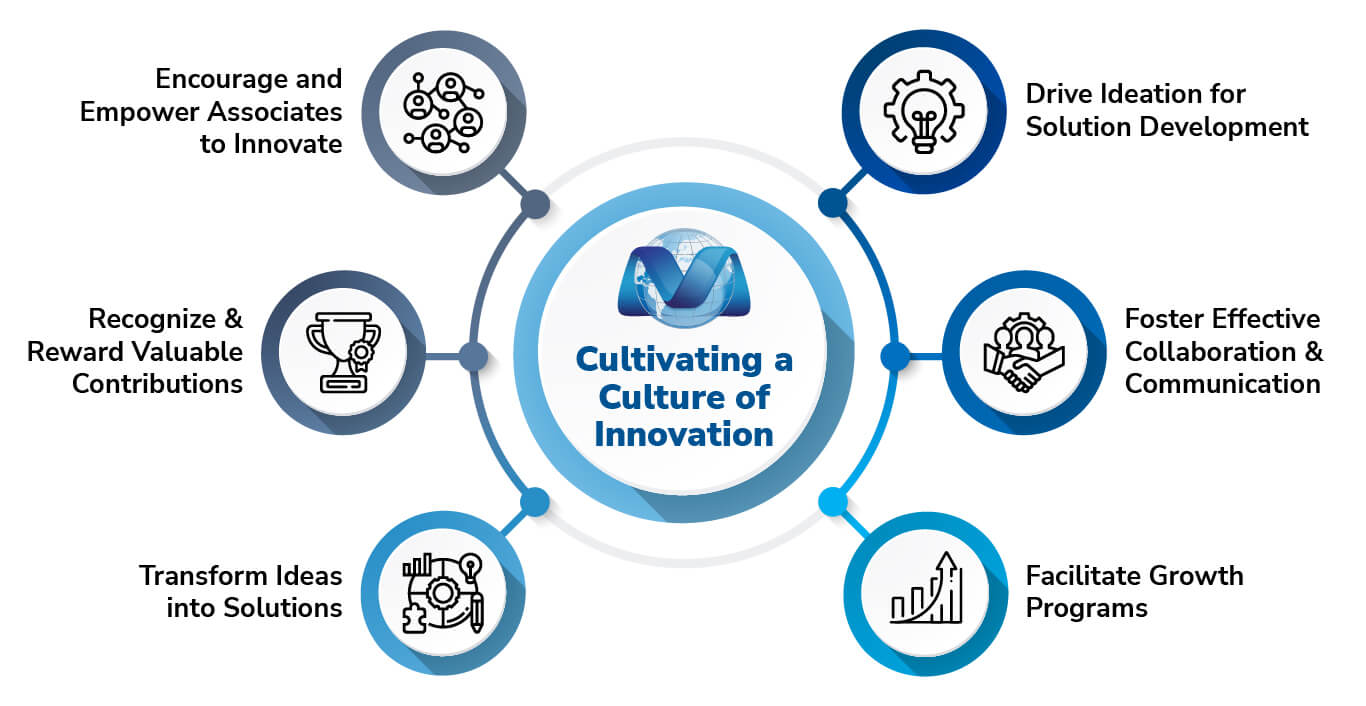
A major factor in MOURI Tech’s success in innovation has been its culture of experimentation and risk-taking approach. The company encourages its associates (as employees are referred to, here) to think outside the box and explore new ideas and concepts. Leaders here believe that the best ideas come from people who are involved directly with customers, suppliers, and products on a daily basis. MOURI Tech’s Ideation Platform has paved the way for the development of several innovative products & solutions for the clients, thereby helping MOURI Tech to maintain a consistent level of competitiveness.

mouri tech innovation blog-infographic

Here are a few examples of the impact made:

  • As reviewing multiple contracts was becoming a challenge owing to the rapid organizational growth, the Recruitment and AI teams collaborated and came up with an AI-enabled process that could wrap up reviews in 80% less time and with 40% more accuracy.
  • The Recruitment and AI teams also came together to develop an AI-based Resume Scoring Solution to decrease profile screening time by 90%.
  • An idea shared by an associate, about developing a solution that helps read through emails and create a Customer Sales Order form, thus bypassing the need to read through a huge number of emails from a vendor for orders. This has been well received in the market as an efficient, employable product.

As the technology landscape continues to evolve, MOURI Tech is well-positioned to lead the way in innovation and help organizations across the globe achieve their digital transformation goals and through it, sustained growth.

Learn more about MOURI Tech (P) Ltd, a Great Place to Work.

The Pharmaceutical, Healthcare, and Biotech (PHB) industry is expanding swiftly, bringing its share of opportunities and challenges. That’s why it is necessary to pay attention to leadership, innovative practices, and employee engagement. By bridging the gap between organizational intent and employee sentiment, we can create a more people-centric culture that fosters positive people practices and encourages innovation across the board. In this blog, we’ll explore these topics in depth and share insights on creating a culture of innovation in the PHB industry.

How to Overcome Challenges in Pharmaceutical Industry?

Here are a few things that will help the organizations overcome the challenges in pharmaceutical industry:

Leadership Effectiveness

For any industry to thrive, leadership effectiveness is an essential component. To foster an environment of trust and engagement among employees, leaders must prioritize building genuine connections with their team, ensuring clear and effective communication. Leaders can achieve this by being approachable and showing genuine concern for the well-being of the team; while also, clearly communicating the organization’s vision and providing a clear roadmap to achieving the goals.

Organizations should explore leaders from varied backgrounds to truly maximize human potential, and improve employee engagement. From our recent study, leaders at the Best Workplaces in PHB ensure effective communication through all channels, including top-down, bottom-up, and candid communication. Not only do these leaders ensure they “walk the talk” by delivering on promises and actions matching their words, but also focus on hiring, the fitment of employees, and overall development. By focusing on proficiency and genuinely fulfilling unmet needs, leaders in the industry are taking a step toward building trust.

Employee Expectations

According to our recent study, there is a disconnect between employee expectations and the experience delivered by employers in the PHB industries. To bridge this gap and become more people-centric, organizations must listen to their employees more and implement changes accordingly.

Real-time employee listening and delivering feedback is key to creating a framework for a great workplace. A great workplace is built on the foundation of trust and embeds meaningful values and effective leadership. This allows the organization to maximize its human potential and foster innovation For All™. Trust is the fuel that powers performance, and the trust levels of employees are determined by the quality of their experience, which is generated through the right people practices.

Also Read: India’s Best Workplaces in Pharmaceuticals, Healthcare and Biotech 2025

Unfortunately, organizations in the PHB industry have sub-optimal levels of practices in all aspects. To improve employee engagement, overcome challenges in pharmaceutical industry and create a positive experience, organizations need to develop effective practices that show greater intent to employees. By focusing on trust, values, and effective leadership, organizations can create a great workplace culture that leads to financial growth.

Innovation Experience

Innovation is the key to success in the PHB industry, but it’s not always easy to achieve. Organizations need to focus on creating individual inspiration and organization-connect toward innovation. This can be achieved through effective practices and greater opportunities.

According to our recent study, employees in the PHB industry report the least positive experience in a culture of innovation due to a lack of innovation opportunities. The PHB industry shows maximum intent with practices focused on innovation, but employee experience is the lowest.

To improve this, organizations need to devise more and better practices as the first step and then disseminate them to employees for a better experience. By creating a culture of “Innovation by All” organizations can foster a sense of hyper-motivation and pride in the workplace. This culture is critical for sustenance and enduring success. An intentional 2-way conversation helps celebrate innovation at work and provides opportunities for developing new and better ways of doing things.

Also Read: 5 Platforms to Showcase Your Certification Badge

To build and sustain a culture of innovation, management needs to genuinely seek ideas and suggestions from employees and then act on them. This can be achieved through organizational connection, where management involves people in decision-making.

The way forward for the PHB industry is to bring the workplace culture to center stage. The industry needs to focus on fairness and managaement credibility to reduce the gap between the PHB industry and other industries in India. Compared to the previous year, organizations have managed to deliver positive growth in creating a safe place to work. However, amongst all aspects, the maximum decline is seen in fairness, followed by pay/benefits and credibility.

By addressing these areas, the industry can improve employee engagement and create a more positive and innovative work culture.

To conclude, the best workplaces in the PHB industry are leading the movement in all three aspects: quality of practices, employee experience, and culture of innovation. On average, the best workplaces score 25% higher on quality of practices and 5% more on employee experience. These organizations set the standard for the rest of the industry. This serves as a model for creating a positive and innovative work culture leading to sustainable success.

Frequently Asked Questions

1. What are the biggest challenges in the pharmaceutical industry today?

Regulatory compliance, talent shortages, and innovation gaps are the major challenges impacting growth and competitiveness in the pharmaceutical industry.

2. How can pharma companies improve employee engagement?

Pharmaceutical companies can enhance employee engagement by fostering trust, actively listening to employees, and establishing transparent communication channels.

3. Why is innovation important in the pharmaceutical sector?

Innovation drives drug development, operational efficiency, and long-term sustainability in a highly competitive market.

4. What role does leadership play in overcoming challenges in the pharmaceutical industry?

Effective leadership fosters trust, clear communication, and employee engagement, which are essential for navigating regulatory, operational, and innovation challenges in the industry.

Key trends include digital transformation, personalized medicine, increased focus on workplace culture, and the integration of AI in drug development and operations.

Summary – Employee retention has become a critical challenge as today’s workforce seeks more than just a paycheck. Our research reveals that successful retention isn’t about superficial perks, it’s about building trust, ensuring fairness, and creating purpose. Organizations that excel in equitable compensation, treatment, and positive environments retain talent effectively. The key lies in high-trust leadership, meaningful work, growth opportunities, and genuine care for employee wellbeing. 

The workplace has transformed dramatically in recent years. Today’s employees aren’t just looking for a job; they’re seeking an experience that aligns with their values, supports their growth, and recognizes their contributions. In this new era, forming and implementing employee retention strategies has become one of the most critical challenges facing organizations. The question isn’t just how to attract top talent, but how to keep them engaged, motivated, and committed to your organization’s success.

At Great Place To Work®, our decades of research across millions of employee surveys have revealed what truly differentiates workplaces that retain their best people from those that struggle with constant turnover. The answer isn’t about ping-pong tables or free snacks, it’s about building a foundation of trust, fairness, and genuine care for your people.

What is Employee Retention?

Employee retention is an organization’s ability to retain its employees and reduce turnover. It’s measured by the percentage of employees who remain with a company during a specific period. But retention is more than just a metric, it’s a reflection of your workplace culture, leadership effectiveness, and employee experience.

High retention rates signal that employees feel valued, see growth opportunities, and believe in the organization’s mission. Low retention, conversely, often indicates deeper issues within the workplace culture that require immediate attention.

Why Focus on Employee Retention Strategies?

The advantages of maintaining a stable, engaged workforce extend far beyond avoiding recruitment costs. Organizations that excel at retention experience:

  • Cost Savings: Replacing an employee can cost up to twice their annual salary when you factor in recruitment, onboarding, training, and lost productivity. High retention directly protects your bottom line.
  • Enhanced Productivity: Employees who stay longer develop deeper expertise, stronger relationships, and more efficient workflows. Our research shows that happy and engaged employees are significantly more productive and take ownership of their work.
  • Institutional Knowledge: Long-tenured employees carry invaluable organizational knowledge, cultural wisdom, and industry insights that can’t be replicated through hiring alone.
  • Stronger Customer Relationships: Continuity in your workforce translates to better customer service. Engaged employees who feel positively about their workplace are more likely to deliver exceptional experiences that build customer loyalty.
  • Improved Employer Brand: When current employees are vocal advocates for your organization, recruitment becomes easier and more cost-effective.

Why Are Employees Leaving?

Understanding the root causes of turnover is essential to addressing it effectively. Our research reveals several common reasons employees choose to leave:

  • Feeling Undervalued: When employees believe their contributions aren’t recognized or fairly compensated, they disengage and eventually depart. This extends beyond salary to include acknowledgment, growth opportunities, and equitable treatment.
  • Lack of Growth Opportunities: Without clear pathways for career development, employees feel stagnant. Top talent, in particular, seeks organizations committed to their long-term success.
  • Poor Leadership: Employees don’t leave companies, they leave managers. Leadership that fails to build trust, communicate effectively, or support their teams drives talented people away.
  • Work-Life Imbalance: Organizations that don’t respect boundaries or support employee wellbeing create unsustainable working conditions that eventually drive people to seek healthier environments.
  • Absence of Purpose: When work feels transactional rather than meaningful, employees lose motivation and begin looking for roles where they can make a genuine impact.

Why Does Employee Retention Matter More Than Ever in 2026?

The workforce landscape has undergone a fundamental shift. The post-pandemic world has redefined employee expectations, and organizations must adapt or risk losing their best people.

Today’s employees prioritize holistic experiences over hefty paychecks alone. They seek purpose in their work, fairness in how they’re treated, and environments where they can thrive both professionally and personally. The traditional employment contract has been rewritten, and organizations that cling to outdated retention strategies will find themselves constantly replacing talent rather than cultivating it.

How to Improve Employee Retention?

Improving retention requires a comprehensive approach that addresses the full employee experience. Based on our extensive research with Best Workplaces ™, several key areas demand attention:

  • Build High-Trust Leadership: Employees who work under high-trust leaders are more likely to stay with their organization. Leadership behaviors that foster trust include transparent communication, consistent actions that match words, and genuine care for employee wellbeing.
  • Create Purpose and Meaning: Help employees understand how their work contributes to the organization’s broader mission and impact. When people see meaning in what they do, they’re far more likely to remain committed.
  • Ensure Fair Compensation and Treatment: Best Workplaces see a 10% uplift in positive employee responses because they excel at offering fair compensation, equitable profit sharing, and creating environments where everyone feels valued, regardless of their background.
  • Foster a Positive Work Environment: Employees who find their work environment enjoyable are 1.7 times more likely to stay with their organization. This doesn’t mean superficial perks, but rather a culture of psychological safety, recognition, and authentic connection.

Proven Employee Retention Strategies for 2026

Our research with Best Workplaces has identified specific strategies that consistently drive retention:

1. Prioritize the Three Pillars: Fairness, Purpose, and Fun

Organizations that excel in fair compensation, equitable treatment, and creating positive work environments are five times more likely to be rated as great places to work. This powerful combination creates a workplace where people genuinely want to stay.

2. Implement Open Communication Channels

Create spaces where employees feel safe voicing concerns, sharing ideas, and providing feedback. Trust flourishes when communication flows freely in all directions.

3. Invest in your DEIB initiatives

Demonstrate that all employees are valued regardless of their background. Inclusive workplaces where everyone feels they belong naturally retain talent more effectively.

4. Develop Clear Career Pathways

Provide transparent opportunities for growth and advancement. Employees need to see a future within your organization.

5. Offer Meaningful Recognition

Implement systems that celebrate both major achievements and everyday contributions. Recognition fuels engagement and loyalty.

6. Support Work-Life Integration

Flexible work arrangements, generous time-off policies, and respect for personal boundaries show employees you value their whole selves, not just their productivity.

7. Cultivate Psychological Safety

Create an environment where employees can take risks, make mistakes, and receive honest feedback without fear. Innovation and retention both thrive in psychologically safe workplaces.

8. Share Success Through Profit Sharing

When employees share in organizational success, they develop a deeper sense of ownership and commitment to collective goals.

9. Focus on Meaningful Work

Help employees connect their daily tasks to larger organizational purposes. Purpose-driven work creates intrinsic motivation that outlasts any external incentive.

10. Empower Decision-Making

Give employees autonomy over their work. Empowerment fosters engagement and demonstrates trust in your people’s capabilities.

Conclusion

Employee retention in 2026 isn’t about implementing a single silver-bullet solution, it’s about creating a comprehensive workplace experience where people feel valued, supported, and inspired to contribute their best work. Organizations that prioritize fairness, foster genuine connections, and invest in their people’s growth will build the loyal, high-performing workforces that drive sustainable success.

The data is clear: Best Workplaces that focus on these retention strategies see significantly lower turnover rates across all industries. They’ve moved beyond surface-level perks to address the fundamental human needs for purpose, equity, and belonging.

The organizations that thrive in the coming years will be those that recognize a simple truth: your people are your greatest asset. When you create a workplace where they can flourish, they’ll choose to stay, grow, and help your organization reach new heights. The investment in retention isn’t just about reducing turnover; it’s about building a workplace where everyone, from leadership to frontline employees, can truly thrive.

Frequently Asked Questions

1. What is the meaning of employee retention?

Employee retention refers to an organization’s ability to keep its employees over time and prevent turnover. It reflects how well a company creates an environment where people choose to stay, grow, and contribute to long-term success.

2. What contributes to employee retention?

Key contributors include fair compensation, high-trust leadership, meaningful work, growth opportunities, and positive workplace culture. Employees stay when they feel valued, treated equitably, and see a clear future within the organization.

3. Why employee retention matters to businesses?

Retention directly impacts profitability, productivity, and organizational knowledge. It reduces costly turnover, maintains customer relationships, strengthens employer brand, and creates stable teams that drive innovation and sustained business growth.

4. What’s the difference between employee retention and employee turnover?

Employee retention measures the percentage of employees who stay with an organization, while employee turnover measures those who leave. Retention focuses on keeping talent; turnover tracks departures, they’re inverse metrics of workforce stability.

5. Who is responsible for employee retention strategies?

While HR develops retention frameworks, responsibility is shared across the organization. Leaders and managers directly influence retention through daily interactions, while executives set cultural tone and allocate resources to support retention initiatives.

6. Why should managers measure employee retention?

Measuring retention helps identify trends, assess the effectiveness of workplace strategies, and pinpoint areas needing improvement. It provides actionable insights to reduce costly turnover and build stronger, more engaged teams.

Summary – This blog explores what employee experience truly means, why it’s essential for both human well-being and business success, proven strategies for improvement, common challenges leaders face, and how Great Place To Work® Certification™ provides a roadmap to building exceptional workplace cultures. 

What makes someone look forward to Monday mornings? What transforms a job into a place where people feel they truly belong? The answer lies in employee experience, the sum of every interaction, feeling, and moment that shapes how people experience their work and workplace.

At Great Place To Work, our research representing the voices of 5.7 million+ employees reveals a fundamental truth: great workplaces aren’t built on perks or policies alone. They’re built on trust, belonging, and the consistent feeling that “I matter here.” When employees experience workplaces where they feel valued, heard, and connected to purpose, something remarkable happens. They don’t just show up, they bring their whole selves to work.

The question for leaders today isn’t whether employee experience matters, but how to intentionally design it so every person, regardless of who they are or what they do, feels the workplace is great for them.

What Is Employee Experience?

Employee experience is the journey individuals take through your organization, encompassing every touchpoint, interaction, emotion, and observation from the moment they first encounter your employer brand through their final day and beyond.

It’s what people feel when they walk into the office (or log on remotely). The quality of their relationship with their manager, the fairness they perceive in how decisions are made, the pride they take in their team’s work, and the sense of belonging they feel with colleagues. It’s whether they have the tools they need, whether their ideas are heard, whether they see opportunities to grow, and whether they believe their work contributes to something meaningful.

How Do You Define Employee Experience?

Based on 30 years of studying the Best Workplaces™ globally, Great Place To Work defines employee experience through three essential dimensions:

  • Trust – Credibility, respect, and fairness in relationships and work.
  • Pride – Meaning derived from personal contributions, team accomplishments, and organizational impact.
  • Camaraderie – Genuine care, psychological safety, and authentic connections with colleagues.

When these align consistently, exceptional employee experiences emerge.

Why Is the Employee Experience Important?

Employee experience matters because it directly impacts human well-being and organizational performance simultaneously. This isn’t a trade-off where you choose between caring for people and achieving results, it’s an integration where both flourish together.

From a human perspective, people spend significant portions of their lives at work. When that experience is positive, when they feel respected, supported, and connected, it enhances their overall quality of life. Conversely, negative workplace experiences contribute to burnout, stress, and diminished well-being that spills into personal life.

From a business perspective, the evidence is compelling. Organizations where everyone experiences a positive work environment report 9% greater discretionary effort across all industries. Best Workplaces score 7% higher on critical experience drivers, including career growth opportunities, better team dynamics, and clarity of expectations.

The financial impact is equally clear. Our research shows that Best Workplaces have yielded 14X returns on initial investment since 2008-09, outperforming major stock indices by more than 3X. When people have great experiences at work, they stay longer, perform better, innovate more readily, and deliver superior customer experiences, all of which drive business results.

Perhaps most importantly, employee experience shapes organizational resilience. In times of change, uncertainty, or crisis, organizations with strong cultures of trust and positive employee experiences weather storms more effectively because their people remain committed and engaged.

Why Businesses Need to Invest in Employee Experience?

Today’s workplace is transforming quickly. GenAI, a growing Gen Z workforce, hybrid work, and rising expectations for transparency and purpose are reshaping what people want. Employees now expect more than pay; they want psychological safety, real inclusion, well-being support, and room to grow, and companies that can’t offer this struggle to attract and keep talent.

This shift is redefining the psychological contract, pushing organizations toward more human-centric cultures that genuinely value individual needs and aspirations. In a competitive talent market, that shift matters; strong employee experience and a positive employer reputation help companies hire better and retain more.

Simply put, investing in employee experience is no longer optional, it’s essential.

6 Ways to Improve Your Employee Experience Strategy

Build a Culture of Genuine Recognition

People need to feel seen and appreciated for their contributions. When recognition is timely, specific, and authentic, it reinforces that their work matters and motivates continued excellence.

Create Crystal-Clear Communication and Alignment

Ambiguity creates anxiety and disconnection. Clear communication about organizational direction, individual roles, and expectations helps employees understand how their work contributes to the bigger picture.

Foster Transparent, Approachable Leadership

The quality of leadership fundamentally shapes daily experience. When leaders are accessible, listen actively, and create psychological safety, employees feel empowered to speak up, share ideas, and bring their authentic selves to work.

Strengthen Team Connection and Belonging

Relationships at work matter profoundly to employee experience. Creating opportunities for genuine connection, collaboration, and celebration builds camaraderie that transforms colleagues into trusted teammates.

Invest in Growth and Development

People want to evolve, not stagnate in their careers. Providing clear development paths, learning opportunities, and support for skill-building shows employees the organization is invested in their future.

Ensure Fairness and Equity Across All Groups

Best Workplaces create “For All” cultures where positive experience isn’t limited to certain demographics. This means examining experience data across different groups and taking action to close gaps, so everyone feels valued and included.

Challenges to Providing a Great Employee Experience

Even well-intentioned organizations face obstacles in creating consistently positive experiences, such as:

  • Recognition Gaps – Systems that fail to acknowledge contributions meaningfully leave people feeling invisible. The challenge isn’t creating recognition programs but ensuring recognition is timely, specific, equitable, and valued by recipients.
  • Communication Breakdowns – When organizational direction, expectations, or changes aren’t communicated clearly and consistently, employees experience confusion and disconnection. Information silos between departments or levels exacerbate this challenge.
  • Leadership Skill Gaps – Not all managers naturally possess the emotional intelligence, trust-building capabilities, or people development skills required to create great experiences for their teams. Without investment in leadership development, even good intentions fall short.
  • Inclusion Inconsistencies – When some groups experience significantly better workplace culture than others, whether based on gender, role level, tenure, or department, it creates inequity that undermines overall culture. Achieving consistency is challenging but essential.
  • Limited Resources and Competing Priorities – Organizations face pressure to deliver financial results, manage operations, and drive growth. When employee experience initiatives compete for budget and leadership attention with other priorities, they often get deprioritized despite good intentions.
  • Resistance to Change – Improving employee experience often requires changing long-standing practices, behaviours, and systems. Organizational inertia and resistance from those comfortable with the status quo can slow or derail improvement efforts.

How to Improve Employee Experience with Great Place To Work Certification

Great Place To Work Certification provides organizations with a proven methodology and roadmap for creating consistently positive employee experiences.

The process begins with the Trust Index™ Survey, where employees provide confidential feedback across credibility, respect, fairness, pride, and camaraderie, revealing not just overall experience but differences across demographic groups and roles. The Culture Audit™ complements this by evaluating leadership practices, programs, and policies that shape your organization’s culture and daily employee experience.

Together, these tools offer:

  • Benchmarking Data: Compare your employee experience to thousands of organizations globally, understanding where you stand and what’s possible.
  • Actionable Insights: Identify specific opportunities to improve experience for all employees or targeted groups.

Organizations that achieve certification join a community committed to continuous improvement, gaining accountability and evidence-based insights that matter most to their people. The certification journey transforms intuition into data-driven understanding, fragmented initiatives into integrated culture strategies, and good intentions into measurable impact.

Conclusion

When people experience work as a place where they’re trusted, valued, and connected to something meaningful, they don’t just work, they thrive. And when people thrive, organizations succeed in ways that transcend financial metrics, creating lasting value for all stakeholders.

The question isn’t whether to invest in employee experience. The question is: what will you do today to make your workplace great for all?

Frequently Asked Questions

What are the stages of employee experience?

Employee experience spans the entire employee lifecycle: attraction and recruitment, onboarding, development and growth, daily work experience, and offboarding, each stage shaping how people perceive and engage with your organization.

Why should employee experience be your top priority?

Employee experience directly drives business outcomes including retention, performance, innovation, and customer satisfaction, while simultaneously enhancing human well-being making it both a moral imperative and a competitive advantage.

How to improve your employee exit program?

Conduct meaningful exit interviews to gather honest feedback, maintain positive relationships with departing employees as potential brand ambassadors or boomerang hires, and use insights to address systemic issues that drive turnover.

What are the types of employee experience surveys?

Common types include employee engagement surveys (measuring emotional commitment), pulse surveys (frequent check-ins on specific topics), onboarding surveys (new hire experience), exit surveys (departure feedback), and comprehensive culture surveys like the Trust Index™ that measure overall workplace experience.

What is the difference between employee experience vs employee engagement?

Employee experience is the comprehensive journey and all interactions an employee has with the organization, while employee engagement is the emotional commitment and discretionary effort that results from positive experiences. Experience is the cause; engagement is the effect.

Today, leading organizations are realizing that their most significant strength isn’t technology, money, or even market position—it’s their people. A strong workplace culture directly connects to business success, and Great Place To Work® Certification™ is the gold standard for companies that want to build trust, inspire performance, and create a positive workplace culture. From attracting top talent to being the easy choice for customers, Certification sets your organization apart and drives long-term success.

What does Great Place To Work Certification represent?

Great Place To Work Certification reflects an organization’s dedication to building a culture of trust and performance across all levels. It is a strong signal to employees, customers, and the broader market that the company prioritizes its people and is committed to their growth and well-being. 

At the core of this certification is the Trust Index™ Survey, which evaluates how employees perceive leadership, the fairness of workplace practices, and their overall experience at work. 

This certification is not a one-off achievement. It represents an ongoing effort to strengthen and improve workplace culture, helping organizations enhance their reputation with future talent, customers, and partners.

  1. Attracting & Retaining Talent 

One of the most immediate ways Great Place To Work Certification drives business excellence is through its profound impact on talent acquisition. The certification serves as a powerful employer brand enhancer, acting as a beacon for top-tier professionals who understand the value of working in exceptional environments. 

Our 2023 workforce study revealed that 76% of job seekers prefer companies that are Great Place To Work Certified over those that are not. This preference isn’t random; it shows an understanding that great workplaces give people better career growth, more meaningful work, and long-term opportunities to succeed. 

When organizations consistently attract high-calibre talent, they create a virtuous cycle of excellence. Exceptional employees raise the bar for performance, innovation, and collaboration, ultimately driving superior business outcomes across all organizational functions. 

  1. Data-Driven Culture Excellence 

Business excellence requires measurement, and Great Place To Work Certification provides organizations with precise, actionable insights into their workplace culture. The Trust Index Survey offers more than surface-level feedback, it provides deep analytics into leadership effectiveness, perceived fairness, sense of belonging, and employee engagement levels. 

This data becomes the foundation for strategic decision-making. Organizations can identify specific areas where culture improvements will drive the greatest business impact, whether that’s enhancing leadership development programs, improving communication systems, or creating more inclusive practices that boost innovation and creativity. 

The annual survey process ensures that cultural excellence isn’t a one-time achievement but an ongoing commitment to continuous improvement, a hallmark of truly excellent organizations. 

  1. Building Pride and Retention 

Employee engagement directly correlates with business performance, and Great Place To Work Certification creates powerful internal dynamics that drive both engagement and retention. When employees feel proud to work for their organization, they become active ambassadors for excellence, both internally and externally.  

This pride translates into tangible business benefits: reduced turnover costs, increased productivity, enhanced customer service, and stronger innovation capabilities. Employees who are genuinely engaged in their work don’t just meet expectations; they consistently exceed them, driving organizational performance to new levels. 

The certification process creates a feedback loop where recognition of excellence reinforces the behaviours and attitudes that originally earned that recognition, creating a self-sustaining culture of high performance. 

  1. Market Performance: The ROI of Cultural Excellence 

Great Place To Work Certification delivers real business value that goes far beyond employee satisfaction. Certified companies consistently perform better financially than their competitors because happy, engaged employees work harder, make smarter decisions, and provide better customer service.  

When your workforce is truly committed to your company’s success, it shows in every aspect of your business performance. Customers today prefer doing business with companies that treat their employees well, and certification proves you’re one of those companies.  

This creates a competitive advantage that helps you win more business, attract better investors, and build stronger partnerships. For shareholders and business partners, certification signals that an organization has the cultural foundation necessary for sustainable long-term success, making it a more attractive investment and partnership opportunity. 

  1. Reinforce values and workplace culture 

Beyond recognition, certification is a reminder of what the company stands for. It validates the efforts to build a culture rooted in trust and care, and it shows employees that their contributions matter. By celebrating milestones like certification, organizations highlight their values in action and encourage employees to keep shaping the culture every day. 

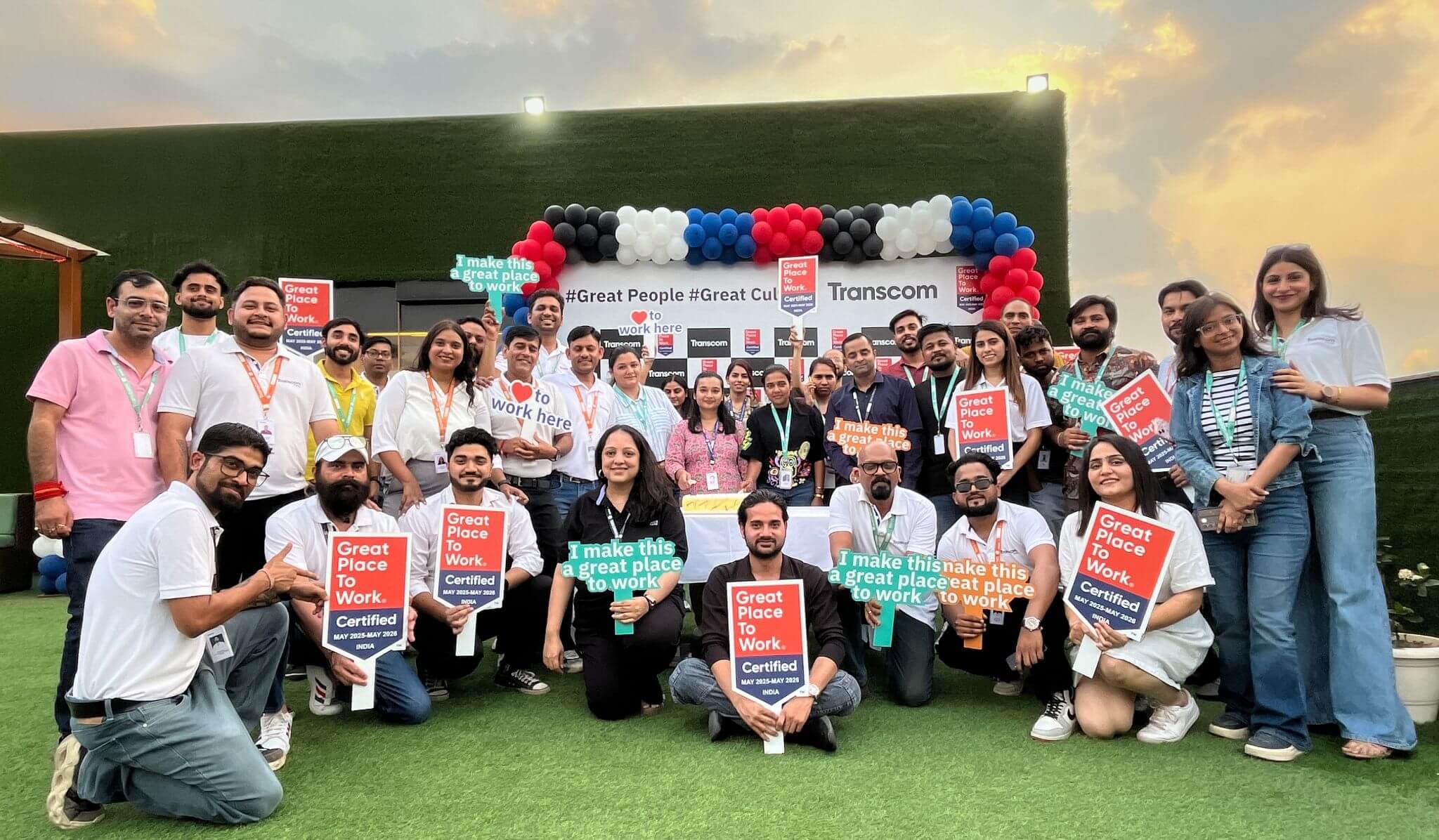
This is where Certification Nation Day plays a vital role. As a global celebration of workplace culture, it gives certified companies the chance to amplify their stories, celebrate their people, and remind employees that they are part of a worldwide community of great workplaces. By joining in, organizations not only showcase their culture to the world but also strengthen pride and connection within their teams.

Join us for Certification Nation Day 2025

As Certification Nation Day approaches on October 16, 2025, we warmly invite you to take part in this global celebration and showcase your workplace culture on your digital platforms. More than just a day of recognition, it’s an opportunity to turn your Great Place To Work Certification into momentum. 

By participating, you: 

  • Boost your employer brand, attracting top talent with genuine, purpose-driven stories that showcase what makes your workplace unique 
  • Bring your values to life, celebrating how you support, recognize, and invest in your people in meaningful, visible ways. 
  • Connect with a global community of Certified companies leading with trust and purpose—and reinforce that you’re part of something bigger. 
  • Demonstrate that culture is a strategic advantage, showing employees, stakeholders, and the broader world that you lead with purpose and authenticity
     

Join us this Certification Nation Day.  

Not Certified yet? Get certified today to celebrate your people, elevate your brand, and step into a brighter future built on trust and excellence.

Certification is the start of something greater!

Great Place To Work Certification isn’t just a destination—it’s a launchpad for something far greater! The certification process creates systems, practices, and cultural norms that ensure excellence isn’t dependent on individual leaders or temporary initiatives but becomes part of how the organization operates at every level.

In a world where competitive advantages are increasingly difficult to maintain, the advantage of having an exceptional workplace culture becomes one of the most sustainable and powerful drivers of long-term business success.

Every year on October 16th, organizations across the globe come together to celebrate something truly special: the power of exceptional workplace culture. This year’s Certification Nation Day is an incredible opportunity for Great Place To Work® Certified™ companies to showcase what makes their culture special. In this blog, we’ll share five ways you can celebrate Certification Nation Day 2025 and bring your culture to life on your social media channels.

What is Certification Nation Day?

Certification Nation Day is an annual global celebration of workplaces that have earned Great Place To Work® Certification™. It is a day when Certified™ organizations take the stage on their social media to recognize their employees, showcase their culture, and build pride and belonging. More than just a celebration, Certification Nation Day is a movement of action—spotlighting what makes organizations special, honouring their people, and sharing the journey of what it truly means to be Great Place To Work Certified.

Why Should Companies Celebrate Certification Nation Day?

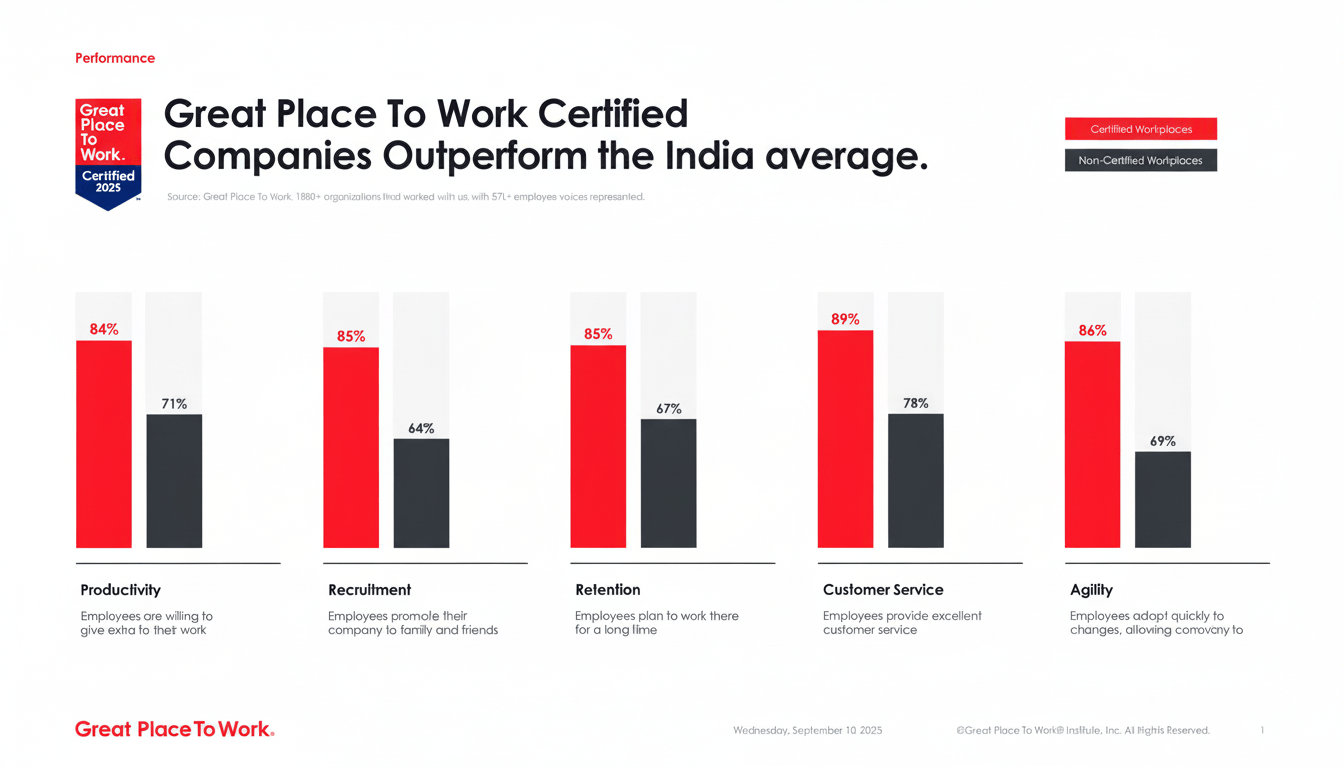
The impact of becoming Great Place To Work Certified is clear. As shown in the chart above, Certified workplaces consistently outperform the India average across key business drivers such as productivity, recruitment, retention, customer service, and agility. When employees feel trusted, valued, and proud of their workplace, they are more engaged and committed, creating a ripple effect that strengthens both people and performance. Certification is not just a badge—it’s a powerful differentiator that reflects a thriving workplace culture. 

great-place-to-work-certified-image

The benefits of celebrating your culture on Certification Nation Day go far beyond just one day of recognition. 

  • Promote your culture and strengthen your reputation as an employer of choice. 
  • Attract top talent with real stories that showcase your employee experience. 
  • Show your values in action by highlighting how you support, recognize, and invest in your people. 
  • Join a global community of Certified companies leading with trust and purpose. 
  • Thank your employees in a meaningful way, building pride, belonging, and community. 

How to Correctly Use Your Great Place To Work Certification Badge?

Your Great Place To Work badge is more than a logo – it’s a symbol of your organization’s commitment to excellence. The most crucial rule when using your certification badge is to maintain its integrity.  

Use it exactly as provided by Great Place To Work to ensure consistency and authenticity across all your communications. This badge represents the rigorous evaluation process your organization underwent and the high standards you’ve achieved in employee experience.

5 Ways to Celebrate Your Culture

1. Add it to Your Website

Start by adding your Certification badge to your careers page. Use this space to talk about your workplace culture and highlight the accolades you’ve earned for it.  

Go a step further by creating a dedicated section that shares your culture story, key initiatives, and what this recognition means for employees. To maximize visibility, you can also place the badge in the footer of your website and on the homepage.

2. Organize a Fun Office Celebration

Plan a celebration that boosts employee engagement and shines a spotlight on your workplace culture, and the people who make it possible every day. 

Add fun elements like danglers, photo booths, and a memory wall where employees can share their favorite moments. Take the opportunity to talk about your culture journey and recognize the contributions of your people. 

Make this day truly about celebrating your workplace culture!

certified-nation-day-picture

3. Utilize Action Kit Materials for Maximum Impact

Use the PPT slides, video call backgrounds, and social media templates to showcase your culture and proudly display your Great Place To Work Certification badge.  

Update your email signatures, use printable graphics for celebrations, and customize Canva templates for social posts, internal comms, and digital displays.   

These ready-to-use resources make it easy to create professional, branded materials that highlight your certification and strengthen your employer brand.

4. Workplace Culture Spotlight 

Shine a light on your people by creating a video where employees share their personal stories – how the company has supported them through ups and downs, and what makes working here special. 

You can also organize storytelling sessions where employees share their experiences and discuss what your workplace culture means to them. These authentic stories not only inspire but also create highly engaging content to celebrate your culture.

5. Spread the Word on Social Media

Share your office celebrations, employee stories, and culture highlights on social media. Use the static posts and Canva templates from the toolkit to join the celebration with ease. 

Don’t forget to use the hashtags –  #GreatPlaceToWork #GPTWcertified #CertificationNationDay and tag Great Place To Work India so we can engage with your posts!

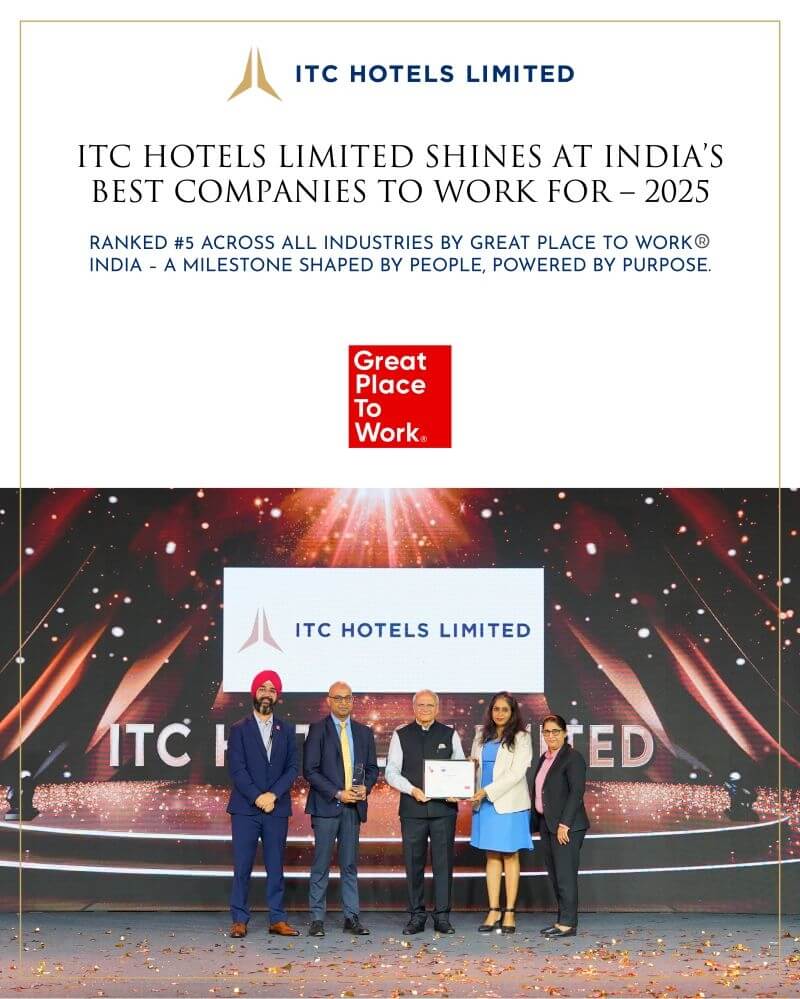
great-place-to-work-certified-itc-hotels

How Can We Build Long-term Employee Engagement Through Celebration?

Certification Nation Day celebrations play a crucial role in maintaining high levels of employee engagement throughout the year. When employees see their organization actively celebrating and promoting its culture, it reinforces their pride in being part of something special.  

This sense of pride and belonging directly contributes to increased employee engagement, as team members feel more connected to their organization’s mission and values.

Certification is the Start of Something Greater! 

While Certification Nation Day provides an excellent opportunity to celebrate your current achievement, it also serves as a launching pad for future success. Use this celebration as a moment to reflect on your journey, acknowledge the progress you’ve made, and set intentions for continued improvement in your workplace culture. 

The visibility and employee engagement generated through your Certification Nation Day activities contribute to a positive cycle that supports your organization’s ongoing success. As employees feel more proud and engaged with their workplace, they become natural ambassadors for your company culture, helping to attract like-minded talent and maintain the high standards that earned your certification.

The Way Forward

Becoming a Great Place To Work Certified is not a destination – it’s a commitment to continuous improvement in creating an exceptional employee experience. Your Certification Nation Day celebration should reflect this ongoing commitment while honouring the significant milestone you’ve achieved. 

By using these six celebration ideas, you’ll not only celebrate your certification but also build a stronger workplace culture, one that your employees are proud to be part of. 

Millennials, born between 1981 and 1997, make up 67% of today’s workforce, making them the largest generation represented in professional environments. As this cohort advances in their careers, they’ve grown to embody a variety of roles beyond traditional expectations. Millennials navigate a unique work-life balance, managing responsibilities that extend beyond the office, from spearheading projects and leading teams to caregiving for family members and even raising children. Their influence is seen across all levels of organizations, where they shape not only their own career paths but also the cultures and policies around them. This blog explores the multifaceted roles as described in Great Place To Work®’s India’s Best Workplaces for Millennials 2024, how millennials juggle both professionally and personally, and how companies can support them effectively.

Millennials in the Workplace

Millennials’ impact within organizations spans multiple levels, reflecting their desire for growth, fair compensation, and a sense of purpose:

As Individual Contributors

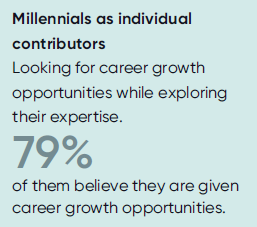
Younger millennials, often newer in their careers, are driven by opportunities for career growth and skills advancement. For many, fair pay and equitable treatment are essential motivators, with 79% of millennials in top workplaces affirming they receive meaningful career growth opportunities. This group seeks clarity in job roles, support for developing their expertise, and a workplace that encourages them to take ownership of their progress and contributions.

79% of millennials in top workplaces affirming they receive meaningful career growth opportunities.

As Team Leads

Many millennials are now stepping into leadership roles where they not only manage projects but also mentor younger colleagues, fostering a collaborative and supportive team environment. With 80% of millennials stating they are offered training and development opportunities, they’re equipped to cultivate these skills and support their teams effectively. In these roles, they value transparency, inclusivity, and continuous learning, qualities that resonate with both their peers and their subordinates.

Entering the Boardroom

As more millennials ascend to senior leadership positions, they bring fresh perspectives to strategic decision-making. A notable 84% of millennials in these workplaces feel supported in their leadership development, indicating that the best workplaces for millennials invest significantly in their growth potential. These roles allow millennials to shape the culture, priorities, and values of their organizations from a top-down approach, fostering inclusive and innovative practices.

Personal Aspects of Millennial Life

Outside of their professional roles, millennials continue to navigate a wide range of responsibilities and lifestyle choices that require them to balance personal aspirations with family obligations:

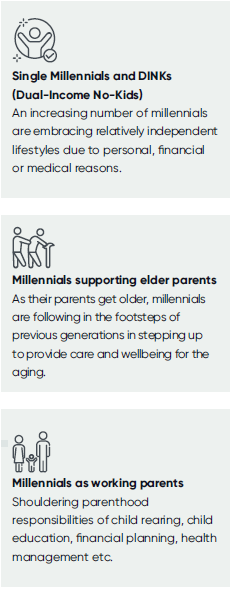
Outside of their professional roles, millennials continue to navigate a wide range of personal responsibilities

Supporting Elder Parents

Much like previous generations, many millennials take on the responsibility of supporting aging parents, providing emotional, physical, and financial care as needed. This role often entails coordinating healthcare, managing household needs, and offering companionship, adding an additional layer of responsibility beyond their careers. Companies that offer flexibility and understanding around these responsibilities empower millennials to fulfill these familial roles without compromising their career ambitions.

Living Independently

A growing segment of millennials, including single individuals and DINKs (Dual-Income No-Kids), are embracing independent lifestyles. These millennials are often highly career-focused and may prioritize financial independence or personal growth over traditional family roles. With fewer familial obligations, they may seek out opportunities that provide both personal freedom and professional development. Workplaces that respect these lifestyle choices by offering flexible working options, remote work, and support for work-life balance often see higher engagement from these employees.

Working Parents

For those millennials who have children, balancing parenthood with professional demands is a critical part of their daily lives. They manage a variety of responsibilities, from child-rearing and education to healthcare and financial planning. Millennials in this role value workplace policies that support family life, such as parental leave, flexible work hours, and health benefits that extend to dependents. By accommodating these needs, organizations can help working parents feel valued and supported, allowing them to stay fully engaged in both their personal and professional roles.

What Best Workplaces Offer Millennials

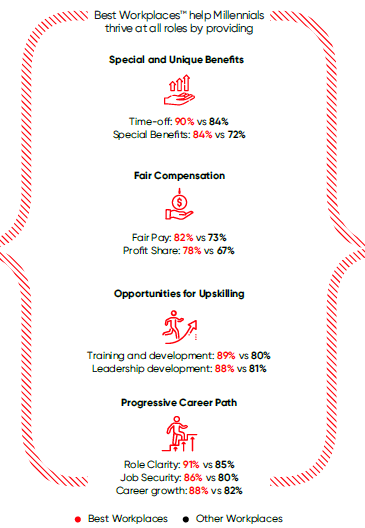
Millennials thrive in workplaces that recognize their diverse needs and offer comprehensive support for their professional and personal growth. The best workplaces for millennials provide several key benefits that align with their expectations:

The best workplaces for millennials provide several key benefits

Unique Benefits 

Millennials appreciate companies that go beyond standard benefits by offering perks that address their lifestyle needs. Paid time-off, flexible work schedules, and in-house childcare are highly valued, as these benefits allow millennials to balance work with family or personal obligations. Additional offerings like wellness programs, mental health support, and even gym memberships demonstrate an organization’s commitment to supporting employees’ overall well-being.

Fair Compensation 

Millennials want to feel that their hard work is rewarded fairly. In the best workplaces, 74% of millennials believe they are fairly compensated for their efforts. In addition to competitive pay, these companies also provide profit-sharing programs that allow employees to share in the organization’s success. Fair compensation is not just about pay; it reflects a culture of respect and value, where employees feel recognized and appreciated.

Opportunities for Growth

Career development is a priority for millennials, who seek roles that provide both stability and advancement potential. The best workplaces offer high levels of training, development programs, and clear career paths that encourage millennials to grow within the organization. By providing structured learning opportunities and transparent promotion criteria, these companies foster a culture of continuous growth. With 79% of millennials reporting they receive meaningful career growth opportunities, these workplaces prove that investing in employee development pays off. 

Millennials represent a generation that’s reshaping the workplace through their varied roles and unique priorities. By understanding and addressing the full spectrum of their needs, both personal and professional, organizations can create environments that enable millennials to thrive. This will not only benefit the millennials themselves but also foster a more inclusive, resilient, and productive workplace.

Get Certified to Showcase Your Commitment

Achieving Great Place To Work Certification™ is an excellent way to demonstrate your organization’s commitment to employees’ overall well-being and experience. This Certification not only enhances your employer branding but also helps attract and retain top talent. It highlights to current and prospective employees that your organization values their overall well-being, fostering an environment where they feel appreciated and supported.

By implementing a culture of trust, respect, and collaboration, you can create a workplace where employees feel valued and connected. Certification also provides a benchmark for continuous improvement, helping you identify areas where you can further enhance employee well-being and overall workplace culture. 

For All Summit Mumbai 2025: Vision to Value – Building Workplaces That Matter

Join us on February 6, 2025, in Mumbai for an enlightening day filled with insights on creating sustainable, humane, and inclusive workplaces. Learn from industry leaders about purpose-driven cultures, innovative HR practices, and adaptive leadership strategies.

Get your passes today – https://testg.in/for-all-summit

Banner for registering for the Great Place To Work® For All™ Summit 2025

Diversity, Equity, Inclusion, and Belonging (DEIB) are increasingly recognized as foundational elements for any thriving workplace. Beyond just being socially responsible, a focus on DEIB contributes to better team cohesion, innovation, and positive business outcomes. However, building a truly inclusive environment means going beyond surface-level actions and addressing systemic challenges that create barriers for certain employee groups, particularly historically excluded groups (HEGs).

While many organizations are well-intentioned in their DEIB initiatives, three core challenges often hinder genuine progress: hidden barriers to inclusion, unrecognized blind spots in existing policies, and a gap between intentions and tangible actions. Addressing these areas is essential to foster an environment where every employee can thrive. 

The Barriers to Inclusion We’re Ignoring

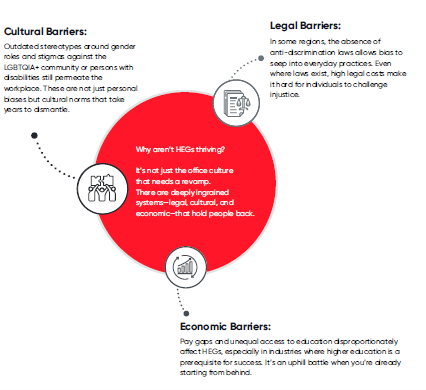
In many workplaces, barriers to inclusion persist despite DEIB initiatives, often because these barriers are deeply ingrained in the cultural, legal, and economic structures within organizations. These factors contribute to an exclusionary environment that marginalizes certain groups and limits their access to equal opportunities. Such obstacles are easy to overlook, especially if they exist subtly or without visible opposition from leadership.

Barriers to inclusive practices

Legal Barriers

Even where anti-discrimination laws exist, they are often insufficient or inaccessible for those most affected by bias. High legal costs can prevent HEGs from challenging discriminatory practices, and organizations without stringent anti-discrimination policies can inadvertently perpetuate bias.

Cultural Barriers

Persistent stereotypes and biases, such as assumptions about gender roles or stigmas toward the LGBTQIA+ community, remain prevalent in workplaces and influence both hiring and promotional practices. Cultural norms, especially in regions with deeply rooted prejudices, often take years to dismantle, creating a barrier for HEGs.

Economic Barriers

Economic inequities, like pay disparities and lack of access to higher education, can restrict the upward mobility of HEGs. Employees from disadvantaged backgrounds may struggle to advance in industries where specific degrees or qualifications are required. These economic barriers create an uneven playing field, making it harder for HEGs to achieve parity with other groups.

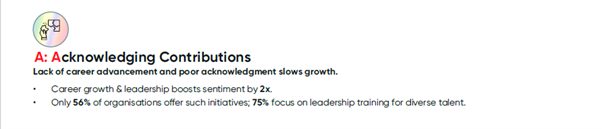
Only 56% of organizations offer leadership training programs for HEGs, limiting their career advancement. This reinforces how the lack of systemic change in organizations disproportionately affects HEGs, highlighting the need for targeted efforts to dismantle these barriers.

Recognizing Our Blind Spots

The Reality of Unseen Bias

Despite good intentions, many DEIB programs fall short because they overlook structural issues that perpetuate bias. These “blind spots” lead to superficial, checklist-driven DEIB efforts that may look good on paper but fail to bring about meaningful inclusion. Employees quickly recognize when initiatives are symbolic rather than impactful, which can erode trust and engagement over time.

Data showcasing how building confidence helps employees.

Career Growth Limitations

Many organizations lack structured career advancement programs for HEGs, resulting in fewer opportunities for promotion and leadership roles. While some companies might offer leadership training broadly, fewer have tailored programs that address the unique challenges HEGs face. This absence of growth avenues often discourages HEGs from staying with the organization long-term.

Data showcasing how acknowledging contributions helps employees.

Respect and Acknowledgment Gaps

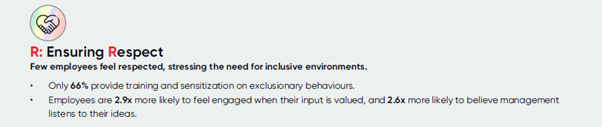
Respect is fundamental to a sense of belonging, yet many employees report feeling undervalued or overlooked. When individuals do not feel respected or acknowledged, engagement declines. The report’s CARE framework highlights how providing acknowledgment and fostering respect can double employee sentiment, underscoring the importance of these seemingly small actions.

Data showcasing how showing respect helps employees.

Burnout and Engagement

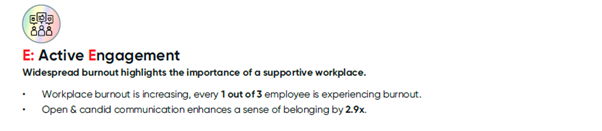
Burnout is a prevalent issue, especially when employees feel that DEIB efforts are insincere or that their concerns are not heard. 1 in 3 employees experience burnout due to a lack of genuine engagement and support. This disconnect further alienates HEGs and underscores the importance of building a workplace culture where engagement and support are prioritized.

Data showcasing how efforts towards having a supportive workplace helps employees.

Actionable Insight

The report introduces the CARE framework, which emphasizes building a workplace where Confidence, Acknowledgment, Respect, and Engagement thrive. Each element of CARE works to counter the blind spots that can sabotage DEIB efforts:

  • Confidence: Aligned leadership and visible action build confidence among employees, especially HEGs, who feel more empowered to express their needs.
  • Acknowledgment: Recognizing contributions, especially from HEGs, fosters a sense of inclusion.
  • Respect: Providing respect through sensitivity training and fair treatment improves engagement.
  • Engagement: Encouraging open communication helps employees feel seen and heard, reducing burnout.

The CARE framework underscores that DEIB success depends on continuous, intentional action, rather than one-time initiatives, to address deep-seated blind spots and build a culture of trust and inclusion. 

From Intent to Action

Shifting from Policy to Practice: While many organizations have DEIB policies, true progress lies in implementing actionable strategies that reflect these intentions. Moving from policy to practice requires a clear commitment to developing inclusive systems that support diversity at every level of the organization. Here’s how:

Inclusive Leadership: Effective DEIB starts with leadership. Leaders who demonstrate traits like active listening, empathy, and transparent communication set the standard for an inclusive culture. Leaders can encourage open discussions around DEIB topics, actively listen to employee concerns, and communicate DEIB goals clearly. When leaders model inclusive behaviors, employees feel more confident expressing themselves, which fosters a supportive environment.

Policy Transformation: Policies must go beyond compliance. For DEIB goals to have a lasting impact, organizations should establish anti-discrimination policies that hold everyone accountable for maintaining an inclusive environment. Inclusive hiring practices—such as gender-neutral language in job descriptions, diverse interview panels, and accommodations for individuals with disabilities—are critical for attracting and retaining HEGs. These changes ensure fair treatment from the recruitment phase through career progression, laying the foundation for a diverse workforce.

Support and Accountability: Establishing Employee Resource Groups (ERGs) is a powerful way to provide support and foster community for HEGs. ERGs offer a platform for underrepresented groups to voice their concerns and build connections, creating a stronger sense of belonging. Additionally, tracking DEIB progress through key metrics—such as representation rates, promotion data, and employee satisfaction—ensures accountability. Regular reviews of DEIB initiatives provide insights into what’s working and where improvements are needed, creating a cycle of continuous improvement.

Workplaces with comprehensive DEIB strategies report that employees are 3.4 times more likely to feel engaged, fostering a stronger commitment to the organization. Moreover, organizations that prioritize DEIB see reduced turnover and increased productivity, highlighting the business case for transforming DEIB from intent to actionable practices.

To truly advance DEIB, organizations must recognize and address the barriers to inclusion that have long been ignored, acknowledge and act on their blind spots, and shift from surface-level policies to impactful, practical actions. These steps are essential for fostering an environment where every employee feels valued and empowered.

When organizations commit to cultivating an inclusive culture and take ongoing, measurable steps to advance DEIB, they not only improve their business outcomes but also contribute to a fairer, more equitable world.

Get Certified to Showcase Your Commitment    

Achieving Great Place To Work® Certification™ is an excellent way to demonstrate your organization’s commitment to employees’ overall well-being and experience. This Certification not only enhances your employer branding but also helps attract and retain top talent. It highlights to current and prospective employees that your organization values their overall well-being, fostering an environment where they feel appreciated and supported.

By implementing a culture of trust, respect, and collaboration, you can create a workplace where employees feel valued and connected. Certification also provides a benchmark for continuous improvement, helping you identify areas where you can further enhance employee well-being and overall workplace culture. 

For All Summit Mumbai 2025: Vision to Value – Building Workplaces That Matter

Join us on February 6, 2025, in Mumbai for an enlightening day filled with insights on creating sustainable, humane, and inclusive workplaces. Learn from industry leaders about purpose-driven cultures, innovative HR practices, and adaptive leadership strategies.

Get your passes today – https://testg.in/for-all-summit

Banner for registering for the Great Place To Work® For All™ Summit 2025

Webinar

The Certification Advantage: Why Partner with Great Place To Work®

Speaker: Prasad Kachraj, Managing Director, Great Place To Work, India

Session Highlights:

  • Why high-trust workplaces outperform on business outcomes.
  • How data-driven insights can strengthen your people strategy.
  • How partnering with Great Place To
  • Work accelerates your culture journey.
  • The value of Great Place To Work Certification.

9th September 2026 | 4.00 PM - 4.30 PM IST

Register Now