Employee well-being has evolved from a mere buzzword to a crucial business strategic imperative. It demands consistent attention and enhancement. Although the Workplace Wellness Index surged significantly the previous year, perceptions in 2023 slightly declined by 2 points. This underscores organizations’ collective responsibility to actively foster employee well-being and ensure a healthy workplace environment for all.
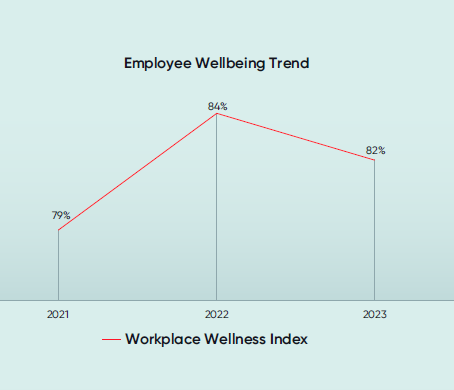
Graph of Employee Wellbeing Trend from 79% in 2021 to 84% in 2022 and 82% in 2023.

This blog will delve into emerging trends, key drivers, and areas of improvement across various domains. It will also explore effective strategies drawn from leading workplaces that promote employee well-being, offering valuable insights for organizational enhancement.

A deep dive into well-being culture experience across industries

The Construction, Infrastructure, and real Estate industry stands out as a frontrunner in workplace wellness. It leads the graph, closely trailed by the retail sector.

However, despite the overall positive trend, 2023 witnessed a decline in workplace wellness scores, particularly in certain areas.
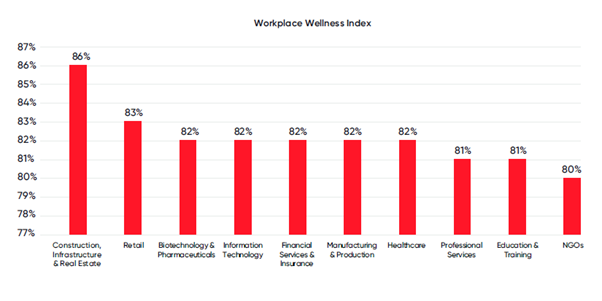
Graph of Workplace Wellness Index of various sectors like Construction, Retail, Pharma, Financial, Manufacturing, Healthcare, Professional Services, Education, NGOs.

With the decline in workplace wellness scores in 2023, maximum dip has been observed in the below areas.

  • Mental Health Support
  • Professional Growth and Development
  • Effective Management and Engagement

These detractors demonstrate a clear need for leaders to address mental health concerns, professional development needs and employee engagement concerns at the workplace.

Navigating through the see-saw of burnout and wellbeing

Maintaining the delicate balance between burnout and well-being is crucial in fostering a healthy workplace environment. In 2023, there was a noticeable decline of 2 points in Workplace Wellness perceptions, accompanied by a troubling increase of 3 points in reported burnout experiences.

A significant divergence is evident in burnout rates when comparing workplaces. While only 16% of employees in the Top 25% of Workplaces report high burnout, a troubling 40% of employees in the Bottom 25% indicate experiencing high burnout levels.
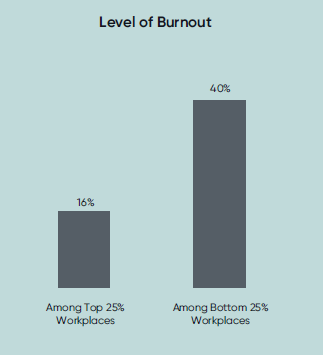
Graph of level of burnout with Among Top 25% Workplaces being at 16% and Among Bottom 25% Workplaces being at 40%

Employees who do not experience burnout exhibit behaviors that contribute positively to organizational success. They are twice as likely to express long-term commitment to their organization, demonstrate extra effort to accomplish tasks, readily adapt to necessary changes, and view their workplace favorably.

Leaders must cultivate a culture of well-being throughout the organization. Although leaders and managers consistently perceive their workplace wellness positively, non-managerial employees report lower perceptions. The decline in scores for non-managerial employees from 83% to 81% in 2023 underscores the urgent need for leaders to prioritize and lead wellbeing initiatives. Leaders have a valuable opportunity to improve the overall employee experience by demonstrating a genuine commitment to well-being, openly sharing their own well-being journeys, and ensuring that actions align with organizational values.

Mental Health

One in every four employees finds it challenging to voice concerns about stress, burnout, anxiety, or depression in their workplace without fearing judgment. Despite organizations implementing mental health benefits such as counseling services, mental health webinars, and wellness leave policies, the underutilization of these resources underscores the necessity for improving accessibility and ease of use.

There’s a clear need for a structured framework that supports employees willing to open up about their struggles. This framework can facilitate a more supportive environment where employees feel comfortable seeking help and utilizing available resources to effectively address their mental health needs.

Physical Health & Fitness

While 78% of organizations offer facilities for doctor consultations, only 38% extend policies or benefits related to physical health training. This glaring discrepancy underscores the urgent need for intervention in workplace preventive healthcare measures. Organizations must shift from sporadic health workshops to implementing a comprehensive and systematic health and wellbeing framework.

An exemplary model is demonstrated by Acquia India Pvt. Ltd., which provides a holistic and flexible health insurance benefit package. Each employee can choose coverage options that align with their individual needs, with the entire cost covered by the organization. Moreover, parental coverage is included by default in all policies. Beyond standard coverage, the policies cover inpatient (IPD) and outpatient (OPD) expenses, IVF treatment, and psychiatric ailments, among other benefits. This approach prioritizes employee health and demonstrates a commitment to comprehensive well-being support.

Social Health

83% of employees express a positive sense of community within their workplace. Interestingly, data indicates that the perception of workplace community tends to increase with age, with younger workers reporting the lowest sense of community while those aged 55 or older report the highest.

Accenture Solutions Pvt. Ltd. fosters a strong sense of community through its Passion Clubs initiative. These clubs allow employees to join communities of like-minded individuals who share similar interests and hobbies. This initiative strengthens interpersonal bonds and enriches the workplace environment, contributing to overall employee satisfaction and well-being.

Fulfillment and Career Progression

Employees’ pride in their workplace positively impacts their self-esteem and contributions to the organization’s growth. However, leaders must prioritize supporting employees in their career progression planning, training and development and fostering a culture of shared decision-making.
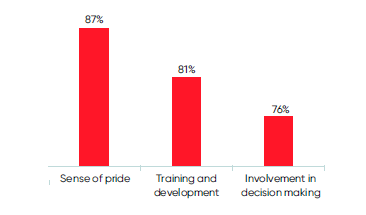
Graph showing levels of Sense of pride being at 87%, Training and development at 81% and Involvement in decision making at 76%

TVS Credit Services Limited’s ISHA – Inner Engineering program has been instrumental in equipping participants with a profound understanding of their minds and bodies. This empowers them to effectively manage stress, enhance productivity, and cultivate stronger workplace relationships. With a focus on mindfulness and self-awareness, the program resonates deeply with participants, significantly improving overall well-being. Key benefits observed include heightened energy levels, improved sleep quality, emotional balance, stress reduction, and the prevention or reversal of chronic ailments.  As workplaces evolve, prioritizing employee well-being has become paramount for organizational success. From addressing mental health challenges to fostering a sense of community and supporting career progression, organizations must invest in comprehensive strategies that nurture holistic employee wellness. Visit us here to learn more. 
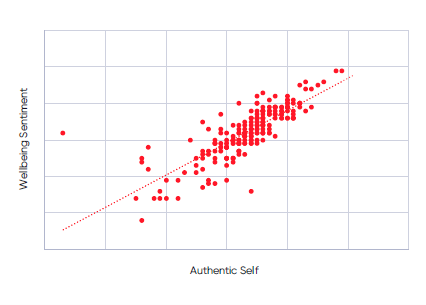
In 2023, it became increasingly evident that fostering an environment where employees can express their true selves is paramount. This authenticity promotes a sense of belonging and comfort, thus elevating overall well-being. This blog will uncover the transformative power of nurturing employee well-being and its profound impact on organizational excellence.

The Importance of Key Drivers of Workplace Wellness in 2023

Upon closely examining the key drivers of what drives employee wellbeing, our research found – 

  • Management’s commitment to upholding the values and practices they advocate is a significant driver of employee satisfaction. When management aligns its actions with its words, it cultivates trust and respect among the workforce, playing a crucial role in enhancing the workplace atmosphere.
  • Equally crucial is the recognition and mitigation of employee exhaustion. Creating a culture where employees feel empowered to prioritize their mental and physical health over work demands is not just important; it’s essential.
  • Encouraging open discussions about mental health underscores the importance of addressing psychological well-being in the workplace. When employees feel supported and encouraged to seek help, it fosters a compassionate and understanding environment.
  • An effective grievance redressal framework also ensures that employees’ concerns are heard and addressed promptly. This mechanism reinforces trust in the organization and demonstrates a commitment to resolving issues transparently and fairly.
Graph showing Authentic Self vs Wellbeing Sentiment

On average, the top 25% of workplaces exhibit a 17% more positive experience regarding these drivers than the bottom 25%, highlighting the correlation between workplace excellence and the prioritization of employee wellness.

Synergizing Employee Well-being and Workplace Culture

When employees experience psychological safety at the workplace, they are:

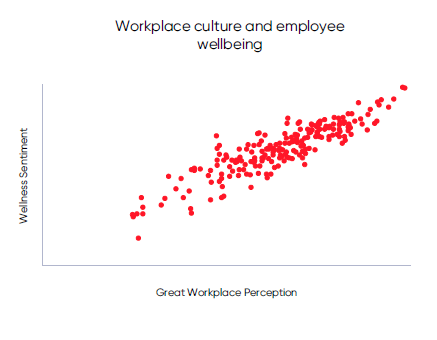
Graph of workplace culture and employee wellbeing
  1. 4 times more likely to describe their workplace as great when they feel psychologically safe.
  2. They are 3 times more likely to envision a long-term future with the organization. The sense of security and support provided by psychological safety fosters loyalty and commitment among employees. 
  3. They are 2 times as likely to adapt quickly to the organization’s dynamic needs. Psychological safety facilitates a culture of openness and innovation, wherein employees feel comfortable experimenting, taking risks, and embracing change. 
  4. Employees who feel psychologically safe are 2 times more likely to go the extra mile in their work. They are motivated to invest additional effort and energy into their tasks, driven by a sense of ownership, camaraderie, and shared purpose within the workplace.

By nurturing this sense of safety and trust, workplaces can unlock the full potential of their workforce, driving innovation, productivity, and sustainable growth.

A Healthy Workforce Matrix

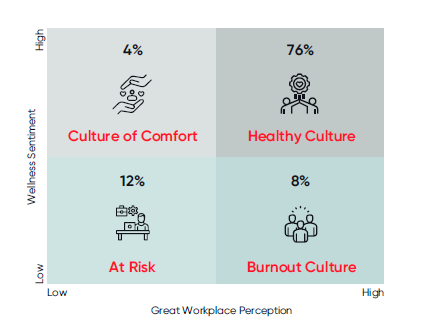
On average, three out of every four employees experience a healthy workplace culture.

Healthy Culture

Employees who have positive perceptions of both workplace culture and well-being experience. This is an ideal situation for the workplace and the workforce and results in motivated employees who stay with the organization for a long.

Culture of Comfort

Employees who experience a psychologically healthy workplace but do not have an overall positive culture experience. Leaders to identify these employees and understand their areas of concern as that can lead to retaining these employees for a long.

Burnout Culture

Employees who have an overall positive workplace experience struggle with their psychological and emotional well-being. Due to work-related stress and anxiety, these employees might feel burnt out quickly. Leaders need to prioritize their well-being.

At Risk

Employees who neither experience an overall positive workplace nor experience healthy well-being at work are at high risk of attrition and becoming detractors of the organization’s brand.

Wellbeing is Directly Proportionate to Innovation

At companies that prioritize wellbeing, 3X more employees leverage innovation opportunities.

Organizations in the Top Quartile of the Workplace Wellness Index, for every 2 employees that do no experience innovation at the workplace; there are 13 employees that do experience innovation opportunities. However, this number is only limited to 4 employees experiencing innovation opportunities at the organizations in the Bottom Quartile.

One of the practices to improve innovation by Acquia India Pvt. Ltd. is a Spot Bonus practice to invite and celebrate innovative minds at work. Every Leadership Executive recommends employees from their team to the CEO for Spot Bonuses every quarter for thinking out of the box and jumping in and owning it. The CEO selects the best of the best exemplary innovations and performances out of all the recommendations. The winners of this reward receive a one-time monetary bonus ranging from INR 35000 to INR 50000 in their monthly salary. The impact being a direct monetary reward, drives innovation and process improvement.

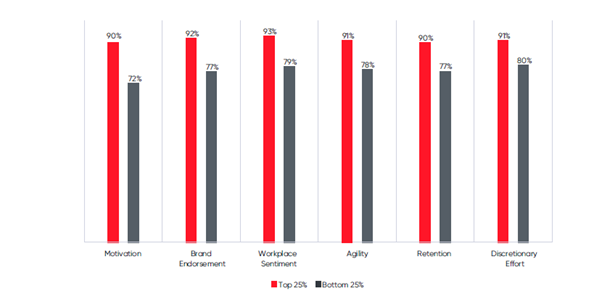
Graph showing Top 25% and Bottom 25% of Motivation, Brand Endorsement, Workplace Sentiment, Agility, Retention and Discretionary Effort.

On average, organizations in the Top Quadrant, based on their Workplace Wellness Index, lead by 14% in various measures of business outcomes.

Way Forward

There is an undeniable connection between employee well-being and organizational success. A happy and healthy workforce fuels productivity, creativity, and overall engagement, leading to a rewarding impact on the bottom line. By fostering a culture of well-being, leaders are making a strategic investment in the future of their business.

To maximize the return on this investment, a personalized approach is crucial. Aligning well-being initiatives with employee needs and expectations ensures a high level of engagement and maximizes the program’s value. Focusing on the initiatives with the greatest potential impact, supported by data-driven insights, further strengthens the program’s effectiveness.

Furthermore, adopting a proactive approach through preventive measures, such as stress management workshops and healthy lifestyle programs, empowers employees to take control of their well-being and foster a resilient workforce. This can be further strengthened by assigning dedicated stakeholder champions and resources to ensure the program’s long-term sustainability and success.

Organizations prioritizing employee well-being create an environment where individuals can thrive, ultimately contributing to a stronger, more successful organization. This is an investment worth making. Visit us here to learn more. 


A lot has been going on in the retail industry in the past year. According to our recent research report, the RBI’s Consumer Confidence Index stands as a beacon of optimism, maintaining its upward trajectory into 2024. Despite ongoing debates among economists, RBI research casts doubt on the notion of a K-shaped recovery post-pandemic, suggesting a more nuanced reality. One striking trend is the burgeoning Indian middle class, projected to encompass around 60% of the population by 2047, steadily gravitating towards premiumization. Moreover, 2024 and beyond promise a technological revolution, with the widespread adoption of AI, computer vision, 5G, and Edge computing poised to revolutionize the shopping experience. 

This rapid evolution hints at a future where personalized and omnichannel retail experiences become the norm, profoundly reshaping consumer behavior and expectations. As we dive deeper, these insights paint a picture of big changes ahead, showing us how economic shifts and what consumers want are coming together. 

Perception of Workplace

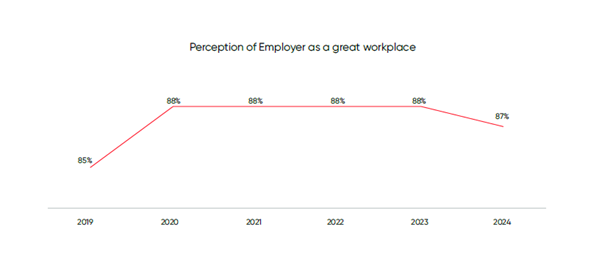
After enjoying years of stability, there’s been a slight dip in how organizations in the retail sector perceive themselves as great workplaces, with a 1% decrease reported in 2024. Despite this, around 87% of most employees still believe their organization is a great place to work. However, this decline is particularly notable among female employees, where the perception of being a great workplace among employers has dropped by 4%.

Looking closer at the employee sentiment, while female employees in the retail sector may not explicitly sense gender bias in their workplaces, their perception of equity and impartiality trails behind their male counterparts by nearly 7%. Despite this gap, male and female retail employees generally believe they are treated fairly, irrespective of gender. This suggests a positive overall environment in the sector yet highlights the need for continued efforts to address subtle disparities and ensure equal opportunities for all employees.

The industry Grand Mean Trust Index has remained stable at 85% for the last 2 years but is at risk of slipping.  Employee perceptions within the retail sector have shown positive shifts in certain areas, notably in celebrating special occasions and recognizing unique benefits. However, there has been a decline in perception regarding management’s proficiency in hiring the right talent, avoiding micromanagement, empowering employees with responsibilities, and illustrating how their roles contribute to the organization’s goals. These trends indicate a need for focused attention on refining managerial strategies and fostering a more transparent and empowering work environment within the retail industry.

Apart from that, employees generally feel secure in their physical work environment, take pride in their employer’s brand, regard their management as competent, and do not detect instances of caste-based discrimination. However, the most notable areas of discontent among employees lie in the fairness of promotions, equitable compensation, and distribution of profits, as well as concerns regarding workplace politics and favoritism. These disparities underscore significant challenges that the industry must address to cultivate a more transparent and equitable workplace culture.

For employees in the retail industry, the strongest drivers of their employer’s perception and workplace satisfaction are the opportunities for career growth and management taking action on employee feedback.

The Retail Industry Stays Ahead in all Parameters

In the retail industry, many employees feel they enjoy distinctive benefits and receive a fair share of profits, surpassing their counterparts in other sectors. Nevertheless, there remains room for improvement in addressing employees’ perceptions of bias related to gender and sexual orientation, particularly when compared to other industries. This indicates a crucial area where the retail sector can focus efforts to create more inclusive and equitable workplaces. 

Best Workplaces Maintain a Trust Index score of 88%

In the retail industry, female employees report a lower positive experience with micromanagement compared to their male peers. Likewise, the Best workplaces outperform others considerably in avoiding micromanagement (8%). Additionally, Best Workplaces do a better job of avoiding politicking and backstabbing in the workplace (8%) and GenZ employees perceive this more strongly than their peers. Although the Best Workplaces are leading in these areas as compared to the rest, they too have scope for improving the workplace experience of their employees.

Need of the Hour: Building Gender Equity at the Workplace

To build an equitable work environment, leaders must create an environment where women can thrive, and find opportunities for mentorship, visibility, and connection.

  • Identify and develop plans to close the pay gap. According to data from Pew Research, in 2022, women across industries earned an average of 82% of what men earned. In 2002, it was 80%.
  • Find the potential in people they may not see in themselves. Leaders have to be willing to put faith in people who don’t have the credentials or the experience that might make them a more comfortable choice for a role.
  • Offer a warm welcome when women join your organization. Whether or not an employee feels comfortable bringing their full self to work is often influenced by the onboarding process.
  • Ensure women have visibility. As many companies are laser-focused on performance and productivity for 2024, it’s crucial that women have visibility with top leaders.
  • Help women tell their stories. Provide employees the opportunity to share their life experiences with the wider organization.

The Indian retail industry is poised for exciting growth, but its success hinges on creating a truly equitable workplace.  The path forward lies in fostering a culture of transparency, empowerment, and equal opportunity for all. Leaders must prioritize closing the gender gap, providing strong mentorship for women, and ensuring fair compensation. By actively addressing these issues, the retail industry can build a workforce that thrives and reflects the diverse customer base it serves. This commitment to equity will benefit employees and contribute to the long-term success of the industry as a whole. Visit us here to know more.

Today’s leaders are the backbone of successful organizations, guiding their teams through challenges, fostering innovation, and creating an engaging work environment. However, many organizations need help to develop the leadership skills necessary to tackle complex issues and reach their full potential.

In this blog post, we will explore the crucial role of leadership development strategies to help cultivate a team of influential leaders. We’ll delve into the benefits of investing in leadership development and offer a comprehensive framework for achieving meaningful and sustainable growth within your organization.

Why is Leadership Development Important?

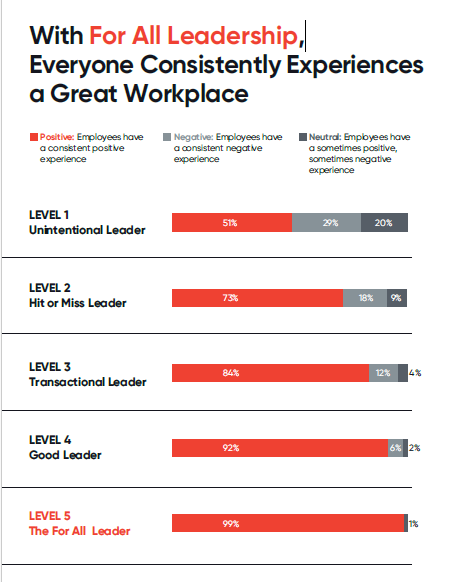
Having effective leaders is crucial for the business. Our Report on India’s Best Companies To Work For™ showed that For All, Leadership, on average, results in 62% more employees finding meaning in their job, making a difference, and creating a better future. Leadership Development helps leaders and business in the following ways –

  • Empowers leaders to guide teams towards success: Effective leaders steer the ship, fostering innovation and driving positive change.
  • Ignites employee engagement: Strong leaders motivate and inspire, leading to higher productivity and satisfaction.
  • Ensures a smooth future: Developing future leaders guarantees a seamless transition and maintains organizational continuity.
  • Gives your organization a competitive edge: Leaders with the right skills can help you adapt and thrive in a dynamic business landscape.
For All Leadership

Investing in leadership development is an investment in your organization’s future. It empowers leaders, engages employees, and sets the stage for long-term success.

Strategies for Effective Leadership Development:

Cultivating strong leaders isn’t just about potential, it’s about providing the right tools and opportunities. Here are some key strategies to unlock effective leadership development within your organization:

Empowering Continuous Leadership Development

Foster a learning environment where leaders are motivated to improve their skills and embrace new knowledge continuously. Establish a formal structure, such as workshops, training courses, or mentoring programs, to facilitate ongoing skill development and knowledge acquisition. Create an environment where both managers and employees feel comfortable taking the initiative in pursuing growth opportunities and tackling challenging projects.

Clarify Potential Career Paths

Building a solid leadership pipeline requires helping individuals envision their future within the organization. This can be achieved through various strategies:

  • Career Mapping Workshops: Organize workshops that help leaders identify their strengths, values, and aspirations. These sessions can then guide them in exploring various career paths that align with their unique profiles within the organization.
  • Leadership Development Programs: Implement multi-level leadership development programs that equip leaders with skills and expose them to diverse leadership roles and responsibilities. This broadens their understanding of career possibilities and allows them to identify roles that resonate with their interests and goals.
  • Mentorship and Sponsorship Connections: Connect leaders with experienced mentors and sponsors who can offer guidance and insights into leadership career paths. Their personal experiences and perspectives can provide valuable information about other roles, their requirements, and the potential career trajectory of each path.
  • Internal Job Shadowing Programs: Facilitate internal job shadowing opportunities where leaders can observe and learn from individuals in different leadership roles. This firsthand experience clarifies the day-to-day responsibilities and required skills for various leadership positions.

By implementing these strategies, organizations can empower leaders to map their potential career paths, fostering engagement, motivation, and long-term commitment to their professional development and the organization’s success.

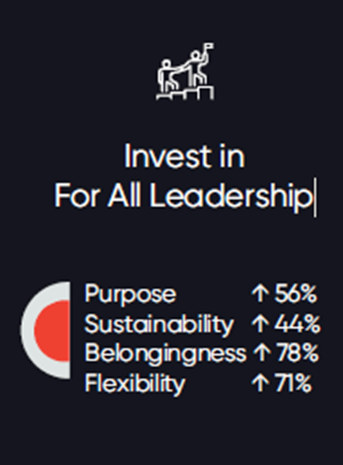
Invest in For All Leadership

Provide More Micro-Development Opportunities

Beyond micro-learning, fostering leadership development requires experiential opportunities. By participating in organizational events, networking gatherings, short-term projects, and committee positions, individuals gain a realistic understanding of leadership in action and build essential skills and confidence. They “walk the walk” of leadership, learning through practical projects and honing communication, collaboration, and decision-making abilities. These experiences cultivate a sense of accomplishment and self-belief, empowering future leaders to tackle demanding projects and obligations confidently. This combination of knowledge and real-world expertise creates a comprehensive development program, equipping individuals for seamless transitions and strengthening your leadership pipeline for long-term success.

Identify Emerging Leaders

Leadership Excellence cultivates a culture of continuous improvement, develops strong leaders, attracts top talent, delivers on promises, and demonstrates integrity, driving organizational success and inspiring employee confidence. Hence, it is imperative to nurture the existing leadership excellence organizations may have. 

Innovation Oppurtunities

Building a robust leadership pipeline demands proactively identifying emerging leaders within your organization. Utilize performance management systems that assess leadership potential alongside objective leadership development assessment tools. Foster a culture of observing talent across departments, looking for individuals who consistently demonstrate initiative and inspire others. Finally, invest in employee engagement initiatives to create an environment where potential leaders feel empowered to showcase their talents. This multi-pronged approach ensures you unveil hidden potential, paving the way for a future filled with capable and driven leaders.

Determine Skills Gaps and Anticipate Company’s Needs

Building future-proof leadership requires addressing the skills gap. This involves conducting skills gap analyses to identify areas for development based on the organization’s evolving needs. Additionally, monitoring industry trends and competitor landscapes uncovers emerging leadership competencies. By proactively designing and implementing development programs to address both the identified skills gap and anticipated future needs, organizations ensure their leaders possess the necessary skills to navigate future challenges and drive long-term success.

Investing in leadership development strategies is crucial for organizational success, employee engagement, and fostering a pipeline of future leaders. Organizations can cultivate a strong and effective leadership team by implementing a comprehensive framework that emphasizes individual needs, diverse learning methods, and continuous feedback. Visit us here to learn more.

In the pursuit of organizational excellence, businesses must prioritize the needs of their workforce. Employee satisfaction, retention, and discretionary effort are indicators of a healthy workplace culture and are crucial to overall success. This article delves into the insights from our recent manufacturing report that highlight the key areas that matter most to employees and explores how aligning strategic priorities with these needs can lead to enhanced performance and employee engagement. 

Prioritising Workplaces Needs

Understanding what matters most to employees is essential for improving satisfaction and retention.  

Once employee priorities are identified, organizations must align their strategic priorities accordingly. This alignment involves implementing policies, initiatives, and programs that effectively address employees’ needs and concerns. This, in turn, leads to higher levels of employee engagement, productivity, and discretionary effort, ultimately driving improved organizational performance, profitability, and sustainable growth. 

Employee Perceptions in Blue-Collar and White-Collar Roles 

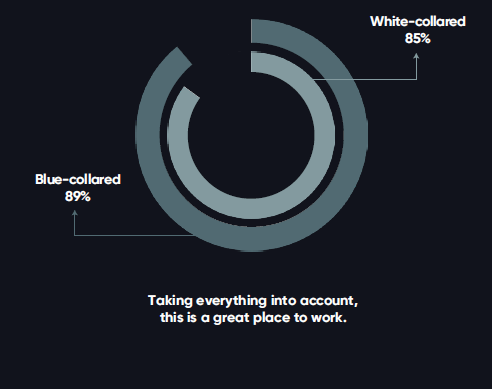
Recent trends indicate a positive shift in the perception of employers among both blue-collared and white-collared employees, with a year-on-year improvement of 2% and 1%, respectively. However, it’s noteworthy that blue-collared employees generally report higher satisfaction with their employers than their white-collared counterparts. This disparity underscores the importance for organizations to recognize and address each employee group’s specific needs and concerns to foster a more inclusive and supportive work environment conducive to overall satisfaction and productivity. 

Perceptions in Blue-Collar and White-Collar Roles

Factors Behind Best Workplaces’ Continued Success in Manufacturing

India’s manufacturing sector have successfully maintained a 7% gap in the Grand Mean Trust Index compared to other organizations. Remarkably, this margin remains consistent across both blue-collared and white-collared employees. The question arises: how do they achieve and sustain this lead? 

Their commitment to fostering a positive workplace culture and prioritizing employee satisfaction is the answer. Best Workplaces ensure fairness and equity in all aspects of employee treatment. Moreover, they uphold the principle of just rewards, offering competitive pay, comprehensive benefits, and transparent promotion processes. By prioritizing integrity, fairness, and employee well-being, Best Workplaces cultivate an environment where trust thrives, enabling them to maintain a distinct advantage over their counterparts and secure the loyalty and commitment of their workforce.

The business outcome of becoming a Great Place To Work

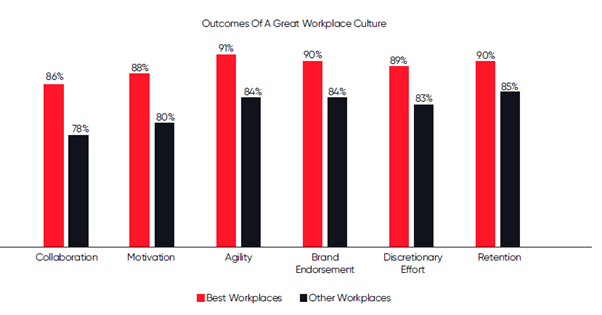
Becoming a Great Place To Work® yields significant business outcomes. With higher satisfaction and morale, employees at Best Workplaces are more motivated, productive, and likely to stay longer. This positive culture becomes a competitive advantage, attracting top talent and driving business success.

Outcomes of a Great Workplace Culture

Best Practices from Top Manufacturing Workplaces

Empowering Talent: Forbes Marshall’s Holistic Employee Development

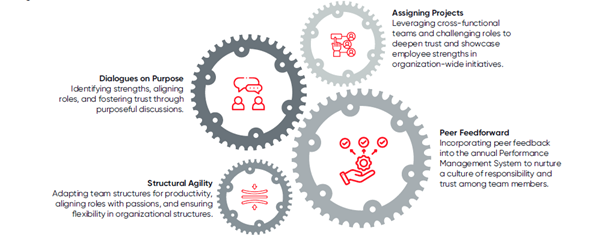
Here’s how Forbes Marshall takes a proactive approach to nurturing the support and competence of its employees, emphasizing dialogue, structural adaptability, project assignments, and peer feedback to create a dynamic and trusting work environment.

A proactive approach for Employee Development

The Symphony Experience: Crafting Hospitality in the Workplace

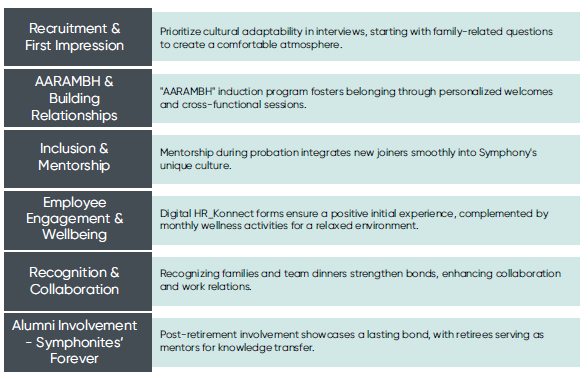
With over 35 years of experience, Symphony recognizes that its most significant asset lies in its people. By embracing hospitality, Symphony creates a unique and enjoyable work atmosphere, fostering productivity, a sense of belonging, and camaraderie among its employees, known as Symphonies.

Research indicates that the onboarding experience at Symphony ensures a welcoming atmosphere for new members, with 91% of employees at Best Workplaces expressing satisfaction in this regard. When employees feel welcomed upon joining the organization:

– They are four times more likely to describe the workplace as fun.

– They are three times more likely to enthusiastically recommend the company to friends and family as a great place to work.

– They are three times more likely to perceive the workplace as great. This emphasis on hospitality during onboarding not only sets a positive tone for new employees but also contributes to a vibrant and inclusive workplace culture, where every Symphonite feels valued and motivated to contribute their best.

Hospitality in the Workplace

Equity at Work: Kumar Equipment’s Commitment to Fairness

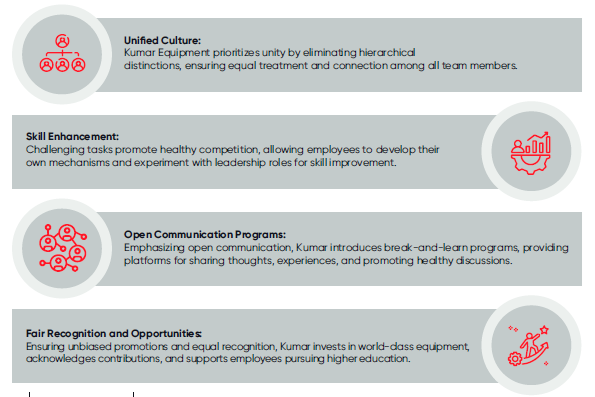
At Kumar Equipment, prioritizing people over categories is not just a philosophy; it’s a way of life. The company is committed to fostering a workplace where unbiased promotions, equal recognition, and open communication prevail, defining a unique and inclusive atmosphere for all employees.

Research reveals that this commitment resonates strongly with employees, with 90% of those at Best Workplaces affirming that they feel fully recognized as integral members, regardless of their positions within the organization. When employees experience such inclusivity:

– They are three times more likely to feel they make a difference with their work.

– They are three times more likely to describe the workplace as psychologically healthy.

– They are three times more likely to perceive the workplace as great.

This emphasis on treating every employee as a valued member, irrespective of hierarchy, fosters a sense of belonging and contributes to a more engaged, motivated, and productive workforce. At Kumar Equipment, inclusivity isn’t just a goal; it’s the foundation of a thriving workplace culture.

Equity at Work

Prioritizing employee needs and nurturing a supportive work environment are critical for organizational success. By understanding and aligning with employee priorities, implementing best practices, and embracing inclusivity and fairness, businesses can create a workplace where employees feel valued, motivated, and empowered to excel. Visit us here to learn more. 

In our recent report, we analyze the current state and future prospects of the manufacturing sector in India. The report dives into various facets of the industry, ranging from economic indicators and government policies to employee sentiment and workplace dynamics. Let’s look closer at the valuable insights into the challenges and opportunities shaping the manufacturing landscape.

Resilience of the Manufacturing Sector Amidst Downturn

Despite a recent dip in the Purchasing Managers Index (PMI), the outlook for India’s Manufacturing sector remains robust, marked by significant expansion in sectoral activity and backed up by supportive government policies. In fiscal year 2023, the sector achieved a milestone with its highest-ever annual exports, totaling $447.46 billion, showcasing a growth rate of 6.03%. The government’s unwavering commitment to the industry is evident through initiatives such as the Production Linked Incentive, National Manufacturing Policy, Make In India 2.0, Digital India, and Startup India, all aimed at fostering growth and innovation. Additionally, the Index of Industrial Production (IIP) saw a remarkable rise, reaching 141.8 in October 2023, marking a 10.4% increase compared to the previous year. Foreign Direct Investments (FDI) continue to flow into the sector, with $33 billion recorded as of September 2023 for the ongoing financial year, facilitated by policies allowing 100% FDI under the automatic route in most sectors. Despite the slight downturn indicated by the PMI for December, dropping to 54.9, the lowest in 18 months, the manufacturing sector’s resilience is underpinned by its significant contribution to India’s GDP, accounting for 17% and providing employment opportunities for an estimated 35.6 million people.

Positive Shift in Workplace Perception

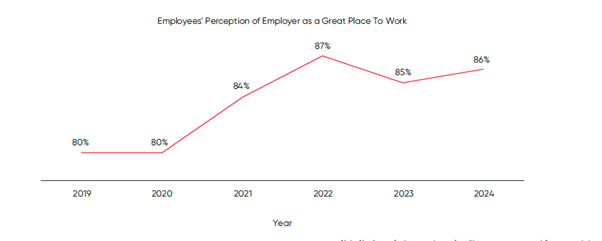
Within the manufacturing industry, organizations experience a notable uptick of 1% in the perception of being a great place to work among employers, with an impressive 86% of employees affirming their organization’s status as such in 2024.

However, despite this improvement, current satisfaction levels fall short of those observed in 2022, suggesting an ongoing requirement for sustained efforts in cultivating an exceptional workplace culture. This need for continuous improvement is more pronounced among larger organizations, as the current rise in perception is predominantly driven by mid-sized companies.

Employees' Perception of Employer as a Great Place To Work

Closing the Gap: Manufacturing Sector’s Trust Index

In a remarkable development, the Grand Mean Trust Index for the Manufacturing Sector has narrowed the gap with other industries, standing just 1% point behind at an impressive 82%.

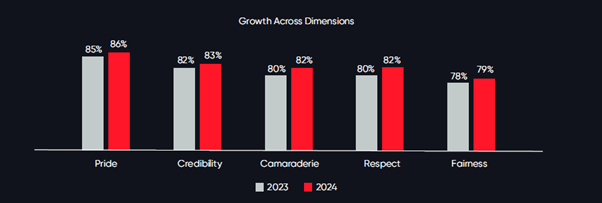
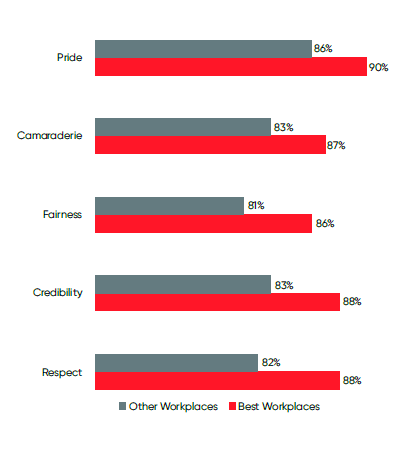
While the manufacturing sector may lag behind other industries in various aspects, unlike their counterparts in different industries, manufacturing sector employees express higher levels of pride and a profound sense of accomplishment in their professional endeavors. Moreover, they harbor positive sentiments regarding their work’s contribution to society and desire longer tenures in their current positions.

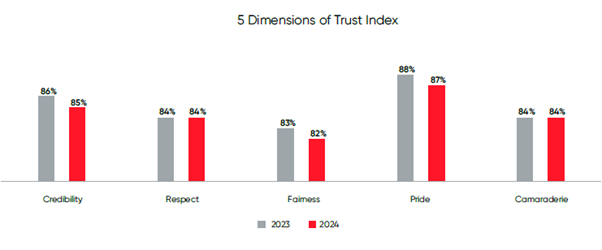
Growth across different dimensions such as Pride, Credibility, Camaradarie, Respect and Faireness

Navigating Disillusionment in Career Progression

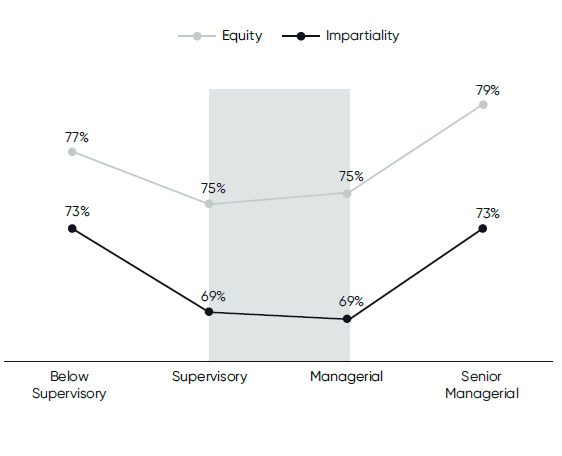
As individuals progress in their careers within the manufacturing sector, they encounter a trough of disillusionment, significantly influencing their perception of workplace fairness. This phenomenon potentially serves as both a precursor and a contributing factor to employee attrition within these career stages. Addressing issues of equity and impartiality becomes imperative to mitigate this disillusionment and foster a more supportive and inclusive work environment conducive to employee retention and satisfaction.

Equity and Impartiality in Career Progression across job levels

Sentimental Dynamics in the Manufacturing Industry

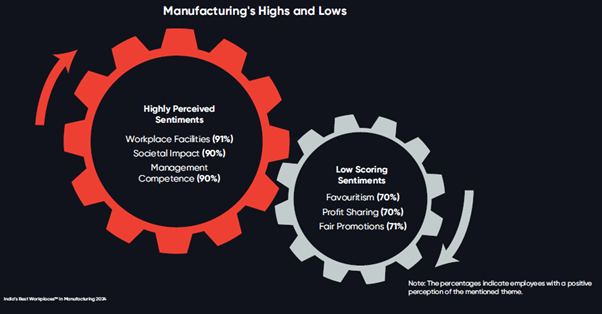
Within the manufacturing sector, employee sentiment reflects a nuanced landscape of satisfaction and concern. The highest satisfaction levels are observed in workplace facilities, societal impact, and management competence. These aspects likely contribute to a positive work environment and employee morale.

However, the sentiment could be more uniformly positive across all aspects. Employees express the lowest satisfaction levels regarding favoritism in the workplace, profit-sharing schemes, and the fairness of promotions. These concerns suggest areas where there may be disparities or perceived injustices within the organizational structure, warranting attention and potential remedial action to enhance employee trust and engagement.

Manufacturing Sector's Sentiments

Integrity: A Crucial Driver of Employee Satisfaction in Manufacturing

In the manufacturing sector, the perception of integrity within organizational leadership is pivotal in influencing workplace culture and employee satisfaction. Organizations within this industry must prioritize efforts to enhance management’s perceived integrity.

To foster employee retention and maintain a motivated workforce, manufacturing organizations must ensure that their leaders consistently uphold their commitments, exemplify honesty and integrity, and align their actions with their words. By embodying integrity in their conduct and decision-making processes, leaders can inspire trust among employees, cultivating a positive work environment conducive to productivity and well-being. This emphasis on integrity is a cornerstone for building a strong organizational culture and fostering long-term success within the manufacturing sector.

The manufacturing sector in India exhibits promising signs of growth and resilience, propelled by significant achievements in exports, government support, and industrial production. While challenges such as maintaining workplace satisfaction and addressing equity issues persist, there is ample room for improvement and innovation. By prioritizing integrity, fostering a positive workplace culture, and leveraging the benefits of becoming a Great Place To Work, manufacturing organizations can drive sustained growth, enhance competitiveness, and contribute to the overall prosperity of the sector and the nation. Visit us here to learn more. 

Amidst the hustle of daily tasks and deadlines, one critical aspect often gets overlooked – the well-being of employees. Recognizing employee wellness’s profound impact on organizational success, forward-thinking companies are shifting their focus toward cultivating environments that prioritize holistic health and happiness.

In this blog, we will embark on a journey to explore the six levers of workplace wellness, each serving as a crucial component in fostering a thriving and sustainable organizational culture. From physical health initiatives to fostering psychological safety, these levers offer a comprehensive framework for organizations to enhance employee well-being and unlock their full potential.

Levers of Holistic Well-Being

The Workplace Wellness Framework

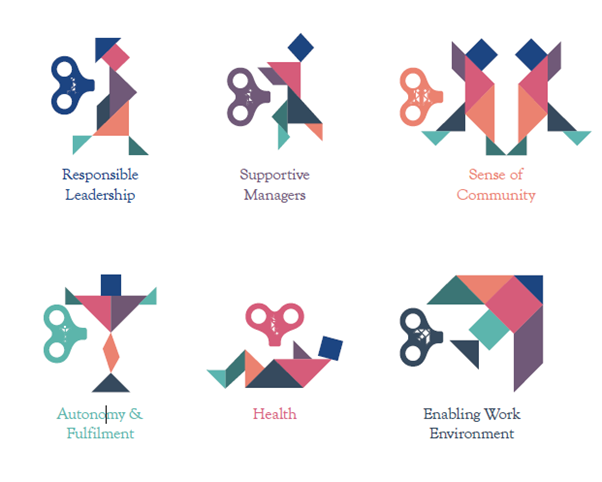
Great Place To Work® conducted an extensive analysis, scrutinizing millions of data points across various industries and demographic profiles. This exhaustive research uncovered the fundamental factors contributing to employee well-being and organizational success. After meticulous examination, our team identified six key levers that form the bedrock of the Workplace Wellness Index™. These levers serve as pillars, empowering organizations to cultivate environments that prioritize their employees’ physical and psychological safety. 

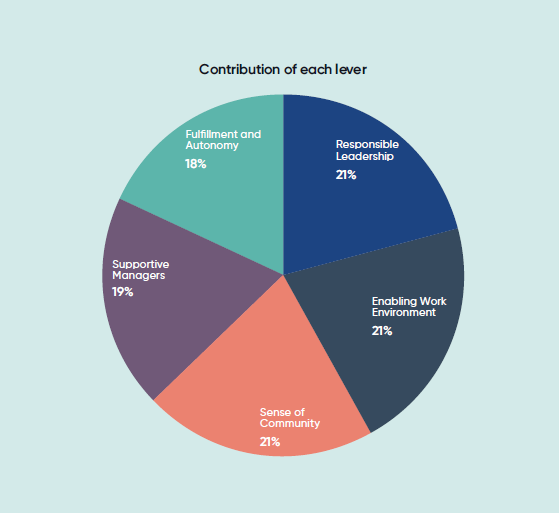
Our research identified these key levers as important contributors to creating a culture of holistic wellbeing. While the percentage contribution of each lever may vary, they all play a critical role in fostering a positive work environment that nurtures employee well-being and in turn, inspires them to give their best.

The Wellness framework and the contribution of each lever

Responsible Leadership

Responsible leadership is vital for workplace well-being as it cultivates trust, fairness, and employee support. With a 21% effect on well-being, this leadership style fosters open communication, reduces stress, and enhances satisfaction. By prioritizing integrity, equity, and empathy, responsible leaders create an environment where employees feel valued, respected, and supported in their personal and professional growth. Ultimately, this leads to higher morale, engagement, and productivity, benefiting both individuals and the organization.

Supportive Managers 

According to our research, supportive managers are pivotal for workplace well-being, with a 19% effect. They offer guidance, encouragement, and resources to empower employees, fostering trust, motivation, and growth. By prioritizing employee needs and providing support, they reduce stress and promote a positive work environment, ultimately enhancing job satisfaction and productivity.

Sense of Community 

A strong sense of community in the workplace is a cornerstone of employee well-being, with a significant 21% effect. This sense of belonging fosters collaboration, inclusivity, and support among colleagues. Employees feel valued and motivated to contribute to the organization’s success as part of a supportive community. Moreover, this community provides a vital support network during challenging times, enhancing resilience and overall job satisfaction.

Autonomy & Fulfillment

Autonomy and fulfillment in the workplace have a substantial 18% effect on overall well-being. Employees with autonomy over work feel empowered and motivated, leading to greater job satisfaction. Moreover, when individuals find fulfillment in their roles, they experience a sense of purpose and meaning, contributing to their overall happiness and well-being. Cultivating autonomy and fostering opportunities for fulfillment are essential for creating a thriving and fulfilling work environment.

Health

Health is a cornerstone of workplace well-being, significantly impacting employee performance and satisfaction. Prioritizing health initiatives, such as wellness programs and ergonomic workspaces, promotes physical and mental well-being. Employees who feel supported in their health endeavors are more engaged, productive, and resilient. Moreover, a healthy workforce reduces absenteeism and healthcare costs for organizations, improving overall performance and success. Investing in employee health is essential for creating a thriving and sustainable workplace culture.

Enabling Work Environment

An enabling work environment, with a substantial 21% impact on overall well-being, is essential for fostering employee satisfaction and productivity. By providing the necessary resources, support, and opportunities for growth, organizations empower employees to perform at their best. This environment encourages innovation, collaboration, and continuous learning, enhancing job satisfaction and professional fulfillment. Moreover, an enabling work environment promotes a culture of trust, transparency, and accountability, ensuring that employees feel valued and supported in their roles.

Benefits of prioritising wellbeing

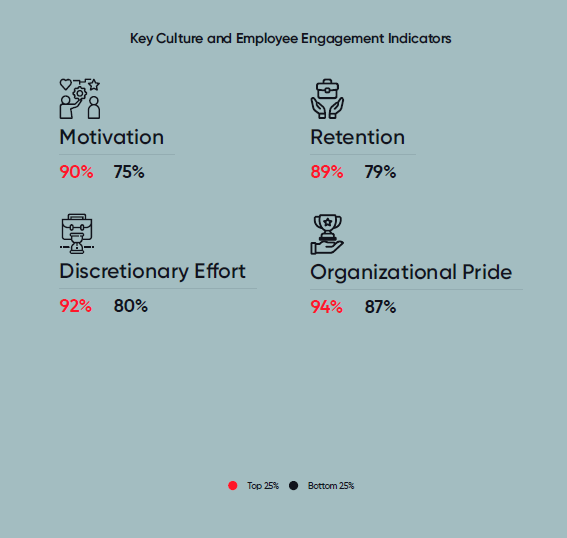
Key Culture and Employee Engagement Indicators

Prioritizing employee well-being yields significant benefits, as evidenced by the disparity between the top and bottom-quartile companies. On average, employees in top-quartile companies report 7-15% more positive responses on engagement indicators than those in the bottom quartile. This difference spans various aspects of employee perception, with the most pronounced disparities observed in motivation (15%) and discretionary effort (12%). Even the least disparity in retention (10%) and organizational pride (7%) underscores the tangible impact of prioritizing well-being on overall employee engagement and organizational success.
Prioritizing employee well-being yields tangible benefits, as evidenced by our research. Investing in well-being fosters higher engagement, motivation, and organizational pride, ultimately driving success. Visit us here to learn more. 
In the ever-evolving landscape of the professional world, staying attuned to emerging workplace culture trends is essential for organizational success. As we enter 2024, companies must be vigilant and proactive in embracing transformative shifts shaping how teams collaborate and thrive. From fostering diversity and inclusion to embracing remote work innovations, understanding and adapting to these trends is crucial for businesses striving to create vibrant, resilient, and forward-thinking workplaces. Let’s delve into the pulse of the future workplace and uncover the strategies that will define success in the years ahead.

Build Trust in your Employees

Building trust within a business stems from cultivating a workplace culture prioritizing transparency, integrity, and open communication among employees. Leaders play a pivotal role in shaping this culture by setting an example through their actions and decisions. Creating trust within employees is a collaborative effort, with leaders serving as key architects in establishing and reinforcing a culture built on mutual respect and shared values.

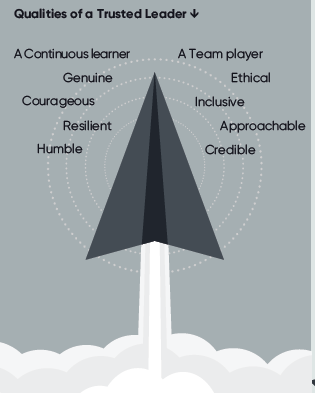
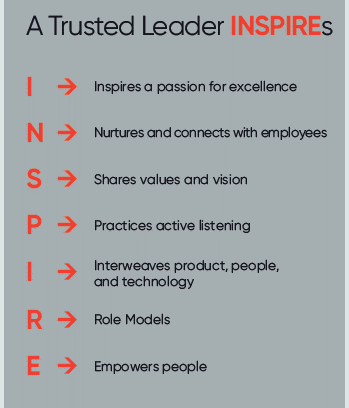
Qualities of a Trusted Leader

Entering a new era, trust is poised to hold tenfold significance compared to its 2023 counterpart, according to Michael C. Bush, CEO of Great Place To Work. Trust becomes a crucial factor in the present and the next decade, as evolving technology reshapes life. Bush emphasizes the importance of a sustained commitment, suggesting that consumers will gauge trustworthiness by observing a company’s employees, asserting that trust in its use of artificial intelligence is reinforced when its employees exhibit trust.

Focus on Retention, Upskilling, and Talent Development

In the current dynamic and challenging business landscape, companies are well-advised to place a strategic emphasis on retention, upskilling, and talent development initiatives. Recognizing the profound impact of employee burnout, exacerbated by the recent pandemic, fostering a workplace culture that prioritizes retention becomes a critical aspect of organizational resilience. Companies should actively invest in strategies to retain valuable talent, acknowledging the correlation between employee satisfaction and sustained success. 

A proactive commitment to upskilling and talent development not only bolsters the proficiency of the workforce but also positions the organization as an attractive and forward-thinking employer. By focusing on these aspects, businesses address immediate challenges and prepare for the future by cultivating a skilled, engaged, and resilient workforce that can confidently navigate evolving industry demands.

Prioritise Mental Health

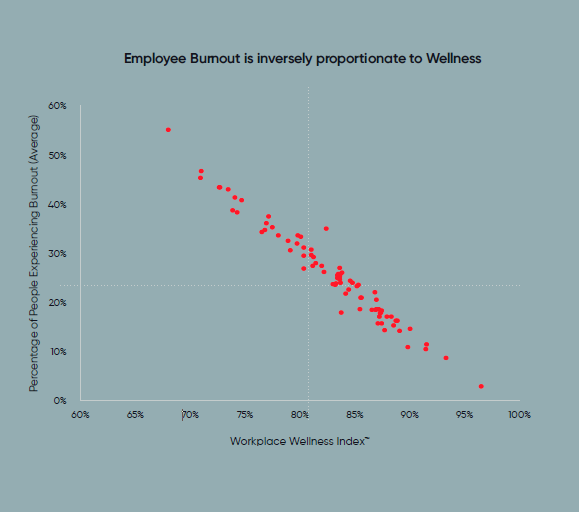
The National Mental Health Survey of India reveals a sobering statistic: 1 in 7 individuals grapple with mental health disorders, yet only 1 in 10 receives adequate treatment. Compounding this, employee burnout has surged since the onset of the pandemic, posing a significant challenge for India today. Defined as emotional, mental, and physical exhaustion resulting from prolonged stress and work demands, burnout has become a pressing concern in the professional landscape.

Strikingly, 58% of the Best Workplaces incorporate mental health coverage in their organization’s health insurance plans. Recognizing the need to address burnout’s structural causes, companies must transform employee feedback into actionable measures, fostering a workplace culture that prioritizes mental health and well-being.

Employee Burnout Vs Employee Wellness

Focus on leadership development strategies

The role of leadership has undergone a transformative shift, necessitating a focus on innovative leadership development strategies. The traditional paradigm of leaders as inspiring visionaries is evolving to embrace a more nuanced approach. Today, employees seek leaders who not only provide a clear vision but also serve as effective coaches and mentors, empowering individuals to take charge of their own leadership journeys. 

Recognizing this shift in expectations, organizations are adopting multifaceted strategies to cultivate leadership skills. These strategies encompass mentorship programs, leadership training workshops, and promoting a collaborative and inclusive work culture. By prioritizing leadership development, businesses adapt to the changing dynamics of leadership and foster a workforce that is agile, empowered, and capable of navigating the complexities of the contemporary professional landscape with resilience and innovation.

Focus on DEIB Initiatives

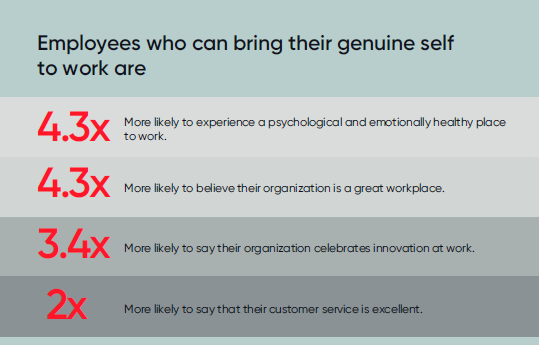
Today where technological advancements and sustainability considerations redefine the business landscape, DEIB emerges as a crucial catalyst for positive change. The adoption of Diversity, Equity, Inclusion, and Belonging (DEIB) practices in your organization is paramount, with a profound impact on workplace well-being, as evidenced by a 4.3x enhancement.

This transformative approach becomes instrumental in navigating the seismic shifts in societal norms that challenge deep-rooted stereotypes. 

Employees who can bring their genuine self to work

By embracing DEIB, organizations not only contribute to a more inclusive and equitable workplace but also position themselves to thrive in an environment marked by diversity and innovation. Recognizing the power of DEIB in reshaping global and national labor markets, businesses actively engage in fostering a workplace culture that not only adapts to change but also champions the principles of diversity, equity, inclusion, and belonging for sustained success.

These strategic pillars collectively pave the way for creating vibrant, resilient, and forward-thinking workplaces. From acknowledging the heightened importance of trust in the digital age to addressing mental health challenges and cultivating inclusive cultures, businesses are urged to adapt and proactively shape the future of work. As we delve into these trends, it becomes evident that success lies in organizations prioritizing their greatest asset – their people. Visit us here for more.

Moving beyond basic pay, Workplace Ikigai brings a significant change. It connects personal passions with the organization’s goals, creating a meaningful purpose. Leadership isn’t a solo journey; it’s a team effort driven by understanding and a shared impact. This intentional alignment isn’t just about job happiness; it’s about leaving a lasting legacy. Workplace Ikigai is an open invitation to rewrite our work story – to go beyond the routine of pay checks and step into a world of fulfilled hearts where every action carries lasting significance. Let’s dive deeper into the components of Workplace Ikigai. 

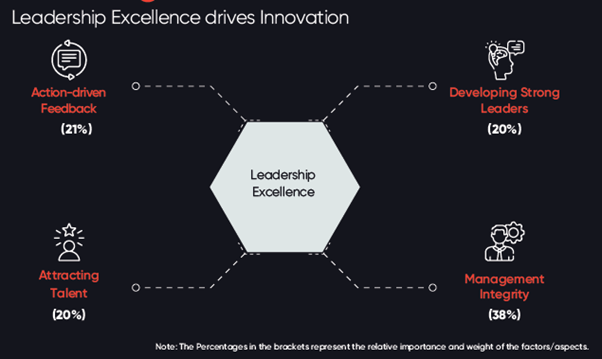
Leadership Excellence

Nurturing a culture of continuous improvement is imperative for a flourishing organizational landscape. It forges resilient leadership and is a compelling magnet, attracting top-tier talent. The unwavering dedication to ongoing enhancement ensures that commitments are not mere proclamations but tangible actions rooted in a foundation of integrity.

Additionally, employees experience a profound confidence in such a culture derived from a collective commitment to progress. It surpasses individual accomplishments, evolving into a collaborative journey toward excellence. Each team member becomes not merely a participant but a vital contributor to the culture of continuous improvement, shaping a workplace where everyone plays a pivotal role in the unfolding narrative of sustained success.

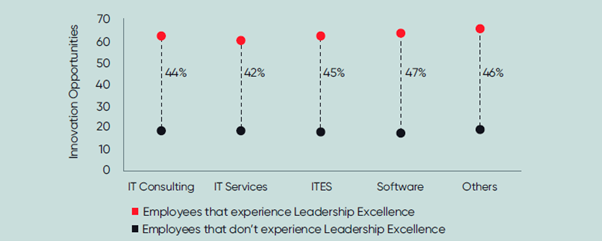
The key to unlocking innovation lies in cultivating leadership excellence within an organization. A conducive environment is created that amplifies employee innovation opportunities threefold by prioritizing and showcasing effective leadership. For Millennials, the scenario shifts significantly, with only 20% reporting experiencing innovation opportunities in an organization needing more leadership excellence. 

Leadership Excellence drives Innovation

Recognizing the pivotal role of strong leadership becomes critical in cracking the code to foster a culture of Innovation, where each team member is empowered to contribute their creative insights and ideas, propelling the organization towards continuous growth and success.

Personal Fulfillment

Empowering individuals to feel appreciated, proud, authentic, and aligned with the organization’s goals is a catalyst for creating a positive and fulfilling work experience. Personal fulfillment emerges as a pivotal force in driving organizational talent retention.

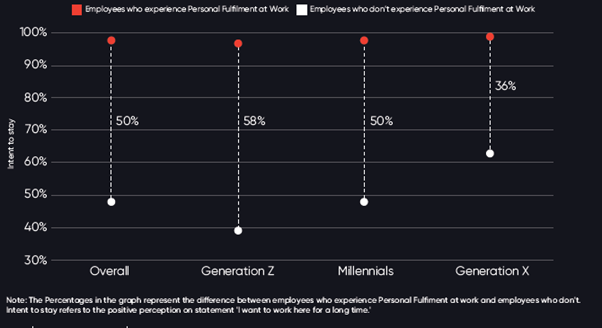
A recent Great Place To Work® India survey shows that personal fulfillment significantly impacts retention rates. Individuals who experience fulfillment in their work become twice as likely to stay with their organization. This holds particular significance for the younger, purpose-driven generation, where 40% would consider leaving an organization that falls short in meeting their personal fulfillment needs. 

Personal fulfilment at work across generations

Recognizing and addressing the individual aspirations and fulfillment of employees becomes a strategic imperative for organizations aiming to retain and harness their talent pool’s potential effectively.

Team Dynamics

Team Dynamics involves not only recognizing individual contributions but also celebrating them. Creating a caring environment where team members feel supported, valued, and encouraged is crucial. Additionally, ensuring smooth transitions within the team further fosters a culture of unity and collaboration.

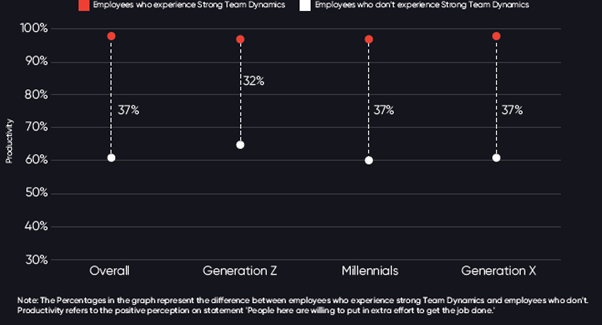
Team Dynamics is the art of weaving together each team member’s strengths and unique qualities. It goes beyond acknowledging individual efforts to creating an atmosphere where every contribution is appreciated. By nurturing a supportive and collaborative culture, teams become a collection of individuals and a cohesive unit working towards shared goals. This approach enhances overall team performance and contributes to a positive and enriching work environment. Team Dynamics emerge as a catalyst for driving transformation and fostering high organizational productivity. The strength of team collaboration goes beyond mere cooperation; it significantly influences motivation, dedication, and the willingness of employees to go the extra mile. Collaborative teams create an environment where individuals become 1.6 times more engaged and focused, leading to heightened productivity.

This effect is particularly pronounced among the goal-driven older generation. In instances where team dynamics are weak, their productivity takes a notable dip, reaching only 61%. Recognizing the influence of team dynamics becomes pivotal for organizations aspiring to maximize productivity and enhance the overall work experience. By prioritizing and nurturing collaborative team environments, organizations can unlock the full potential of their workforce, driving transformative change and achieving higher levels of success.

Personal fulfilment at work across generations

Workplace Ikigai serves as the driving force behind organizational evolution. In embracing it, organizations can cultivate a thriving environment where Innovation flourishes, individuals thrive, and teams collaboratively contribute to the organization’s enduring success. Visit us here to learn more. 
For too long, workplaces have been designed with a one-size-fits-all approach, often failing to truly cater to women’s unique needs and aspirations. This reality not only hinders individual growth and well-being but also limits the potential of organizations to thrive in a diverse and dynamic world. But the tide is turning. Emerging as beacons of progress are workplaces actively dismantling the “one-size” model and embracing the power of targeted initiatives that empower women to reach their full potential.

This blog dives into the exciting world of workplace inclusivity through a female lens. We’ll explore the niche focus areas crucial for women’s professional journeys, from leadership development and work-life balance to flexible work arrangements. We’ll shed light on the innovative approaches being adopted by Best Workplaces to shatter glass ceilings, foster a supportive environment, and unleash the untapped talents of women.

How Are Women’s Workplace Perceptions Evolving?

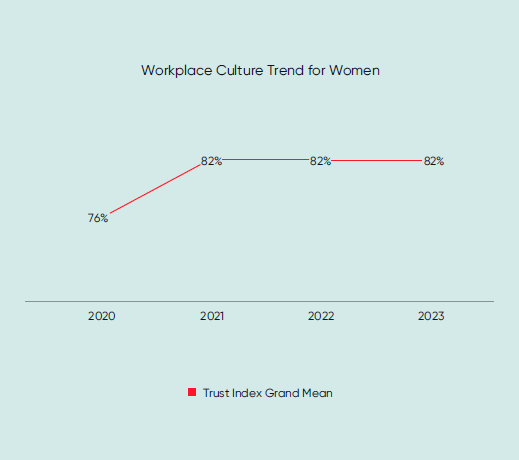
Women’s workplace perception has remained stable at 82% for the past two years. It has been stable since 2021 for women, implying a consistent workplace experience.

Workplace Culture Trend for Women

Let’s have a closer look at some key areas where organizations can improve women’s workplace experience

Unfortunately, unconscious bias and gender discrimination remain pervasive realities in many workplaces. Best Workplaces prioritize creating safe and inclusive environments by implementing unconscious bias training, conducting regular diversity audits, and establishing clear policies and procedures for addressing harassment and discrimination. By proactively tackling these issues, they create a workplace where women feel respected, valued, and empowered to speak up.

Building an Ecosystem for Women Leaders to Thrive

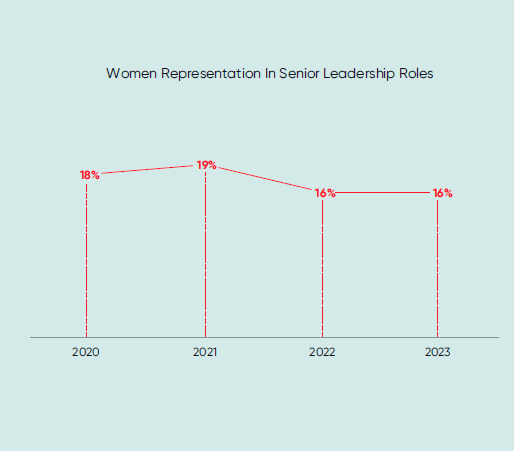
The stark reality of a mere 16% female representation in executive, C-level management, and CEO positions in India paints a clear picture of the glass ceiling that impedes women’s ascent to leadership. Through targeted development programs, empowering mentorship initiatives, and game-changing sponsorship opportunities, they empower individual women and rewrite the leadership narrative. Their commitment to gender equity extends beyond mere compliance; it recognizes the untapped potential of women leaders and harnesses their diverse perspectives to drive innovation, boost morale, and propel organizations toward new heights.  

Women Representation in Senior Leadership Roles

Career Comeback Opportunities for Women

For many women, careers can take unexpected detours – raising children, caring for family, or pursuing personal goals can put professional aspirations on hold. But returning to the workforce shouldn’t feel like starting from scratch. Career comeback programs recognize the unique skills and experiences women bring after a career break, offering a supportive bridge back into the professional world.

Career comeback programs aren’t just about finding a job and rediscovering potential and confidence. They empower women to leverage their diverse experiences, showcase their skills, and, ultimately, find fulfilling careers that fit their lives. It’s a win-win scenario – organizations gain invaluable talent and fresh perspectives while women reclaim their place in the professional world, stronger and more experienced than ever.

Combating Pay Parity 

The concept of equal pay seems straightforward: for the same work, the same compensation. Yet, the stubborn reality reveals a persistent chasm: the global gender pay gap, where women typically earn less than men for equivalent roles. This disparity isn’t just morally unjust; it stifles economic potential, hinders career progression, and fuels societal inequalities.

Achieving pay parity requires a multi-pronged approach. Transparency in salary structures is crucial, shedding light on existing imbalances and enabling informed negotiations. Combatting unconscious bias through training and diversity initiatives is essential to dismantle discriminatory mindsets that perpetuate wage gaps. Investing in childcare infrastructure and advocating for flexible work arrangements can alleviate women’s burden, levelling the playing field for career advancement.

Work-Life Balance for Women

The juggling act of balancing work and personal commitments is a familiar struggle, especially for women who often bear the brunt of domestic responsibilities. They understand that work-life integration isn’t a luxury; it’s a necessity. That’s why they offer flexible work arrangements, like compressed weeks or remote options, so women can design schedules that fit their lives. 

But it’s more than just policies. Best Workplaces foster a culture that normalizes flexibility, encourages open communication about personal needs, and celebrates diverse working styles. Women feel comfortable setting boundaries and prioritizing their well-being without fear of judgment.  By empowering women to achieve their full potential, Best Workplaces benefits everyone, building a happier, more productive, thriving organization.

Camera red icon

LIVE WEBINAR WITH Q & A

certification-badge-2026-rhc4efc9ny04x7lz17jff7guyhsup5b0yvrou4vd72

The Certification Advantage: Why Partner with Great Place To Work®

How partnering with Great Place To Work can strengthen your people strategy, and drive business outcomes through data-driven insights and Certification.

prasad-kachraj

Prasad Kachraj

Managing Director, Great Place To Work, India

23rd September 2026  |  4.00 PM - 4.30 PM IST

Register Now