The modern workforce is a beautiful tapestry woven with threads of experience. From seasoned Baby Boomers to digitally native Gen Z, companies are navigating a multigenerational landscape. But this diversity presents a challenge: Can we create a one-size-fits-all work-life balance policy that caters to everyone’s needs? The answer is a resounding NO

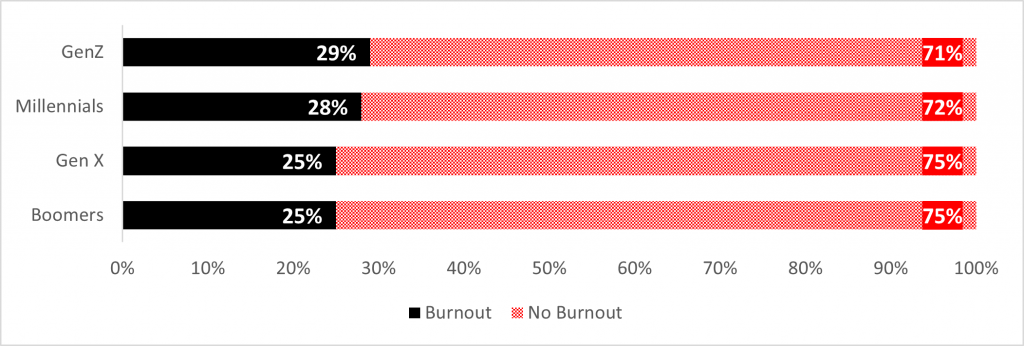
Graph showing Burnout and No Burnout levels of GenZ, Millennials, Genn X and Boomers.

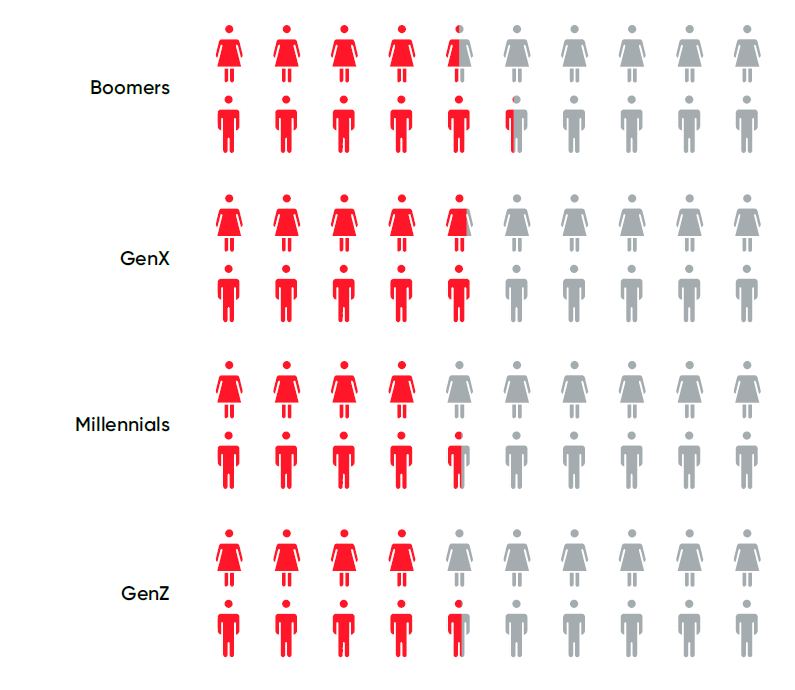
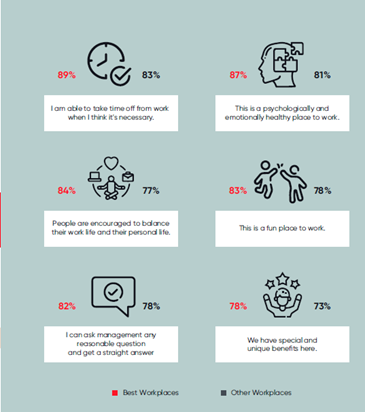
Our data paints a clear picture: Boomers and Gen X report lower burnout rates compared to Millennials and Gen Z. This suggests younger employees might face steeper hurdles in achieving work-life harmony. Similarly, Boomers feel more valued and supported at work, perhaps due to established positions or a workplace culture that prioritizes experience. Meanwhile, Gen Z and Millennials report lower agreement on being able to take time off or feeling encouraged to balance work and life – highlighting a potential gap in policies that support their needs for flexibility. 
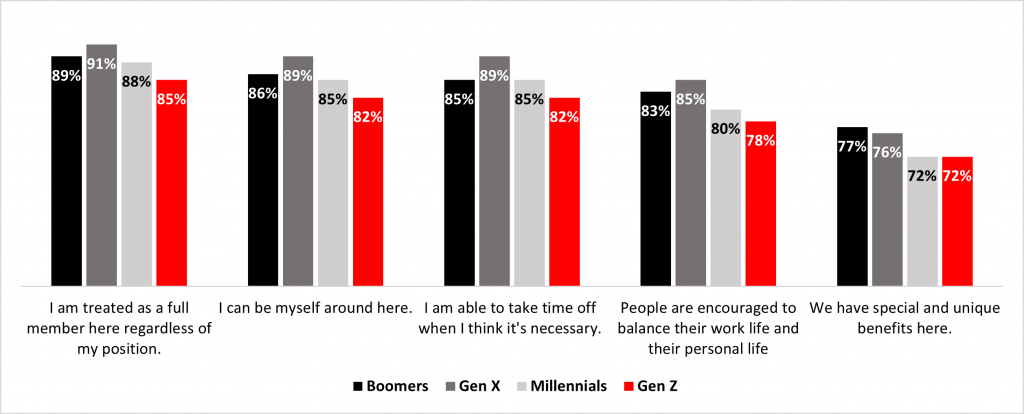
Graph showing different levels of Boomers, Gen X, Millennials and Genz answering statements like: I am treated as a full member here regardless of my position, I can be myself around here, I am able to take time off when I think it's necessary, People are encouraged to balance their work life and their personal life and We have special and unique benefits here.

Interestingly, all generations express a similar sentiment: a lack of “special and unique benefits”. This suggests companies might be missing the mark when it comes to offering perks that resonate with their diverse workforce. A generic approach simply won’t cut it. 

So, how do we bridge this generational divide and create a work environment that thrives on inclusivity? Here are some key strategies: 

  • Embrace Flexible Working Arrangements: 

Flexibility isn’t a one-dimensional concept. For younger generations, it might mean remote work or flexible hours. Older workers might value predictable schedules or part-time options as they approach retirement. Companies can cater to this diversity by offering a range of working arrangements – remote work, flextime, compressed workweeks, and part-time opportunities. Remember, the key is to make these options accessible to everyone and avoid perceptions of unfairness. 

  • Foster Open Communication: 

An environment where employees feel comfortable sharing their work-life challenges is crucial. Regular check-ins and feedback sessions empower managers to understand individual preferences and tailor support accordingly. Cross-generational mentorship programs are another win-win. They facilitate knowledge transfer, dismantle stereotypes, and foster mutual understanding across generations. 

  • Offer Customizable Benefits: 

A “one-size-fits-all” benefits package simply doesn’t work for a multigenerational workforce. Employees at different life stages have different needs. Consider offering a cafeteria-style plan where employees can choose benefits that best suit their situation. Don’t forget mental health! Include benefits that focus on well-being, such as counseling services, wellness programs, and workshops on stress management. Remember, mental health is a priority across all generations. 

  • Promote Work-Life Integration: 

Respecting boundaries is key. Encourage managers and teams to disconnect from work outside of business hours, especially for those working remotely or flexibly. Additionally, providing support for life milestones like parental leave, caregiving assistance, or sabbaticals for personal growth demonstrates your commitment to employee well-being and can significantly boost loyalty and satisfaction. 

  • Cultivate an Inclusive Culture: 

Celebrate the unique strengths that each generation brings to the table. Recognize generational diversity as an asset, not a liability. Organize events that celebrate different cultures and backgrounds and encourage employees to share stories that foster a sense of belonging. When making decisions, especially those related to work-life balance and flexibility, involve employees from all generations. This ensures a well-rounded approach that considers diverse perspectives. 

  • Leverage Technology Wisely: 

Equipping all employees with the latest productivity and collaboration tools and trainings are essential for a smoothly functioning flexible work environment. However, don’t let technology replace human interaction entirely. Create opportunities for face-to-face meetings and gatherings to maintain team cohesion and company culture. 

By implementing these strategies, companies can move away from a one-size-fits-all approach and create a work environment that bridges the generational gap. A workforce that feels valued, supported, and empowered to achieve work-life balance is a recipe for success. It’s time to celebrate our differences and leverage them to build a more vibrant, productive, and inclusive workplace for all. 
Every year, International Women’s Day sparks conversations and initiatives celebrating women’s achievements. While these are important, truly honoring women goes far beyond a single day – it demands a commitment to building a work environment where they can thrive, not just survive. This year let’s move beyond performative gestures and turn our attention to the stark reality: women remain significantly underrepresented in leadership roles, and their career progression faces unique challenges.

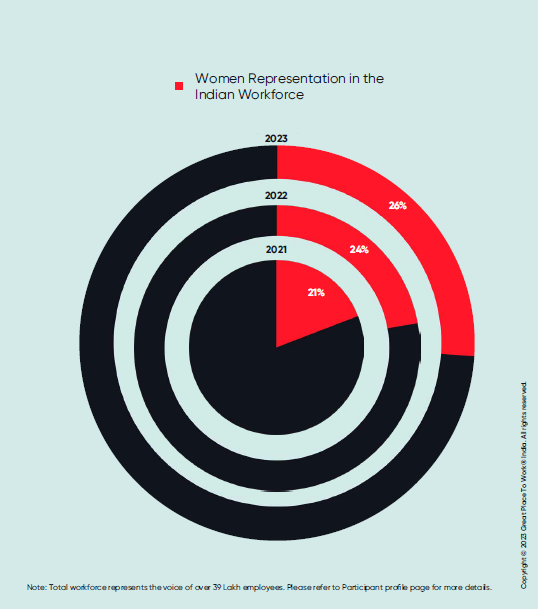
Women representation in the Indian Workforce

Our latest report reveals a concerning trend: women account for only 26% of the workforce, with an even smaller presence (16%) in senior leadership. This begs the crucial question – what can be done to retain talented women and empower them to reach their full potential?

Career advancement isn’t just about training and promotions. It’s a multi-faceted journey that requires dismantling cultural barriers, fostering inclusion, supporting parenthood, and offering comprehensive leave policies. Studies show that companies investing in leadership training for women see a 2.2x increase in retention, highlighting the power of empowering and investing in their future.

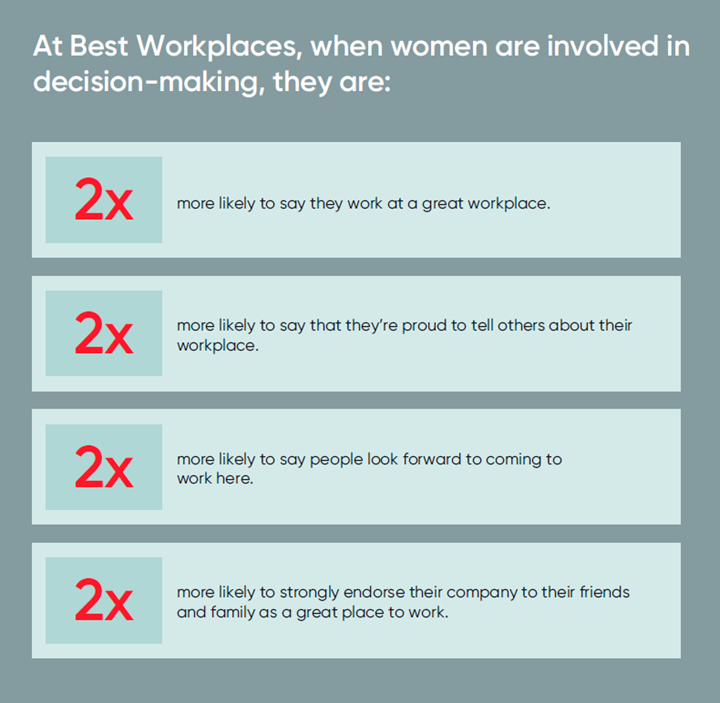
2x Outcome when women are involved in decision making.

Furthermore, organizations recognized as Great Place To Work® for Women deliver significantly more positive workplace experiences for their female employees. This translates to a remarkable commitment from women to put in extra effort, creating a win-win situation for both individuals and organizations.

So, how can we turn the tide and support women in advancing their careers? Here are some actionable steps:

Redesigning and Upgrading Policies:

  • Supportive leave policies: Implement comprehensive health and medical leave policies that acknowledge and support life transitions like childbirth and childcare. These policies should go beyond the minimum requirements to truly support women during critical life stages.  
  • Inclusive practices: Ensure policies and practices are inclusive of all employees, fostering an environment where everyone feels valued and respected. This may involve reviewing existing policies to identify and eliminate any biases or barriers that may disproportionately affect women. 

Building an Ecosystem for Women Entrepreneurs:

  • Provide resources and support: This could include access to mentorship, funding opportunities, and networking events specifically tailored to women entrepreneurs. By creating a supportive ecosystem, organizations can empower women to take on entrepreneurial ventures with confidence.
  • Promote visibility: Highlight the successes of women entrepreneurs within the organization and beyond, serving as inspiration and encouragement for others considering similar paths.

Capacity Building:

  • Training and development: Offer training and development programs that equip women with the skills and knowledge they need to excel in their chosen fields. This may involve customizing training programs to address the unique challenges and opportunities faced by women in the workplace.
  • Fair pay and promotions: Ensure equal pay for equal work and implement transparent and merit-based promotion processes. Additionally, organizations should actively monitor and address any disparities in pay and promotion rates between men and women.
  • Fair recognition: Acknowledge and celebrate contributions fairly, emphasizing both hard and soft skills within a standardized framework. This may involve establishing clear criteria for recognition and promotion, ensuring that women are not overlooked or undervalued due to unconscious biases.
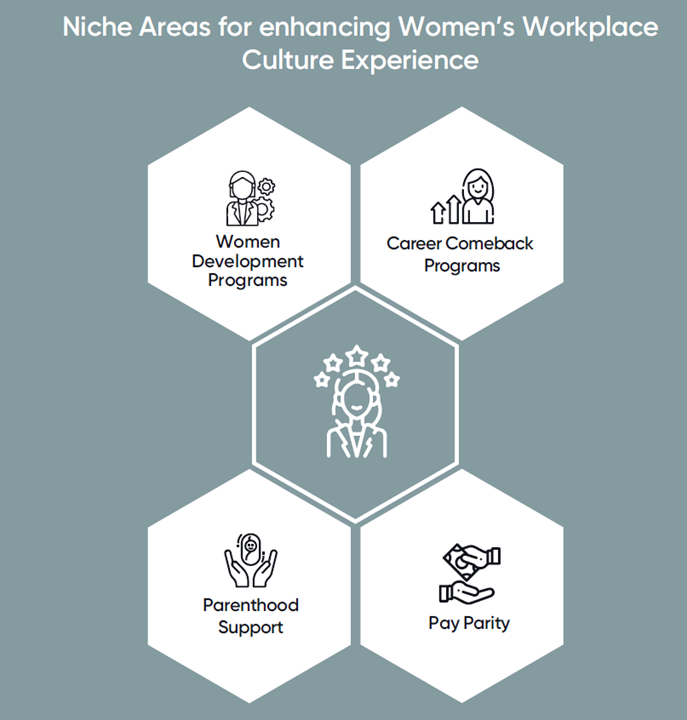
Women develpoment programs, Career comeback programs, Parenthood support, Pay parity are the niche areas for enhancing women's workplace culture experience.

Defining Indicators for Measuring Success:

Go beyond traditional metrics: Move beyond solely focusing on performance and productivity and acknowledge the unique strengths and contributions each individual brings. This may involve developing new metrics or indicators that capture the diverse ways in which women contribute to the success of the organization.

Building Gender Equity at the Workplace:

  • Visibility: Create opportunities for women to connect with leaders and have their voices heard. This may involve implementing mentorship or sponsorship programs that pair women with senior leaders who can provide guidance and support.
  • Embrace potential: Look beyond traditional qualifications and recognize the potential in individuals who may not fit a typical mold. This may involve providing opportunities for women to take on stretch assignments or leadership roles, even if they don’t meet all of the traditional criteria.
  • Amplify women’s voices: Provide platforms for women to share their experiences and perspectives with the entire organization. This may involve hosting events or forums where women can showcase their expertise and insights on topics relevant to the organization.

Learning from Best Practices:

Organizations like Flipkart offer valuable lessons in retaining and empowering women. Their fortnightly review of women’s attrition data, coupled with targeted interventions and safety initiatives, demonstrates a commitment to addressing specific challenges faced by their female workforce.

By taking these steps, we can move beyond mere celebrations and create a work environment where women are truly empowered to excel. Let’s create a future where International Women’s Day isn’t just a day of recognition, but a symbol of a workplace built on genuine equality and opportunity for all. Together, we can build a world where women thrive, not just survive.

India’s ascent as an innovation leader is undeniable. Boasting a score of 38.1 on the 2023 Innovation Index, the country showcases a burgeoning tech ecosystem that excels at transforming knowledge and technology into tangible solutions. This progress is further bolstered by significant investments in human resources and digital infrastructure, laying the groundwork for a future powered by innovation.

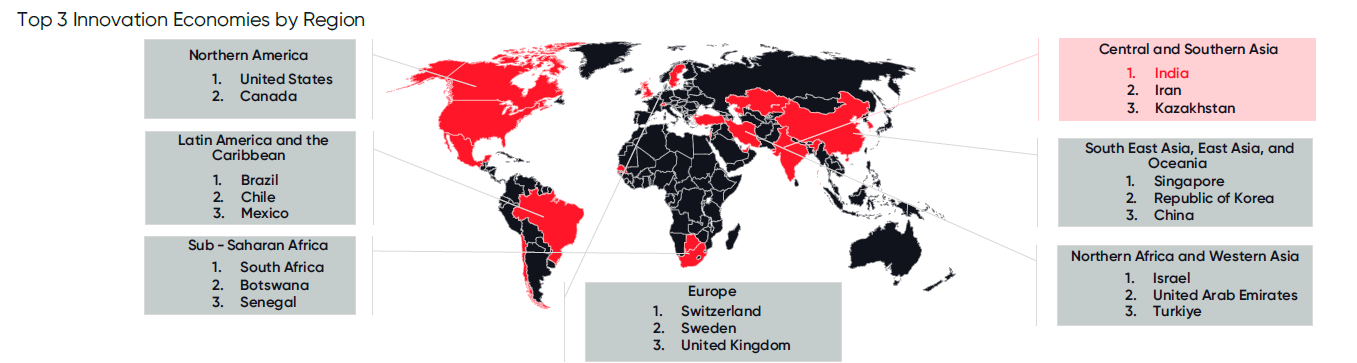
Top 3 Innovation Economies by Region

However, a closer look reveals a crucial element missing from the equation – a truly inclusive innovation culture. Despite a vibrant ecosystem, the perception of innovation culture in India dipped by 2% in 2024, reaching 63%. This indicates a need to bridge the gap between potential and reality.

Innovation Thrives on Inclusivity

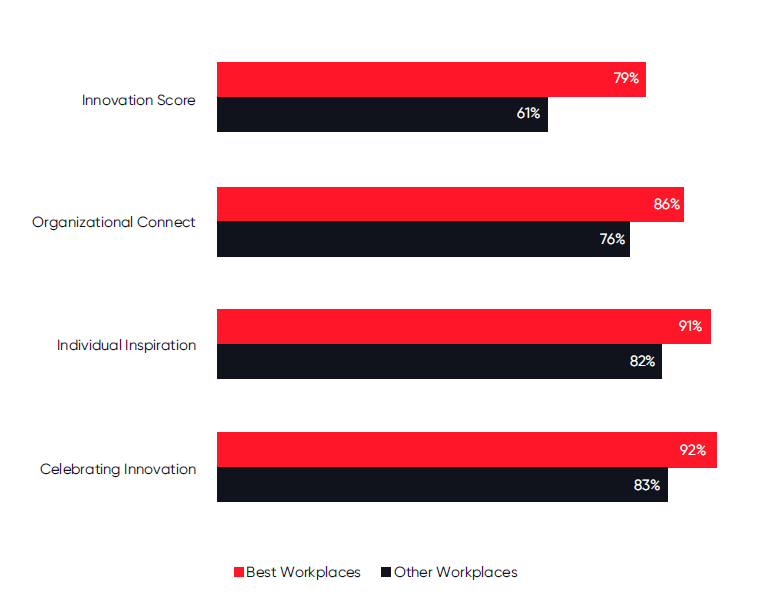
Best Workplaces Vs Other Workplaces

Innovation thrives in an environment where every idea finds a voice. Collaboration across all levels, trust, and structured pathways for ideation are the cornerstones of such a culture. Organizations that foster this environment – Best Workplaces™ as identified in our recent India’s Best Workplaces Building a Culture of Innovation by All 2024 report – demonstrate an impressive 18% lead in innovation metrics. They excel at creating a space for connection, empowering individuals, and celebrating innovation achievements.

The Untapped Potential: Gen Z, Millennials & Women

Here’s where a critical disconnect emerges. At a concerning 40%, innovation opportunities stagnate for Gen Z, Millennials, and Women. These demographics, brimming with potential, often face roadblocks like limited work experience, restricted access to resources, and differing workplace expectations compared to their senior counterparts. Recognizing these dynamics is crucial for organizations aiming to harness the full potential of their workforce and adapt to the evolving needs of the innovation landscape.

For women, the picture is even more concerning. Despite strides towards gender equality, women remain underrepresented in leadership and innovation-driven fields like technology and STEM. Unconscious bias and unequal access to opportunities continue to hinder their participation and success in innovative endeavors.

This lack of inclusivity has a ripple effect. Best Workplaces exhibit nearly double the readiness to innovate compared to others. This readiness signifies the ability to provide employees with meaningful opportunities to innovate. However, when Gen Z, Women, and non-managerial staff report limited opportunities, it highlights a glaring need for equitable resource distribution and support systems that nurture creativity across all levels.

Building Bridges: Fostering an Inclusive Innovation Culture

The answer lies in a fundamental shift towards inclusive and equitable innovation practices. Organizations must create a space where everyone feels empowered to contribute. Here are some key steps:

  • Mentorship and Sponsorship Programs: Pair young talent with experienced leaders to provide guidance and support. Sponsors can advocate for their ideas and champion their contributions.
  • Unconscious Bias Training: Actively address unconscious biases that can hinder opportunities for diverse talent.
  • Flexible work arrangements: Cater to diverse needs and work styles to ensure everyone can contribute effectively.
  • Idea Recognition Programs: Create a culture where all ideas are valued and celebrated. Recognize and reward innovative contributions across all levels.
  • Diverse Innovation Teams: Assemble teams with varied backgrounds and perspectives to spark fresh ideas and encourage collaborative problem-solving.

The Power of a Connected and Satisfied Workforce

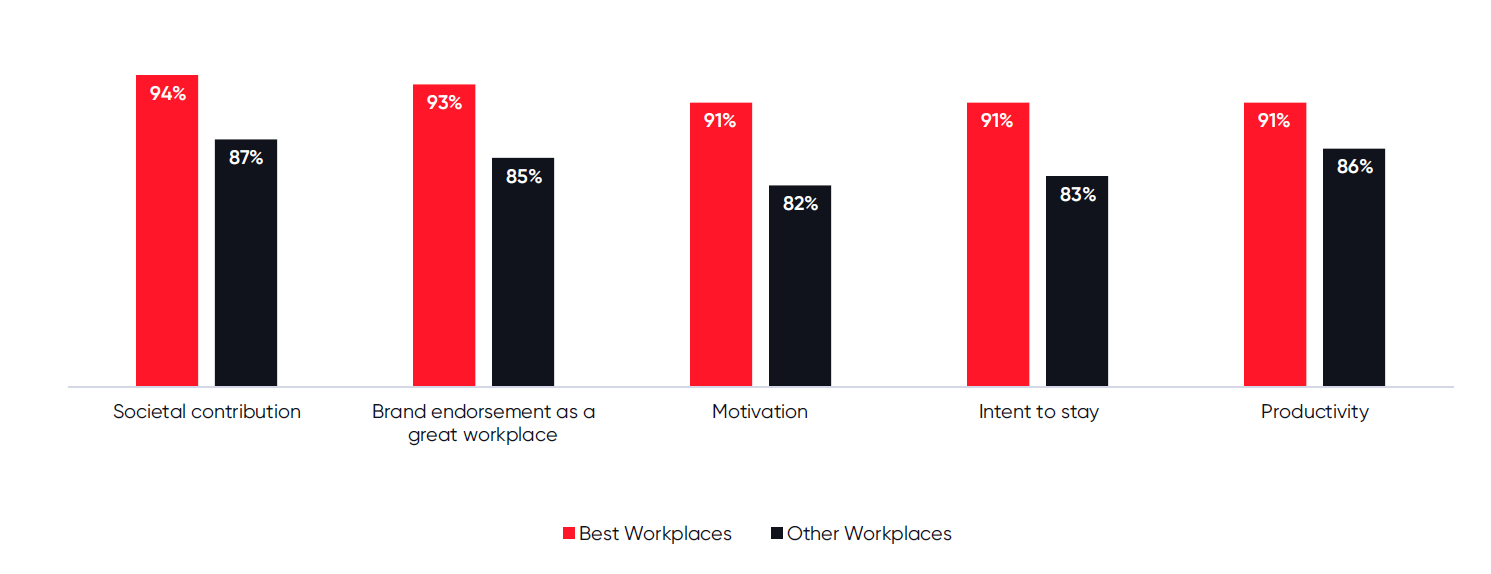
The correlation between workplace satisfaction and a thriving innovation culture is undeniable. Employees at Best Workplaces report a 5 to 9% higher positive perception of key performance indicators. This highlights a significant relationship between a strong culture of innovation and enhanced employee satisfaction with organizational performance.

Investing in an inclusive innovation culture isn’t just about social responsibility; it’s a strategic imperative. By empowering Gen Z, Millennials, and Women, organizations unlock a wealth of talent and perspectives, fostering a more vibrant and dynamic innovation ecosystem. This, in turn, fuels future growth and propels India towards becoming a true innovation powerhouse.

Remember, innovation is not a privilege for a select few; it’s the collective spark that ignites progress. By embracing inclusivity, we can unlock India’s full innovation potential and illuminate the path to a brighter future.

For too long, workplaces have been designed with a one-size-fits-all approach, often failing to truly cater to women’s unique needs and aspirations. This reality not only hinders individual growth and well-being but also limits the potential of organizations to thrive in a diverse and dynamic world. But the tide is turning. Emerging as beacons of progress are workplaces actively dismantling the “one-size” model and embracing the power of targeted initiatives that empower women to reach their full potential.

This blog dives into the exciting world of workplace inclusivity through a female lens. We’ll explore the niche focus areas crucial for women’s professional journeys, from leadership development and work-life balance to flexible work arrangements. We’ll shed light on the innovative approaches being adopted by Best Workplaces to shatter glass ceilings, foster a supportive environment, and unleash the untapped talents of women.

How Are Women’s Workplace Perceptions Evolving?

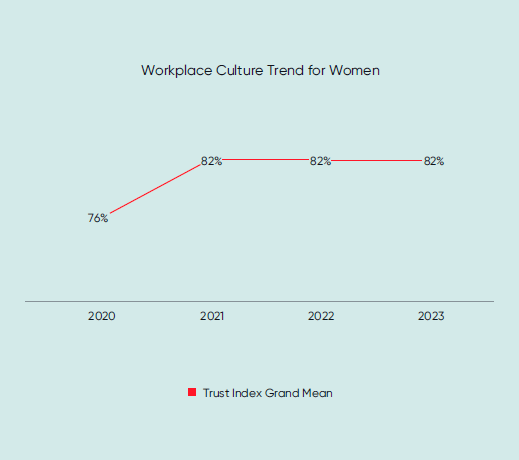
Women’s workplace perception has remained stable at 82% for the past two years. It has been stable since 2021 for women, implying a consistent workplace experience.

Workplace Culture Trend for Women

Let’s have a closer look at some key areas where organizations can improve women’s workplace experience

Unfortunately, unconscious bias and gender discrimination remain pervasive realities in many workplaces. Best Workplaces prioritize creating safe and inclusive environments by implementing unconscious bias training, conducting regular diversity audits, and establishing clear policies and procedures for addressing harassment and discrimination. By proactively tackling these issues, they create a workplace where women feel respected, valued, and empowered to speak up.

Building an Ecosystem for Women Leaders to Thrive

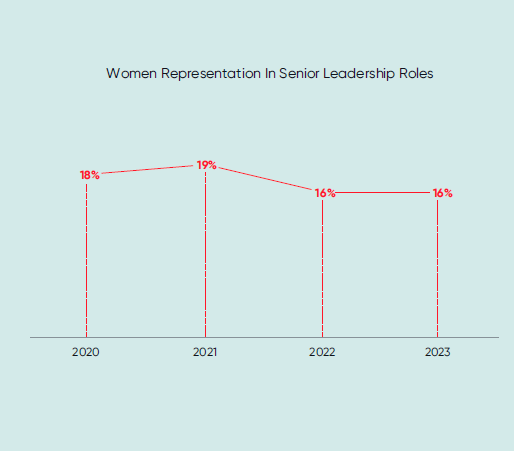
The stark reality of a mere 16% female representation in executive, C-level management, and CEO positions in India paints a clear picture of the glass ceiling that impedes women’s ascent to leadership. Through targeted development programs, empowering mentorship initiatives, and game-changing sponsorship opportunities, they empower individual women and rewrite the leadership narrative. Their commitment to gender equity extends beyond mere compliance; it recognizes the untapped potential of women leaders and harnesses their diverse perspectives to drive innovation, boost morale, and propel organizations toward new heights.  

Women Representation in Senior Leadership Roles

Career Comeback Opportunities for Women

For many women, careers can take unexpected detours – raising children, caring for family, or pursuing personal goals can put professional aspirations on hold. But returning to the workforce shouldn’t feel like starting from scratch. Career comeback programs recognize the unique skills and experiences women bring after a career break, offering a supportive bridge back into the professional world.

Career comeback programs aren’t just about finding a job and rediscovering potential and confidence. They empower women to leverage their diverse experiences, showcase their skills, and, ultimately, find fulfilling careers that fit their lives. It’s a win-win scenario – organizations gain invaluable talent and fresh perspectives while women reclaim their place in the professional world, stronger and more experienced than ever.

Combating Pay Parity 

The concept of equal pay seems straightforward: for the same work, the same compensation. Yet, the stubborn reality reveals a persistent chasm: the global gender pay gap, where women typically earn less than men for equivalent roles. This disparity isn’t just morally unjust; it stifles economic potential, hinders career progression, and fuels societal inequalities.

Achieving pay parity requires a multi-pronged approach. Transparency in salary structures is crucial, shedding light on existing imbalances and enabling informed negotiations. Combatting unconscious bias through training and diversity initiatives is essential to dismantle discriminatory mindsets that perpetuate wage gaps. Investing in childcare infrastructure and advocating for flexible work arrangements can alleviate women’s burden, levelling the playing field for career advancement.

Work-Life Balance for Women

The juggling act of balancing work and personal commitments is a familiar struggle, especially for women who often bear the brunt of domestic responsibilities. They understand that work-life integration isn’t a luxury; it’s a necessity. That’s why they offer flexible work arrangements, like compressed weeks or remote options, so women can design schedules that fit their lives. 

But it’s more than just policies. Best Workplaces foster a culture that normalizes flexibility, encourages open communication about personal needs, and celebrates diverse working styles. Women feel comfortable setting boundaries and prioritizing their well-being without fear of judgment.  By empowering women to achieve their full potential, Best Workplaces benefits everyone, building a happier, more productive, thriving organization.

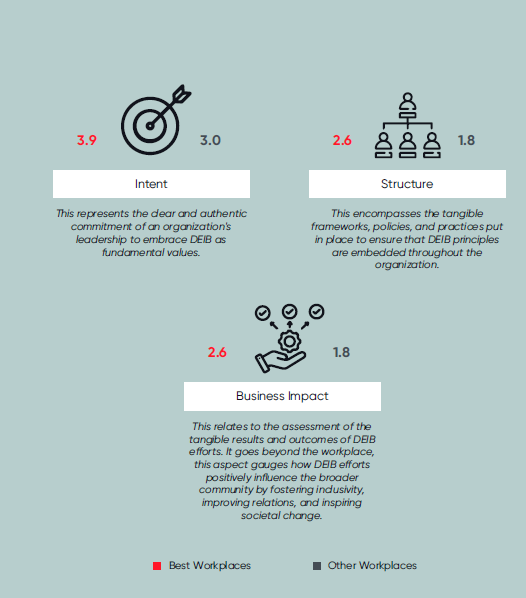
In the dynamic landscape of modern workplaces, the widely recognized value of diversity and equity takes on true transformation when infused with the vital essence of inclusion. Inclusive workplaces, characterized by unwavering intent, resilient structures, and the substantial business success resulting from inclusive people policies, pave the way for a holistic approach to diversity, equity, inclusion, and belongingness (DEIB).

Simultaneously, fostering a sense of Belonging has emerged as a central focus for organizations committed to DEI. Belonging, the culmination of efforts to ensure every individual feels valued and accepted as an equal member of the workplace community, represents a pivotal element in creating the best workplaces. This blog delves into the strengths, challenges, and actionable strategies organizations can employ to enhance the feeling of inclusion & employee belonging.

Unpacking Inclusion

Best Workplaces Vs Other Workplaces

What’s Great?

Affirmative Hiring Practices

Forward-thinking organizations are actively seeking diversity through inclusive hiring practices. This involves targeted outreach, diverse job postings, and inclusive language in job descriptions, creating a talent pool that mirrors the richness of society.

Onboarding & Integration

Inclusive onboarding processes go beyond the basics. They are designed to seamlessly welcome and integrate employees from diverse communities, setting the stage for a sense of belonging from day one.

What can be Better?

Performance and Recognition

Ensuring fairness in performance evaluations and recognition is a perpetual challenge. The goal is to provide equal opportunities for employees from diverse backgrounds to excel and receive acknowledgment for their contributions.

Tailored Policies and Benefits

Balancing customization and equity in policies and benefits is crucial. Organizations need to strike a delicate balance, providing flexibility within predefined limits to meet the diverse needs of their workforce.

ERGs Engagement

The complexity of ensuring active engagement and meaningful contributions from Employee Resource Groups (ERGs) is an ongoing process. Harnessing the full potential of ERGs requires strategic leadership and consistent efforts.

Actionable Insights for Leaders

How do leaders ensure fairness in evaluations and recognition?

1. Establish Clear Performance Metrics

  • Define transparent and objective evaluation criteria.
  • Consistently communicate performance metrics to employees.
  • Encourage employee participation in the development of performance metrics.
  • Create a process for appeals, allowing employees to challenge their performance evaluations.

2. Implement 360-Degree Evaluations

  • Include multiple feedback sources: peers, subordinates, and supervisors.
  • Use anonymous surveys to encourage honest feedback.
  • Ensure confidentiality to foster open input.
  • Incorporate feedback into recognition and development programs.

How can organizations balance customized policies with fairness?

1. Develop a Customizable Framework

  • Provide employees with a menu of options within predefined equity limits.
  • Ensure transparency by explaining equity boundaries to all employees.
  • Gather feedback periodically to refine policy options.

2. Conduct Regular Policy Reviews

  • Involve employees and ERGs in the review process.
  • Align policies with evolving diversity and equity goals.
  • Ensure transparency by sharing updates and revisions with all employees.

How do leaders enhance ERGs’ engagement?

1. Encourage Leadership Engagement

  • Recognize and highlight ERGs’ impact on diversity and inclusion.
  • Participate in ERG-driven events.
  • Provide leadership development opportunities to ERG members.

2. Ensure Cross-ERG Collaboration:

  • Promote joint projects and initiatives.
  • Facilitate resource-sharing among ERGs.
  • Create platforms for ERG leaders to connect.

3. Ensure Impact Measurement:

  • Regularly assess ERG progress.
  • Share ERGs’ contributions with the organization.
  • Recognize ERGs’ diversity and inclusion achievements.

Inclusion is not just a buzzword; it’s the transformative force that turns diversity and equity into meaningful workplace experiences. By addressing the identified areas for improvement and implementing the suggested actionable insights, leaders can pave the way for workplaces where every individual feels valued, fairly treated, and included in core decision-making.

Fostering a sense of Belonging

Best Workplaces Vs Other Workplaces

What’s Great?

Inclusion of the Term ‘Belonging’

Leaders are recognizing the importance of “belonging” as a core element of DEIB efforts. This shift in mindset has prompted the development of targeted strategies to enhance the sense of Belonging, acknowledging its pivotal role in fostering a healthy workplace culture.

Amplified Psychological Safety

Psychological safety, the feeling of being able to express oneself without fear of negative consequences, is gaining recognition as a critical component in fostering Belonging. Organizations are increasingly prioritizing environments where employees feel secure in being their authentic selves.

What Can Be Better?

Exclusionary Behaviors

Despite progress, exclusionary behaviors persist in some workplaces, impacting the sense of Belonging. Addressing these behaviors, whether intentional or not, is crucial for creating an inclusive environment.

Remote Work Challenges

While remote work offers flexibility, it introduces challenges related to belonging. Finding ways to connect and include remote staff in the workplace culture is essential for maintaining a cohesive and inclusive organizational culture.

Workplace Favoritism

Perceptions of workplace favoritism can erode trust and contribute to feelings of exclusion. Implementing strategies to reduce such perceptions is vital for promoting a sense of fairness and equality.

How do leaders enhance ERGs’ engagement?

1. Establish Inclusive Culture

  • Promote a culture that actively discourages exclusion.
  • Clearly communicate zero-tolerance for exclusionary behaviors.
  • Encourage bystander intervention to address exclusion.

2. Promote Inclusive Design Thinking

  • Integrate inclusive design into products, workspaces, and events.
  • Form cross-functional, diverse teams for inclusive decision-making.
  • Collect input and feedback on design initiatives through dedicated platforms.

3. Identify Belonging Ambassadors

  • Serve as approachable points of contact for peers, providing support and guidance.
  • Organize regular networking events or informal gatherings to facilitate connections and inclusion.

How can organizations connect and include remote staff in the workplace culture?

1. Design Virtual Team-Building Initiatives:

  • Ensure inclusive participation and gather feedback for improvements.
  • Adapt activities based on remote employees’ preferences and needs.

2. Design Flexible Work Policies

  • Promote outcome-based performance measurement rather than strict hours.
  • Maintain clear communication channels and guidelines.
  • Provide tools and resources for remote collaboration and productivity.

3. Provide Technology Support

  • Offer comprehensive training and support for remote user-friendly tools and platforms.
  • Establish a responsive helpdesk for technical assistance.

What strategies can leaders employ to reduce perceptions of favoritism?

1. Implement Employee-Driven Recognition:

  • Allow employees to nominate their peers for recognition.
  • Develop a user-friendly nomination process accessible to all.
  • Design clear guidelines for nominating peers.

2. Ensure Equal Opportunity Promotion:

  • Establish merit-based promotion systems.
  • Emphasize fair and transparent evaluations.
  • Promote clear promotion processes and criteria.

3. Encourage Collaboration on Projects:

  • Form cross-departmental project teams.
  • Promote open communication and collaboration to leverage collective expertise.
  • Share skills, knowledge, and best practices among team members, fostering their growth.

Fostering a sense of Belonging is not just a goal but a commitment to creating workplaces where every individual feels valued, included, and connected. By addressing exclusionary behaviors, navigating the challenges of remote work, and tackling perceptions of favoritism, organizations can pave the way for a workplace culture that thrives on diversity, equity, and a deep sense of Belonging. This journey toward inclusivity is not only beneficial for employees but also contributes to the overall success and sustainability of the organization. Visit us here to learn more.

In our fast-paced and ever-evolving professional world, the pursuit of gender equality is currently gaining unprecedented momentum. Companies across the globe are awakening to the significance of cultivating inclusive and diverse workplace cultures, enabling individuals of all genders to prosper without requiring any special or distinct treatment.

The collective workforce, a representation of the voices of more than 3.9 million employees drawn from over 1,450 organizations, as surveyed by Great Place To Work®, serves as a testament to this shift. The objective is unequivocal: to establish the very best workplaces where everyone can excel, regardless of their gender.

A Positive Upward Trend 

Recent data from Great Place To Work India’s report, “India’s Best Workplaces™ for Women 2023,” highlights a promising trend. Over the past triennium, the representation of women in the workforce has steadily increased from 21% in 2021 to an impressive 26% by 2023. This upward trajectory underscores a commitment to gender diversity and signifies progress towards a more equitable workforce composition. 

Industry Disparities in Representation 

While the overall numbers are encouraging, there still exist notable disparities in women’s representation across industries. Some sectors, like Non-Profit & Charity Organizations and Education & Training, boast a significant gender diversity with 47% and 45% women, respectively. In contrast, industries such as Manufacturing and production lag with only 9% of women. However, the positive aspect is that even in industries with lower representation, women report a favourable workplace culture. 

Leadership Opportunities Remain a Challenge 

One persistent challenge is the underrepresentation of women in leadership roles, with only 16% holding executive, C-level management, or CEO positions in India. This underscores the ongoing need to foster greater gender diversity in leadership for sustained progress. 

The Importance of Workplace Perception 

Stability in women’s workplace perception, hovering at 82% for the past two years, indicates that overall employee trust and engagement remain consistent. While there was an upward trajectory from 2020 to 2021, 2022 showed a slight dip, highlighting the importance of continuously nurturing a positive workplace environment. 

Initiatives for Inclusive Workplaces 

What sets the best workplaces apart is their commitment to gender diversity and the initiatives they undertake. These organizations value contributions from women, promote equitable pay, offer career comeback programs, and prioritize work-life balance and flexibility. They understand that supporting women’s well-being and professional growth is crucial for fostering an inclusive culture. 

The Road Ahead 

In the pursuit of gender equity, organizations must recognize that achieving a balanced workforce isn’t just about increasing the number of women but creating an environment where everyone feels valued and supported. This means addressing biases, fostering a culture of inclusivity, and offering opportunities for growth and development regardless of gender. 

The path to the best workplaces for all, regardless of gender, is illuminated by the same guiding principles: inclusivity, diversity, and fairness. It is a collective journey towards fostering workplace cultures that not only acknowledge but deeply appreciate every individual’s unique contribution, transcending gender boundaries. The time has come for industries to rise to the occasion, to embrace inclusivity as a driving force, and to set the standard for a future where everyone, without exception, can thrive in their careers. It’s a future where gender barriers crumble, and the beacon of true equality shines brightly. Together, we can create workplaces that stand as beacons of progress, where every voice is heard, and every talent is valued. 

In the fast-paced landscape of the 21st century, the workplace has become a melting pot of different generations, each bringing its unique perspective and values. However, no generation has more profoundly impacted our work than millennials. In 2023, the Great Place To Work® comprehensive study delved deep into India’s millennial workforce dynamics, shedding light on the shifting paradigms and priorities that define their professional lives.

The Generational Shift: From Gen-X to Gen-Z

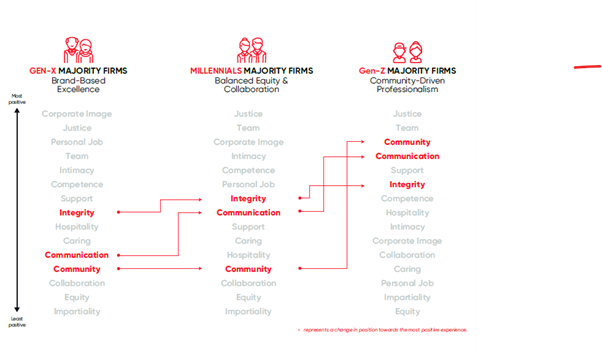
Generational changes have undeniably transformed the Indian workplace. From the Gen-X majority firms to the burgeoning influence of Gen-Z, the workforce is experiencing a paradigm shift. For millennials, the workplace is not just a site of employment; it’s a community where their voices are heard and fairness prevails.

The Generational Shift

Millennials at the Helm

In 2023, millennials have emerged as the backbone of many Indian companies, constituting a staggering 70% of the workforce. Their confidence in their workplace is evident, with 87% considering their company to be a Great Place To Work. 39% of millennials have climbed the corporate ladder into managerial roles, challenging the traditional hierarchical structures. Yet, challenges persist. Only 52% express confidence in their leadership’s judgment, and merely 22% of these millennials are females, highlighting the gender gap in the professional sphere.

A Dynamic Landscape: Industry Variances

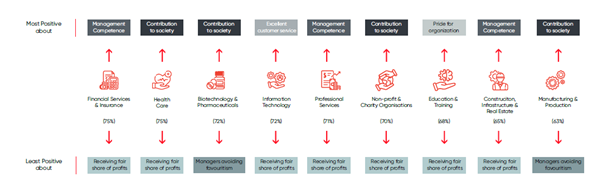
The millennial experience in the workplace varies significantly across industries. 4 out of 9 sectors witnessed millennials responding most positively when their organizations contributed positively to society. However, concerns about favoritism and fair profit sharing persist, indicating a need for more equitable policies.

Industry Variances

The Rise of Millennial Managers

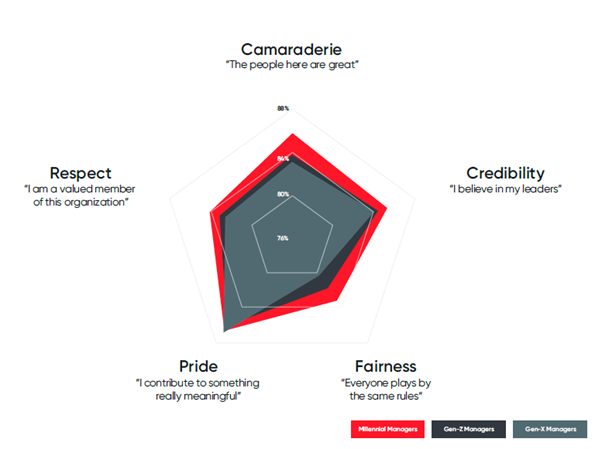
The study identified millennial managers as the leaders of positive workplace culture. Leading in all aspects, they exemplify the values of a progressive workplace – fairness, community, innovation, and integrity.

Risk of Millenial Managers

5 Steps Towards Creating a Best Workplace for Millennials

The study also outlined five crucial steps for companies aiming to create an ideal workplace for millennials:

1. Special & Unique Benefits: Providing access to distinctive benefits tailored to the organization fosters employees’ sense of belonging and appreciation.

2. Fair Share of Profits: Ensuring a transparent and fair distribution of profits fosters trust and commitment among the workforce.

3. Motivation: Cultivating a positive work environment where employees find fulfillment and enthusiasm in their tasks is pivotal to retaining a millennial workforce.

4. Fun & Welcoming Place: A workplace infused with warmth and camaraderie encourages employees to engage actively, enhancing their overall experience.

5. Inform, Share Expectations & Align Actions: Open communication, clear expectations, and aligning actions with public statements instill confidence in the workforce, fostering a culture of trust.

The 2023 study on India’s millennial workforce underscores the need for adaptability in the ever-changing professional landscape. Organizations can attract and retain the best talent from this dynamic generation by understanding their unique needs, acknowledging their concerns, and fostering a culture of fairness and openness. As the workplace continues to evolve, embracing these changes will be key to building a thriving, diverse, and innovative workforce in the years to come. Visit us here for more information.

Employee Resource Groups (ERGs) have become pivotal components of diversity, equity, inclusion, and belonging (DEIB) strategies within organizations. In recent years, these groups have gained prominence, especially in the wake of social and cultural transformations triggered by the post-pandemic era. While some companies are reconsidering their DEIB initiatives, it is crucial to recognize the enduring value of ERGs. In 2023, ERGs continue to be relevant and essential for fostering an inclusive workplace culture. This article explores seven key insights that highlight why every organization should embrace ERGs. 

1. Establish Your Value Proposition

ERGs should begin by defining their value proposition. They must clearly articulate their purpose, goals, and how they contribute to the organization’s broader DEIB efforts. This step helps ERGs gain recognition and support from leadership and employees alike. A well-defined value proposition demonstrates the tangible benefits of ERGs, such as fostering diversity, enhancing employee engagement, and promoting innovation. It also showcases their role in attracting and retaining diverse talent. 

2. Build a Robust Governance Structure 

Successful ERGs require a strong governance structure. This structure should outline the group’s leadership roles, responsibilities, and decision-making processes. Establishing clear leadership ensures that ERGs remain focused, accountable, and aligned with the organization’s overall goals. Furthermore, a governance structure can help ERGs navigate potential challenges and conflicts, ensuring their sustainability and effectiveness over time.

3. Insist on Measurement and Accountability

To gauge the impact of ERGs, organizations must implement measurement and accountability mechanisms. These include setting specific, measurable, achievable, relevant, and time-bound (SMART) goals for ERGs and regularly tracking their progress. Metrics such as increased diversity in leadership, higher employee engagement scores, and reduced turnover rates can provide tangible evidence of ERGs’ effectiveness. Accountability ensures that ERGs remain committed to their mission and continue to drive positive change.

4. Find Strategic Alignment 

ERGs should align their initiatives with the organization’s broader strategic objectives. By connecting their work to the company’s mission and vision, ERGs become integral to the business’s success. This alignment ensures that ERGs contribute to achieving tangible outcomes that benefit both the organization and its employees. For instance, ERGs can collaborate with HR and management to develop inclusive hiring practices or contribute to product development strategies that resonate with diverse customer bases. 

5. Increase Engagement and Activation 

ERGs must focus on increasing engagement and activation among their members. Encouraging participation through various activities, workshops, and events helps ERGs create a sense of belonging and community within the organization. This engagement not only fosters personal growth and development but also enhances collaboration and teamwork across the company. ERGs should also consider welcoming allies and advocates from outside their primary demographic focus, expanding their reach and impact.

6. Offer Advocacy and Action 

ERGs should not limit their efforts to raising awareness and promoting diversity. They should also engage in advocacy and action. This involves pushing for changes within the organization, such as policy improvements, mentorship programs, and equitable career advancement opportunities. ERGs can serve as powerful advocates for marginalized groups, driving meaningful change within the workplace culture and policies. 

7. Connect to Business Success

ERGs are not standalone entities; they are integral to business success. Organizations should recognize the direct correlation between diversity, inclusion, and profitability. Studies have consistently shown that diverse teams drive innovation, increase creativity, and lead to better decision-making. By embracing ERGs and their efforts, companies position themselves to outperform competitors and remain relevant in an ever-evolving global marketplace. 

Employee Resource Groups are not fleeting trends; they are enduring assets that every organization should embrace. In 2023, as some companies reconsider their DEIB initiatives, it is imperative to recognize the critical role that ERGs play in fostering inclusive workplace cultures. By following these seven insights—establishing a clear value proposition, building a robust governance structure, insisting on measurement and accountability, finding strategic alignment, increasing engagement and activation, offering advocacy and action, and connecting to business success—organizations can harness the full potential of ERGs. In doing so, they create workplaces that celebrate diversity, empower employees, and drive sustainable growth and success. 

On this Certification Nation Day, go viral about your company culture! 

Is your organization Great Place To Work® Certified™? Get Certified and join us for Certification Nation Day, November 1-3, 2023, to celebrate your workplace culture. 

In today’s rapidly evolving business landscape, the significance of diverse and inclusive teams cannot be overstated. They have emerged as the new engines of innovation, propelling organizations towards groundbreaking ideas and remarkable achievements. With their unique perspectives, experiences, and backgrounds, diverse teams possess a competitive edge that traditional homogeneous groups simply cannot match. Let’s delve into why diverse and inclusive teams are driving innovation at work and how organizations can foster this mindset.

  • Teams that are inclusive and diverse produce more innovative ideas.
    One of the key advantages of diverse teams is their ability to generate unconventional ideas. When individuals from different ethnicities, cultures, genders, and ages come together, a rich tapestry of perspectives and insights emerges. This diversity of thought sparks creativity and encourages the exploration of uncharted territories. By bringing together people with diverse experiences and knowledge, teams can develop innovative solutions that cater to a wider range of customers, address complex challenges, and uncover untapped opportunities.
  • Diverse teams are better at making decisions.
    Research has consistently shown that diverse teams outperform homogeneous teams when it comes to decision-making. When individuals with different backgrounds and viewpoints collaborate, they bring a variety of perspectives to the table. This diversity of perspectives helps in identifying potential blind spots and biases, leading to more comprehensive and well-rounded decision-making processes. Diverse teams challenge conventional thinking, question assumptions, and consider alternative approaches, resulting in higher-quality decisions and reduced groupthink.
  • Diverse teams perform better when implementing innovative ideas.
    While generating ideas is crucial, bringing them to fruition is equally important. Diverse teams excel in this aspect as well. When people from various backgrounds work together, they bring a variety of skills, knowledge, and networks to the table. This diverse skill set enables teams to leverage a broader range of resources, form meaningful connections, and navigate complex challenges more effectively. The inclusion of diverse perspectives enhances problem-solving capabilities, fosters creativity, and promotes a culture of experimentation, all of which are essential for turning innovative ideas into tangible outcomes.
How to bring the “diversity drives innovation” mentality to your organization?
  • Seek others’ perspectives.
    Encourage active and inclusive participation by fostering an environment where diverse opinions are valued. Actively seek out and listen to perspectives that differ from your own. This open-mindedness fosters a culture that embraces diversity and promotes the exchange of ideas, leading to innovative thinking and problem-solving.
  • Be wary of the word “expertise.”
    While expertise is undoubtedly valuable, it’s important to avoid over-reliance on it. Recognize that expertise can sometimes be accompanied by biases and limitations. Embrace the idea that fresh perspectives, even from individuals without extensive domain knowledge, can challenge established norms and spark groundbreaking ideas.
  • Encourage employees to be who they truly are at work.
    Create a safe and inclusive environment where employees feel comfortable expressing their authentic selves. Encourage individuals to bring their unique perspectives, experiences, and ideas to the table. Accept diversity in all of its manifestations, including differences in color, gender, sexual orientation, age, and talents, as it enhances the organization’s collective understanding and fosters innovation.
  • Foster psychological safety Psychological safety is crucial for promoting diversity and inclusion. It refers to an environment where individuals feel safe to take risks, share ideas, and express dissent without fear of retribution or judgment. Foster an atmosphere of trust and respect by promoting open communication, active listening, and constructive feedback. This psychological safety empowers individuals to contribute fully, collaborate effectively, and unleash their innovative potential.

In conclusion, diverse and inclusive teams have emerged as the engines of innovation in today’s business landscape. They bring together a wealth of perspectives, ideas, and skills that fuel creativity, improve decision-making, and transform innovative ideas into reality. Organizations can unlock the full potential of their people and advance innovation by embracing diversity and developing an inclusive culture, giving them a competitive edge and assuring long-term success.

Embracing workplace diversity is a catalyst for driving innovation and unleashing the full potential of your organization. To harness this power, there is no better time to take action. The Great Place To Work Trust Index Survey, incorporating the innovative Innovation Velocity Ratio, offers a valuable opportunity to evaluate and enhance the inclusivity and innovative practices within your workplace.

By prioritizing diversity and inclusion today, you are not only fostering innovation in the present but also building a foundation for a prosperous future. Join the league of forward-thinking organizations by initiating the Trust Index™ Survey today. Embrace the imperative of inclusive innovation, as the time to act is now.

As Pride Month unfolds, it is an opportune time to reflect on the significance of creating a workplace culture that embraces diversity and inclusivity for LGBTQ+ employees. The journey towards an inclusive environment requires intentional efforts to dismantle barriers, foster empathy, and promote acceptance. In this article, we will explore the key elements of building an LGBTQ+ inclusive workplace culture, ranging from policies and practices to education and allyship. By understanding the importance of diversity and equality, we can create a workplace where every individual feels valued, respected, and empowered.

Understanding LGBTQ+ Identities: A Primer for Inclusive Workplaces

To cultivate an inclusive workplace culture, it is crucial to begin with a foundation of knowledge and understanding. Recognizing and respecting different LGBTQ+ identities is fundamental in creating an environment where individuals can express their authentic selves. Providing education and awareness programs that introduce LGBTQ+ terminology and identities can help dispel misconceptions and promote empathy. By acknowledging the diverse spectrum of identities within the LGBTQ+ community, we can foster an environment where individuals feel seen, heard, and validated.

Policies and Practices: Building LGBTQ+ Inclusive Workplaces

Inclusive policies and practices are instrumental in creating a supportive environment for LGBTQ+ employees. Establishing nondiscrimination policies that explicitly protect individuals based on sexual orientation and gender identity is crucial. Additionally, implementing anti-harassment policies that address LGBTQ+ issues and provide clear procedures for reporting incidents is vital for ensuring a safe and inclusive workplace.

Equitable benefits and support systems are also essential components of an LGBTQ+ inclusive workplace. Offering inclusive healthcare coverage that encompasses gender-affirming treatments and procedures demonstrates a commitment to the well-being of LGBTQ+ employees. Providing access to mental health resources and support networks that address the unique challenges faced by the community further enhances inclusivity.

Educating the Workforce: Promoting Awareness and Acceptance

Education plays a pivotal role in promoting LGBTQ+ inclusion in the workplace. Training programs that focus on LGBTQ+ issues and allyship can help employees and managers develop a deeper understanding of the challenges faced by their LGBTQ+ colleagues. By addressing unconscious biases and fostering empathy, organizations can create an environment where individuals feel safe and accepted.

Creating open dialogues and safe spaces for discussion is essential. Allowing employees to share their experiences, concerns, and ideas helps foster a culture of inclusion and belonging. These conversations can also facilitate the exchange of knowledge and promote a deeper appreciation for the contributions of LGBTQ+ employees.

Allies in Action: Becoming an LGBTQ+ Advocate

Allies play a crucial role in creating an inclusive workplace culture. Being an effective LGBTQ+ ally means actively supporting and advocating for LGBTQ+ rights and equality. It involves actively listening to the experiences and concerns of LGBTQ+ colleagues, amplifying their voices, and standing up against discrimination and prejudice. By openly showing support, allies can help create a more welcoming environment and inspire others to do the same.

Supporting LGBTQ+ employee resource groups (ERGs) and community initiatives is another way to demonstrate allyship. ERGs provide a platform for LGBTQ+ employees to connect, share experiences, and provide support to one another. Organizations can actively support these groups by allocating resources, providing mentorship opportunities, and engaging in collaborative efforts to drive positive change.

Celebrating Pride Month: Meaningful Recognition and Support

Pride Month offers an excellent opportunity for organizations to demonstrate their commitment to LGBTQ+ inclusion. Planning activities and events that celebrate the LGBTQ+ community can help raise awareness and promote a sense of belonging. These initiatives can range from organizing educational panels and workshops to hosting social events that foster connections among employees.

Recognizing LGBTQ+ history, achievements, and challenges is an integral part of celebrating Pride Month. By highlighting the contributions of LGBTQ+ leaders and their impact on society, organizations can inspire others and create a more inclusive narrative. Partnering with LGBTQ+ organizations and engaging with the community during Pride Month can further demonstrate solidarity and support beyond the workplace.

Success Stories: LGBTQ+ Employee Experiences and Leadership

Sharing success stories of LGBTQ+ employees in the workplace can be empowering and inspiring. By highlighting the journeys, accomplishments, and challenges faced by LGBTQ+ individuals, organizations can showcase the value they bring to the workplace. These narratives can foster a sense of pride among LGBTQ+ employees and help create a culture where everyone feels encouraged to be their authentic selves.

Recognizing LGBTQ+ leaders within the organization is equally important. By showcasing their accomplishments and contributions, organizations can inspire other LGBTQ+ employees and create role models for future generations. It sends a powerful message that LGBTQ+ individuals can thrive and lead in any professional field.

Beyond Pride Month: Sustaining Inclusion Throughout the Year

While Pride Month serves as a catalyst for LGBTQ+ inclusion, the commitment to sustaining an inclusive workplace culture should extend throughout the year. Organizations should embed LGBTQ+ perspectives in their ongoing diversity and inclusion efforts. This can be achieved by integrating LGBTQ+ issues into training programs, diversity initiatives, and internal communication platforms.

Engaging in continuous education and learning is crucial. By staying informed about current LGBTQ+ issues, organizations can adapt their policies and practices to address emerging challenges. This includes understanding the evolving needs of transgender employees, supporting individuals through their gender transitions, and ensuring that the workplace remains inclusive and affirming.

Regularly assessing the effectiveness of LGBTQ+ inclusion initiatives is essential for progress. Collecting feedback from employees, conducting surveys, and utilizing metrics can help organizations measure their success and identify areas for improvement. Creating accountability and transparent reporting structures reinforces the organization’s commitment to LGBTQ+ inclusion.

Building an LGBTQ+ inclusive workplace culture requires a multifaceted approach that encompasses policies, education, allyship, and celebration. By understanding and respecting LGBTQ+ identities, organizations can create an environment where employees feel safe, seen, and valued. Implementing inclusive policies and practices ensures that the workplace is free from discrimination and harassment.

Education and awareness initiatives promote empathy and understanding, fostering a culture of acceptance. Allies play a critical role in creating a supportive environment by advocating for LGBTQ+ rights and equality. Recognizing and celebrating Pride Month allows organizations to demonstrate their commitment to LGBTQ+ inclusion and celebrate the contributions of LGBTQ+ individuals.

However, sustaining an inclusive workplace culture requires year-round efforts. Integrating LGBTQ+ perspectives into ongoing diversity and inclusion initiatives ensures continued progress. By prioritizing education, assessing initiatives, and listening to employees’ experiences, organizations can foster an environment where every individual feels empowered to be their authentic selves.

As we celebrate Pride Month, let us remember that LGBTQ+ inclusion is not just a one-time event but an ongoing journey. By embracing diversity and fostering an inclusive workplace culture, organizations can create environments where LGBTQ+ employees can thrive, contribute, and excel. Together, let us champion diversity, equality, and acceptance in the workplace, not just for Pride Month but every day of the year.

To learn more about fostering an inclusive workplace culture for LGBTQ+ employees in your organization, visit the DEIB page on our website. Happy Pride Month!

Camera red icon

LIVE WEBINAR WITH Q & A

certification-badge-2026-rhc4efc9ny04x7lz17jff7guyhsup5b0yvrou4vd72

The Certification Advantage: Why Partner with Great Place To Work®

How partnering with Great Place To Work can strengthen your people strategy, and drive business outcomes through data-driven insights and Certification.

prasad-kachraj

Prasad Kachraj

Managing Director, Great Place To Work, India

23rd September 2026  |  4.00 PM - 4.30 PM IST

Register Now