In recent years, individuals and businesses have faced a challenging journey characterized by significant global events, socio-political turbulence, and the pervasive impact of the pandemic. While emotions like anger, fear, and grief have always been part of the workplace, there is now a heightened sense of vulnerability, anxiety, and exhaustion among individuals.

Mindfulness, a readily accessible tool for mental health, offers the ability to attentively observe thoughts, emotions, and physical sensations, bringing clarity amid uncertainty. Its positive impact extends to employee well-being, assisting both leaders and staff in achieving a more profound sense of presence and emotional control. Its role in fostering emotional intelligence and empathy among leaders is particularly noteworthy, contributing to team cohesion and a profound sense of belonging.

As architects of workplace culture, leaders carry the responsibility of creating an environment conducive to psychological safety, teamwork, and collaboration. However, the constant flow of information in our 24/7 digital world presents challenges, leading to overwhelm and distraction even among the most dedicated employees. The resulting emotional toll manifests in reduced mental sharpness, increased absenteeism, strained relationships, and diminished productivity. 

The practice of mindfulness emerges as a timely and essential solution. It acts as a counterbalance to the relentless pressures of the digital world, providing a remedy for emotional challenges and serving as a valuable antidote to the complexities faced by individuals in the contemporary workplace.

Embracing Mindfulness at Work: A Key to Success and Well-being

Mindfulness is not merely a passing trend; it represents a valuable practice applicable across generations, gaining particular resonance among digital natives. This practice empowers individuals to self-regulate and be consciously present, cultivating an awareness of both external surroundings and internal states by filtering out distractions.

Within the realm of mindfulness, the ability to reflect facilitates clearer thinking and a departure from reactive responses ingrained in learned behaviour patterns. In our digitally saturated world, the enduring practice of mindfulness becomes increasingly relevant, acting as a countermeasure to the constant influx of information.

Mindfulness serves as a cornerstone for enhancing leadership skills, providing practitioners with heightened clarity and emotional control. Leaders immersed in mindfulness exhibit improved self-awareness, thoughtful communication, trust-building with management, cultivation of interpersonal relationships, and an overall enhancement of employee well-being—resulting in reduced sick days and heightened team engagement.

Mindfulness is a vital preparation tool for organizations undergoing digital or agile transformations. Its practice equips individuals and teams to be fully present, fostering mental agility, creative problem-solving, and resilience—essential attributes in today’s rapidly evolving landscape. These attributes stimulate innovation and fortify an organization’s competitive edge.

The impact of mindfulness on employees is tangible, evident in increased energy, resilience, and productivity. Individuals embracing mindfulness display greater receptivity to novel ideas and learning, contributing to a positive shift in overall workplace dynamics. Furthermore, mindfulness acts as a catalyst for strengthening interpersonal bonds, fostering openness to diverse perspectives, and nurturing qualities such as compassion and empathy—attributes synonymous with successful and cohesive teams. The overarching theme is unmistakable: mindfulness emerges as a transformative force, benefiting individual well-being and fostering a thriving and innovative organizational culture.

Here are four approaches to incorporating mindfulness into your work routine:

Breathe Mindfully

Immerse yourself in deep breathing exercises to lower blood pressure, reduce the stress hormone Cortisol, and uplift your mood. Actively focus on your breath to minimize external distractions, fostering a calm mind and heightened ability to refocus. Embrace the “box breathing” technique as a practical method to seamlessly integrate mindfulness and deep breathing into your daily routine—proving particularly effective in combating work-related burnout.

Engage in Active Listening

Cultivate mindful listening by fully immersing yourself in others’ communication without pre-emptively formulating responses. Rather than anticipating your reply, strive to understand the speaker’s message genuinely. By silencing internal mental chatter, you create an atmosphere of receptivity, facilitating a better understanding and processing of your colleagues’ communication.

Prioritize Short Breaks

Carve out time for brief breaks to smooth transitions between tasks or to rejuvenate your mind after prolonged periods of focus. Leverage smartphone reminders to prompt these short pauses—just five minutes can suffice to reset both your mental and physical state. Consider incorporating mindfulness practices, such as box breathing, during these breaks. Whether you’re moving around your environment or immersing yourself in sensory experiences outside, free from distractions, these moments contribute to a refreshed mindset.

Ditch Multitasking

Challenge the multitasking myth and acknowledge that optimal cognitive functioning thrives when focusing on one task at a time. Disable push notifications and alerts on your devices to minimize distractions. Whether participating in a meeting or tackling a specific task, commit to being fully present in the moment. This intentional approach enhances your capacity for deep concentration, fostering a more mindful and less stressful work environment.

In the intricate landscape of today’s workplace, mindfulness emerges not as a luxury but as a business necessity. Consistent mindfulness practice contributes to a work environment that is healthier and less stressful, empowering you to achieve deep focus and encouraging thoughtful consideration of your actions and reactions in real time. Visit us here to learn more. 
In the ever-evolving landscape of today’s business world, companies are continually facing economic uncertainties and challenges. The dynamic nature of the market, coupled with external factors such as global crises and technological disruptions, underscores the critical importance of having a resilient workforce. Resilient employees serve as the backbone of an organization during tough economic times, enabling it to weather the storm and emerge stronger on the other side.

The Power of Resilient Employees

In the face of economic turbulence, the ability of employees to navigate uncertainties and adapt to change is paramount. Resilient employees possess key characteristics that make them indispensable assets to their organizations.

Adaptability

Resilient employees exhibit a remarkable capacity to adapt to new situations and challenges. They view change not as a threat but as an opportunity for growth. Whether it’s the implementation of new technologies, shifts in market dynamics, or changes in company strategy, resilient employees remain agile and adjust their approach accordingly.

Problem-Solving Skills

The resilience of employees is often reflected in their adept problem-solving skills. Instead of being daunted by obstacles, they approach challenges with a solution-oriented mindset. Thinking creatively and finding innovative solutions contribute significantly to an organization’s ability to overcome hurdles and seize opportunities amidst adversity.

High Performance Under Pressure

Resilient employees do not succumb to stress but thrive under pressure. Their commitment to maintaining high performance levels during challenging times sets the tone for the entire organization. They meet deadlines and continue to deliver results, inspiring their colleagues to do the same.

Building Resilience in Employees

In order to cultivate a resilient workforce, organizations must take a proactive approach to building resilience in their employees. This involves a multi-faceted strategy that addresses various aspects of professional and personal development.

Leadership and Communication

Effective leadership is at the forefront of fostering resilience in employees. During uncertain times, transparent communication becomes a cornerstone for building trust and confidence. Leaders need to share company goals, challenges, and strategies openly. Leaders inspire a sense of purpose and unity among employees by providing a clear vision and direction. This open communication helps employees understand their role in the broader context of the company’s journey through challenging economic periods.

Training and Development

Ongoing training and development programs equip employees with the skills necessary to navigate changing circumstances. Investing in professional growth enhances individual capabilities and contributes to a collective sense of empowerment. Successful training initiatives include adaptability, problem-solving, and technology adoption workshops. 

Mental Health and Wellbeing

Employees’ mental health and well-being play a pivotal role in building resilience. Companies should prioritize creating a supportive work environment that promotes a healthy work-life balance. Access to mental health resources, such as counselling services and stress management programs, is crucial. Reducing the stigma around seeking support encourages employees to prioritize their mental health. Initiatives like flexible work schedules, mindfulness programs, and employee assistance programs contribute to fostering a resilient workforce. 

Cultivating a Resilient Culture

Organizational culture plays a pivotal role in shaping employee resilience. A positive work environment, characterized by trust, collaboration, and a focus on employee wellbeing, contributes significantly to building resilience.

A company’s commitment to employee wellbeing fosters a sense of belonging and support. Engaged employees are more likely to demonstrate resilience during tough times. Recognizing and rewarding employees for their efforts boosts morale and reinforces a sense of purpose. Creating opportunities for employee input fosters a culture of inclusion and innovation.

Building resilient employees is a dynamic and ongoing process that demands a strategic and holistic approach. From the crucial role of leadership in transparent communication to the significance of training and development, mental health initiatives, and a positive organizational culture, each facet contributes to the overall resilience of the workforce. As businesses grapple with economic uncertainties, the long-term benefits of fostering a resilient workforce extend far beyond navigating tough times. Visit us here to learn more. 
In the dynamic realm of digital marketing, the art of storytelling has transcended mere content creation, emerging as a powerful tool for brand authenticity and engagement. Among the myriad ways to tell a brand’s story, featuring narratives from your own employees on social media stands out as a genuine and impactful approach. In this article, we’ll delve into the why, the how, and the creative nuances of sharing employee stories, expanding upon each point to guide you through crafting compelling narratives that resonate with your audience.

Why Feature Employee Stories on Social Media?

As the digital landscape becomes increasingly saturated with content, consumers yearn for more than just a transactional relationship with a brand. They seek authenticity, transparency, and a connection that transcends the traditional buyer-seller dynamic. Employee stories provide a window into the human side of your organization, creating a relatable narrative that fosters trust and loyalty among your audience.

The impact of employee stories extends beyond immediate customer relations; it significantly contributes to building a robust employer brand. In an era where talent acquisition is fiercely competitive, potential hires are drawn not only to the job role but also to the company culture. Authentic employee stories act as a beacon, attracting top talent that resonates with the values and ethos of your organization.

According to our India’s Nation Builders 2023 report, a staggering 86% of employees take pride in sharing their affiliation with the organization. This statistic underscores the inherent value and positive sentiment that employees associate with being part of a workplace community.

Social Media Marketing vs. Traditional Marketing: A Paradigm Shift

To understand the significance of featuring employee stories on social media, it’s essential to contrast it with traditional marketing methods. Traditional marketing often operates on a one-way communication model, delivering messages to a passive audience. In stark contrast, social media marketing thrives on two-way communication, where engagement and interaction are pivotal.

By showcasing employee stories, you move beyond the transactional nature of traditional marketing. Social media becomes a platform for dynamic conversations, creating a community that engages with your brand on a personal level. It’s not merely about promoting a product or service; it’s about building relationships and fostering a sense of belonging within your audience.

Social Media Marketing vs. Traditional Marketing: A Paradigm Shift

To understand the significance of featuring employee stories on social media, it’s essential to contrast it with traditional marketing methods. Traditional marketing often operates on a one-way communication model, delivering messages to a passive audience. In stark contrast, social media marketing thrives on two-way communication, where engagement and interaction are pivotal.

By showcasing employee stories, you move beyond the transactional nature of traditional marketing. Social media becomes a platform for dynamic conversations, creating a community that engages with your brand on a personal level. It’s not merely about promoting a product or service; it’s about building relationships and fostering a sense of belonging within your audience.

Attracting Top Talent with Employee Stories

1. Create Interactive Content

Posting engaging questions alongside employee stories serves a dual purpose. Firstly, it encourages active participation, turning your audience from passive consumers into active contributors. Secondly, it allows your audience to share their own perspectives, fostering a sense of community and dialogue around your brand.

2. Encourage Team Reshares

The power of collective engagement should not be underestimated. Encouraging team members to reshare your company’s posts creates a ripple effect, enhancing social traction and extending your reach to a broader audience. This not only amplifies the impact of your employee stories but also cultivates a united front that showcases the strength of your organizational culture.

3. Respond and Keep the Conversation Alive

The importance of active engagement cannot be overstated. Responding promptly to comments and messages demonstrates that your organization values feedback and is committed to open communication. This level of interaction not only strengthens your relationship with existing customers but also provides a positive impression for potential employees.

Guidelines for Sharing Employee Stories

Respecting your employees’ privacy is paramount. Before sharing any employee story, it’s crucial to obtain informed consent. This involves not only seeking permission but also providing a clear understanding of how and where the story will be shared. This ensures that employees are comfortable with the level of exposure and transparency.

2. Respect Privacy and Be Authentic

Authenticity is the linchpin of successful storytelling. Audiences can discern when a story has been overly edited or manipulated, leading to a loss of trust. To overcome this challenge, it’s imperative to let your employees’ voices shine through. Avoid excessive editing, enabling the stories to resonate as genuine and relatable experiences.

3. Provide Support

Some employee stories may involve overcoming challenges or difficult experiences. In such cases, it is crucial to provide ongoing support and resources not only for the individuals involved but also for others within the organization who may be facing similar situations. This proactive approach reinforces the commitment to employee well-being and fosters a supportive workplace culture.

Success Metrics for Employee Stories on Social Media

1. Engagement Metrics

Likes, shares, comments, and reactions serve as tangible indicators of how well your audience is responding to employee stories. High engagement rates signify that your content is striking a chord with your audience, creating a positive impact.

2. Reach and Impressions

While engagement metrics focus on interactions, reach, and impressions, they shed light on the breadth of your audience. A higher reach indicates that your stories are resonating beyond your immediate followers, potentially reaching and influencing a wider pool of potential customers and employees.

3. Qualitative Feedback

Beyond quantitative metrics, qualitative feedback in the form of comments and messages offers invaluable insights into how your audience perceives your company stories. This qualitative data provides a nuanced understanding of the emotional resonance and impact of your storytelling efforts.

According to our India’s Great Mid-size Workplaces 2023 report, Leadership Excellence is identified as a key driver of organizational success. Cultivating a culture of continuous improvement, developing strong leaders, attracting top talent, delivering on promises, and demonstrating integrity collectively inspire confidence among employees. Further findings also highlight the importance of Personal Fulfilment. Empowering individuals to be appreciated, proud, authentic, and aligned with the organization’s goals leads to a positive and fulfilling work experience.

Analyzing Success Metrics and Overcoming Challenges

Analyzing social media metrics over time is essential for refining your storytelling strategy. By understanding which types of stories resonate most with your audience, you can tailor your content to maximize impact. A/B testing offers a valuable tool for comparing the performance of different types of posts, providing actionable insights for future campaigns.

While success metrics are critical, it’s crucial to view them as part of a larger employer branding strategy. The ultimate goal extends beyond high engagement or reach; it is to build a robust employer brand that attracts and retains top talent over the long term.

Challenges and Solutions

Sharing employee stories on social media presents its unique set of challenges. Privacy concerns, the risk of appearing overly promotional, and maintaining consistency are key hurdles to navigate.

1. Overcoming Privacy Concerns

Businesses should prioritize obtaining informed consent from employees before sharing their stories. Informed consent involves transparent communication about how and where the story will be shared, along with the right for the employee to review and approve the content before it’s posted. This proactive approach not only respects privacy but also empowers employees to have agency over their narratives.

2. Ensuring Authenticity

Authenticity is the heartbeat of impactful storytelling. To overcome the challenge of appearing overly promotional or edited, businesses should aim to share stories in the employees’ own words as much as possible. This approach lends an air of genuineness to the narratives, fostering a connection between the storyteller and the audience.

3. Consistency in Content Creation

Maintaining a consistent stream of employee stories can be challenging, particularly for smaller businesses. To overcome this hurdle, businesses can implement a structured content calendar.

This calendar can include themed months featuring different departments or roles each month to ensure a diverse range of stories. Encouraging employees to contribute their narratives also fosters a sense of collective storytelling, distributing the workload and maintaining a steady flow of content.

5 Creative Ways to Feature Employee Stories on Social Media

1. Employee Social Media Take-Overs

Empower your employees by handing over the reins of your social media accounts for a day. Whether through a “day in the life” on TikTok, an interactive Twitter chat, or an Instagram ‘Ask Me Anything,’ this approach humanizes your brand by letting employees speak for themselves.

2. Participate in Theme Days for Maximum Reach

Global theme days or themed weeks/months on social media are golden opportunities. They provide focused content topics and enable your brand to participate in a global conversation. Days like Employee Appreciation Day or World Mental Health Day are perfect occasions to align your employee stories with broader themes, showcasing how your workplace contributes positively to the world.

3. Think Beyond the Workplace

Great workplaces understand that employees have lives beyond the office. While acknowledging and praising employees for their hard work is essential, extending that acknowledgment to their activities outside of work adds a personal touch. Whether it’s volunteering, unique hobbies, or talents, showcasing the multifaceted nature of your employees reinforces the idea that your business prioritizes the individuality of its people.

4. Share Your Stats for Transparency

Numbers, when presented effectively, can be eye-catching on social media. Utilize visually appealing graphics such as graphs or infographics to showcase statistics that set your company apart. This could include metrics like the number of women in leadership positions, salary comparisons, or insights from employee pulse surveys. By presenting key numbers in a visually appealing format, you make data engaging and accessible to your audience.

5. Use Banners and Filters for Playful Posts

Filters and interactive elements aren’t reserved solely for personal use. Platforms like Instagram Stories and TikTok offer features such as filter games, which can be creatively adapted for your brand. Incorporate playful elements into your posts, such as filters that reveal interesting facts about your employees or banners that highlight achievements. This adds a fun and interactive dimension to your storytelling efforts.

Transformative Impact of Employee Stories

Crafting and sharing employee stories on social media is an art that, when executed effectively, can transform your brand into a magnet for top talent and engaged customers. By navigating challenges, staying authentic, and embracing creativity, your company can inspire and connect with a broader audience, creating a narrative that extends beyond products and services to the very heart of your organization – your people. In an era where relationships matter as much as transactions, the stories you tell become the threads that weave the fabric of a thriving, connected community.

Diversity in the workplace is not just a buzzword; it’s a dynamic force that propels organizations toward innovation and resilience. India’s Best Workplaces™ in Diversity, Equity, Inclusion & Belonging are leading the way in embracing and celebrating the rich tapestry of talents, ideas, and experiences that a diverse workforce brings to the table. In this blog, we’ll explore the current diversity landscape in Indian organizations, their strides, challenges, and actionable strategies for fostering inclusivity.

Embracing Diversity 

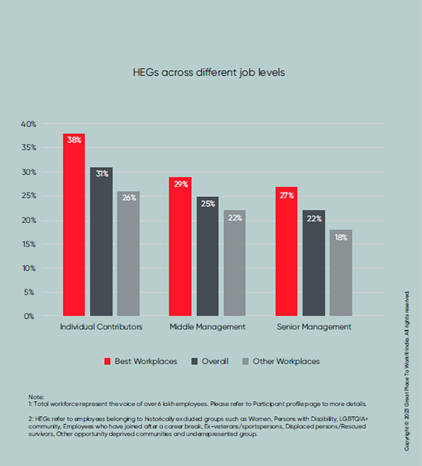
Historically excluded groups (HEGs) constitute 28% of the workforce, with the majority being women, while other HEGs have a representation of only 3%. Diversity is the pulsating core of innovation and resilience in contemporary organizations. It serves as a wellspring of talents, ideas, and experiences that fuel creativity and adaptability.

What’s Working

Diverse Workforce

Modern organizations are actively reshaping their workforce demographics, consciously embracing diversity. This shift goes beyond numbers, reflecting a commitment to inclusivity across genders, cultures, and abilities. A diverse workforce isn’t just a moral imperative; it’s a strategic advantage, fostering innovation and adaptability crucial for success in today’s global landscape.

Heightened Awareness

There’s a noticeable shift in organizational mindset—diversity is no longer an isolated initiative but a pervasive value. From leadership to every employee, there’s a growing acknowledgment of diversity’s importance. This awareness fuels open conversations about diversity’s tangible benefits, fostering an environment where differences are accepted and celebrated. It’s a cultural transformation recognizing that inclusivity isn’t just ethically correct; it’s a key driver of organizational strength and resilience.

Areas for Improvement

Representation in Leadership

While strides have been made in building a diverse workforce, the challenge persists in extending this diversity to leadership roles. Underrepresenting certain groups in key positions can hinder the full realization of diverse perspectives benefits. This lack of diversity at the top can impede innovation and adaptability, as leadership drives organizational culture and decision-making.

Cultural Barriers

Despite increased awareness, organizations still grapple with cultural barriers rooted in unconscious bias and microaggressions. These subtle, often unintentional, biases can create an environment where certain individuals or groups feel excluded. Overcoming these barriers is crucial for cultivating a genuinely inclusive culture where everyone feels valued and can contribute their best. Addressing these issues head-on is necessary to foster an environment where diversity isn’t just a checkbox but a lived experience.

Sustainability

Creating a diverse and inclusive workplace is not a one-time effort; it requires a sustained, long-term commitment. However, maintaining this commitment over time can be challenging. The initial enthusiasm may wane, and organizations may need help in consistently implementing diversity initiatives. Ensuring the longevity of these efforts requires strategic planning, ongoing education, and a continuous evaluation of progress. Sustainability in diversity efforts is not just about starting strong but about enduring dedication to fostering an inclusive environment over the long haul.

In addressing these challenges, organizations can further strengthen their commitment to diversity, equity, and inclusion, creating workplaces that reflect the workforce’s diversity and empower every individual to contribute meaningfully and reach their full potential.

How Can Leaders Tackle Unconscious Biases?

Focus on developing the leadership team by:

  • Implementing specialized leadership development programs
  • Providing mentorship and skill development
  • Focusing on underrepresented individuals

Focus on succession planning to:

  • Integrate diversity and inclusion.
  • Identify high-potential talent early.
  • Create a clear path for leadership roles.

Define accountability measures:

  • Hold senior leaders accountable.
  • Connect compensation to fostering diverse and inclusive teams.

How can leaders effectively navigate cultural challenges?

Conduct diversity training to:

  • Sensitize employees on inclusive behaviour.
  • Build awareness of implicit, and unconscious biases.
  • Focus on mitigating biases.

Implementing bias reduction strategies for hiring, such as:

  • Structured, standardized, and consistent evaluation process.
  • Defined criteria for evaluation focusing on relevant skills, behavior and culture fitment.

Establish feedback mechanisms ensuring:

  • Multiple inclusive feedback channels accessible to all.
  • Cultural appropriate and empathetic training to handle feedback.
  • A continuous feedback loop, closing it by sharing updates and seeking more input.

What steps can organizations take for sustained success?

Ensure Fair Resource Allocation

To turn our plans into reality for diversity and inclusion, it’s crucial to talk about why these efforts matter in the long run and how we plan to achieve our goals. Regularly checking how well our initiatives are working using data and metrics is an integral part of this.

Getting everyone involved is key, which means encouraging employees to participate in diversity and inclusion activities. It also supports and promotes participation in Employee Resource Groups (ERGs) and asks employees for their thoughts and ideas. By including everyone and ensuring everyone feels responsible, we can make real progress in creating a diverse and inclusive workplace.

In embracing diversity, confronting challenges, and committing to sustained efforts, organizations can forge a path toward an inclusive tomorrow—where every individual, regardless of background, finds a place to work and a community where they belong and thrive. Together, we pave the way for workplaces that embody the strength of diversity, setting the standard for a future where inclusivity is not just an ideal but a lived reality. Visit us here to learn more.

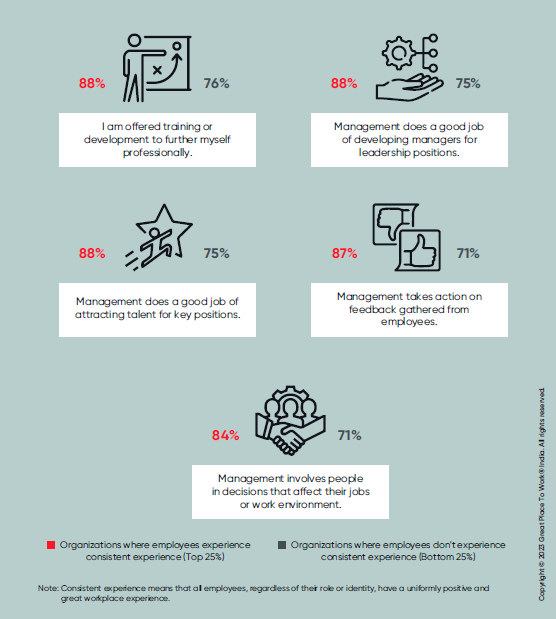
In the ever-evolving landscape of the modern workplace, fostering an environment that champions equity is not just a goal but a strategic imperative. Organizations that prioritize a ‘For All’ experience witness a remarkable 14% increase in employee perceptions regarding professional and leadership development and employee involvement in decision-making. Equity acts as the transformative catalyst, turning diverse talents into high-performance teams by ensuring fairness and impartiality. 

In this blog, we explore the commendable strides organizations have made, identify areas for improvement, and provide leaders with a comprehensive blueprint to tackle unconscious biases, enhance decision-making processes, and offer customized support to a diverse workforce.

Best Workplaces Vs Other Workplaces

What’s Great?

Equal Opportunities

Organizations are actively working to provide all employees equal access to growth opportunities and resources. This commitment ensures that each individual has the chance to excel, contributing to a more inclusive and high-performing workplace.

Feedback Channels

Implementing feedback mechanisms that allow employees to voice concerns about favoritism or identify instances of it is a positive step. Open communication channels empower employees and contribute to a culture of transparency and fairness.

What Can Be Better?

Unconscious Bias

Despite progress, unconscious bias continues to influence recruitment and promotion decisions. Addressing this pervasive issue requires comprehensive bias training, collaboration with experts, and the integration of practical exercises and real-life case studies for effective engagement.

Fairness in Decision-Making

The pursuit of equitable decision-making processes remains a challenge. Transparent evaluation criteria, consistent application of these criteria, and communication for clarity are crucial components for achieving fairness in promotions and evaluations.

Inequitable Access to Resources

Disparities in access to resources such as mentorship, networking opportunities, and professional development can hinder career progression. Striving for equal access involves implementing clear guidelines and fostering accessible mentorship and sponsorship programs.

How Can Leaders Tackle Unconscious Biases?

Conduct Comprehensive Bias Training

Leaders can combat unconscious biases by collaborating with experts to create customized bias training programs. Ensuring accessibility through online modules or in-person workshops and incorporating practical exercises and real-life case studies fosters engagement and understanding.

Ensure Diverse Representation on Panels

Leaders should standardize panel selection with diverse representation, train panelists in unbiased evaluation, and regularly rotate members for fresh perspectives. Diverse perspectives contribute to more objective decision-making.

What Are the Components of Equitable Decision-Making?

Ensure Transparent Evaluation

Transparent evaluation involves establishing clear criteria, applying them consistently, and communicating them for clarity. Promoting fairness in promotions and evaluations is crucial for building trust and confidence among employees.

Design Decision-Making Frameworks

Leaders should emphasize fairness and equity as top priorities in decision-making. Frameworks should be consistently applied, ensuring that decision-making aligns seamlessly with established guidelines.

Implement Feedback Mechanisms

Creating feedback mechanisms to gather input on decision-making processes is vital. This allows organizations to identify inequities and areas for improvement, enhancing future practices through continuous feedback and improvement.

How Can Leaders Provide Customized Support to Diverse Employees?

Ensure Fair Resource Allocation

Leaders can ensure fair resource allocation by developing clear and transparent guidelines. This includes accessible mentorship, coaching, and professional development opportunities.

Establish Accessible Mentorship and Sponsorship Programs

Creating mentorship and sponsorship programs that are accessible promotes equitable development opportunities. This support is crucial for employees from diverse backgrounds to thrive in their careers.

Establish Networking Initiatives

Leaders should foster structured networking opportunities for Employee Resource Groups (ERGs) and create initiatives that promote professional relationships and resource access for everyone.

In the dynamic landscape of the creative economy, the best workplaces emerge not only as thriving environments but also as pivotal drivers of innovation, productivity, and financial success. The data points from the RSM India study provide clear evidence of the tangible advantages of investing in a positive work culture. As the Indian economy enters a high-growth phase, enabling employees to maximize their potential becomes imperative. Other organizations, with their emphasis on inclusivity, innovation, and meaningful leadership, can stand as the forerunners as well. In this new creative economy scenario, maximizing potential is not just an aspiration but a guiding principle for success. Embrace the values of the best workplaces and set the stage for a future of work that is not only dynamic but also deeply fulfilling.

As one of the first and biggest department store chains in India, Shoppers Stop isn’t just a retail brand but a beacon for its peers and competitors alike. Shoppers Stop has featured among India’s Best Workplaces™ for Women 2022, and India’s Best Workplaces™ for Retail 2023. Shoppers Stop has numerous learning, development, and recognition programs for employees across levels, to align them with the strategic focus of providing world-class customer experience.

“I am not a commander giving orders to others but as a leader I give advice to others. This is a great place, because here everyone co-operates with each other & keeps one goal in mind to achieve – organization goal like a common people.” – in the words of a Team Leader, Customer Service Desk.

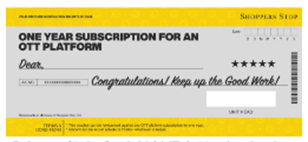
An important aspect of building trust is recognizing the efforts of our employees in real time. A pat on the back from a manager can go a long way in keeping people motivated and happy at work. With the idea to create something that appreciates great efforts and small achievements, and adding to the concept of Instant Rewards, they introduced the Happiness Cheque Book. While the Happiness Cheques are non-monetary, they are curated keeping in mind the thought of Reward and Appreciation.

This initiative appreciates employee efforts and extends the benefits to their loved ones who are an integral part of their lives.

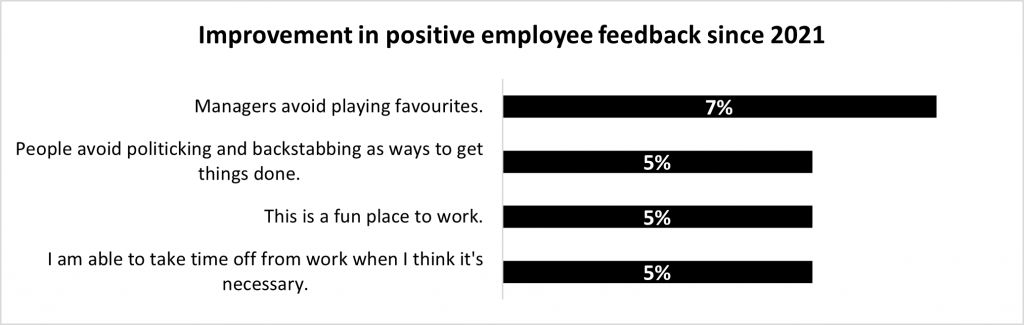
A fair and transparent work environment goes a long way in creating an emotional connect with the organization. Employees at Shoppers Stop have strongly endorsed the impartial, unbiased, and family like workplace culture

An open, caring, and inclusive workplace culture

Employee feedback

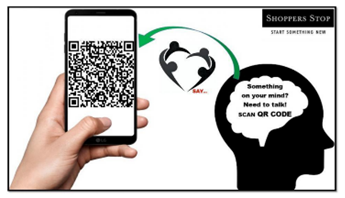
The foundation of their everyday communication is represented by ‘Dilsay’ – a bottoms up communications platform.

Being an action planning initiative, this platform is in tandem with Functional and HR Heads to facilitate engaging two-way communication. It is a structured mechanism to collect ideas, concerns, suggestions, and evaluate the same. Dilsay encourages managers to ‘listen’ and employees to share their ideas as well as their concerns. The purpose is to communicate to the people that their suggestions and opinions matter. Using this app, they identify the root cause of the underlying concern and work towards resolving the same.

The process of sharing ideas and concerns is kept simple. Employees can scan the QR code, which is available at various locations, fill in all the details, and submit their thoughts. After submission, these inputs are collated, sorted, and shared with the relevant SPOCs for further action. Employees get periodic updates about their inputs.  The ideas and concerns received through this platform and their progress is reviewed and presented to the CEO and the leadership team. To ensure that this becomes a continuous and consistent process, they also host monthly reviews, and the dashboard numbers are presented during the Management Committee Meetings.

Every quarter, the most impactful ideas are nominated by the jury to be a part of the Golden Mirror Awards. These ideas could be related to revenue generation, cost saving, process improvement, social responsibility, customer experience, or employee experience. Dilsay not only gives employees a voice but also makes them a part of defining the future of the organization. 

The Golden Mirror Awards has been a popular recognition program started in 2014. Held on a quarterly basis across India, the award is presented to employees at a regional and national level. Immaculate knowledge, pristine store management, and above all, providing a delightful experience to customers is what makes Shoppers Stop a trusted brand. The Golden Mirror Awards recognize the people who make all these things possible.

Another recognition program introduced is the peer-to-peer badges. The objective is to recognize outstanding work put in by employees across the organization. Whether it is to help a fellow employee in time of need or come up with a brilliant solution.

“I have seen many times my head of the family – my unit head & my HR always encourage the associates not like staff, but like family member. We are under one roof, recognizing the associates for their good work.” – says a Junior Store Officer.

Not the one to rest on past laurels, Shoppers Stop has introduced contemporary programs to keep up the ante on learning for the talented young leaders through workshops and coaching on Design Thinking, Executive Presence and many such other present-day themes. In partnership with Great Place To Work® and Great Manager Institute®, more than 200 people managers have undergone the Great Manager Certification Program. The certified managers are all set to become culture role-models for the people. The range of programs help amplify the associates’ learning, add value to their role, helping Shoppers Stop build a succession pipeline.

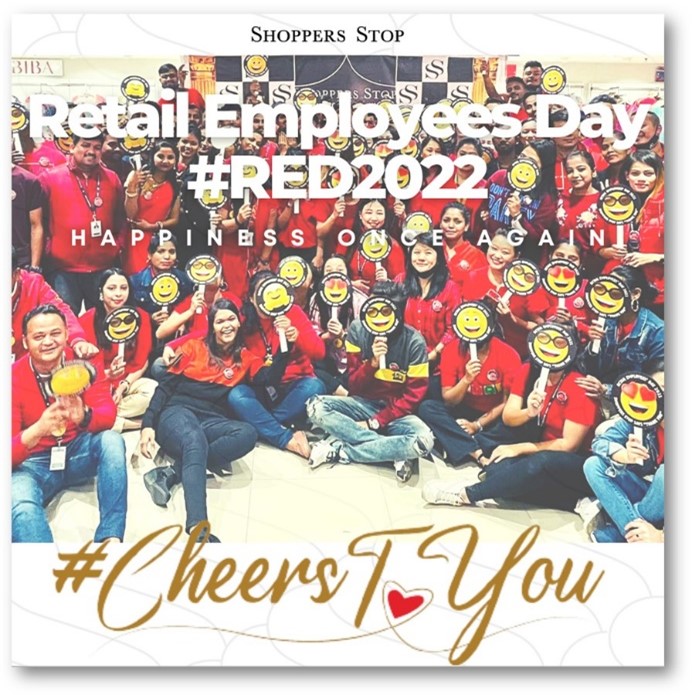
Every year, on December 12, Shoppers Stop celebrates the Retail Employee Day, dedicated to the customer-facing champions, where a host of engaging activities are planned for them.

One of the industry-first initiativesShoppers Stop introduced was how their employees identify as Customer Care Associates first, and not as their designation. This has helped the organization go devoid of the sentiment of being above one another within the organization. Right from the MD and CEO Venu Nair to the Department Managers, everyone identifies first as a Customer Care Associate. This stems from the feeling that in our hearts we are people who love serving the customers. “When we speak of an experience that we want to deliver to our customers it is Nothing But The Best. We work hard and leave no stone unturned to do it well. Our deep-rooted customer centric culture inspires our associates to be committed and go beyond what is expected.”- Venkatesh Raja, Chief Human Resources Officer.

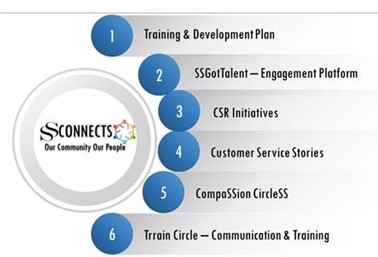
With the pandemic, the importance of the safety and wellbeing has come to the forefront more than ever before. The Human Resources team at Shoppers Stop took up the responsibility of promoting an environment of calmness while also engaging the leadership to respond with timely, accurate, assertive, clear, and consistent communications from across all levels within the organization. Through SSConnects they safeguard people’s interests which strengthens the bonding and leads the Associates to reciprocate the trust and faith that Shoppers Stop has invested in them.

While society often looks at marriage or childbirth as a stalling period in women’s lives, Shoppers Stop, through the Second Innings program, has given women an opportunity to re-join the organization without skipping a beat. They extend job opportunities across verticals and offices to women and provide them a platform to restart their career with the organization. Women get assigned a workplace ‘buddy’ for a month from the existing team, to ease their journey as they transit back into their professional workplaces. The Women Engagement Committee introduced the 12 days a year Menstrual Leave and sanitary pad vending machines to help women take care of their health. Shoppers Stop has partnered with ProEves, a child services management agency. Employees can enrol their kids, aged 6 months to 6 years and to give working parents a sense of security, the organization also contributes towards the day-care expenses.

Shoppers Stop has made a signification contribution to PANKH – Wings of Destiny, which is an initiative by Trust for Retailers & Retail Associates of India (TRRAIN) and Youth 4 Jobs Foundation (Y4J). The initiative aims to train people with disabilities (PwD) and provide them employment opportunities in retail industry. The initiative thus aims to create sustainable livelihoods for PwD and promote inclusive growth in retail sector.  To sum it up, an inclusive workplace culture, where employees belong and contribute across the organization and leadership believes in putting people first and customers foremost. Since its inception, Shoppers Stop has paved the way for providing a world-class experience not only to its customers, but also treating employees with respect and integrity. By encouraging, an agile, innovative, and digital mindset among its associates, Shoppers Stop has built and sustained an immense amount of credibility. With the shared passion of breaching boundaries and providing endless possibilities to all its stakeholders, Shoppers Stop is ready to take on the challenges of the future, here and now.

Skills are the currency of the current multi-generational workforce. To be future-ready, nurturing talent through continuous upskilling and reskilling has become a critical focus for organizations and leaders since that keeps innovation alive and helps organizations to stay ahead of the curve. Learning at GlobalLogic has always been at the core of what they do for employees and therefore has been closely linked to their growth and career progression. There are various programs supporting and creating learning opportunities for employees across levels – including Learning Forums, Conclaves, Communities, Coaching interventions, Academies, Certifications, On the Job Learning and numerous cultural interventions that continuously help our employees towards their growth.

The cornerstone of GlobalLogic’s culture is the focus on developing people manager capabilities, as they are the flag bearers of the company’s open, inclusive, and flexible workplace culture. At GlobalLogic, the goal is to develop managers not only for a better performance on their present job but to lead the organization and get ready for the next level assignments.

To provide a steady and healthy talent pipeline, GlobalLogic has created programs that help them achieve these objectives.  This is done through a series of Management Development Programs:

Management Development Programs

The benefits from these progressive and inclusive programs can be seen:

To understand the role & job satisfaction of the employees after promotions, the ‘Career Advancement Survey’ is conducted annually – this year it covered 700 promoted employees. Based on the feedback, the Career Core team (L&D and HR) works in tandem with the Delivery team and helps create action plans to help employees build their careers further.

Journey with Great Place To Work

Great Place To Work® has been partnering with GlobalLogic in their culture journey since 2015. GlobalLogic has been recognized among India’s Top 25 Best Workplaces™in IT & IT-BPM 2022. The Trust Index™ Grand Mean of the organization has seen a significant improvement of 15% since 2020, with maximum increases on aspects of Fairness & Respect at the workplace – including impartiality showcased by managers, management reliability, right hiring & fitment, candid communication, demonstrated care and appreciation by management.

The commitment of the organization to its managerial development did not faze during the pandemic year of 2020, when GlobalLogic conducted the first phase of its People Managerial Capability Development program with Great Place To Work Close to 80 managers embarked on their journey of building High Trust High Performance teams through a 5-month intervention – comprising a structured workshop followed by creation and implementation of over 250 initiatives by the participants.

The focus areas included listening, caring, developing, and appreciating their teams. The intervention concluded with a measurement of impact based on feedback from teams of the managers who have undergone the program and a panel of the Business & HR leaders in the organization, followed by recognition and certification of successful managers. “The next phase of the intervention has been rolled out in 2022 where the focus is on `Developing Leaders of the Future’ in a fast growth and elevated environment”, says Rajesh Rai, Vice President- People Development, GlobalLogic. “GlobalLogic has always believed in growing its talent from within and giving our employees a platform to not only grow vertically but horizontally and in diverse ways. For our people, GlobalLogic has always been a place to build careers and that is why right from the middle management to the senior leadership levels, myriad interventions help our managers and leaders remain ahead of the curve. Our culture of agility, innovation and care ensures our people grow as the organization grows – we focus on impact and not spans, on nodes in a human network and not on hierarchies to deliver that impact. With these solid cultural principles, it’s always heartening to see how all of this translates into high engagement of our people, much above the market benchmarks, eventually building a high performance ‘People First’ workplace.”

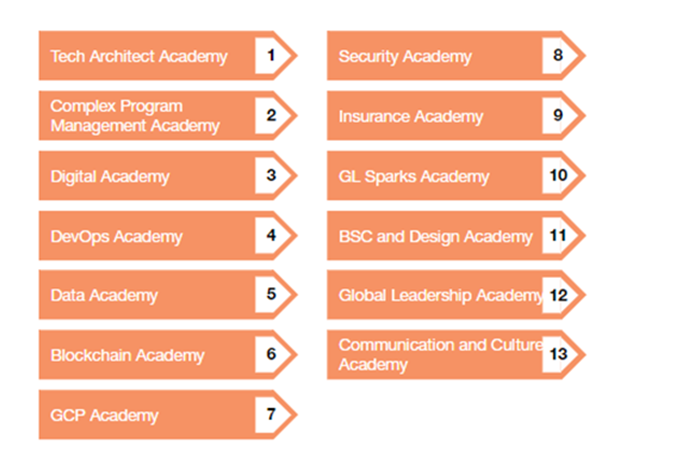
GlobalLogic Academies

An Academy in GlobalLogic is a structured, long-term, community-driven, on-the-job learning program which enables organic growth of talent with a fast-track career progression model. The design & learning structure is an immersive learning experience, with high involvement & interactivity in an adaptive environment, using agile, scalable, and innovative models. Employees can explore the individual academy as each of these academies have their own learning feature.

GlobalLogic Academies
”A lot of opportunities come via Internal job posting or also through communication with the management for change of projects which can help the people enhance their career skills.” – a young engineer at GlobalLogic
  • Curated course content, formalized processes and frameworks. 
  • 150+ graduates per semester, 800+ associates trained per year.
  • Two semesters every year – Spring (starts Apr) and Fall (Starts Oct).
  • Selection based on performance and learning ability.
  • Global Programs with a global audience and outlook – Online, Classroom, Assignment, Evaluation based curriculum.
  • Badging and recognition of graduates.
  • Standard process, enrolment, selection, graduation.
  • Mature Partner Ecosystem (external) as they scale up.

Putting People First

A platform of GlobalLogic Citizens Club (GLCC) by and for the people has been established. Here the elected Members (chosen based on employee votes) get a unique opportunity to be the voice of GlobalLogic. The GLCC members are employee champions and represent people of GlobalLogic in important organizational matters, participation in leadership meetings based on focus areas/recommendations, policy changes, critical initiatives, decisions, policy implementations, location level decisions and more.

Culture of Gratitude & Appreciation

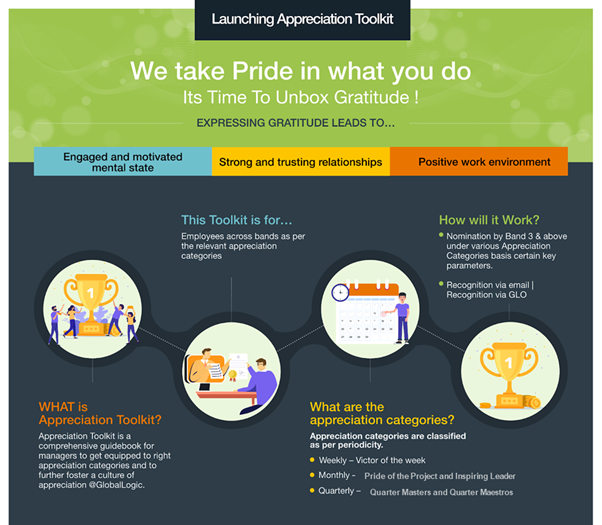
GlobalLogic has a 360-degree recognition platform called as “Kudos Recognition Drive” which offers a wide variety of recognition anchors. Post Covid, Kudos has been gamified and gone virtual on their internal platform called GLO – Thank You, Cheers to Peers, You Make a Difference, Walk the Talk, Pat on the Back, Rockstar Rookie. Employees achieving a milestone of Kudos in numbers are given a badge based on the counts of Kudos received – Silver, Gold, Diamond, and Platinum.

2022 saw over 2 lakhs of KUDOS exchanged among employees!

KUDOS exchanged among employees

“Each employee gets recognized even for the smallest achievement related to a task or work at the management level and even at the internal team level.” – a young employee at GlobalLogic

An open, caring, and inclusive workplace culture

The icing on the cake is how the Employee Activity Club ensures fun at work while they learn and grow. The enthusiastic club volunteers are always game to engage, energize and entertain the employees. Around the year, there are theme parties, festival celebrations, talent events inviting individuals & their extended family members to enjoy and unwind. A highly inclusive team values the uniqueness of every individual. GlobalLogic has an integrated workforce of specially abled individuals, people from various ethnicities and races coming together to celebrate their passion and ideas. A transparent, collaborative, and supportive work environment helps bring the best ideas to the table.

Life at GlobalLogic is a mix of exceptional work, continuous learning and engaged workforce! One GlobalLogic family united by passion, trust, and empathy for each other.

The massive sales force of Alkem is led by leaders who demonstrate by action that people are essential to achieve the organizational goals. The Alkem Family is 17,000+ strong, epitomising a High Trust High Performance culture. 91% of employees say it is a Great Place To Work. The one reason that stands out regarding how it creates this environment, exquisitely expressed by an employee in their own words: “Alkem is a very beautiful company – takes good care of all the employees, teaches us to do work in a peaceful way & takes care of us like a family member.” It is this very authentic and heart-felt sense of belonging that’s earned Alkem the 31st rank in India’s Best 100 Companies To Work For 2022.

How has the journey been?

Alkem’s journey in building one of the best places to work goes back to its inception. The founders Mr Samprada Singh and Mr Basudeo Singh laid the foundation of an organization which was not only meant to change the landscape of the Indian pharmaceutical industry, but also to build inspiring leadership models for the workforce. This is echoed even today by the current generation of leadership – Sandeep Singh, Managing Director – “Our people are vital to our success, and we continue to focus on building their capabilities and driving a high-performance culture. During the year, numerous training programmes were rolled out for upskilling and professional growth. We also provided multiple learning and development opportunities to develop future leaders and keep the talent pipeline flowing”. (Excerpts from Alkem’s Annual Report)

Continuous learning – at the heart of the success.

One of its most widely diversified flagship internal learning app – ALKEPEDIA provides continuous interactive learning opportunities in bite-sized format The ‘Ask the Expert’ platform has helped the field force to serve the customers at a rapid pace leading to delightful experiences. Video based on the job training (VBOJT) was initiated to further sharpen the communication related to the brands. The overall outcome of this coordinated effort was one of the most successful launches in the Chronic segment. Within a year of its launch, the brand became worth INR 20 crore.

In the words of Rajorshi Ganguli, President & Global Chief Human Resources Officer, “We believe that learning is an integral part of growth, and investment in learning is a strategic decision. To stay relevant, our L&D team and senior leaders co-create the capability-building process. Numerous programs both technical and behavioural, using various interesting pedagogies and relevant content, caters to all sections of employees to enable them to perform both current and future roles. Apart from this, we have mid to long-term education programmes for specific cohorts by tying up with reputed institutes and using MOOCs.”

An industry leadership initiative is Connect 2 Clinic – through this digital platform, any patient in any part of the country could consult a doctor from the convenience of their homes without any risk to their health. C2C is not only an easy-to-use telemedicine platform but also has evolved into a virtual clinic for practitioners, allows the doctors to stay in constant touch with the patients even post-consultation through various content initiatives.

How Alkem built on its people management capabilities to rise above in the new normal.

While their people practices drive a great employee experience, the leadership team needs to measure progress and give managers actionable data for continuous improvement on how they could best achieve the employee engagement while driving business goals, finding the right balance.

For this, Alkem partnered with Great Place To Work and Great Manager Institute® to introduce a learning & certification program for 200 senior leaders in the sales function.

Engage To Excel (E2E) Program, as they brand-named it, has 3 key levers – Connect – Develop – Inspire, a well-researched people management framework aimed at identifying and impacting key managerial styles and business outcomes. The entire program has been custom designed based on leadership interviews, team feedback and focus group discussions. The areas of focus are carved out to enhance the people manager capability in alignment with Alkem’s values, future business growth and employee aspirations.

The program has various phases including surveys, workshops, action planning and implementation of practices for managers, e-learning platform, culminating in certification as a Great People Manager. The participation and dedication in E2E from leadership – top to bottom, along with the L&D team has given the required momentum for managers to go through the 6-month detailed intervention – resulting in quantifiable behavioral changes. One of the participating managers, Nitin Kumar has this to say about the program – “Concept of CDI has given a new perspective of managing teams, it is practical and implementable. Meaningful and frequent conversation with my team is helping me to build a more connected and engaged team.”

Key Outcomes and Impact of the program and how is Alkem sustaining this

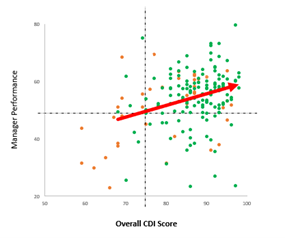
Working on areas like Appreciation between peers, Empowerment in team members for taking decisions, Transparency within team, Openness to receive feedback, Personal connect with team, has resulted in significant business results. The people managers who exceled in making an impact on their team’s engagement levels, performed 14% higher on sales target achievement and sales growth (refer graph representing cross-plot of manager’s business performance and Overall CDI score which refers to team feedback for managers on elements of the Great People Manager Framework – Connect-Develop-Inspire).

There is no additional investment, only the focused approach, combined with time and effort spent in connecting, developing, inspiring the team.

“My boss is always pushing me to break my own record every time. He never forgets to celebrate my success every time.”- Mr Tirthankar Dutta, DSM, Kolkata

“He has played a huge role in aligning the collective efforts of entire team into a firing rocket. We are now ready to accept the challenge of creating milestone achievements.”- Ankit Shah, GM, Sales and Marketing

“He is creating positive vibe within the team with transparency to take business to newer heights.”- Debmalya Banerjee DGM, Sales

The evolving practices and experiences are getting institutionalized across the organization by becoming part of their monthly business reviews, as more and more managers are getting imbibed into the active philosophy of being great people managers.

Over the last few decades, the concept of workplace culture has grown in significance as organizations place a great deal of emphasis in developing a culture that boosts performance and productivity. Every organisation has a distinct culture that develops over time – through intentional and unintentional actions. Most organizations often look for what can be done to create a great workplace culture. However, they often miss the fact that creating a great workplace is more about the ‘How’ than the ‘What’. CDK Global has in many ways epitomised this factuality.

“CDK is like a family. Leaders make employees feel valued. Employees care for each other during the tough times. The entire organization exhibits the values set by CDK.”

With over 40 years of experience, approximately $2 billion in revenues and about 6,500 employees globally, CDK Global is a leading provider of retail technology and software as a service (SaaS) solution that helps automotive dealers and manufacturers run their businesses more efficiently, drive improved profitability, and create frictionless purchasing and ownership experiences for consumers.

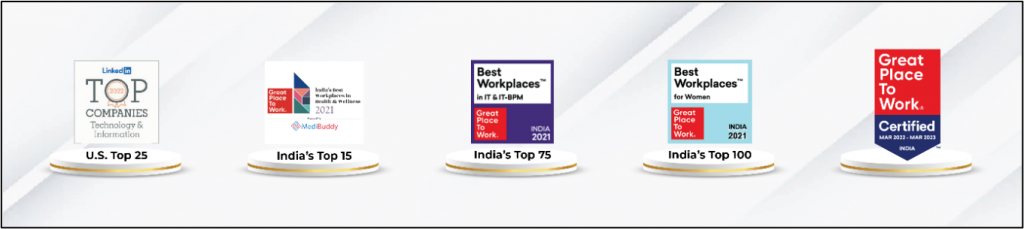
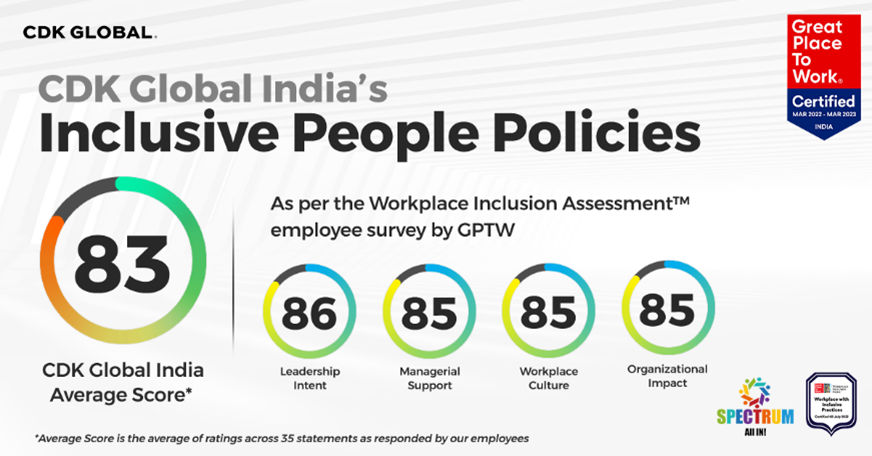
In India, CDK Global is Great Place To Work® Certified™ thrice in a row since 2020, among Top 15 India’s Best Workplaces™ in Health & Wellness 2021, Top 75 India’s Best Workplaces in IT & IT-BPM 2021, and among Top 100 India’s Best Workplaces for Women in 2022.

“At CDK, our culture puts people first as we firmly believe that only a happy and engaged workforce can create great business outcomes and deliver world-class customer experiences. We have consistently invested in programs that help elevate the employee experience through focus on development, inclusion, wellness & empathy, which builds a safe environment driving engagement & innovation. We are extremely proud and thankful for the recognition, re-affirming our belief in our people-focused approach.”  – Arvind Chaturvedi, Managing Director, CDK Global India.

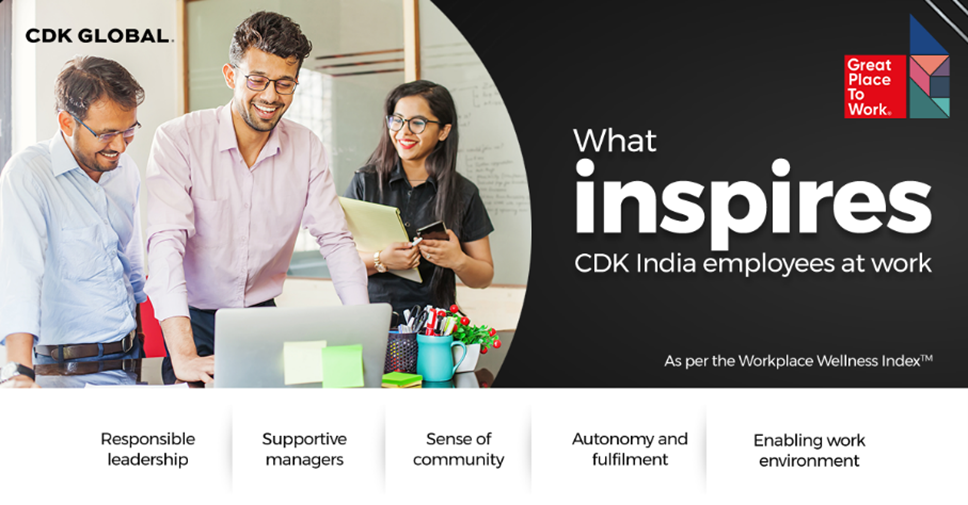
During this period, CDK India with a growing 1,400 strong workforce, also witnessed a whooping increase in their employee experience where employees saying ‘CDK is a Great Place To Work’ has gone up from 74% in 2020 to 90% in 2022, despite the period marked by a global pandemic and the great resignation. Let us decipher the cultural underpinnings that have enabled CDK Global to create a great workplace culture, that too consistently.

The Power of Empowerment

Among the multiple initiatives launched that empower new employees, women employees, managers, and individual contributors to go beyond boundaries and explore possibilities, one such program is Reverse Mentoring. Chitra Yesodharan, a fresh graduate who joined CDK had mentored one of the senior managers. In Chitra’s own words: “It is one of the most impactful programs I have come across in our industry. It links us back to the values of CDK – Being Open, Create Possibilities, Stay Curious, and Own it. The program empowers new hires to speak up and creates a diversified work environment. During my interaction with senior executive leaders, we were able to think innovatively to empower personal development. It certainly made me feel more connected with my organization’s culture.” While Reverse Mentoring reflects an inclusive learning mindset, it also improves the new employees’ critical business skills and provides the leadership team with views and thoughts from the young minds.

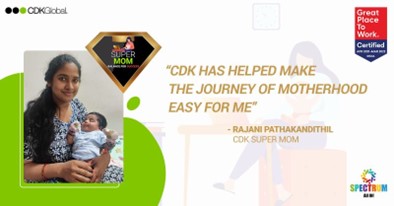
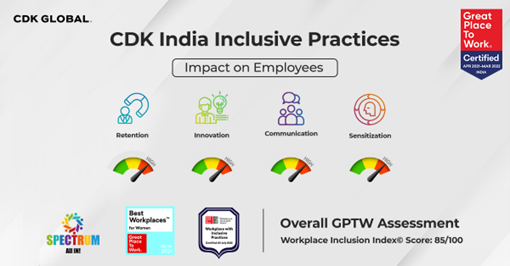
Super Mom: The core team at CDK India for Diversity, Equity & Inclusion – Spectrum-All In has been working with returning mothers to ensure that their comeback is seamless and a balanced experience for the returning employee. Ensuring performance goals are commensurate to the integration process; a team mentor is also assigned to the returning employee, to ensure they are updated on all changes that have taken place in their absence; refresher training sessions are also conducted to recapitulate earlier learning – CDK leaves no stone unturned to provide women who are returning from a career break, the learning avenues, and opportunities that they value.

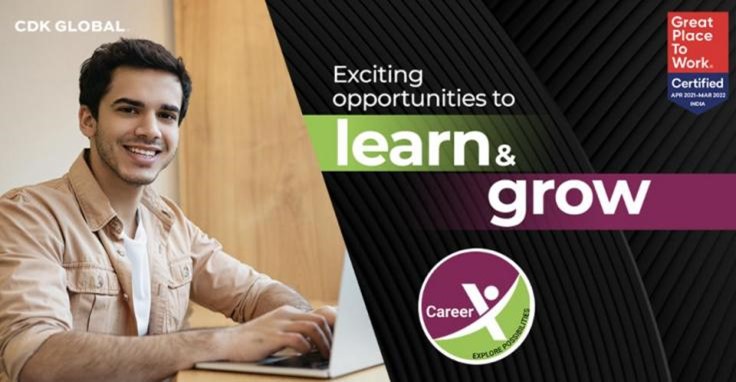
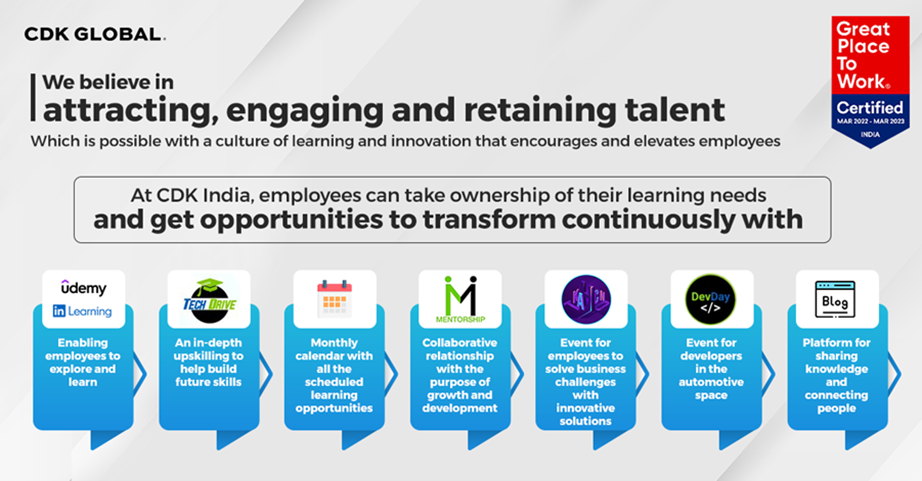
CDK is constantly driven by the success of its employees. The approach to career growth at CDK is bottom up. CareerX, the Internal Career Progression program ensures eligible employees can apply for career opportunities across the functions to meet their growth aspirations. What makes this unique is the philosophy of inviting all employees to think about their next level growth, own it and be empowered make it happen, using the plethora of development opportunities and career enablement programmes.

”CDK provides an excellent environment and work culture for teams to excel in what they are doing to deliver the best value to its customers.” says a young software engineer at CDK.

C-Cube (Culture Change Transformation) is another OD intervention where managers and middle-level leaders are trained and empowered to own up the engagement of their teams. In partnership with Great Place To Work India, C-Cube is a structured people manager capability building program spanning 4-5 months, with 150 participating managers, who prioritised action areas that positively impacted: both employee experience and business results.

The icing on the cake is the ongoing improvement of their products, services and processes through incremental and breakthrough improvements that signify the strength of the healthy Innovative culture at CDK.

LEAN Implementation – Fail Fast @ CVR. From the Desk of Sandeep Jain – Senior Director, Engineering

What is CVR (Computerized Vehicle Registration):  One of the product lines, with 100 employees working on it – an equivalent of online RTO operation in India.

What did we do: We encourage people and never penalise for failing. There has been a significant investment done in training over the past one year. We implemented SAFe – a methodology to scale Agile process framework.

How is failure perceived: Employees are recognized for failing as we know only those who fail, have tried to walk the unchartered territory! Overall impact: 15- 25% productivity has increased within one year. The whole process has transparency, and we are continuously improving.

Run it the fun way

Fun at work is often overlooked because it is considered as a “soft” factor. However, it is an important driver for emotional connections and to drive positive relationships within the organisation – prerequisites for high productivity and performance.

”Fun is not what we drive. It is a by-product,” says Joy George, Head- Human Resources, about what is unique in the culture at CDK Global India. Everything at CDK Global is done in a fun way. Adding something fun to the smallest of the tasks makes it more interesting. 

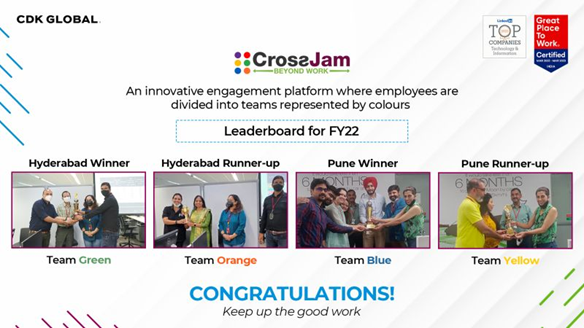
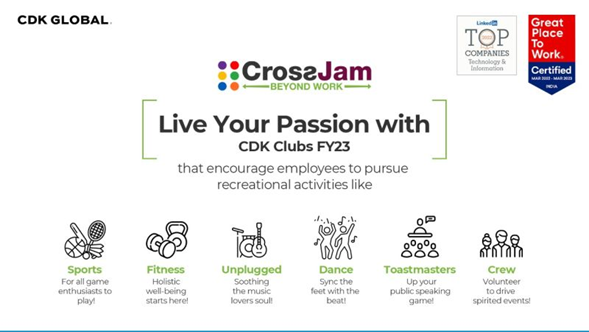
CrossJam – Beyond Work is the platform for Fun, Frolic and Entertainment at CDK which brings together the multi-generational workforce beyond work. For instance, employees are divided in 6 teams based on their birth months. Multiple activities are planned monthly, and teams participate with full energy to get highest score on their team score card. The best part about the fun agenda at CDK is that that it’s all inclusive. It is not driven by the HR function; it is driven by the employees, for the employees. It does not just end there. Events not only include employees but also their families – which become extended family to CDK. This gesture has had a great enhancement in how employees feel that they belong to CDK.

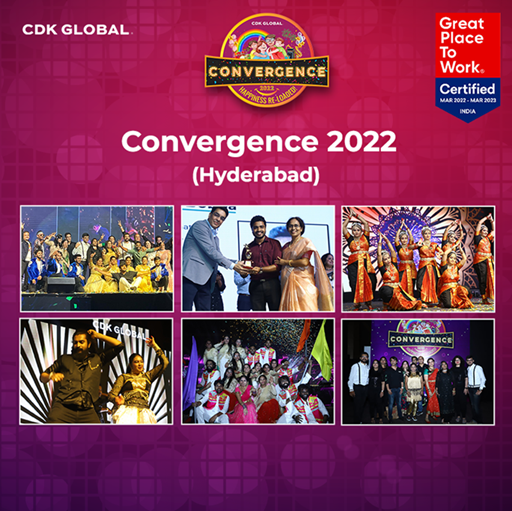
nother example is the family day at CDK, aptly named as Convergence with the theme of celebrating togetherness, where the employees’ families take active part in the festivities and get to interact with colleagues and senior leaders.

Campus Day organized on World Youth Skills Day 2022 is a unique office connect welcome session for interns who are now full-time employees. CDK hosted these young graduates along with their elated parents for an engaging session.


Continuous Listening!

CDK believes in a listening culture and displays receptiveness to feedback. A weekly Pulse survey is run to capture feedback from employees that also gets acted upon in real-time. This helps the organization do regular checks across the employee lifecycle, such as Hiring, Performance Review, Merit distribution, Recognition. A key strength of CDK is reflected through an approachable leadership team, just like how you connect with a peer sitting next to your cubicle. At CDK it is not uncommon to see both leaders and employees break the hierarchy stereotype while sharing and seeking perspectives. “I can count on the Leadership team here and they always treated me with great dignity and respect.”  expresses a Senior Communications Specialist from CDK.


For example, monthly townhalls are a mix of business, culture, and leadership updates along with rewards and recognition. The Managing Director, Arvind Chaturvedi takes all questions from employees on the spot and answers them live.

To sum up, CDK thrives on the diversity of their workforce, by fostering an inclusive culture where everyone feels belonged, and experience a sense of holistic wellbeing. CDK is a listening organization by being receptive to feedback. They firmly believe differences add and do not subtract. CDK’s culture values and celebrates diversity in thoughts and perspectives. They are driven by the philosophy, ‘Together we are More!’ CDK strives to create a respectful, rewarding, and inclusive work environment that enables their employees to produce the best work of their lives at the same time enjoying their passions beyond work.

In the dynamic landscape of modern workplaces, diversity and inclusion stand as pillars of progress, shaping organizations into vibrant, innovative, and empathetic spaces. Acknowledging the significance of embracing diversity and Equality isn’t just a moral obligation; it’s a strategic imperative. In this blog, we delve into the multifaceted dimensions of building an inclusive workplace, exploring the nuances of understanding, the challenges faced, and comprehensive strategies that can transform workplaces into havens of DEIB.

Understanding Diversity and Inclusion

Diversity extends far beyond visible differences. It encompasses a spectrum of identities – race, gender, ethnicity, sexual orientation, age, and abilities. It’s about recognizing and embracing an organization’s rich tapestry of humanity.

Inclusion goes a step further, acknowledging that more than diversity is needed. It’s about fostering an environment where everyone feels valued, respected, and empowered. Inclusion dismantles barriers, ensuring that diverse voices are heard and actively welcomed.

Challenges in Building an Inclusive Workplace

Building an inclusive workplace fosters diversity, equality, and a sense of belonging among employees. However, there are several challenges that organizations often face in achieving this goal.

Unconscious Bias

Unconscious biases are automatic, ingrained attitudes or stereotypes about certain groups of people. This can influence decision-making processes, leading to unfair treatment and exclusion of specific individuals or groups.

Lack of Diversity and Representation

This refers to the team being limited in race, gender, age, sexual orientation, and other demographic factors. Lack of diversity hampers the creation of an inclusive environment, as different perspectives and experiences are essential for fostering inclusivity.

Inequitable Policies and Practices

These refer to policies or practices that unintentionally discriminate against specific groups. Biased policies or practices, even if unintentional, can lead to unequal opportunities and treatment, creating divisions within the workforce.

Inadequate Diversity and Inclusion Training

With proper training, employees may be aware of their biases and understand the experiences of others, hindering the development of an inclusive culture.

Resistance to Change

Resistance to diversity and inclusion initiatives, whether from employees or leadership, poses a significant challenge. This resistance hampers the effective implementation of inclusive policies and practices, impeding organizational progress. Overcoming this challenge requires raising awareness, education, and fostering understanding to create an inclusive workplace where everyone feels valued and respected.

Inclusive Leadership Gap

The lack of inclusive leadership skills and behaviors among managers and executives deepens the challenge of building an inclusive workplace. Inclusive leaders play a pivotal role in setting the tone for the organization, modeling inclusive behaviors, and integrating diversity and inclusion efforts into the organizational culture. Their ability to embrace and champion these values is essential for creating an environment where diversity is celebrated, and all employees feel valued and included.

Microaggressions and Harassment

Microaggressions subtle discriminatory actions, create hostile workplace environments, especially for marginalized individuals. This challenge undermines inclusivity efforts, making it crucial to raise awareness and foster a culture of respect and acceptance in the workplace.

The Multifaceted Approach Towards Building an Inclusive Environment

1. Education and Training: Conduct regular diversity and inclusion training programs to raise awareness about unconscious biases, microaggressions, and inclusive behaviors.

2. Leadership Commitment: Ensure leadership is actively committed to diversity and inclusion initiatives, setting an example by promoting inclusive practices at all levels of the organization.

3. Policy Review: Regularly review policies and procedures to identify and eliminate biases. Ensure that all policies promote fairness, equality, and inclusivity.

4. Promote Inclusive Leadership: Train managers and executives in inclusive leadership skills, encouraging them to foster an inclusive team culture.

5. Encourage Open Communication: Create a safe space for employees to voice concerns and provide feedback. Address reported incidents promptly and transparently.

6. Promote Diverse Representation: Actively recruit and promote individuals from diverse backgrounds, ensuring representation at all levels of the organization.

7. Support Employee Resource Groups: Establish and support employee resource groups (ERGs) representing various demographics, providing a platform for networking and support.

8. Mentorship and Sponsorship Programs: Implement mentorship and sponsorship initiatives to support the career growth of underrepresented employees.

9. Inclusive Benefits: Offer benefits and resources that cater to the diverse needs of employees, including parental leave, mental health support, and accommodations for individuals with disabilities.

10. Regular Evaluation: Continuously assess the effectiveness of diversity and inclusion initiatives, seeking employee feedback and adjusting strategies accordingly.

11. Collaborate Externally: Engage with external organizations, attend workshops, and collaborate with experts to gain insights into best practices for fostering inclusivity.

12. Promote Allyship: Encourage employees to be allies, promoting understanding and support for colleagues from diverse backgrounds.

By implementing these strategies, organizations can create a more inclusive workplace where all employees feel valued, respected, and empowered to contribute their best work. By embracing the DEIB initiatives, we can forge workplaces that reflect the world’s diversity and serve as beacons of Equality, Understanding, and harmony. Visit us here to learn more.
Camera red icon

LIVE WEBINAR WITH Q & A

certification-badge-2026-rhc4efc9ny04x7lz17jff7guyhsup5b0yvrou4vd72

The Certification Advantage: Why Partner with Great Place To Work®

How partnering with Great Place To Work can strengthen your people strategy, and drive business outcomes through data-driven insights and Certification.

prasad-kachraj

Prasad Kachraj

Managing Director, Great Place To Work, India

23rd September 2026  |  4.00 PM - 4.30 PM IST

Register Now