Every year, International Women’s Day sparks conversations and initiatives celebrating women’s achievements. While these are important, truly honoring women goes far beyond a single day – it demands a commitment to building a work environment where they can thrive, not just survive. This year let’s move beyond performative gestures and turn our attention to the stark reality: women remain significantly underrepresented in leadership roles, and their career progression faces unique challenges.
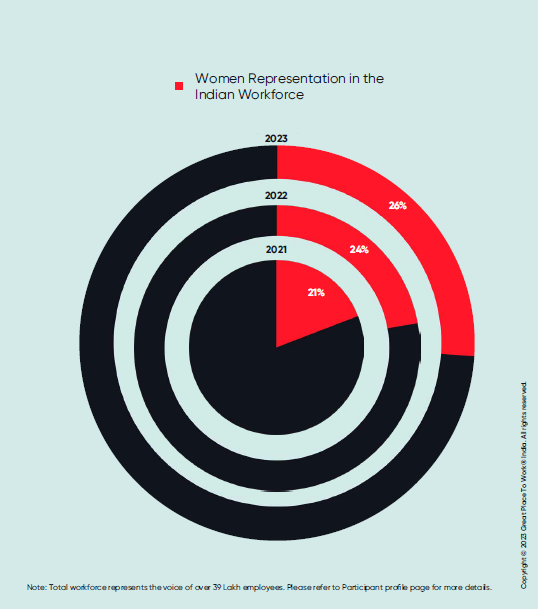
Women representation in the Indian Workforce

Our latest report reveals a concerning trend: women account for only 26% of the workforce, with an even smaller presence (16%) in senior leadership. This begs the crucial question – what can be done to retain talented women and empower them to reach their full potential?

Career advancement isn’t just about training and promotions. It’s a multi-faceted journey that requires dismantling cultural barriers, fostering inclusion, supporting parenthood, and offering comprehensive leave policies. Studies show that companies investing in leadership training for women see a 2.2x increase in retention, highlighting the power of empowering and investing in their future.
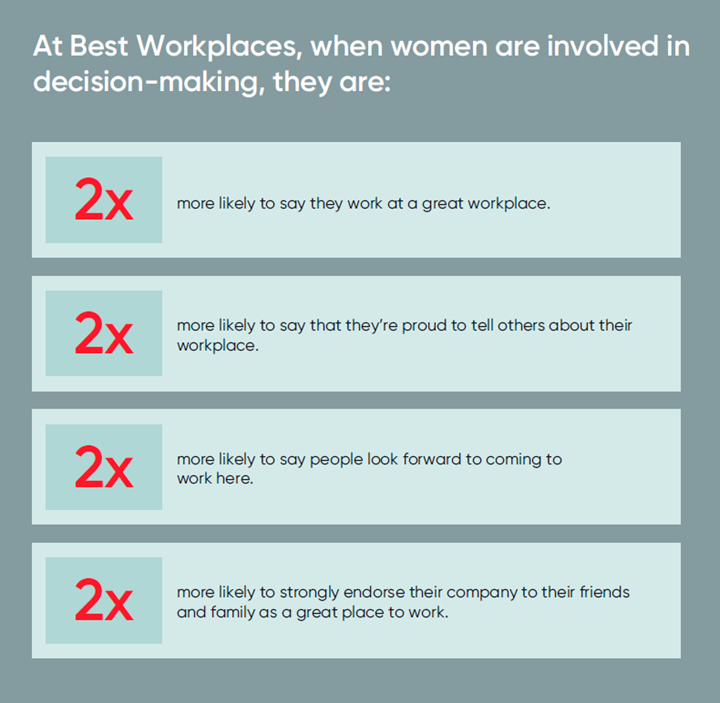
2x Outcome when women are involved in decision making.

Furthermore, organizations recognized as Great Place To Work® for Women deliver significantly more positive workplace experiences for their female employees. This translates to a remarkable commitment from women to put in extra effort, creating a win-win situation for both individuals and organizations.

So, how can we turn the tide and support women in advancing their careers? Here are some actionable steps:

Redesigning and Upgrading Policies:

  • Supportive leave policies: Implement comprehensive health and medical leave policies that acknowledge and support life transitions like childbirth and childcare. These policies should go beyond the minimum requirements to truly support women during critical life stages.  
  • Inclusive practices: Ensure policies and practices are inclusive of all employees, fostering an environment where everyone feels valued and respected. This may involve reviewing existing policies to identify and eliminate any biases or barriers that may disproportionately affect women. 

Building an Ecosystem for Women Entrepreneurs:

  • Provide resources and support: This could include access to mentorship, funding opportunities, and networking events specifically tailored to women entrepreneurs. By creating a supportive ecosystem, organizations can empower women to take on entrepreneurial ventures with confidence.
  • Promote visibility: Highlight the successes of women entrepreneurs within the organization and beyond, serving as inspiration and encouragement for others considering similar paths.

Capacity Building:

  • Training and development: Offer training and development programs that equip women with the skills and knowledge they need to excel in their chosen fields. This may involve customizing training programs to address the unique challenges and opportunities faced by women in the workplace.
  • Fair pay and promotions: Ensure equal pay for equal work and implement transparent and merit-based promotion processes. Additionally, organizations should actively monitor and address any disparities in pay and promotion rates between men and women.
  • Fair recognition: Acknowledge and celebrate contributions fairly, emphasizing both hard and soft skills within a standardized framework. This may involve establishing clear criteria for recognition and promotion, ensuring that women are not overlooked or undervalued due to unconscious biases.
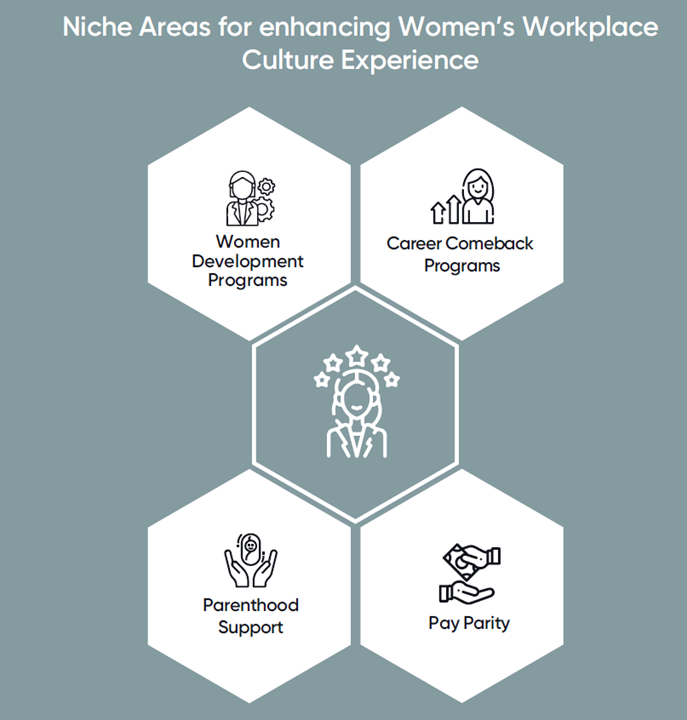
Women develpoment programs, Career comeback programs, Parenthood support, Pay parity are the niche areas for enhancing women's workplace culture experience.

Defining Indicators for Measuring Success:

Go beyond traditional metrics: Move beyond solely focusing on performance and productivity and acknowledge the unique strengths and contributions each individual brings. This may involve developing new metrics or indicators that capture the diverse ways in which women contribute to the success of the organization.

Building Gender Equity at the Workplace:

  • Visibility: Create opportunities for women to connect with leaders and have their voices heard. This may involve implementing mentorship or sponsorship programs that pair women with senior leaders who can provide guidance and support.
  • Embrace potential: Look beyond traditional qualifications and recognize the potential in individuals who may not fit a typical mold. This may involve providing opportunities for women to take on stretch assignments or leadership roles, even if they don’t meet all of the traditional criteria.
  • Amplify women’s voices: Provide platforms for women to share their experiences and perspectives with the entire organization. This may involve hosting events or forums where women can showcase their expertise and insights on topics relevant to the organization.

Learning from Best Practices:

Organizations like Flipkart offer valuable lessons in retaining and empowering women. Their fortnightly review of women’s attrition data, coupled with targeted interventions and safety initiatives, demonstrates a commitment to addressing specific challenges faced by their female workforce.

By taking these steps, we can move beyond mere celebrations and create a work environment where women are truly empowered to excel. Let’s create a future where International Women’s Day isn’t just a day of recognition, but a symbol of a workplace built on genuine equality and opportunity for all. Together, we can build a world where women thrive, not just survive.
A lot has been going on in the retail industry in the past year. According to our recent research report, the RBI’s Consumer Confidence Index stands as a beacon of optimism, maintaining its upward trajectory into 2024. Despite ongoing debates among economists, RBI research casts doubt on the notion of a K-shaped recovery post-pandemic, suggesting a more nuanced reality. One striking trend is the burgeoning Indian middle class, projected to encompass around 60% of the population by 2047, steadily gravitating towards premiumization. Moreover, 2024 and beyond promise a technological revolution, with the widespread adoption of AI, computer vision, 5G, and Edge computing poised to revolutionize the shopping experience. 

This rapid evolution hints at a future where personalized and omnichannel retail experiences become the norm, profoundly reshaping consumer behavior and expectations. As we dive deeper, these insights paint a picture of big changes ahead, showing us how economic shifts and what consumers want are coming together. 

Perception of Workplace

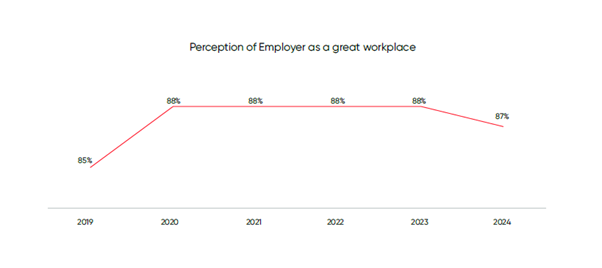
After enjoying years of stability, there’s been a slight dip in how organizations in the retail sector perceive themselves as great workplaces, with a 1% decrease reported in 2024. Despite this, around 87% of most employees still believe their organization is a great place to work. However, this decline is particularly notable among female employees, where the perception of being a great workplace among employers has dropped by 4%.

Looking closer at the employee sentiment, while female employees in the retail sector may not explicitly sense gender bias in their workplaces, their perception of equity and impartiality trails behind their male counterparts by nearly 7%. Despite this gap, male and female retail employees generally believe they are treated fairly, irrespective of gender. This suggests a positive overall environment in the sector yet highlights the need for continued efforts to address subtle disparities and ensure equal opportunities for all employees.

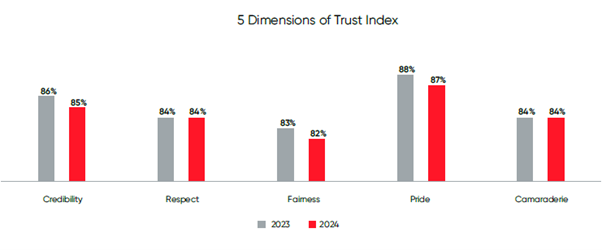
The industry Grand Mean Trust Index has remained stable at 85% for the last 2 years but is at risk of slipping.  Employee perceptions within the retail sector have shown positive shifts in certain areas, notably in celebrating special occasions and recognizing unique benefits. However, there has been a decline in perception regarding management’s proficiency in hiring the right talent, avoiding micromanagement, empowering employees with responsibilities, and illustrating how their roles contribute to the organization’s goals. These trends indicate a need for focused attention on refining managerial strategies and fostering a more transparent and empowering work environment within the retail industry.

Apart from that, employees generally feel secure in their physical work environment, take pride in their employer’s brand, regard their management as competent, and do not detect instances of caste-based discrimination. However, the most notable areas of discontent among employees lie in the fairness of promotions, equitable compensation, and distribution of profits, as well as concerns regarding workplace politics and favoritism. These disparities underscore significant challenges that the industry must address to cultivate a more transparent and equitable workplace culture.

For employees in the retail industry, the strongest drivers of their employer’s perception and workplace satisfaction are the opportunities for career growth and management taking action on employee feedback.

The Retail Industry Stays Ahead in all Parameters

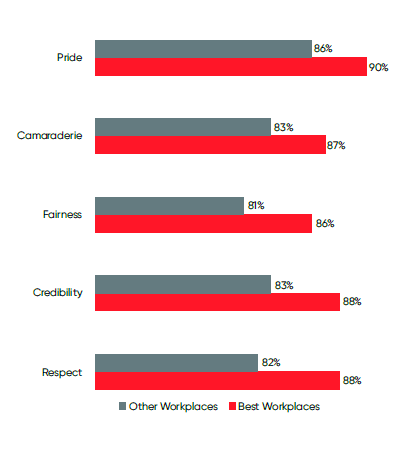
In the retail industry, many employees feel they enjoy distinctive benefits and receive a fair share of profits, surpassing their counterparts in other sectors. Nevertheless, there remains room for improvement in addressing employees’ perceptions of bias related to gender and sexual orientation, particularly when compared to other industries. This indicates a crucial area where the retail sector can focus efforts to create more inclusive and equitable workplaces. 

Best Workplaces Maintain a Trust Index score of 88%

In the retail industry, female employees report a lower positive experience with micromanagement compared to their male peers. Likewise, the Best workplaces outperform others considerably in avoiding micromanagement (8%). Additionally, Best Workplaces do a better job of avoiding politicking and backstabbing in the workplace (8%) and GenZ employees perceive this more strongly than their peers. Although the Best Workplaces are leading in these areas as compared to the rest, they too have scope for improving the workplace experience of their employees.

Need of the Hour: Building Gender Equity at the Workplace

To build an equitable work environment, leaders must create an environment where women can thrive, and find opportunities for mentorship, visibility, and connection.

  • Identify and develop plans to close the pay gap. According to data from Pew Research, in 2022, women across industries earned an average of 82% of what men earned. In 2002, it was 80%.
  • Find the potential in people they may not see in themselves. Leaders have to be willing to put faith in people who don’t have the credentials or the experience that might make them a more comfortable choice for a role.
  • Offer a warm welcome when women join your organization. Whether or not an employee feels comfortable bringing their full self to work is often influenced by the onboarding process.
  • Ensure women have visibility. As many companies are laser-focused on performance and productivity for 2024, it’s crucial that women have visibility with top leaders.
  • Help women tell their stories. Provide employees the opportunity to share their life experiences with the wider organization.

The Indian retail industry is poised for exciting growth, but its success hinges on creating a truly equitable workplace.  The path forward lies in fostering a culture of transparency, empowerment, and equal opportunity for all. Leaders must prioritize closing the gender gap, providing strong mentorship for women, and ensuring fair compensation. By actively addressing these issues, the retail industry can build a workforce that thrives and reflects the diverse customer base it serves. This commitment to equity will benefit employees and contribute to the long-term success of the industry as a whole. Visit us here to know more.

In our recent report, we analyze the current state and future prospects of the manufacturing sector in India. The report dives into various facets of the industry, ranging from economic indicators and government policies to employee sentiment and workplace dynamics. Let’s look closer at the valuable insights into the challenges and opportunities shaping the manufacturing landscape.

Resilience of the Manufacturing Sector Amidst Downturn

Despite a recent dip in the Purchasing Managers Index (PMI), the outlook for India’s Manufacturing sector remains robust, marked by significant expansion in sectoral activity and backed up by supportive government policies. In fiscal year 2023, the sector achieved a milestone with its highest-ever annual exports, totaling $447.46 billion, showcasing a growth rate of 6.03%. The government’s unwavering commitment to the industry is evident through initiatives such as the Production Linked Incentive, National Manufacturing Policy, Make In India 2.0, Digital India, and Startup India, all aimed at fostering growth and innovation. Additionally, the Index of Industrial Production (IIP) saw a remarkable rise, reaching 141.8 in October 2023, marking a 10.4% increase compared to the previous year. Foreign Direct Investments (FDI) continue to flow into the sector, with $33 billion recorded as of September 2023 for the ongoing financial year, facilitated by policies allowing 100% FDI under the automatic route in most sectors. Despite the slight downturn indicated by the PMI for December, dropping to 54.9, the lowest in 18 months, the manufacturing sector’s resilience is underpinned by its significant contribution to India’s GDP, accounting for 17% and providing employment opportunities for an estimated 35.6 million people.

Positive Shift in Workplace Perception

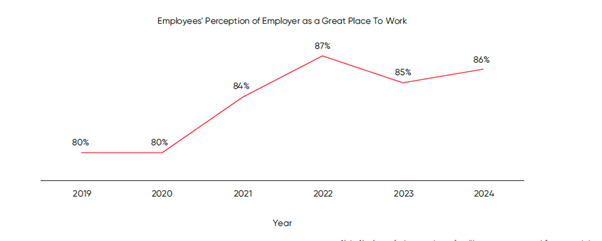
Within the manufacturing industry, organizations experience a notable uptick of 1% in the perception of being a great place to work among employers, with an impressive 86% of employees affirming their organization’s status as such in 2024.

However, despite this improvement, current satisfaction levels fall short of those observed in 2022, suggesting an ongoing requirement for sustained efforts in cultivating an exceptional workplace culture. This need for continuous improvement is more pronounced among larger organizations, as the current rise in perception is predominantly driven by mid-sized companies.

Employees' Perception of Employer as a Great Place To Work

Closing the Gap: Manufacturing Sector’s Trust Index

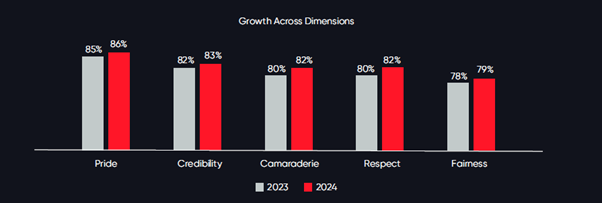
In a remarkable development, the Grand Mean Trust Index for the Manufacturing Sector has narrowed the gap with other industries, standing just 1% point behind at an impressive 82%.

While the manufacturing sector may lag behind other industries in various aspects, unlike their counterparts in different industries, manufacturing sector employees express higher levels of pride and a profound sense of accomplishment in their professional endeavors. Moreover, they harbor positive sentiments regarding their work’s contribution to society and desire longer tenures in their current positions.

Growth across different dimensions such as Pride, Credibility, Camaradarie, Respect and Faireness

Navigating Disillusionment in Career Progression

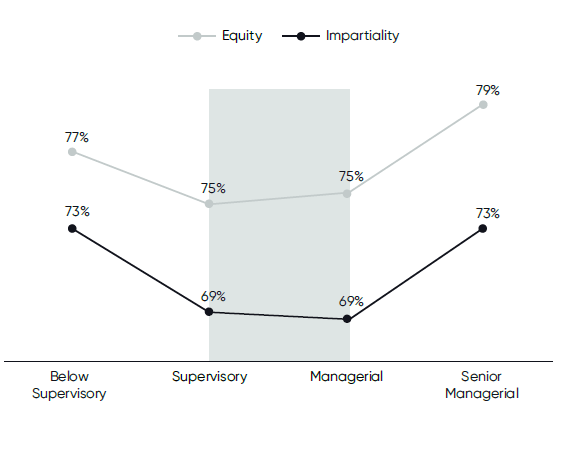
As individuals progress in their careers within the manufacturing sector, they encounter a trough of disillusionment, significantly influencing their perception of workplace fairness. This phenomenon potentially serves as both a precursor and a contributing factor to employee attrition within these career stages. Addressing issues of equity and impartiality becomes imperative to mitigate this disillusionment and foster a more supportive and inclusive work environment conducive to employee retention and satisfaction.

Equity and Impartiality in Career Progression across job levels

Sentimental Dynamics in the Manufacturing Industry

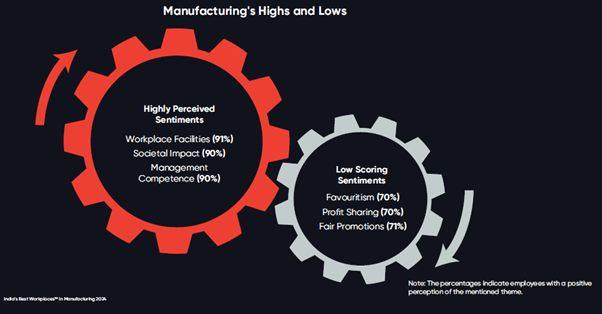
Within the manufacturing sector, employee sentiment reflects a nuanced landscape of satisfaction and concern. The highest satisfaction levels are observed in workplace facilities, societal impact, and management competence. These aspects likely contribute to a positive work environment and employee morale.

However, the sentiment could be more uniformly positive across all aspects. Employees express the lowest satisfaction levels regarding favoritism in the workplace, profit-sharing schemes, and the fairness of promotions. These concerns suggest areas where there may be disparities or perceived injustices within the organizational structure, warranting attention and potential remedial action to enhance employee trust and engagement.

Manufacturing Sector's Sentiments

Integrity: A Crucial Driver of Employee Satisfaction in Manufacturing

In the manufacturing sector, the perception of integrity within organizational leadership is pivotal in influencing workplace culture and employee satisfaction. Organizations within this industry must prioritize efforts to enhance management’s perceived integrity.

To foster employee retention and maintain a motivated workforce, manufacturing organizations must ensure that their leaders consistently uphold their commitments, exemplify honesty and integrity, and align their actions with their words. By embodying integrity in their conduct and decision-making processes, leaders can inspire trust among employees, cultivating a positive work environment conducive to productivity and well-being. This emphasis on integrity is a cornerstone for building a strong organizational culture and fostering long-term success within the manufacturing sector.

The manufacturing sector in India exhibits promising signs of growth and resilience, propelled by significant achievements in exports, government support, and industrial production. While challenges such as maintaining workplace satisfaction and addressing equity issues persist, there is ample room for improvement and innovation. By prioritizing integrity, fostering a positive workplace culture, and leveraging the benefits of becoming a Great Place To Work, manufacturing organizations can drive sustained growth, enhance competitiveness, and contribute to the overall prosperity of the sector and the nation. Visit us here to learn more. 

In the ever-evolving landscape of the professional world, staying attuned to emerging workplace culture trends is essential for organizational success. As we enter 2024, companies must be vigilant and proactive in embracing transformative shifts shaping how teams collaborate and thrive. From fostering diversity and inclusion to embracing remote work innovations, understanding and adapting to these trends is crucial for businesses striving to create vibrant, resilient, and forward-thinking workplaces. Let’s delve into the pulse of the future workplace and uncover the strategies that will define success in the years ahead.

Build Trust in your Employees

Building trust within a business stems from cultivating a workplace culture prioritizing transparency, integrity, and open communication among employees. Leaders play a pivotal role in shaping this culture by setting an example through their actions and decisions. Creating trust within employees is a collaborative effort, with leaders serving as key architects in establishing and reinforcing a culture built on mutual respect and shared values.

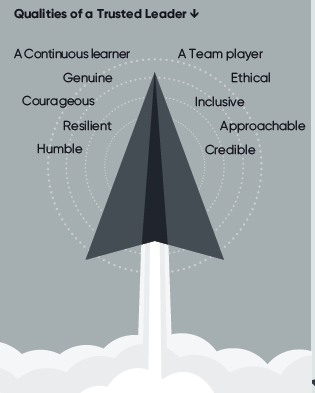
Qualities of a Trusted Leader

Entering a new era, trust is poised to hold tenfold significance compared to its 2023 counterpart, according to Michael C. Bush, CEO of Great Place To Work. Trust becomes a crucial factor in the present and the next decade, as evolving technology reshapes life. Bush emphasizes the importance of a sustained commitment, suggesting that consumers will gauge trustworthiness by observing a company’s employees, asserting that trust in its use of artificial intelligence is reinforced when its employees exhibit trust.

Focus on Retention, Upskilling, and Talent Development

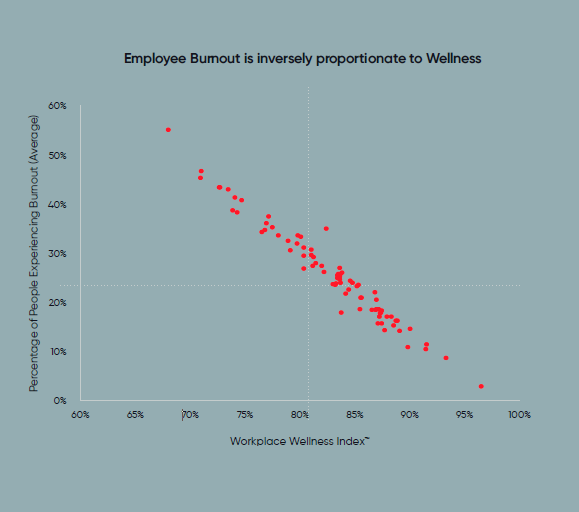
In the current dynamic and challenging business landscape, companies are well-advised to place a strategic emphasis on retention, upskilling, and talent development initiatives. Recognizing the profound impact of employee burnout, exacerbated by the recent pandemic, fostering a workplace culture that prioritizes retention becomes a critical aspect of organizational resilience. Companies should actively invest in strategies to retain valuable talent, acknowledging the correlation between employee satisfaction and sustained success. 

A proactive commitment to upskilling and talent development not only bolsters the proficiency of the workforce but also positions the organization as an attractive and forward-thinking employer. By focusing on these aspects, businesses address immediate challenges and prepare for the future by cultivating a skilled, engaged, and resilient workforce that can confidently navigate evolving industry demands.

Prioritise Mental Health

The National Mental Health Survey of India reveals a sobering statistic: 1 in 7 individuals grapple with mental health disorders, yet only 1 in 10 receives adequate treatment. Compounding this, employee burnout has surged since the onset of the pandemic, posing a significant challenge for India today. Defined as emotional, mental, and physical exhaustion resulting from prolonged stress and work demands, burnout has become a pressing concern in the professional landscape.

Strikingly, 58% of the Best Workplaces incorporate mental health coverage in their organization’s health insurance plans. Recognizing the need to address burnout’s structural causes, companies must transform employee feedback into actionable measures, fostering a workplace culture that prioritizes mental health and well-being.

Employee Burnout Vs Employee Wellness

Focus on leadership development strategies

The role of leadership has undergone a transformative shift, necessitating a focus on innovative leadership development strategies. The traditional paradigm of leaders as inspiring visionaries is evolving to embrace a more nuanced approach. Today, employees seek leaders who not only provide a clear vision but also serve as effective coaches and mentors, empowering individuals to take charge of their own leadership journeys. 

Recognizing this shift in expectations, organizations are adopting multifaceted strategies to cultivate leadership skills. These strategies encompass mentorship programs, leadership training workshops, and promoting a collaborative and inclusive work culture. By prioritizing leadership development, businesses adapt to the changing dynamics of leadership and foster a workforce that is agile, empowered, and capable of navigating the complexities of the contemporary professional landscape with resilience and innovation.

Focus on DEIB Initiatives

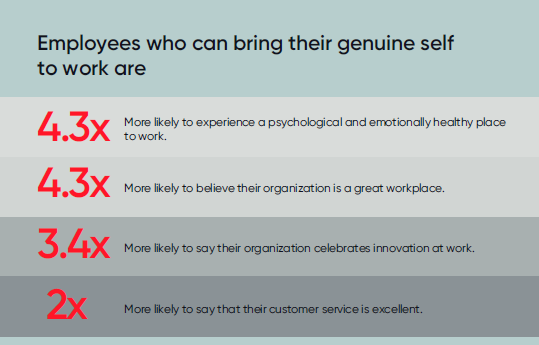
Today where technological advancements and sustainability considerations redefine the business landscape, DEIB emerges as a crucial catalyst for positive change. The adoption of Diversity, Equity, Inclusion, and Belonging (DEIB) practices in your organization is paramount, with a profound impact on workplace well-being, as evidenced by a 4.3x enhancement.

This transformative approach becomes instrumental in navigating the seismic shifts in societal norms that challenge deep-rooted stereotypes. 

Employees who can bring their genuine self to work

By embracing DEIB, organizations not only contribute to a more inclusive and equitable workplace but also position themselves to thrive in an environment marked by diversity and innovation. Recognizing the power of DEIB in reshaping global and national labor markets, businesses actively engage in fostering a workplace culture that not only adapts to change but also champions the principles of diversity, equity, inclusion, and belonging for sustained success.

These strategic pillars collectively pave the way for creating vibrant, resilient, and forward-thinking workplaces. From acknowledging the heightened importance of trust in the digital age to addressing mental health challenges and cultivating inclusive cultures, businesses are urged to adapt and proactively shape the future of work. As we delve into these trends, it becomes evident that success lies in organizations prioritizing their greatest asset – their people. Visit us here for more.

In the vibrant tapestry of India’s corporate sphere, a profound evolution is underway, redefining workplace culture as we know it. It’s not just about the bottom line anymore; it’s about embodying values that drive success and sustainability. In this journey of transformation, three powerful trends stand out – Inclusion, Innovation, and Purpose. These aren’t just trends; they are the pillars upon which the future of work will stand. Let’s explore how these elements are shaping the landscape of organizations and steering them toward a brighter and more meaningful future.

Inclusion: A Steady Climb Towards Diversity

Diversity and inclusion are no longer mere catchphrases; they are the lifeblood of thriving workplaces. Recent statistics from our reports reveal a promising surge, with 28% of employees now representing historically excluded groups (HEGs). HEGs refer to employees belonging to historically excluded groups such as Women, Persons with Disabilities, the LGBTQIA+ community, Employees who have joined after a career break, and many other underrepresented groups. This data signifies not just progress but a seismic shift towards fostering workplaces that mirror the diverse fabric of our society.

The upward trajectory is evident in the rising representation of women in the workforce. Over the past three years, the percentage has steadily climbed from 21% in 2021 to a commendable 26% in 2023. However, a gender gap persists at the upper echelons, with only 16% of women holding executive, C-level, and CEO positions. This dichotomy emphasizes the urgent need for concerted efforts to dismantle barriers and ensure equal opportunities for all.

The symbiotic relationship between inclusion and innovation becomes even more apparent when we delve into the data. Organizations championing diversity, equity, and inclusion are not just checking boxes; they are creating environments conducive to continuous learning, growth, and experimentation. Innovation flourishes where there’s a culture that encourages risk-taking, learning from mistakes, and collaboration. The statistics speak volumes – employees in organizations fostering inclusion exhibit an impressive 18% higher rate of innovation compared to their counterparts.

Innovation: The Edge of Best Workplaces

In the ever-shifting landscape of business, innovation is the secret sauce that propels organizations to greatness. Best Workplaces, characterized by a culture of innovation, don’t just survive; they thrive. Employees in such environments aren’t just cogs in a machine; they are torchbearers of creativity and progress. These workplaces don’t just boast an 18% higher rate of innovation; they cultivate an atmosphere where every individual experiences an 8% greater level of personal inspiration to contribute groundbreaking ideas.

Establishing an inclusive environment that encourages risk-taking, values multiple viewpoints, and supplies the resources needed for ongoing development and innovation is crucial for organizations that want to be at the forefront. As the late Steve Jobs aptly put it, “Innovation distinguishes between a leader and a follower.”

Purpose: The North Star of Organizations

As we gaze into the future, it becomes evident that purpose will be the North Star guiding successful organizations. Purpose isn’t a lofty ideal confined to mission statements; it’s the essence woven into the DNA of every thriving entity. A staggering 85% of employees in 2023 acknowledge the significance of their work beyond a paycheck. This underscores the growing desire for fulfillment and purpose in professional lives.

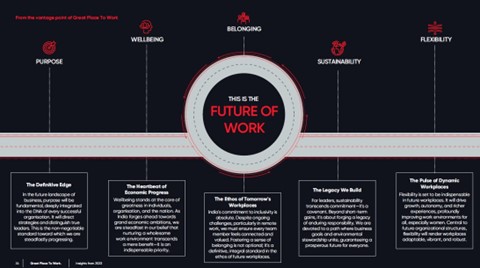
Future Of Work

For leaders, embracing purpose isn’t just a strategic move; it’s a moral imperative. The call to action is clear: make Diversity, Equity, Inclusion, and Belonging (DEIB) a core value. Lead by example, invest strategically in DEIB, appoint a Chief Diversity Officer, and use robust metrics to gauge effectiveness.

Your Call to Action as a Leader:

1. Make DEIB a core value; lead by demonstrating its importance in your actions.

2. Invest strategically in DEIB and appoint a Chief Diversity Officer or DEIB task force.

3. Use robust metrics and KPIs to assess DEIB effectiveness, regularly adjusting strategies based on data.

4. Build a culture that actively seeks and values ideas from all levels of your organization.

5. Ensure every voice is heard and has the space to make an impact, fostering a sense of belonging and diversity of thought.

6. Cultivate an environment where attempts at innovation are recognized, regardless of the outcome.

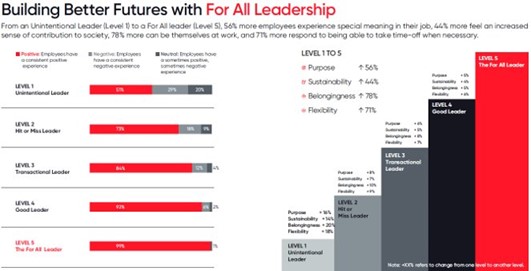
Building better futures with For All Leaderhsip

Integrate Purpose into the Heart of Your Business Strategy:

1. Ensure that every role has clarity in how it contributes to the broader mission, giving employees a sense of fulfillment and direction.

2. Regularly communicate how your organization’s work impacts the community and the environment, reinforcing a shared sense of purpose.

3. As a leader, embody the values you advocate. Your commitment to purpose should be evident in both strategy and daily interactions.

4. Encourage initiatives that allow employees to engage with and contribute to causes they care about.

Embracing the Future

These three tenets—Inclusion, Innovation, and Purpose—are more than just fads; they are the driving forces behind the future of work. As leaders, it’s not just our responsibility; it’s our privilege to champion these ideals, creating workplaces where diversity flourishes, innovation thrives, and purpose drives every action. Together, let’s set out on this significant path to create a future in which working is a rewarding and purpose-driven effort rather than merely a means to an end. As we embrace these trends, we don’t just secure the success of our organizations; we contribute to a brighter and more inclusive future for all.

In an era where workplace dynamics are constantly reshaped by the forces of change, the importance of cultivating a culture that champions equity has become more pronounced than ever. Recent data points from the Best Companies To Work For 2023 report underscore the significant impact of providing an equitable experience across demographics. 

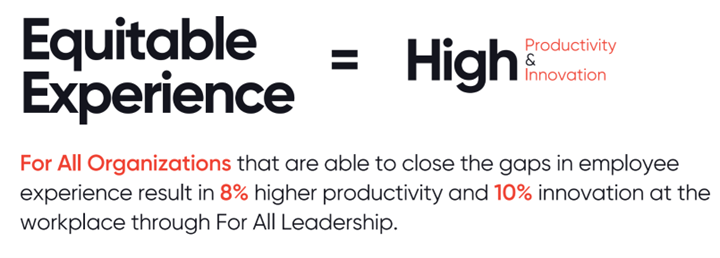
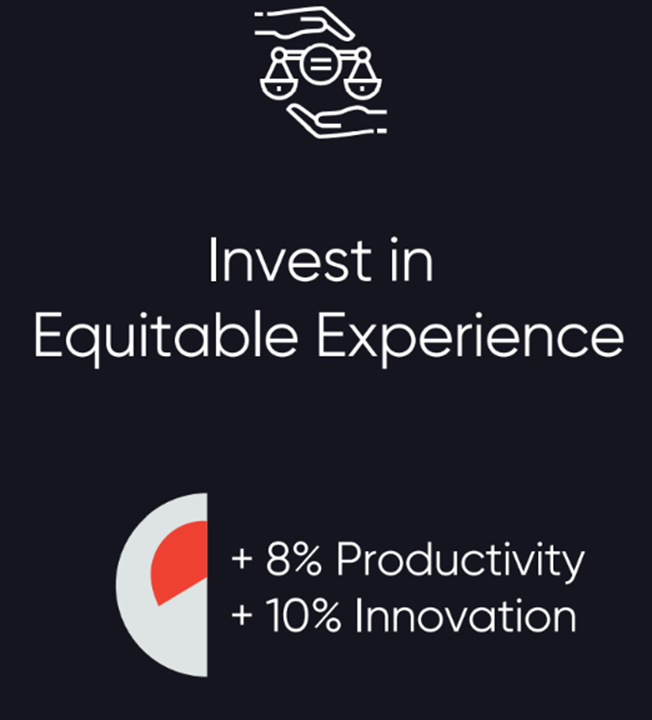
Studies reveal that organizations prioritizing equity witness a remarkable 8% surge in productivity and a substantial 10% boost in innovation. As the Indian economy rides the waves of high growth, enabling employees to maximize their potential emerges as a focal point for sustainable success.

Michael Bush, CEO at Great Place To Work® USA, succinctly captures the essence of this imperative. He emphasizes that an organization failing to harness the best from all its employees is essentially leaving money on the table. This assertion reflects the tangible consequences of overlooking the potential that lies within a diverse and motivated workforce.

For All Organization's Equitable Experience

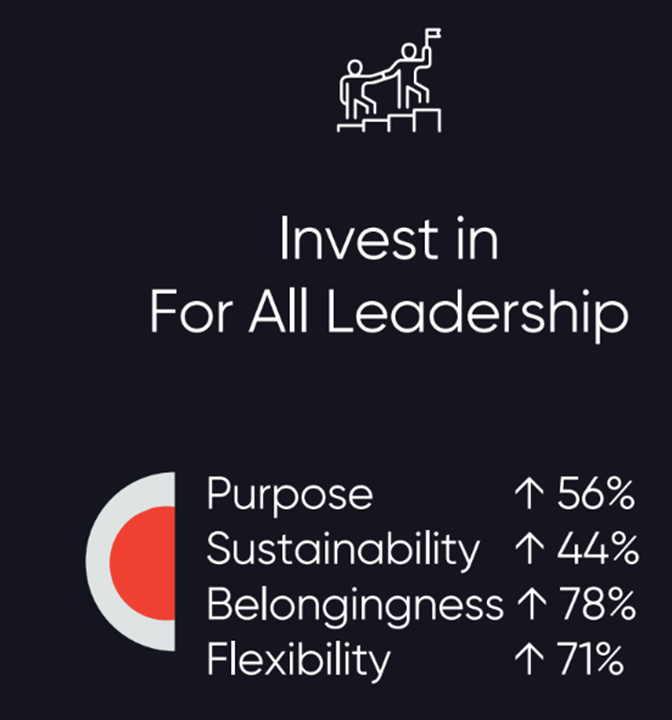
The influence of organizations that actively engage in maximizing human potential, propelled by For All Leadership, cannot be overstated. The significance of closing gaps in employee experience is evident, as organizations embracing For All Leadership practices consistently report higher levels of productivity and innovation.

In this article, we will unravel the 15 key practice areas crucial for creating an equitable workplace culture where every individual is empowered to contribute their unique talents and ideas. From hiring practices to community engagement, each facet plays a pivotal role in shaping a workplace where productivity and innovation flourish hand in hand.

1. Hiring for Cultural Fit: The Foundation of Excellence

The journey to building a great workplace culture begins with hiring the right individuals. Exceptional teams are the backbone of great workplaces, and companies with outstanding cultures prioritize hiring individuals whose values align with the organization’s mission. Strategic hiring practices, focusing on both skill sets and cultural fit, create a workforce that positively contributes to and enhances the workplace culture.

2. Welcoming New Employees: Nurturing a Sense of Belonging

First impressions are lasting, and great workplaces understand the importance of onboarding in shaping an employee’s experience. Diverse and personalized onboarding methods go beyond mere orientation, ensuring that new hires feel welcomed and integrated into the organizational culture from day one. A strong onboarding process sets the stage for a positive and inclusive work environment.

3. Inspiring a Shared Purpose: Connecting Work to Meaning

Employees thrive when they find meaning in their work. Organizations with great cultures inspire their workforce by connecting them to a shared purpose. Programs that foster pride and emphasize the impact of individual contributions on customers and society overall contribute to a motivated and engaged workforce. Creating a sense of purpose elevates the overall workplace experience.

4. Transparent Communication from Leadership: Building Trust

Trust is the cornerstone of great workplace cultures. Leaders at successful organizations understand the importance of transparent communication, even in challenging times. Distinctive ways of sharing information, coupled with accessibility and warmth, build trust between employees and leadership. This transparency fosters a positive and open organizational environment.

Invest in Fairness & Better Work Environment

5. Effective Upward Communication: Fostering Dialogue and Trust

Building trust demands creating avenues for employees to voice concerns and offer input. Organizations that actively seek input from employees demonstrate a commitment to a two-way communication flow, fostering a culture where every voice is heard and valued. This practice builds a sense of inclusivity and encourages employees to actively participate in shaping the organizational narrative.

6. Encouraging Collaboration and Innovation: Harnessing the Power of Ideas

Innovation is the lifeblood of successful organizations. Great workplaces actively encourage employees, regardless of their position, to share new ideas and suggest improvements. This creates an ‘Innovation by All‘ culture, driving positive changes in the business. By tapping into the collective insights of employees, organizations foster an environment that values continuous improvement and embraces change.

7. Frequent Appreciation and Recognition: Nurturing a Culture of Gratitude

Acknowledging and appreciating employees’ efforts is fundamental to building a positive workplace culture. Frequent recognition initiatives foster an environment of gratitude in which each worker is inspired to give their all and feels appreciated. This procedure not only lifts morale inside the company but also reaffirms its dedication to acknowledging the unique contributions made by each worker that come together to form the culture of the workplace.

8. Investing in Employee Development: Prioritizing Growth

Valuing employees means investing in their growth. Great workplaces prioritize training and development, providing employees with opportunities to discover and enhance their talents. This commitment to personal and professional growth fosters loyalty and dedication, as employees feel supported in their journey towards continuous improvement.

9. Balancing Work and Personal Lives: Supporting Holistic Well-being

Recognizing employees as whole individuals, not just workers, is vital for building a positive workplace culture. Organizations that support work-life balance and provide assistance during significant life events showcase a genuine concern for the well-being of their workforce. By offering a range of work/life benefits and programs, organizations demonstrate a commitment to the holistic well-being of their employees.

10. Promoting Diversity and Inclusion: Creating a Truly Inclusive Environment

A truly great workplace is one that caters to all employees, irrespective of their backgrounds. Programs and policies promoting diversity and inclusion across demographics and job roles contribute to an inclusive and equitable workplace. This commitment to diversity reflects societal values and enriches organizational culture by bringing together various perspectives and experiences.

11. Encouraging Fun and Camaraderie: Fostering a Positive Work Environment

Invest in Equitable Experience

Camaraderie and fun are not just perks but essential elements of a great workplace culture. Organizations that actively promote a positive and enjoyable work environment see increased employee satisfaction and collaboration. Organizations may foster stronger relationships and improve the overall work experience by giving employees the opportunity to interact outside of formal work environments.

12. Equitable Compensation Practices: Fostering a Sense of Fairness

Invest in Equitable Experience

Fair compensation practices are integral to a positive workplace culture. Great workplaces ensure that compensation-related activities are transparent, well-communicated, and inclusive, fostering a sense of equity among employees. By focusing efforts on ensuring fair compensation, organizations demonstrate their commitment to valuing and respecting every employee.

13. Engaging in Corporate Social Responsibility: Extending Care Beyond the Workplace

Beyond the workplace, great organizations actively participate in philanthropic and CSR initiatives. Involving employees in these efforts creates a sense of purpose and pride, aligning the workforce with the company’s values. This engagement in social responsibility not only benefits the community but also strengthens the bonds among employees, fostering a shared commitment to making a positive impact beyond business goals.

14. Transparent Leadership Effectiveness: Involving Employees in the Vision

Invest in For All Leadership

Effective leadership is pivotal to a great workplace. Organizations involve employees in the development of short and long-term strategies, fostering a connection between daily tasks and overarching business goals. Transparent communication of these strategies across all levels builds a shared vision where employees understand their roles in achieving organizational success. This involvement in the decision-making process enhances employee satisfaction and commitment.

15. Continuous Improvement Through Analysis: Adapting to Evolving Needs

Analyzing responses and adapting to changing dynamics is essential for sustaining a great workplace culture. Businesses dedicated to creating and preserving positive workplace cultures assess their procedures regularly to make sure they adapt to the changing demands and expectations of their employees. This commitment to continuous improvement positions the organization as agile and responsive to the evolving workplace landscape.

To sum up, developing a fantastic workplace culture is a constant endeavor that requires commitment and flexibility. By prioritizing these practice areas, organizations can cultivate a positive and impactful workplace culture, leading to increased productivity, innovation, and employee satisfaction. As the workplace landscape evolves, so must the strategies for building and sustaining a great workplace culture. Continuous commitment to these practices ensures that organizations not only attract top talent but also retain and nurture a workforce that contributes to long-term success.

In the ever-evolving landscape of India’s pharmaceuticals, healthcare and biotech sectors, innovation and leadership excellence are the driving forces shaping the nation’s journey toward establishing India as the “pharmacy of the world”. These industries play a pivotal role not only in addressing the diverse healthcare needs of the population but also in establishing India as a global hub for cutting-edge research and development.

In this blog, we delve into the strengths, weaknesses, opportunities, and threats that define the current state of workplace culture in the pharmaceuticals, healthcare and biotech industries in India. We will highlight how Great workplaces in these industries handle challenges and stay ahead of the competition in making important changes for the future of healthcare in India.

Strengths: Empowering Employees for Societal Impact

The strengths of these industries are deeply intertwined with their contributions to societal well-being. Organizations in these fields prioritize leadership excellence and fostering a sense of pride among employees for their impactful work. For instance, companies like Allucent and R1 RCM Global Private Limited demonstrate an unwavering commitment to transparency and social responsibility.

Allucent’s Commitment to Integrity and Transparency

Allucent places integrity at the core of its values, fostering transparency among leaders and employees. During town hall meetings, leaders respond honestly and comprehensively to employee inquiries, showcasing a commitment to openness. This transparency extends to the rationale behind challenging tasks, demonstrating how each employee contributes to the company’s overall success. During a recent Allucent Global Town Hall Meeting, an employee presented a direct question regarding the financial health and forecast of the company. In response, Allucent’s Chairman & Chief Executive Officer provided a comprehensive and detailed answer, addressing each aspect of the employee’s sensitive inquiry with transparency. This practice reveals how such work contributes to the overall success of Allucent’s business strategy.

R1 RCM Global Private Limited: Balancing Transparency and Social Responsibility

R1 RCM Global Private Limited not only emphasizes transparency but also champions social responsibility. Through initiatives like the Helping Hands Month, employees are encouraged to volunteer in various community service activities, aligning with the company’s commitment to operating with purpose. R1 RCM Global Private Limited leader maintains transparent communication with teams through ‘From the Desk of the leader,’ delivering updates, program launches, and personal notes. Executive Leadership also engages with business functions through regular emails, connects, and town halls. Such holistic approach to transparency, employee well-being, and societal impact sets the tone for success in the pharmaceuticals, healthcare and biotech industry.

Weaknesses: Transforming Challenges into Vibrant Strengths

Acknowledging the performance gap is the first step towards transformative change. A lack of fun at the workplace and limited employee involvement in decision-making are the key workplace culture performance gaps in the pharmaceuticals, healthcare and biotech sectors in India. are However, industry leaders like R1 RCM Global Private Limited and Cipla Ltd are actively working on addressing these challenges.

R1 RCM Global Private Limited: Fostering Vibrant Celebrations and Recognition

R1 RCM Global Private Limited fosters a vibrant work environment through initiatives that go beyond acknowledging work contributions. From themed celebrations to recognition of individual and team achievements, R1 RCM Global Private Limited ensures that employees feel valued and engaged holistically. This approach transforms the workplace into a dynamic and enjoyable space, addressing the identified gap of a lack of fun.

Cipla Ltd: Inclusive Participation in Celebration Ethos

Similarly, Cipla Ltd emphasizes inclusive participation in its celebration ethos, fostering camaraderie among employees through various events and activities. The company’s focus on engaging employees not only in the main event but also in the idea generation and planning stages addresses the weakness of limited employee involvement in decision-making. They create a committee of volunteers consisting of employees across divisions and levels to plan and celebrate festivals and fun activities. This committee takes ownership of the events and is responsible for deciding event themes, selecting vendors, and building an enduring collaborative approach.  

Opportunities: Nurturing Talent for Future Success

In India’s healthcare industries, significant opportunities for building sustainable competitive advantages lie in improving talent management, emphasizing skill development and fostering career evolution. Organizations like Aragen Life Sciences Pvt Ltd are leveraging innovative approaches to talent management.

Aragen Academy: Diverse Learning Initiatives

Aragen Life Sciences Pvt Ltd is dedicated to providing diverse learning opportunities across scientific, manufacturing, professional, leadership, and sales streams. These initiatives reflect a commitment to continuous learning and skill enhancement, shaping the future of the organization and the industry. The Academy team at Aragen Life Sciences Pvt Ltd publishes training calendars, allowing employees to self-nominate or be nominated by managers, thus ensuring learning is tailored to individual needs and aspirations.

Threats: Proactive Approaches to Ensure Equity and Collaboration

Persistent challenges like manager favouritism and workplace politics threaten the establishment of a fair and constructive work environment. Eli Lilly and Company, a leading player, recognizes and addresses these issues to foster a workplace that values equity and collaboration.

Eli Lilly and Company: Inculcating Fairness by fostering Trust and Mutual Respect.

At Eli Lilly and Company, important people processes, like as Performance Management, include multiple touchpoints throughout the year such as formal goal setting in discussion with the manager, and periodic performance check-ins during the year to ensure that there is open communication and transparency in sharing performance-related feedback and development areas. All supervisors are trained on holding performance and coaching conversations in an open and respectful manner, and on managing performance issues fairly- giving employees adequate opportunity and support to work on their development areas. Supervisors are also given examples of “What Good Looks Like” in terms of documenting performance feedback. Eli Lilly and Company also has a detailed and clear SOP in place for managing non – performance (PIP policy), outlining the steps and responsibilities of different stakeholders to ensure a fair and impartial process with adequate time, resources and support provided to the employee. This exemplifies their commitment to creating a workplace that prioritizes Transparency, Equity and Inclusion.

Conclusion: Shaping a Resilient and Dynamic Future

In conclusion, the pharmaceuticals, healthcare and biotech sectors in India are navigating a dynamic landscape, marked by strengths, weaknesses, opportunities, and threats in workplace culture. When leaders excel at demonstrating their executive capability and employees feel positive about their contribution to the society, workplace culture blooms. Fostering vibrant celebrations, addressing performance gaps, and nurturing talent through diverse learning initiatives are some key imperatives organization must focus on. Leaders must take proactive measures against favouritism and politics to ensure a fair and inclusive work environment.

By embracing these principles, the industry can not only overcome challenges but also establish a workplace that maximizes potential, fosters innovation and contributes to advancing healthcare in India and globally.

The IT and BPM industries are titans of innovation, pushing the boundaries of technology and efficiency. But their true strength lies not in algorithms but in their people. This blog delves into the meticulously crafted best practices of organizations recognized as one of India’s Best Workplaces™ in IT & IT-BPM 2023. 

First American (India) ‘s Blueprint for a People-First Culture.

First American (India) (FAI) entered the spotlight in 2017, earning a place among India’s Best Workplace in IT & IT-BPM, marking the beginning of a remarkable journey. As a result of their unwavering commitment to consistently building and sustaining a great workplace, they bagged this recognition for the 5th time in 2023.

FAI’s impressive, ongoing trajectory reflects their consistent efforts as they continuously strive to foster and maintain a positive employee experience. Throughout their journey, FAI has broadened their list of accolades as they focus on creating a supportive and a welcoming environment for all individuals, while also being dedicated to the holistic well-being of people.

FAI’s dedication to fostering an exceptional workplace culture reaches new heights, as they rank as one of India’s Best Companies To Work For in 2023. Their journey towards creating an exemplary workplace continues to inspire.

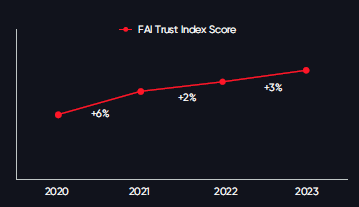
First American India's Trust Index Score

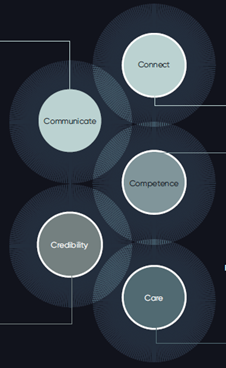
FAI’s Formula For Employee Well-being

  • FAI believes that consistent communication is the core of building trust with employees. The Framework enables meaningful dialogues across the organization with the objective to listen with an open mind, assess the pulse and find resolutions with full transparency.
  • FAI recognizes that a credible organization is the backbone of a healthy employer-employee relationship. They endeavour to understand employee requirements and ensure to follow through with their commitments.
  • FAI’s employee Connects, play a foundational role in their 5 C’s framework, fostering a culture of empathy and mutual support. Different connect initiatives help build personalized engagement and connect with each employee.
  • FAI invests in Leadership competence, as well as individual development to ensure that teams are engaged with work and learning which improves productivity.
  • FAI supports its employees both at work and home to attain holistic well-being in turn optimizing their performance at the workplace.
First American India's for Employee Well-being

FAI makes a notable impact by showcasing a 6% higher positive score on overriding wellness sentiment, standing out amidst the overall dip observed in Health and wellness sentiment across Indian workplaces in 2022.

FAI: Crafting Success Through People Practices

Building a fraternity at the workplace where each individual yields better results by

bringing their authentic selves to work involves making employees feel respected and welcomed. FAI demonstrates that it genuinely cares for its employees through various initiatives. ‘Swasthya’ program offers holistic support—emotional, physical, financial. The Wellness Corner app conducts health assessments, provides online consultations; the Tranquil app aids in mindfulness and coping with stress. FAI also supports a hybrid mode of working to ensure flexibility at work.

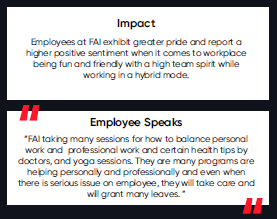
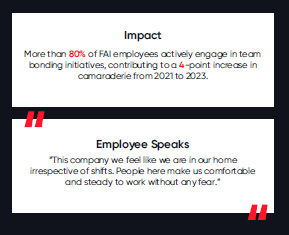
Impact and Employee Speaks

Credible Leadership is the cornerstone of building a High-Trust Culture. FAI’s transparent and consistent communication fuels healthy employee-employer relationships at work.

Focus Group Discussion: Assesses well-being and critical issues, encourages feedback via anonymous surveys and ends with transparent action plans.

They implemented the ‘SMILE’ framework (Socialize, Motivate, Inspire, Lead, and Empower) to consistently build personalized engagement with each individual in the Business unit, hear their perspectives, and collaborate in their growth journey. Tenured Sta Connects has engaged employees for over two years tenure, with a focus on understanding aspirations, gather suggestions and create awareness about T&D, encouraging utilization of growth opportunities.

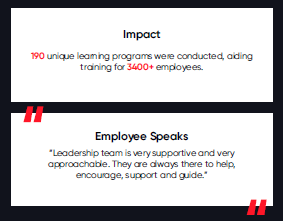
Impact and Employee Speaks

FAI’s competent Leadership is seen in action as they see ripple effects across the organization. They invest in individual development through various learning interventions.

Elevate Program @NPS: Nurtures talent with positive management, fostering Leadership by instilling confident decision-making and developing clear vision. Customized Learning Journeys: Tailored roadmaps for aspirational roles, enhancing skills, attitudes, and overall performance.

Impact and Employee Speaks

Pride in Unity: Aristocrat’s Inclusive Path to Workplace Camaraderie

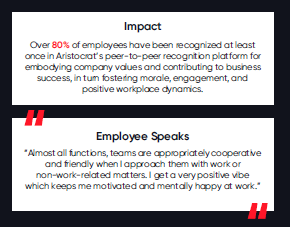
Aristocrat’s consistent recognition as India’s Best Workplace in IT & IT-BPM is a testament to the company’s commitment to fostering Trust between Leadership and employees. The company extends its efforts to embrace a comprehensive approach to employee health and well-being, reflecting its dedication to prioritizing care for its workforce.

The company actively fosters an environment where employees from various backgrounds feel valued, contributing to a rich, diverse, inclusive workplace culture. Aristocrat’s workplace culture, marked by vibrant Camaraderie, mirrors its dedication to an engaging and supportive environment. This not only earns external recognition but also fosters internal pride among employees.

Aristocrat’s Trust Matrix for A Thriving Work Culture

  • Aristocrats’ unwavering commitment to people’s safety and well-being, supporting physical, mental, financial, and emotional wellness through dedicated Leadership is the secret sauce behind a thriving workplace.
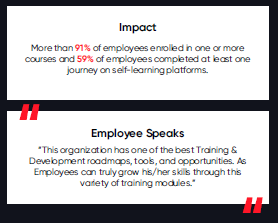
  • Aristocrat’s Learning and development initiatives empower employees to take charge of their careers at Aristocrat. Their a holistic approach to learning links business imperatives to employees’ growth aspirations.
  • Aristocrat cultivates Camaraderie through collaborative initiatives, encouraging team spirit and a sense of belonging.
  • Aristocrat’s inclusive culture ensures that individual differences are celebrated, and everyone gets equal opportunities to succeed.

Employees at Aristocrat report 7% higher positive sentiment in dimension of Camaraderie as compared to the IT & IT-BPM Industry.

Aristocrat: Crafting Success Through People Practices

When employees feel cared for, it enhances their morale through positive workplace dynamics.

Aristocrats believe in supporting their employees, especially in times of crisis, strengthening resilience and well-being.

Power Life – A complete well-being program offered through an internal portal supports employees in critical areas of mental and physical well-being.

Restore Resilience: A 12-week stress management program covers critical issues like sleep, nutrition, and exercise.

R U OK Day: Encourages checking in with friends, family members, and work colleagues.

September: Cerebral Palsy Alliance-led fundraising initiative engages employees.

Flexible and Remote Working Support Policy.

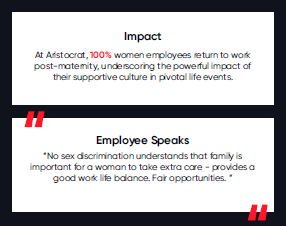
Impact and Employee Speaks

Promoting Camaraderie at the workplace is ingrained in Aristocrat’s value of collective brilliance as they believe in cultivating team spirit and an environment of mutual support at the workplace.

ShapeShifters Team: Drives engagement with innovative online/online programs for bonding, leadership connections, CSR, honoring support staff.

Power Plays Platform: Encourages celebrating colleagues’ values-driven achievements equipped with redeemable awards and e-cards. Friday box-office sessions: Led by subject specialists, promoting discussions, self-growth, empathy, and team camaraderie through films on sensitive topics.

Impact and Employee Speaks

At Aristocrat, People & Culture Business Partners collaborate with business leaders to

facilitate individual learning & development, unlocking employee’s potential for growth.

Women’s Leadership Program: Empowers female leaders through self-awareness, tackling self-limiting beliefs, and cultivating key skills.

Aristocrat Leadership Academy: Provides diverse holistic leadership training programs. Tully Platform: Dynamically supports individual growth, skill progression, and career planning, fostering company-wide engagement.

Impact and Employee Speaks

Charting the Future of IT Workplaces

In the challenging landscape of the IT industry, prioritizing workplace culture has become paramount for sustaining employee engagement. The industry has witnessed a decline in perception, underscoring the importance of addressing issues like diminishing workplace camaraderie. Organizations must proactively invest in employee well-being initiatives to rejuvenate workplace dynamics. Furthermore, fostering better Camaraderie and leadership excellence emerges as a strategic imperative. Leaders are crucial in steering organizations through these trying times, striving for excellence, and

inspiring teams. This holistic approach not only enhances employees’ well-being but also the team spirit, and upskilling but also yields substantial business returns. Improved retention rates, heightened productivity, and increased innovation opportunities are direct outcomes of a robust focus on these critical aspects. In navigating the current challenges, organizations that prioritize these elements stand to create resiliently and thriving workplaces, positioning themselves for sustained success in the dynamic IT landscape. Visit us here to learn more.

The latest IT report by Great Place To Work India unravels workforce dynamics trends. Delving into challenges such as diminished camaraderie and organizational pride, we analyze factors contributing to the industry’s employee experience decline. Additionally, we address burnout levels, remote work trends, and future-focused strategies. Join us in understanding the nuanced challenges and envisioning a resilient and innovative path forward for the IT workforce.

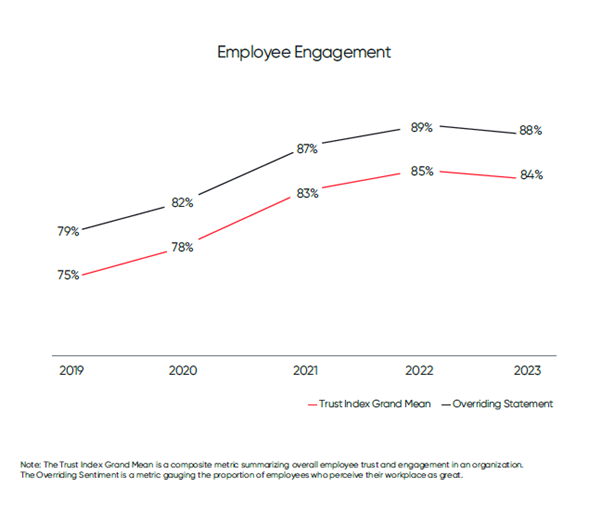
In the dynamic landscape of the Information Technology (IT) industry, the pulse of employee perception reveals a nuanced narrative in 2023. A noticeable shift is observed, marked by a 1% drop in the Trust Index Grand Mean and Overriding Sentiment. This modest decline challenges the industry’s upward trajectory, prompting a closer examination of the factors influencing the workplace experience for IT professionals.

Interestingly, within the intricate tapestry of this trend, there exists a notable divergence between large and mid-size organizations. While large organizations showcase a commendable effort, managing to improve the employee experience by 1%, their mid-sized counterparts demonstrate consistent performance, maintaining a steady 85%. These intriguing dynamic positions mid-size organizations ahead, surpassing their larger counterparts in providing a stable and satisfactory work environment. This shift underscores the importance of organizational size in influencing employee experience and suggests potential advantages in agility and adaptability for mid-size entities.

Despite the overall decline in sentiments, the IT industry retains its stronghold, boasting the second-highest Trust Index Grand Mean across various sectors at 84%. This resilience is a testament to the IT sector’s enduring appeal and economic significance. 

Trust Index Grand Mean and Overiding Statement

Perception Decline Led by Females, GenZ, and ITES Vertical

  • In 2023, the workplace landscape witnesses nuanced shifts impacting employee perceptions. Females experience a 1% decline due to concerns about micro-management and workplace politics, while male counterparts maintain stability. 
  • Generation Z encounters a 1% dip, grappling with work-life balance and fair promotions, while Generation X sees an improvement. Millennials remain steady at 84%.
  • ITES faces a notable 2% decline within industry verticals linked to reduced confidence in non-discrimination practices. Conversely, IT Consulting witnesses a 1% rise in trust levels, and Software experiences a 1% decline. IT Services and other verticals maintain a robust 85% trust level.

These trends highlight the dynamic interplay of gender, generation, and industry-specific challenges, emphasizing the need for tailored strategies to foster a workplace environment that addresses diverse concerns and sustains positive perceptions amid the evolving nature of work.

Perception Decline Driven by Drop in Team Spirits and Organizational Pride

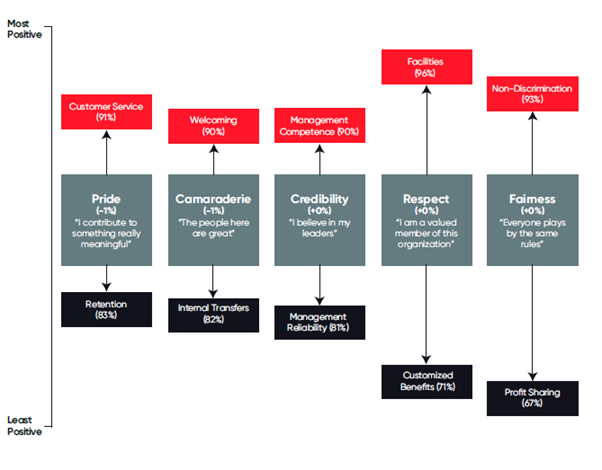
The IT industry grapples with a decline in employee experience, notably driven by a 1% reduction in Camaraderie and Pride, indicative of diminished team spirits and organizational pride. Respect and Fairness exhibit the most significant variation, with a 25-26% gap between the most and least positively perceived sentiments. 

This decline points to the crucial role of interpersonal dynamics and organizational culture in shaping the overall workplace experience. Aspects such as diminished camaraderie and pride contribute to a less positive work environment, emphasizing the need for targeted interventions to restore a sense of unity, mutual respect, and fairness within the IT industry. Focusing on these dimensions becomes paramount in addressing the nuanced challenges impacting employee well-being and satisfaction.

Most Positive and Least Positive aspects

The IT Engagement Equation: Why It’s Changing

Global Economic Slowdown

The global economy has been slowing down in recent years, and this has had an impact on the Indian IT industry. Many IT companies have had to lay off employees or reduce salaries to stay afloat. This has led to a decline in employee morale and satisfaction.

Rise of Automation

Automation is becoming increasingly common in the IT industry and this is leading to job losses. Many employees are worried that machines and this will replace them is causing them to feel anxious and insecure.

Competition from Other Countries

The Indian IT industry faces increasing competition from other countries, such as China and the Philippines. These countries offer lower wages and more flexible working conditions, making them more attractive to employers. This is putting pressure on Indian IT companies to reduce costs and offer better benefits to their employees.

Changing IT Demands

The IT industry is constantly evolving, and employees need to be able to adapt to new technologies and trends. This can be stressful and challenging, and it can lead to burnout.

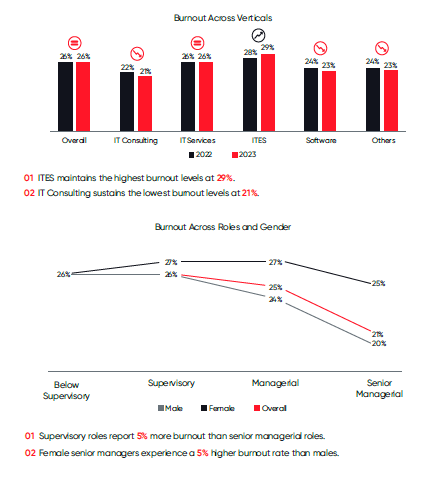
Overall Burnout Levels are Stable at 26% from 2022, Exhibiting 8% Variability Across Verticals

Burnout Across Verticals

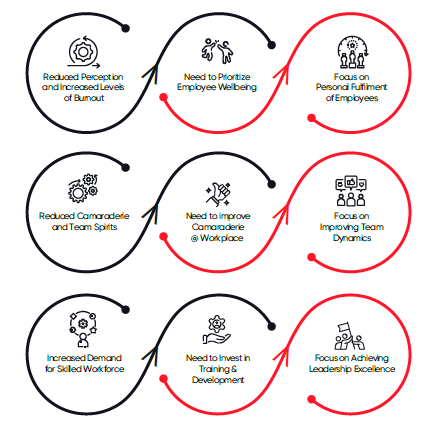
Way Forward: 3 Future Focus Areas for the IT Industry

In light of the challenging year for the IT industry, there is a heightened focus on employee well-being, camaraderie, and upskilling. In response to the IT industry’s current challenges and employee engagement concerns, organizations must prioritize Workplace Ikigai as a comprehensive solution. Workplace Ikigai, a measure of employee happiness and engagement, offers a strategic path to address workplace issues, ultimately improving Productivity, Retention, and Innovation.

3 Future Focus Areas for the IT Industry

As the IT industry navigates the complexities of a changing global landscape, these trends underscore the importance of holistic approaches. Prioritizing employee well-being, investing in continuous learning, and cultivating strong leadership are identified not only as strategic imperatives for organizational success but also as essential elements in creating a resilient, innovative, and adaptive workforce capable of meeting future challenges. Visit us here to know more.

Certification Nation Day (CND) is not merely an event; it’s a grand celebration of dedication and achievements, a worldwide acknowledgment of workplace excellence. From November 1-3, 2023, the Great Workplaces Community India united to recognize and honor the best of the best, celebrating the very essence of great workplaces under the banner of Certification Nation Day 2023.

What is CND?

Certification Nation Day is more than just a day on the calendar; it’s an exclusive celebration of commitment and achievements, a global salute to workplace excellence. It presents a significant opportunity for organizations to showcase their dedication, solidify their reputation as employers of choice, and foster a profound sense of belonging among their employees. Regardless of size or industry, CND is a celebration that transcends boundaries, honoring the unique cultures and success stories that make each workplace special.

Success Stories of the CND 2023 Contest Winners:

Larsen & Toubro Limited – CND 2023 Culture Champion Among Large Organizations

In the vast landscape of Construction, Infrastructure, and Real Estate, Larsen & Toubro Limited (L&T) has been a beacon of innovation and excellence since its founding in 1938. With a global presence in 50 countries and a workforce of 52,586 employees, L&T has consistently demonstrated a remarkable ability to dream, innovate, and create solutions that build a better world.

Their passion for excellence and commitment to a positive workplace culture are truly commendable. On Certification Nation Day, L&T took the opportunity to celebrate its remarkable journey by showcasing the transformative projects that have shaped a better future. From construction and project-related activities to manufacturing and engineering services, their multifaceted approach has played a pivotal role in building the Best Workplaces in India.

L&T’s story is not just about structures and projects but about the people who dream, innovate, and create. Their contribution to building a better world and fostering positive workplace cultures has been truly outstanding. Congratulations to L&T India for achieving the well-deserved title of CND 2023 Culture Champion among large organizations! 

Dive into the heart of excellence at L&T! Watch how they celebrated Certification Nation Day, shaping a brighter workplace future here.

H & R Block (India) Private Limited – CND 2023 Culture Champion Among Mid-size Organizations

In the realm of Information Technology, H & R Block (India) Private Limited, founded in 2017, has stood out as a global consumer tax services provider. With a staggering global workforce of 90,700 employees operating in 5 countries, H&R Block is synonymous with tax services, offering complete choice for consumers to get tax help on their terms.

What makes H&R Block exceptional is not just its industry leadership but its unwavering commitment to positive employee experiences and diversity. On Certification Nation Day, H&R Block actively participated in the initiative, using the occasion to celebrate their commitment to nurturing a positive, high-performing work culture.

Through a series of engaging social media posts, H&R Block showcased their dedication to credibility, respect, fairness, pride, and camaraderie. Beyond just a tax services provider, H&R Block stands as a beacon of excellence in cultivating positive employee experiences. Congratulations to H&R Block for achieving the well-deserved title of CND 2023 Culture Champion among mid-size organizations!

Experience the H&R Block journey here. Watch how they celebrated CND by showcasing their commitment to diversity, excellence, and positive work culture.

Taking the Next Step

As we conclude this grand celebration, we extend an invitation to organizations across the country. Take the first step today and Get Certified to revolutionize your organization, ensuring a brighter, more successful future for your business and employees alike. Let’s continue to celebrate workplace excellence and inspire others to reach new heights!

Camera red icon

LIVE WEBINAR WITH Q & A

certification-badge-2026-rhc4efc9ny04x7lz17jff7guyhsup5b0yvrou4vd72

The Certification Advantage: Why Partner with Great Place To Work®

How partnering with Great Place To Work can strengthen your people strategy, and drive business outcomes through data-driven insights and Certification.

prasad-kachraj

Prasad Kachraj

Managing Director, Great Place To Work, India

23rd September 2026  |  4.00 PM - 4.30 PM IST

Register Now