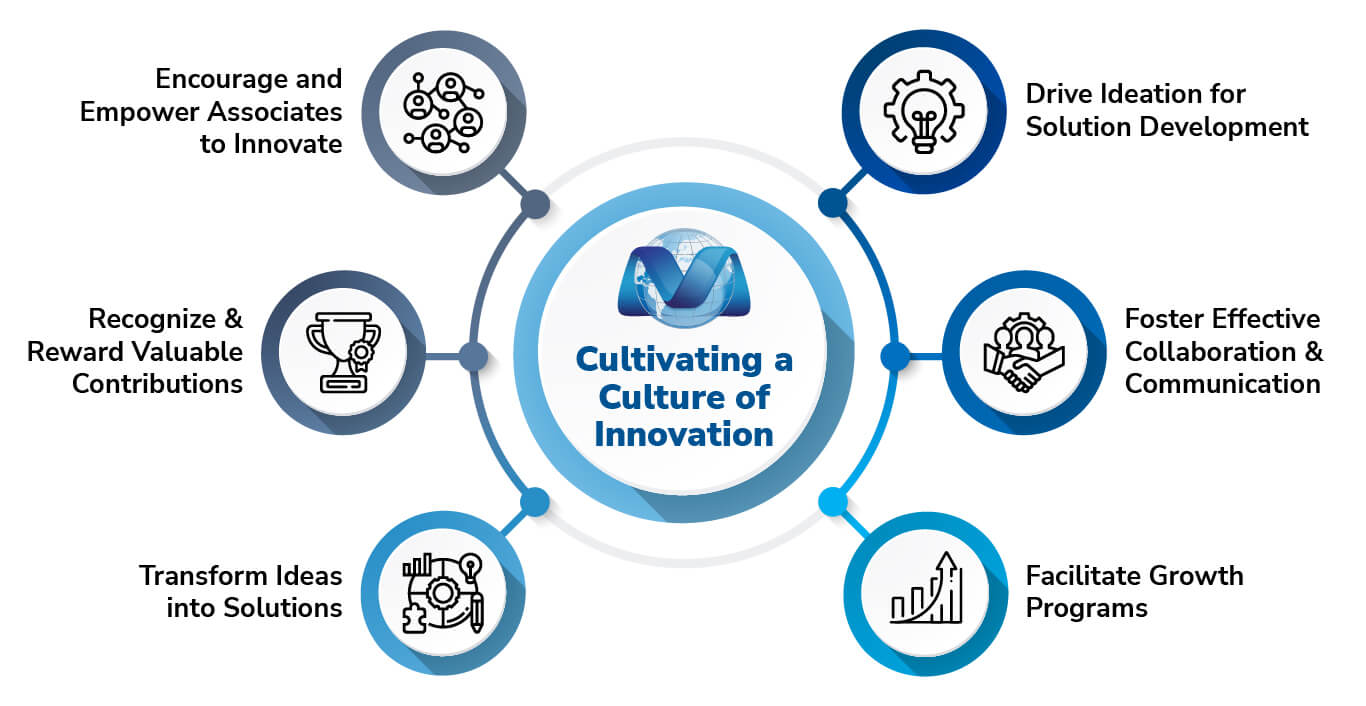
According to Great Place To WorkⓇ ’s research, to cultivate a culture of Innovation By All, it is crucial for organizations to align their innovation practices with employee experiences. This alignment is essential to bridge the gap between the innovation approach and the desired outcomes.
MOURI Tech (P) Limited’s culture reflects this philosophy in many ways, which has enabled it to be one of the Top 50 Companies (in the Large category) in India’s Best Workplaces Building a Culture of Innovation by All 2023 list.
As a Global Enterprise Solutions company operating under the motto ‘Employee First. Customer Foremost’, MOURI Tech’s journey toward innovation has been both challenging and rewarding, marked by bold moves and strategic decisions. By Investing heavily in R&D, and embracing a “fail-fast” mentality, MOURI Tech provided its employees with the necessary freedom and resources to pursue ambitious projects.
MOURI Tech has made significant strides in innovation over the years. One of the key milestones in its innovation journey was the launch of its Artificial Intelligence (AI)-powered platform in 2018 to help businesses automate and streamline their operations using AI and ML algorithms. This platform has been a game-changer for many of MOURI Tech’s customers, enabling them to improve operational and business efficiencies, achieve significant cost savings, and gain a competitive edge in their respective industries.
A major factor in MOURI Tech’s success in innovation has been its culture of experimentation and risk-taking approach. The company encourages its associates (as employees are referred to, here) to think outside the box and explore new ideas and concepts. Leaders here believe that the best ideas come from people who are involved directly with customers, suppliers, and products on a daily basis. MOURI Tech’s Ideation Platform has paved the way for the development of several innovative products & solutions for the clients, thereby helping MOURI Tech to maintain a consistent level of competitiveness.
Here are a few examples of the impact made:
As reviewing multiple contracts was becoming a challenge owing to the rapid organizational growth, the Recruitment and AI teams collaborated and came up with an AI-enabled process that could wrap up reviews in 80% less time and with 40% more accuracy.
The Recruitment and AI teams also came together to develop an AI-based Resume Scoring Solution to decrease profile screening time by 90%.
An idea shared by an associate, about developing a solution that helps read through emails and create a Customer Sales Order form, thus bypassing the need to read through a huge number of emails from a vendor for orders. This has been well received in the market as an efficient, employable product.
As the technology landscape continues to evolve, MOURI Tech is well-positioned to lead the way in innovation and help organizations across the globe achieve their digital transformation goals and through it, sustained growth.
The world of business is a competitive arena, demanding strategic plays and a high-performing team to emerge victorious. Just like in sports, fostering a healthy and collaborative work environment is key to achieving success. But are we doing enough to prioritize well-being in the workplace? We achieve this not just by improving performance and productivity but also by giving everyone a more rewarding and happy work environment.
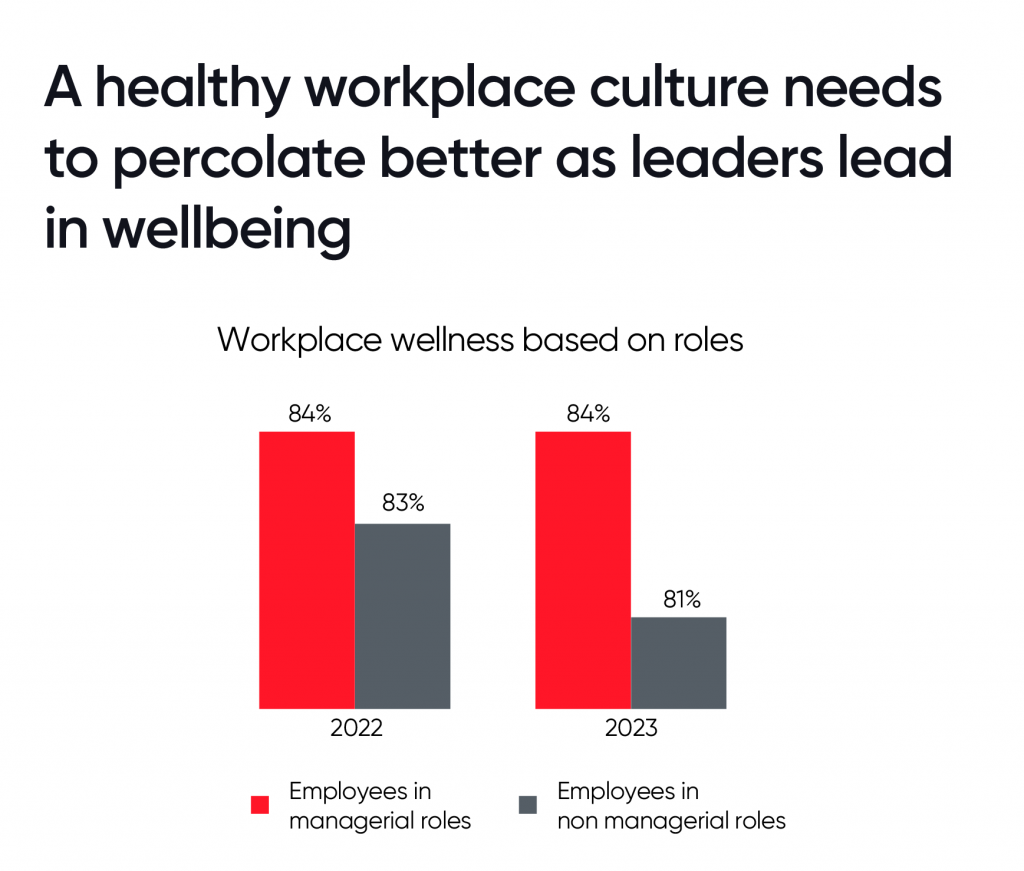
Our Wellness Report reveals a concerning gap between leadership and employee perception of wellness initiatives. While leaders report a positive experience, employees, particularly those in non-managerial roles, show a significant decline in their perception of well-being at work. This calls for a leadership shift, one that goes beyond mental well-being and embraces a holistic approach that prioritizes physical health, too.
Consider the analogy of preparing for a crucial game. While the focus on mental well-being is undoubtedly essential, neglecting your physical health can leave you sluggish and prone to injury. Similarly, a successful business team requires a robust foundation built on both mental and physical well-being. This is where we can draw valuable insights from the world of sports, as these principles are directly applicable to our business leadership:
Lesson 1: Leading by Example – Building a Culture of Wellness
The most impactful leaders are those who “walk the talk.” When leaders openly prioritize their own well-being and champion wellness initiatives, it sends a powerful message to employees. Imagine a coach who constantly pushes their team to train harder but never takes care of themselves. It wouldn’t inspire much confidence, would it?
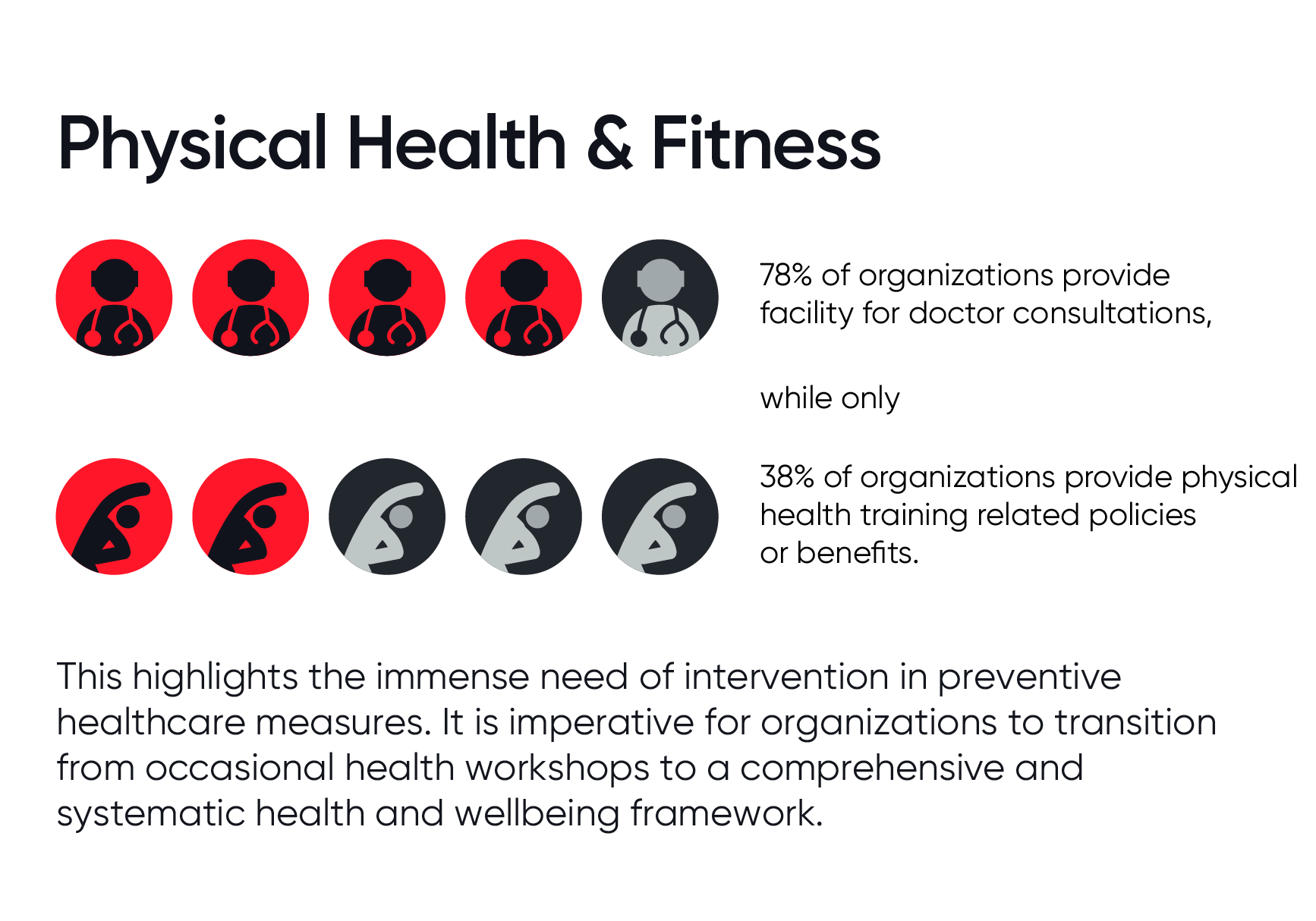
By incorporating preventive healthcare measures as part of a comprehensive wellness program, businesses can move beyond occasional health workshops towards a sustainable model. This could include offering physical health training on topics like nutrition and exercise, subsidizing gym memberships or on-site fitness facilities, or encouraging healthy habits through company-sponsored activities like walking groups or lunchtime yoga sessions.
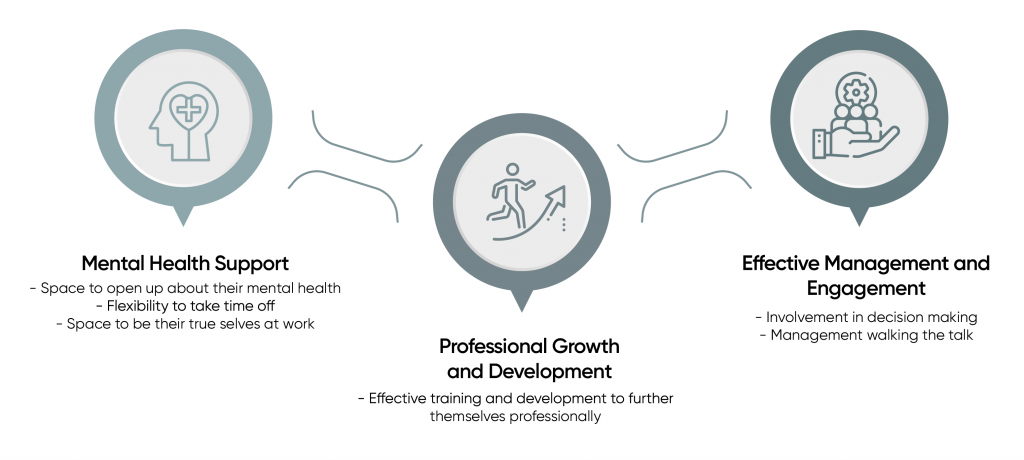
Leading by example goes beyond physical health. Openly discussing personal mental health struggles can normalize seeking help and reduce stigma. Leaders who prioritize a healthy work-life balance and encourage employees to do the same create a more positive and productive work environment.
Lesson 2: Teamwork Makes the Dream Work: Collaboration and Shared Success
The magic of sports lies in the seamless collaboration between players. As they collaborate to achieve a common objective, each member brings special talents and viewpoints to the table. This translates directly to the business world. The full potential of employees is unlocked by leaders who give their people the freedom to make decisions while encouraging a culture of open communication and teamwork.
Think of a basketball team where only one player is allowed to dribble. They might be incredibly skilled, but their chances of winning are slim. The same goes for businesses. By creating a flexible structure where team members feel comfortable venturing outside their comfort zones and collaborating effectively, organizations become more adaptable and responsive to challenges.
Collaboration thrives on clear communication. Leaders who set a vision, delegate tasks effectively, and encourage open communication create a space where information flows freely and everyone feels heard. Team members can take measured risks and learn from each other’s mistakes because of the trust and psychological safety this promotes.
Lesson 3: Strength in Diversity: Building an Inclusive Team
A winning sports team isn’t built on uniformity. It’s the combination of different strengths, sizes, and backgrounds that creates a powerful unit. Businesses can benefit from the same idea. Creative and innovative thinking flows freely from leaders who foster an inclusive workplace culture where staff members are respected for their distinct identities and viewpoints. By embracing diversity, we not only create a more competitive edge but also foster a sense of belonging and appreciation among our team members.
Imagine a multinational corporation attempting to launch a product in a new market without understanding the cultural nuances. The outcome is almost certain to be a disaster. Diversity fosters cross-cultural understanding, enabling businesses to navigate the global landscape with greater success. Additionally, a diverse workforce increases innovation and gives businesses a stronger competitive edge by bringing a wider range of perspectives and experiences to the table.
Building an inclusive team goes beyond ethnicity and gender. It encompasses age, neurodiversity, sexual orientation, and any other factor that contributes to a unique perspective. Leaders who actively create a space where everyone feels safe to share their ideas and be themselves create a more engaged and productive workforce.
The Winning Formula
By incorporating these lessons, businesses can build a winning team. Leaders who prioritize well-being, both mental and physical, empower their teams to collaborate effectively, and embrace diversity will create a thriving and successful work environment.
It is important to remember that strong leadership is like a skilled coach. They inspire their team, identify and nurture individual strengths, and ultimately guide them toward achieving their full potential. By adopting these strategies, businesses can transform their workplace into a winning team ready to take on any challenge. After all, just like in sports, the ultimate goal is to achieve victory – but this victory extends beyond the bottom line. It’s about creating a work environment where everyone feels valued, supported, and empowered to do their best work.
Unlock Your Workplace Potential:
Empower your business with Great Place To Work® Certification™. Gain valuable insights into employee sentiment, identify areas for improvement, and create a high-performing workplace culture that attracts and retains top talent.
Today, effective leadership is more critical than ever. Great leaders drive their organizations toward success and create an environment where team members thrive. Leadership isn’t about wielding the power to command; it’s about the profound ability to nurture and inspire those around you. Effective leaders build trust, foster a positive work culture, and drive collective success.
The Importance of Good Leadership in Business
Good leadership is crucial to the success and sustainability of any business. Effective leaders provide direction, inspiration, and clarity, ensuring that all team members understand and work toward the organization’s goals. They set the tone for the company culture, influencing the work environment and employee morale. Good leadership fosters a positive and productive workplace where employees feel valued, motivated, and engaged.
Leadership is also pivotal in decision-making and strategic planning. Competent leaders can analyze complex situations, make informed decisions, and steer the company through challenges and opportunities. Their ability to adapt to changing circumstances and drive innovation is essential for maintaining a competitive edge in the market.
Moreover, strong leadership is vital for building and maintaining relationships, both within and outside the organization. Leaders who communicate effectively and demonstrate integrity and empathy can build trust with employees, customers, and partners, leading to stronger collaborations and customer loyalty.
Good leadership directly impacts a business’s overall performance and growth. It enables the organization to achieve its vision, foster a collaborative and innovative culture, and navigate the complexities of the business world, ensuring long-term success and sustainability.
1. Empowerment and Delegation
Empowerment and delegation are crucial aspects of effective leadership, serving as the backbone of a motivated and high-performing team. Empowering team members involves giving them the authority and confidence to make decisions within their roles. This not only boosts their confidence and morale but also encourages a sense of ownership and accountability. Delegation, on the other hand, involves assigning tasks and responsibilities to team members, and trusting them to complete these tasks autonomously.
When employees feel empowered, they are more likely to be innovative, taking the initiative to propose new ideas and solutions. This culture of innovation leads to improved problem-solving and efficiency.
Moreover, empowered employees are generally more motivated and engaged, which enhances overall productivity and job satisfaction. Delegation allows leaders to focus on strategic planning and high-priority tasks, optimizing resource allocation and operational effectiveness.
2. Flexibility and Adaptability
In today’s fast-paced business world, flexibility and adaptability are essential traits for effective leadership. Leaders must be prepared to pivot strategies and approaches in response to new challenges, market shifts, and emerging opportunities. This agility enables businesses to remain competitive and resilient, even in the face of unexpected disruptions.
The benefits of adaptability are significant. An adaptable leader can quickly identify and respond to changes in the business environment, ensuring that the organization remains relevant and ahead of the curve. This proactive stance helps in seizing new opportunities, mitigating risks, and maintaining a competitive edge. Furthermore, adaptable leaders inspire confidence and trust within their teams, fostering a culture of continuous improvement and innovation.
3. Clear Communication and Vision
Clear communication and a strong vision are foundational elements of effective leadership. Clear communication involves conveying information, expectations, and feedback in a way that is easily understood by all team members. A strong vision provides a sense of direction and purpose, guiding the organization toward its long-term goals.
Effective communication fosters trust among team members and between leadership and staff, creating a transparent and cohesive work environment. It ensures that everyone is aligned with the organization’s objectives, reducing misunderstandings and enhancing collaboration. A compelling vision, on the other hand, motivates and inspires employees, providing them with a shared sense of purpose and direction. When team members understand the bigger picture, they are more likely to be engaged and committed to their work.
4. Emotional Intelligence
Emotional intelligence (EQ) is a critical leadership trait that involves understanding and managing one’s emotions and the emotions of others. Leaders with high EQ are adept at handling interpersonal relationships judiciously and empathetically, which is essential for building a cohesive and motivated team.
The benefits of emotional intelligence in leadership are profound. Leaders who exhibit high EQ can create a positive work environment by recognizing and addressing the emotional needs of their team members. This fosters a sense of trust and loyalty, leading to improved team dynamics and collaboration. Moreover, emotionally intelligent leaders are better equipped to handle stress and conflict, making them more resilient in challenging situations.
Good leadership is the cornerstone of any successful business. These leadership strategies are not just theoretical concepts but practical tools that can transform a business. Implementing these strategies will help leaders cultivate a positive workplace, foster innovation, and navigate the complexities of the business world, ensuring sustained growth and success for their organizations.
In today’s fast-paced business world, investing in your team’s growth and development is crucial for success. As markets shift and competition heats up, companies need to focus on nurturing their employees’ skills, passions, and potential. This investment boosts employee satisfaction and retention and fuels innovation, productivity, and overall performance. By having a clear plan for talent development, leaders can systematically identify, nurture, and leverage the talent within their organization. By doing so, leaders can create a continuous learning and improvement culture where employees feel empowered to grow and thrive.
Holistic Assessment
A holistic, thorough understanding of your team’s strengths, weaknesses, and potential is the key to effective talent development. By taking the time to really get to know your employees, you can gain a deep understanding of your workforce’s dynamics. This helps you identify the stars of your organization, the ones with the potential to take on leadership roles and drive your business forward. This holistic approach can also align talent strategies with business goals, create a culture of continuous improvement, and unlock the full potential of your workforce.
Personalized Development Plans
Personalized development plans are the cornerstone of effective talent growth, recognizing the individuality of each employee and catering to their specific needs and ambitions. By tailoring these plans accordingly, leaders demonstrate a commitment to nurturing talent at a personal level, fostering engagement and motivation. Integration of diverse learning approaches, including on-the-job experiences, formal training programs, coaching, and mentoring, ensures a well-rounded development journey.
Furthermore, providing ample resources and support enables employees to pursue continuous learning and skill enhancement, empowering them to reach their full potential. Through personalized development plans, organizations cultivate a skilled workforce and foster a culture of lifelong learning and growth.
Continuous Feedback and Coaching
Continuous feedback and coaching are vital components of talent development. They foster a culture of transparency, growth, and improvement within the organization. By nurturing an environment of regular feedback and open communication, leaders create opportunities for dialogue and collaboration, enhancing employee engagement and satisfaction.
Providing constructive feedback allows employees to understand their performance and progress, enabling them to make necessary adjustments and improvements. Additionally, offering coaching and guidance demonstrates a commitment to supporting employees in overcoming challenges and achieving their development goals. Through continuous feedback and coaching, organizations empower their workforce to excel, driving individual and collective success.
Opportunities for Growth and Advancement
Opportunities for growth and advancement are essential for fostering employee engagement, satisfaction, and retention. By creating clear pathways for career progression within the organization, leaders demonstrate a commitment to recognizing and rewarding talent. Offering opportunities for employees to take on new roles, responsibilities, and projects expands their skill sets and keeps them challenged and motivated. Encouraging cross-functional collaboration and mobility further enriches employees’ experiences, fostering a culture of innovation and knowledge sharing.
Workers who were satisfied with their opportunities for growth were 79% more likely to report good or excellent mental health. Workers who lacked opportunities for growth and advancement were also more likely to feel tense or stressed during their workday. By prioritizing opportunities for growth and advancement, organizations cultivate a skilled and versatile workforce and position themselves as employers of choice in attracting top talent.
Recognition and Rewards
Recognition and rewards play a pivotal role in reinforcing desired behaviors, fostering a culture of appreciation, and motivating employees to excel. Acknowledging and celebrating employees’ achievements and contributions boosts morale and cultivates a sense of belonging and loyalty within the organization. Implementing reward systems that recognize both individual and team accomplishments encourages collaboration and camaraderie, driving collective success.
Moreover, linking rewards to performance and development goals incentivizes continuous improvement, aligning employees’ efforts with organizational objectives. By prioritizing recognition and rewards, organizations reinforce positive behaviors and inspire a high-performance culture that fuels sustained success.
Cultivating a Learning Culture
Cultivating a learning culture is essential for fostering innovation, adaptability, and continuous improvement within organizations. By promoting a culture of curiosity, leaders inspire employees to explore new ideas, challenge the status quo, and embrace change. Encouraging knowledge-sharing and collaboration creates an environment where diverse perspectives are valued, fostering creativity and problem-solving.
Providing access to learning resources, workshops, and development programs empowers employees to expand their skills and knowledge, driving personal and professional growth. By prioritizing a learning culture, organizations stay ahead of the curve and nurture a workforce that is agile, resilient, and poised for success in an ever-evolving world.
Nurturing talent is not just a strategic imperative but a fundamental commitment to any organization’s long-term success and sustainability. By adopting a structured framework for talent development, leaders can cultivate an empowered workforce that drives innovation, productivity, and growth. Visit here for more info.
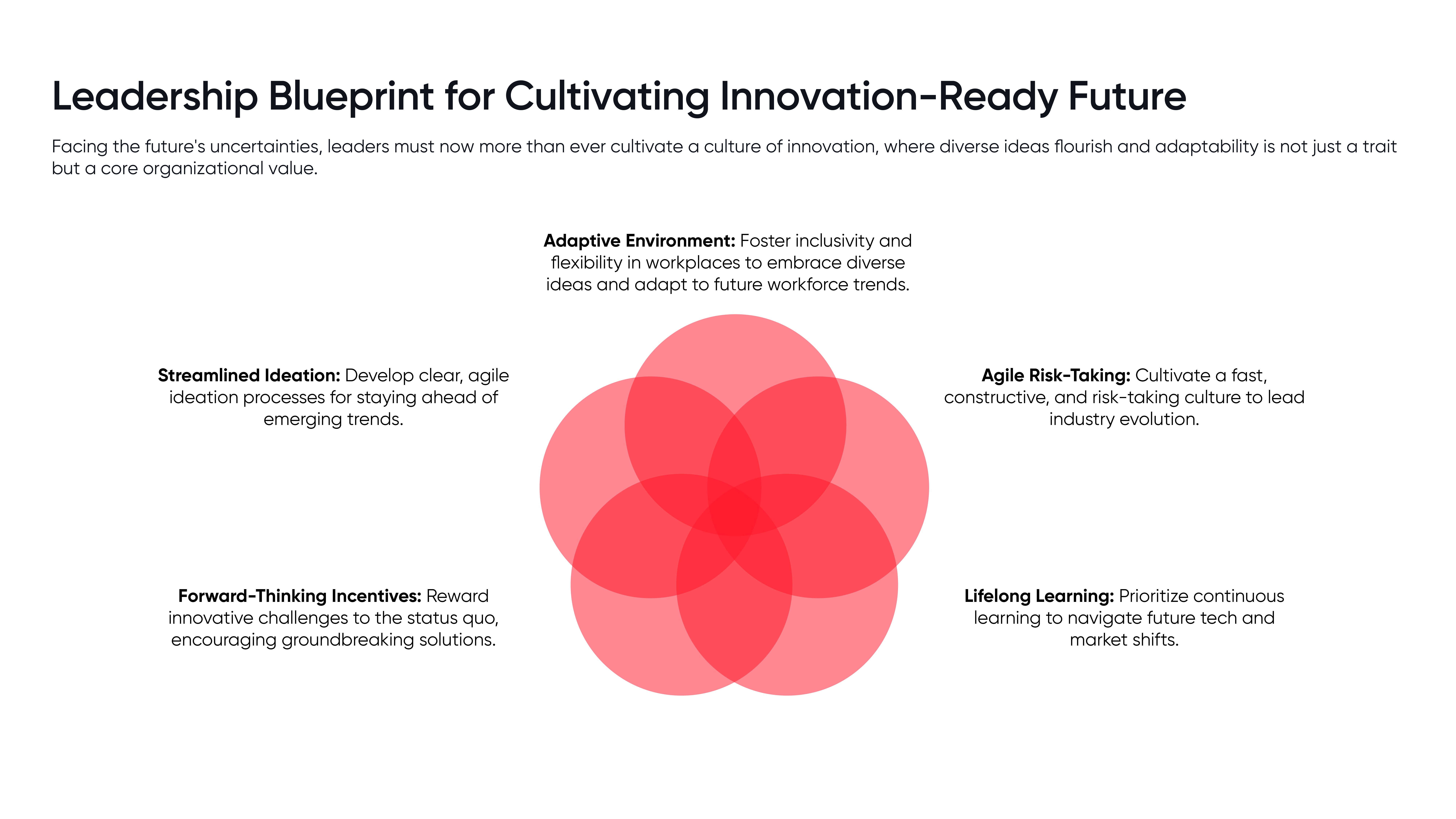
In an era of unprecedented change and uncertainty, the imperative for leaders to cultivate a culture of innovation has never been more pressing. Traditional business operation models are being disrupted unprecedentedly, necessitating a shift towards a more agile and adaptable approach. A culture of innovation encourages the exploration of diverse ideas and instills a mindset of continual adaptation and evolution. It goes beyond mere tolerance of change; it embraces change as a fundamental aspect of organizational identity.
In such a culture, adaptability becomes ingrained as a core organizational value, enabling teams to respond effectively to emerging challenges and capitalize on new opportunities. By fostering an environment where innovation thrives and adaptability reigns supreme, leaders can position their organizations to survive and thrive in an uncertain future.
Agile Risk-Taking
Cultivating a culture characterized by agility, constructive feedback, and a willingness to take risks is paramount. Speed is not just desirable; it’s essential. Innovation cycles are continually accelerating, and organizations must act swiftly to seize emerging opportunities and maintain a competitive edge. By fostering a culture that values speed and agility, leaders empower teams to make decisions rapidly, adapt to changing market dynamics, and capitalize on new trends.
Moreover, cultivating a constructive culture where feedback is embraced as a tool for growth fosters continuous improvement and innovation. Employees feel empowered to experiment, knowing that failures are viewed as opportunities for learning and growth rather than as setbacks. This mindset encourages creativity, risk-taking, and the pursuit of bold ideas that have the potential to drive industry evolution forward.
Adaptive Environment
Creating an adaptive environment fosters inclusivity and flexibility within workplaces to embrace diverse ideas and adapt to future workforce trends. Inclusivity ensures that all voices are heard and valued, regardless of background or perspective. By fostering a culture of inclusivity, organizations can tap into the full spectrum of talent and creativity within their teams, leading to more innovative solutions and approaches.
Flexibility is equally crucial in creating an adaptive environment. As the nature of work continues to evolve, organizations must adapt to shifting workforce trends, such as remote work, flexible schedules, and alternative work arrangements. By offering flexibility in how, when, and where work is done, organizations can attract and retain top talent while also promoting employee satisfaction and productivity.
Together, inclusivity and flexibility form the foundation of an adaptive environment that enables organizations to thrive in the face of uncertainty and change. By embracing diverse ideas and accommodating evolving workforce needs, organizations can position themselves for long-term success in an ever-changing world.
Forward-Thinking Incentives
Forward-thinking incentives are instrumental in fostering a culture of innovation and encouraging groundbreaking solutions that challenge the status quo. By rewarding innovative challenges, organizations inspire employees to think outside the box, take calculated risks, and push the boundaries of what is possible.
These incentives can take various forms, such as recognition programs, monetary rewards, career advancement opportunities, or even dedicated time and resources for pursuing innovative projects. By aligning incentives with the organization’s strategic goals and values, leaders reinforce the importance of innovation and signal their commitment to supporting and rewarding creative thinking.
Forward-thinking incentives create a sense of excitement and motivation among employees, driving engagement and fostering a culture where innovation is celebrated and encouraged. By recognizing and rewarding individuals and teams who dare to challenge convention and pursue bold ideas, organizations reinforce the message that innovation is valued and essential for long-term success.
Lifelong Learning
Prioritizing continuous learning allows individuals to stay up-to-date of the latest technological advancements, ensuring they remain relevant and competitive in their fields. By continuously updating their knowledge and acquiring new skills, professionals can adapt to changing market demands and seize new opportunities as they arise.
Furthermore, organizations that prioritize lifelong learning foster a culture of innovation and agility. Employees are encouraged to explore new ideas, experiment with innovative solutions, and contribute fresh perspectives to the organization’s growth. This culture of learning not only enhances employee engagement and retention but also equips the organization with the agility needed to respond effectively to shifting market dynamics.
Streamlined Ideation
Streamlined ideation processes are indispensable for staying ahead of emerging trends in today’s dynamic business environment. Organizations can foster a culture of innovation and responsiveness by developing clear and agile ideation processes, enabling them to identify and capitalize on emerging opportunities swiftly.
Clear ideation processes provide structure and direction, guiding teams through the brainstorming and idea-generation phase efficiently. This clarity ensures that everyone understands the objectives and parameters of the ideation process, leading to more focused and productive sessions.
Agility in ideation processes allows organizations to adapt quickly to changing circumstances and market shifts. By embracing iterative approaches and rapid experimentation, teams can test ideas, gather feedback, and refine their concepts in real-time. This flexibility enables organizations to stay nimble and responsive, seizing opportunities as they arise and mitigating risks effectively.
A leadership blueprint for cultivating an innovation-ready future is essential in today’s rapidly changing business landscape. By embracing the above-mentioned key principles, organizations can position themselves for sustained success in an uncertain future. Visit us here to learn more.
In today’s India, characterized by high economic growth, enabling leaders to maximize their potential becomes paramount. This is not just about individual success but about fostering a thriving ecosystem where organizations and their people can truly flourish.
This article evaluates the deeper impacts of “mindful leadership” and explores how it empowers managers to become effective “For All Leaders“ ultimately creating a more meaningful and fulfilling workplace experience for everyone.
The Need for “For All Leadership”
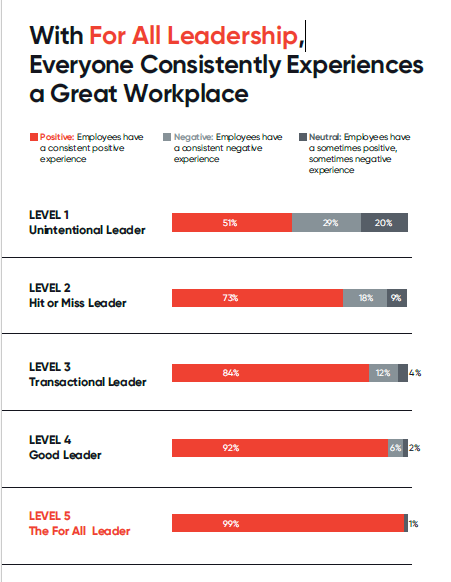
Our India’s Best Companies To Work For (Top 100) report reveals a compelling statistic: For All Leadership, on average, results in 62% more employees finding meaning in their jobs, making a difference, and creating a better future. This highlights the profound impact a leadership style focused on inclusivity and equity can have on employee engagement and overall company well-being. However, achieving this ideal requires a mindful approach to leadership.
Mindfulness Empowers Leaders
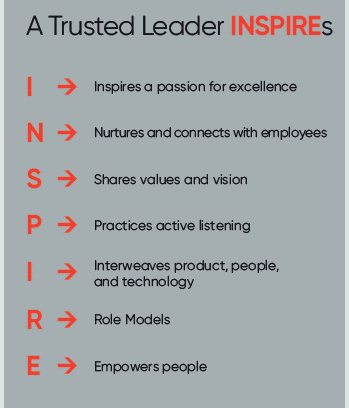
So, what is mindful leadership? It goes beyond simply having good intentions. It’s about cultivating a state of awareness and presence that allows leaders to become more self-aware, emotionally intelligent, and empathetic. This translates into several key benefits for both leaders and their teams:
Enhanced decision-making: By being present and able to objectively analyze situations, mindful leaders can make sounder judgments that consider diverse perspectives and lead to better outcomes.
Improved communication: Active listening and clear communication are cornerstones of mindful leadership, fostering trust and open dialogue within teams.
Greater resilience: Mindful leaders are better equipped to manage stress and navigate challenging situations with composure and clarity.
Increased self-awareness: By acknowledging their own biases and limitations, mindful leaders can set aside assumptions and approach situations with greater objectivity.
Enhanced emotional intelligence: Mindful leaders are adept at recognizing and understanding their own emotions as well as those of others, fostering deeper connections and building stronger relationships.
The Impact of Mindful Leadership
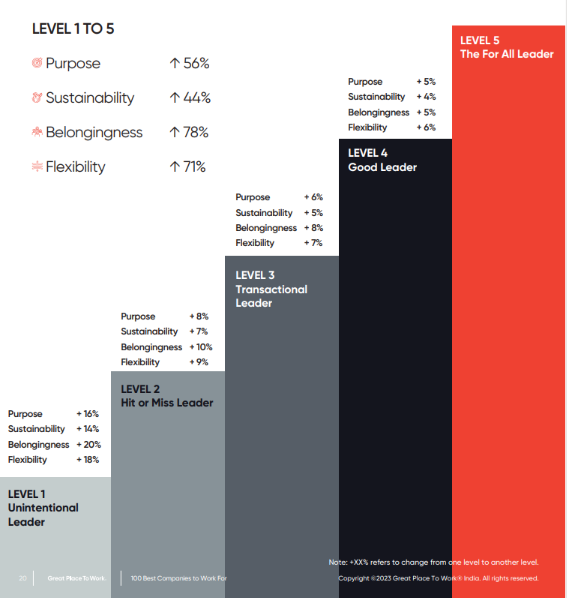
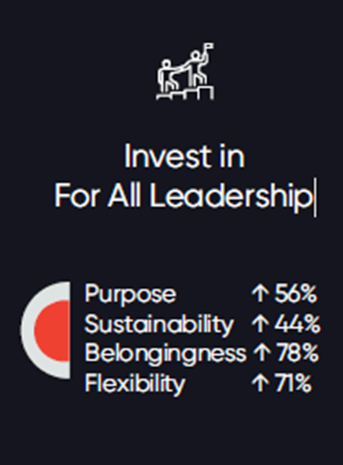
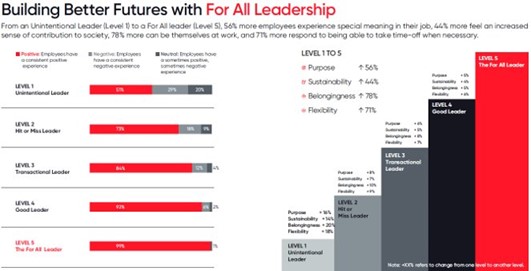
The positive impact of mindful leadership is evident in its transformative effect on employees. Studies show that when leaders transition from an unintentional style to a mindful one, employees experience significant improvements in their work experience:
56% more employees find special meaning in their jobs.
44% more employees feel a heightened sense of contribution to society.
78% more employees feel comfortable being themselves at work.
71% more employees find it easier to take necessary time off.
These figures paint a clear picture: mindful leadership empowers individuals, creating a work environment where purpose, self-expression, and well-being are prioritized.
Cultivating Mindful Leadership
The journey toward mindful leadership is not a linear one. It requires continuous learning and self-improvement. Here are a few practices that can help leaders cultivate mindfulness:
Meditation: Engaging in regular meditation practices can enhance focus and self-awareness.
Mindful breathing techniques: Taking a few mindful breaths in small intervals throughout the day can help manage stress and improve emotional regulation.
Active listening: Pay close attention while others speak, avoid interrupting, and demonstrate genuine interest in understanding their perspectives.
Journaling: Regularly reflecting on thoughts, feelings, and experiences can provide valuable insights and foster self-awareness.
Seeking feedback: Be open to feedback from colleagues and employees to identify areas for improvement and gain different perspectives.
The Future of Leadership
At Great Place To Work® India, we envision a future where biases are transcended, workplaces embody equity and inclusivity, and leaders champion For All Leadership. Mindful leadership serves as a key driver in this vision. By equipping leaders with the tools and practices to cultivate mindfulness, we can create a work world where everyone thrives, feels valued, and can contribute their best selves. Remember: The journey toward mindful leadership is a continuous one, filled with opportunities for learning and growth. Adopting this strategy enables leaders to surpass their own capabilities and enable their teams to attain remarkable achievements, creating a more meaningful and fulfilling
Today’s leaders are the backbone of successful organizations, guiding their teams through challenges, fostering innovation, and creating an engaging work environment. However, many organizations need help to develop the leadership skills necessary to tackle complex issues and reach their full potential.
In this blog post, we will explore the crucial role of leadership development strategies to help cultivate a team of influential leaders. We’ll delve into the benefits of investing in leadership development and offer a comprehensive framework for achieving meaningful and sustainable growth within your organization.
Why is Leadership Development Important?
Having effective leaders is crucial for the business. Our Report on India’s Best Companies To Work For™ showed that For All, Leadership, on average, results in 62% more employees finding meaning in their job, making a difference, and creating a better future. Leadership Development helps leaders and business in the following ways –
Empowers leaders to guide teams towards success: Effective leaders steer the ship, fostering innovation and driving positive change.
Ignites employee engagement: Strong leaders motivate and inspire, leading to higher productivity and satisfaction.
Ensures a smooth future: Developing future leaders guarantees a seamless transition and maintains organizational continuity.
Gives your organization a competitive edge: Leaders with the right skills can help you adapt and thrive in a dynamic business landscape.
Investing in leadership development is an investment in your organization’s future. It empowers leaders, engages employees, and sets the stage for long-term success.
Strategies for Effective Leadership Development:
Cultivating strong leaders isn’t just about potential, it’s about providing the right tools and opportunities. Here are some key strategies to unlock effective leadership development within your organization:
Empowering Continuous Leadership Development
Foster a learning environment where leaders are motivated to improve their skills and embrace new knowledge continuously. Establish a formal structure, such as workshops, training courses, or mentoring programs, to facilitate ongoing skill development and knowledge acquisition. Create an environment where both managers and employees feel comfortable taking the initiative in pursuing growth opportunities and tackling challenging projects.
Clarify Potential Career Paths
Building a solid leadership pipeline requires helping individuals envision their future within the organization. This can be achieved through various strategies:
Career MappingWorkshops: Organize workshops that help leaders identify their strengths, values, and aspirations. These sessions can then guide them in exploring various career paths that align with their unique profiles within the organization.
Leadership Development Programs: Implement multi-level leadership development programs that equip leaders with skills and expose them to diverse leadership roles and responsibilities. This broadens their understanding of career possibilities and allows them to identify roles that resonate with their interests and goals.
Mentorship and Sponsorship Connections: Connect leaders with experienced mentors and sponsors who can offer guidance and insights into leadership career paths. Their personal experiences and perspectives can provide valuable information about other roles, their requirements, and the potential career trajectory of each path.
Internal Job Shadowing Programs: Facilitate internal job shadowing opportunities where leaders can observe and learn from individuals in different leadership roles. This firsthand experience clarifies the day-to-day responsibilities and required skills for various leadership positions.
By implementing these strategies, organizations can empower leaders to map their potential career paths, fostering engagement, motivation, and long-term commitment to their professional development and the organization’s success.
Provide More Micro-Development Opportunities
Beyond micro-learning, fostering leadership development requires experiential opportunities. By participating in organizational events, networking gatherings, short-term projects, and committee positions, individuals gain a realistic understanding of leadership in action and build essential skills and confidence. They “walk the walk” of leadership, learning through practical projects and honing communication, collaboration, and decision-making abilities. These experiences cultivate a sense of accomplishment and self-belief, empowering future leaders to tackle demanding projects and obligations confidently. This combination of knowledge and real-world expertise creates a comprehensive development program, equipping individuals for seamless transitions and strengthening your leadership pipeline for long-term success.
Identify Emerging Leaders
Leadership Excellence cultivates a culture of continuous improvement, develops strong leaders, attracts top talent, delivers on promises, and demonstrates integrity, driving organizational success and inspiring employee confidence. Hence, it is imperative to nurture the existing leadership excellence organizations may have.
Building a robust leadership pipeline demands proactively identifying emerging leaders within your organization. Utilize performance management systems that assess leadership potential alongside objective leadership development assessment tools. Foster a culture of observing talent across departments, looking for individuals who consistently demonstrate initiative and inspire others. Finally, invest in employee engagement initiatives to create an environment where potential leaders feel empowered to showcase their talents. This multi-pronged approach ensures you unveil hidden potential, paving the way for a future filled with capable and driven leaders.
Determine Skills Gaps and Anticipate Company’s Needs
Building future-proof leadership requires addressing the skills gap. This involves conducting skills gap analyses to identify areas for development based on the organization’s evolving needs. Additionally, monitoring industry trends and competitor landscapes uncovers emerging leadership competencies. By proactively designing and implementing development programs to address both the identified skills gap and anticipated future needs, organizations ensure their leaders possess the necessary skills to navigate future challenges and drive long-term success.
Investing in leadership development strategies is crucial for organizational success, employee engagement, and fostering a pipeline of future leaders. Organizations can cultivate a strong and effective leadership team by implementing a comprehensive framework that emphasizes individual needs, diverse learning methods, and continuous feedback. Visit us here to learn more.
In the dynamic landscape of India’s pharmaceutical and healthcare realm, a subtle yet influential metamorphosis is underway—a transformation not only driven by groundbreaking medical advancements but also by a fundamental revolution in how work is approached. The integration of technology and flexible work models is ushering in a new era in patient care, where empowerment and innovation dance hand in hand, promising a brighter future for healthcare professionals and patients alike.
The Pulse of Progress: General Trends in Flexible Work Models
As per the insightful revelations from India’s Best Workplaces™ in Pharmaceutical, Healthcare, and Biotech 2023 report, flexibility emerges as a robust pillar, standing tall in comparison to other sectors. A striking 81% of employees within these industries revel in the flexibility of their workplace, a resounding acknowledgment of the adaptability required by healthcare professionals who navigate unique and demanding circumstances.
What’s even more remarkable is the shared sentiment among 82% of employees—a belief that individuals daring to explore new and improved ways of doing things, irrespective of the outcome, are celebrated. This cultural shift towards embracing experimentation resonates deeply with the industry’s commitment to growth and advancement.
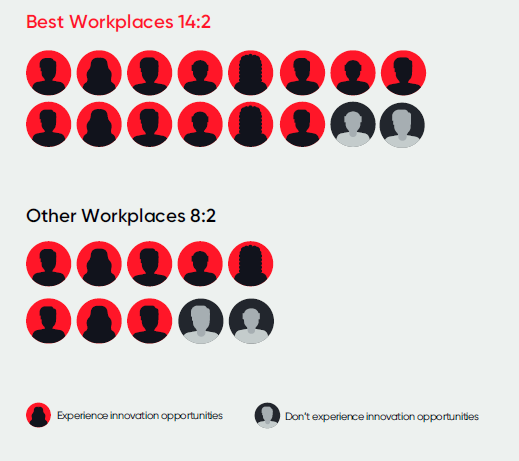
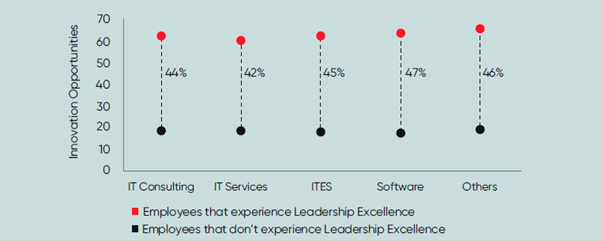
Diving into the data reveals a significant 44% of employees expressing a strong belief that they encounter abundant innovation opportunities within their workplace. This signals a departure from the traditional norms of the healthcare sector, showcasing a proactive approach towards fostering creativity and originality.
Diagnosing Success: Insights from Workplace Dynamics
Beyond the surface, the data unveils profound correlations between flexible work models, employee satisfaction, and organizational success.
Firstly, companies fostering an environment where employees feel positive about taking time off boast a noteworthy 10% higher retention rate. In an industry grappling with the constant specter of burnout, recognizing and encouraging personal time emerges as a strategic move toward maintaining a dedicated and motivated workforce. Secondly, the undeniable link between innovation opportunities and positive organizational perception emerges. Employees encountering a myriad of innovation opportunities at work showcase a remarkable 25% higher positive perception regarding their organization as a great workplace. This aligns with the understanding that a dynamic and creative work environment not only retains talent but also attracts new, forward-thinking professionals.
Prescribing a Future: The Leadership Imperative
As leaders within the pharmaceutical and healthcare sectors, it is imperative for organizations to recognize the symbiotic relationship between flexible work models and innovation. Nurturing an environment that values experimentation and provides room for unconventional thinking is the key to propelling the industry forward.
Encourage a culture where failures are not seen as setbacks but rather as stepping stones toward progress. Encourage an environment where each team member feels empowered to offer their own viewpoints by rewarding creativity and honoring those who dare to challenge the status quo.
Investing in technology that facilitates seamless collaboration and communication, transcending physical boundaries, is crucial. The ability to work flexibly shouldn’t compromise efficiency; instead, it should enhance it.
Let’s embrace the transformative potential of flexible work models as we discuss the complex healthcare landscape. By doing so, we not only empower our caring hands but also catalyze a wave of innovation that will redefine the future of patient care in India. The prescription for success lies in the hands of leaders committed to fostering a workplace where flexibility and innovation intertwine, creating a healthier, more resilient industry for generations to come.
In this symphony of progress, the harmony between flexible work models and innovative thinking will be the anthem that echoes across the corridors of healthcare, reshaping the destiny of patient care in India. The future promises a healthcare landscape where flexible work models not only enhance the well-being of professionals but also contribute significantly to elevating patient outcomes and experiences.
In the vibrant tapestry of India’s corporate sphere, a profound evolution is underway, redefining workplace culture as we know it. It’s not just about the bottom line anymore; it’s about embodying values that drive success and sustainability. In this journey of transformation, three powerful trends stand out – Inclusion, Innovation, and Purpose. These aren’t just trends; they are the pillars upon which the future of work will stand. Let’s explore how these elements are shaping the landscape of organizations and steering them toward a brighter and more meaningful future.
Inclusion: A Steady Climb Towards Diversity
Diversity and inclusion are no longer mere catchphrases; they are the lifeblood of thriving workplaces. Recent statistics from our reports reveal a promising surge, with 28% of employees now representing historically excluded groups (HEGs). HEGs refer to employees belonging to historically excluded groups such as Women, Persons with Disabilities, the LGBTQIA+ community, Employees who have joined after a career break, and many other underrepresented groups. This data signifies not just progress but a seismic shift towards fostering workplaces that mirror the diverse fabric of our society.
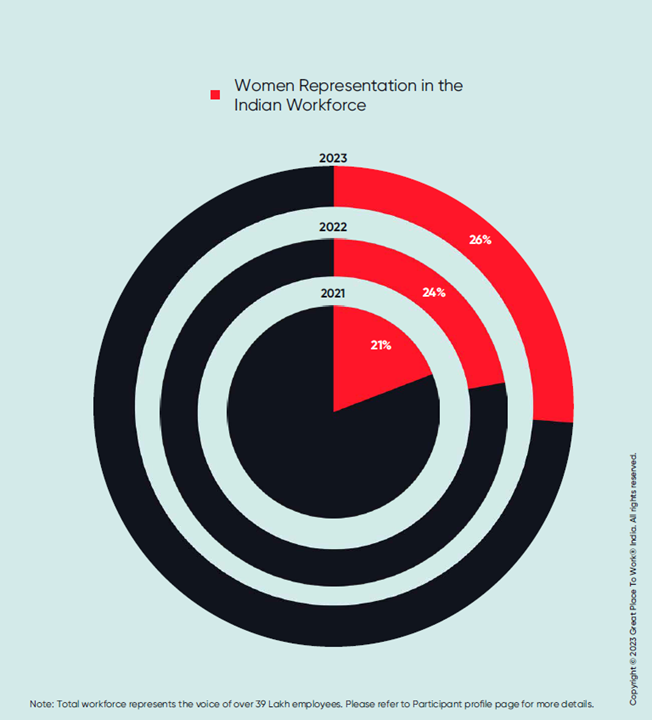
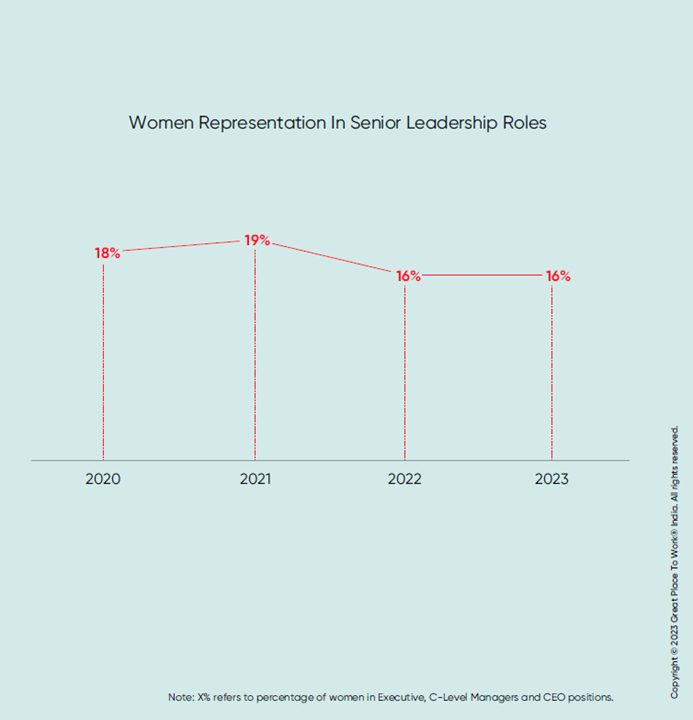
The upward trajectory is evident in the rising representation of women in the workforce. Over the past three years, the percentage has steadily climbed from 21% in 2021 to a commendable 26% in 2023. However, a gender gap persists at the upper echelons, with only 16% of women holding executive, C-level, and CEO positions. This dichotomy emphasizes the urgent need for concerted efforts to dismantle barriers and ensure equal opportunities for all.
The symbiotic relationship between inclusion and innovation becomes even more apparent when we delve into the data. Organizations championing diversity, equity, and inclusion are not just checking boxes; they are creating environments conducive to continuous learning, growth, and experimentation. Innovation flourishes where there’s a culture that encourages risk-taking, learning from mistakes, and collaboration. The statistics speak volumes – employees in organizations fostering inclusion exhibit an impressive 18% higher rate of innovation compared to their counterparts.
Innovation: The Edge of Best Workplaces
In the ever-shifting landscape of business, innovation is the secret sauce that propels organizations to greatness. Best Workplaces, characterized by a culture of innovation, don’t just survive; they thrive. Employees in such environments aren’t just cogs in a machine; they are torchbearers of creativity and progress. These workplaces don’t just boast an 18% higher rate of innovation; they cultivate an atmosphere where every individual experiences an 8% greater level of personal inspiration to contribute groundbreaking ideas.
Establishing an inclusive environment that encourages risk-taking, values multiple viewpoints, and supplies the resources needed for ongoing development and innovation is crucial for organizations that want to be at the forefront. As the late Steve Jobs aptly put it, “Innovation distinguishes between a leader and a follower.”
Purpose: The North Star of Organizations
As we gaze into the future, it becomes evident that purpose will be the North Star guiding successful organizations. Purpose isn’t a lofty ideal confined to mission statements; it’s the essence woven into the DNA of every thriving entity. A staggering 85% of employees in 2023 acknowledge the significance of their work beyond a paycheck. This underscores the growing desire for fulfillment and purpose in professional lives.
For leaders, embracing purpose isn’t just a strategic move; it’s a moral imperative. The call to action is clear: make Diversity, Equity, Inclusion, and Belonging (DEIB) a core value. Lead by example, invest strategically in DEIB, appoint a Chief Diversity Officer, and use robust metrics to gauge effectiveness.
Your Call to Action as a Leader:
1. Make DEIB a core value; lead by demonstrating its importance in your actions.
2. Invest strategically in DEIB and appoint a Chief Diversity Officer or DEIB task force.
3. Use robust metrics and KPIs to assess DEIB effectiveness, regularly adjusting strategies based on data.
4. Build a culture that actively seeks and values ideas from all levels of your organization.
5. Ensure every voice is heard and has the space to make an impact, fostering a sense of belonging and diversity of thought.
6. Cultivate an environment where attempts at innovation are recognized, regardless of the outcome.
Integrate Purpose into the Heart of Your Business Strategy:
1. Ensure that every role has clarity in how it contributes to the broader mission, giving employees a sense of fulfillment and direction.
2. Regularly communicate how your organization’s work impacts the community and the environment, reinforcing a shared sense of purpose.
3. As a leader, embody the values you advocate. Your commitment to purpose should be evident in both strategy and daily interactions.
4. Encourage initiatives that allow employees to engage with and contribute to causes they care about.
Embracing the Future
These three tenets—Inclusion, Innovation, and Purpose—are more than just fads; they are the driving forces behind the future of work. As leaders, it’s not just our responsibility; it’s our privilege to champion these ideals, creating workplaces where diversity flourishes, innovation thrives, and purpose drives every action. Together, let’s set out on this significant path to create a future in which working is a rewarding and purpose-driven effort rather than merely a means to an end. As we embrace these trends, we don’t just secure the success of our organizations; we contribute to a brighter and more inclusive future for all.
In the complex tapestry of administrative leadership, a prevailing issue demands our attention—the stark gender disparity entrenched in leadership roles. This concern is notably conspicuous in India, where female leaders often find themselves assessed against male leadership benchmarks. The gender gap isn’t confined to any specific sector but is particularly pronounced in the educational landscape. As we navigate the intricate layers of this issue, it is paramount to shed light on the statistics that underscore the gravity of gender disparity.
The Current Landscape:
A research article from the Journal of the International Society for Teacher Education reveals a disquieting reality—only 35% of academics in India are women, and an even smaller fraction ascend to leadership positions. These figures not only depict a gendered imbalance in educational leadership but also reflect broader societal norms perpetuating such disparities.
According to the 2023 Gender Social Norms Index (GSNI) report by the United Nations Development Programme (UNDP), gender bias is a pervasive global problem. The GSNI quantifies biases against women in key dimensions—political, educational, economic, and physical integrity. Alarmingly, close to 9 out of 10 individuals, regardless of gender, harbor fundamental biases against women. The report reveals that nearly half of the global population believes men make better political leaders, and two out of five people perceive men as more competent business executives than women. These biases persist across various regions, income levels, and cultures, underscoring the global nature of this issue.
Despite increased awareness and efforts to address gender inequality, the UNDP’s Gender Inequality Index (GII) has remained stagnant since 2019. This lack of progress emphasizes the need for concrete actions to dismantle the systemic barriers hindering women’s progress in various spheres of life.
Corporate Landscape:
Shifting our focus to the corporate realm, the latest Women in the Workplace report from McKinsey for 2023 indicates modest gains in women’s representation throughout the corporate pipeline. However, the report highlights a persistent underrepresentation of women of color. According to the Insights from our India’s Best Workplaces for Women 2023 report, women’s evolving roles, skills, and contributions enrich corporate diversity, innovation, and success.
The representation of women in the corporate world has seen a positive trajectory, climbing from 21% in 2021 to 26% in 2023. Yet, the representation of women in executive, C-level management, and CEO positions in India has remained stagnant at 16% over the past two years, underscoring the urgent need for enhanced gender diversity in leadership roles.
Dismal Statistics:
Delving deeper into the numbers, we find that only 8% of CEOs in Indian organizations are women. Furthermore, a concerning statistic reveals that 31% of women lack female peers in senior leadership positions within their organizations. These figures illuminate the challenges that women face as they climb the corporate ladder, emphasizing the urgency of addressing gender disparities at the highest echelons of leadership.
Strategies for Change:
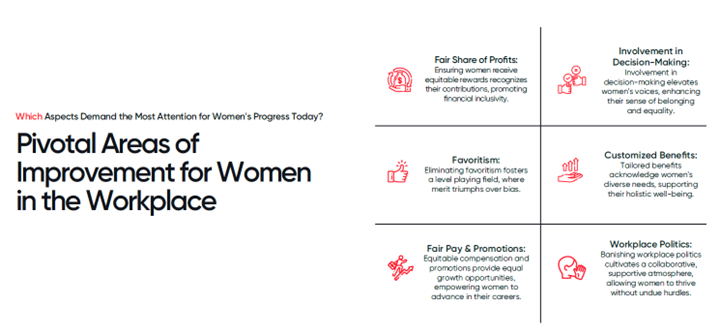
While many organizations actively pursue increased gender representation, true leaders in this endeavor recognize the importance of simultaneously prioritizing a positive and inclusive workplace experience for all female employees. To foster gender equity, organizations can adopt the following strategies:
1. Gender Proportionality Principle:
Implementing policies and practices that ensure gender proportionality across all levels of an organization, from entry-level positions to executive roles. This involves proactive recruitment efforts to balance gender representation.
2. De-bias Your Workplace:
Conducting bias training and fostering a workplace culture that actively challenges and dismantles gender biases, promoting an environment of inclusivity and equal opportunities. Organizations can invest in educational programs to raise awareness about unconscious biases.
3. Be Transparent About Wage Gaps:
Promoting transparency regarding salary structures and ensuring that gender wage gaps are addressed promptly. This transparency not only builds trust but also holds organizations accountable for pay equality. Pay audits regularly can assist in locating and addressing inequalities.
4. Bring Flexibility to the Work Environment:
Recognizing and accommodating the diverse needs of a workforce by introducing flexible work hours and remote work options. This not only aids in work-life balance but also dismantles traditional gender roles. Organizations can establish flexible policies that support employees in balancing professional and personal responsibilities.
5. Embrace Non-Linear Career Paths:
Encouraging and supporting non-linear career trajectories for employees, especially women. Acknowledging that career progression may not always follow a linear path and creating opportunities for individuals to grow and advance at their own pace. This involves mentoring programs, skill development initiatives, and policies that allow for career breaks and re-entry.
6. Invest in Leadership Development Programs for Women:
Establishing targeted leadership development programs for women to equip them with the skills and confidence needed to advance in their careers. This entails training courses, coaching, and mentorship that are specifically designed to meet the special difficulties that women in leadership encounter.
7. Promote Inclusive Decision-Making Processes:
Actively involving women in decision-making processes at all levels of the organization. This includes creating diverse leadership teams, ensuring representation on boards, and seeking input from women in strategic initiatives.
As we unveil the gender disparity in Indian leadership, it becomes evident that systemic changes are imperative for creating a more equitable future. The statistics paint a sobering picture, emphasizing the urgent need for organizations and society at large to address these disparities head-on. By adopting proactive strategies, fostering inclusivity, and challenging ingrained biases, we can pave the way for a future where leadership is truly diverse, representative, and reflective of the rich tapestry of talent that exists in our society.
It is not just a call for change; it is a call for a transformation that transcends gender and propels us toward a more inclusive and equitable future. The journey toward gender equality in leadership is a collective responsibility requiring sustained efforts from individuals, organizations, and policymakers. As we move forward, let us strive for a reality where every individual, irrespective of gender, has the opportunity to contribute and thrive in leadership roles, shaping a world where diversity is celebrated, and equality is not just a goal but a lived reality.
Earn Certification
The Certification Advantage: Why Partner with Great Place To Work®
How partnering with Great Place To Work® can strengthen your people strategy, and drive business outcomes through data-driven insights and Certification.