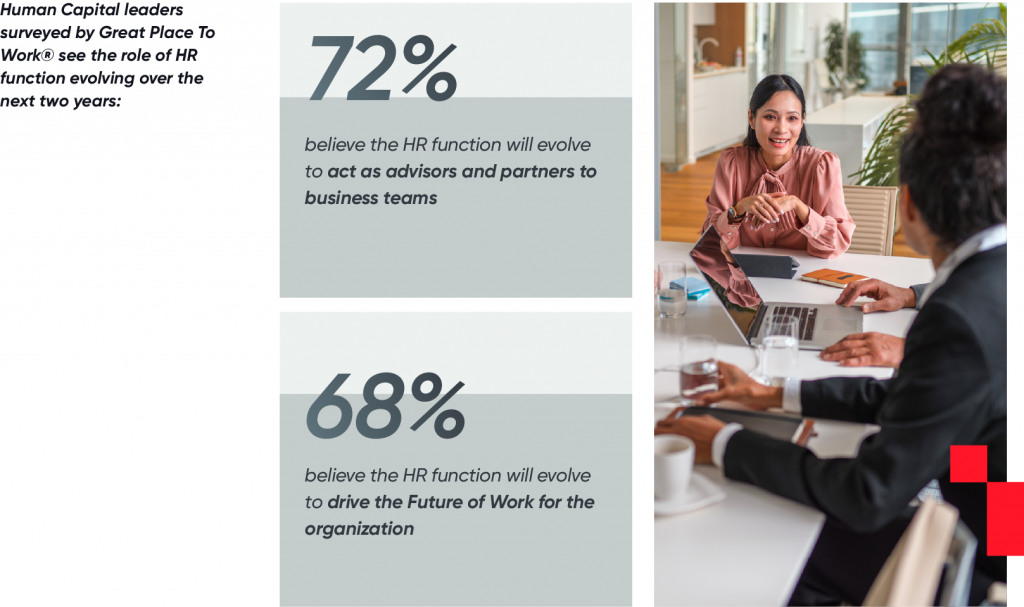
As organizations look to navigate the challenges and opportunities that come with the evolving business landscape, human capital leaders look to position themselves as strategic advisors and partners to the business functions and the organizational leadership and drive the future of work for the organization.
However, for the talent function to be perceived as a value driver beyond an enabling function, human capital leaders will need to rise above tactical aspects of talent management and prioritize building proactive, forward-looking strategies that can help businesses not only solve their people-related needs but also prepare the organization for challenges barely visible on the horizon.
Seeing the big picture – Four key areas of focus
The complex task of building the workplace of tomorrow falls on the human capital leaders of today, and it will by no means be easy. To be a source of sustainable competitive advantage for their organization, talent management teams will need to step up their game in the coming years by prioritizing four critical areas.
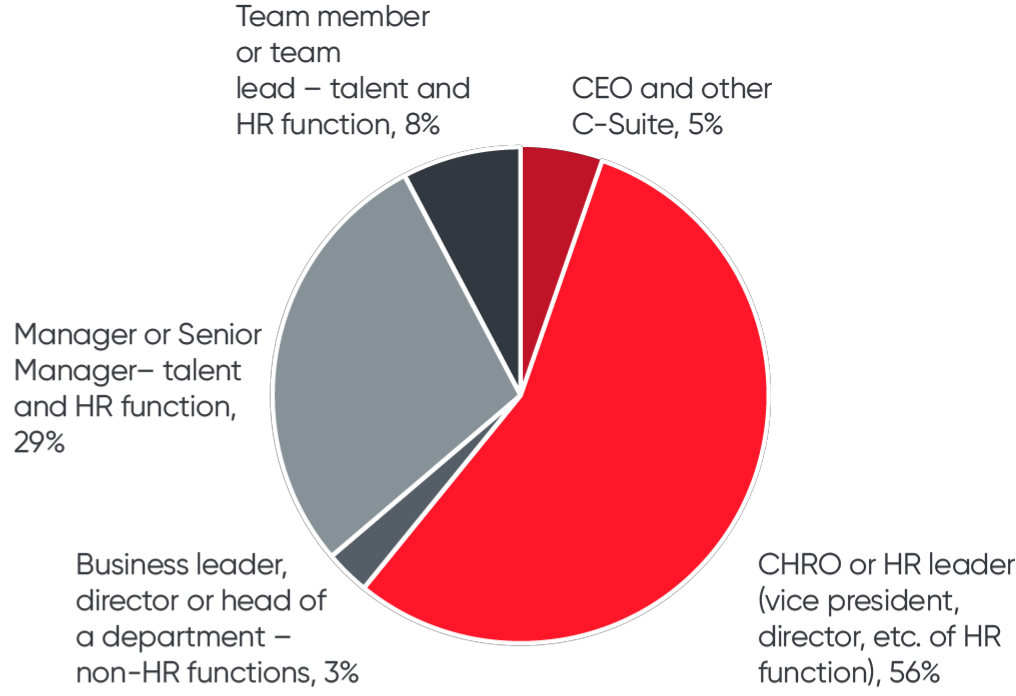
The Great Place To Work Voice of Human Capital Leaders Survey 2025 received 200+ responses from CEOs, CHROs, senior leaders and experts in talent management across
As celebrated on January 26, International Day of Clean Energy marks the founding date of the International Renewable Energy Agency (a global intergovernmental agency). The objective of this day is to raise awareness, advocate clean and renewable energy sources, and unite all stakeholders to help advance the sustainability mission. This, however, is a very recent phenomenon for the world; before the 1800s (before the Industrial Revolution), humans mainly relied on biomass as an energy source.
Clean Energy Initiatives in India
For India, the clean energy movement has taken significant attention in the last few decades, and it remains a topic of high importance and priority. In alignment with the clean energy transition, India became one of the first countries to set up a Ministry of Non-conventional Energy Sources (Ministry of New and Renewable Energy (MNRE) in 1992. Since then, many initiatives have been launched to advance energy transition to achieve net zero by 2070 and meet 50% of electricity needs from non-fossil sources by 2030. Solar energy has grown at a 36.5% CAGR, while investments in EVs, wind energy, and other energy storage systems total billions annually.
SEBI’s recent directive of mandating the top 250 listed companies to give disclosures on ESG metrics for their value chain partners in annual reports from the financial year 2024-25 has become a significant indicator of India’s more prominent role in clean energy. Today, Deloitte India’s ESG Preparedness 2023 survey shows that 88% of Indian businesses believe sustainability regulations will impact their operations, and nearly 90% think ESG reporting boosts brand reputation. However, only 27% feel well-prepared to meet ESG requirements.
Need for leaders to build trust
Going ahead, for a promising path to net zero, a significant transition is essential. This involves Indian companies embedding sustainability into core strategies, driving innovation through green technologies, and improving climate disclosures to secure green financing.
Similarly, with the population as the most remarkable growth driver, India will need the collective effort of its entire workforce to drive action and propel the future toward clean energy goals. Companies must keep their employees engaged and motivated to address challenges, devise solutions, and succeed in the energy transition.
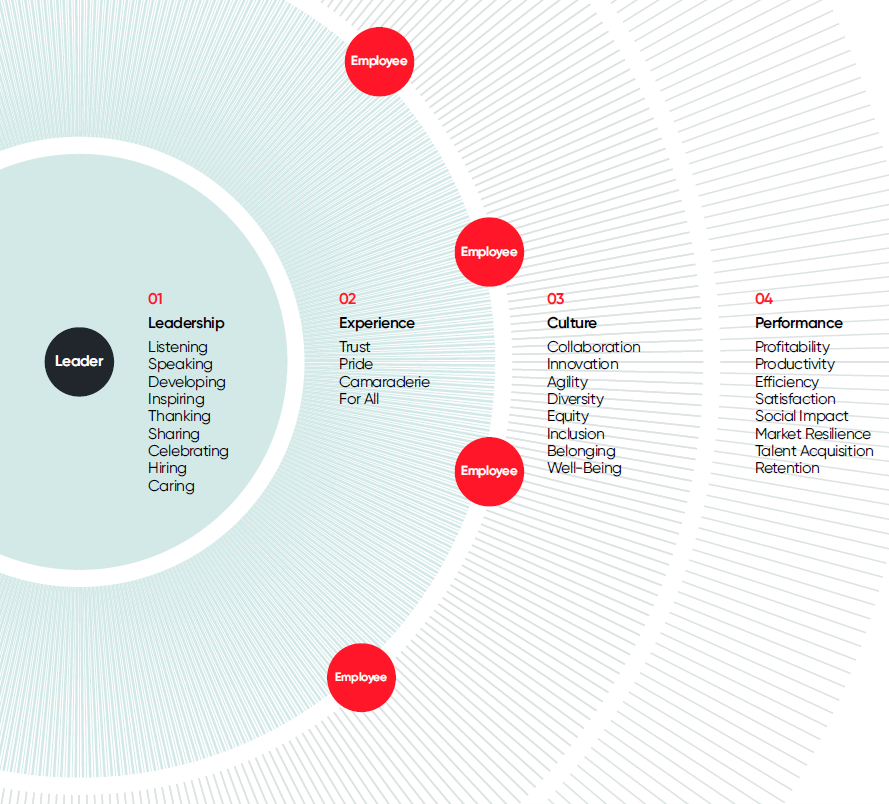
Leaders, too, must evolve alongside reshaping themselves to transform businesses for the better. Thus, success in every endeavour may eventually hinge on leaders’ ability to build trust, which lies at the core of the relationship between leaders and employees. Great Place To Work® India research, based on responses from over 200+ leaders from the industry roundtable, suggests that the biggest foundational challenge in creating a great employee experience is in establishing a unique environment that fosters trust.
With a strong foundation of trust, leaders will find it easier to make people move the needle on sustainability. Top employers, as measured by employee satisfaction and attractiveness to talent, have significantly higher ESG scores than their peers. Employers with highly satisfied employees score higher on ESG performance (14 percent higher) than global average employers.
Likewise, enabling trust empowers leaders to create a spirit of pride and camaraderie. When all employees experience trust, it fosters an environment of innovation and drives financial success. Both are critical to finding new, sustainable solutions and ensuring the necessary financial resources to scale the clean energy transition. Hence, to meet sustainability goals, organizations need leaders to build workplace trust.
Establish a Sustainability Ambassador program where employees volunteer to champion environmental initiatives within the company. These ambassadors can lead projects, raise awareness, and drive engagement in sustainability practices.
Develop ERG-driven Innovation Labs
Set up Innovation Labs where employee resource groups can propose and develop projects contributing to the company’s ESG objectives. Provide resources, mentorship, and funding for the best ideas to bring them to fruition.
Implement a Stakeholder Collaboration Approach
Move beyond traditional stakeholder management to a more collaborative approach for stakeholder acceptance of ESG goals. This involves employees, customers, suppliers, communities, and the environment in decision-making.
Get Certified to Showcase Your Commitment
AchievingGreat Place To WorkCertification™ is an excellent way to demonstrate your organization’s commitment to employees’ overall well-being and experience. This Certification not only enhances your employer branding but also helps attract and retain top talent. It highlights to current and prospective employees that your organization values their overall well-being, fostering an environment where they feel appreciated and supported.
By implementing a culture of trust, respect, and collaboration, you can create a workplace where employees feel valued and connected. Certification also provides a benchmark for continuous improvement, helping you identify areas where you can further enhance employee well-being and overall workplace culture.
For All Summit Mumbai 2025: Vision to Value – Building Workplaces That Matter
Join us on February 6, 2025, in Mumbai for an enlightening day filled with insights on creating sustainable, humane, and inclusive workplaces. Learn from industry leaders about purpose-driven cultures, innovative HR practices, and adaptive leadership strategies.
Millennials, born between 1981 and 1997, make up 67% of today’s workforce, making them the largest generation represented in professional environments. As this cohort advances in their careers, they’ve grown to embody a variety of roles beyond traditional expectations. Millennials navigate a unique work-life balance, managing responsibilities that extend beyond the office, from spearheading projects and leading teams to caregiving for family members and even raising children. Their influence is seen across all levels of organizations, where they shape not only their own career paths but also the cultures and policies around them. This blog explores the multifaceted roles as described in Great Place To Work®’s India’s Best Workplaces for Millennials 2024, how millennials juggle both professionally and personally, and how companies can support them effectively.
Millennials in the Workplace
Millennials’ impact within organizations spans multiple levels, reflecting their desire for growth, fair compensation, and a sense of purpose:
As Individual Contributors
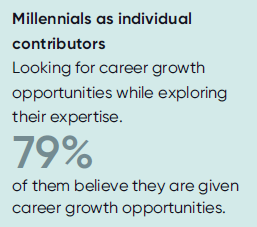
Younger millennials, often newer in their careers, are driven by opportunities for career growth and skills advancement. For many, fair pay and equitable treatment are essential motivators, with 79% of millennials in top workplaces affirming they receive meaningful career growth opportunities. This group seeks clarity in job roles, support for developing their expertise, and a workplace that encourages them to take ownership of their progress and contributions.
As Team Leads
Many millennials are now stepping into leadership roles where they not only manage projects but also mentor younger colleagues, fostering a collaborative and supportive team environment. With 80% of millennials stating they are offered training and development opportunities, they’re equipped to cultivate these skills and support their teams effectively. In these roles, they value transparency, inclusivity, and continuous learning, qualities that resonate with both their peers and their subordinates.
Entering the Boardroom
As more millennials ascend to senior leadership positions, they bring fresh perspectives to strategic decision-making. A notable 84% of millennials in these workplaces feel supported in their leadership development, indicating that the best workplaces for millennials invest significantly in their growth potential. These roles allow millennials to shape the culture, priorities, and values of their organizations from a top-down approach, fostering inclusive and innovative practices.
Personal Aspects of Millennial Life
Outside of their professional roles, millennials continue to navigate a wide range of responsibilities and lifestyle choices that require them to balance personal aspirations with family obligations:
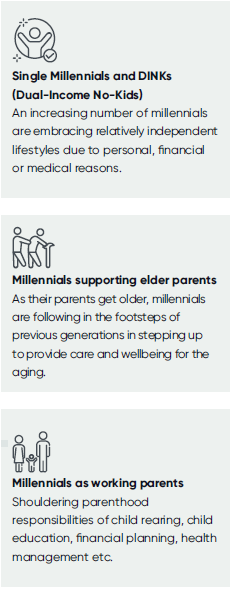
Supporting Elder Parents
Much like previous generations, many millennials take on the responsibility of supporting aging parents, providing emotional, physical, and financial care as needed. This role often entails coordinating healthcare, managing household needs, and offering companionship, adding an additional layer of responsibility beyond their careers. Companies that offer flexibility and understanding around these responsibilities empower millennials to fulfill these familial roles without compromising their career ambitions.
Living Independently
A growing segment of millennials, including single individuals and DINKs (Dual-Income No-Kids), are embracing independent lifestyles. These millennials are often highly career-focused and may prioritize financial independence or personal growth over traditional family roles. With fewer familial obligations, they may seek out opportunities that provide both personal freedom and professional development. Workplaces that respect these lifestyle choices by offering flexible working options, remote work, and support for work-life balance often see higher engagement from these employees.
Working Parents
For those millennials who have children, balancing parenthood with professional demands is a critical part of their daily lives. They manage a variety of responsibilities, from child-rearing and education to healthcare and financial planning. Millennials in this role value workplace policies that support family life, such as parental leave, flexible work hours, and health benefits that extend to dependents. By accommodating these needs, organizations can help working parents feel valued and supported, allowing them to stay fully engaged in both their personal and professional roles.
What Best Workplaces Offer Millennials
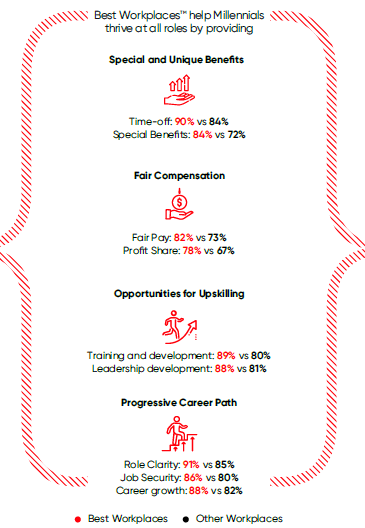
Millennials thrive in workplaces that recognize their diverse needs and offer comprehensive support for their professional and personal growth. The best workplaces for millennials provide several key benefits that align with their expectations:
Unique Benefits
Millennials appreciate companies that go beyond standard benefits by offering perks that address their lifestyle needs. Paid time-off, flexible work schedules, and in-house childcare are highly valued, as these benefits allow millennials to balance work with family or personal obligations. Additional offerings like wellness programs, mental health support, and even gym memberships demonstrate an organization’s commitment to supporting employees’ overall well-being.
Fair Compensation
Millennials want to feel that their hard work is rewarded fairly. In the best workplaces, 74% of millennials believe they are fairly compensated for their efforts. In addition to competitive pay, these companies also provide profit-sharing programs that allow employees to share in the organization’s success. Fair compensation is not just about pay; it reflects a culture of respect and value, where employees feel recognized and appreciated.
Opportunities for Growth
Career development is a priority for millennials, who seek roles that provide both stability and advancement potential. The best workplaces offer high levels of training, development programs, and clear career paths that encourage millennials to grow within the organization. By providing structured learning opportunities and transparent promotion criteria, these companies foster a culture of continuous growth. With 79% of millennials reporting they receive meaningful career growth opportunities, these workplaces prove that investing in employee development pays off.
Millennials represent a generation that’s reshaping the workplace through their varied roles and unique priorities. By understanding and addressing the full spectrum of their needs, both personal and professional, organizations can create environments that enable millennials to thrive. This will not only benefit the millennials themselves but also foster a more inclusive, resilient, and productive workplace.
Get Certified to Showcase Your Commitment
AchievingGreat Place To Work Certification™ is an excellent way to demonstrate your organization’s commitment to employees’ overall well-being and experience. This Certification not only enhances your employer branding but also helps attract and retain top talent. It highlights to current and prospective employees that your organization values their overall well-being, fostering an environment where they feel appreciated and supported.
By implementing a culture of trust, respect, and collaboration, you can create a workplace where employees feel valued and connected. Certification also provides a benchmark for continuous improvement, helping you identify areas where you can further enhance employee well-being and overall workplace culture.
For All Summit Mumbai 2025: Vision to Value – Building Workplaces That Matter
Join us on February 6, 2025, in Mumbai for an enlightening day filled with insights on creating sustainable, humane, and inclusive workplaces. Learn from industry leaders about purpose-driven cultures, innovative HR practices, and adaptive leadership strategies.
Today, the role of people managers has never been more critical. As organizations evolve, leaders who effectively manage people are seen as catalysts for innovation, growth, and employee engagement. But what sets apart the truly exceptional leaders? It comes down to mastering the art of connecting with employees, fostering their development, and inspiring them toward a shared vision. This is encapsulated in the Connect, Develop, Inspire framework, which outlines the essential qualities that drive successful leadership.
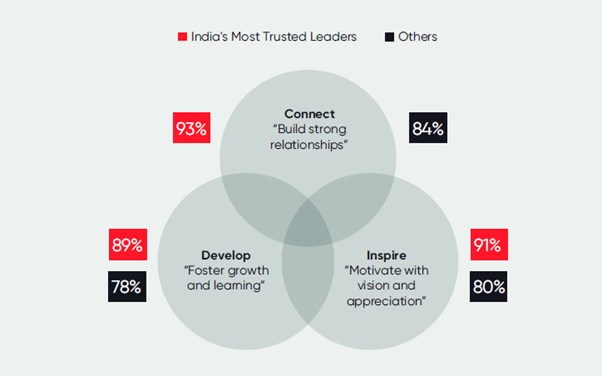
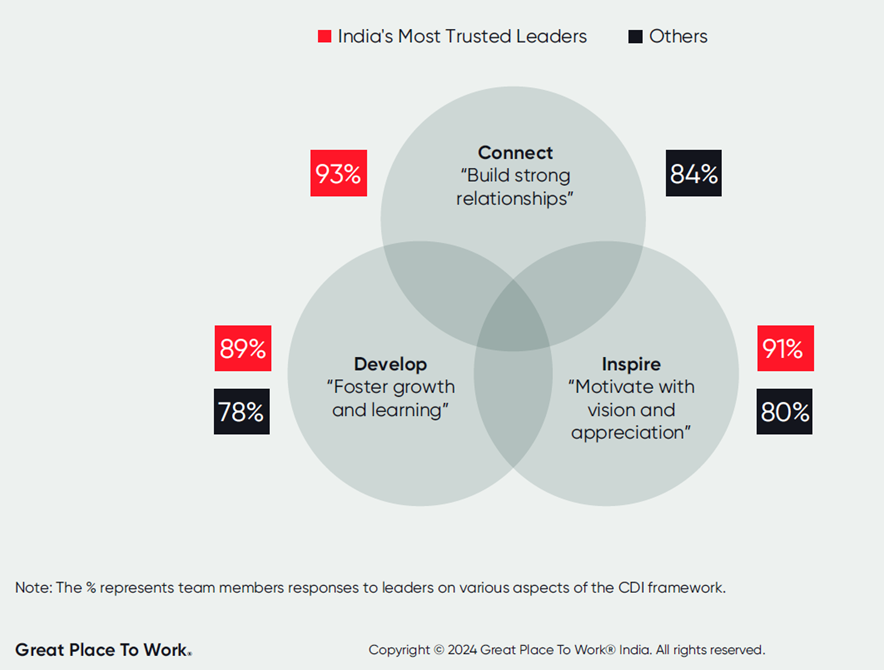
According to our India’s Most Trusted Leaders Report 2024, leadership focuses on three pillars – Connect, Develop, Inspire. These attributes help leaders build trusting relationships, nurture growth, and motivate teams to go beyond their limits. When managers adopt these behaviors, they create high-trust environments that empower employees to thrive both individually and collectively. Data shows that India’s most trusted leaders who embody these qualities score 9-11% higher in leadership effectiveness compared to their peers. This underscores the power of people management in fostering a culture where employees feel valued and engaged.
Connect: Building Relationships
In the context of leadership, “Connect” refers to a leader’s ability to establish meaningful relationships with their team members. Building strong connections is not just about understanding employees’ professional responsibilities but also acknowledging their personal aspirations and challenges. Leaders who take the time to connect with their employees create an environment of trust, mutual respect, and open communication.
Research highlights that 93% of employees working under trusted leaders feel a sense of connection. These connections enhance communication, reduce workplace stress, and ensure that employees feel seen and heard. For example, leaders can implement regular one-on-one meetings to understand individual challenges and provide support. Open-door policies also foster approachability, allowing employees to voice their concerns without hesitation.
Beyond formal practices, leaders who connect also demonstrate empathy and actively listen to their teams. Whether it’s recognizing personal milestones or offering constructive feedback, these small gestures foster loyalty and engagement. The data is clear: leaders who excel at building connections drive up to 50% higher productivity within their teams. Strong connections are the foundation upon which high-trust, high-performance cultures are built.
Develop: Fostering Growth
The “Develop” pillar of this framework focuses on a leader’s role in nurturing the growth and potential of their team members. Effective leaders understand that employee development is key to both individual and organizational success. When leaders invest in their employees’ professional growth, they not only enhance their skills but also increase job satisfaction and retention.
Developing employees can take many forms, from formal training programs to mentorship opportunities. Leaders should encourage continuous learning, offer feedback, and create environments where employees are challenged to grow. Providing growth opportunities ensures employees feel valued and aligned with the company’s long-term goals.
According to research, 89% of employees under trusted leaders report significant personal and professional growth. This is crucial in retaining top talent and preventing burnout. When employees feel they are progressing in their careers, they are more likely to stay with the organization and contribute meaningfully to its success. Furthermore, development-focused leadership aligns employees’ goals with those of the organization, fostering a shared vision and commitment to excellence.
Inspire: Motivating with Vision
“Inspire” represents the ability of leaders to elevate their teams by sharing a clear vision and motivating them to achieve greater heights. Inspirational leadership is crucial because it fosters an environment where employees feel connected to a purpose larger than themselves. When leaders inspire, they fuel team morale, encourage innovation, and boost overall performance.
Vision-driven leadership plays a pivotal role in inspiring teams. Leaders who communicate a compelling vision help employees see the broader impact of their work, giving them a sense of purpose. This connection to a shared goal energizes teams and instills confidence in their contributions. Whether through personal anecdotes or aligning daily tasks with long-term goals, inspiring leaders make work meaningful.
Leaders can inspire their teams by recognizing accomplishments, no matter how small, and celebrating successes. Public recognition of employees’ efforts, coupled with appreciation for their hard work, boosts morale and instils pride in their roles. For instance, personalized notes of thanks or public shoutouts during meetings can go a long way in fostering loyalty. Additionally, sharing stories of how employee contributions align with the organization’s mission further strengthens commitment.
Business Impact of Connect Develop Inspire Leadership
The abovementioned framework not only enhances team morale and engagement but also drives tangible business outcomes. Effective people management through Connect, Develop, and Inspire directly impacts productivity, innovation, and employee retention. When leaders connect with employees, they create a foundation of trust. When they develop their teams, they foster continuous growth and skills. When they inspire, they unlock employees’ full potential, leading to innovation and collaboration.
A high-trust environment, as fostered by leadership, is a significant differentiator in business success. Organizations that cultivate trust among their teams see a 50% increase in productivity and generate 2.5 times more revenue than low-trust workplaces. Moreover, leaders who consistently inspire their teams can achieve a 30% increase in innovation and a 25% improvement in customer satisfaction. This translates to a more agile, creative, and customer-focused organization.
Retaining top talent is another key benefit of Connect, Develop, and Inspire leadership. When employees feel connected to their leaders, see opportunities for growth, and feel inspired by the company’s mission, they are more likely to stay long-term, reducing costly turnover.
People managers who embody the Connect, Develop, and Inspire not only create a high-trust, high-performance culture but also drive lasting organizational success. These leaders form strong relationships with their teams, nurture their development, and motivate them with a clear vision, leading to increased productivity, innovation, and employee retention. By adopting these behaviors, leaders can transform their teams into engaged, purpose-driven workforces that contribute to sustained business growth.
Get Certified to Showcase Your Commitment
AchievingGreat Place To Work Certification is an excellent way to demonstrate your organization’s commitment to employees’ overall wellbeing and experience. This Certification not only enhances your employer branding but also helps attract and retain top talent. It highlights to current and prospective employees that your organization values their health, happiness, and overall wellbeing.
By implementing a culture of trust, respect, and collaboration, you can create a workplace where employees feel strong, healthy, and connected. Certification also provides a benchmark for continuous improvement, helping you identify areas where you can further enhance employee well-being and overall workplace culture.
For All Summit 2025: Vision to Value – Building Workplaces That Matter
Join us on February 6, 2025, in Mumbai for an enlightening day filled with insights on creating sustainable, humane, and inclusive workplaces. Learn from industry leaders about purpose-driven cultures, innovative HR practices, and adaptive leadership strategies.
The IT industry, a cornerstone of India’s economy contributes 7.5% to the country’s GDP. According to the Great Place To Work’s research report, despite its economic importance and technological advancements in areas like AI and deep tech, the industry has experienced a 1% drop in overall employee perception. This decline is primarily attributed to decreased camaraderie (-1%) and reduced sense of employee pride (-1%).
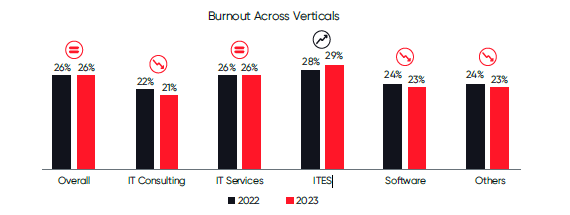
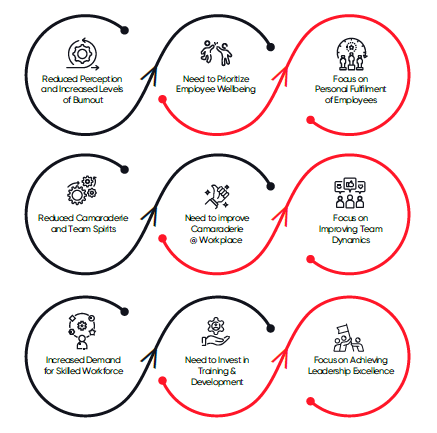
Burnout levels remain a concern, affecting 26% of employees across the industry. These challenges underscore the need for a strategic focus on three key areas:
1. Employee Wellbeing: Addressing the rising burnout risk and overall employee experience.
2. Workplace Camaraderie: Rebuilding team spirit in the era of hybrid work.
3. Leadership Excellence: Investing in upskilling to meet the growing demand for a skilled workforce.
By prioritizing these areas, IT companies can navigate the evolving landscape and foster a more engaged, productive workforce.
The Need for Prioritizing Employee Wellbeing
The IT industry faces a significant challenge with burnout, affecting 26% of employees across the sector. This rate remains stable from 2022 but exhibits an 8% variability across different verticals. Notably, the ITES vertical maintains the highest burnout levels at 29%, while IT Consulting sustains the lowest at 21%.
Interestingly, burnout levels vary across roles and genders. Supervisory roles report 5% more burnout than senior managerial roles. Among senior managers, females experience a 5% higher burnout rate than their male counterparts.
However, there’s a silver lining. Best Workplaces in the IT industry have 5% fewer employees experiencing burnout compared to other workplaces. This difference highlights the impact of effective wellbeing strategies on employee experience.
Strategies for improving employee wellbeing
Recognizing the importance of employee wellbeing, 77% of IT companies now track this crucial aspect. Over half (55%) use multiple methods to monitor employee wellbeing, indicating a growing commitment to comprehensive approaches.
Effective wellbeing strategies encompass physical, mental, and emotional aspects:
Physical Wellbeing: Initiatives may include fitness programs, ergonomic workspaces, and health check-ups.
Mental Wellbeing: Companies are implementing stress management programs, mindfulness sessions, and access to mental health professionals.
Emotional Wellbeing: Focus on creating a supportive work environment, fostering work-life balance, and providing employee assistance programs.
First American (India)’s Wellbeing Initiative
First American (India) (FAI) exemplifies a successful approach to employee wellbeing through their ‘Swasthya’ program. This holistic initiative offers support across emotional, physical, and financial dimensions:
Wellness Corner App: Conducts health assessments and provides online consultations.
Tranquil App: Aids in mindfulness and stress management.
Hybrid Work Model: Ensures flexibility at work.
Focus Group Discussions: Assess well-being, encourage feedback via anonymous surveys, and result in transparent action plans.
This multi-faceted approach has contributed to FAI’s recognition as one of India’s Best Workplaces™ in IT & IT-BPM for five consecutive years, demonstrating the positive impact of prioritizing employee wellbeing.
Fostering Workplace Camaraderie
The IT industry has experienced a 1% drop in the Camaraderie dimension, reflecting a concerning trend in workplace relationships and team cohesion. This decline is particularly significant as it contributes to the overall 1% decrease in employee perception across the industry.
The impact of this decline is far-reaching, affecting not only employee satisfaction but also productivity, innovation, and overall organizational performance.
Fostering Workplace Camaraderie
To address the camaraderie challenge, IT companies are implementing various strategies:
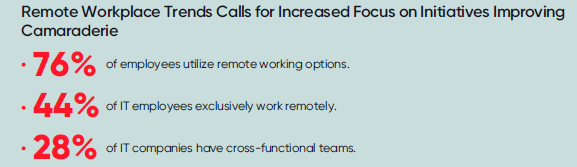
1. Cross-functional teams: 28% of IT companies have embraced cross-functional teams, fostering collaboration across departments and enhancing team spirit.
2. Remote work initiatives: With 76% of employees utilizing remote working options
3. Emphasis on communication: Implement clear communication channels and encourage open dialogue among team members.
Case study: Aristocrat’s Camaraderie Initiatives
Aristocrat, recognized as one of India’s Best Workplaces in IT & IT-BPM, has successfully fostered camaraderie through several innovative programs:
ShapeShifters Team: Drives engagement with creative online and offline programs for bonding, leadership connections, CSR activities, and honoring support staff.
Power Plays Platform: Encourages celebrating colleagues’ values-driven achievements, equipped with redeemable awards and e-cards.
Friday Box-Office Sessions: Led by subject specialists, these sessions promote discussions, self-growth, empathy, and team camaraderie through films on sensitive topics.
As a result of these initiatives, Aristocrat reports a 7% higher positive sentiment in the dimension of Camaraderie compared to the IT & IT-BPM industry average. Over 80% of employees have been recognized at least once through their peer-to-peer recognition platform, fostering morale, engagement, and positive workplace dynamics.
The growing demand for skilled workforce
The IT industry is experiencing a surge in demand for advanced digital skills, particularly in emerging technologies like AI, Data Science, Cloud Computing, and Cyber Security. This trend is driven by:
Rapid technological advancements: The industry’s shift towards advanced technologies like Quantum Computing, Blockchain, and AR/VR.
Global competition: India’s position as a hub for tech talent with global delivery capabilities.
Future projections: By 2028, India’s digital talent gap in the tech industry is expected to increase 2.8-fold, reaching around 28-29%, with demand exceeding 6 million professionals.
This growing demand underscores the critical need for continuous upskilling and leadership development in the IT sector.
Investing in training and development
Recognizing the importance of a skilled workforce, IT companies are making significant investments in training and development:
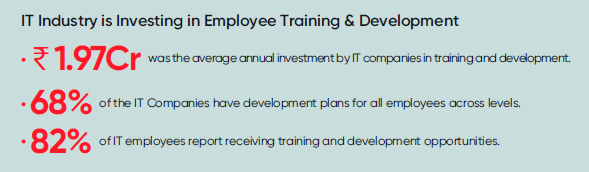
Widespread training opportunities: 82% of IT employees report receiving training and development opportunities, reflecting a strong industry-wide commitment to upskilling.
Substantial financial investment: The average annual investment by IT companies in training and development is ₹1.97Cr, demonstrating the sector’s dedication to nurturing talent.
Developmental Plans: 68% of IT Companies have development plans for all employees across levels.
LatentView Analytics’ S.T.E.P. Program
LatentView Analytics exemplifies leadership excellence through its S.T.E.P. (Stride Towards Excellence Program) initiative:
Objective: Cultivate future analytics leaders over a two-year comprehensive program.
Implementation
Intensive training focusing on business leadership, analytics consulting, and thought leadership
Candidate selection identifying potential leaders
Leadership group mentorship involving experienced leaders
Focus on personal and professional excellence
Impact
Prepares a new generation of skilled analytics leaders
Boosts understanding of business dynamics and strategic decision-making
Enhances essential leadership skills for team and growth management
Significantly contributes to LatentView’s growth and innovation in analytics
This case study demonstrates how targeted investment in leadership development can drive organizational success and foster a culture of continuous improvement and innovation.
The Interconnected Nature of These Focus Areas
Employee Wellbeing, Workplace Camaraderie, and Leadership Excellence are deeply interconnected, creating a powerful synergy that drives organizational success. When employees feel cared for, they are more likely to form strong relationships with colleagues, reducing burnout and fostering team cohesion.
This camaraderie, in turn, enhances Leadership Excellence by creating a supportive environment that nurtures emerging leaders and promotes better communication and mentoring. Skilled leaders further reinforce Employee Wellbeing by addressing concerns effectively and fostering trust and psychological safety.
These interconnections significantly impact key organizational metrics:
Employees experiencing personal fulfilment, a key aspect of wellbeing, are 1.7 times more likely to stay with their organization, and across verticals, this results in a 40% higher intent to stay.
Strong team dynamics, driven by camaraderie, lead to 1.6 times higher productivity, with a 36% higher perception of productivity levels.
Leadership Excellence is directly linked to innovation, with employees 3.5 times more likely to see innovation opportunities and a 45% higher perception of receiving these opportunities.
Together, these focus areas create a positive feedback loop, where improvements in one area catalyze enhancements in others, ultimately driving overall organizational performance.
These interconnected focus areas directly impact retention, productivity, and innovation. IT industry leaders must take decisive action to implement comprehensive strategies addressing these key areas, ensuring their organizations remain competitive and resilient in an ever-evolving landscape.
Get Certified to Showcase Your Commitment
Achieving Great Place To Work Certification is an excellent way to demonstrate your organization’s commitment to employees’ overall wellbeing and experience. This Certification not only enhances your employer branding but also helps attract and retain top talent. It highlights to current and prospective employees that your organization values their health, happiness, and overall wellbeing.
By implementing a culture of trust, respect, and collaboration, you can create a workplace where employees feel strong, healthy, and connected. Certification also provides a benchmark for continuous improvement, helping you identify areas where you can further enhance employee well-being and overall workplace culture.
Effective People Strategies is key to nurturing an organization’s diverse workforce. India’s leading mid-size workplaces are setting the standard by implementing effective people strategies that cater to their employees’ unique needs. These strategies not only foster inclusivity but also drive employee engagement and organizational success.
Why is there a need to address needs of a diverse workforce?
Fostering an inclusive workplace culture is not just a moral imperative but a strategic necessity. The 2024 report on India’s Great Mid-size Workplaces underscores this reality, revealing subtle yet significant shifts in employee sentiment across various demographic groups.
These trends signal a clear call to action for mid-size organizations. To maintain a competitive edge and foster a truly great workplace, companies must go beyond one-size-fits-all approaches and develop targeted people strategies that address each demographic group’s specific needs and concerns.
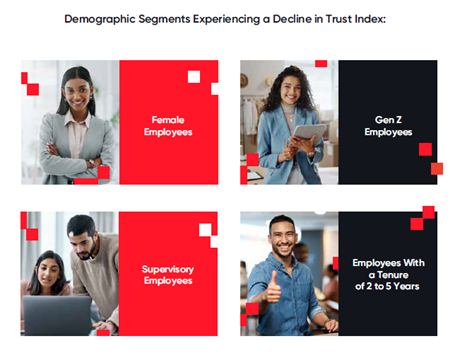
Addressing the Needs of Female Employees
The report on India’s Great Mid-size Workplaces 2024 reveals persistent challenges women face in the workplace. Despite progress in gender equality, female employees continue to experience significant gaps in key areas that impact their job satisfaction and career growth.
Specific Pain Points for Female Employees
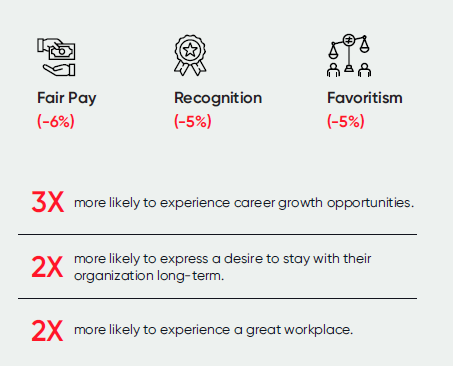
Fair Pay: The report indicates a 6% gap between women’s and men’s perceptions of fair pay. This discrepancy suggests that women feel undervalued in terms of compensation, which can lead to decreased motivation and engagement.
Recognition: There’s a 5% gap in how women perceive recognition for their work compared to their male counterparts. This lack of acknowledgment can hinder women’s sense of value and contribution to the organization.
Favoritism: The data shows a 5% difference in perceptions of favoritism, with women more likely to feel that certain employees receive preferential treatment. This can create a sense of unfairness and limit perceived opportunities for advancement.
Impact of Addressing These Issues
When these issues are addressed, women are 3x more likely to experience career growth opportunities.
The likelihood of women wanting to stay with their organization in the long term becomes 2x
Women become 2x more likely to say they experience a great workplace.
People practices from the Best Workplaces
Targeted Leadership Development: Companies like Brigade Enterprises Limited have implemented programs such as the “Jombay 1000 Women Leaders Program.” This initiative focuses on developing self-motivated women for leadership roles through a comprehensive 17-week program that includes assessments, masterclasses, mentoring, and networking opportunities.
Recognition and Growth Opportunities: Music Broadcast Limited (Radio City 91.1 FM) exemplifies how recognizing women’s achievements can drive engagement. As one female employee shared, “They encourage and support my professional growth, providing equal opportunities and recognizing my achievements. I’ve received three awards in just over a year, which proves they value good talent.”
Addressing the Needs of Gen Z Employees
According to our research report, this demographic, which makes up 17% of the workforce in the surveyed organizations, shows notably lower perceptions in key areas that drive workplace satisfaction and commitment.
Specific Pain Points for Gen Z Employees
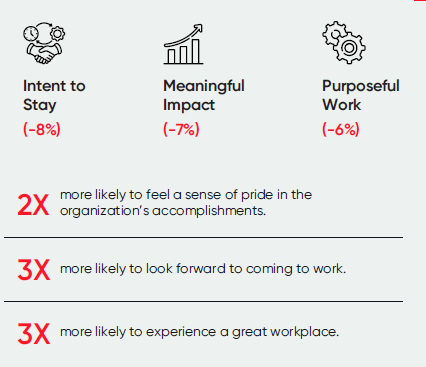
Meaningful Impact: The data reveals a 7% gap in Gen Z’s perception of making a meaningful impact through their work compared to other age groups.
Purposeful Work: There’s a 6% difference in how Gen Z employees view the purposefulness of their work relative to their older colleagues.
Intent to Stay: Most concerningly, there’s an 8% gap in Gen Z’s intent to stay with their current organizations long-term.
Impact of Addressing These Issues
Pride in Organization: Gen Z employees become 2 times more likely to feel a sense of pride in the organization’s accomplishments.
Work Enthusiasm: They are 3 times more likely to look forward to coming to work.
Overall Workplace Experience: Most importantly, Gen Z employees become 3 times more likely to experience their workplace as great overall.
People practices from the Best Workplaces
Purpose-Driven Culture: Companies like Acuiti Labs (India) Private Limited are emphasizing their broader social mission. As one Gen Z employee shared, “Acuiti Labs’ commitment to social responsibility shows our purpose beyond daily operations. This broader mission, combined with a supportive and innovative work environment, makes me proud to contribute to the company’s success.”
Addressing the Needs of Supervisory Employees
Supervisory Employees are individuals who play a crucial role in bridging upper management and frontline workers. They are experiencing notable declines in workplace sentiment across several key areas.
Specific Pain Points for Supervisory Employees
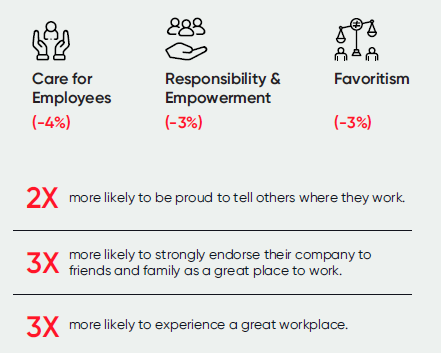
Employee Care: The report indicates a 4% gap in how supervisors perceive the organization’s care for employees compared to other roles.
Favoritism: There’s a 3% difference in supervisors’ perceptions of favoritism within the organization.
Responsibility & Empowerment: Supervisors show a 3% lower perception in areas related to responsibility and empowerment.
Impact of Addressing These Issues
Organizational Pride: Supervisors become 2x more likely to be proud to tell others where they work.
Advocacy: They are 3x more likely to strongly endorse their company to friends and family as a great workplace.
Overall Workplace Experience: Supervisors become 3x more likely to experience their workplace as great overall.
People practices from the Best Workplaces
Leadership Development Programs: Companies like Syngenta Services Private Limited have implemented comprehensive leadership academies offering specialized, self-paced learning journeys focusing on Digital Leadership and Innovation. This comprehensive leadership development initiative fosters skill growth, readiness for broader roles, and improved leadership effectiveness, driving organizational success.
Addressing the Needs of Mid-Tenured Employees (2-5 years)
The report also identifies specific challenges faced by employees who have been with their organizations for 2-5 years, a crucial retention and career development period.
Specific Pain Points for Mid-Tenured Employees
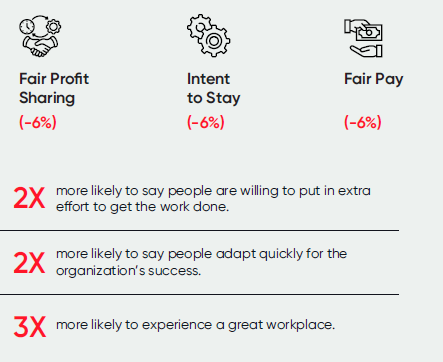
Intent to Stay: There’s a 6% lower perception among mid-tenured employees regarding their intent to stay with the organization long-term.
Fair Profit Sharing: The report shows a 6% gap in how mid-tenured employees view the fairness of profit sharing.
Fair Pay: This group perceives fair pay differently than other tenure groups, by 6%.
Impact of Addressing These Issues
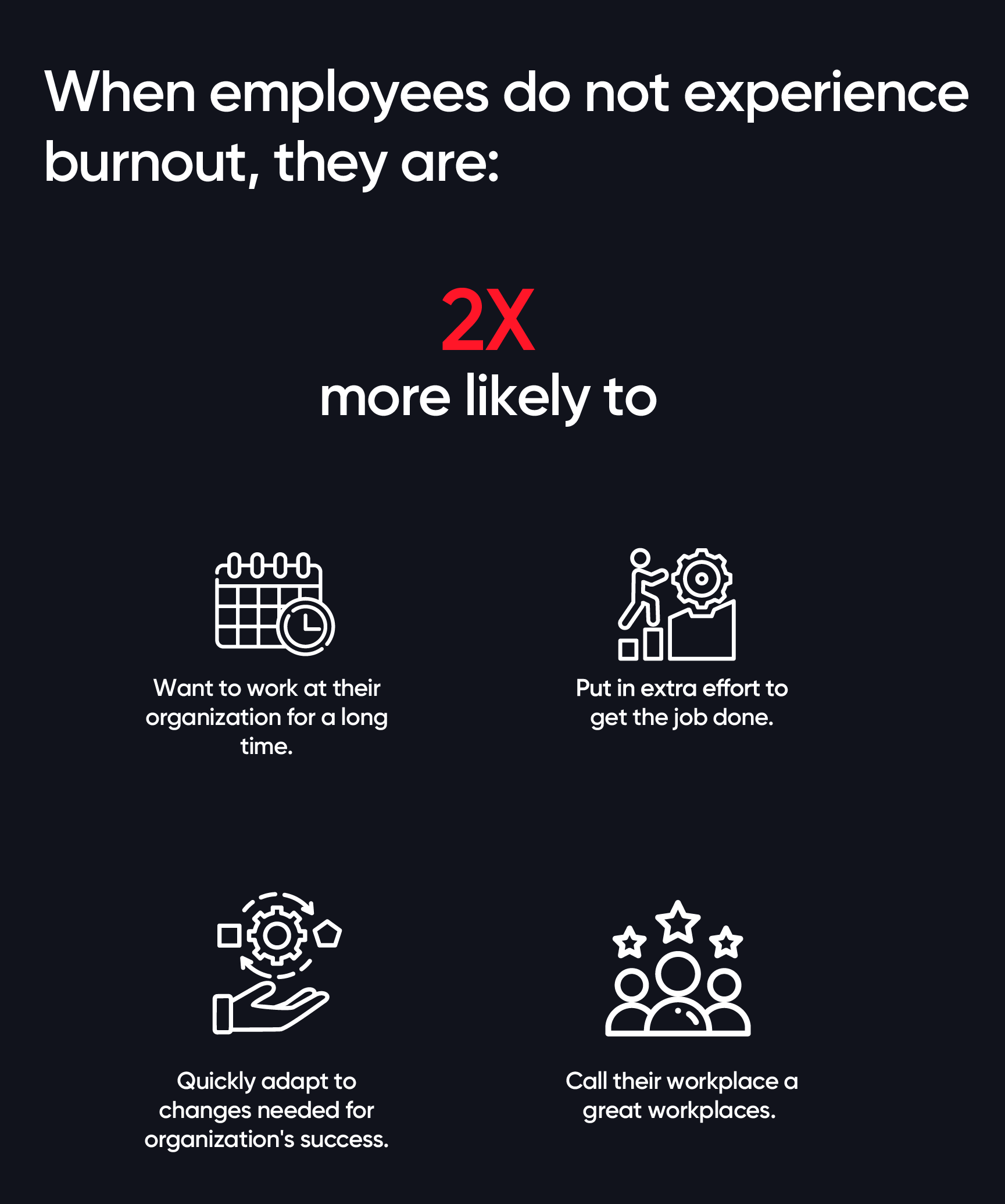
Discretionary Effort: Mid-tenured employees are two times more likely to say they are willing to put in extra effort to get the work done.
Adaptability: They are 2 times more likely to say people adapt quickly for the organization’s success.
Overall Workplace Experience: Mid-tenured employees become 3 times more likely to experience their workplace as great overall.
People practices from the Best Workplaces
Fair and Inclusive Practices: At Version 1 Services Private Limited, fairness and respect are at the core of our culture. As one mid-tenured employee noted, “Version 1’s commitment to recognition based on performance, along with fair profit sharing and pay practices, truly values our contributions. The supportive environment and open communication with management make this a great place to work.”
Addressing the diverse needs of employees through targeted People Strategies is crucial for any organization striving to maintain a competitive edge in today’s workplace. India’s leading mid-size companies are demonstrating that effective People Strategies are not just about implementing policies but about creating an environment where every demographic group feels valued and supported. As the workforce continues to evolve, so must the approach to people strategies—ensuring it remains agile, inclusive, and deeply attuned to every employee’s unique needs.
Get Certified to Showcase Your Commitment
Achieving Great Place To Work® Certification™ is an excellent way to demonstrate your organization’s commitment to the overall wellbeing and experience of employees. This Certification not only enhances your employer branding but also helps attract and retain top talent. It highlights to current and prospective employees that your organization values their health, happiness, and overall wellbeing.
By ensuring to implement a culture of trust, respect, and collaboration, you can create a workplace where employees feel strong, healthy, and connected. Certification also provides a benchmark for continuous improvement, helping you to identify areas where you can further enhance employee wellbeing and overall workplace culture.
In today’s competitive corporate landscape, the well-being of employees has become a top priority for leading organizations. Recognizing that their greatest assets are their people, India’s Best Employers Among Nation Builders have implemented exemplary practices that prioritize employee wellness. These initiatives cater to the holistic health of their employees, addressing physical, mental, and emotional well-being. By focusing on employee wellness, these companies create supportive and inclusive environments that foster productivity, engagement, and overall job satisfaction. In this blog, we will explore some of the outstanding initiatives implemented by India’s Best Employers Among Nation-Builders 2024.
Focus on DEIB & Women
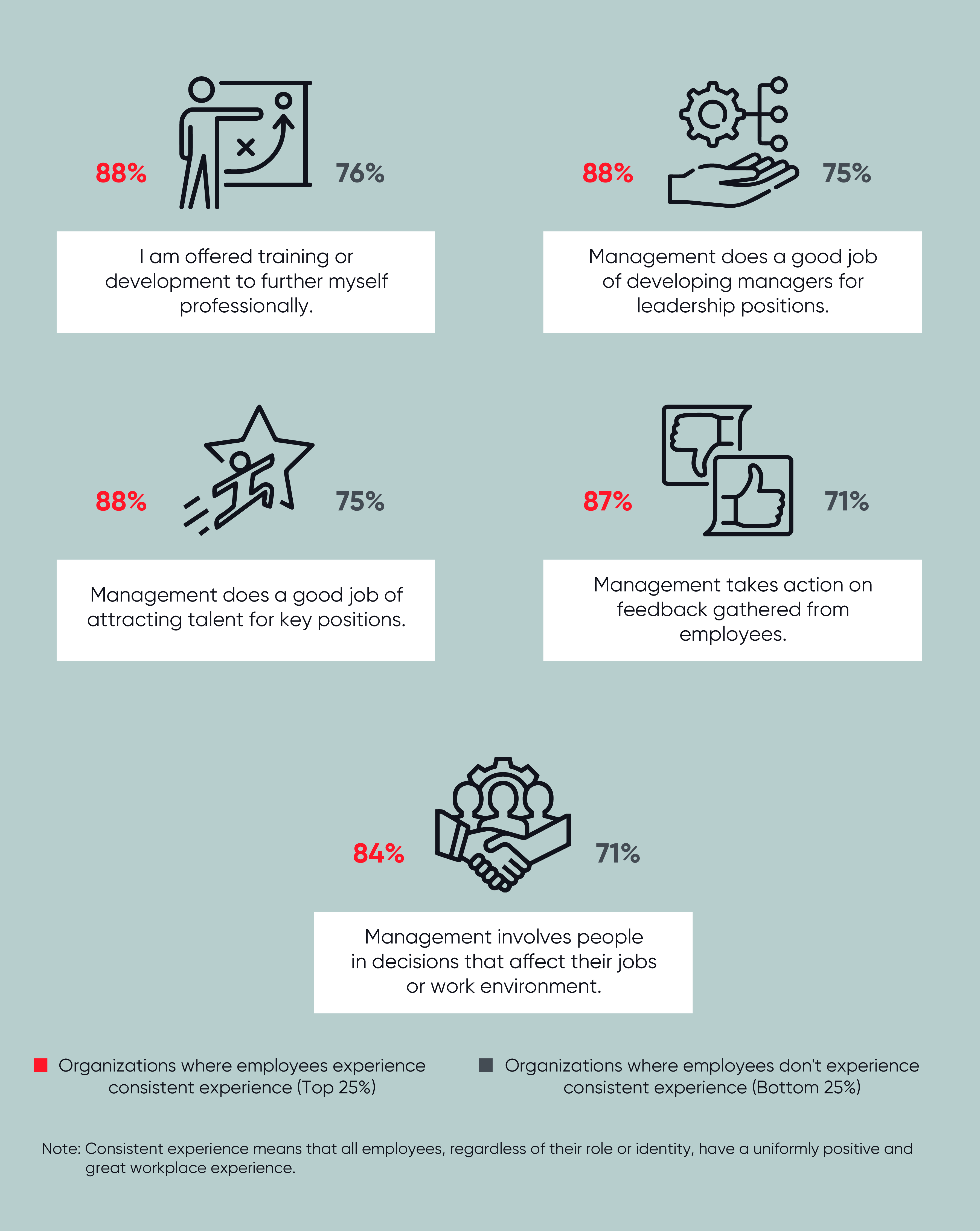
Diversity & Inclusion are essential for creating a workplace where every employee feels valued and empowered. India’s Best Employers Among Nation-Builders 2024 recognize the importance of Diversity, Equity, Inclusion, and Belonging (DEIB), particularly regarding the representation and support of women. These companies have made significant strides in ensuring that their DEIB initiatives are not just policies on paper but are actively implemented and fostered within their organizational culture. Prioritizing a ‘For All’ experience results in a 14% increase in employee perceptions, regarding professional & leadership development, employee involvement in decision-making.
These initiatives underscore the necessity for companies to make extra efforts towards DEIB and women’s inclusion. Creating dedicated forums for women to voice their concerns and aspirations, offering platforms that recognize and celebrate their achievements, and ensuring leadership support are critical components of these efforts. Such measures not only enhance the sense of belonging among women employees but also drive overall organizational success by leveraging the diverse perspectives and talents within the workforce.
CK Birla Group’s DEI Leadership Connect with Women
The CK Birla Group has implemented a unique initiative known as Diversity Dialogues. This interactive session brings DEI leaders together with all women employees of GMMCO, a CK Birla company, to discuss matters pertinent to women in the workplace. These quarterly meetings cover topics such as job enhancement opportunities, suggestions for workplace improvements, career growth exploration, and leadership support. By gathering inputs from these sessions and sharing them with the CK Birla Group’s DEI forums, the organization ensures that actionable steps are taken to address concerns and promote the interests of women employees.
JSW’s Springboard Initiative
JSW has introduced the Springboard initiative, which highlights the success stories of women within the organization. By showcasing the journeys of dynamic women who have made significant contributions to JSW, this initiative not only celebrates their achievements but also provides inspiration and practical tips for other women aspiring to break through the glass ceiling. These stories serve as powerful agents for peer-to-peer learning, fostering a culture of encouragement and empowerment among women employees.
Focus on Work-Life Balance
Maintaining a healthy work-life balance has become crucial for the well-being and productivity of employees. Work-life balance refers to the equilibrium between professional responsibilities and personal life, allowing employees to pursue personal interests and spend quality time with their families. Companies that prioritize work-life balance tend to have more engaged, satisfied, and loyal employees, which ultimately contributes to the organization’s success.
Achieving a good work-life balance is essential for several reasons. Firstly, it is crucial for mental and physical health, as overworking can lead to stress, burnout, and various health issues, while a balanced lifestyle helps reduce stress and maintain overall health. Secondly, employees who can balance their work and personal lives are generally more productive and perform better at work, as they are more creative and motivated.
Additionally, companies that support work-life balance are more likely to retain their employees, leading to high retention rates that save costs associated with recruitment and training. Lastly, a supportive work environment that promotes work-life balance increases employee satisfaction and morale, contributing to a positive workplace culture.ife balance increases job satisfaction and morale, leading to a positive workplace culture.
Steel Authority of India (SAIL)’s Shorter Working Period Scheme
SAIL has taken a proactive step to enhance work-life balance through its “Shorter Working Period Scheme.” This policy allows employees to opt for a reduced working period to pursue philanthropic or voluntary activities aimed at societal development. By offering such flexibility, SAIL acknowledges the diverse needs and aspirations of its employees, including women, and supports them in balancing their professional and personal lives effectively. This initiative not only benefits the employees but also encourages a culture of social responsibility and community engagement.
Programs like SAIL’s Shorter Working Period Scheme play a significant role in fostering a healthy work environment. They provide employees with the flexibility to manage their time better, reducing stress and preventing burnout. These programs also reflect the company’s commitment to employee well-being, making it an attractive workplace for current and prospective employees.
Focus on Health & Wellbeing
Today, the challenges posed by modern lifestyles, such as long working hours, increased stress, and sedentary habits, necessitate a proactive approach to maintaining physical and mental health.
Employee health and well-being have a direct impact on productivity, engagement, and retention. When employees feel physically and mentally well, they are more likely to perform at their best, contribute creatively, and remain committed to their organization. Moreover, a healthy workforce reduces healthcare costs and absenteeism, leading to overall organizational efficiency.
Leading companies recognize that the well-being of their employees is integral to their overall success and sustainability. They have implemented comprehensive health and wellness programs that not only address immediate health concerns but also foster long-term wellness and resilience.
HDFC Bank’s Wellness Newsletter
HDFC Bank, under its ‘HDFC Bank Cares’ initiative, publishes a Wellness Newsletter aimed at raising awareness about the importance of health and wellbeing. The newsletter serves as an educational tool, featuring health advisories, informative articles, health tips, and updates. By consistently highlighting health-related topics, HDFC Bank keeps the conversation about wellness ongoing, encouraging employees to take proactive steps toward maintaining their health.
Infosys’ HALE (Health Assessment and Life Enrichment) Program
Infosys has taken significant steps to counter the adverse effects of busy schedules and sedentary lifestyles through its HALE program. HALE addresses both physical and mental health, focusing on employee safety, leisure, and work-life balance. The program provides a proactive approach to health and life enrichment, aiming to increase awareness and promote overall well-being. By fostering a safe work environment and improving productivity levels, HALE ensures that employees are not only healthy but also capable of balancing their personal and professional lives effectively.
India’s top nation builders have demonstrated that investing in employee wellness is not just a moral imperative but a strategic advantage. By prioritizing DEIB, health and well-being, and work-life balance, these companies ensure that their employees are healthy, motivated, and engaged. Through innovative programs and policies, they create workplaces where employee wellness is at the forefront, driving organizational success and sustainability. By setting a benchmark in employee wellness, these leading organizations exemplify how caring for employees can lead to a thriving, productive, and positive workplace. Visit us here to learn more.
Great workplaces aren’t just good for employees; they’re essential for business growth. When leaders prioritize creating a positive employee experience, it has a ripple effect throughout the organization. Great Place To Work® Certification™ isn’t just a badge of honor; it signifies a commitment to fostering a thriving and agile culture that fuels innovation and performance and attracts top talent.
India’s Most Trusted Leaders understand this. They cultivate environments where employees feel valued, inspired, and empowered to develop their skills. These leaders build trust and camaraderie through open communication, ongoing development opportunities, and genuine appreciation. This not only fuels employee well-being but also sets the stage for success in an AI-driven future where agility and purpose are paramount.
The Competitive Advantage of a Great Workplace Culture
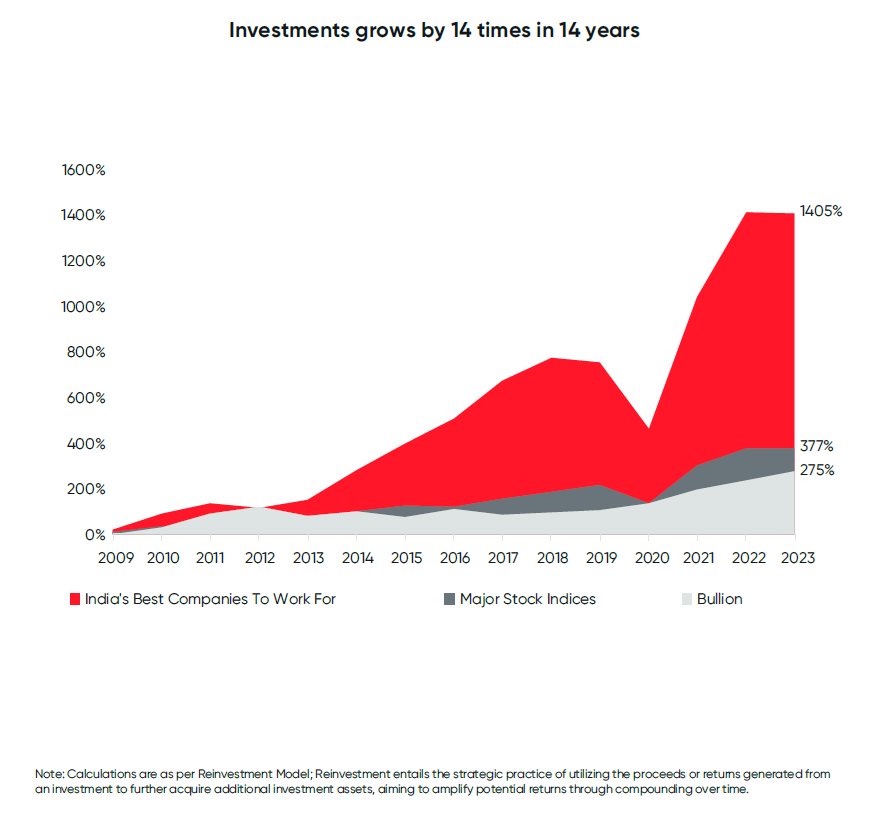
In today’s competitive job market, companies with strong workplace cultures have a significant advantage. They attract and retain top talent, fostering a sense of loyalty and dedication that translates to higher productivity and innovation. Research by Great Place To Work and RSM India shows a clear correlation between a positive employee experience and strong financial performance. Companies recognized as Great Places To Work typically outperform the stock market, demonstrating the tangible benefits of investing in employee well-being and a positive workplace culture.
The Power of High-Trust Culture
Great Place To Work’s research reveals nine key leadership behaviors that create a high-trust culture. Interestingly, these behaviors aren’t limited to those at the top. While leaders play a crucial role in shaping the employee experience, everyday interactions and collaboration throughout the organization are equally important. Building a truly great workplace requires a collective effort.
The 9 High-Trust Behaviors for High-Performing Culture
Active Listening:Great leaders solicit feedback, actively listen to their team’s concerns and ideas, and value their input by incorporating it into decision-making. This demonstrates respect and fosters a sense of psychological safety, where employees feel comfortable sharing their perspectives without fear of reprisal.
Open Communication: Transparency and clear communication are key. Leaders should keep everyone informed about important developments and encourage a two-way flow of information. Regular town halls, Q&A sessions, and internal communication platforms can facilitate open communication and build trust.
Inspiring Vision: Leaders who share the company’s vision and mission with passion are contagious. They lead by example, demonstrating enthusiasm for the work and its impact. Inspiring leaders connect individual contributions to the bigger picture, motivating employees through stories of success and the positive impact of their work.
Genuine Care: Showing genuine concern for your team’s well-being builds trust and loyalty. Offer support during challenging times, promote work-life balance, and be flexible when necessary. This demonstrates that the company values its employees as people, not just cogs in a machine.
The Power of Appreciation: Regularly acknowledge your team’s hard work and contributions. Personalized thank-you notes, public recognition programs, and small rewards can significantly boost morale. Feeling valued and appreciated is a key driver of employee engagement and satisfaction.
Investing in Growth: Leaders who prioritize professional development opportunities empower their teams. Provide training, mentorship, and challenging projects to foster continuous learning and support career advancement. Investing in employee development shows a commitment to their long-term success within the company.
Hiring for Culture Fit:Hiring individuals whose values align with the organization’s culture is crucial. Conduct thorough interviews to assess both skills and cultural fit. When employees share the company’s values, it fosters a sense of belonging and collaboration.
Celebrating Success – Big and Small: Take the time to celebrate milestones and achievements, both big and small. Organize team-building activities, social events, and recognition ceremonies to build camaraderie and a sense of accomplishment. Celebrating successes reinforces positive behaviors and motivates teams to achieve even greater things.
Promoting Fairness: Ensure equitable distribution of profits, compensation, bonuses, and resources. This fosters a sense of inclusion and belonging. When employees feel like they are treated fairly, it builds trust and loyalty towards the organization.
Leading by Example: Building Trust Through Action
Rahul Agrawal, CEO of Barbeque-Nation Hospitality Limited, exemplifies trust-based leadership. His people-centric approach, built on transparency and strong interpersonal relationships, fosters a stark contrast to the transactional nature of finance. This philosophy translates to stability and performance, especially during times of market uncertainty or corporate change. As Mr. Agrawal says, “Leadership is about creating an environment where trust and transparency guide our actions, ensuring our core values and relationships drive our collective success.”
Balakrishna Navuluri, COO of YASH Technologies Private Limited, embodies leadership defined by empathy and empowerment. He actively engages with employees at all levels, ensuring their voices are heard and concerns addressed. This commitment to open communication and personal connection forms the foundation of his leadership style. Mr. Navuluri emphasizes, “To drive innovation, especially in the evolving world of technology, the top three priorities are simple: learn, learn, and learn. Mastering the application of technology is not just a goal; it’s our key to unlocking potential, to solving problems we haven’t yet encountered, and creating opportunities that will shape our future.”
Building a Great Place To Work: A Journey, Not a Destination
Creating a great workplace is an ongoing process, but the benefits are undeniable. By implementing these high-trust behaviors, leaders can create a work environment where employees feel valued, empowered, and inspired to do their best work. This translates to a more engaged workforce, higher productivity, and, ultimately, a thriving and successful organization.
The Road to Greatness: Getting Started
Here are some initial steps your organization can take on the journey to becoming a Great Place To Work:
Conduct an Employee Survey: Understanding your employees’ perspectives is crucial. Great Place To Work offers a validated employee experience survey tool that can provide valuable insights into employee satisfaction and areas for improvement.
Define Your Core Values: Clearly defined core values serve as a compass for your organization, guiding decision-making and behavior. Involve employees in the process of defining your core values to foster ownership and alignment.
Develop a Recognition and Rewards Program: A well-designed program shows appreciation for employee contributions and reinforces desired behaviors. The program should be flexible and cater to diverse preferences.
Promote Work-Life Balance: Offer flexible work arrangements, encourage breaks, and create a culture that prioritizes employee well-being outside of work.
Empower Employees: Give employees ownership of their work and provide opportunities for them to make decisions. This fosters a sense of responsibility and accountability, leading to higher engagement.
Conclusion: Building a Great Place To Work is an Investment in Your Future
Investing in creating a Great Place To Work is an investment in the future of your organization. By fostering a positive employee experience, you can unlock the full potential of your workforce, achieve greater innovation, and secure a competitive advantage in the years to come. Great Place To Work Certification provides a valuable framework and resources to guide you on this journey.
The corporate world is undergoing a whirlwind of change. New technologies disrupt industries overnight, workforces become increasingly diverse, and the very definition of “work” itself is constantly evolving. In this dynamic landscape, one crucial element remains constant: the need for Great Leadership.
True leadership is beyond just implying authority; it’s about empowering and inspiring those around you. Great leaders build trust, foster a positive work culture, and act as catalysts that propel teams toward collective success. They understand that a team that trusts its leader and colleagues is more likely to be engaged, innovative, and willing to go the extra mile.
Trust: The Foundation of a Thriving Workplace
At Great Place To Work®, in collaboration with the Great Manager Institute®, we conducted extensive research that revealed a universal truth: at the heart of exceptional leadership lies an unwavering foundation of trust. This trust transcends mere words; it’s a feeling of security, respect, and psychological safety within the workplace. Employees who trust their leaders feel comfortable taking risks, sharing ideas, and offering constructive criticism. This open and collaborative environment fosters innovation and problem-solving, ultimately leading to better business outcomes.
The Science Behind Trust: Why It Matters
The benefits of trust are not just anecdotal – they are backed by hard data. According to neuroscientist Paul Zak, trust is a measurable, physiological condition that significantly impacts team productivity, morale, and overall well-being. His book, The Neuroscience of Trust, shows that trust and effective leadership can boost productivity by 50%, increase revenue by 2.5 times, and enhance innovation by 30%. Trust acts as the glue that binds teams together, fuels creativity, and sets truly exceptional workplaces apart.
The Indian Perspective of Culture of Trust
In India, this reality is reflected in the experiences of employees. A staggering 91% of employees at India’s Best Workplaces™ believe their organization fosters a great work environment. This positive perception is directly linked to the leadership that prioritizes trust and employee well-being. Employees feel valued, respected, and empowered to contribute their best work.
The Pillars of Effective People Management
The Great Manager Institute® identifies three pillars of effective people management and leadership: Connect, Develop, and Inspire. Leaders who excel in these areas create a high-trust, high-performance culture.
Connect: Great leaders understand the importance of building genuine connections with their teams. This goes beyond simply knowing names; it’s about actively listening, recognizing each individual’s strengths and weaknesses, and fostering a sense of belonging. When employees feel connected to their leaders and peers, they are more likely to be engaged and invested in the team’s success.
Develop: Effective leaders see their teams as individuals with potential. They invest in their development by providing opportunities for learning and professional growth. This may include formal training programs, coaching, or mentoring relationships. Leaders who prioritize development create a culture of continuous learning, ensuring their teams have the skills and knowledge they need to succeed in an ever-changing environment.
Inspire: Great leaders are not just managers; they are also motivators. They have a clear vision for the future and the ability to communicate that vision in a way that inspires and energizes their teams. They set ambitious yet achievable goals, and they celebrate successes along the way. This inspires employees to push themselves beyond their comfort zones and achieve their full potential.
The Leadership Factor: Striking the Right Balance
Effective leadership also profoundly shapes a company’s culture. Leaders who demonstrate competence and inspire their teams cultivate a more positive workplace experience. Our research highlights the importance of striking a balance between social-cognitive functions that foster connections and task-focused networks for strategic decision-making.
The Great Manager Institute® underscores a fundamental truth: effective leadership is a triad of connection, development, and inspiration. By mastering these pillars, leaders foster team growth, strategic alignment, and a high-trust, high-performance culture – the bedrock of organizational success. Leaders who excel in all three areas play a crucial role in uniting their teams around the organization’s big picture. This is precisely what India’s Most Trusted Leaders demonstrate, excelling in all three areas – connect (+9%), develop (+11%) and inspire (+11%). Their success highlights the transformative power of fostering genuine connections, investing in employee development, and igniting a sense of purpose within their teams.
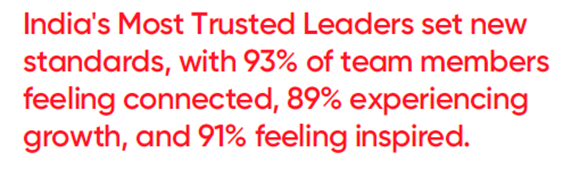
This leadership style goes beyond just management. India’s Most Trusted Leaders exemplify this approach. They empathize with their people, building trust and fostering a vibrant, enthusiastic atmosphere where team members are seen as individuals with potential. This commitment is reflected in the exceptional experiences their teams report: 93% of team members feel connected, 89% experience growth, and 91% feel inspired. These results underscore the transformative power of leadership that prioritizes genuine connection, invests in development, and ignites a sense of purpose within the team.
Leadership Effectiveness: Metrics for Retention
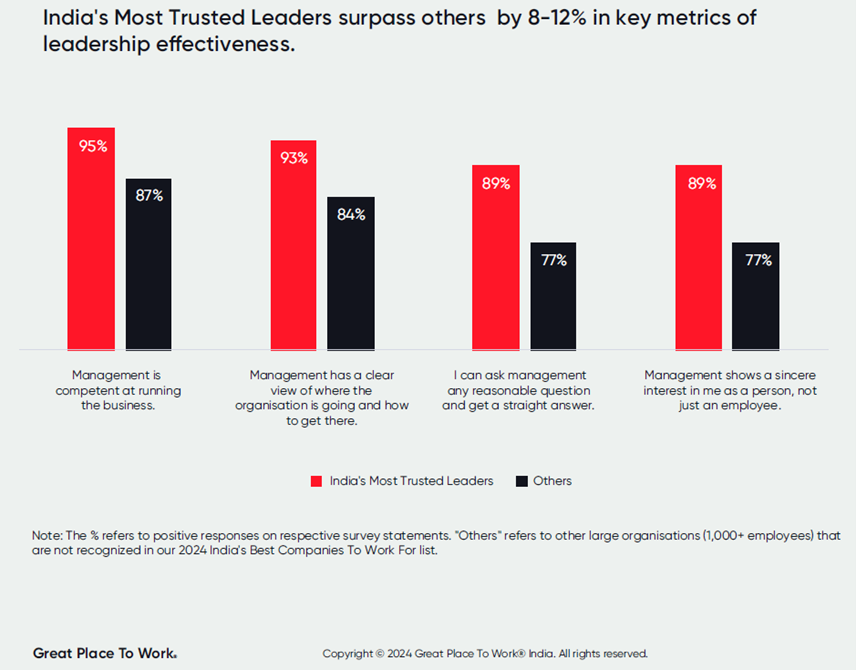
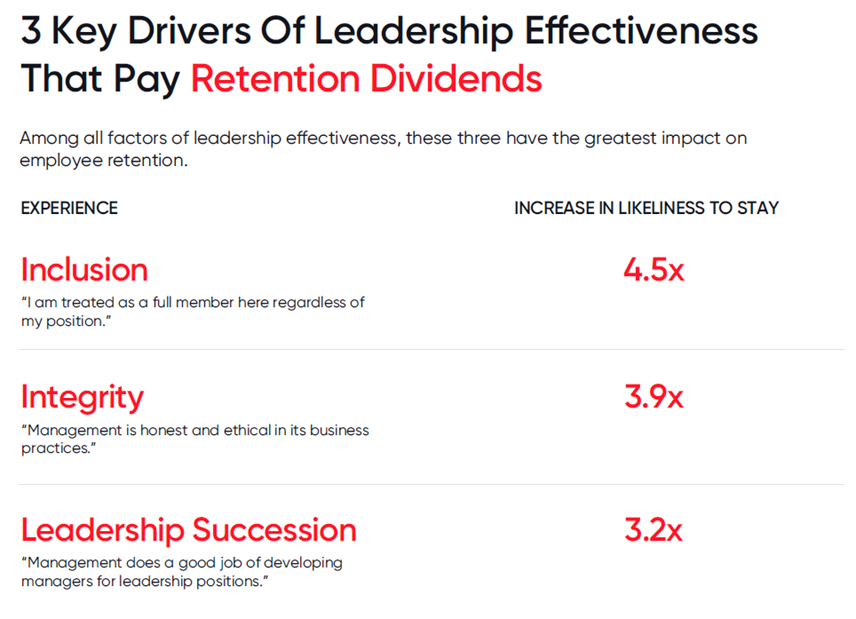
Our research also revealed that India’s Most Trusted Leaders surpass others by 8-12% in key leadership effectiveness metrics. Furthermore, three drivers of leadership effectiveness stand out for their impact on employee retention:
1. Inclusion:
The first key driver of leadership effectiveness for retention is inclusion. Leaders who prioritize inclusion create a work environment where everyone feels valued, respected, and heard, regardless of background, experience, or any other factor. This creates a sense of belonging and psychological safety, which leads to increased employee engagement and loyalty.
2. Integrity:
The second key driver is integrity. Employees trust leaders who are honest and ethical and act with integrity in all situations. When leaders walk the talk and live by their values, it builds trust and credibility. Employees are more likely to follow a leader they believe in and respect.
3. Leadership Succession Planning:
The third key driver is leadership succession planning. Effective leaders understand that they won’t be in their role forever. They proactively invest in developing future leaders within their teams. This not only ensures a smooth transition when a leadership change occurs, but it also strongly conveys to staff members that the company values their long-term development and progress.
The Ripple Effect: From Leaders to Teams
The impact of great leadership extends far beyond the individual leader. When leaders prioritize trust, connection, and development, they create a positive ripple effect throughout the organization. Employees who experience a sense of empowerment and worth are inclined to extend the same deference and thoughtfulness to their peers. This creates a collaborative and supportive work environment where everyone feels encouraged to share ideas, take risks, and learn from each other.
Building a Culture of Great Leadership
So, how can organizations cultivate a culture of great leadership? Here are a few key steps:
Invest in leadership development programs: Provide leaders with opportunities to hone their skills in areas such as communication, coaching, and conflict resolution.
Recognize and reward great leadership: Celebrate leaders who demonstrate the behaviors that contribute to a high-trust culture.
Promote from within: When possible, promote from within to send a message that the organization values internal talent and invests in its people’s growth.
The Future of Leadership:
In today’s dynamic business landscape, the most successful leaders will be those who are adaptable and innovative. They will need to be able to navigate change, embrace new technologies, and think creatively to solve complex problems. Great leaders will also need to be empathetic and understanding as they navigate a workforce that is increasingly diverse and multi-generational.
The Enduring Power of Great Leadership
Great leadership is not a fad; it’s a fundamental building block for success in any organization. Leaders who prioritize trust, connection, and development create a thriving work environment where employees feel valued, empowered, and inspired to do their best work. This, in turn, leads to increased productivity, innovation, and, ultimately, long-term organizational success. By investing in great leadership, organizations can empower their people and unlock their full potential, ensuring they are well-positioned to thrive in the ever-changing world of work.
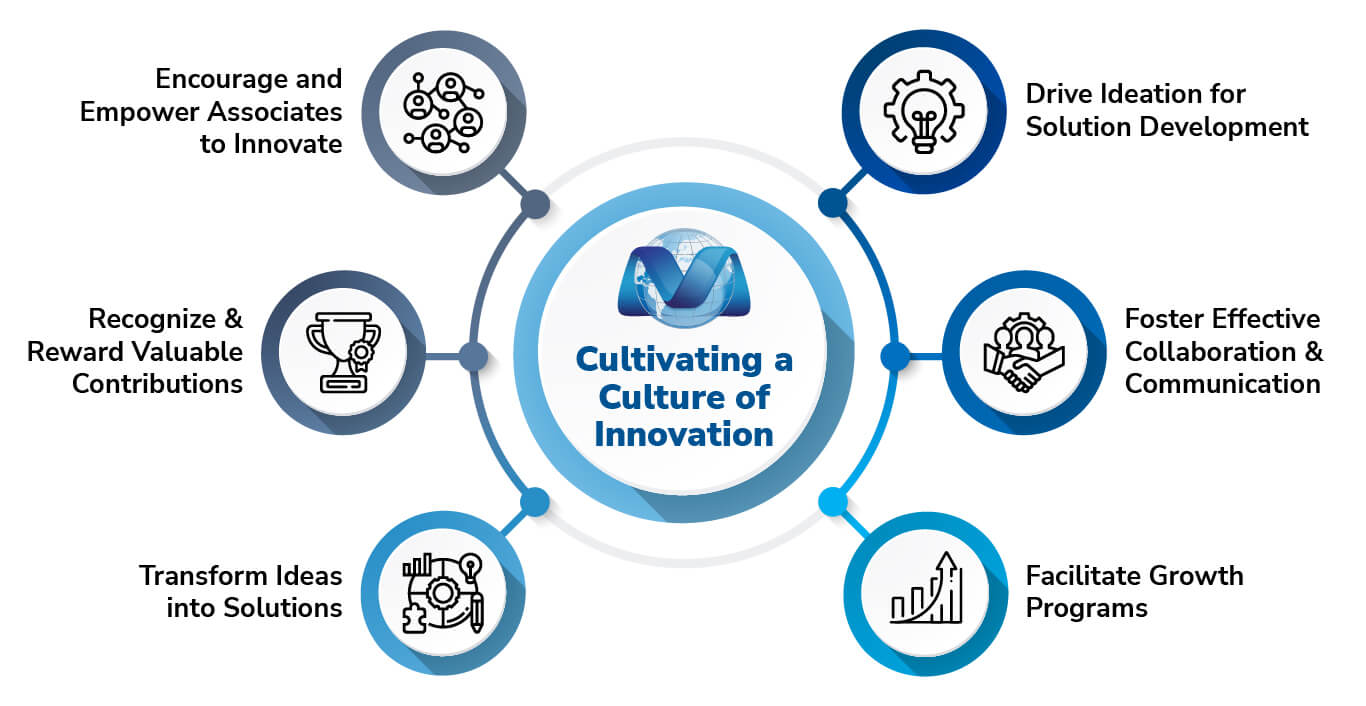
According to Great Place To WorkⓇ ’s research, to cultivate a culture of Innovation By All, it is crucial for organizations to align their innovation practices with employee experiences. This alignment is essential to bridge the gap between the innovation approach and the desired outcomes.
MOURI Tech (P) Limited’s culture reflects this philosophy in many ways, which has enabled it to be one of the Top 50 Companies (in the Large category) in India’s Best Workplaces Building a Culture of Innovation by All 2023 list.
As a Global Enterprise Solutions company operating under the motto ‘Employee First. Customer Foremost’, MOURI Tech’s journey toward innovation has been both challenging and rewarding, marked by bold moves and strategic decisions. By Investing heavily in R&D, and embracing a “fail-fast” mentality, MOURI Tech provided its employees with the necessary freedom and resources to pursue ambitious projects.
MOURI Tech has made significant strides in innovation over the years. One of the key milestones in its innovation journey was the launch of its Artificial Intelligence (AI)-powered platform in 2018 to help businesses automate and streamline their operations using AI and ML algorithms. This platform has been a game-changer for many of MOURI Tech’s customers, enabling them to improve operational and business efficiencies, achieve significant cost savings, and gain a competitive edge in their respective industries.
A major factor in MOURI Tech’s success in innovation has been its culture of experimentation and risk-taking approach. The company encourages its associates (as employees are referred to, here) to think outside the box and explore new ideas and concepts. Leaders here believe that the best ideas come from people who are involved directly with customers, suppliers, and products on a daily basis. MOURI Tech’s Ideation Platform has paved the way for the development of several innovative products & solutions for the clients, thereby helping MOURI Tech to maintain a consistent level of competitiveness.
Here are a few examples of the impact made:
As reviewing multiple contracts was becoming a challenge owing to the rapid organizational growth, the Recruitment and AI teams collaborated and came up with an AI-enabled process that could wrap up reviews in 80% less time and with 40% more accuracy.
The Recruitment and AI teams also came together to develop an AI-based Resume Scoring Solution to decrease profile screening time by 90%.
An idea shared by an associate, about developing a solution that helps read through emails and create a Customer Sales Order form, thus bypassing the need to read through a huge number of emails from a vendor for orders. This has been well received in the market as an efficient, employable product.
As the technology landscape continues to evolve, MOURI Tech is well-positioned to lead the way in innovation and help organizations across the globe achieve their digital transformation goals and through it, sustained growth.
The Certification Advantage: Why Partner with Great Place To Work®
How partnering with Great Place To Work® can strengthen your people strategy, and drive business outcomes through data-driven insights and Certification.