

The specter of burnout is once again looming large over workplaces. After a brief reprieve during the initial phases of the pandemic, employee wellbeing seems to be declining. Managers are left scrambling to understand the root cause, often overlooking a significant factor hiding in plain sight: neurodivergent masking.
The Perception Gap and the Silent Struggle
Data paints a concerning picture of a disconnect between leadership perception and employee reality. Leaders consistently overestimate employee wellbeing, often reporting high satisfaction with workplace wellness initiatives. However, employees tell a different story. A staggering number (one in four) struggle to openly discuss stress, burnout, anxiety, or depression at work for fear of judgment. This lack of open communication creates a breeding ground for burnout to fester, leaving employees feeling unseen and unheard.
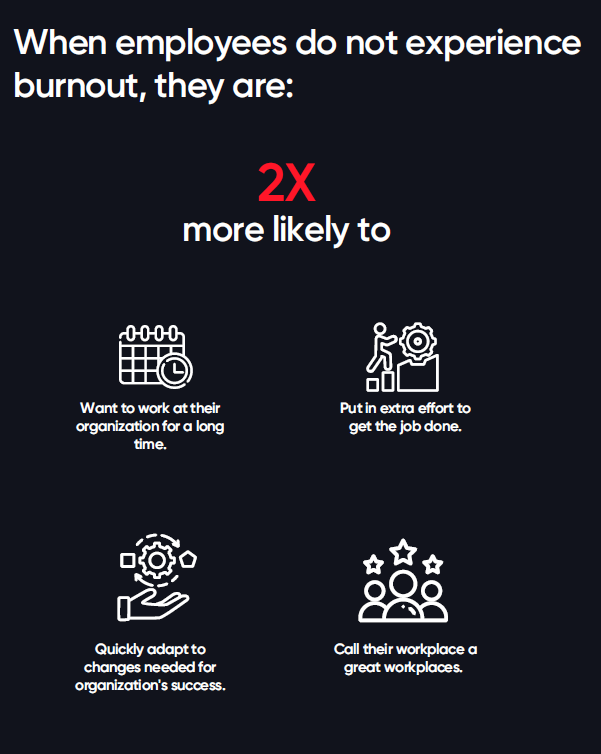
The good news is that leaders have a powerful, yet often underestimated, impact on employee wellbeing. Studies by UKG have shown that managers significantly influence mental health more than doctors or therapists. Employees, recognizing this influence, prioritize good mental health over high salaries. When they feel supported, valued, and heard, employees are twice as likely to stay with their company, go the extra mile, and adapt to change. This highlights the crucial role leaders play in fostering a work environment conducive to mental wellbeing and overall employee success.
Masking: The Hidden Cost of Fitting In
One under-recognized explanation for the burnout gap lies in the concept of neurodivergent masking. Neurodivergent individuals, which include those with conditions like ADHD, autism, or dyslexia, often have unique ways of processing information, interacting with the world, and experiencing emotions. In a workplace built around a presumed neurotypical standard, these individuals may feel pressure to conform. This constant effort to appear “normal” at work, known as masking, is emotionally and cognitively draining.
Imagine the constant strain of suppressing your natural communication style, stifling fidgeting that helps you focus, or masking sensory sensitivities to harsh lighting or loud noises. Over time, this masking becomes an invisible burden, silently contributing to burnout.
Burnout: Beyond Disengagement, a Threat to Retention
Burnout isn’t just about a decline in employee engagement or productivity. It’s a serious issue with real consequences. Employees experiencing burnout are more likely to withdraw, lose motivation, and ultimately leave their jobs. This presents a significant risk in today’s talent-scarce market. Here’s the harsh reality: companies struggling to attract and retain top talent can’t afford to ignore the needs of neurodivergent employees. Addressing neurodiversity and promoting inclusion isn’t just the right thing to do, it’s good business sense.
Building a Better Workplace for All: Fostering Neurodiversity Inclusion
By fostering inclusion for neurodivergent employees, companies can create a wellbeing benefit for everyone. Here are some key steps to take:
- Move Beyond the Golden Rule: The well-meaning principle of “treating others the way you want to be treated” can be problematic in a diverse workplace. Leaders need to understand that everyone has different work styles and preferences. Embrace variety and provide the flexibility employees need to thrive. This could involve offering flexible work arrangements, creating quiet spaces for focused work, or utilizing alternative communication methods, such as video conferencing for those who struggle with social interaction in meetings.
- Spread the Word, Loud and Clear: Promoting your commitment to neurodiversity inclusion is crucial. Don’t just add it to a dusty policy document. Make it a cornerstone of your employer branding and actively communicate it to both new hires and existing employees. Develop awareness campaigns and workshops to educate everyone on neurodiversity. Remember, a truly inclusive environment requires everyone to participate, not just managers. Train employees on neurodiversity so they can better understand and appreciate their colleagues’ unique strengths and challenges.
- Track the Cycle- Transparency is Key: Positive experiences of disclosure create a ripple effect, encouraging others to feel safe sharing their needs. Conversely, negative experiences can damage trust and discourage open communication. Be mindful of how your company culture treats those who come forward. Track and address any instances of discrimination or prejudice. Implement anonymous reporting systems to encourage open communication about negative experiences.
- Listen and Learn- Surveys and Open Communication: Don’t make assumptions. Survey your workforce to understand the specific needs and challenges faced by neurodivergent employees. Focus on creating an environment where everyone can contribute their best, not on diagnosing individuals. Conduct open forums and workshops to encourage dialogue and create a safe space for feedback. Partner with employee resource groups (ERGs) dedicated to neurodiversity to gain valuable insights and perspectives.
Building a Culture of Inclusion Starts Today
By creating a culture of inclusion and open communication, organizations can combat burnout and unlock the full potential of their neurodivergent employees. Imagine the innovation and creativity that can flourish when diverse minds feel valued and empowered to contribute in their own unique way.
Don’t let burnout become the norm. Take the first step towards a more inclusive and thriving workplace by considering these additional tips:
- Champion Neurodiversity from the Top: Leadership buy-in is essential. When senior leaders openly advocate for neurodiversity inclusion, it sends a powerful message throughout the organization. Encourage leaders to participate in neurodiversity training programs and actively demonstrate their commitment to creating a supportive environment.
- Focus on Strengths, Not Deficits: Neurodivergent individuals bring a wealth of unique talents and perspectives to the table. Shift the focus from perceived limitations to recognizing and celebrating strengths. For example, someone with ADHD may excel at brainstorming creative solutions, while an autistic employee may possess exceptional attention to detail.
- Provide Accessible Resources: Make accommodation readily available and remove any stigma associated with using them. This could include offering noise-canceling headphones, flexible deadlines for certain tasks, or access to specialized software that caters to different learning styles.
- Celebrate Neurodiversity: Recognize and celebrate the contributions of neurodivergent employees. Highlight their successes in company communications and create opportunities for them to share their experiences with colleagues. This can not only boost morale but also inspire others to embrace neurodiversity.
The Road to a More Inclusive Future
Building a truly inclusive workplace for neurodivergent employees is an ongoing process. It requires continuous learning, open communication, and a commitment to fostering a culture of understanding and respect. By taking these steps, organizations can not only combat burnout but also unlock the full potential of their diverse workforce, leading to a more innovative, productive, and successful future.
Ready to Get Started?
Partner with organizations specializing in neurodiversity inclusion to gain valuable expertise and resources. Consider collaborating with groups like The Autistic Self Advocacy Network (ASAN) or The National Center for Learning Disabilities (NCLD). Additionally, pursuing certifications like the Neurodiversity Certification Program from the International Board of Credentialing and Continuing Education Standards (IBCCE) can demonstrate your commitment to creating a neuroinclusive workplace.
Remember, investing in neurodiversity inclusion isn’t just the right thing to do, it’s a smart business decision. By creating a work environment where everyone feels valued and empowered to contribute their best, organizations can unlock a competitive advantage and thrive in today’s rapidly changing world. Start building a more inclusive future today.