
Key Takeaways:
1. A digital detox program helps people to disengage from all the digital engagement they have had that has become overwhelming.
2. The benefits of digital detox are many, such as increased productivity and enhanced creativity.
3. All the benefits and attributes are helpful for HR leaders to create a successful organization.
Introduction
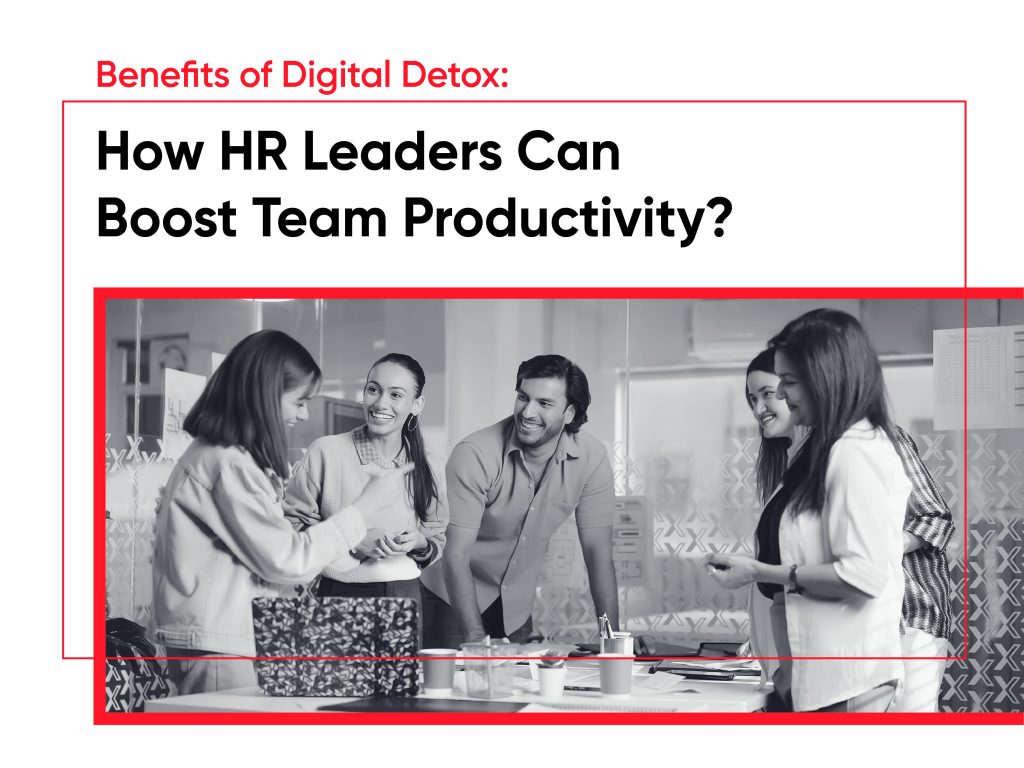
A digital detox helps employees reduce stress, regain focus, and boost productivity, making it a critical strategy for HR leaders aiming to build healthier, more engaged teams. Employees experience an overwhelming number of notifications throughout the day. Although technology can make us more productive, it can also lead to mental fatigue, stress, and reduced engagement in the long term. According to Great Place To Work® India’s Health and Wellness Report, 83% of employees consider wellbeing a core workplace driver. This shows that HR leaders must find a way to balance connectivity with wellbeing. Digital Detox serves as a method for people to temporarily stop using screens which enables them to restore their capability to concentrate and create new ideas while maintaining their mental health.
What is Digital Detox?
Digital detox requires people to take a complete break from all their devices which includes smartphones and laptops, and social media platforms to achieve lower stress levels and mental restoration. Employees need to establish technological usage limits which will enable their mental recovery and peak job performance.
Understanding Digital Detox Beyond the Buzzword
Digital detox is a growing trend which has emerged as a reaction to an increasing culture of burnout. In India, there is still considerable stigma associated with mental health issues, meaning that many workers do not bring up stress or burnout at work.
As hybrid working blurs the boundaries between work and home, detox programs offer tools and techniques to help employees regain their focus and find balance again. This is critical for maintaining engagement and retaining workers over time. The next section delves deeper into how digital detox can benefit workplaces.
How Digital Detox Benefits Can Improve Workplace Productivity?
Benefits of digital detox are many, let’s understand how it can improve workplace productivity:
1. Dramatic Productivity GaiConstant notifications slice attention into fragments, thereby cutting efficiency. Scheduled digital breaks let employees work in deep-focus mode; they get more done and make fewer errors.
2. Reduced Burnout and Better Retention of Employees
Burnout is the silent productivity killer. In cultures of wellbeing, 97% of employees are motivated and express an intent to stay, compared to less than 20% employees in cultures of neglect.
3. Improved Creativity and Innovation
Taking breaks gives us time to reflect and come up with new ideas, which is essential for solving problems and being creative. Energized workplaces celebrate innovation at 96%, while those that neglect it only hit 10%.
4. Robust Team Collaboration and Communication
Ironically, less screen time can fuel better communication. In-person or mindful virtual interactions foster trust and belonging that drive engagement.
5. Improved Employee Health and Reduced Healthcare Costs
Living with too much digital media creates eye strain, back pain from poor posture, and stress. Encouraging people to take breaks from digital screens can help reduce long-term health-related costs for the organisation.
6. Higher Employee Engagement and Satisfaction
When employees feel psychologically safe in their workplace, they are 5X more likely to feel engaged and loyal to the organization. When HR leaders implement a detox program for employees, it shows them that the organization cares about them. This, in turn, will enhance their morale and discretionary effort.
7. Improved work-life balance and boundary setting
Hybrid work often erodes boundaries. Detox initiatives help employees be able to “turn-off” after work hours to help create a healthier work/life integration.
Why Digital Detox Matters for HR Leaders Today?
With the conversations around wellness at workplace increasing, the bar has been set high. Employees expect a workplace that nurtures mental resilience, agility, and holistic well-being. HR leaders creating an environment where employees feel comfortable to discuss their mental health will be positioned to attract and retain top-performing employees and decrease employee turnover from burnout.
Also Read: Biggest HR Events in India
The following section talks about the steps that HR leaders can take to enable digital detox at their workplace.
Overcoming Common Digital Detox Challenges
Implementing digital detox can feel daunting, but these strategies make it practical:
- Start off with “no-meeting” hours, and/or a screen-free lunch break as initial steps.
- Train teams regarding the value of detox techniques and examples of how they worked well for other organizations.
- Leaders should role model detox behaviours. When leaders unplug, employees follow.
- Technology can be used effectively to schedule blocks of uninterrupted work time, and to promote asynchronous communication amongst coworkers.
Conclusion
To avail the benefits of digital detox, you don’t need to restrict technology use; it is about utilising it more wisely. For HR leaders, this is a powerful lever to boost productivity and engagement and increase well-being. In a talent-driven market, organizations that focus on digital wellness will set an example for how to develop the future of work.
Frequently Asked Questions
1. Why should leaders focus on digital detox programs?
Digital detox programs help reduce employee burnout, enhance employee focus, and contribute to an employee’s overall wellbeing; all of which have a direct impact on employee productivity and retention in the long term.
2. How can HR encourage digital detox without hurting workflow?
HR leaders can encourage digital detox initiatives such as scheduled breaks, creation of no-meeting zones, and educating employees about effective time management.
3. How do digital breaks impact overall employee wellbeing?
Digital detox breaks lower the stress level of employees, promote good mental wellness and improve work/life balance.
4. Does digital detox mean no technology at all?
No, it means using technology mindfully and setting boundaries to prevent overload.
5. What is the ideal duration for a digital detox at work?
Short breaks of 15–30 minutes daily or a few hours weekly can significantly improve focus and reduce stress.