
Imagine coming to work every day, not out of obligation, but because the workplace genuinely feels welcoming and nurturing. Such feelings do not come from a fancy office or a competitive salary alone. It’s what happens when a company treats its employees like its biggest strength.
The reality in most Indian workplaces today is quite opposite. Wellness “programs” are a fruit bowl nobody touches, a health talk nobody attends, a PDF policy nobody reads. The intention is fine, but they fall far short of what employees are actually looking for.
The good news is that organizations that take employee wellness seriously see real results: Better retention, stronger engagement, higher productivity, and a workplace culture where people genuinely thrive. Research from Great Place To Work® India found that leaders who genuinely listen to their teams drive 3.7x higher intent to stay. That’s not a soft metric; that’s retention.
Why Health and Wellness Activities at Work Matter More Than Ever?
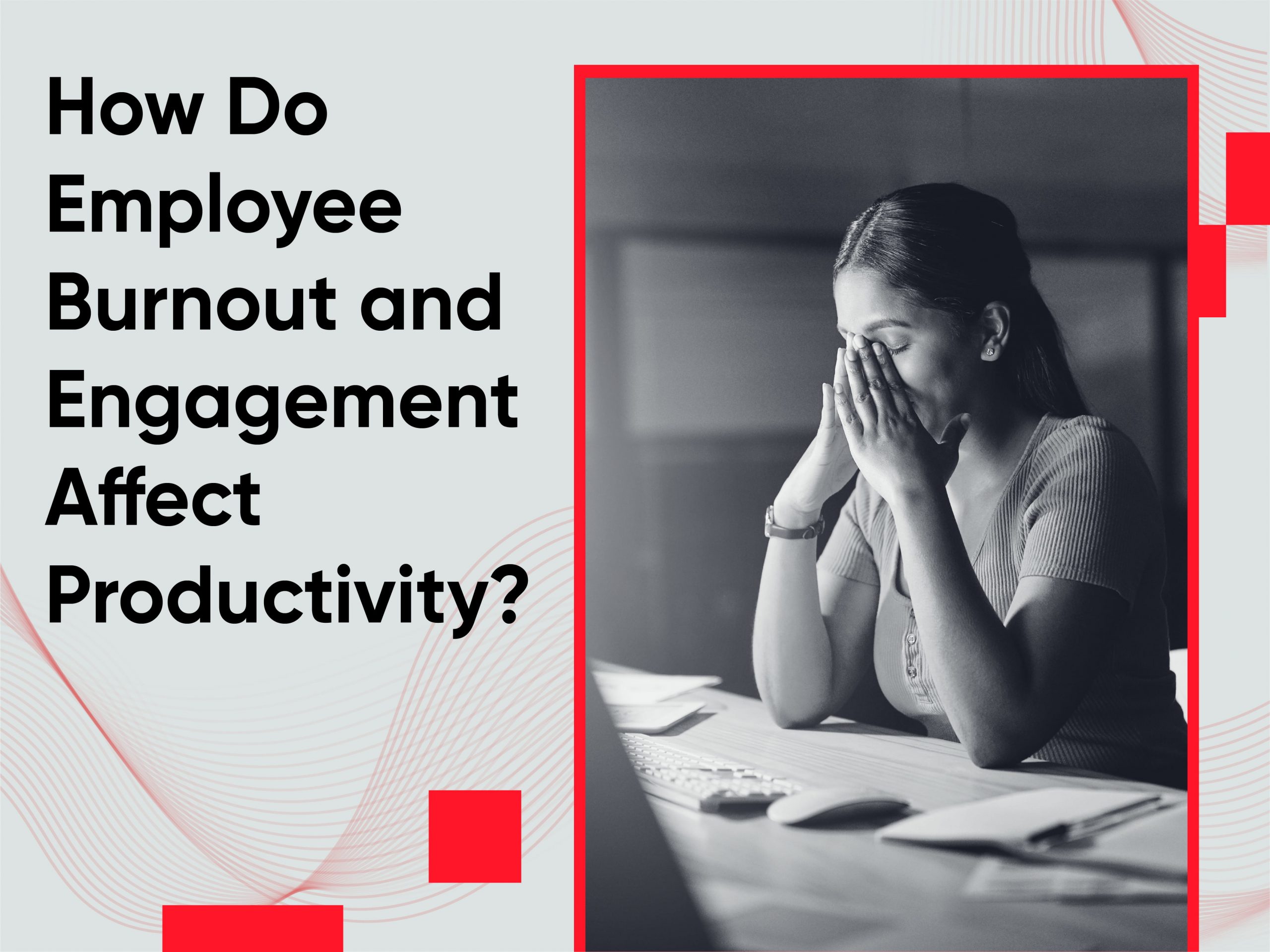
People’s experience with work has shifted significantly. Heavy workloads, no real off switch, and an always-on culture that treats exhaustion as dedication. The stress isn’t obvious; it just builds up until someone burns out or moves away.
Organizations that recognize this transition early on are those that create environments in which employees want to stay. When employees feel encouraged not only professionally but also as individuals, the difference is visible everywhere. This can be seen in how they approach work, how they treat their coworkers, and how long they choose to stay.
What India’s best workplaces understand: wellness is not an HR initiative; it refers to leadership behavior. True wellbeing is seen in appropriate workloads, leader behavior, clear boundaries around work hours, and real conversations about burnout, not only in policy documents. Having said that, here are 25 employee health and wellness activities that leading companies are currently implementing.
Physical Wellness Activities
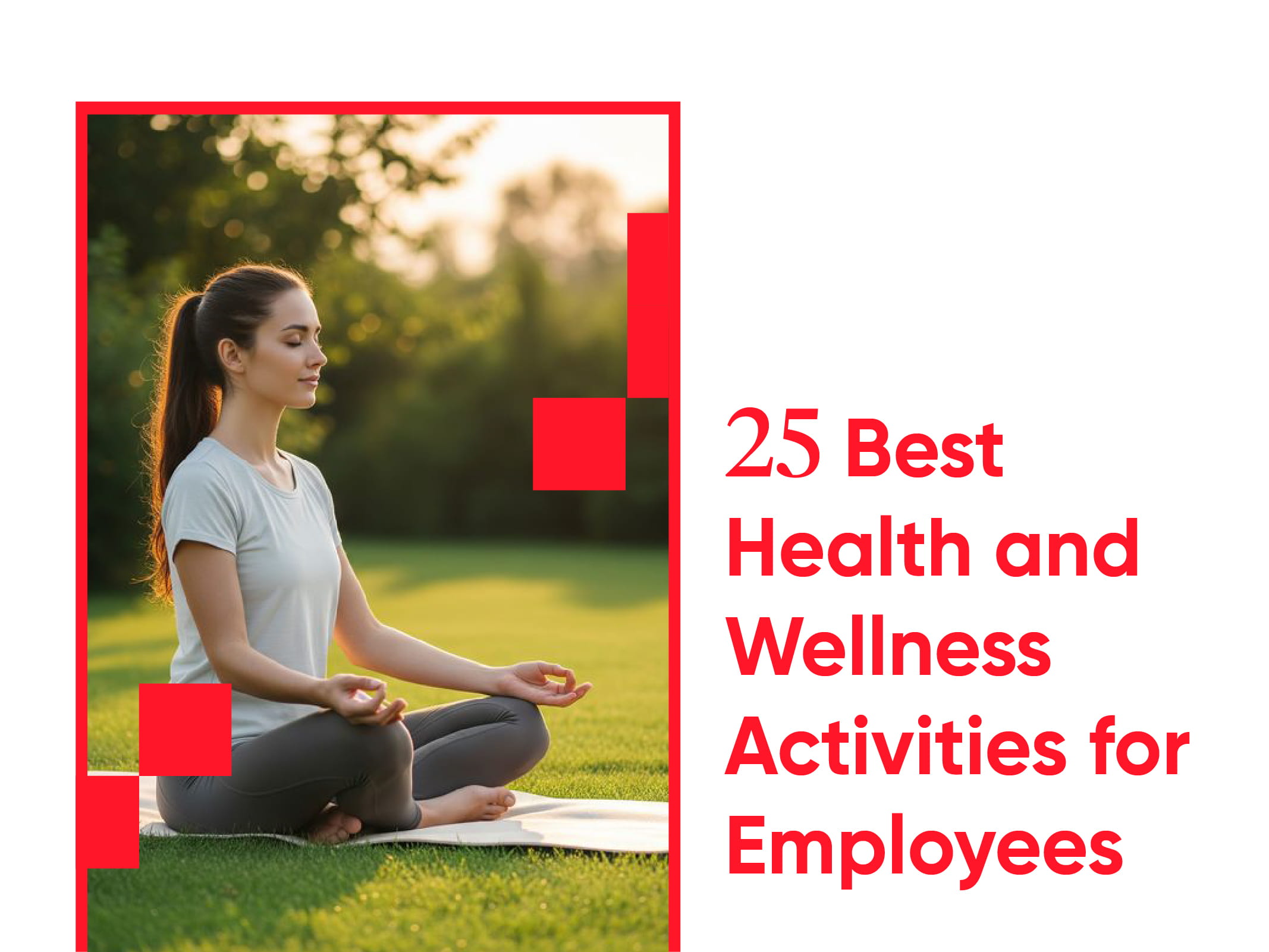
Physical health is the baseline. When employees are chronically tired and in pain, everything else feels like an uphill battle.
1. On-Site or Virtual Fitness Classes
Morning yoga, lunchtime Zumba, on-demand strength training – the format matters less than the flexibility. Provide opportunities for people of all fitness levels, not simply those who exercise regularly. Participation becomes the norm rather than the exception when new hires are given a “First Step” challenge or when employee fitness stories are highlighted on internal channels.
2. Gym Membership Tie-Ups and Fitness Reimbursements
Subsidized memberships for employees by partnering with national fitness chains or local gyms near the office, or a monthly reimbursement for remote and hybrid employees, covering gym fees, home equipment, or fitness app subscriptions. It sends a signal that physical health matters regardless of where you work and is worth more than the cost.
3. Step Challenges and Active Competitions
Organizations should encourage activities like step challenges through some fitness apps that can help employees take care of their health even during workdays. Moreover, such competitions can be held at the department-level or company-wide level.
4. Walking Meetings and Movement Breaks
Prioritize walking meetings intentionally into the weekday arrangement. It should be implemented from the leaders to their sub-ordinate while keeping small-groups talks or one-on-one meetings as walking meetings. Organizations should also introduce some movement breaks to reduce sedentary behavior and refresh brainpower throughout the day.
5. Nutritional Counselling and Healthy Eating Programs
Access to a certified nutritionist, either individual or group sessions, along with better cafeteria choices and planned team potlucks where staff bring dishes. Healthy eating works better as a group activity than a solo discipline.
6. Sleep Education Workshops
One of the most ignored elements in health and wellness activities is sleep education, particularly for employees working in the UK or US shifts. Companies can help participants by giving access to sleep tracking tools and guiding them through daily practices. Moreover, regular workshops on sleep hygiene, blue light exposure, and other activities can provide proper information to the employees that can be beneficial in the long run.
7. Ergonomic Workplace Assessments
Poorly arranged workstations are a silent and cumulative health threat. Musculoskeletal problems that impact productivity and health can be avoided with professional ergonomic assessments provided to both remote and in-office personnel, followed by the necessary equipment modifications (keyboard trays, monitor stands, lumbar-support chairs). Because physiotherapy is more expensive than prevention.
Mental and Emotional Wellness Activities
This is the trending topic in 2026 as many of the Indian organizations have already started working on mental and emotional wellness activities. However, companies should primarily focus on an open, honest, and continuing environment that eventually helps in real transformation.
8. Mindfulness and Meditation Programs
Structured mindfulness programs, whether provided through guided in-office sessions, application subscriptions, or virtual group meditation, equip employees with practical methods to reduce stress and retain focus.
Training team leaders to add brief mindfulness moments into daily stand-ups or meeting openers embeds the practice into the flow of work. When mindfulness is normalized at every level of the company, its impact is magnified dramatically.
9. Employee Assistance Programs (EAPs)
EAP is good only when people use it. 24/7 confidential counselling, crisis support, legal assistance, and family counselling – if employees don’t know it exists or don’t feel safe using it, the budget is squandered. Clear communication and visible leadership endorsement are what make EAPs function rather than merely exist.
10. Stress Management Workshops
A single motivational talk on stress does not qualify as a stress management course. Building a regular series of workshops that demonstrate employees practical skills, like deep breathing methods, progressive muscle relaxation, time management strategies, boundary-setting, and burnout avoidance, gives enduring benefit.
Furthermore, personalized stress evaluations can help employees identify their specific triggers and build meaningful coping methods.
11. Mental Health Days as a Formal Policy
Formally, recognizing mental health as a legitimate justification for taking time off is one of the most effective signals a company can send. Clear mental health day guidelines, where leave can be taken without stigma, informal discouragement from management, or the requirement for a reason, reflect institutional commitment to psychological welfare.
To accomplish this, manager training is necessary for ensuring these policies are experienced uniformly across all teams and levels.
12. Resilience-Building and Emotional Intelligence Training
In a world of continuous change, the capacity to adjust without losing equilibrium is invaluable for employees at every level. Training all employees in emotional self-regulation and empathy enriches individuals and changes how teams communicate with one another.
13. Buddy Assistance Programs
Buddy Assistance Programs are structured peer-support initiatives where employees are paired with colleagues who can provide guidance, encouragement, and informal support during day-to-day work experiences. These programs help employees feel more connected, supported, and comfortable navigating workplace challenges.
Starting a new role, managing pressure, or adapting to changing responsibilities becomes significantly easier when employees know they have someone they can rely on. Unlike formal reporting structures, buddy systems create a safe space for open and honest conversations without fear of judgment.
Financial Wellness Activities
Financial stress does not remain at the door when employees arrive at work. It follows them into every meeting, every decision, and every deadline.
According to a 2024 SoFi survey, one in four employees reports that financial concerns directly affect work productivity. Organizations that support employees in achieving financial stability are investing directly in their focus, performance, and loyalty.
14. Financial Literacy Workshops
Financial literacy workshops are sessions designed to help employees understand and manage personal finances better. They typically cover basics like budgeting, saving, debt management, taxation, and long-term financial planning.
Financial stress often affects focus and productivity at work. By offering practical, real-life financial guidance, organizations help employees feel more confident and in control of their financial decisions. This leads to lower stress levels, better decision-making, and improved overall wellbeing.
15. Retirement and Provident Fund Planning Seminars
Retirement and provident fund planning seminars help employees understand long-term savings, retirement goals, and the benefits of structured financial planning. These sessions simplify complex concepts and make future planning easier and more actionable.
Many employees, especially early in their careers, are unsure about how to plan for retirement or manage provident fund contributions. These seminars provide clarity and encourage consistent long-term savings habits. When employees feel secure about their financial future, it builds trust and strengthens their connection with the organization.
16. Budgeting Tools and Application Subscriptions
Subscriptions to trustworthy personal finance tools, along with brief, accessible learning modules on financial habits, provide employees with the practical skills needed to apply financial literacy in their daily lives. The combination of instruction and practical components regularly outperforms either strategy in isolation.
17. Financial Help Desk
Providing employees access to financial advisers who expertise in common debt challenges, like credit card obligations, personal loans, and managing numerous financial responsibilities simultaneously, deals with a genuine and major source of workplace stress.
Some businesses push this further through organized financial help or salary advance initiatives with equitable terms, creating credibility through genuine responsiveness to employee needs.
Social & Community Wellness Activities
Being in the good cause is the real experience of something meaningful, and it is one of the biggest sources of employee engagement. Cultural activities, mentorship, and appreciation of culture create employee engagement, increase individual performance and retention. Here are some of the activities listed below:
18. Employee Resource Groups (ERGs)
Employee Resource Groups (ERGs) are employee-led communities within an organization that bring together people with shared identities, interests, or life experiences to create support, connection, and inclusion at work.
ERGs represent one of the most strategically beneficial wellness investments an organization can undertake. When they function effectively, they act as a bridge between employees and senior leadership, helping surface real employee needs, influence workplace culture, and drive meaningful organizational change.
These groups often focus on areas such as mental and physical wellness, women’s leadership, working parents, LGBTQ+ inclusion, and early-career professionals, ensuring that diverse employee voices are heard and supported.
Strong ERGs are built on leadership support, adequate resources, and alignment with organizational values, making them a powerful driver of belonging, engagement, and overall employee wellbeing.
19. Team-Building and Community Volunteering
Team-building and community volunteering activities are initiatives that help employees connect outside of daily work tasks while contributing to shared experiences or social causes.
These activities can include volunteer days, team lunches, cultural celebrations, themed gatherings, or friendly sports events between teams. Such experiences help build stronger relationships that go beyond formal meetings and work interactions.
When planned inclusively and scheduled thoughtfully, these activities encourage higher participation and make employees feel more connected and valued. For remote and hybrid teams, virtual engagement activities ensure that distance does not reduce a sense of belonging or collaboration.
20. Mentorship and Cross-Functional Learning Programs
Structured mentorship programs, connecting employees across departments, roles, and seniority levels, simultaneously foster professional development and social belonging. Employees who have access to a mentor report more confidence, higher engagement, and stronger organizational commitment.
Moreover, clear guidelines for mentoring relationships, training for both mentors and mentees, and regular check-ins are the structural factors that determine program success.
21. Recognition and Appreciation Culture
Consistent recognition, not just for big wins, but for everyday effort impacts how employees see their work. A peer recognition program where anybody can publicly praise a colleague, along with managers who give specific and timely appreciation, create an environment where people feel genuinely valued. Recognition should be a daily habit, not an annual awards function.
Lifestyle and Holistic Wellness Activities
The most effective wellness initiatives do not treat health as a set of distinct categories. They realize that wellbeing is a whole-life experience and give support across every facet of how employees live and work.
22. Wellness Challenges and Habit-Building Campaigns
Wellness challenges and habit-building campaigns are structured activities that encourage employees to adopt healthier daily routines in a simple and engaging way. These can include hydration challenges, digital detox days, gratitude journaling, mindful eating weeks, and similar initiatives.
These programs help keep wellness active and ongoing without overwhelming employees. Participation should always be voluntary, with a focus on progress rather than perfection. When designed with team participation in mind, they also help build a sense of community and shared motivation across the organization.
23. Flexible Work Arrangements
Flexible work arrangements refer to policies that give employees greater control over where, when, and how they work, based on role expectations and business needs. This can include remote work, hybrid models, flexible hours, or outcome-based performance structures.
Flexibility has become a baseline expectation, especially for Gen Z and millennial employees, who value autonomy and control over their work and time. When organizations shift from attendance-based management to trust-based, outcome-driven models, it reduces stress and increases ownership and productivity.
However, flexibility must be supported with clear role expectations, defined outcomes, and strong manager trust. Without clarity, flexibility can create confusion instead of empowerment.
But flexibility without clarity creates anxiety. Role outcomes, goal-setting frameworks, and real manager trust are prerequisites. Get those in place first.
24. Learning Sabbaticals and Wellbeing Leave
Learning sabbaticals and wellbeing leave are extended time-off policies that allow employees to step away from regular work responsibilities to rest, learn, volunteer, or focus on personal growth.
These initiatives reflect a strong message of trust and respect, showing that employees are valued beyond their daily output. By giving people space to recharge or pursue development opportunities, organizations help prevent burnout and support long-term wellbeing. This, in turn, strengthens employee loyalty and retention.
25. Manager Wellbeing Training and Leadership as a Wellness Lever
Manager wellbeing training focuses on equipping leaders with the skills to actively support employee mental, emotional, and professional wellbeing. It includes building emotional intelligence, improving communication, and creating psychological safety within teams.
The manager plays the most critical role in shaping an employee’s day-to-day experience at work. When managers hold regular check-ins, recognize effort, manage workload effectively, and lead with empathy, wellbeing becomes part of everyday leadership rather than a separate initiative.
Investing in manager capability is one of the most effective ways to strengthen workplace culture, as it ensures that care, trust, and support are consistently reflected at every level of the organization.
How to Build a Wellness Program That Actually Works?
Identifying the right activities is the starting point. Translating them into a culture-shifting program requires intention, structure, and sustained organizational commitment.
Begin with employee research – Surveying employees about their wellness needs, current barriers to participation, and preferences for program design generates the data required to make informed decisions. What resonates with a technology workforce in Bengaluru may differ substantially from what is most relevant for a manufacturing workforce in Pune. Employee input should shape priorities, not assumptions.
Secure visible leadership support – Wellness programs succeed when organizational leaders champion them through active participation, not merely through forwarding communications. Leaders who speak openly about their own wellbeing practices and create genuine psychological space for others to prioritize health set the cultural tone that no program design can replicate.
Design for inclusion – Wellness activities must be accessible to all employees, regardless of role, location, shift timings, physical ability, or life stage. Programs that effectively serve only certain employee segments are incomplete wellness strategies.
Communicate with consistency – Even well-designed programs fail to deliver impact when employees are unaware of or unclear about what is available. A multi-channel communication strategy, supported by wellness ambassadors at the team level, sustains awareness and engagement throughout the year.
Measure, review, and refine – Tracking participation rates, gathering regular employee feedback, and monitoring organizational indicators such as absenteeism, attrition, and engagement scores enable continuous improvement. Programs that are not generating the intended impact should be revised or replaced. Wellness is a living organizational practice, not a fixed annual initiative.
Wellness as a Cultural Commitment, not a Corporate Benefit
Great Place To Work India works with hundreds of organizations across industries to support the development of high-trust, high-performance workplaces. Wellness policies serve a purpose. However, employees’ lived experience is the more powerful determinant of culture. Employees notice whether workloads are reasonable. They notice whether managers ask how they are doing and genuinely listen to the answer. They notice whether mental health leave is truly accepted or quietly discouraged.
The transition from wellness as a stated commitment to wellness as a daily lived reality is what distinguishes the great workplaces from others. The health and wellness activities presented in this article are not merely programs. They are expressions of an organizational culture that regards employees as whole human beings, not simply productive resources.
The most effective HR leaders in 2026 will integrate well-being into performance conversations, embed it into leadership behavior expectations, and use data to refine their approach continuously. In an environment where talent is the ultimate competitive advantage, the organizations that genuinely invest in the well-being of their people will be the ones best positioned to sustain excellence.
Conclusion
The 25 best health and wellness activities for employees address every dimension of what it means for someone to actually thrive at work. None of them are complicated; they just require consistent follow-through.
Regardless of whether an organization is implementing a single new activity or undertaking a comprehensive review of its wellness strategy, the foundational requirement remains the same: listening to employees, understanding their needs, and taking consistent and meaningful action.
A great place to work is not built through policy alone. It is built through the daily accumulation of decisions that demonstrate, unambiguously, that people matter.
Frequently Asked Questions
What are the most effective health and wellness activities for employees?
Activities that genuinely improve employee wellbeing include flexible work options, mental health support, fitness programs, wellness challenges, financial planning sessions, and recognition initiatives that make employees feel valued every day.
Why are workplace wellness programs becoming more important?
Because employee expectations have changed. People are looking for workplaces that support their mental, physical, and emotional wellbeing, not just performance. Strong wellness programs also help reduce burnout, improve retention, and boost engagement.
How can organizations encourage employees to participate in wellness activities?
The biggest factor is culture. Employees participate more when leaders actively support well-being, programs are flexible and inclusive, and wellness is treated as a normal part of work rather than an occasional HR activity.
What are the key areas every employee wellness program should cover?
A well-rounded wellness program should support physical health, mental wellbeing, financial stability, social connection, and work-life balance. Focusing on only one area rarely creates a long-term impact.
Do employee wellness activities really improve retention and productivity?
Yes, employees who feel supported are more engaged, motivated, and likely to stay with the organization long-term. Wellness initiatives create healthier teams, stronger workplace relationships, and better overall employee experience.