IT workplaces, which were once on an upward trajectory and enjoyed high levels of employee engagement, are now experiencing a decline over the last 2 years. The dip in employee engagement is even more acute for large IT companies in India (>1000 employees). While overall employee experience has dipped, we see that different cohorts in organizations have very unique employee experiences, based on their own expectations and life stage realities. So, what are the challenges that organizations should focus on so as to improve their workplace culture and ensure employee retention of different cohorts of employees?
Where are the gaps in Workplace Culture?
In large IT firms (1000+ employees), only 47% of women and 51% of Gen Z report positive workplace experiences. In contrast, Great IT workplaces (1,000+ employees) are almost doubling these scores with 84% of women and 78% of Gen Z thriving.
What’s driving this difference?
Authenticity
Inclusion
Fair Pay
While over 75% of women, as well as Gen Z in Great workplaces feel management’s actions match their words, this is less than 40% in typical workplaces. The differences in experience are not small, they are huge; resulting in over 85% of women, as well as Gen Z, in great workplaces, looking forward to coming to work, vs less than 40% in typical workplaces. These are not just HR metrics, they are business imperatives.
What is the best way of creating a great workplace culture to address these differences in employee experience?
Leaders, it’s time to ask: Are we building workplaces where everyone can thrive? So, let’s move beyond productivity and start designing cultures of trust, equity, and belonging.
Now, the question is how do best workplaces create a culture which is authentic, inclusive and fair for all?
At S&P Global, the Women’s Initiative for Networking and Success (WINS) connects women and allies across S&P Global to ensure gender diversity. It promotes inclusivity, and advocates for an equitable world. WINS’ programming promotes personal and professional development. This also creates access to career mobility and leadership opportunities, and drives awareness of pertinent women’s issues. WINS also includes WiT (Women in Technology), an industry resource group within S&P Global, that amplifies WINS’ impact through a focus on technology and innovation.
At DHL Express, the focus for everyone, from the C-suite to frontline workers, is the customer. Therefore, every employee at DHL is considered a salesperson; they should understand the core business, the value
It brings to customers, and how they, as an employee, contribute to it. This helps create a common sense of purpose, which is a key driver for Gen Z.
If you are a CXO, CHRO, or people leader in tech, take a closer look at your workplace experience data. Create a plan on how to improve communication, connect and practice to build a great place to work.
The future of your talent strategy depends on it.
Frequently Asked Questions:
What is the overall difference between great workplaces and others in the IT industry?
Certified companies outperform typical workplaces by 19% on the Trust Index™ Pulse Score.
Is salary the main driver for these differences?
No, salary is not the main driver for employee engagement. 6 in 10 employees in IT are willing to accept a reduced salary in exchange for improved workplace culture and flexibility.
How does creating a great workplace culture help an organization attract the right talent?
Workplace culture is a key factor to evaluate a potential employer. Moreover, 93% of employees in the IT industry cite work culture as a crucial consideration when selecting a potential employer.
Does workplace culture help retain Gen Z talent?
8 in 10 Generation Z employees believe that knowing a workplace has been certified™ makes them more likely to want to work there.
Today, leading organizations are realizing that their most significant strength isn’t technology, money, or even market position, it’s their people. A strong workplace culture directly connects to business success, and Great Place To Work® Certification™ is the gold standard for companies that want to build trust, inspire performance, and create a positive workplace culture. From attracting top talent to being the easy choice for customers, Certification sets your organization apart and drives long-term success.
WWhat does Great Place To Work Certification represent?
Great Place To Work Certification reflects an organization’s dedication to building a culture of trust and performance across all levels. It is a strong signal to employees, customers, and the broader market that the company prioritizes its people and is committed to their growth and well-being.
At the core of this certification is the Trust Index™ Survey, which evaluates how employees perceive leadership, the fairness of workplace practices, and their overall experience at work.
This certification is not a one-off achievement. It represents an ongoing effort to strengthen and improve workplace culture, helping organizations enhance their reputation with future talent, customers, and partners.
Attracting & Retaining Talent
One of the most immediate ways Great Place To Work Certification drives business excellence is through its profound impact on talent acquisition. The certification serves as a powerful employer brand enhancer, acting as a beacon for top-tier professionals who understand the value of working in exceptional environments.
Our workforce study revealed that 76% of job seekers prefer companies that are Great Place To Work Certified over those that are not. This preference isn’t random; it shows an understanding that great workplaces give people better career growth, more meaningful work, and long-term opportunities to succeed.
When organizations consistently attract high-calibre talent, they create a virtuous cycle of excellence. Exceptional employees raise the bar for performance, innovation, and collaboration, ultimately driving superior business outcomes across all organizational functions.
Data-Driven Culture Excellence
Business excellence requires measurement, and Great Place To Work Certification provides organizations with precise, actionable insights into their workplace culture. The Trust Index Survey offers more than surface-level feedback, it provides deep analytics into leadership effectiveness, perceived fairness, sense of belonging, and employee engagement levels.
This data becomes the foundation for strategic decision-making. Organizations can identify specific areas where culture improvements will drive the greatest business impact, whether that’s enhancing leadership development programs, improving communication systems, or creating more inclusive practices that boost innovation and creativity.
The annual survey process ensures that cultural excellence isn’t a one-time achievement but an ongoing commitment to continuous improvement, a hallmark of truly excellent organizations.
Building Pride and Retention
Employee engagement directly correlates with business performance, and Great Place To Work Certification creates powerful internal dynamics that drive both engagement and retention. When employees feel proud to work for their organization, they become active ambassadors for excellence, both internally and externally.
This pride translates into tangible business benefits: reduced turnover costs, increased productivity, enhanced customer service, and stronger innovation capabilities. Employees who are genuinely engaged in their work don’t just meet expectations; they consistently exceed them, driving organizational performance to new levels.
The certification process creates a feedback loop where recognition of excellence reinforces the behaviours and attitudes that originally earned that recognition, creating a self-sustaining culture of high performance.
Market Performance: The ROI of Cultural Excellence
Great Place To Work Certification delivers real business value that goes far beyond employee satisfaction. Certified companies consistently perform better financially than their competitors because happy, engaged employees work harder, make smarter decisions, and provide better customer service.
When your workforce is truly committed to your company’s success, it shows in every aspect of your business performance. Customers today prefer doing business with companies that treat their employees well, and certification proves you’re one of those companies.
This creates a competitive advantage that helps you win more business, attract better investors, and build stronger partnerships. For shareholders and business partners, certification signals that an organization has the cultural foundation necessary for sustainable long-term success, making it a more attractive investment and partnership opportunity.
Reinforce values and workplace culture
Beyond recognition, certification is a reminder of what the company stands for. It validates the efforts to build a culture rooted in trust and care, and it shows employees that their contributions matter. By celebrating milestones like certification, organizations highlight their values in action and encourage employees to keep shaping the culture every day.
This is where Certification Nation Day plays a vital role. As a global celebration of workplace culture, it gives certified companies the chance to amplify their stories, celebrate their people, and remind employees that they are part of a worldwide community of great workplaces. By joining in, organizations not only showcase their culture to the world but also strengthen pride and connection within their teams.
Join us for Certification Nation Day 2025
As Certification Nation Day approaches on October 15, 2026, we warmly invite you to take part in this global celebration and showcase your workplace culture on your digital platforms. More than just a day of recognition, it’s an opportunity to turn your Great Place To Work Certification into momentum.
Boost your employer brand, attracting top talent with genuine, purpose-driven stories that showcase what makes your workplace unique
Bring your values to life, celebrating how you support, recognize, and invest in your people in meaningful, visible ways.
Connect with a global community of Certified companies leading with trust and purpose—and reinforce that you’re part of something bigger.
Demonstrate that culture is a strategic advantage, showing employees, stakeholders, and the broader world that you lead with purpose and authenticity
Join us this Certification Nation Day.
Not Certified yet? Get certified today to celebrate your people, elevate your brand, and step into a brighter future built on trust and excellence.
Certification is the start of something greater!
Great Place To Work Certification isn’t just a destination—it’s a launchpad for something far greater! The certification process creates systems, practices, and cultural norms that ensure excellence isn’t dependent on individual leaders or temporary initiatives but becomes part of how the organization operates at every level.
In a world where competitive advantages are increasingly difficult to maintain, the advantage of having an exceptional workplace culture becomes one of the most sustainable and powerful drivers of long-term business success.
There are moments that go beyond celebration; they become milestones. The Award Nights held on June 24th and 25th, 2025, in Mumbai were exactly that. Over two unforgettable evenings, we honored the organizations that are not just building businesses but shaping the future of work in India.
From heartfelt stories of purpose-driven leadership to the thunderous applause for companies that put people first, the atmosphere was electric, emotional, and deeply inspiring.
Day 1: Honoring India’s Great Mid-Size Workplaces 2025
The evening of June 24th was a celebration of heart, hustle, and humanity. As the sun dipped below the Mumbai skyline, the stage lit up to honor the Top 100 India’s Great Mid-Size Workplaces 2025 – organizations that have redefined what it means to lead with trust and care.
These organizations stood out not just for their performance, but for the way they make their people feel – valued, heard, and inspired.
Want to see the full list of India’s Great Mid-Size Workplaces 2025? Download it here
Day 2: CEO Conclave & India’s Best Companies
June 25th was a day of vision, voice, and victory. It began with the Best Employers’ Club CEO Conclave, where some of India’s most influential leaders gathered to explore the theme: The 31 Effect – Influence. Innovation. Impact.
From Ajai Chowdhry, co-founder of HCL Tech, to Sumit Harjani of Harvard Business Impact, and Patu Keswani of Lemon Tree Hotels, the sessions were rich with insights on purpose-driven leadership, transformation, and building brands that matter.
As the evening unfolded, the spotlight shifted to the grand celebration of:
India’s Best Companies to Work For 2025
Best Companies Legends 2025
India’s Best Employers Among Nation-Builders 2025
The room pulsed with energy and admiration as we honored organizations that have consistently raised the bar for workplace culture.
The top three India’s Best Companies to Work For were:
Explore the full list of India’s Best Companies to Work For 2025 Download it here
Legends & Nation Builders: A Legacy of Impact
Some organizations don’t just make it to the top – they stay there. This year, we celebrated the Best Companies Legends 2025, including:
Barbeque Nation Hospitality Limited
Salesforce
These legends have been recognized for 10 or more years, proving that consistency, care, and culture are the true markers of greatness.
As we move on, we also honored 14 exceptional organizations as India’s Best Employers Among Nation-Builders 2025 – entities that are not only driving business success but also contributing to national progress.
Learn more about the Nation Builders and how your organization can become one Explore here
A Celebration of People, Purpose, and Progress
As the curtains closed and the Wall of Fame lit up, one thing was clear – this wasn’t just an event. It was a movement. A movement toward making India a Great Place To Work® For All™ .
To every organization that made it to the list, and to every leader who continues to put people first – thank you. You are the reason we celebrate. You are the reason we keep going.
Until next year, let’s keep building workplaces where everyone thrives.
Celebrations in the workplace are more than just a break from routine; they are essential to nurturing a culture of trust, camaraderie, and engagement. Recognizing achievements, milestones, and values sends a powerful message to employees about what the organization values and strives for. According to Great Place To Work®’s report on India’s Best Companies to Work For, companies that celebrate shared milestones and individual achievements foster a stronger sense of connection and pride, creating a workplace where employees feel supported and motivated. Here’s a closer look at five celebrations that leading organizations use to strengthen their culture, and how they can be applied to your workplace.
Celebrate Milestones and Anniversaries
Milestones such as work anniversaries, birthdays, and personal achievements provide perfect opportunities to show appreciation. Recognizing these moments reinforces an employee’s sense of loyalty and commitment. According to the India’s Best Companies to Work For 2024 report, organizations that mark these events build stronger bonds with their employees.
For example, at Intercontinental Hotels Group, team members recognize outstanding service through initiatives like the “Power Ringer.” During this celebration, employees publicly acknowledge exceptional service by ringing a bell to show appreciation, creating a ripple effect of positivity and camaraderie across the team. This simple gesture not only uplifts the individual being recognized but also strengthens team morale by encouraging employees to express gratitude openly.
Similarly, at Orient Cement, employees participate in the “Dahi Handi Way,” a unique tradition where employees collaborate to solve problems and celebrate each other’s successes. Recognizing both personal and team milestones with enthusiasm creates an environment of mutual respect and reinforces the notion that the company values long-term contributions and growth. Acknowledge anniversaries or project completion milestones in a way that reflects the team’s unique culture. This can be as simple as an in-office shout-out, a digital badge on internal platforms, or a team lunch, small gestures that convey appreciation meaningfully.
Retention is largely driven by employees feeling a sense of purpose. This commitment to purpose not only boosts retention but also strengthens the company’s employer brand, making it an attractive choice for new hires.
Promote Diversity and Inclusion by Celebrating Unique Cultures
Creating an inclusive culture where all employees feel valued is essential, and celebrations can play a key role in promoting diversity and inclusion. Celebrating diverse cultural backgrounds not only fosters understanding but also strengthens the bonds between employees, contributing to a more harmonious work environment.
Employee Resource Groups (ERGs) are instrumental in organizing celebrations that honor the unique traditions, experiences, and contributions of different groups within the workforce. For instance, several companies highlighted in the report have established ERGs to celebrate cultural events and raise awareness about diverse backgrounds. By acknowledging and respecting these differences, ERGs help create a sense of belonging and recognition for all employees.
Empower ERGs or small groups within the organization to lead cultural celebrations. This could involve setting up a calendar of multicultural events or hosting inclusive office gatherings. Companies foster an environment of acceptance and appreciation by giving employees the chance to celebrate their backgrounds.
Highlight Core Values Through Meaningful Celebrations
Aligning celebrations with the organization’s core values enhances a company’s culture by giving employees tangible examples of what those values look like in action. Celebrating values-driven achievements or organizing events that reflect the company’s mission can help employees connect more deeply with the organization’s purpose.
Bajaj Finance, for example, emphasizes trust by offering employees the option to choose their salary payment cycle, whether monthly or fortnightly. This celebration of financial autonomy is a simple but powerful gesture that demonstrates the organization’s commitment to understanding and supporting employees’ financial needs. By doing so, Bajaj Finance reinforces its core values of trust and respect in a way that directly impacts employees’ lives.
Identify values that resonate with your team and look for ways to celebrate them. If community involvement is a core value, consider organizing an annual day of service or setting up donation drives. These events can strengthen employees’ commitment to the company’s mission.
Acknowledge Individual Excellence
Individual achievements deserve special recognition, as they motivate employees and encourage a sense of pride and ownership in their work. Personal celebrations foster a positive work environment, inspire loyalty, and can improve job satisfaction.
The India’s Best Companies to Work For 2024 report highlights organizations that go the extra mile to acknowledge individual excellence. For instance, PGP Glass Pvt. Ltd. introduced the ASTITVA program to recognize the achievements of employees with disabilities, reinforcing an inclusive culture that values every team member’s unique talents. This recognition goes beyond typical employee rewards by honoring the distinct contributions of individuals and fostering a culture of inclusivity and respect.
Establish individual recognition programs that celebrate various aspects of excellence, whether it’s a specific skill, an outstanding project, or unique contributions. Personalized recognition, like tailored awards, team shout-outs, or even a dedicated “Employee of the Month” program, can help employees feel valued and appreciated for their hard work.
Celebrate Innovation and Progress
Recognizinginnovation and progress within the organization can inspire creativity and encourage employees to think outside the box. Celebrations centered around innovation demonstrate that the company values new ideas and is willing to support creative problem-solving efforts.
Enhanced Customer Service and Brand Reputation
Employees who feel supported and valued are more likely to deliver excellent customer service. The report finds that 89% of employees at the best mid-size workplaces in India believe their customers would rate their service as ‘excellent.’ This reflects a virtuous cycle where a positive internal culture translates into high levels of customer satisfaction.
At ISS Facility Services India, the “Innovation Roundtable” was introduced to foster a culture of collaboration and forward-thinking. This event brings together thought leaders from different industries to discuss sustainable innovation, offering employees a platform to share and develop their own ideas. With a focus on collaboration and sustainability, the Innovation Roundtable reflects ISS Facility Services’ commitment to continuous improvement and progress.
Hold regular innovation events or competitions to recognize and reward employees who bring fresh ideas. Encouraging employees to participate in these activities can reinforce a growth mindset and help them feel valued for their contributions to the company’s success.
Celebrations might seem like small gestures, but they leave a lasting impact, promoting a workplace culture where employees feel valued, connected, and motivated. By embracing these five celebrations, companies can cultivate a positive culture that not only strengthens employee loyalty but also drives long-term success.
Get Certified to Showcase Your Commitment
AchievingGreat Place To Work Certification™ is an excellent way to demonstrate your organization’s commitment to employees’ overall well-being and experience. This Certification not only enhances your employer branding but also helps attract and retain top talent. It highlights to current and prospective employees that your organization values their overall well-being, fostering an environment where they feel appreciated and supported.
By implementing a culture of trust, respect, and collaboration, you can create a workplace where employees feel valued and connected. Certification also provides a benchmark for continuous improvement, helping you identify areas where you can further enhance employee well-being and overall workplace culture.
In an era of intense competition and economic unpredictability, businesses are increasingly focused on the impact of their workplace culture on performance. Research from Great Place To Work® demonstrates a powerful link between a positive culture and strong business outcomes. From retention and innovation to customer satisfaction and employee well-being, the influence of culture is clear. This blog explores how a vibrant workplace culture contributes to organizational success.
Higher Retention and Employee Advocacy
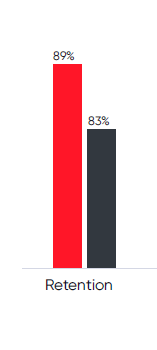
High employee turnover can be costly in lost revenue, lowered morale, and reduced productivity. According to Great Place To Work India’s 2024 report on mid-sized organizations, retention and employee advocacy are high in companies with strong cultures. The best mid-size workplaces show a 6% higher retention rate than others. Employees are also more likely to recommend their company to friends and family, reinforcing a reputation that attracts top talent and reduces hiring costs.
Retention is largely driven by employees feeling a sense of purpose. This commitment to purpose not only boosts retention but also strengthens the company’s employer brand, making it an attractive choice for new hires.
Increased Productivity Through Collaboration
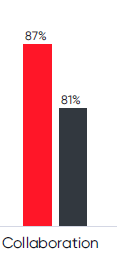
Organizations that prioritize collaboration create cultures where employees are more productive. The 2024 report found that 87% of employees at leading mid-size workplaces believed that their subordinates were collaborative. When employees feel supported, they are more willing to go the extra mile, driving organizational productivity.
Research shows that camaraderie is a key factor in promoting discretionary effort among employees. Teams that cooperate and support each other tend to work harder, fostering an environment where productivity thrives. A culture that encourages teamwork allows companies to maintain high performance even in challenging times.
Boosted Employee Engagement and Organizational Commitment
Engagement is the heartbeat of any successful organization, driving motivation and loyalty. Companies with strong cultures excel in fostering engagement, which ultimately boosts organizational performance. Great Place To Work India’s 2024 data shows that in top mid-size workplaces, employees are significantly more engaged, with 88% feeling proud to share that they work there. When employees are proud of their organization, they are more likely to remain committed, support company goals, and advocate for the brand.
Employee engagement is driven by trust, transparency, and recognition. Great workplaces maintain open communication channels, provide feedback opportunities, and recognize individual achievements regularly. This leads employees to feel that their work is valued, making them more invested in their roles. Engaged employees bring energy and innovation to their work, positively impacting both the company culture and bottom line.
For organizations, fostering engagement means prioritizing initiatives like career development, employee recognition programs, and leadership transparency. When leaders actively show that they value employee contributions, it builds loyalty, reduces turnover, and creates a resilient workforce capable of thriving through challenges. Ultimately, engaged employees drive organizational growth and success, making engagement a vital component of workplace culture.
Higher Levels of Innovation and Agility
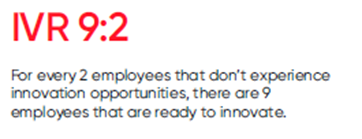
As the market evolves, businesses need to innovate to stay competitive. Leading mid-size workplaces have fostered environments where employees feel empowered to share new ideas. This is reflected in the high Innovation Velocity Ratio (IVR) reported in the study, with nine employees consistently engaging in meaningful innovation for every two who do not.
Agility is another essential trait in today’s business environment. By encouraging experimentation and learning from failure, these workplaces are better positioned to meet new challenges, driving sustained growth.
Stronger Employee Well-being and Work-Life Balance
Work-life balance and mental well-being are critical components of a great workplace culture. Best mid-size workplaces provide resources and policies that support psychological safety and balance.
This emphasis on well-being is not just beneficial for employees but also for the organization. By preventing burnout and promoting mental health, companies reduce absenteeism, maintain productivity, and foster loyalty. Investing in a healthy work environment is ultimately an investment in long-term business stability.
Enhanced Customer Service and Brand Reputation
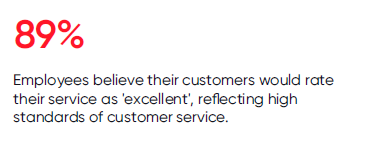
Employees who feel supported and valued are more likely to deliver excellent customer service. The report finds that 89% of employees at the best mid-size workplaces in India believe their customers would rate their service as ‘excellent.’ This reflects a virtuous cycle where a positive internal culture translates into high levels of customer satisfaction.
Satisfied customers often become brand advocates, which enhances the company’s reputation and drives business success. When employees take pride in their work and feel part of a meaningful mission, they naturally extend that enthusiasm to customer interactions, strengthening the brand.
The data from Great Place To Work India’s 2024 report underscores that workplace culture isn’t just a human resources issue, it’s a core business strategy. Companies that prioritize fair evaluations, employee care, and authentic leadership build environments where employees thrive. By focusing on these key drivers, organizations can unlock their workforce’s full potential, driving both employee satisfaction and business success.
For leaders, this means not just fostering a positive culture but actively measuring and refining it. As the workplace landscape evolves, organizations that adapt by investing in their culture will see lasting benefits. In today’s market, a positive culture is not only a competitive advantage but a business imperative.
Get Certified to Showcase Your Commitment
AchievingGreat Place To Work Certification™ is an excellent way to demonstrate your organization’s commitment to employees’ overall well-being and experience. This Certification not only enhances your employer branding but also helps attract and retain top talent. It highlights to current and prospective employees that your organization values their overall well-being, fostering an environment where they feel appreciated and supported.
By implementing a culture of trust, respect, and collaboration, you can create a workplace where employees feel valued and connected. Certification also provides a benchmark for continuous improvement, helping you identify areas where you can further enhance employee well-being and overall workplace culture.
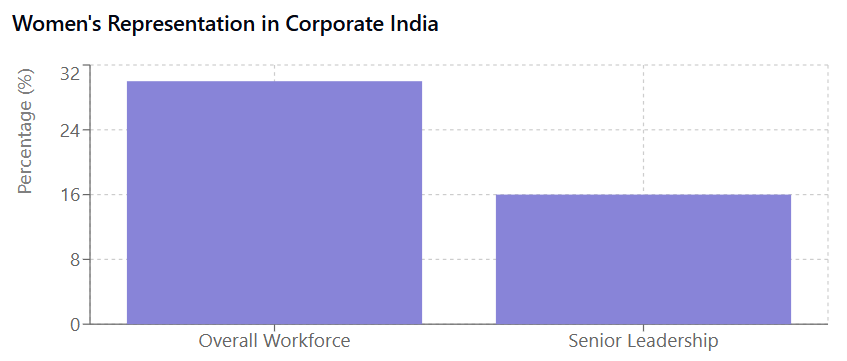
In an era where workplace diversity has become a strategic imperative, organizations face a critical challenge: creating an environment where women can truly flourish. Despite decades of progress, the corporate landscape still presents significant hurdles for women professionals. This reality is reflected in current statistics, with women’s representation in the Indian workforce remaining below 30%, and an even more concerning figure of just 16% in senior leadership positions. These numbers not only highlight the gender gap but also underscore the urgent need for transformative change in workplace cultures across industries.
The Current State of Women in the Workplace
The modern workplace is at a crucial turning point. While organizations are increasingly recognizing the value of gender diversity, there’s a significant gap between intention and implementation. The lower representation of women, particularly in leadership roles, isn’t just a numbers game – it’s a reflection of deeper cultural and structural challenges that need addressing.
What makes this situation more complex is the declining workplace sentiment levels among women professionals. This trend signals that beyond mere representation, organizations need to focus on creating environments where women feel valued, supported, and empowered to grow. The challenge isn’t simply about hiring more women; it’s about fundamentally transforming workplace cultures to ensure they can thrive and advance in their careers.
The Power of Belonging: A Game-Changer for Retention
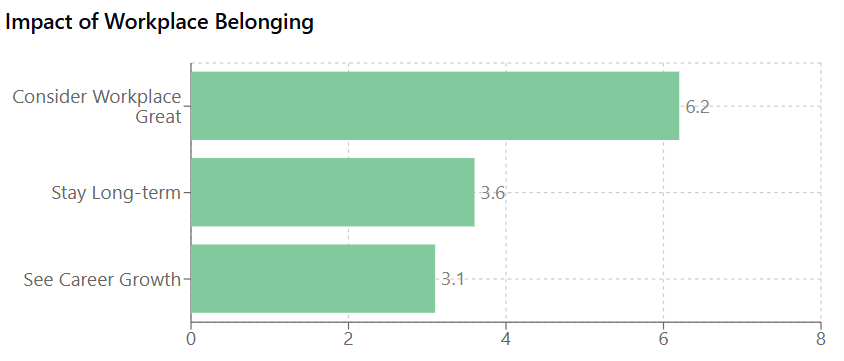
Research reveals a compelling correlation between workplace belonging and women’s professional success. When women experience a strong sense of belonging in their workplace, the impact is transformative:
They are 6.2 times more likely to consider their workplace great
The likelihood of long-term retention increases by 3.6 times
They are 3.1 times more likely to identify clear career growth opportunities
These statistics underscore a fundamental truth: creating an inclusive environment isn’t just about meeting diversity quotas – it’s about fostering a culture where women can envision and achieve their full professional potential. Organizations that successfully create this sense of belonging often see improved innovation, creativity, and overall business performance.
Creating Equitable Experiences: Beyond the Basics
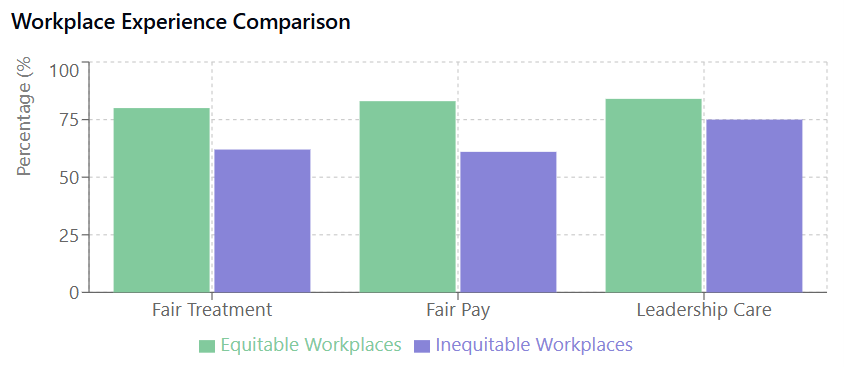
The conversation about workplace equity has evolved beyond the traditional focus on equal pay. Today’s professional women seek comprehensive fairness across all aspects of their work experience. Organizations that have successfully created consistent experiences across genders show remarkable differences in employee satisfaction:
80% of women in equitable workplaces report impartial treatment from management
83% believe they receive fair compensation
In contrast, only 62% report fair treatment in organizations with inconsistent experiences
Similarly, just 61% feel fairly compensated in less equitable environments
Leading organizations are taking proactive steps to address these disparities. They conduct regular pay parity audits, implement structured promotion processes, and ensure equal access to high-visibility projects and opportunities. These initiatives create a foundation of trust and transparency that is essential for retaining top female talent.
The Emotional Quotient: Care and Well-being at Work
One of the most significant findings in recent workplace studies is the importance of emotional well-being and genuine care in retaining female talent. In leading workplaces:
84% of women feel their leadership genuinely cares for them
This figure drops to 75% in other organizations
This 9% gap represents more than just numbers – it reflects the difference between a workplace that treats well-being as a priority versus one that views it as an afterthought. Progressive organizations are implementing comprehensive well-being programs that address both physical and mental health needs. These programs often include:
Flexible work arrangements that accommodate various life situations
Mental health resources and counseling services
Stress management workshops and wellness initiatives
Support groups and networking opportunities
Regular check-ins and feedback sessions with leadership
Supporting Life Transitions: A Critical Retention Strategy
Organizations must recognize that supporting women through various life transitions isn’t just about providing benefits – it’s about creating a culture that acknowledges and accommodates life’s different stages. This includes:
Comprehensive support systems for returning professionals
Flexible arrangements for caregiving responsibilities
Inclusive policies that recognize diverse family structures
Mentorship programs during critical career transitions
Extended parental leave policies covering various family situations
Phased return-to-work programs
Childcare support and resources
These support systems demonstrate an organization’s commitment to long-term career development and help women navigate personal and professional challenges without sacrificing either aspect of their lives.
Bridging the Perception Gap
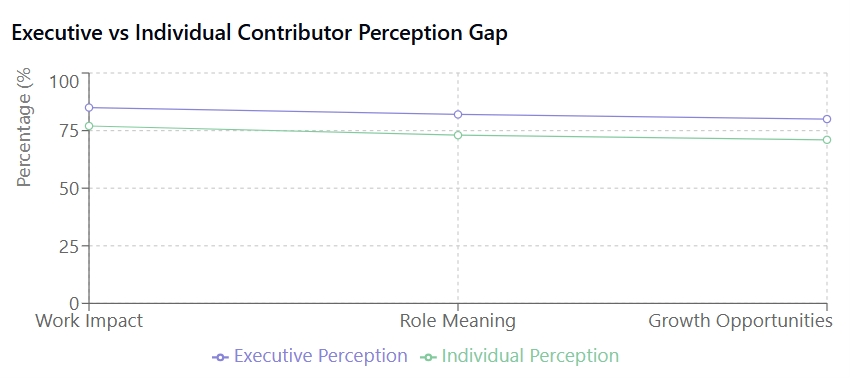
A notable challenge in many organizations is the disconnect between executive perception and ground reality. Current data shows a consistent 7-10% gap in how executives and individual contributors perceive:
Impact of their work
Meaningfulness of their roles
Available growth opportunities
Access to resources and support
This perception gap needs to be actively addressed through structured feedback mechanisms and regular communication channels. Organizations can bridge this gap by:
Implementing regular pulse surveys
Creating safe spaces for honest feedback
Establishing mentorship programs
Ensuring transparent communication about opportunities and challenges
Regular town halls and open forums with leadership
The GRIT Framework: A Path Forward
For organizations committed to transforming their workplace culture, the GRIT framework offers a structured approach:
Goals:
Set clear, measurable targets for women’s representation
Establish regular progress tracking mechanisms
Communicate achievements and challenges transparently
Create accountability at all leadership levels
Role Models & Resources:
Ensure visible leadership commitment
Allocate adequate resources for diversity initiatives
Showcase successful women leaders
Create mentorship and sponsorship programs
Implementation & Monitoring:
Create robust tracking systems
Establish regular feedback loops
Make real-time adjustments based on data
Measure both quantitative and qualitative outcomes
Training:
Provide comprehensive bias awareness programs
Equip managers with tools to support women’s career progression
Regular updates on best practices
Specialized leadership development programs
Looking Ahead: The Future of Workplace Culture
The journey toward creating truly inclusive workplaces is ongoing. While progress has been made, organizations must maintain momentum by:
Continuously evaluating and updating their diversity strategies
Ensuring leadership remains actively engaged in inclusion initiatives
Creating platforms for women to share their experiences and success stories
Developing innovative approaches to address emerging workplace challenges
Investing in technology and tools that support inclusive practices
Building partnerships with organizations that champion women’s advancement
Measuring and celebrating progress while acknowledging areas for improvement
The transformation of workplace culture isn’t just about implementing policies – it’s about creating an environment where women can thrive, lead, and inspire. Organizations that successfully navigate this transformation will not only retain top female talent but will also build more resilient, innovative, and successful businesses for the future. The time for incremental changes has passed; what’s needed now is bold, decisive action to create workplaces that truly work for everyone.
Get Certified to Showcase Your Commitment
Achieving Great Place To Work®Certification™is an excellent way to demonstrate your organization’s commitment to employees’ overall well-being and experience. This Certification not only enhances your employer branding but also helps attract and retain top talent. It highlights to current and prospective employees that your organization values their overall well-being, fostering an environment where they feel appreciated and supported.
By implementing a culture of trust, respect, and collaboration, you can create a workplace where employees feel valued and connected. Certification also provides a benchmark for continuous improvement, helping you identify areas where you can further enhance employee well-being and overall workplace culture.
For All Summit Mumbai 2025: Vision to Value – Building Workplaces That Matter
Join us on February 6, 2025, in Mumbai for an enlightening day filled with insights on creating sustainable, humane, and inclusive workplaces. Learn from industry leaders about purpose-driven cultures, innovative HR practices, and adaptive leadership strategies.
In an era where the IT & IT-BPM industry faces unprecedented challenges, the concept of Best Workplaces has evolved far beyond general perks like recreational centers or complementary meals. Today’s workplace culture stands at a critical crossroads, shaped by economic uncertainties, technological disruption, and shifting employee expectations. As organizations navigate through these turbulent times, building resilient workplace cultures has become more crucial than ever. The recent wave of layoffs and structural changes has created a complex landscape where trust, engagement, and cultural stability hang in delicate balance.
The Trust Paradox
The IT & IT-BPM sector, once a beacon of stability and growth, now grapples with a complex paradox. While 82% of employees find meaning in their work and feel they make a difference, organizations face growing challenges in maintaining engagement and trust. This disconnect points to a deeper truth: workplace culture isn’t just about satisfaction metrics—it’s about creating an environment where trust and purpose flourish together.
Recent trends reveal a concerning pattern of disengagement, particularly among younger generations. The rise of “silent quitting” and burnout, affecting 29% of IT employees—a 3% increase from the previous year—signals a critical need for cultural transformation. The primary culprits? Inflexibility and limited involvement in decision-making processes. This disengagement manifests not just in productivity metrics but in the subtle erosion of workplace relationships and collaborative spirit.
The Cultural Impact of Economic Uncertainty
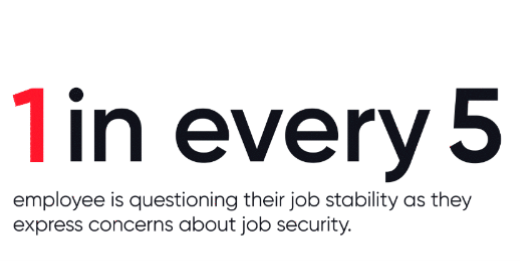
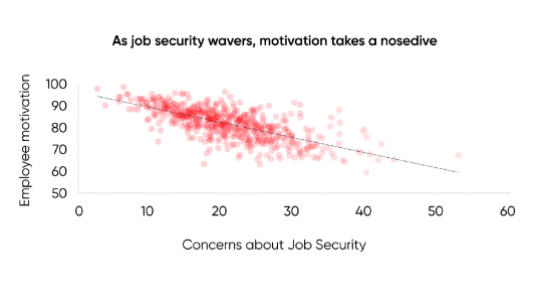
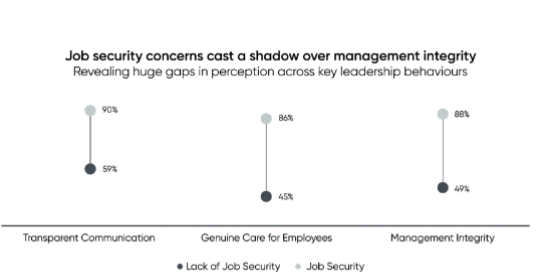
The tech industry’s recent turbulence has created ripple effects throughout organizational cultures. When job security wavers, the impact extends far beyond immediate workforce concerns—it fundamentally alters how employees engage with their work and connect with their organizations. However, this period of disruption also presents an opportunity for forward-thinking organizations to redefine their cultural foundations and emerge stronger.
The I.M.P.A.C.T. Framework: Building Tomorrow’s Best Workplaces
Forward-thinking organizations are adopting comprehensive approaches to rebuild and strengthen their workplace cultures. The I.M.P.A.C.T. framework emerges as a blueprint for creating sustainable, engaging work environments:
I – Innovation through Collaboration
Despite the recognized value of cross-functional collaboration, only 23% of companies currently implement cross-functional teams effectively. This gap represents an untapped opportunity. Best Workplaces understand that innovation thrives when diverse perspectives converge, making collaborative environments a cornerstone of their culture. Organizations that successfully foster cross-functional collaboration report higher rates of innovation and employee satisfaction.
M – Meaningful Purpose
The data speaks volumes: 82% of employees find meaning in their work isn’t just a statistic—it’s a competitive advantage. Leading organizations are intentionally connecting individual roles to broader organizational goals, creating a sense of purpose that transcends daily tasks. This alignment becomes particularly crucial during periods of uncertainty, providing stability through shared mission and values. Best Workplaces actively cultivate this sense of purpose through clear communication of organizational impact and regular reinforcement of how individual contributions matter.
P – Promoting Internal Growth
The most resilient workplace cultures prioritize internal development, with 70% of organizations elevating their current leadership from within. This approach does more than fill positions—it builds institutional knowledge, strengthens cultural continuity, and demonstrates a tangible commitment to employee growth. Internal promotion strategies create visible career pathways that motivate employees and foster long-term commitment to organizational success.
A – Active Feedback Integration
In an age of rapid change, the ability to listen and adapt becomes crucial. While 80% of companies conduct engagement surveys, the true differentiator lies in how organizations act on this feedback. Best Workplaces stand out by closing the feedback loop, demonstrating that employee voices shape organizational direction. They create systematic approaches to not just collecting but implementing feedback, making it a cornerstone of their cultural evolution.
C – Communication for Empowerment
Perhaps the most telling is that only 30% of companies provide communication training to managers. This statistic illuminates a critical gap in workplace culture development. Effective communication serves as the bedrock of empowerment, enabling managers to delegate meaningfully and employees to contribute authentically. Best Workplaces invest heavily in developing communication capabilities across all organizational levels, recognizing their role in building trust and engagement.
T – Transparency as Trust’s Foundation
With 78% of companies maintaining defined grievance redressal processes, the framework for trust exists. However, true workplace culture excellence demands going beyond processes to create environments where transparency and accountability become natural elements of daily operations. Leading organizations are redefining transparency through regular updates on organizational direction, clear communication about challenges, and honest dialogue about both successes and failures.
The Future of Work: Emerging Trends Shaping Workplace Culture
As organizations chart their path forward, several key trends are reshaping the landscape of workplace culture:
1. Hybrid Work Evolution
The future workplace transcends physical locations, demanding cultures that foster connection and collaboration across digital and physical spaces. Best Workplaces are reimagining collaboration tools and practices to maintain cultural cohesion in hybrid environments. They’re developing innovative approaches to ensure remote employees feel as connected and engaged as their in-office counterparts.
2. Skills-First Culture
Traditional hiring models are giving way to skills-based approaches, emphasizing continuous learning and adaptability. Organizations are creating cultures where skill development becomes part of the daily workflow rather than an occasional training event. This shift requires new approaches to performance evaluation and career development that prioritize capabilities over credentials.
3. Purpose-Driven Sustainability
Environmental and social responsibility are emerging as powerful engagement drivers. Best Workplaces are integrating sustainability into their cultural DNA, recognizing its role in attracting and retaining purpose-driven talent. They’re creating initiatives that align organizational success with positive social impact, meeting the growing demand for meaningful work.
4. Accountability Culture
The most successful organizations are building cultures where accountability flows both ways—leaders to employees and employees to organization. This reciprocal relationship strengthens trust and drives engagement. Best Workplaces are implementing transparent metrics and regular check-ins to ensure accountability becomes a cultural strength rather than a management tool.
Addressing Generational Expectations
Modern workplace cultures must navigate diverse generational expectations, particularly as Gen Z enters the workforce with distinct preferences and values. Best Workplaces recognizes that creating inclusive cultures means understanding and accommodating different generational perspectives on work, success, and engagement. This understanding shapes everything from communication styles to career development approaches.
Building Resilience Through Culture
The path to becoming a Best Workplace isn’t linear. It requires constant attention, adaptation, and authentic commitment to creating environments where employees can thrive. As the IT industry continues to evolve, organizations that prioritize cultural resilience will find themselves better equipped to navigate future challenges.
The signs of strain are clear—from burnout to disengagement—but so are the opportunities for transformation. By focusing on trust, purpose, and meaningful connection, organizations can build workplace cultures that don’t just weather storms but emerge stronger from them.
Success in this endeavor requires more than policies and programs; it demands a fundamental shift in how organizations view and nurture their workplace culture. The Best Workplaces of tomorrow will be those that recognize culture as their most strategic asset, investing in it with the same rigor they apply to technological innovation.
As we look ahead, the question isn’t whether workplace culture matters—it’s how organizations will adapt their cultures to meet the evolving needs of their workforce while maintaining the trust and engagement that drive sustainable success. In this journey, the I.M.P.A.C.T. framework offers not just a roadmap but a foundation for building the resilient, engaging workplaces the future demands.
Get Certified to Showcase Your Commitment
Achieving Great Place To Work®Certification™ is an excellent way to demonstrate your organization’s commitment to employees’ overall well-being and experience. This Certification not only enhances your employer branding but also helps attract and retain top talent. It highlights to current and prospective employees that your organization values their overall well-being, fostering an environment where they feel appreciated and supported.
By implementing a culture of trust, respect, and collaboration, you can create a workplace where employees feel valued and connected. Certification also provides a benchmark for continuous improvement, helping you identify areas where you can further enhance employee well-being and overall workplace culture.
For All Summit Mumbai 2025: Vision to Value – Building Workplaces That Matter
Join us on February 6, 2025, in Mumbai for an enlightening day filled with insights on creating sustainable, humane, and inclusive workplaces. Learn from industry leaders about purpose-driven cultures, innovative HR practices, and adaptive leadership strategies.
In today’s rapidly evolving professional landscape, the concept of work has transformed significantly. No longer is it merely a means to earn a living; instead, it has become an integral part of our identity and lifestyle choices. This shift in perception has profound implications for how organizations approach workplace culture and what makes a truly great place to work.
Transforming Workplace Culture: Beyond Traditional Employment
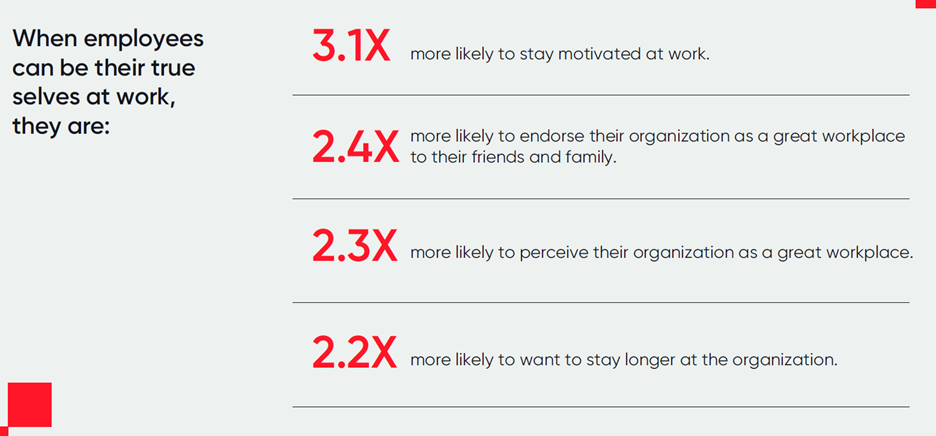
The modern workforce seeks more than just competitive compensation. They desire an environment where they can thrive, grow, and most importantly, be themselves. Recent studies reveal a compelling statistic: employees who feel they can be their authentic selves at work are 3.1 times more likely to maintain high motivation levels. This finding underscores the critical importance of creating a workplace culture that celebrates individuality and promotes genuine self-expression.
The ROI of Creating a Great Place To Work
The impact of positive workplace culture extends beyond employee satisfaction – it significantly affects the bottom line. A remarkable study by RSM demonstrates this correlation perfectly: shareholders’ investments in India’s Best Companies To Work For have generated approximately 14 times returns on initial investment, outperforming both bullion and stock indices by a factor of 3.73. This data presents a compelling business case for organizations to prioritize creating exceptional workplace environments.
Measuring Success: Key Dimensions of Workplace Culture Excellence
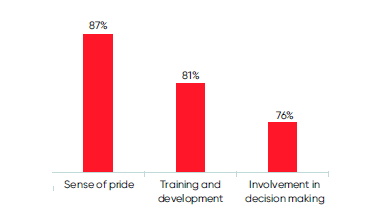
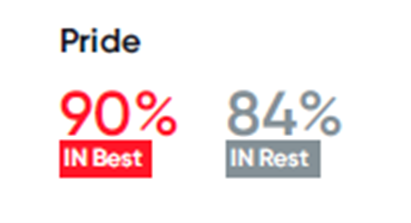
Recent findings from India’s Best Companies To Work For 2024 report provide valuable insights into the various dimensions that shape workplace excellence. While Pride maintains its position as the highest-scoring dimension, there’s been a notable one-point decrease in scores forCredibility, Respect, Camaraderie, and Fairness compared to the previous year. This shift signals a crucial moment for organizations to reassess and strengthen their approach to workplace culture.
Creating an Inclusive Great Place To Work: Understanding Employee Experiences
Creating a great workplace isn’t about implementing one-size-fits-all solutions. Great Place To Work® emphasizes the importance of delivering consistent positive workplace culture experiences across all employee segments. Recent research reveals interesting patterns in how different demographics experience their workplace:
Workplace Culture Across Job Roles
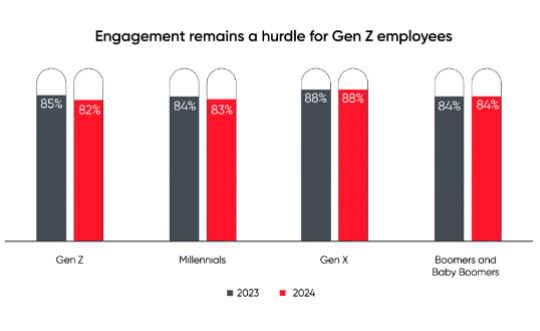
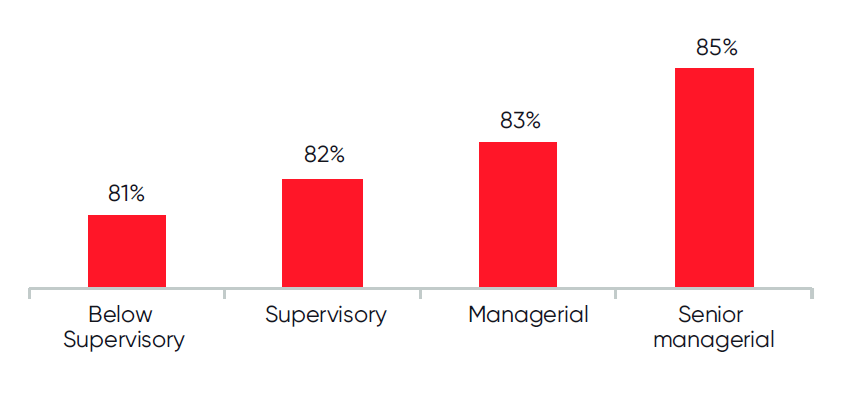
Analysis shows that the Trust Index™ Grand mean demonstrates an upward trend as employees progress to higher positions. This pattern suggests that organizations must work harder to ensure junior employees feel equally valued and supported in their workplace culture.
Employee Tenure and Workplace Culture Experience
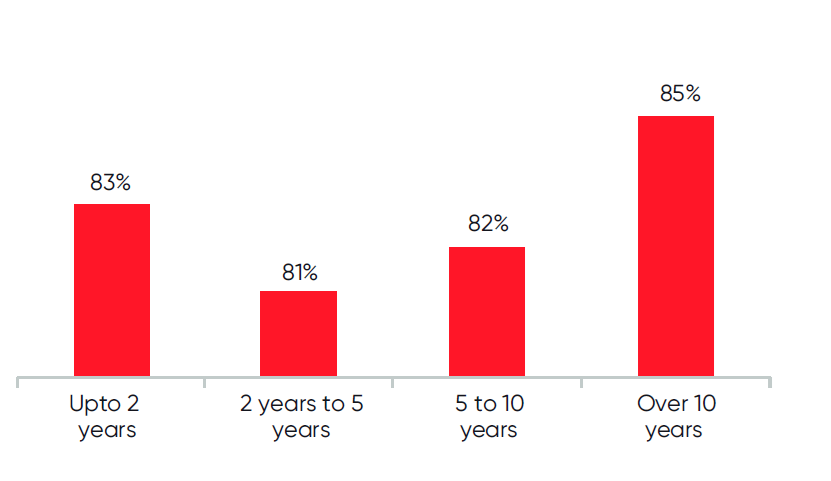
Employee experience follows an interesting pattern based on tenure:
First 2 years: High cultural engagement
2-5 years: Notable dip in experience
Beyond 5 years: Steady increase, with longest-serving employees reporting the most positive experiences
Generational Differences in Great Place To Work Experiences
Different generations experience workplace culture uniquely:
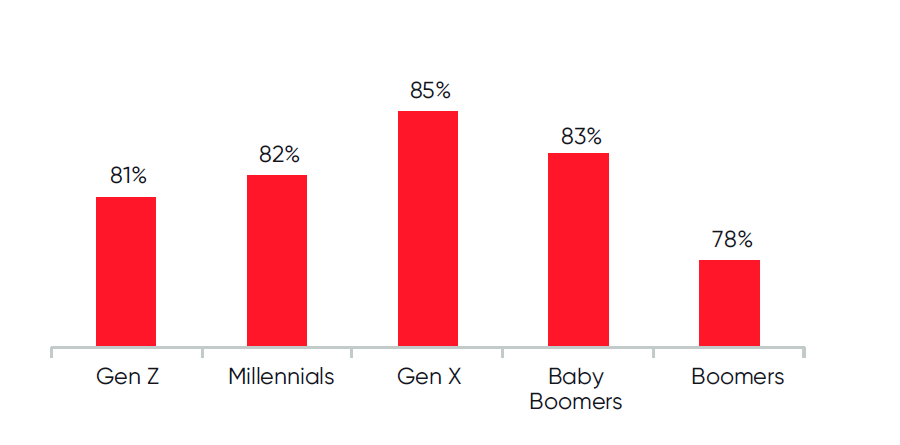
Gen X employees report the most positive experiences
Gen Z and Millennial employees show room for improvement in their cultural experience
Gender Equity in Workplace Culture
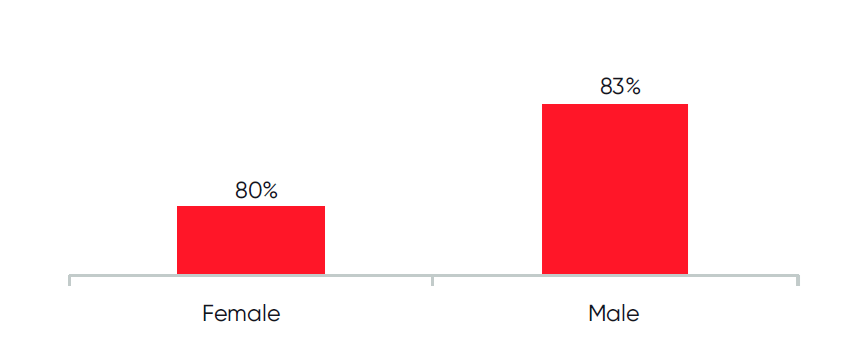
The data reveals that male employees generally report more positive cultural experiences than their female colleagues. This disparity calls for targeted initiatives to create more inclusive and equitable workplace environments that support all employees equally. Organizations must implement concrete measures such as:
Mentorship programs specifically designed for women leaders
Regular pay equity audits and transparent compensation policies
Flexible work arrangements that support work-life integration
Clear career progression paths and leadership development opportunities
Zero-tolerance policies for workplace discrimination and harassment.
The Impact of Technology on Workplace Culture
As organizations evolve into digital-first environments, technology plays an increasingly crucial role in shaping workplace culture. A great workplace in the modern era must effectively balance digital transformation with human connection. Key considerations include:
Digital Collaboration and Communication
Implementation of tools that facilitate seamless communication across teams
Creation of virtual spaces that foster camaraderie and informal interactions
Integration of technologies that support hybrid and remote work models
Ensuring digital accessibility and inclusion for all employees
Maintaining Human Connection
Balancing automated processes with meaningful human interactions
Creating opportunities for face-to-face collaboration when possible
Developing digital wellness initiatives to prevent burnout
Fostering virtual team-building activities that strengthen relationships
Employee Well-being as a Cornerstone of Workplace Culture
A truly great place to work prioritizes holistic employee well-being. This encompasses:
Mental Health Support
Access to counseling and mental health resources
Stress management programs and workshops
Regular check-ins and open dialogue about mental health
Training for managers to recognize and support mental health concerns
Physical Wellness
Comprehensive health insurance coverage
Fitness programs and wellness challenges
Ergonomic workspace solutions
Regular health check-ups and preventive care initiatives
Financial Well-being
Financial planning resources and education
Retirement planning support
Emergency savings programs
Student loan assistance programs
Strategies for Building a Great Place To Work
As organizations strive to become a great place to work, they must recognize that workplace culture is not static but dynamic. The key to success lies in:
Authentic Leadership in Workplace Culture: Encouraging leaders to model authentic behavior and create safe spaces for employees to be themselves
Consistent Employee Experience: Working to eliminate disparities in how different employee groups experience the workplace
Targeted Culture Interventions: Developing specific programs to address gaps in employee experience based on tenure, generation, and gender
Creating a great place to work requires more than surface-level changes or periodic initiatives. It demands a fundamental commitment to understanding and responding to employee needs across all demographics. Organizations that succeed in this endeavor not only create more engaged and productive workforces but also position themselves for superior business performance.
The evolution of work from a mere job to a lifestyle choice presents both challenges and opportunities. Organizations that embrace this shift and work deliberately to create inclusive, authentic workplace cultures will find themselves better positioned to attract, retain, and engage top talent.
As we look to the future, it’s clear that the most successful organizations will be those that view workplace culture as a strategic priority rather than a nice-to-have. They will be the ones that consistently deliver positive experiences across all employee segments, fostering environments where everyone can thrive and contribute their best work.
Creating Tomorrow’s Great Places To Work
Creating a great place to work is both an art and a science. It requires careful attention to data and demographics while maintaining a human-centered approach that recognizes and celebrates the individuality of each employee. As workplace culture continues to evolve, organizations must:
Stay attuned to changing employee expectations and needs
Embrace technological advances while maintaining human connection
Foster inclusive environments that support all employee groups
Implement comprehensive well-being programs
Maintain consistent measurement and improvement processes
Organizations that successfully navigate these challenges while maintaining authentic and positive workplace cultures will not only attract and retain top talent but also achieve superior business results. The future belongs to those who recognize that being a great place to work is not just a designation, but a continuous journey of improvement and adaptation.
Get Certified to Showcase Your Commitment
Achieving Great Place To Work Certification™is an excellent way to demonstrate your organization’s commitment to employees’ overall well-being and experience. This Certification not only enhances your employer branding but also helps attract and retain top talent. It highlights to current and prospective employees that your organization values their overall well-being, fostering an environment where they feel appreciated and supported.
By implementing a culture of trust, respect, and collaboration, you can create a workplace where employees feel valued and connected. Certification also provides a benchmark for continuous improvement, helping you identify areas where you can further enhance employee well-being and overall workplace culture.
For All Summit Mumbai 2025: Vision to Value – Building Workplaces That Matter
Join us on February 6, 2025, in Mumbai for an enlightening day filled with insights on creating sustainable, humane, and inclusive workplaces. Learn from industry leaders about purpose-driven cultures, innovative HR practices, and adaptive leadership strategies.
When teams come together to celebrate achievements, it’s more than just a fun break in the workday. It’s a powerful affirmation of the high-trust, high-performing environment many companies strive to build. Recognizing milestones, whether it’s a Great Place To Work® Certification™, a work anniversary, or the successful completion of a project, reinforces that every employee is valued and part of something meaningful.
Creating a recognition-rich culture isn’t just about boosting morale; it’s about building connections and pride that permeate every level of an organization. Celebrations aren’t just nice-to-haves; they’re essential to creating a workplace culture where everyone feels they belong, contributing to higher engagement and overall well-being.
Why Recognition Is Key to a Thriving Workplace Culture
Boosts Engagement
When employees see their contributions celebrated, it strengthens their connection to the company. They’re not just working a job; they’re part of a mission.
Enhances Workplace Enjoyment
Celebrations add a dash of fun, breaking up the daily routine and bringing employees together.
Drives Pride and Value
Recognizing big and small achievements reminds employees that they are integral to the team, inspiring them to perform at their best.
Practical Ways to Celebrate Your Team
Building a recognition-rich culture doesn’t require an extensive budget, just creativity and a genuine desire to connect. Here are a few effective ways to celebrate milestones:
Public Acknowledgment
Make recognition visible, like at Sheetz, where managers give personal shout-outs using Show the Love Toolkits. Whether it’s a company-wide event or a quick shout-out in a team meeting, these moments of appreciation create a sense of belonging.
Casual Celebrations
Let employees enjoy downtime together, building team spirit in a relaxed, fun way.
Storytelling Recognition
Get the team to share spotlight stories about colleagues who go the extra mile, showcasing a diverse array of contributions from across the company.
When employees see their accomplishments celebrated, they feel connected to the company’s mission and goals, leading to increased engagement and well-being. CEO of Great Place To Work, Michael C. Bush, puts it well: “The most important things to celebrate are the values of the organization and how people help the organization achieve its purpose.”
Aligning Celebrations with Company Values
Effective celebrations are those that resonate with company values, ensuring that recognition goes beyond routine pats on the back to reinforce a company’s mission and purpose.
Connecting celebrations to values creates a powerful message: each employee’s contribution brings the company closer to its overarching goals. Celebrating achievements that embody core values like teamwork, innovation, or dedication reaffirms what the company stands for and inspires employees to keep those values top of mind in their daily work.
Best Practices for Recognizing Workplace Milestones
To make milestone celebrations truly impactful, tailor them to your organization’s culture and the diverse preferences of your team. Here are some best practices for creating memorable and meaningful celebrations:
Personalized Celebrations
Customize recognition based on team members’ unique achievements and personalities. Whether it’s an in-person gathering or a virtual event, ensure the celebration is inclusive and reflective of what makes each individual valuable.
Link to Core Values
Align recognition with key cultural themes, such as innovation or community involvement.
Seasonal and Heritage Events
Celebrating milestones can also align with broader community or cultural themes. Recognizing cultural heritage months or national days connects team celebrations to the wider world, highlighting shared values and diversity within the team.
Through these intentional acts of appreciation, companies can foster communities where employees feel respected and valued for their unique contributions. This approach lifts morale, motivates employees, and ultimately drives both personal and organizational success.
Building a Legacy of Recognition and Appreciation
The Best Workplaces understand that building a people-first culture isn’t a one-time event. It’s a commitment to consistently show employees they’re valued, weaving a legacy of recognition into the fabric of the organization. As employees become accustomed to an environment where their efforts are noticed and celebrated, their sense of loyalty and enthusiasm for the company grows.
The Lasting Impact of Celebration-Driven Culture
When a company commits to recognizing its employees and celebrating achievements, it creates a ripple effect that touches every corner of the organization. Celebrations become ingrained in daily routines, transforming regular workplaces into vibrant communities where employees are motivated to bring their best.
Through thoughtful and consistent recognition, companies reinforce the idea that each employee matters and each contribution is valued. The result is a workforce that’s not only engaged and loyal but also proud to contribute to a shared mission.
By celebrating values-driven achievements, companies cultivate more than just a happy workplace, they foster a high-trust, high-performance culture that supports both individual and company-wide success. Organizations that embrace this approach not only succeed in creating a great place to work but also inspire their employees to contribute to a thriving, purpose-driven community where recognition is the foundation of long-term success.
Get Certified to Showcase Your Commitment
Achieving Great Place To Work Certification is an excellent way to demonstrate your organization’s commitment to employees’ overall wellbeing and experience. This Certification not only enhances your employer branding but also helps attract and retain top talent. It highlights to current and prospective employees that your organization values their health, happiness, and overall wellbeing.
By implementing a culture of trust, respect, and collaboration, you can create a workplace where employees feel strong, healthy, and connected. Certification also provides a benchmark for continuous improvement, helping you identify areas where you can further enhance employee well-being and overall workplace culture.
For All Summit 2025: Vision to Value – Building Workplaces That Matter
Join us on February 6, 2025, in Mumbai for an enlightening day filled with insights on creating sustainable, humane, and inclusive workplaces. Learn from industry leaders about purpose-driven cultures, innovative HR practices, and adaptive leadership strategies.
In an era where workplace dynamics are rapidly evolving, organizations are increasingly turning to company culture consulting for building environments where trust and transparency aren’t just buzzwords but foundational elements of success. Through comprehensive workplace culture surveys and expert guidance, businesses are discovering that a strong cultural framework can dramatically impact their bottom line while fostering an engaged, productive workforce.
The Building Blocks of Strong Company Culture
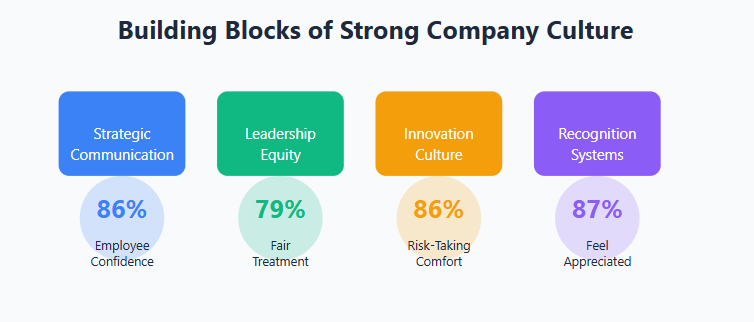
Before diving into specific strategies, let’s visualize the key elements that contribute to a successful company culture:
The above chart highlights the four fundamental pillars of strong company culture and their impact on organizational success. Let’s explore how professional company culture consulting can help organizations build trust and drive success through data-backed strategies and proven methodologies.
1. Strategic Communication Framework Development
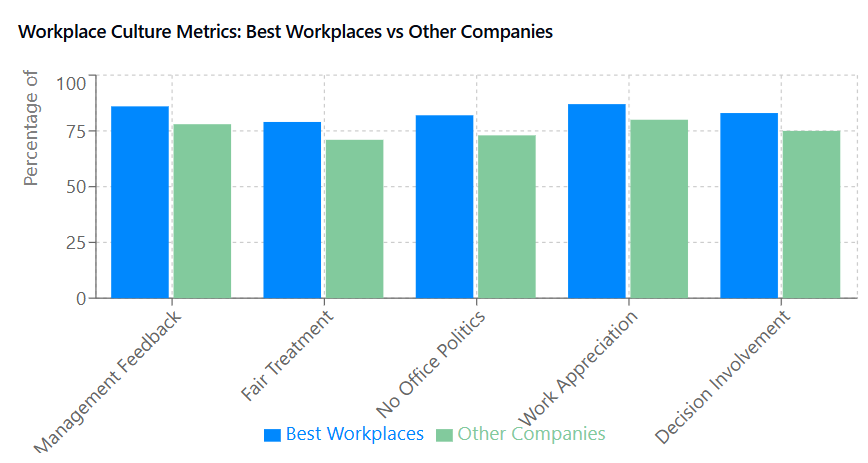
Company culture consulting begins with establishing robust communication channels. Modern consultants leverage workplace culture surveys to identify communication gaps and implement targeted solutions. These assessments often reveal surprising insights – organizations with strong communication frameworks see up to 86% of their employees feeling confident in approaching management with questions and concerns.
What sets successful companies apart is their shift from passive to proactive communication strategies:
Regular pulse checks through customized surveys
Structured feedback loops between management and employees
Multi-channel communication platforms that accommodate diverse working styles
Training programs that enhance leadership communication skills
Real-time feedback mechanisms for immediate issue resolution
Cross-functional communication protocols
Culture consultants help organizations move beyond traditional open-door policies to create dynamic, two-way communication channels that foster genuine dialogue and understanding. This transformation often involves implementing sophisticated communication technologies and developing clear escalation pathways for critical issues.
2. Equity-Focused Leadership Development
Workplace culture surveys consistently show that perceived fairness is a critical driver of employee trust. Professional culture consulting helps organizations develop equitable leadership practices through:
Unconscious bias training programs
Standardized decision-making frameworks
Transparent promotion and advancement criteria
Regular equity audits and assessments
Inclusive leadership development programs
Mentorship and sponsorship initiatives
Clear performance evaluation metrics
Data shows that in organizations with strong equity practices:
79% of employees report fair treatment without favoritism
82% observe minimal office politics and backstabbing
Higher rates of employee retention and satisfaction
Improved cross-departmental collaboration
Enhanced team performance metrics
Culture consultants work with leadership teams to implement systems that ensure consistent, fair treatment across all organizational levels, leading to improved trust and engagement. They also help establish accountability measures to maintain these practices long-term.
3. Innovation-Enabling Risk Management
Modern company culture consulting emphasizes creating psychological safety – an environment where calculated risks and honest mistakes are viewed as steppingstones to innovation. This approach includes:
Developing failure response protocols
Creating innovation incentive programs
Implementing learning-focused performance reviews
Establishing innovation labs and experimental projects
Building cross-functional innovation teams
Creating safe spaces for experimental initiatives
Developing risk assessment frameworks
Workplace culture surveys reveal that organizations embracing this approach see:
86% of employees feeling comfortable taking calculated risks
Increased rates of product and process innovation
Higher levels of creative problem-solving
Stronger team collaboration and knowledge sharing
Reduced fear of failure among team members
Improved project success rates
Enhanced organizational adaptability
Culture consultants help organizations strike the perfect balance between risk management and innovation enablement, creating an environment where creativity thrives without compromising operational stability. They also assist in developing metrics to measure innovation success and adjust strategies accordingly.
4. Recognition System Architecture
Expert company culture consulting places significant emphasis on developing comprehensive recognition frameworks. Through detailed workplace culture surveys, consultants help organizations design recognition systems that:
Align with company values and objectives
Incorporate both formal and informal recognition channels
Ensure equal access to recognition opportunities
Create transparent criteria for awards and acknowledgments
Implement peer-to-peer recognition programs
Develop team-based recognition initiatives
Establish recognition budgets and resources
Organizations implementing structured recognition systems report:
87% of employees feeling appreciated for their efforts
85% believing in fair access to recognition opportunities
Increased employee motivation and engagement
Stronger team morale and workplace satisfaction
Higher retention rates among top performers
Improved cross-functional collaboration
Enhanced employer branding
Consultants work with organizations to create recognition frameworks that celebrate both individual and team achievements, fostering a culture of appreciation and mutual respect. They also help develop metrics to measure the impact of recognition programs on employee engagement and performance.
5. Collaborative Decision-Making Integration
Modern company culture consulting emphasizes the importance of inclusive decision-making processes. Through comprehensive workplace culture surveys, consultants help organizations:
Identify key decision-making bottlenecks
Develop inclusive decision-making frameworks
Create feedback mechanisms for major organizational changes
Organizations that adopt inclusive decision-making practices see:
83% of employees feeling involved in decisions affecting their work
Higher rates of employee buy-in for organizational changes
Improved implementation success rates for new initiatives
Stronger cross-functional collaboration
Reduced resistance to change
Enhanced problem-solving capabilities
More innovative solutions to complex challenges
Culture consultants guide organizations in creating decision-making processes that balance efficiency with inclusivity, ensuring all voices are heard while maintaining operational effectiveness.
The Transformative Impact of Professional Culture Consulting
When organizations invest in comprehensive company culture consulting and regular workplace culture surveys, the results are remarkable:
Double the rates of employee psychological safety
Significantly higher levels of innovation and creativity
Stronger employee retention and satisfaction
Improved organizational performance and productivity
Enhanced market competitiveness
Better talent attraction and retention
Stronger organizational resilience
The key to success lies in the systematic approach that professional culture consulting provides:
Regular assessment through detailed workplace culture surveys
Data-driven strategy development
Customized implementation plans
Continuous monitoring and adjustment
Long-term support and guidance
Adaptive strategy refinement
Stakeholder engagement at all levels
The Data Behind Successful Culture Transformation
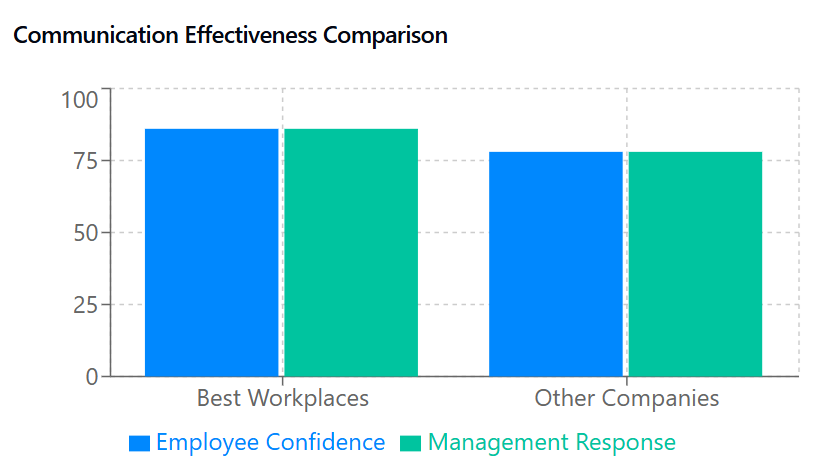
When we compare organizations that invest in company culture consulting with those that don’t, the differences are striking:
As the data clearly shows, organizations that prioritize culture through professional consulting and regular workplace culture surveys consistently outperform their peers across key metrics:
Communication effectiveness is 86% higher
Fair treatment perception increases by 79%
Employee voice and participation improves by 83%
Looking Ahead: The Future of Company Culture Consulting
As workplace dynamics continue to evolve, company culture consulting is becoming increasingly sophisticated. Modern consultants leverage advanced analytics, artificial intelligence, and predictive modeling to help organizations:
Anticipate cultural challenges before they arise
Develop proactive solutions to emerging issues
Create adaptive cultural frameworks that evolve with the organization
Through regular workplace culture surveys and expert guidance, organizations can create environments where trust, innovation, and success naturally flourish. Investment in professional company culture consulting pays dividends not just in improved employee satisfaction and retention, but in sustainable business success and competitive advantage.
Remember: Building a strong company culture is not a destination but a journey. With the right consulting partner and a commitment to regular assessment through workplace culture surveys, organizations can create environments where every employee feels valued, heard, and empowered to contribute their best work. The future belongs to organizations that prioritize cultural excellence and embrace the transformative power of professional culture consulting.
Get Certified to Showcase Your Commitment
AchievingGreat Place To Work Certification is an excellent way to demonstrate your organization’s commitment to employees’ overall wellbeing and experience. This Certification not only enhances your employer branding but also helps attract and retain top talent. It highlights to current and prospective employees that your organization values their health, happiness, and overall wellbeing.
By implementing a culture of trust, respect, and collaboration, you can create a workplace where employees feel strong, healthy, and connected. Certification also provides a benchmark for continuous improvement, helping you identify areas where you can further enhance employee well-being and overall workplace culture.
For All Summit 2025: Vision to Value – Building Workplaces That Matter
Join us on February 6, 2025, in Mumbai for an enlightening day filled with insights on creating sustainable, humane, and inclusive workplaces. Learn from industry leaders about purpose-driven cultures, innovative HR practices, and adaptive leadership strategies.
The Certification Advantage: Why Partner with Great Place To Work®
How partnering with Great Place To Work® can strengthen your people strategy, and drive business outcomes through data-driven insights and Certification.