
Key Takeaways:
1. Work-life balance is no longer optional; it directly impacts employee engagement, retention, and overall business performance.
2. Flexibility works best when it is built on trust, focused on outcomes, and tailored to individual employee needs.
3. Organizations that genuinely listen to employees and adapt their policies create a culture where people feel valued, supported, and motivated to stay.
At Great Place To Work®, our research consistently shows that the most engaged, most productive, and most loyal employees are those who feel genuinely supported as human beings, not just as contributors to a business outcome. And at the heart of that experience is one critical factor: work-life balance.
Yet for many organizations across India, work-life balance remains an aspiration rather than a reality. Employees are logging in long after hours, carrying the weight of personal responsibilities without institutional support, and experiencing burnout that quietly chips away at their commitment and performance. Our data tells us that in cultures where wellbeing is neglected, fewer than 20% of employees are motivated and intend to stay. In cultures where wellbeing is genuinely prioritized, that number rises to 97%.
That is not a small gap. That is the difference between a workplace where people merely survive and one where they truly thrive.
In this blog, we explore meaningful, human-centric work life balance examples drawing from practices championed by some of India’s leading organizations that HR leaders, people managers, and business leaders can implement to build cultures of genuine engagement.
When Work-Life Balance Becomes a Business Priority?
The conversation around work-life balance has fundamentally shifted. What was once considered a ‘good to have’ has emerged as a core driver of organizational performance. Our research at Great Place To Work India reveals that employees who feel psychologically safe and valued are 5x more likely to feel engaged and committed to their organization.
Companies see quantifiable advantages in retention, productivity, team collaboration, and innovation when employees have a consistent work-life balance. On the other hand, when work deadlines are unreasonable and personal time is not respected, the effect appears as increased absenteeism, disengagement, and attrition, all of which have a direct impact on the bottom line.
Additionally, work-life balance is not a consistent experience. Every individual brings a unique set of personal circumstances, responsibilities, and wellness requirements to work. Organizations that identify this variability and customize their processes accordingly usually earn their employees’ trust and dedication.
Work Life Balance Examples That High-Trust Workplaces Are Getting Right
High-trust workplaces bring this philosophy to life through practical, people-centric initiatives such as:
Flexible Working Environment:
A flexible working environment is one of the best examples of work-life balance, but how it is implemented is important. The best companies incorporate a flexible working environment plan as a cultural value rather than just offering remote work as a policy.
A well-known global real estate firm with operations in India has switched from transactional methods to entirely human-focused approaches. The company gives employees the freedom to select where and when they work because it understands that every employee is different and has different needs. There are times when working remotely or from home helps employees achieve a meaningful balance between their personal and professional goals, even though offices promote a connected, high-performance environment.
Also Read: 10 Essential HR Policies Every Organization Must Implement
To conquer this, the organization has evolved its working model entirely from a transactional model to a human well-being focused plan. The primary focus of the plan was to create a meaningful balance between employees’ personal and professional goals and promote a connected, high-performance environment.
The intent is the primary objective behind this approach to reward employees’ commitment to the company. Here are some of the key takeaways:-
- Define flexibility around outcomes, not office hours
- Anchor remote flexibility in trust, not surveillance
- Ensure flexibility is accessible equitably across levels and roles
Gradual Return-to-Work Plan
Absence due to illness, childbirth, mental health challenges, or bereavement is a reality in every workforce. But how an organization handles the return from absence reveals a great deal about its culture. This is one of the most underutilized yet deeply impactful work life balance examples we see championed by high-trust workplaces.
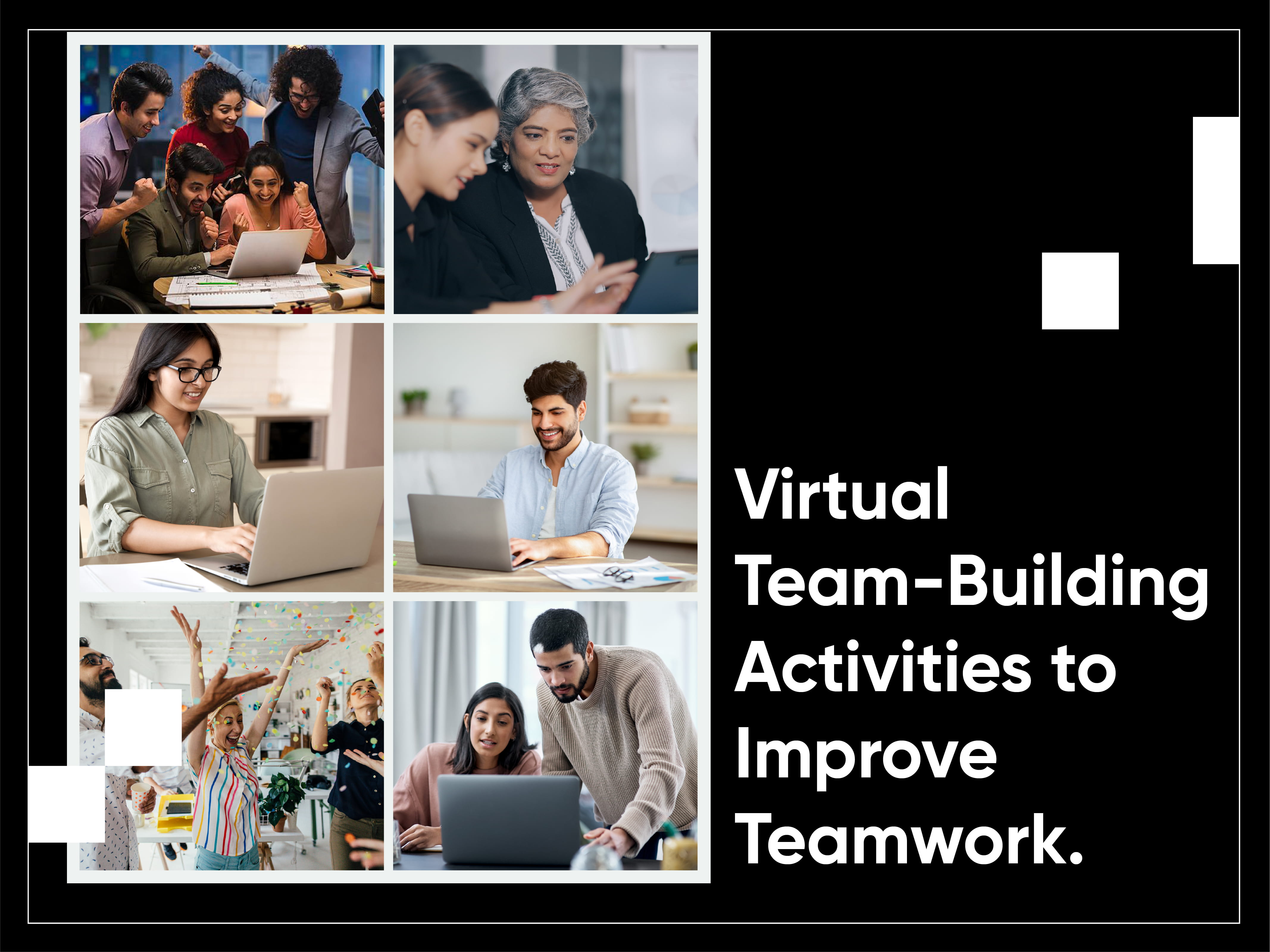
Also Read: Virtual Team-Building Activities to Improve Teamwork
The same property consultancy referenced above has formalized a Gradual Return-to-Work program that allows employees to re-enter the workforce with a reduced workload for a fixed period after an absence. The philosophy behind this practice is both simple and profound: employees should feel comfortable and be able to bring their whole selves back to work. Rather than expecting full performance from day one, the program creates a supported transition one that acknowledges human experience.
In general, practices like these are among the strongest predictors of long-term employee loyalty. When an employee feels cared for during a difficult time, their emotional connection to the organization deepens in ways that no incentive program can replicate.
Purposeful In-Office Collaboration
As hybrid work becomes embedded in India’s corporate landscape, many organizations are struggling to find the right cadence between in-person collaboration and remote flexibility. The most effective work life balance examples in this space involve treating in-office days as purposeful collaboration opportunities not attendance mandates.
A professional tax services firm has built an exceptionally thoughtful model around this challenge. Rather than setting a blanket policy, the organization worked with individual teams to co-create schedules that serve their specific collaboration needs. Some teams remain fully remote; others come in two to three days a week, but these days are identified together and used intentionally. Meetings that benefit from in-person dynamics are deliberately scheduled these days, making every office visit meaningful.
What is particularly noteworthy is the organization’s recognition that team dynamics have evolved. Certain ‘trigger events, such as welcoming a new team member, prompt a re-evaluation of collaboration requirements. Development needs can temporarily take priority over flexibility, ensuring the model remains adaptive rather than rigid.
This approach reflects a principle we champion at Great Place To Work: effectiveness must always be the north star. Flexibility is not an end in itself; it is a means to help people do their best work, together and individually.
Dedicated Wellbeing Days
Among the most inspiring work-life balance examples emerging from India’s best workplaces is the concept of a dedicated quarterly wellbeing day, a structured opportunity for employees to invest in their personal growth and self-care without using leave or sacrificing deliverables.
A leading telecommunications shared services organization has implemented this practice through a quarterly initiative that designates one day every quarter for employee well-being and self-improvement. The initiative is not passive; it is powered by internal ‘spirit champions’ who operate as role models for the company’s values, work alongside dedicated spirit leads, and actively engage colleagues in cultural transformation activities.
The importance of this goes well beyond a single day. By making personal growth a formal priority on the organizational calendar, leadership sends a strong message: we care about your growth as a person, not just your work performance. Our research shows that employees who feel this level of genuine care are three times more likely to see a long-term future with their companies.
Inclusive Leave Policies
A truly supportive approach to work-life balance requires leave policies that reflect the full diversity of employees’ life experiences. One of the clearest work life balance examples of this in action comes from a globally respected professional services firm whose wellbeing philosophy is anchored in the belief that caring for people is caring for the business.
The organization’s approach to take time off is both comprehensive and inclusive: employees can enjoy public holidays based on geographic location and personal preference and have access to a broad range of leave options: vacation days, sick leave, parental leave, adoption and surrogacy leave, and bereavement leave.
At Great Place To Work, we have consistently found that when organizations align their benefits to the actual needs employees share, it fosters a culture of openness and genuine wellbeing, one where employees feel seen, not just employed.
No-Meeting Days
Back-to-back meetings are one of the most gradual contributors to workplace fatigue and disengagement. Yet they are so normalized that most employees do not register them as a balance issue until burnout sets in.
India’s best workplaces are finding creative ways to address this. For example, announcing a no-meeting day once every month for all employees. Critically, this is not just a policy; it is a leadership commitment. Senior leaders not only practice it themselves but also embed it into their OKRs, making the protection of focused time a measurable organizational value.
For HR leaders seeking actionable work life balance examples to reduce burnout, the no-meeting day is a low-cost, high-impact intervention that demonstrates respect for employees’ time and cognitive energy.
Build a Great Place To Work
The examples of work-life balance above are not distinct initiatives. They indicate a stronger cultural commitment. Here are a few practices that you should practice to create a better work life balance for your employees:
- Leadership modelling: The leadership sets the stage for workplace culture in companies. Leaders who take time off, do not work after office hours, and create an open communication culture influence their teams to do the same.
- Policy to practice: Creating flexible working policies on paper is not enough for work life balance. The results will showcase only if every employee, no matter what level, job, or location they are in, can use and benefit from them.
- Listen, learn, and lead forward: Work-life balance demands change throughout time. Surveys conducted annually are not only an effective way but also a necessary one. Implementing real-time feedback methods can respond to emerging needs before employees become dissatisfied.
- Metrics That Matter Most: HR leaders should also focus on tracking wellbeing indicators, eNPS, tenure-based attrition and engagement scores across all departments to understand the organization’s work-life balance
Conclusion
Organizations that recognize a fundamental truth that sustainable high performance is fundamentally linked to sustainable human wellbeing will be the ones that define India’s great workplaces in the years ahead. Every employee should be treated as a human before an employee, which unites the work-life balance examples discussed in this blog, from individualized flexibility and phased return-to-work programs to dedicated wellbeing days and inclusive leave policies.
At Great Place To Work, we think that when companies genuinely and consistently invest in their employees’ well-being, their employees will repay them with discretionary effort, loyalty, and advocacy that no hiring budget can spend.
Work-life balance is a program that should not be started and then abandoned. Every level of the organization must uphold this cultural commitment on a daily basis. For HR and business leaders, the question is not whether they can afford to prioritize it, but rather whether they can afford not to.
Frequently Asked Questions
What are some real work life balance examples?
Examples include flexible work environments focused on outcomes, gradual return-to-work programs after leave, purposeful in-office collaboration, dedicated wellbeing days, inclusive leave policies, and no-meeting days to reduce burnout.
What are the best work-life balance practices for remote teams?
Best practices include defining flexibility around outcomes (not hours), building trust instead of surveillance, setting clear expectations, and creating structured yet flexible collaboration based on team’s needs.
Can work-life balance increase productivity?
Yes, organizations that prioritize employee wellbeing see higher engagement, stronger retention, better collaboration, and improved productivity, as employees feel valued and supported.
What are the 4 pillars of work-life balance?
The key pillars include flexibility, wellbeing support, inclusive policies, and a strong culture driven by leadership, trust, and continuous feedback.