
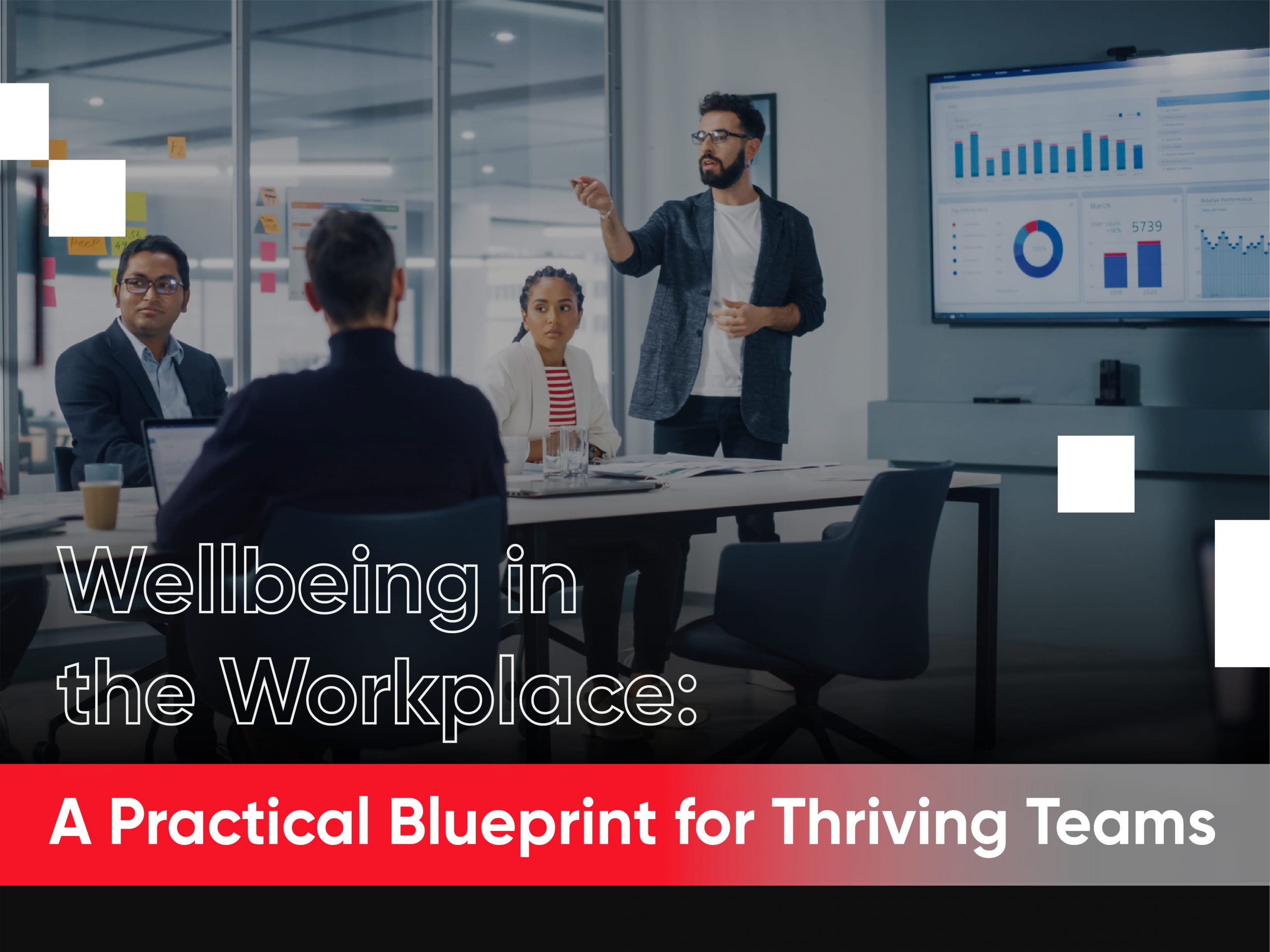
Wellbeing in the workplace means creating an environment where employees feel physically, mentally, financially, socially, and professionally supported. Organizations that embed wellbeing into daily work see higher engagement, loyalty, and innovation. From hybrid to escalating mental health needs, the modern workplace has realised a need for a holistic approach to employee wellbeing. Leaders who treat wellbeing as foundational, unlock tangible gains in stronger intent to stay, higher discretionary effort, and brand advocacy. The momentum is very real in India, with wellbeing initiatives, digital health solutions, and stigma-reduction drives fundamentally changing how people experience work each day.
What Is Wellbeing in Work?
Workplace wellbeing is the consistent, intentional design of policies, practices, and daily norms that support employees’ physical, mental, financial, social, and occupational or career health. It is not confined to benefits; rather, it is how the work is designed, how leaders lead, and whether people feel safe, heard, and supported-to avoid burnout and make sustainable high performance possible.
Why Wellbeing in the Workplace Matters?
- Engagement and retention: Great Place To Work® data shows that employees in thriving organizations are 5 times more engaged, loyal, and committed.
- Business Resilience: Companies are even appointing Chief Health Officers to link employee health with resilience, profitability, and ESG outcomes.
What Are the 5 Pillars of Wellbeing in the Workplace?
It identifies four core pillars: physical, mental, financial, and social; adding an additional dimension of occupational wellbeing provides a practical fifth pillar to tie wellbeing to growth and mastery.
- Physical Wellbeing: Preventive healthcare, fitness, and ergonomics guarantee safe, adaptable workspaces, including hybrid options and IAQ attention.
- Mental Well-being: The psychological safety of feeling able to speak up without fear of judgment, workload management, stigma-free support, and line managers trained to humanize performance expectations. In India, for example, a quarter of employees still struggle to talk openly about workplace stress or anxiety-leaders need to make the conversation normal.
- Financial Wellbeing: Competitive pay, transparency, financial education, and career linked progression help reduce stress that spills into mental health.
- Social Wellbeing: Belonging, fair work allocation, trust, community support, and recognition are core drivers that the Best Workplaces ™ constantly invest in.
- Occupational Wellbeing (Career): Growth pathways, skill development, clear goals, and autonomy-so people feel capable, valued, and energized by meaningful work.
- Why balance matters: Dropping even one pillar reduces wellbeing by ~20%; with only one pillar, overall wellbeing collapses to 23%, and with none, just 5% of employees report any sense of wellbeing.
What Are the Common Hurdles and How to Overcome Them?
- Stigma & silence around mental health: Train managers on psychological safety; promote Tele‑MANAS/ESIC‑aligned resources; run regular “listen & act” pulse checks.
- Complacency post-pandemic (wellbeing treated as a temporary fix): Make wellbeing a steady operating norm with leadership role-modelling.
- Unfair work allocation & favouritism: Transparent decision-making, equitable workload mechanisms, and data-led reviews that inhibit office politics.
- Fragmented wellbeing programs: Integration of wellbeing into job design, flexible policies, recognition, and belonging-make employees feel seen and supported.
- Measurement gaps: Connect wellbeing drivers with engagement outcomes – intent to stay, discretionary effort, advocacy, and operational metrics of productivity and agility.
Key Metrics to Track Wellbeing in the Workplace
Experience Metrics
- Psychological safety & belonging (e.g., % employees who feel safe to speak up; belonging scores).
- Work allocation fairness and work‑life balance indices.
Engagement & Culture Outcomes
- Intent to stay (target ≥85%); discretionary effort; brand advocacy—benchmarked against data from best workplaces.
- Prevalence of burnout and motivation levels
Business & ROI Signals
- Productivity, innovation rates, and agility; reduction in absenteeism/presenteeism costs
Conclusion
Sustainable performance comes from cultures where wellbeing is embedded. The data is clear: organizations that invest consistently in belonging, fair workloads, psychological safety, and holistic health create thriving workplaces with stronger loyalty, productivity, and resilience. Leaders who choose to T.H.R.I.V.E. (Tune-in, Humanize, Role-model, Include, Validate, and Enable), and measure what matters will attract, engage, and retain the talent that powers long‑term success.
Frequently Asked Questions
What is the difference between wellness and wellbeing in the workplace?
Wellness often refers to programs and benefits (e.g., health checks, fitness apps). Whereas Wellbeing is a broader term and refers to employee’s day‑to‑day experience at work. For instance, fair workloads, psychological safety, belonging, pay transparency, and flexible design, where people can thrive.
What are the warning signs of poor workplace wellbeing?
Burnout symptoms (exhaustion, cynicism), low motivation, rising attrition risk (declining intent to stay), reduced innovation and agility, uneven workload, favouritism, and employees hesitating to voice concerns about stress or anxiety.
Who is responsible for employee wellbeing, HR or managers?
Both are responsible along with leadership accountability. HR designs systems and access to resources; managers and leaders create everyday experiences (work allocation, psychological safety, recognition).
How do you measure ROI on wellbeing programs?
Track experience metrics (belonging, fairness), engagement outcomes (intent to stay, discretionary effort, advocacy), and business signals (productivity, innovation, absenteeism).
What’s the biggest mistake companies make with wellbeing programs?
Treating wellbeing as a perk or crisis response instead of a core operating norm. When initiatives aren’t embedded in workload design, leadership behaviour, and fairness, benefits become cosmetic, and momentum fades post‑pandemic, leading to disengagement and attrition.