
The way we work has changed, and most of us have felt it directly. A few years ago, the concept of choosing the work model felt like a luxury but now it’s becoming the norm
Organizations are no longer asking whether employees should work only from the office or only from home. Instead, they are trying to create work models that balance flexibility, collaboration, productivity, and employee well-being together. That is where the hybrid workplace comes in.
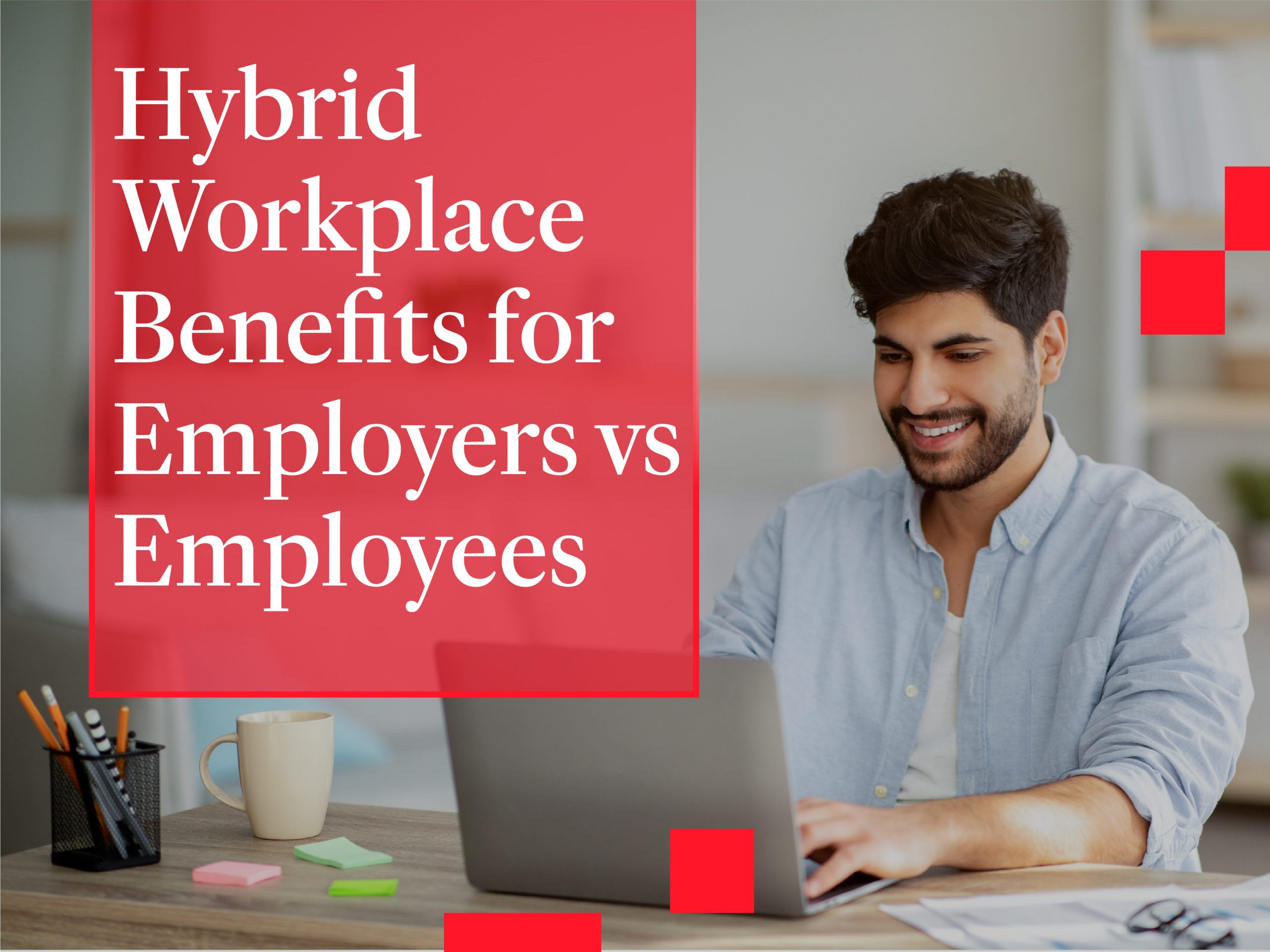
A hybrid workplace allows employees to split their time between working remotely and working from the office. For many organizations, this model has become a practical way to support different work styles while still maintaining team connection and business performance.
But hybrid work is not simply about giving employees the option to work from home. It is about creating a workplace experience where people can do their best work, stay connected to their teams, and feel trusted regardless of location.
At the same time, hybrid work should not be viewed as a replacement for on-site work culture. Many industries and roles still thrive in physical workplace environments where in-person collaboration, operational coordination, and customer interaction are essential.
In fact, Great Place To Work® India Voice of India 2025 study shows that employees across industries continue to value both flexibility and workplace connection. While hybrid work is increasingly preferred in many sectors, a large percentage of employees still work on-site depending on the nature of their roles.
What truly shapes employee experience is not just where people work, but how they experience work.
What Is a Hybrid Workplace?
A hybrid workplace is a work model where employees divide their office time between working remotely and working from a physical office or client location. However, hybrid work is not a single universal structure. Organizations may adopt different hybrid models, including:
- Fixed hybrid schedules
- Flexible hybrid arrangements
- Team-based office schedules
- Role-specific hybrid structures
- Remote-first with office collaboration days
The key principle remains the same: employees have some degree of flexibility in where work gets done. But successful hybrid workplaces are not built only on flexibility, they are built on trust, clarity, communication, accountability, inclusion and intentional collaboration. Without these foundations, even flexible models can create confusion and disconnection.
Why Hybrid Workplaces Are Becoming More Common?
Hybrid work has gained momentum because organizations are recognizing that flexibility can coexist with performance when managed intentionally. According to the Great Place To Work India Voice of India 2025 study:
- 39% of employees prefer hybrid work arrangements if given a choice.
- Across five major industries, employees either prefer or strongly prefer hybrid setups compared to other work models.
- Professional services and technology sectors show particularly high hybrid preference levels.
On the other hand, the research also highlights that on-site work continues to play a major role across niches. For example:
- 72% of employees in manufacturing and production continue to work primarily on-site.
- 59% of on-site employees work from employer locations rather than client sites.
This is important because hybrid work should not be positioned as superior to on-site work. Different industries, roles, and operational realities require different work models. The goal is not to force one structure for all organizations but to create work experiences that balance employee needs with business realities.
Benefits of Hybrid Workplace for Employees
Here are a few benefits that employees have if they work in a hybrid workplace:
1. Greater Flexibility and Autonomy
One of the biggest benefits of the hybrid work model is flexibility. Employees value having greater control over:
- Where they work
- How they structure focused work
- Commuting frequency
- Work-life integration
Employees are far more likely to favor hybrid work models when they have more control over their work schedules. This emphasizes an essential understanding in the workplace: employee experience is strengthened by autonomy.
Moreover, employees who feel trusted to manage their work often demonstrate stronger ownership and better accountability. Companies may establish flexibility through hybrid work without completely removing workers from in person cooperation.
2. Improved Work-Life Balance
For many employees, hybrid work reduces some of the pressures associated with rigid workplace structures.
Reduced commuting time can create:
- More personal time
- Lower stress levels
- Improved well-being
- Greater energy for work
This is especially relevant in urban environments where long commutes impact both productivity and employee experience. However, hybrid work does not automatically guarantee balance. Organizations still need to establish:
- Healthy workload expectations
- Meeting discipline
- Clear communication norms
- Boundaries around availability
The organizations succeeding with hybrid work are those that intentionally design healthier work practices, not just flexible schedules.
3. Better Focus for Certain Types of Work
Many employees report higher productivity during focused individual tasks when working remotely. Hybrid environments allow employees to choose the best setting for different types of work:
- Focused analytical tasks
- Creative thinking
- Documentation
- Collaboration
- Brainstorming
- Team alignment
This flexibility can improve both efficiency and work quality when managed effectively. At the same time, physical workplaces continue to play an important role in collaboration, relationship building, learning, mentorship, and culture reinforcement.
4. Increased Job Satisfaction
As per our research, 50% of employees report satisfaction with their current work arrangement. Interestingly, satisfaction levels remain relatively stable across remote, hybrid, and on-site setups.
This reinforces a powerful point that employees do not only evaluate workplace experience based on location but also evaluate it based on culture. Trust, fairness, leadership quality, communication, and flexibility often matter more than the work model itself. Organizations that create strong cultures can drive positive employee experiences across all workplace structures.
5. Greater Inclusion Opportunities
Hybrid work can help organizations expand access to opportunities for working parents, caregivers, employees with disabilities, talent from different geographies, and employees requiring flexible work structures.
When implemented thoughtfully, hybrid work can improve workforce inclusion by reducing barriers that traditionally limit participation. However, inclusion in hybrid workplaces requires intentional leadership.
Organizations must ensure:
- Equal visibility
- Fair access to opportunities
- Inclusive meeting structures
- Consistent communication
- Equitable recognition
Without intentional inclusion practices, hybrid environments can unintentionally create unequal employee experiences.
Benefits of Hybrid Workplace for Employers
Even employers had a lot of benefits associated with a hybrid workplace culture. Let’s discuss a few of them:
1. Improved Talent Attraction and Retention
Flexibility has become an important factor in employer attractiveness. Companies offering a thoughtful hybrid work model often gain access to:
- broader talent pools
- geographically diverse candidates
- stronger employer branding
Employees increasingly evaluate organizations based on workplace experience, not compensation alone. Hybrid flexibility can strengthen an organization’s ability to attract talent while supporting long-term retention.
2. Higher Employee Trust and Engagement
One of the most important findings from Great Place To Work India’s research is that trust levels remain significantly higher in Best Workplaces™, regardless of work arrangement.
The study found that typical workplaces report trust levels around 50%. But Certified™ Workplaces report trust levels between 76% and 80% across hybrid, remote, and on-site setups.
This reinforces a major insight that the success of hybrid work depends less on location and more on workplace culture. Organizations that build trust, communication, inclusion, fairness, and psychological safety are far more likely to succeed with a hybrid work structure.
3. Better Productivity Through Outcome-Based Work
Hybrid work is encouraging many organizations to move away from visibility-based management to outcome-based performance. Instead of measuring productivity through physical presence, companies are increasingly focusing on:
- Business impact
- Deliverables
- Collaboration quality
- Goal achievement
This shift often creates healthier accountability structures where employees are trusted to manage their work while remaining responsible for outcomes. Organizations adopting outcome-focused cultures often experience stronger ownership, improved accountability, greater employee empowerment, and faster decision-making. However, managers play a critical role in making this transition successful.
4. Increased Organizational Agility
Hybrid work has pushed organizations to modernize how they collaborate, communicate, and operate.
This has accelerated adoption of:
- Digital collaboration tools
- Asynchronous communication
- Agile workflows
- Flexible team structures
Companies that adapt effectively often become more resilient and agile in responding to change. Furthermore, this is especially important in fast-moving business environments where adaptability directly impacts competitiveness.
5. Cost Optimization Opportunities
Hybrid work may create opportunities for organizations to optimize:
- Office space utilization
- Infrastructure costs
- Travel expenses
- Operational overheads
However, cost reduction should not be the major motivator for hybrid work decisions. Companies still need to make significant investments in workplace technology, collaboration infrastructure, management competency, employee experience, and culture-building initiatives. The most successful hybrid organizations balance efficiency with employee well-being and performance.
How Organizations Can Build Successful Hybrid Workplaces?
Creating an effective hybrid workplace requires thoughtful planning and a people-first approach. Some key strategies include:
1. Focus on Trust First
Successful hybrid workplaces are built on trust, not constant monitoring. Employees tend to perform better when organizations trust their judgment, provide flexibility responsibly, and focus more on outcomes than physical visibility. Transparent communication also plays a critical role in strengthening trust across teams.
2. Strengthen Manager Capability
Managers play one of the most important roles in making hybrid work successful. Organizations therefore need to equip managers with the skills required to lead distributed teams effectively. This includes strengthening capabilities around inclusive communication, remote coaching, performance management, and employee well-being conversations.
3. Create Clear Hybrid Norms
Hybrid workplaces function better when employees clearly understand how work is expected to happen. Organizations should define collaboration expectations, office attendance norms, meeting etiquette, communication practices, and availability guidelines. Clear norms help reduce confusion, improve coordination, and create consistency across teams.
4. Prioritize Inclusion
In hybrid environments, organizations must ensure that workplace culture remains inclusive regardless of where employees work from. Employees should have equal access to participation opportunities, visibility, recognition, and decision-making. A strong culture cannot become dependent on physical presence alone.
5. Measure Employee Experience Continuously
Hybrid workplace strategies should continue evolving based on employee feedback and workplace realities. Organizations should regularly assess employee sentiment, trust levels, collaboration effectiveness, burnout risks, and inclusion experiences. Continuous listening helps leaders understand what employees need and improve hybrid work practices over time.
The Future of the Hybrid Workplace
Hybrid work is no longer an experiment. It has now become a part of the broader evolution of work itself. But the future will not belong exclusively to hybrid, remote, or on-site models. It will belong to companies that build:
- High-trust cultures
- Flexible leadership
- Inclusive employee experiences
- Strong manager capability
- Intentional collaboration systems
The future of work is less about location. It is more about experience and how organizations understand this will be better positioned to attract talent, strengthen engagement, and sustain business growth.
Conclusion
The conversation around hybrid workplaces should not become a debate about whether one work model is universally better than another. Different organizations, industries, and roles require different approaches based on the nature of work, operational needs, and employee expectations.
What matters most is not simply where employees work from, but how they experience work every day. Employees are more likely to thrive when they experience trust, fairness, flexibility, clarity, inclusion, and meaningful leadership within the organization.
At Great Place To Work research consistently shows that workplace culture shapes employee experience far more powerfully than workplace location alone. Organizations that create high-trust cultures are often able to drive stronger collaboration, engagement, retention, and performance across all work models, whether hybrid, remote, or on-site. Because ultimately, great workplaces are not defined by where employees work. They are defined by how employees experience work.
Frequently Asked Questions
What is a hybrid workplace?
A hybrid workplace is a work model where employees split their time between remote work and physical office or on-site work.
What are the benefits of hybrid workplaces for employees?
Hybrid workplaces can improve flexibility, work-life balance, autonomy, and productivity while still enabling collaboration and in-person connection.
What are the benefits of hybrid workplaces for employers?
Employers can benefit through improved talent attraction, employee engagement, agility, productivity, and operational flexibility.
Is hybrid work better than on-site work?
Not necessarily. Different work models suit different industries, roles, and business needs. The success of any work model depends more on culture, trust, leadership, employee experience, and most importantly on role-based requirements.
How can organizations make hybrid workplaces successful?
Organizations can strengthen hybrid workplace success by focusing on trust, manager capability, inclusion, communication clarity, and continuous employee listening.