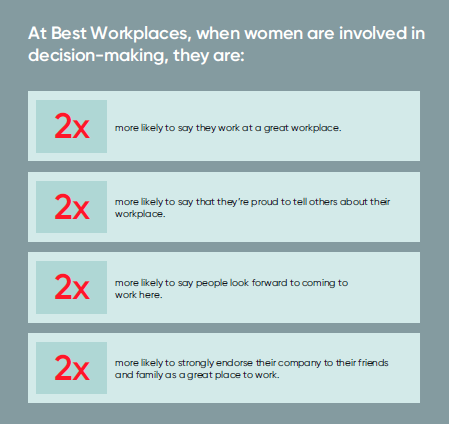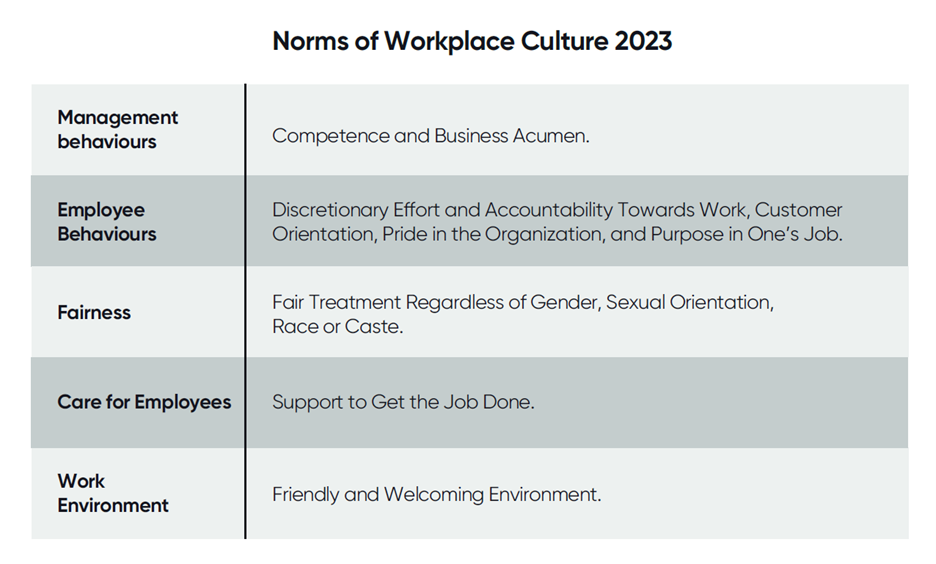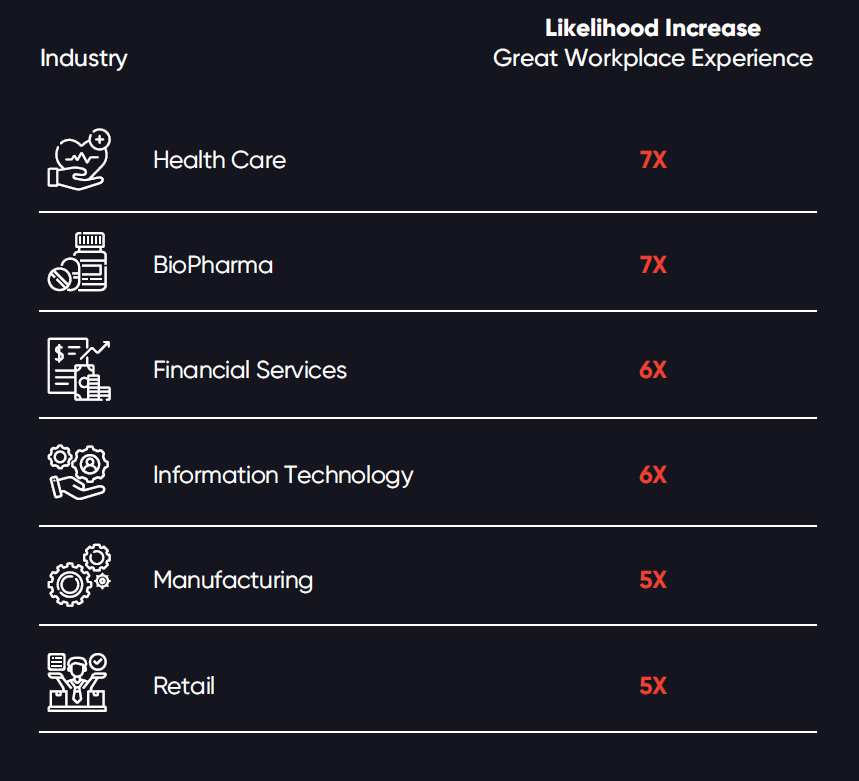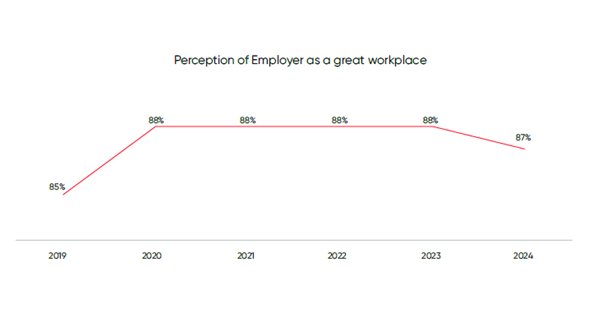
How to Support LGBTQ+ Employees in the Workplace?

How to support LGBTQ+ Employees

Reading Time: 4 minutes

Key Takeaways:

1. Creating an inclusive and supportive workplace is crucial for the well-being and productivity of all employees.

2. Companies should invest in LGBTQ+ inclusive well-being programs and promote visible leadership and advocacy.

3. Implement clear anti-discrimination policies and create safe spaces through employee resource groups.

To support LGBTQ+ employees in the workplace, companies should implement inclusive policies, visible leadership advocacy, and safe spaces that foster belonging. These actions not only enhance well-being but also drive engagement and innovation. In today’s diverse and evolving workforce, fostering an environment where LGBTQ+ employees feel valued and respected is not only a moral imperative but also a strategic advantage. Companies that prioritize inclusivity are more likely to attract top talent, enhance employee engagement, and drive innovation. In this blog, we will explore five effective strategies to support LGBTQ+ employees, helping to cultivate a workplace culture where everyone can thrive.

Why Are Special Initiatives Vital for Supporting LGBTQ+ Employees?

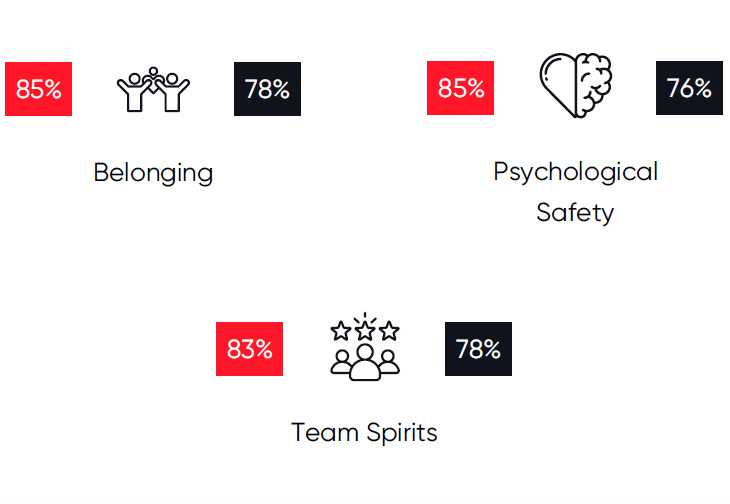
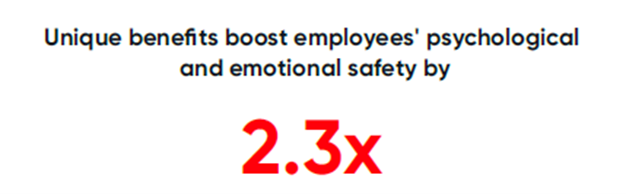
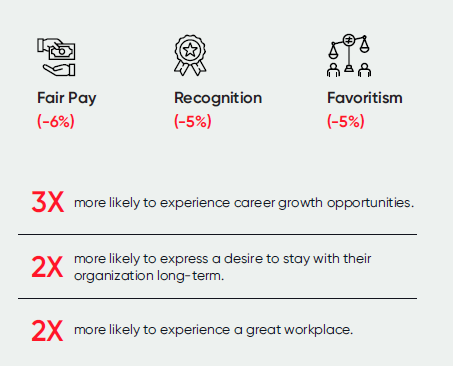
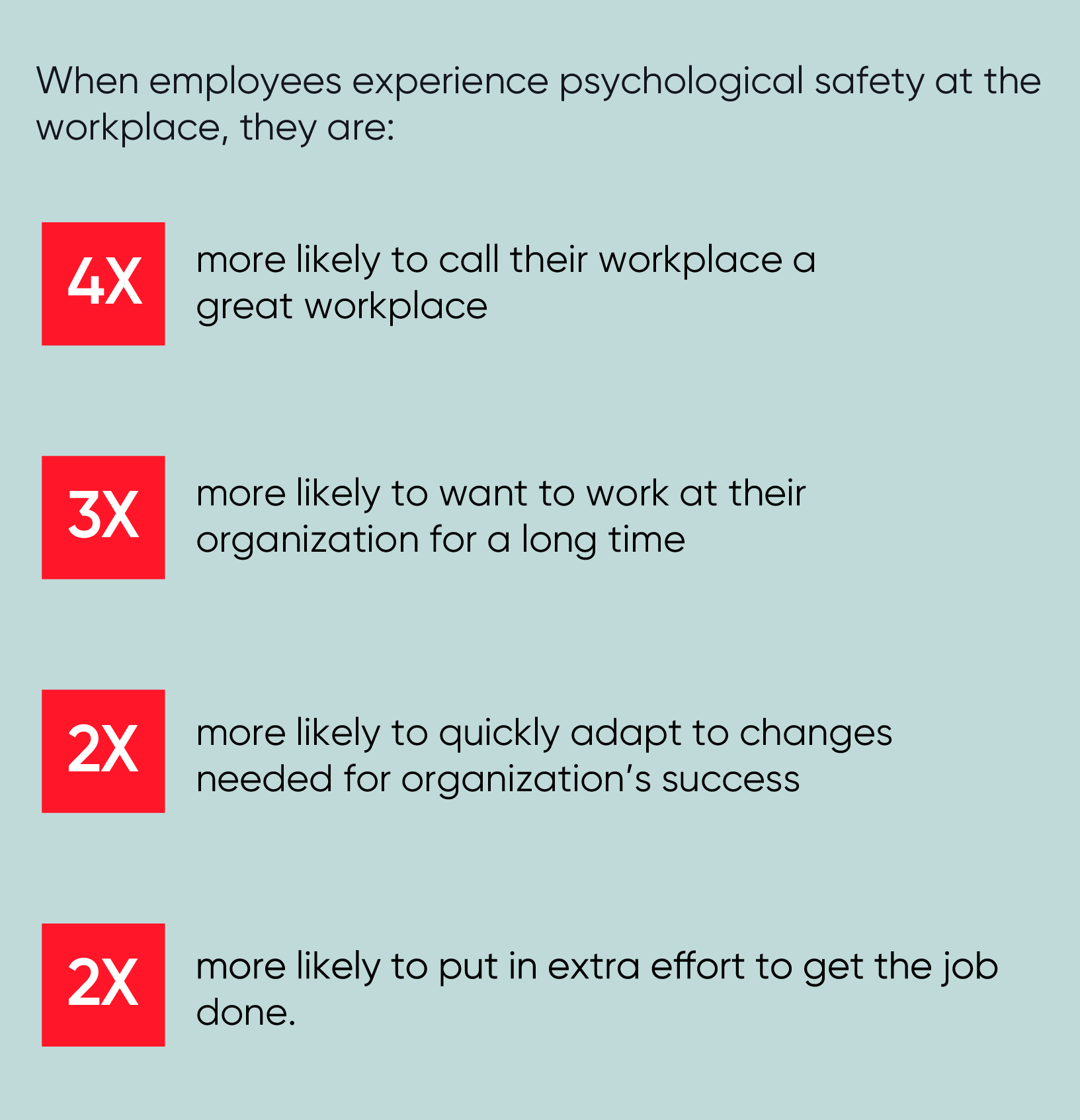
A study conducted by Great Place To Work®, involving nearly 500,000 participants, highlights a significant disparity in workplace experiences between LGBTQ+ and heterosexual employees, particularly concerning psychological safety. Even in exemplary workplaces, LGBTQ+ employees report feeling 7% less psychologically and emotionally safe than their straight counterparts.
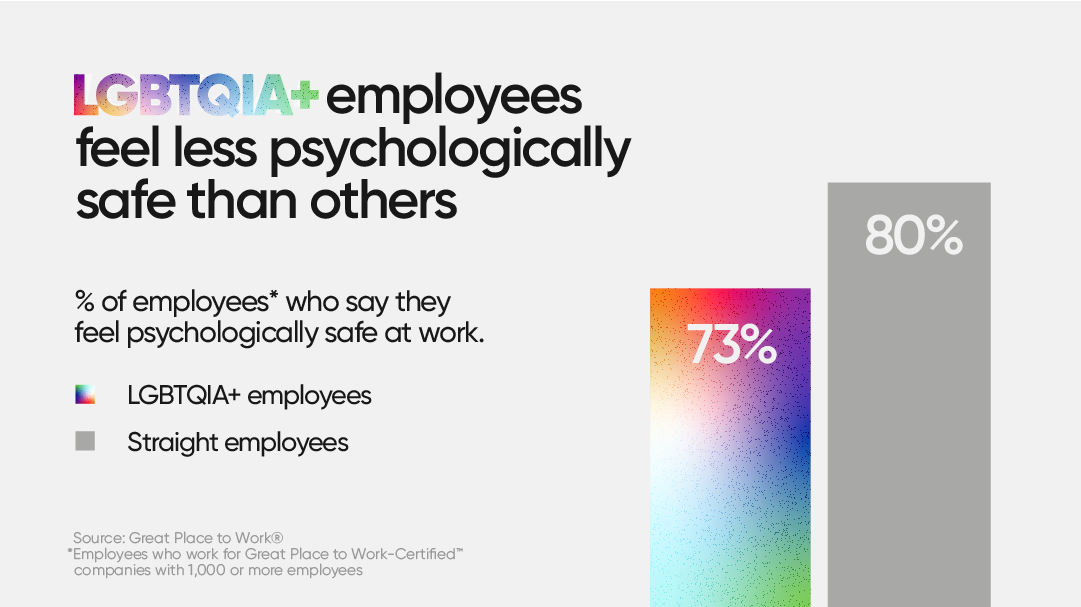
LGBTQIA+ Employees feel less psychologically safe than others.

Addressing these gaps requires companies to navigate specific challenges. The proportion of individuals identifying as LGBTQ+ has approximately doubled with each generation, from traditionalists (born before 1946) to Gen Z. Currently, 11% of millennials and 21% of Gen Z identify as LGBTQ+. Companies need to improve their support for the significant portion of their workforce that belongs to this demographic.

What Are the Best Ways to Support LGBTQ+ Employees at Work?

Gender identity and sexual orientation should never result in job loss or any form of workplace discrimination. With both human decency and strategic business decisions as foundational principles, here are five essential strategies your company can implement to better support LGBTQ+ employees.

Invest in Employee Well-being Initiatives

Investing in employee well-being programs significantly boosts retention and recruitment rates. However, to be truly effective, these programs must explicitly address LGBTQ+ issues. This means creating a supportive environment where LGBTQ+ employees feel seen and valued. Integrating LGBTQ+-specific mental health resources and ensuring health benefits cover their unique needs are essential steps. Additionally, normalizing discussions about sexual orientation and gender identity can reduce stigma and isolation. By fostering an inclusive culture, companies can mitigate the mental health challenges faced by LGBTQ+ employees, resulting in a more engaged and loyal workforce.

Promote Visible Leadership and Advocacy

Leadership’s role in cultivating an inclusive workplace cannot be overstated. When leaders actively support LGBTQ+ rights, it sends a powerful message of acceptance to all employees. This can involve participating in LGBTQ+ events, publicly endorsing LGBTQ+ causes, and ensuring company policies reflect a steadfast commitment to equality and inclusion. By visibly championing LGBTQ+ rights, leaders inspire confidence and trust among employees, fostering a culture where diversity is celebrated and everyone feels valued and respected. This commitment from leadership is essential for creating a truly inclusive environment where LGBTQ+ employees can thrive and contribute their best work.

Implement Comprehensive DEIB Training

DEIB training should be thorough and continuous, with a specific focus on LGBTQ+ issues. This training educates employees about the unique challenges LGBTQ+ individuals face and promotes allyship, fostering a more understanding and supportive workplace culture. By addressing unconscious biases and encouraging inclusive behaviors, comprehensive DEIB training helps create an environment where all employees feel valued and respected. Regular updates and refresher courses ensure that the training remains relevant and effective, contributing to a workplace culture that continuously evolves to support diversity, equity, inclusion, and belonging for everyone, including LGBTQ+ employees.
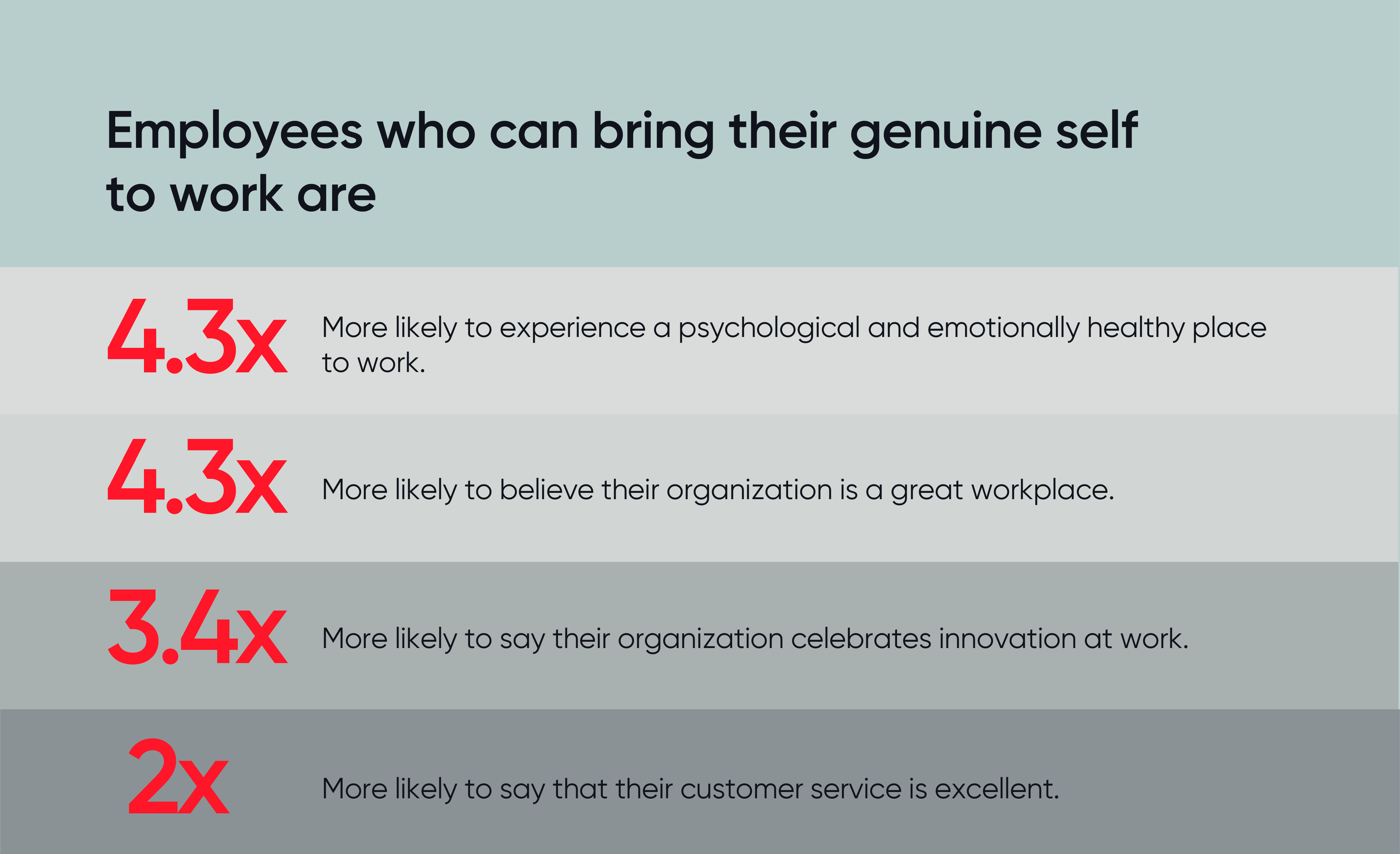
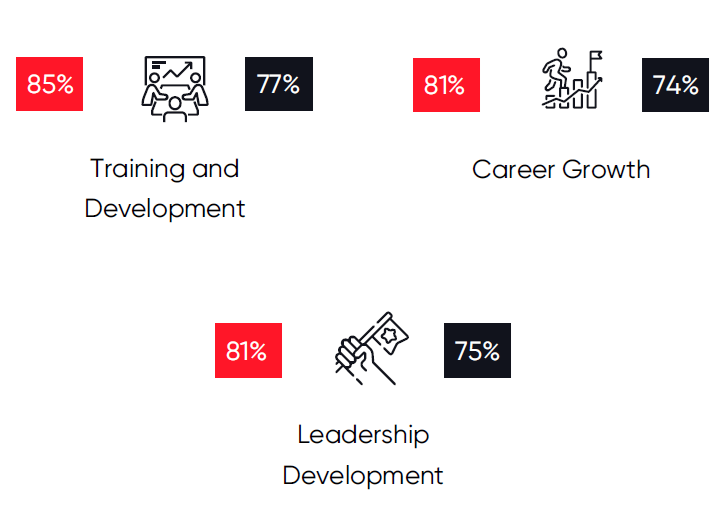
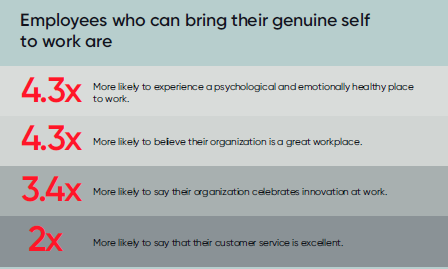
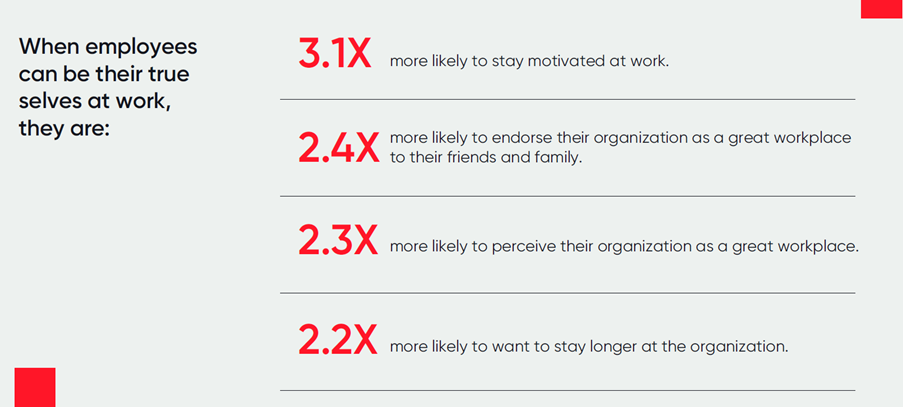
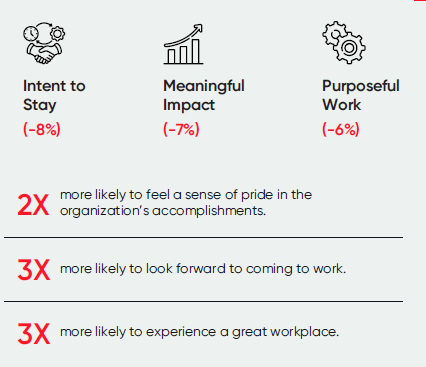
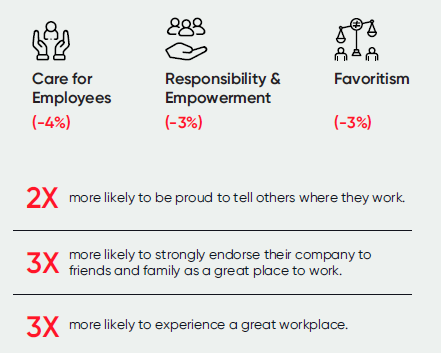
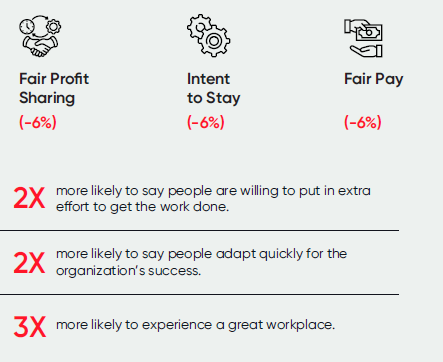
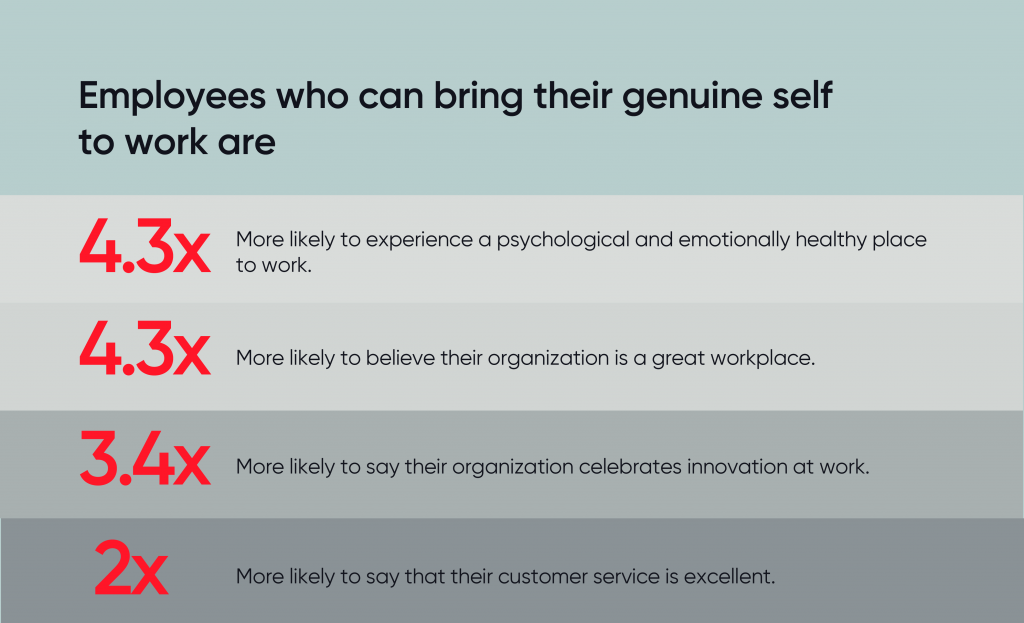
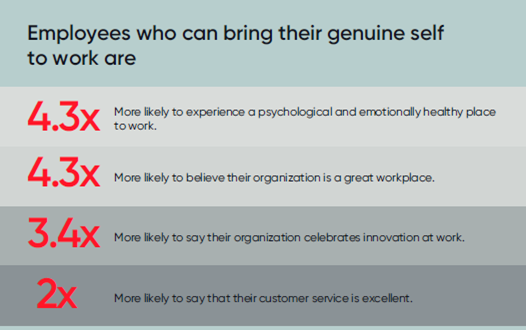
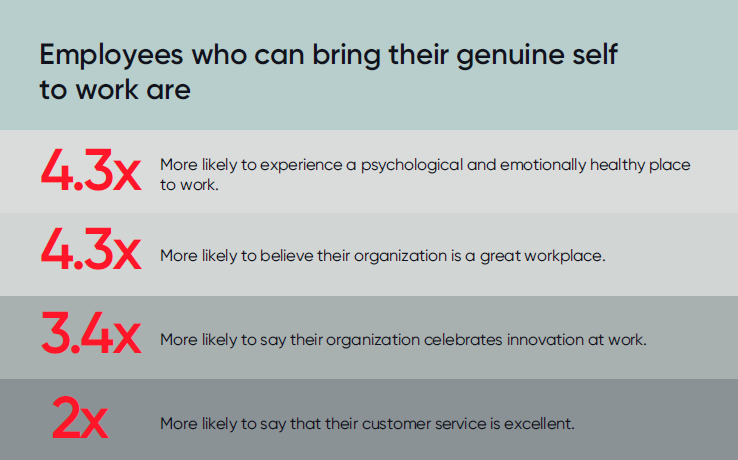
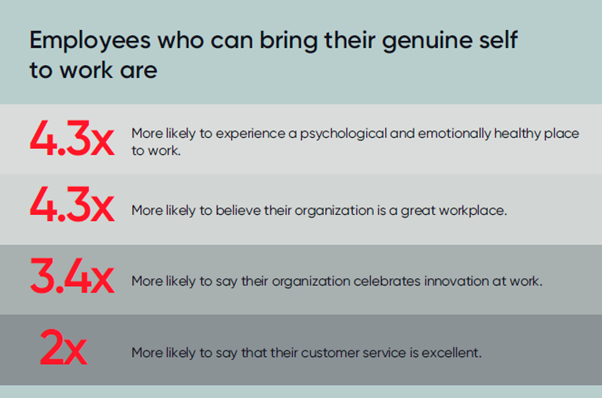
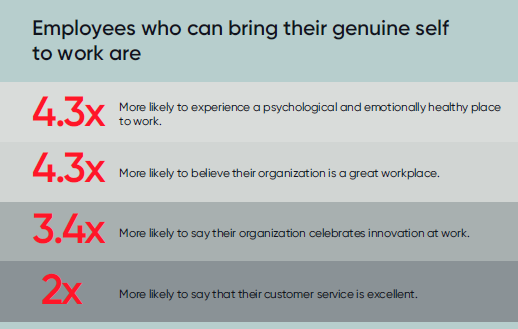
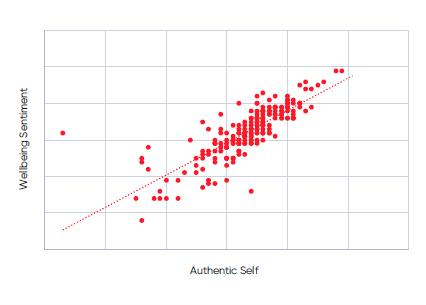
Employees who can bring their genuine self have a better experience overall.

Establish Clear Anti-Discrimination Policies

Companies need clear, enforceable anti-discrimination policies explicitly protecting LGBTQ+ employees. These policies should encompass all aspects of employment, including hiring practices, promotions, and daily interactions, ensuring every employee is treated with respect and equality. By explicitly outlining protections against discrimination based on sexual orientation and gender identity, companies can foster a more inclusive and fairer workplace. Regularly reviewing and updating these policies, alongside robust enforcement mechanisms, will help maintain a supportive environment where LGBTQ+ employees feel safe, respected, and valued, ultimately contributing to a more cohesive and productive workforce.

Create Safe Spaces and Support Networks

Establishing employee resource groups (ERGs) or affinity groups specifically for LGBTQ+ employees can create safe spaces where they can share experiences and support one another. These groups not only provide emotional support but also offer valuable insights into the unique needs and concerns of LGBTQ+ employees. By fostering a sense of belonging and community, ERGs contribute to a more inclusive workplace culture where LGBTQ+ employees feel valued and empowered. Additionally, these groups can serve as resources for the company, helping to inform policies and initiatives that promote diversity, equity, and inclusion throughout the organization.

India’s Best Workplaces in Diversity, Equity, Inclusion & Belonging

By implementing such strategies, companies can create a more inclusive and supportive environment for LGBTQ+ employees. This will enhance their well-being and foster a culture of acceptance and respect. Visit us her to learn more

Frequently Asked Questions

1. What does LGBTQ+ inclusion in the workplace mean?

It means creating policies, practices, and a culture where LGBTQ+ employees feel safe, respected, and valued.

2. How can managers support LGBTQ+ employees?

Managers can advocate for inclusive policies, attend DEIB training, and create safe spaces for open dialogue.

3. Why is LGBTQ+ inclusion important for business success?

Inclusive workplaces attract top talent, improve engagement, and foster innovation, benefiting overall performance.

4. How can organizations support LGBTQ+ employees?

Organisations can support LGBTQ+ employees by creating an inclusive workplace and implementing policies that treat everyone equally.

5. Why is psychological safety important for LGBTQ+ employees?

Psychological safety ensures employees feel comfortable being themselves without fear of discrimination, which boosts engagement and retention.

Building a Thriving Culture: Celebrations Your Company Should Embrace

Confident business team

Reading Time: 5 minutes

Celebrations in the workplace are more than just a break from routine; they are essential to nurturing a culture of trust, camaraderie, and engagement. Recognizing achievements, milestones, and values sends a powerful message to employees about what the organization values and strives for. According to Great Place To Work®’s report on India’s Best Companies to Work For, companies that celebrate shared milestones and individual achievements foster a stronger sense of connection and pride, creating a workplace where employees feel supported and motivated. Here’s a closer look at five celebrations that leading organizations use to strengthen their culture, and how they can be applied to your workplace.

Celebrate Milestones and Anniversaries

Milestones such as work anniversaries, birthdays, and personal achievements provide perfect opportunities to show appreciation. Recognizing these moments reinforces an employee’s sense of loyalty and commitment. According to the India’s Best Companies to Work For 2024 report, organizations that mark these events build stronger bonds with their employees. 

For example, at Intercontinental Hotels Group, team members recognize outstanding service through initiatives like the “Power Ringer.” During this celebration, employees publicly acknowledge exceptional service by ringing a bell to show appreciation, creating a ripple effect of positivity and camaraderie across the team. This simple gesture not only uplifts the individual being recognized but also strengthens team morale by encouraging employees to express gratitude openly. 

Similarly, at Orient Cement, employees participate in the “Dahi Handi Way,” a unique tradition where employees collaborate to solve problems and celebrate each other’s successes. Recognizing both personal and team milestones with enthusiasm creates an environment of mutual respect and reinforces the notion that the company values long-term contributions and growth. Acknowledge anniversaries or project completion milestones in a way that reflects the team’s unique culture. This can be as simple as an in-office shout-out, a digital badge on internal platforms, or a team lunch, small gestures that convey appreciation meaningfully.

Retention is largely driven by employees feeling a sense of purpose. This commitment to purpose not only boosts retention but also strengthens the company’s employer brand, making it an attractive choice for new hires.

Promote Diversity and Inclusion by Celebrating Unique Cultures

Creating an inclusive culture where all employees feel valued is essential, and celebrations can play a key role in promoting diversity and inclusion. Celebrating diverse cultural backgrounds not only fosters understanding but also strengthens the bonds between employees, contributing to a more harmonious work environment.

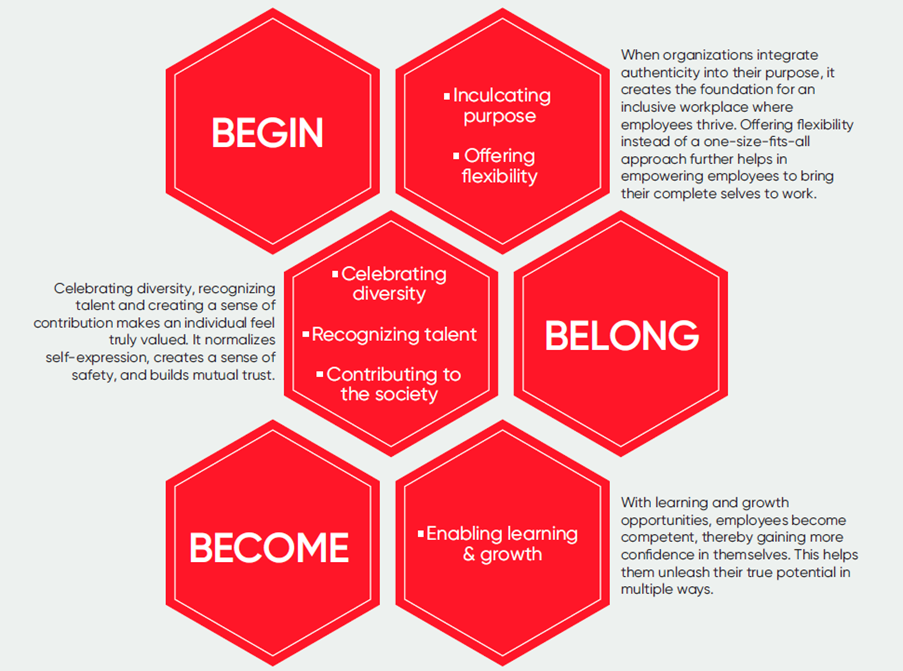
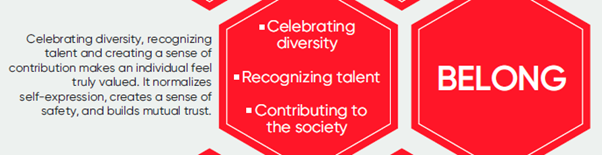
Celebrating diversity, recognizing talent, and creating a sense of contribution makes an individual feel truly valued. It normalizes self-expression, creates a sense of safety, and builds mutual trust.

Employee Resource Groups (ERGs) are instrumental in organizing celebrations that honor the unique traditions, experiences, and contributions of different groups within the workforce. For instance, several companies highlighted in the report have established ERGs to celebrate cultural events and raise awareness about diverse backgrounds. By acknowledging and respecting these differences, ERGs help create a sense of belonging and recognition for all employees.

Empower ERGs or small groups within the organization to lead cultural celebrations. This could involve setting up a calendar of multicultural events or hosting inclusive office gatherings. Companies foster an environment of acceptance and appreciation by giving employees the chance to celebrate their backgrounds.

Highlight Core Values Through Meaningful Celebrations

Aligning celebrations with the organization’s core values enhances a company’s culture by giving employees tangible examples of what those values look like in action. Celebrating values-driven achievements or organizing events that reflect the company’s mission can help employees connect more deeply with the organization’s purpose. 

Bajaj Finance, for example, emphasizes trust by offering employees the option to choose their salary payment cycle, whether monthly or fortnightly. This celebration of financial autonomy is a simple but powerful gesture that demonstrates the organization’s commitment to understanding and supporting employees’ financial needs. By doing so, Bajaj Finance reinforces its core values of trust and respect in a way that directly impacts employees’ lives.

Identify values that resonate with your team and look for ways to celebrate them. If community involvement is a core value, consider organizing an annual day of service or setting up donation drives. These events can strengthen employees’ commitment to the company’s mission.

Acknowledge Individual Excellence

Individual achievements deserve special recognition, as they motivate employees and encourage a sense of pride and ownership in their work. Personal celebrations foster a positive work environment, inspire loyalty, and can improve job satisfaction.

The India’s Best Companies to Work For 2024 report highlights organizations that go the extra mile to acknowledge individual excellence. For instance, PGP Glass Pvt. Ltd. introduced the ASTITVA program to recognize the achievements of employees with disabilities, reinforcing an inclusive culture that values every team member’s unique talents. This recognition goes beyond typical employee rewards by honoring the distinct contributions of individuals and fostering a culture of inclusivity and respect.

Establish individual recognition programs that celebrate various aspects of excellence, whether it’s a specific skill, an outstanding project, or unique contributions. Personalized recognition, like tailored awards, team shout-outs, or even a dedicated “Employee of the Month” program, can help employees feel valued and appreciated for their hard work.

Celebrate Innovation and Progress

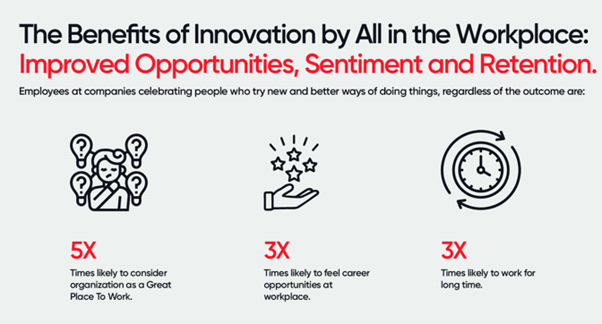
Recognizing innovation and progress within the organization can inspire creativity and encourage employees to think outside the box. Celebrations centered around innovation demonstrate that the company values new ideas and is willing to support creative problem-solving efforts.

Enhanced Customer Service and Brand Reputation

Employees who feel supported and valued are more likely to deliver excellent customer service. The report finds that 89% of employees at the best mid-size workplaces in India believe their customers would rate their service as ‘excellent.’ This reflects a virtuous cycle where a positive internal culture translates into high levels of customer satisfaction. 

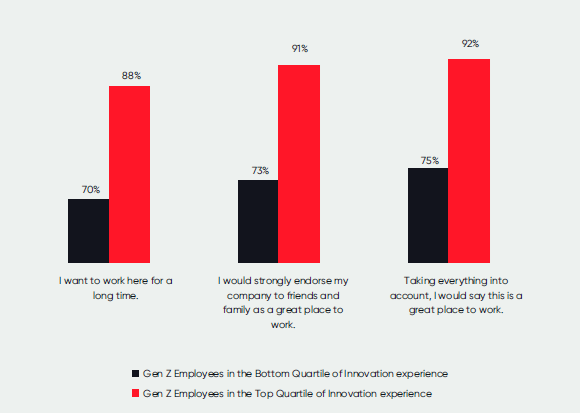
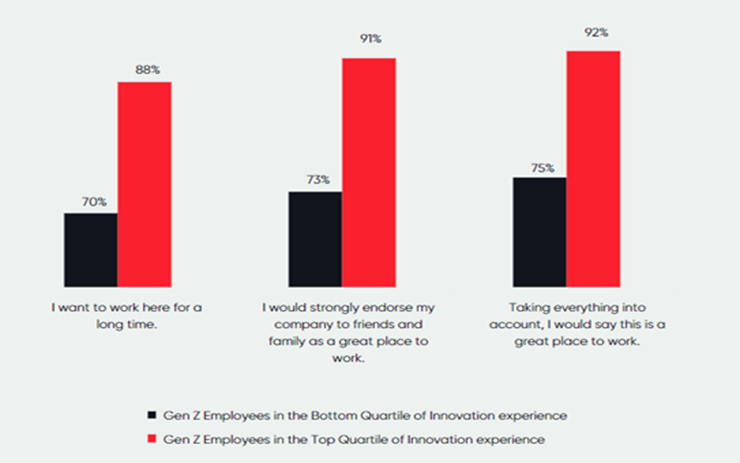
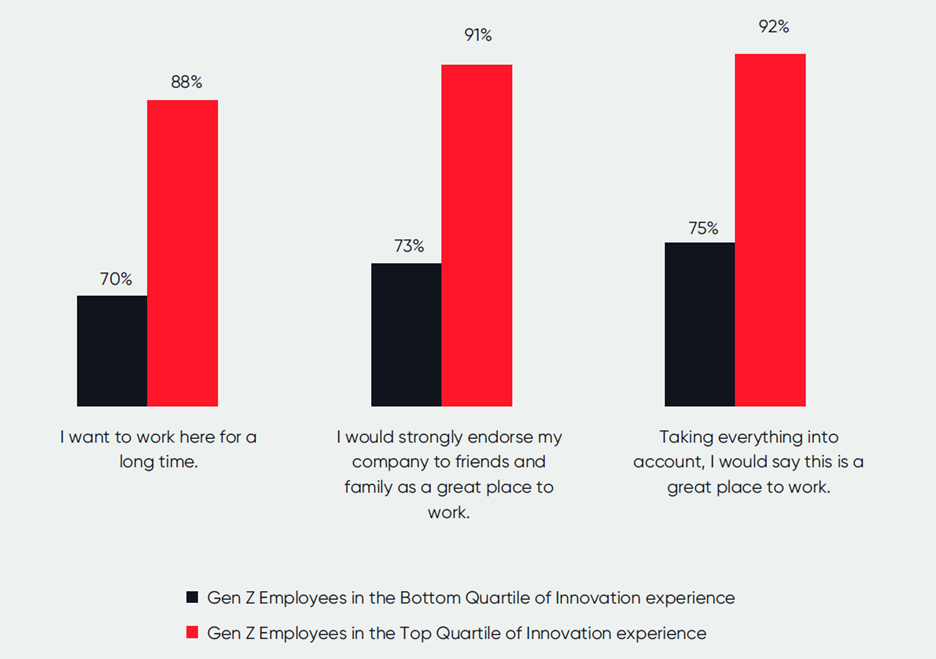
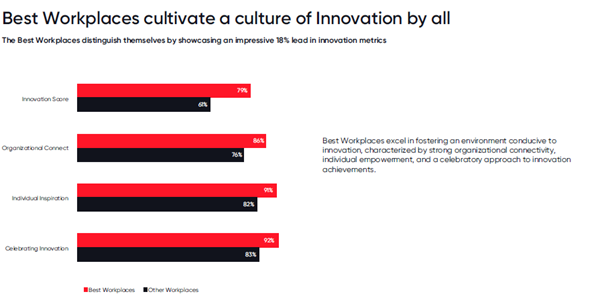
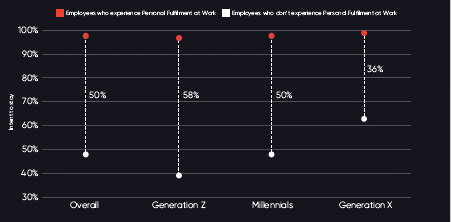
Gen Z employees with higher and more positive experience with innovation at their workplace take a lead of 18% in willingness to stay.

At ISS Facility Services India, the “Innovation Roundtable” was introduced to foster a culture of collaboration and forward-thinking. This event brings together thought leaders from different industries to discuss sustainable innovation, offering employees a platform to share and develop their own ideas. With a focus on collaboration and sustainability, the Innovation Roundtable reflects ISS Facility Services’ commitment to continuous improvement and progress. 

Hold regular innovation events or competitions to recognize and reward employees who bring fresh ideas. Encouraging employees to participate in these activities can reinforce a growth mindset and help them feel valued for their contributions to the company’s success.

Celebrations might seem like small gestures, but they leave a lasting impact, promoting a workplace culture where employees feel valued, connected, and motivated. By embracing these five celebrations, companies can cultivate a positive culture that not only strengthens employee loyalty but also drives long-term success.

Get Certified to Showcase Your Commitment

Achieving Great Place To Work Certification is an excellent way to demonstrate your organization’s commitment to employees’ overall well-being and experience. This Certification not only enhances your employer branding but also helps attract and retain top talent. It highlights to current and prospective employees that your organization values their overall well-being, fostering an environment where they feel appreciated and supported.

By implementing a culture of trust, respect, and collaboration, you can create a workplace where employees feel valued and connected. Certification also provides a benchmark for continuous improvement, helping you identify areas where you can further enhance employee well-being and overall workplace culture. 

Equity in the Workplace: A Pillar for Organizational Success

Multi ethnic client and manager make deal, handshaking, express respect

Reading Time: 5 minutes

In today’s competitive and evolving workplace, equity is more than just a buzzword; it’s a fundamental requirement for fostering an environment where all employees can thrive. In the financial services industry, especially within the Banking, Financial Services, and Insurance (BFSI) sector, there is a growing recognition that equitable practices are crucial for long-term success. The “India’s Best Workplaces in BFSI 2024” report sheds light on this, showcasing how equity impacts employee satisfaction, organizational culture, and performance.

Understanding Equity in the Workplace

Equity in the workplace refers to the fair treatment of all employees, ensuring that everyone has equal access to opportunities, rewards, and resources, regardless of gender, age, position, or background. Unlike equality, which promotes identical treatment, equity recognizes individual needs and adjusts resources accordingly to eliminate barriers to success.

For companies in the BFSI sector, prioritizing equity means creating policies that address the unique challenges faced by different demographics, thereby fostering a culture where everyone feels valued. A focus on equity not only improves job satisfaction but also drives productivity, enhances loyalty, and creates a more dynamic workplace.

Equity in BFSI: Gender and Generational Perspectives

The BFSI sector has made strides in promoting equity, yet data from the 2024 report reveals disparities in employee experiences, particularly across gender and generational lines.

Gender-Based Differences in Equity Perception

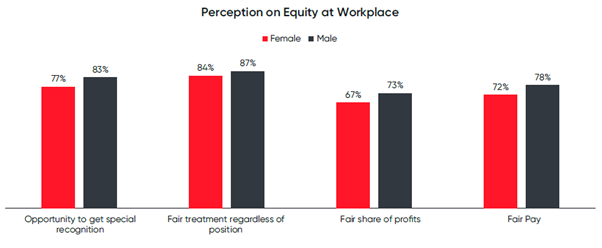
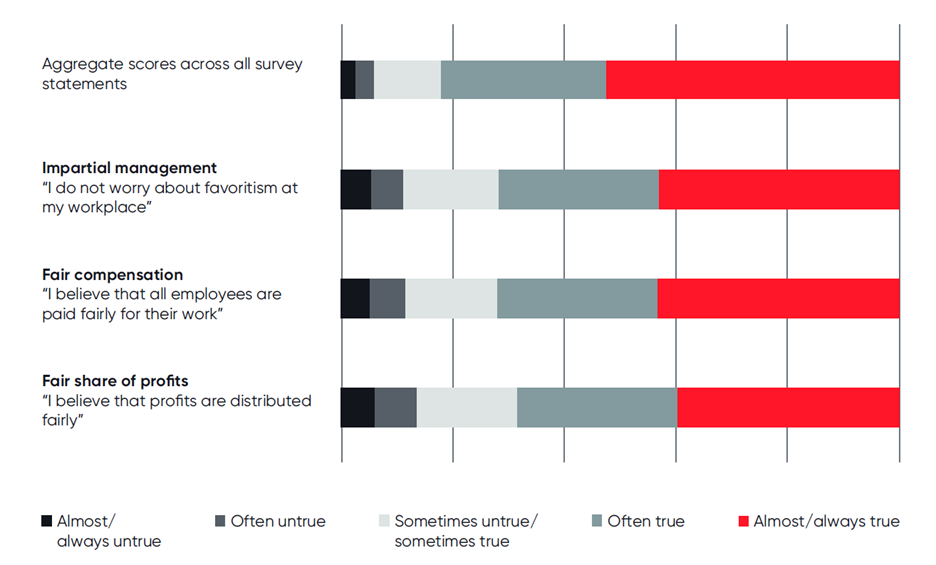
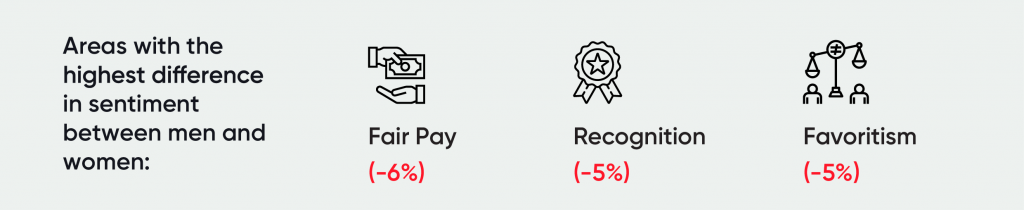
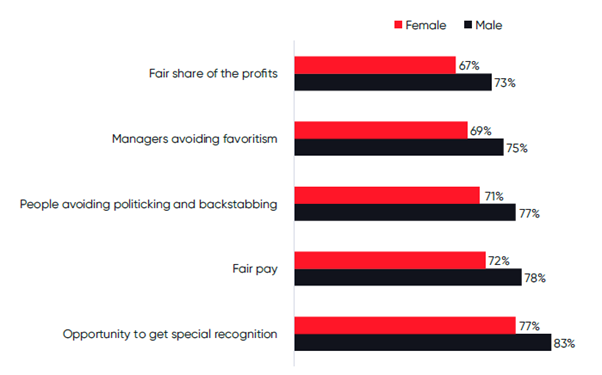
The report indicates that while four out of five BFSI employees feel positively about workplace equity, female employees report a lower satisfaction rate than their male counterparts. Specifically, women are five percentage points less satisfied with workplace equity. This discrepancy spans multiple aspects, including fair pay, recognition, and treatment regardless of position.

Perception of equity at the workplace

Recognition: Women in the BFSI sector are less likely to feel they receive special recognition. The report states that one in four female employees perceives a lack of recognition opportunities, which can impact motivation and job satisfaction. Recognition is essential for fostering a sense of accomplishment, and a lack of it can lead to disengagement, particularly for women striving to balance multiple roles.

Fair Pay and Profit Sharing: Another significant area where gender inequity persists is in compensation. The report shows that women are less likely to feel they receive a fair share of profits and fair pay. Fair compensation is a core component of equity, as it acknowledges the value of each employee’s contributions, regardless of gender. Addressing pay disparities is critical for ensuring women feel equally valued and motivated.

Workplace Culture and Bias: Gender bias remains a challenge in the BFSI sector, with some women reporting a lack of opportunities compared to their male colleagues. This perception highlights the need for ongoing efforts to address unconscious biases in promotion and recognition processes, ensuring fair opportunities for advancement.

Generational Variations in Equity Perception

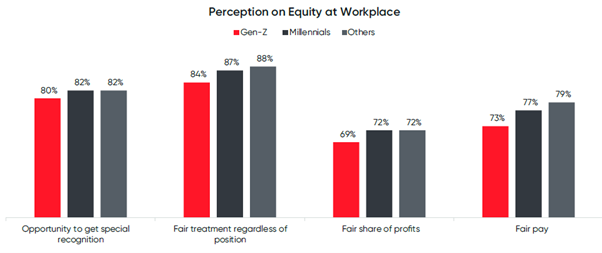
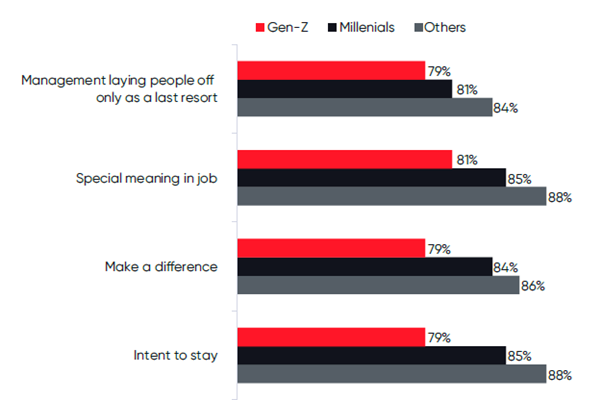
In addition to gender, the report reveals generational differences in equity perceptions. Gen Z employees, who represent a growing demographic in the BFSI sector, report lower satisfaction with fair pay compared to their older counterparts. 

Perception on Equity at Workplace

Fair Pay for Younger Employees: Nearly 80% of Gen Z and Millennial employees are generally satisfied with equity at work; however, Gen Z employees report a 6% lower perception of fair pay. For younger employees who may be balancing student loans and early career expenses, perceptions of unfair compensation can significantly impact retention. Addressing this generational gap in satisfaction can help prevent attrition and promote loyalty among younger talent.

Recognition and Growth Opportunities: Both Gen Z and Millennials emphasize the importance of fair recognition and growth opportunities. Ensuring that younger employees feel recognized and have access to advancement opportunities is vital for fostering a sense of belonging and loyalty. Organizations that prioritize equitable practices across generations are better positioned to retain top talent and support career development.

Addressing Gender-Based Equity Needs in the BFSI Workplace

Focusing on Care in Workplace - Across Genders

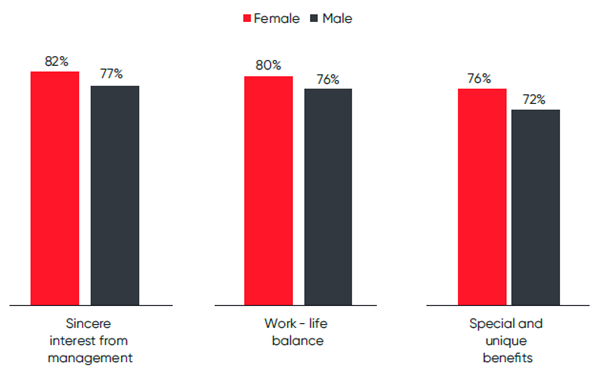
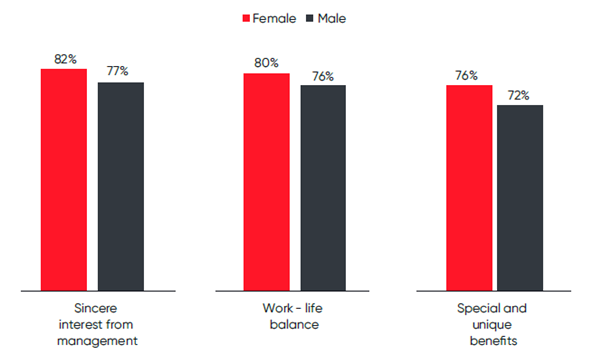
Sincere Interest from Management: According to the data, 82% of female employees feel that they receive sincere interest from management, compared to 77% of male employees. This five-point difference indicates a gap in how supported women feel by their leaders. Organizations can bridge this gap by fostering transparent communication, mentorship programs, and leadership training that emphasizes empathy and support.

Work-Life Balance: Work-life balance is another crucial area where female employees report a higher need, with 80% indicating satisfaction compared to 76% of male employees. Given that women often face greater demands related to family and caregiving responsibilities, BFSI organizations should prioritize flexible work policies that allow for a healthy balance, ensuring women can thrive both personally and professionally.

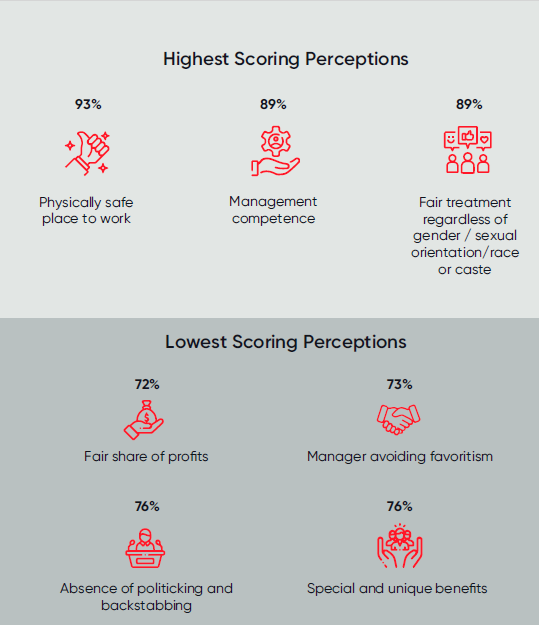
Special and Unique Benefits: Finally, women show a slightly higher need for unique benefits, with 76% reporting satisfaction versus 72% of male employees. This indicates a demand for tailored benefits that cater specifically to women’s needs, such as parental support, healthcare benefits, and career development opportunities targeted at addressing gender-specific challenges in the workplace.

Equity Across Generations: Understanding the Needs of Gen Z and Millennials

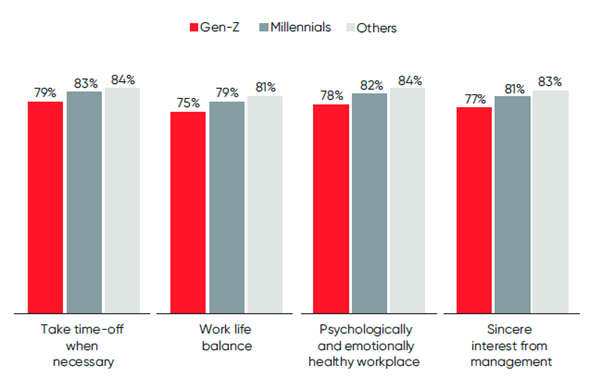
Focusing on Care in Workplace - Across Generations

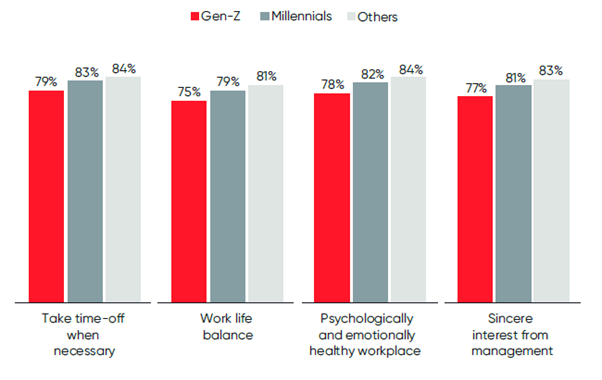
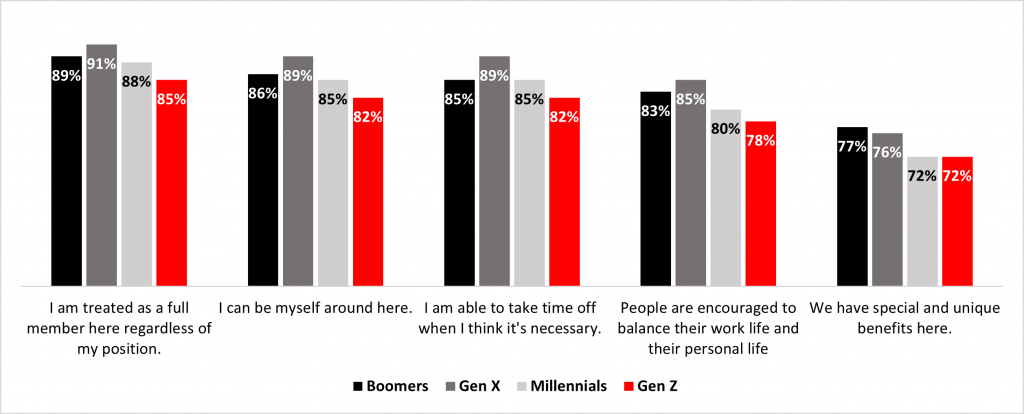
Taking Time Off When Necessary: Only 79% of Gen Z employees feel they can take time off when needed, compared to 83% of Millennials and 84% of older employees. This discrepancy suggests that younger employees may feel pressured to constantly perform or may lack the confidence to request time off, potentially impacting their work-life balance and overall mental health. Organizations could promote a culture that normalizes taking breaks to avoid burnout, especially for younger employees early in their careers.

Work-Life Balance: The report shows that only 75% of Gen Z employees feel satisfied with their work-life balance, compared to 81% of older generations. This gap highlights the need for flexible scheduling options and remote work policies to accommodate the lifestyle preferences of younger workers, who prioritize balance and personal development.

Psychologically and Emotionally Healthy Workplace: A psychologically and emotionally supportive workplace is essential for employee well-being. While 78% of Gen Z employees perceive their workplace as healthy in this regard, Millennials (82%) and older employees (84%) feel slightly more supported. The BFSI sector could implement mental health programs, counseling services, and stress management workshops to address this generational gap.

Sincere Interest from Management: Gen Z employees feel the least satisfied in terms of management’s genuine interest in their growth, with 77% expressing positive sentiment compared to 81% of Millennials and 83% of other generations. Providing mentorship programs, feedback channels, and career development resources could help younger employees feel more valued and connected to their leaders.

Achieving workplace equity is an ongoing process that requires commitment from all levels of an organization. By focusing on transparent practices, recognizing individual contributions, addressing biases, and providing supportive work environments, BFSI companies can create a culture where every employee feels valued and empowered.

In a world where talent is one of the most valuable assets, companies that champion equity are not only building better workplaces—they’re setting the standard for the future of the BFSI sector.

Get Certified to Showcase Your Commitment

Achieving Great Place To Work Certification is an excellent way to demonstrate your organization’s commitment to employees’ overall well-being and experience. This Certification not only enhances your employer branding but also helps attract and retain top talent. It highlights to current and prospective employees that your organization values their overall well-being, fostering an environment where they feel appreciated and supported.

By implementing a culture of trust, respect, and collaboration, you can create a workplace where employees feel valued and connected. Certification also provides a benchmark for continuous improvement, helping you identify areas where you can further enhance employee well-being and overall workplace culture. 

Debunking Happiness Myths: The Truth About Workplace Well-Being

Professionals Greeting Through Conference Call

Reading Time: 5 minutes

Happiness is deeply personal—what brings joy to one person might not resonate with another. Yet, at its core, happiness is a fundamental driver of well-being. As Aristotle wisely said, “Happiness is the one human desire, and all other human desires exist as a way to obtain happiness.” 

Since employees spend a significant portion of their lives at work, the professional environment plays a crucial role in shaping their overall happiness. As writer Annie Dillard aptly put it, “How we spend our days is, of course, how we spend our lives.”  For organizations, this connection goes beyond individual well-being, as research consistently shows a strong link between happiness and productivity. 

But what truly makes employees happy? And how are the Best WorkplacesTM fostering happiness in meaningful ways? In this piece, we’ll bust some of the biggest myths surrounding workplace happiness and explore what truly works. 

Myth 1: Happiness at Work = Perks and Celebrations  

While perks and celebrations can spark moments of joy, true happiness at work goes far beyond an occasional party or reward. Research at Great Place To Work® shows that when employees feel that they can truly be themselves at work, and they understand how their roles contribute to the broader organizational goals, employees are 5 times more motivated to come to work. 

Best Workplaces create and sustain environments where employees experience joy in momentary experiences along with finding sustained fulfilment by aligning their work with their values and strengths.  

Myth 2: Hefty increments and salary are the Key to Happiness 

While financial compensation is a distinguishing factor between the Best and other workplaces, it alone may not contribute to long-term motivation or fulfilment. Ensuring fairness in pay and rewards continues to be an employer’s responsibility, but is it what makes employees the happiest? Not necessarily.  

Myth 3: Happiness Is an Individual Responsibility 

While individual mindset plays a role in happiness, managers significantly influence how employees feel at work. Their leadership style, level of trust, and approach to empowerment shape the emotional landscape of the workplace. Because they have the ability to impact employees’ experiences whether positively or negatively, fostering a culture of support and inspiration becomes a subtle yet important responsibility. 

Research by the Great Manager Institute® reveals that 71% of employees decide to stay or leave an organization based on their experience with their managers. Employees thrive in workplaces where they feel supported, valued, and connected to their colleagues. When organizations cultivate a culture of trust and collaboration, happiness becomes a shared experience—not just an individual pursuit. 

Myth 4: Happiness Initiatives Are Costly 

Building a happy workplace doesn’t always require big budgets or policy overhauls. Simple yet powerful actions- like appreciating employees for their work in open forums, fostering transparent communication, and having meaningful career conversations- significantly enhance employee experience. When employees feel heard, valued, and trusted, happiness follows- not from costly perks, but from a culture of recognition and respect.   

Myth 5: Employees’ emotions cannot be tracked 

While happiness may seem intangible, some Best Workplaces have successfully measured employee emotions and well-being using tools like mood-o-meters and have linked emotional trends to workplace performance. Tracking employee sentiments not only helps organizations understand workplace morale but also enables managers to proactively address concerns, adapt work environments, and celebrate key milestones. By staying attuned to employee emotions, leaders create a more supportive and thriving workplace. 

Here’s how H&R Block, Rank #1 in India’s Great Mid-size Workplaces 2024 is making this a reality: H&R Block has a unique app designed specifically to capture associate’s sentiments across various categories such as Excited, Happy, Confused, Talk to HR, and Weekly Associate Feedback. Every week, the management team conducts a thorough review of the feedback report. Following this review, the leadership team, including their MD, initiates conversations to address cases of confusion or exhaustion among associates. For cases marked ‘Talk to HR,’ the HR team directly reaches out to the concerned associates. 91% of their associates in Trivandrum and Hyderabad have actively used this application in the past. This program has proven to be successful, fostering a culture of transparency and encouraging bold behaviour within the organization. 

Creating a Happier Workplace 

Building a culture of happiness isn’t about perks or quick fixes but about fostering meaningful work, strong relationships, and a sense of belonging. Here’s how organizations can break the myths and cultivate lasting employee happiness: 

01 

Connect Work to Purpose: Ensure employees understand how their contributions align with the organization’s larger goals. When employees see the impact of their work, they feel a sense of pride and fulfilment. 

02 

Empowered Managers, Happier Teams: Managers take accountability for building strong connections, create a supportive environment, and regularly appreciate employees for their efforts. Encouraging employees to bring their authentic selves to work fosters trust and engagement. 

03 

Recognize and Celebrate Contributions: Establish company-wide forums, regular recognition programs, and informal appreciation moments to highlight achievements. Involving senior leadership in these initiatives can further reinforce the value of employee contributions. 

04 

Prioritize Psychological Safety: Employees should feel safe to express themselves, whether they’re celebrating successes or navigating challenges. A culture of open dialogue, active listening, and genuine support fosters long-term happiness and well-being. 

Happiness at work is not a luxury but a necessity. By taking intentional steps, organizations can create an environment where employees feel valued, engaged, and truly happy. 

Get Certified to Showcase Your Commitment

Achieving Great Place To Work Certification™ is an excellent way to demonstrate your organization’s commitment to employees’ overall well-being and experience. This Certification not only enhances your employer branding but also helps attract and retain top talent. It highlights to current and prospective employees that your organization values their overall well-being, fostering an environment where they feel appreciated and supported.

By implementing a culture of trust, respect, and collaboration, you can create a workplace where employees feel valued and connected. Certification also provides a benchmark for continuous improvement, helping you identify areas where you can further enhance employee well-being and overall workplace culture. 

Her Voice, Her Story: What Indian Women Want at Work in 2025

Woman standing confidently.

Reading Time: 5 minutes

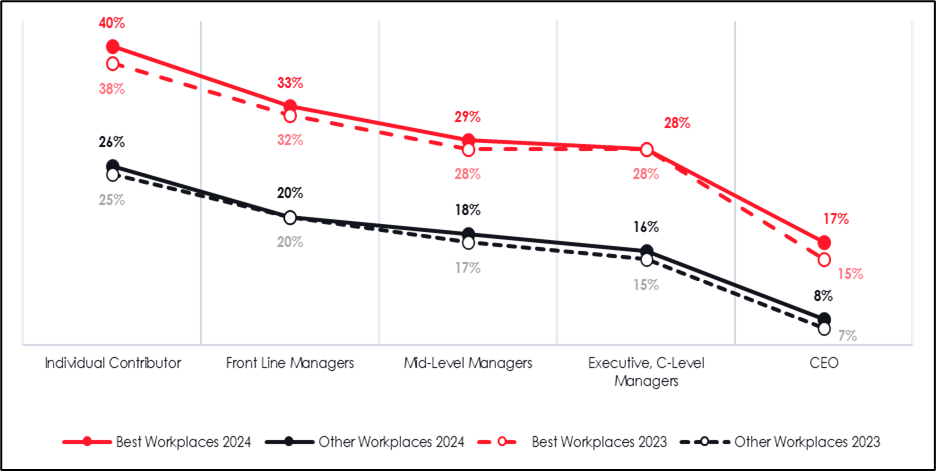
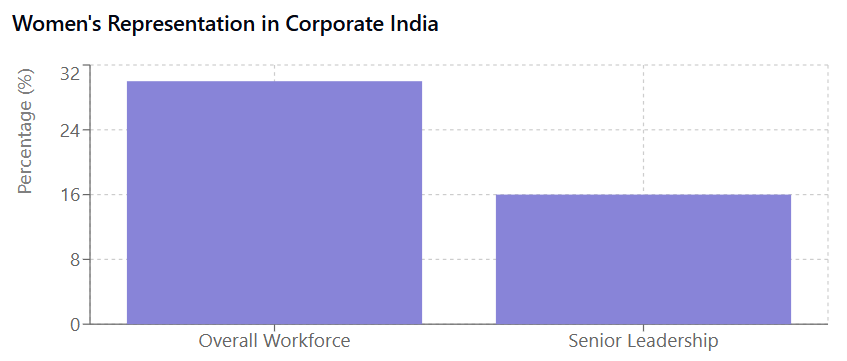
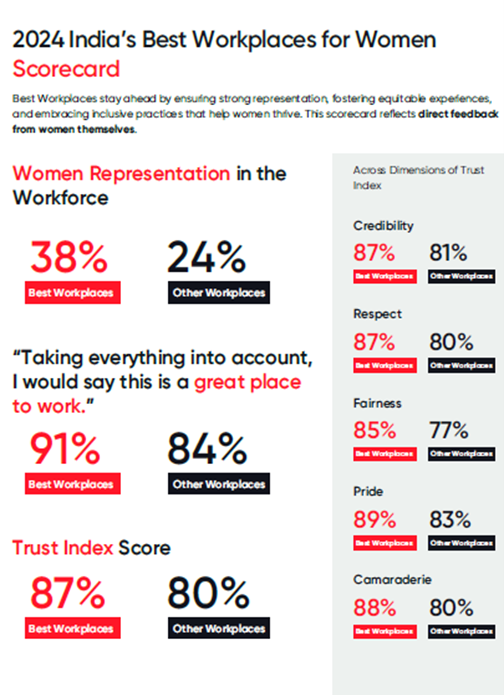
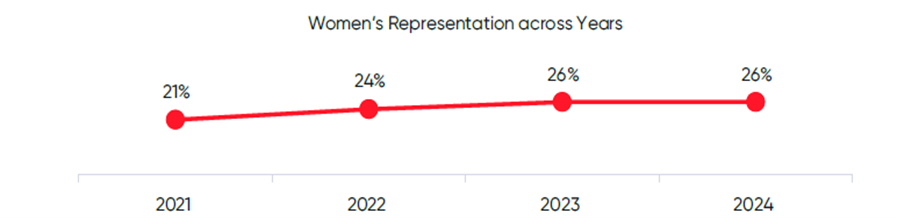
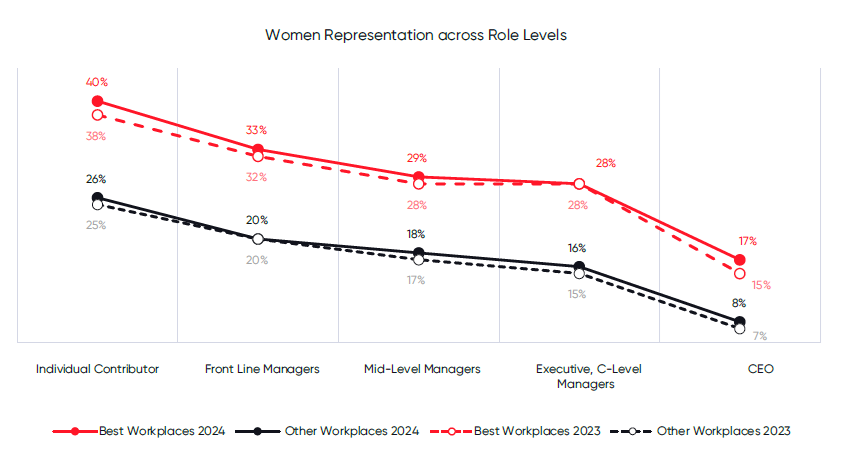
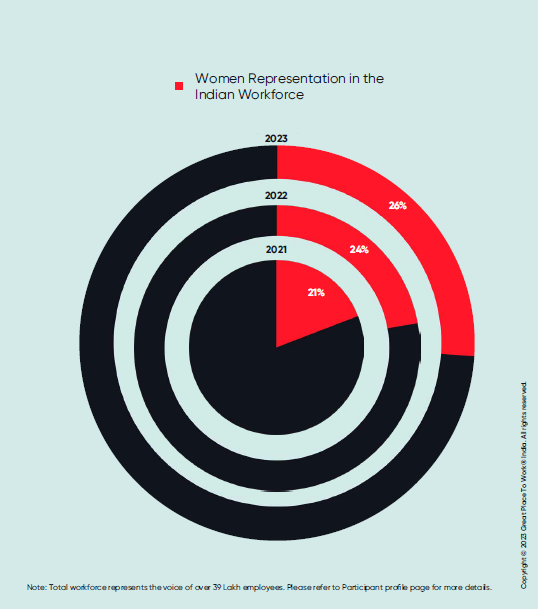
As the world unites to celebrate International Women’s Day on March 8, 2025, a glaring reality checks our progress: Indian women in the workplace still face an uphill battle for equity and opportunity. Despite growing conversations around diversity and inclusion, systemic barriers limit women’s growth and opportunities. According to India’s Best Workplaces for Women 2024 report, women make up 26% of the workforce, yet only 16% break the glass ceiling to rise to executive roles. This stark drop highlights the need for more equitable workplaces where women can thrive at every stage of their careers.

Women’s experiences across different career stages show that while their aspirations evolve, common themes emerge around recognition, growth, and the need for support systems. Addressing these needs is not just a moral imperative, it’s a business one.

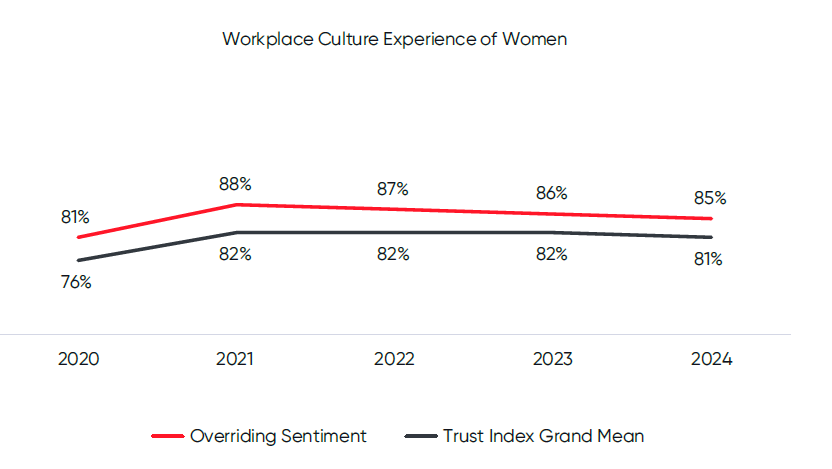
We analyzed feedback from over 12 lakh women in India’s largest study on Best WorkplacesTM for Women and bring to you a powerful reflection of their experiences, aspirations, and challenges. Across role levels, their voices highlight what they need to thrive, and the barriers that hold them back.

What Early-Career Women Want: Security and Opportunity

As women embark on their professional journeys, they’re not just looking for a job – they’re seeking a foundation for lifelong growth, development, and fulfilment. At the start of their professional journeys, women prioritize job security, work-life balance, and opportunities to develop new skills. They seek stable environments where fair treatment and timely salaries are non-negotiable. Yet heavy workloads, limited training opportunities, and lack of recognition often stifle their potential.

Companies must invest in structured training programs and clear growth pathways to nurture this talent. Fair evaluations and consistent rewards can go a long way in making women feel valued and motivated. Workplaces should not only provide employment opportunities but also lay a foundation for future growth.

What Women Supervisors Want: Fairness and Autonomy

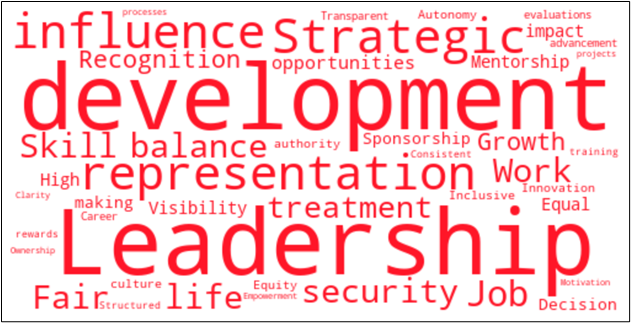
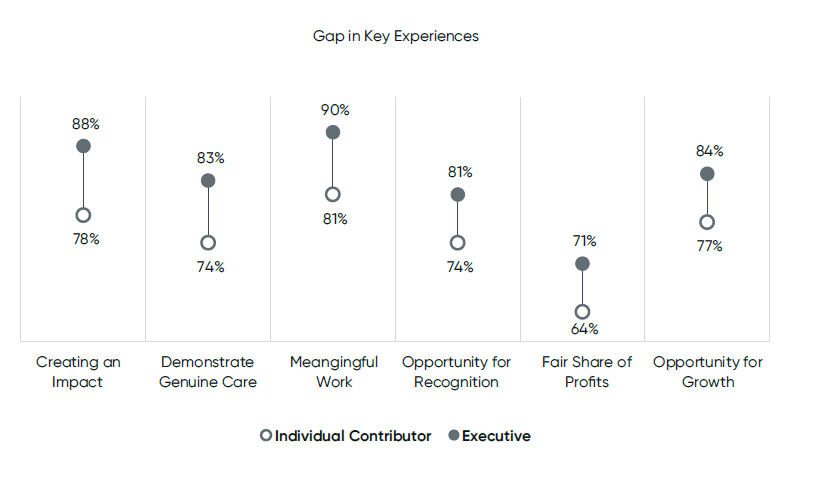
As women rise to supervisory roles, they’re expected to lead, inspire, and deliver results. Their focus shifts to autonomy and equitable advancement. They expect opportunities to influence processes and make decisions while being treated fairly. However, unclear promotion pathways, lack of mentorship, and limited decision-making authority often create frustration.

Organizations must empower women at this level by offering leadership development programs and transparent performance evaluations. Ensuring women have a voice in shaping team outcomes fosters ownership and drives engagement.

wordcloud: influence, developement, leadership, etc

What Women Managers Want: Visibility and Growth

For women managers, visibility and recognition become essential. They want their ideas heard and their contributions acknowledged without bias. Yet inconsistent access to strategic projects and departmental disparities often limit their ability to advance.

Creating a great workplace for women managers means ensuring equal access to high-impact opportunities and unbiased performance recognition. Sponsorship programs, where senior leaders actively advocate for women’s growth, can help them gain the visibility needed to break through organizational silos.

What Senior Women Leaders Want: Influence and Equity

Women aspire to shape strategy and drive organizational impact at the senior leadership level. They seek opportunities to lead high-impact projects and representation in top leadership. Yet the glass ceiling remains a formidable barrier, with women’s representation dropping 11% from mid-level management to C-suite positions.

graph of individual contributor, front line managers, mid-level managers, executibe, c-level managers and ceo

To address this, companies must prioritize building strong leadership pipelines and providing high-impact opportunities. Ensuring women’s equal representation in decision-making forums and executive roles will create a more balanced and innovative leadership team.

The Glass Ceiling: A Barrier Yet to Be Broken

Despite their achievements, women still face significant barriers when moving into senior leadership. The steep drop in executive-level representation points to systemic issues like unconscious bias, lack of mentorship, and limited access to high-visibility roles.

Breaking this glass ceiling requires intentional strategies. Companies must identify and address the structural challenges preventing women’s advancement and ensure high-potential women receive the sponsorship and visibility needed to move into leadership roles.

Addressing the Barriers: What Companies Must Do

Creating equitable workplaces requires a multi-pronged strategy, focused on building sustainable support systems for women at every career stage:

  1. Returnship Programs: Offer structured opportunities for women on career breaks to re-enter the workforce, including flexible roles and targeted upskilling initiatives.
  2. Diversity-Focused Hiring: Ensure job postings use gender-neutral language and leverage women’s networks and communities to attract diverse candidates.
  3. Equitable Growth Opportunities: Provide women equal access to leadership development programs, mentorship, and high-visibility projects across roles and locations.
  4. Flexibility and Support: Institutionalize policies like flexible work arrangements, childcare support, and extended parental leave to help women balance personal and professional priorities.
  5. Leadership Accountability: Tie diversity and inclusion metrics to leadership performance evaluations and set measurable goals for women’s representation and engagement.
  6. Recognition and Visibility: Celebrate women’s achievements and share their success stories to inspire and attract future talent.

This holistic approach ensures that women remain in the workforce and thrive and grow into leadership roles.

The Business Case for Women in Leadership

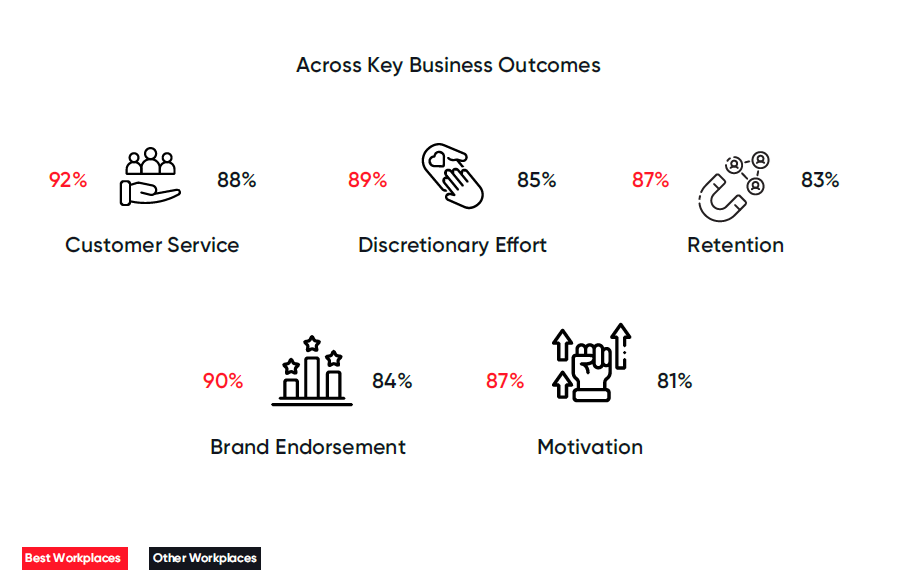
The evidence is clear: companies that prioritize gender inclusion outperform their peers. India’s Best Workplaces for Women 2024 report reveals that inclusive workplaces drive stronger employee engagement, higher customer satisfaction, and greater brand loyalty. When women feel valued and empowered, they catalyze growth, driving retention, performance, and motivation.

Beyond diversity targets, organizations investing in gender equity gain a clear business edge. Inclusive workplaces drive innovation, improve decision-making, and create a culture of trust. Companies that actively support women don’t just build better workplaces — they build stronger, more competitive businesses poised for long-term success.

A Call to Action for Leaders

This International Women’s Day, it’s time to move beyond symbolic gestures and commit to real change. Building equitable workplaces requires more than policy statements — it demands intentional action and accountability. Leaders must champion women’s advancement as a strategic business priority, not just as a diversity goal.

As we strive for a more equitable workplace, let us recognize the transformative power of collective action. We can achieve remarkable things when we come together to challenge systemic barriers and champion women’s advancement. The future of work belongs to organizations that invest in women leaders today. Will you be part of this movement?

Get Certified to Showcase Your Commitment

Achieving Great Place To Work Certification™ is an excellent way to demonstrate your organization’s commitment to employees’ overall well-being and experience. This Certification not only enhances your employer branding but also helps attract and retain top talent. It highlights to current and prospective employees that your organization values their overall well-being, fostering an environment where they feel appreciated and supported.

By implementing a culture of trust, respect, and collaboration, you can create a workplace where employees feel valued and connected. Certification also provides a benchmark for continuous improvement, helping you identify areas where you can further enhance employee well-being and overall workplace culture. 

What will it take for Indian workplaces to move from vision to value?

Two women with the audience for the For All Summit Mumbai 2025

Reading Time: 4 minutes

“I have a dream that my four little children will one day live in a nation where they will not be judged by the color of their skin but by the content of their character. I have a dream today.”
– Martin Luther King Jr., ‘I Have a Dream’ speech.

Martin Luther King Jr. famously spoke of a world in which people are judged not by skin color but by character, a vision that still resonates with leaders of all kinds. It’s very common for businesses, too, to set grand ambitions and dreams during rousing town hall setups. From expanding in new markets to launching new products – each venture is a hope to achieve a dream. Yet, for most, they remain limited to the notion of profit maximization. And too often, the plan to achieve it comes down to an operational checklist mandated across all employees’ scorecards.

Genuine change, however, always demands culture serving as a driving force. The vision of a united future in Martin Luther King’s speech connected personal and professional identities. The same principle applies in business: when employees fully grasp and embrace a greater purpose—understand precisely why they should prioritize key deliveries or refine customer service—their efforts often yield remarkable results. A workforce aligned around a common goal is a company’s most powerful asset today.

This journey from vision to aligning value for all stakeholders is a differentiator for companies to achieve sustainable success. Organizations succeeding in this journey understand that the ‘who’ and ‘how’ will be as important as the ‘from’ and ‘to.’ Great Place To Work® India’s conversations with workplace leaders at the For All™ Summit Mumbai 2025 have yielded numerous insights on this. The learnings from the Summit in the article ahead reflect a strong sense of trust fueling business excellence and the common goal of building workplaces that matter for the future.

Start with Purpose, Always!

In recent years, organizations have experienced several significant trends that impact the workplace. These include the implementation of back-to-office mandates, the growing influence of a younger workforce, a shift towards mandatory flexibility in work arrangements, and the introduction of AI, which is transforming how we work. This list continues to evolve as we explore these developments.

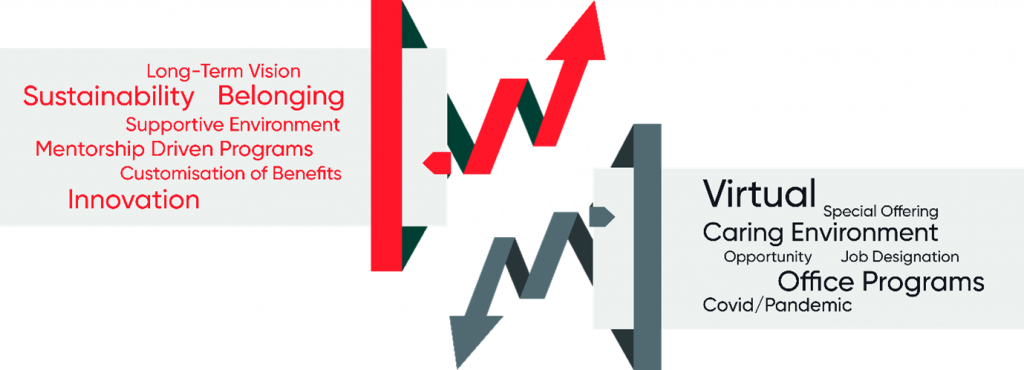
However, organizations in India have also shown high adaptability to changes. The emphasis on a few areas of people’s practices highlights this shift, with more key phrases around belonging, innovation, and sustainability featured in the programs they have been focusing on in past few years.

Great Place To Work India culture practice submissions. Word Cloud.

One reliable guiding star for firms navigating constant workplace upheavals is an unwavering focus on purpose. Today, employees showcase a stronger need to understand whom they serve—and why—which remains central to retaining and engaging a modern workforce.

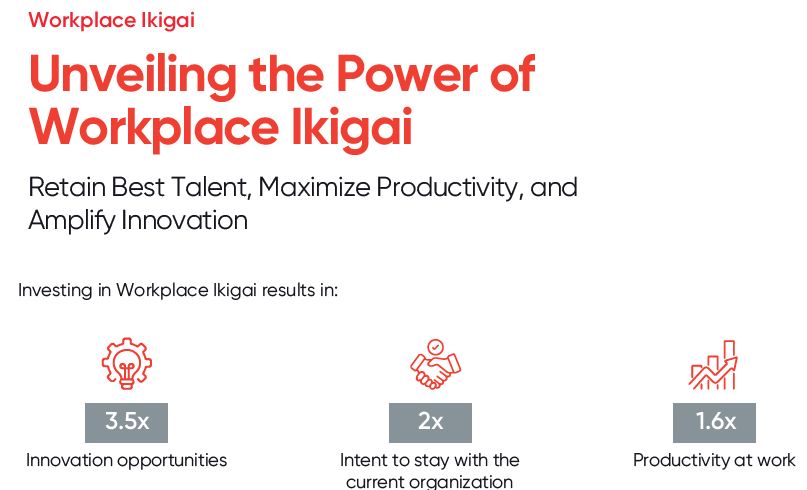
Employees who find meaning in their work are 3.2X more likely to stay and 3.4X more likely to recommend their company to others.

This shift is evident even in everyday employee conversations. More people speak of working “with” a company rather than “for” – a desire for shared purpose rather than mere subordination. Hence, in an era where majority cohorts probably begin halfway up Maslow’s hierarchy, the demand to feel part of a grander narrative, rather than the daily tasks, has become more than an aspiration; it is a baseline expectation.

Personalize talent strategy.

Firms are increasingly embracing customized talent strategies in response to the shifting landscape of workplace trends. Discussions with leaders encapsulated this approach using the “BOAT” framework—embracing leadership behaviors that foster a great experience centered around Balance, Opportunity, Access, and Talk to cultivate trust and loyalty.
At heart, the initiatives of the organizations must be personalized to address employees’ most pressing questions:

Ensure the customer’s voice stays central.

While products and services have evolved dramatically, the essential nature of consumers has not.
This consistency calls for organizations to keep the customer’s voice at the center of strategy and harness new technologies to cater to enduring human needs. Enabling this, then ensures the sustenance of businesses- using customer insights as a compass in both prosperous and precarious times.

Focus on inclusion and development of individuals.

Leaders’ conversations at the For All Summit Mumbai 2025 also highlighted that real progress demands more than empowerment training programs; it requires a mindset that sees equality as more than identical treatment—one rooted in empathy, nuance, and respect for diverse backgrounds.

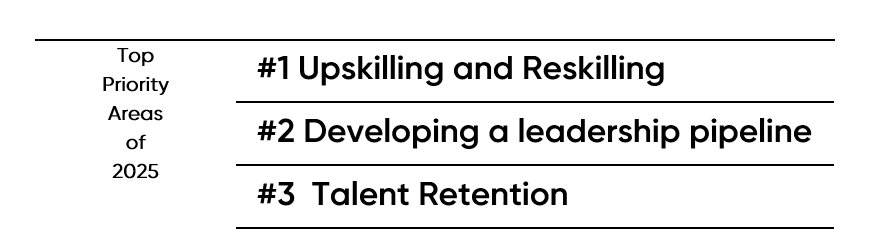
Top Priority Areas of 2025 
#1 Upskilling and Reskilling
#2 Developing a leadership pipeline
#3  Talent Retention

Poll results at the 2024 and 2025 For All Summit Mumbai mentioned upskilling and reskilling as the biggest priority, especially given the accelerating impact of artificial intelligence on day-to-day work. Therefore, leaders must prioritize empowerment, inclusion, and development at every level of the organization.

Creating the Best Workplace experience

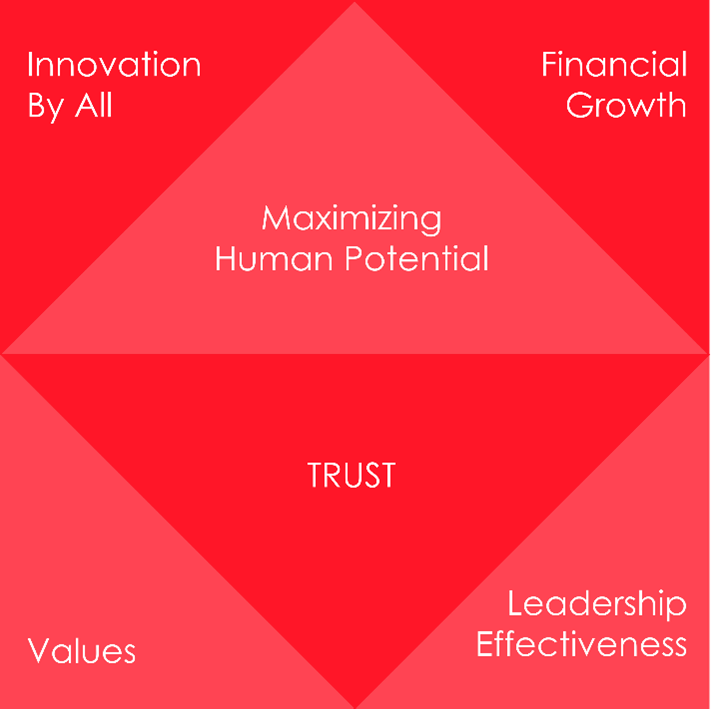
Change is often easy when the culture is strong. The Best WorkplacesTM understand this and strive to create a High-Trust and High-Performance Culture

Trust, Maximizing Human Potential, Financial Growth, Innovation By All, Values, Leadership Effectiveness

This enables everyone to experience a great workplace for all, leading to innovation and financial growth. With this approach, growth becomes not merely attainable but almost inevitable.

Get Certified to Showcase Your Commitment

Achieving Great Place To Work Certification™ is an excellent way to demonstrate your organization’s commitment to employees’ overall well-being and experience. This Certification not only enhances your employer branding but also helps attract and retain top talent. It highlights to current and prospective employees that your organization values their overall well-being, fostering an environment where they feel appreciated and supported.

By implementing a culture of trust, respect, and collaboration, you can create a workplace where employees feel valued and connected. Certification also provides a benchmark for continuous improvement, helping you identify areas where you can further enhance employee well-being and overall workplace culture. 

Bridging the Gap: Addressing Workplace Discrimination in India

Sad woman

Reading Time: 4 minutes

Workplace discrimination remains a pressing issue in India despite constitutional guarantees, legal protections, and corporate policies aimed at ensuring equality. Discrimination based on gender, caste, religion, disability, and other identity factors continues to persist, affecting hiring, promotions, wages, and overall workplace culture. Moreover, India currently lacks a comprehensive, codified non-discrimination statute that regulates employers and compensates victims of discrimination. 

The International Labour Organization (ILO) defines discrimination as “unfair treatment based on characteristics like race, colour, sex, religion, political opinion, national origin, or social background, which harms equal opportunities in employment or occupation.” In the Indian workplace, Great Place To Work® research indicates that age-based discrimination is the most prevalent form of bias employees face.

Global trends also influence India’s non-discrimination efforts. The recent rollback of DEI policies in the United States—including diminished support for affirmative action, diversity training, and protections for marginalized groups—has raised concerns about corporate commitments to inclusion worldwide. Many multinational corporations are scaling back their DEI initiatives, which could have ripple effects in India. However, India’s increasing legal and corporate focus on workplace inclusion may counterbalance these international regressions, reinforcing the importance of strong non-discrimination measures. 

Understanding Discrimination at The Workplace Through Data 

Global data from the International Labour Organization (ILO) highlights that gender-based discrimination has hindered nearly 50% of the population from reaching their full potential. In India, this disparity is evident in the persistent gender pay gap, where women earn only ₹40 for every ₹100 earned by men

Within corporate India, while 92% of organizations have implemented gender-neutral policies addressing workplace harassment, including provisions against sexual harassment (POSH) and microaggressions, only 53% of companies have taken strict action against managers who engage in discriminatory practices. Additionally, only 56% of organizations include a clause in their offer letters emphasizing zero tolerance for discrimination, thus indicating a gap in enforcement and accountability. 

India’s legal framework safeguards employees from workplace discrimination and harassment. The Equal Remuneration Act, 1976 mandates equal pay, while the Sexual Harassment Act, 2013 ensures protection against workplace harassment. The Rights of Persons with Disabilities Act, 2016, and the Transgender Persons Act, 2019 prohibit discrimination and promote inclusion. The Industrial Disputes Act, 1947 addresses wrongful termination, and the Maternity Benefit Act, 1961 (amended in 2017) provides paid leave and job security for pregnant, adoptive, and commissioning mothers. These laws collectively promote workplace equality in India.

A Call To Action for Indian Workplaces 

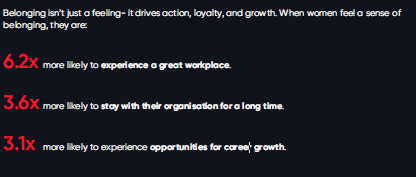
Great Place To Work research reveals that in India’s Best WorkplacesTM, 89% of employees report a positive experience regarding non-discrimination. Additionally, employees who experience a discrimination-free workplace are 2.4 times more likely to feel a sense of belonging

Thus, to foster truly inclusive workplaces, organizations must go beyond legal compliance and actively promote non-discrimination measures: 

Conclusion 

While India has made significant strides in combating workplace discrimination, much work remains to be done. Addressing discrimination requires a combination of strong legal frameworks, organizational commitment, and cultural shifts. By fostering inclusive work environments, promoting diversity, and ensuring equal opportunities for all, India can move closer to achieving true workplace equality and equity.  

Get Certified to Showcase Your Commitment

Achieving Great Place To Work Certification™ is an excellent way to demonstrate your organization’s commitment to employees’ overall well-being and experience. This Certification not only enhances your employer branding but also helps attract and retain top talent. It highlights to current and prospective employees that your organization values their overall well-being, fostering an environment where they feel appreciated and supported.

By implementing a culture of trust, respect, and collaboration, you can create a workplace where employees feel valued and connected. Certification also provides a benchmark for continuous improvement, helping you identify areas where you can further enhance employee well-being and overall workplace culture. 

The Power of Culture: How a Thriving Workplace Drives Business Success 

Group of young people discussing in the co-working office

Reading Time: 4 minutes

In an era of intense competition and economic unpredictability, businesses are increasingly focused on the impact of their workplace culture on performance. Research from Great Place To Work® demonstrates a powerful link between a positive culture and strong business outcomes. From retention and innovation to customer satisfaction and employee well-being, the influence of culture is clear. This blog explores how a vibrant workplace culture contributes to organizational success. 

Higher Retention and Employee Advocacy

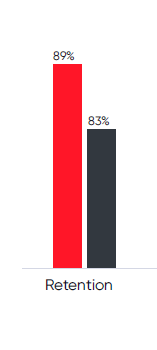
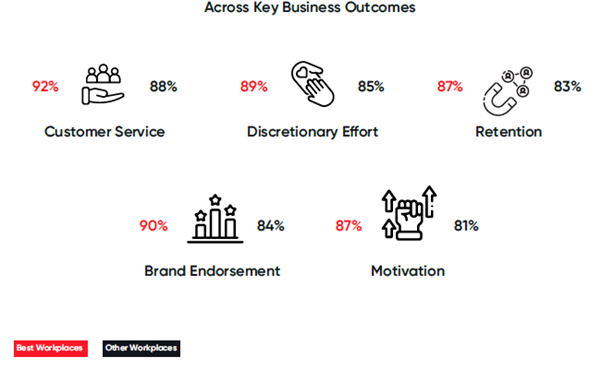
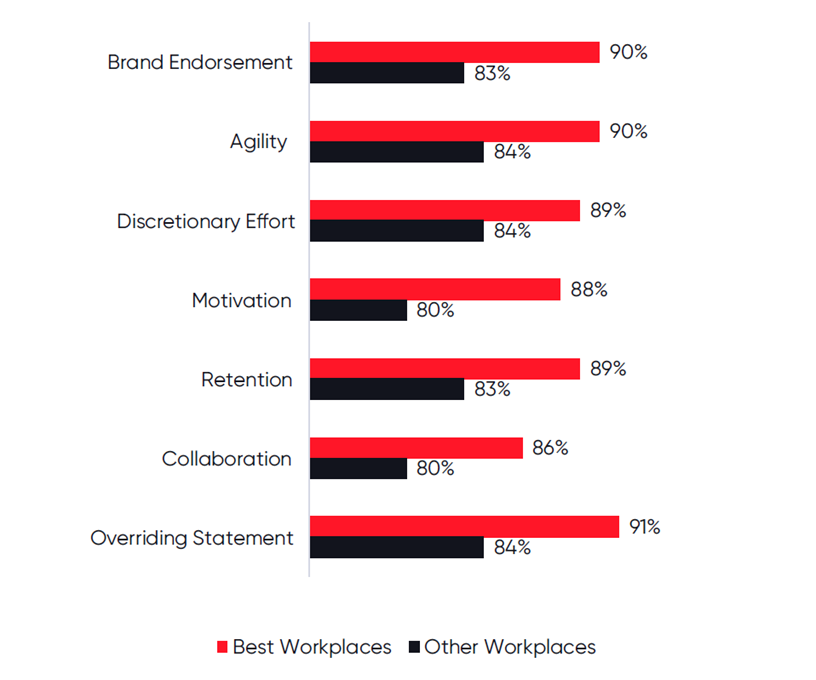
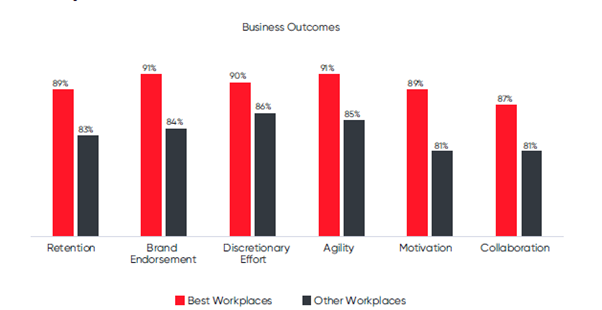
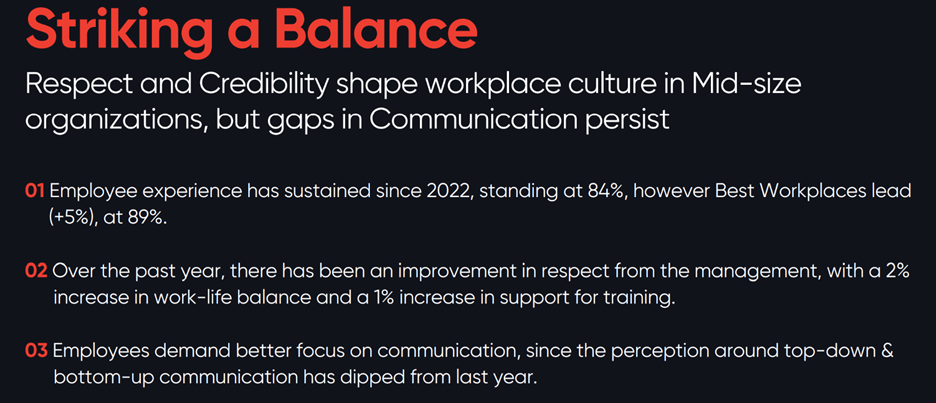
High employee turnover can be costly in lost revenue, lowered morale, and reduced productivity. According to Great Place To Work India’s 2024 report on mid-sized organizations, retention and employee advocacy are high in companies with strong cultures. The best mid-size workplaces show a 6% higher retention rate than others. Employees are also more likely to recommend their company to friends and family, reinforcing a reputation that attracts top talent and reduces hiring costs.  

The best mid-size workplaces show a 6% higher retention rate than others.

Retention is largely driven by employees feeling a sense of purpose. This commitment to purpose not only boosts retention but also strengthens the company’s employer brand, making it an attractive choice for new hires.

Increased Productivity Through Collaboration

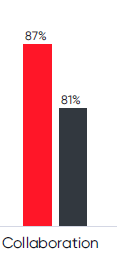
Organizations that prioritize collaboration create cultures where employees are more productive. The 2024 report found that 87% of employees at leading mid-size workplaces believed that their subordinates were collaborative. When employees feel supported, they are more willing to go the extra mile, driving organizational productivity.

The 2024 report found that 87% of employees at leading mid-size workplaces believed that their subordinates were collaborative.

Research shows that camaraderie is a key factor in promoting discretionary effort among employees. Teams that cooperate and support each other tend to work harder, fostering an environment where productivity thrives. A culture that encourages teamwork allows companies to maintain high performance even in challenging times.

Boosted Employee Engagement and Organizational Commitment

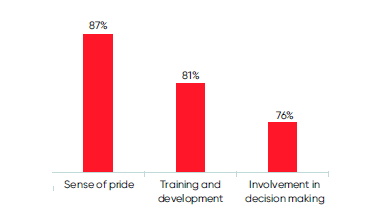
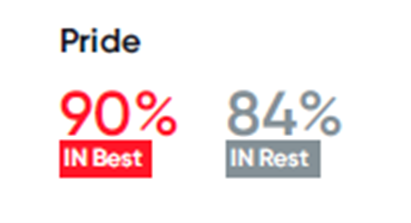
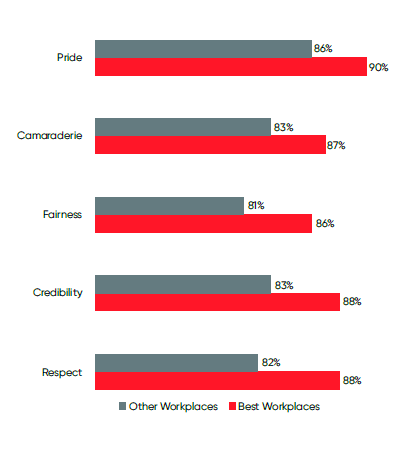
Engagement is the heartbeat of any successful organization, driving motivation and loyalty. Companies with strong cultures excel in fostering engagement, which ultimately boosts organizational performance. Great Place To Work India’s 2024 data shows that in top mid-size workplaces, employees are significantly more engaged, with 88% feeling proud to share that they work there. When employees are proud of their organization, they are more likely to remain committed, support company goals, and advocate for the brand.

Employee engagement is driven by trust, transparency, and recognition. Great workplaces maintain open communication channels, provide feedback opportunities, and recognize individual achievements regularly. This leads employees to feel that their work is valued, making them more invested in their roles. Engaged employees bring energy and innovation to their work, positively impacting both the company culture and bottom line. 

For organizations, fostering engagement means prioritizing initiatives like career development, employee recognition programs, and leadership transparency. When leaders actively show that they value employee contributions, it builds loyalty, reduces turnover, and creates a resilient workforce capable of thriving through challenges. Ultimately, engaged employees drive organizational growth and success, making engagement a vital component of workplace culture.

Higher Levels of Innovation and Agility

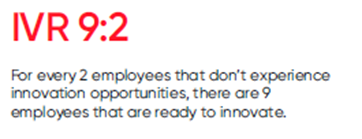
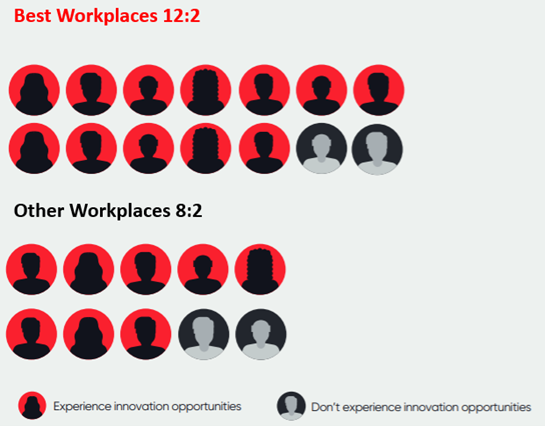
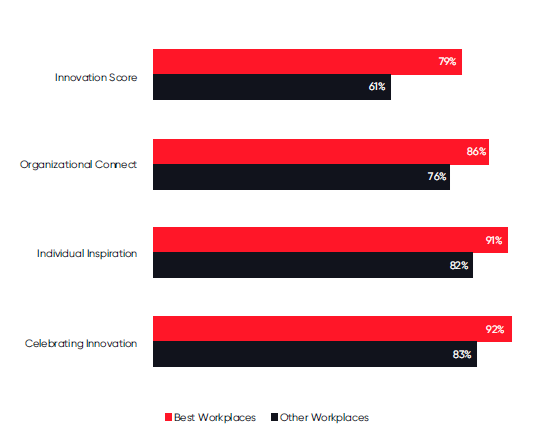
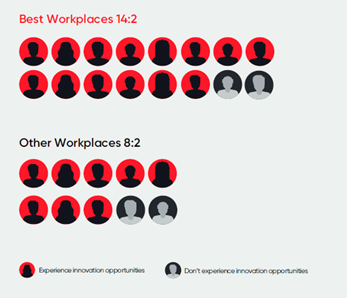
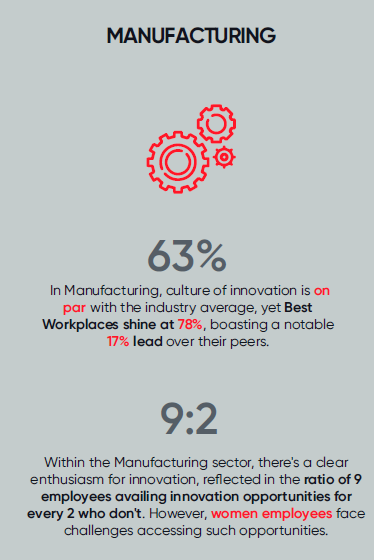
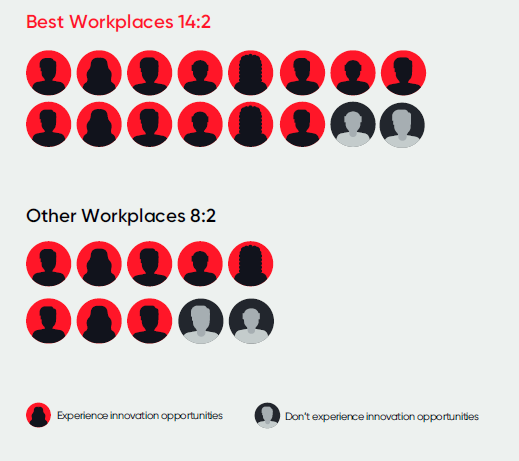
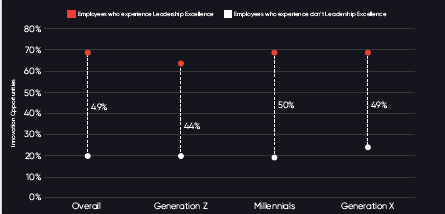
As the market evolves, businesses need to innovate to stay competitive. Leading mid-size workplaces have fostered environments where employees feel empowered to share new ideas. This is reflected in the high Innovation Velocity Ratio (IVR) reported in the study, with nine employees consistently engaging in meaningful innovation for every two who do not. 

For every 2 employees that don’t experience innovation opportunities, there are 9 employees that are ready to innovate.

Agility is another essential trait in today’s business environment. By encouraging experimentation and learning from failure, these workplaces are better positioned to meet new challenges, driving sustained growth.

Stronger Employee Well-being and Work-Life Balance

Work-life balance and mental well-being are critical components of a great workplace culture. Best mid-size workplaces provide resources and policies that support psychological safety and balance.

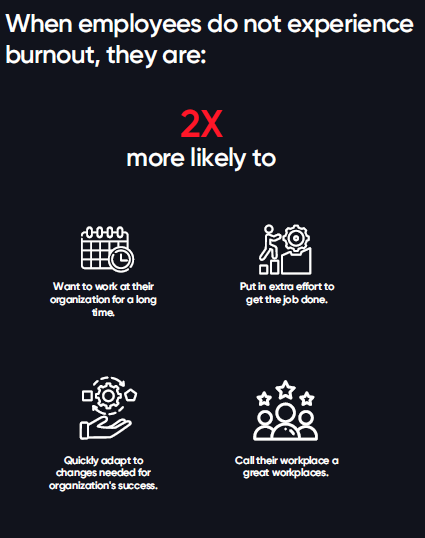
This emphasis on well-being is not just beneficial for employees but also for the organization. By preventing burnout and promoting mental health, companies reduce absenteeism, maintain productivity, and foster loyalty. Investing in a healthy work environment is ultimately an investment in long-term business stability.

Enhanced Customer Service and Brand Reputation

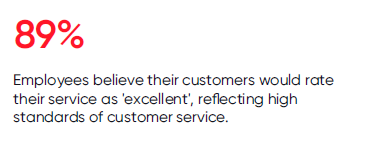
Employees who feel supported and valued are more likely to deliver excellent customer service. The report finds that 89% of employees at the best mid-size workplaces in India believe their customers would rate their service as ‘excellent.’ This reflects a virtuous cycle where a positive internal culture translates into high levels of customer satisfaction. 

The report finds that 89% of employees at the best mid-size workplaces in India believe their customers would rate their service as ‘excellent.’

Satisfied customers often become brand advocates, which enhances the company’s reputation and drives business success. When employees take pride in their work and feel part of a meaningful mission, they naturally extend that enthusiasm to customer interactions, strengthening the brand.

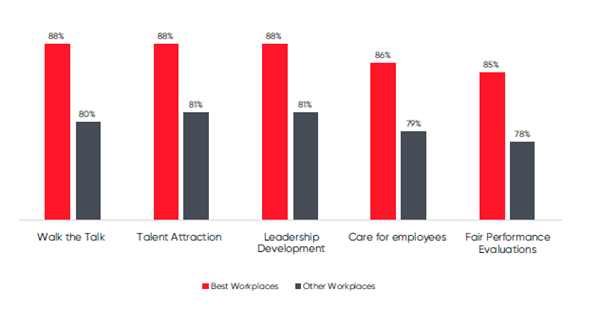
The data from Great Place To Work India’s 2024 report underscores that workplace culture isn’t just a human resources issue, it’s a core business strategy. Companies that prioritize fair evaluations, employee care, and authentic leadership build environments where employees thrive. By focusing on these key drivers, organizations can unlock their workforce’s full potential, driving both employee satisfaction and business success.

For leaders, this means not just fostering a positive culture but actively measuring and refining it. As the workplace landscape evolves, organizations that adapt by investing in their culture will see lasting benefits. In today’s market, a positive culture is not only a competitive advantage but a business imperative.

Get Certified to Showcase Your Commitment

Achieving Great Place To Work Certification is an excellent way to demonstrate your organization’s commitment to employees’ overall well-being and experience. This Certification not only enhances your employer branding but also helps attract and retain top talent. It highlights to current and prospective employees that your organization values their overall well-being, fostering an environment where they feel appreciated and supported.

By implementing a culture of trust, respect, and collaboration, you can create a workplace where employees feel valued and connected. Certification also provides a benchmark for continuous improvement, helping you identify areas where you can further enhance employee well-being and overall workplace culture. 

How Companies Can Help Managers Thrive in a Remote and Hybrid World

The lady is working near the river with her pet and laptop.

Reading Time: 5 minutes

In today’s flexible work landscape, managers face unique challenges as they juggle both in-person and remote teams. For many leaders, hybrid work isn’t just about providing employees with flexibility—it requires a new approach to leadership that promotes fairness, engagement, and community in a digitally dispersed environment.

Insights from India’s Best Companies To Work For 2024 reveal strategies and data-driven approaches used by top companies to support managers in creating inclusive, high-trust cultures. Here’s how companies are setting their managers up for success in the hybrid era.

Fostering Fairness and Equity

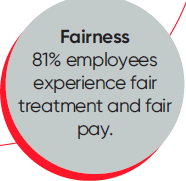
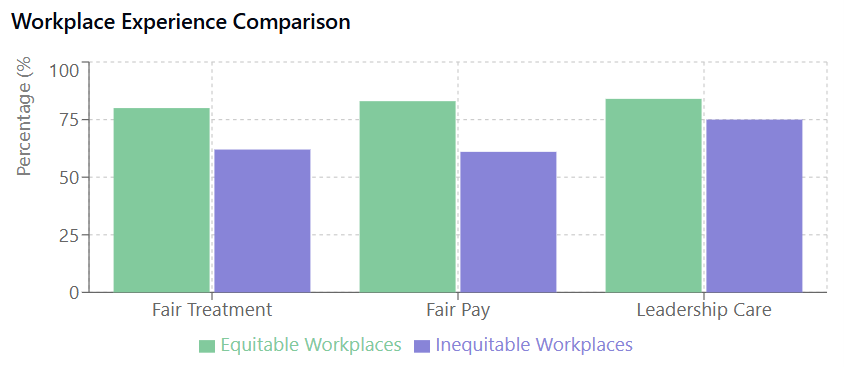
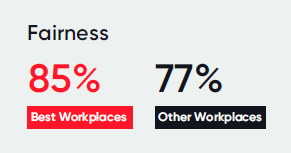
Fairness in the workplace culture is essential to building trust, especially in a hybrid model where some employees are on-site while others work remotely. According to the report, 81% of employees in India’s best workplaces feel they are treated fairly, a testament to these organizations’ commitment to equality. However, managers must be intentional to prevent remote employees from feeling overlooked in meetings, promotions, or project allocations.

The report also highlights challenges with pay parity, where women employees report lower experiences of fairness compared to male counterparts. This suggests that promoting fairness in hybrid teams is a top priority not just for organizational ethics but also for improving engagement and retention across demographics.

81% of employees in India’s best workplaces feel they are treated fairly

Actionable Steps for Managers

Customizing Team Policies and Guardrails

Successful workplaces often empower managers to customize policies that best fit their teams. According to the report, India’s top companies use a tailored approach, enabling leaders to set up unique work norms that align with team and project needs. 

Actionable Steps for Managers

Equipping Managers with Continuous Learning

For managers, adapting to a remote or hybrid model is a learning curve. The report emphasizes the value of continuous training programs that help leaders refine skills in areas such as virtual communication, digital collaboration, and employee well-being. When managers receive tailored support, they are better positioned to address team needs in a flexible environment.

Actionable Steps for Managers

Listening and Responding to Employee Feedback

For companies aiming to create an engaged workforce, employee feedback is critical. According to India’s Best Companies To Work For 2024, 86% of employees in leading companies feel heard and valued through initiatives that measure workplace satisfaction. Surveys are particularly valuable for remote work settings, where assessing employee sentiment can be more challenging.

The feedback loop not only shows that leaders are listening but also highlights gaps that managers may need to address. Orient Cement, for example, has adopted a continuous feedback cycle where inputs from employees are reviewed weekly, and decisions are made promptly to foster transparency.

Actionable Steps for Managers

Creating a Sense of Community and Connection

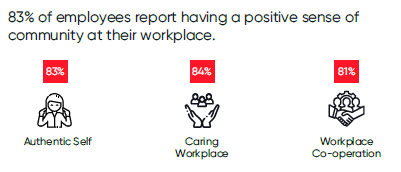
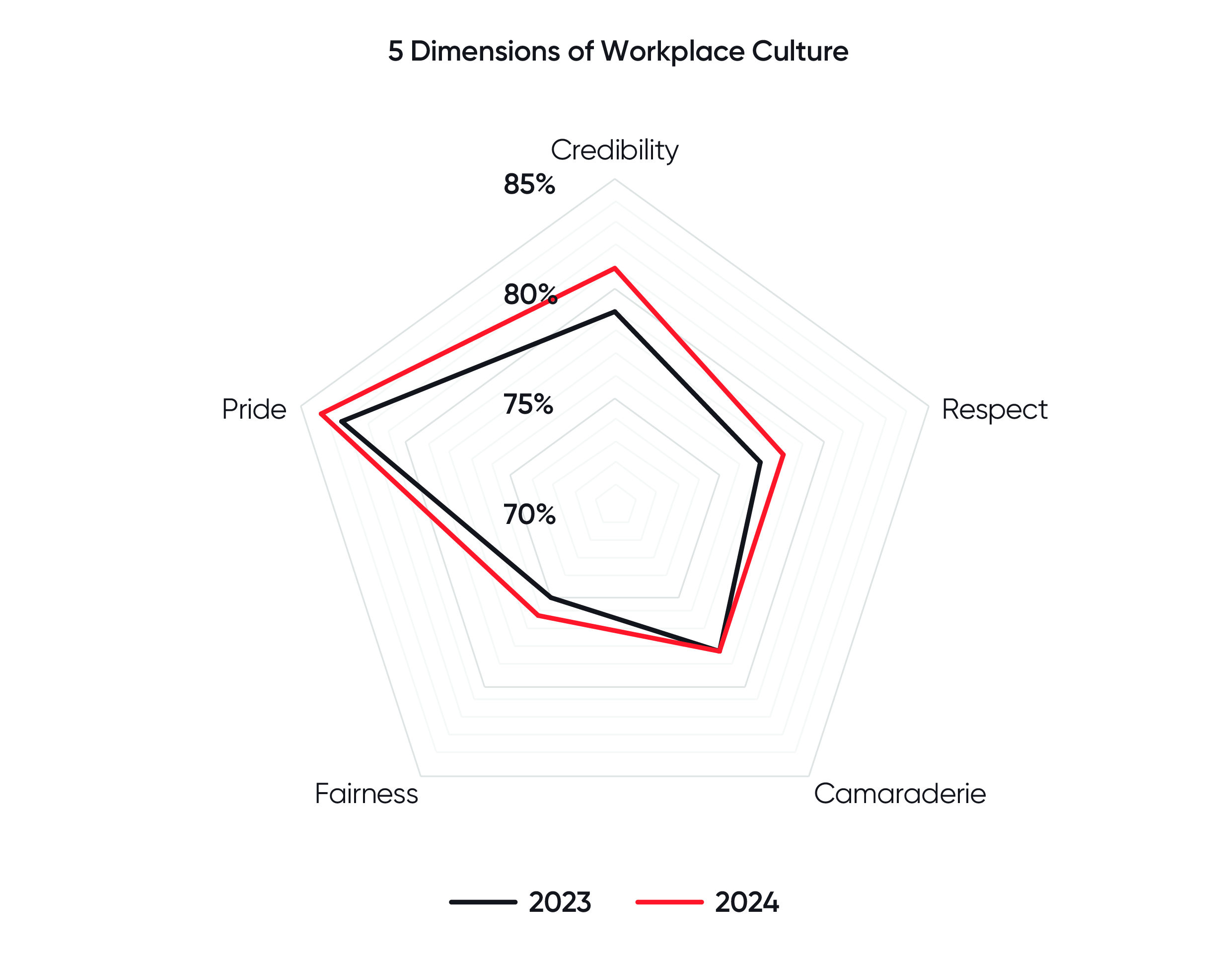
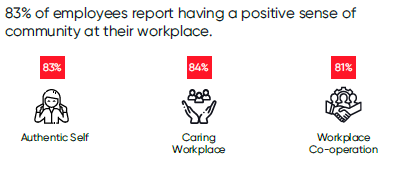
One major drawback of remote work is the challenge of maintaining team camaraderie. The report points to camaraderie as one of the strongest dimensions of workplace culture, with 83% of employees in best workplaces saying they feel part of a supportive community. When left unchecked, the silo effect can fragment teams, leaving employees feeling isolated.

83% of employees in best workplaces saying they feel part of a supportive community

Actionable Steps for Managers

Measuring Success Through Engagement and Retention

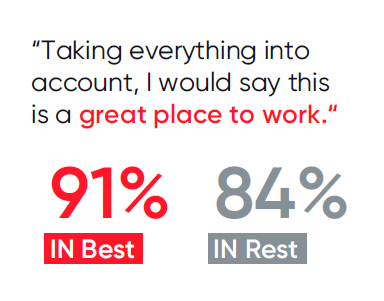
Ultimately, success in hybrid work models can be measured by how engaged employees feel and their willingness to stay. The report notes that motivated employees in high-trust workplaces show improved collaboration and discretionary effort, leading to better overall performance. Data from India’s Best Companies To Work For 2024 show that 91% of Gen Z employees in these organizations view their company as a great place to work, underscoring the direct impact of culture on retention.

Data from India’s Best Companies To Work For 2024 show that 91% of Gen Z employees in these organizations view their company as a great place to work.

Tracking metrics such as turnover rates, employee engagement scores, and feedback results can help companies understand the effectiveness of hybrid policies. This continuous improvement process ensures that hybrid models not only serve business needs but also resonate with employees.

Actionable Steps for Managers

Navigating hybrid work requires more than just remote tools and flexible hours. It demands a structured approach that ensures all employees feel valued, engaged, and connected. By focusing on fairness, setting clear policies, fostering community, offering ongoing learning, and actively listening to employees, companies can empower managers to create high-trust cultures in the remote age.

Get Certified to Showcase Your Commitment

Achieving Great Place To Work® Certification is an excellent way to demonstrate your organization’s commitment to employees’ overall well-being and experience. This Certification not only enhances your employer branding but also helps attract and retain top talent. It highlights to current and prospective employees that your organization values their overall well-being, fostering an environment where they feel appreciated and supported.

By implementing a culture of trust, respect, and collaboration, you can create a workplace where employees feel valued and connected. Certification also provides a benchmark for continuous improvement, helping you identify areas where you can further enhance employee well-being and overall workplace culture. 

Need of the Hour: Building Gender Equity at the Workplace

Happy Employees

Reading Time: 5 minutes

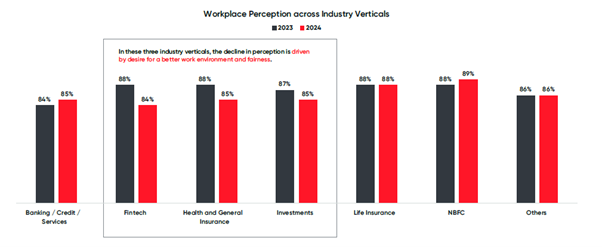
The Great Place To Work® report on India’s Best Workplaces in Retail 2024 report has unveiled a concerning trend in workplace dynamics. While organizations maintain high overall workplace satisfaction scores, there’s a notable gender gap that demands immediate attention. Female employees’ perception of their workplace culture has dropped by 4% , a significant decline that signals the urgent need for more focused efforts in building truly equitable workplaces.

Female employees' perception of their workplace has dropped by 4% - a significant decline that signals the urgent need for more focused efforts in building truly equitable workplaces.

The economic implications of these gender disparities cannot be overlooked. Organizations face reduced employee engagement among female staff, higher turnover rates, and lost productivity. Perhaps most critically, they miss out on the innovation potential that comes with fully engaged, equitably treated female employees.

Building Blocks of Gender Equity

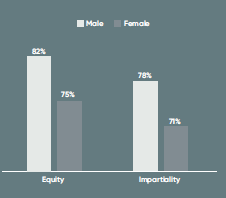
The data reveals an intriguing paradox in workplace perceptions. Both male and female employees report they don’t perceive overt gender bias at their workplaces, with 90% of men and 87% of women agreeing they’re treated fairly, regardless of gender. However, a deeper examination uncovers substantial disparities beneath this surface-level agreement.

In the retail sector, both male and female employees believe they are treated fairly regardless of their gender.

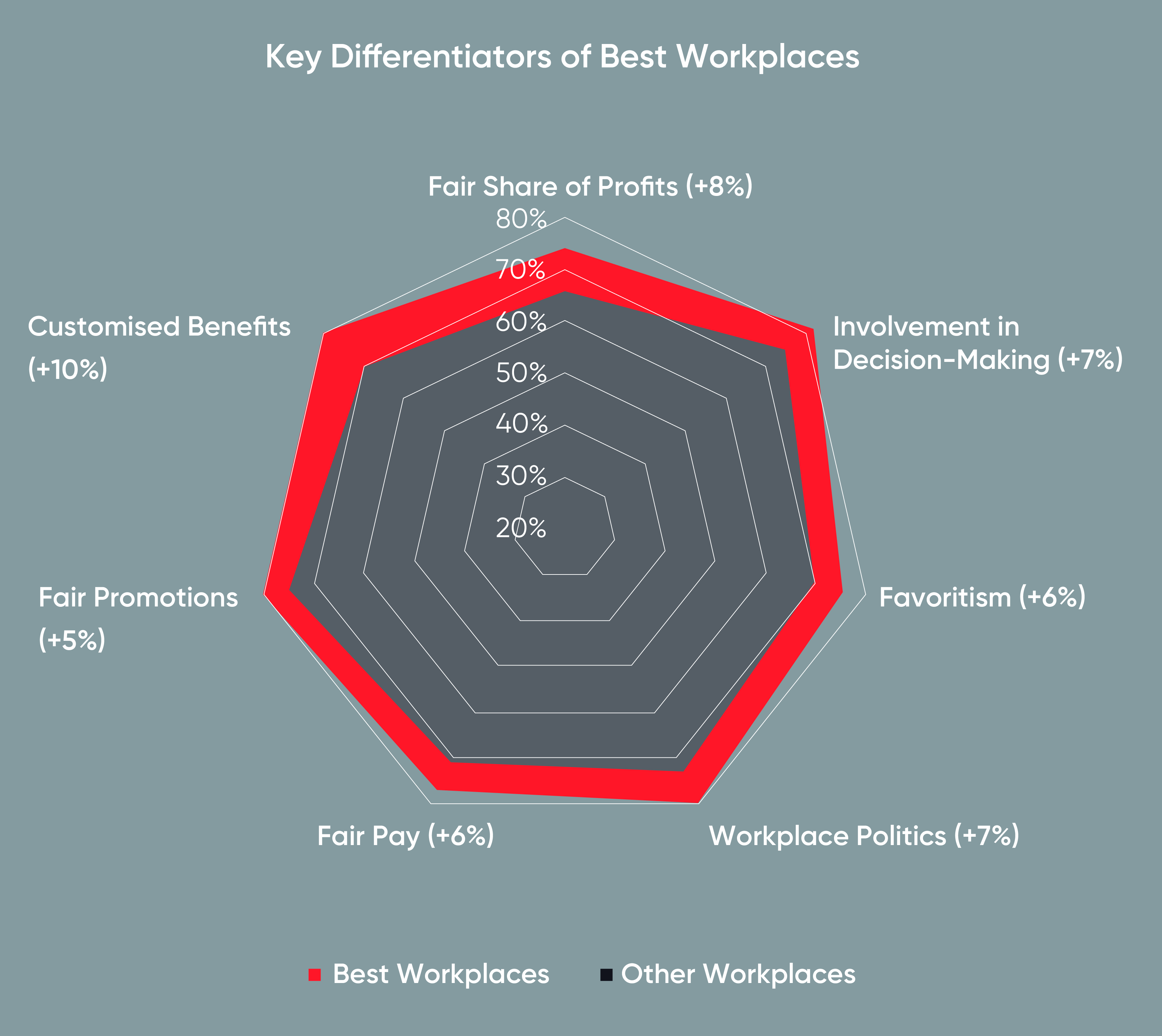
This disparity manifests across several critical areas. Women consistently report lower satisfaction with fair pay and profit sharing, express concerns about management favoritism, and feel more affected by workplace politics. They also perceive fewer opportunities for career advancement. These findings suggest that while organizations may have successfully eliminated obvious forms of gender discrimination, subtle barriers and systemic inequities continue to impact women’s workplace experiences significantly.

Leading organizations have recognized these challenges and are implementing comprehensive strategies to build more equitable workplace cultures. 

Visibility and Recognition

A key focus area is visibility and recognition. Progressive companies are creating platforms where women can share their experiences and stories, ensuring they have adequate visibility with top leadership. These organizations understand that recognition isn’t just about acknowledging achievements – it’s about creating an environment where women feel valued and heard.

Meaningful Onboarding

The importance of meaningful onboarding has emerged as another crucial factor. The report emphasizes that an employee’s comfort in bringing their full self to work is significantly influenced by their initial experiences with the organization. Forward-thinking companies are designing inclusive onboarding programs that address women’s specific needs and concerns. They’re providing early access to mentorship opportunities and creating clear pathways for growth and development from day one.

Leadership Development

Leadership development has become a cornerstone of gender equity initiatives. The best workplaces focus on identifying high-potential women who might not see their own leadership capabilities. They’re creating structured development programs specifically for women leaders and providing sponsorship opportunities with senior leaders. These programs acknowledge that building leadership capacity requires both skill development and confidence building.

Pay Equity Initiatives

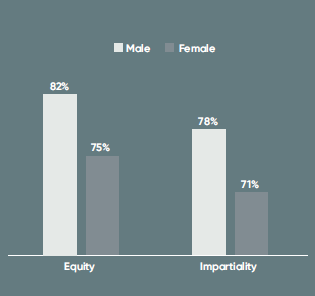
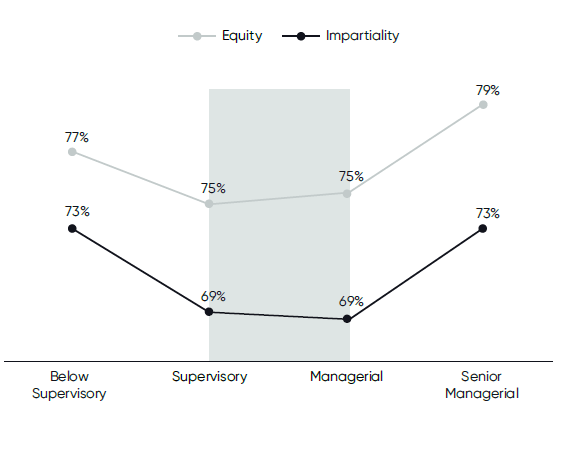
Pay equity initiatives have taken center stage in many organizations’ equity efforts. Progressive companies are conducting regular pay equity audits and implementing transparent pay scales. They’re addressing historical pay disparities through targeted adjustments and creating clear compensation frameworks that eliminate bias. These efforts recognize that pay equity is both a moral imperative and a key driver of employee satisfaction and retention.  Women’s perception in key areas of equity and impartiality lags by almost 7% compared to that of their male colleagues.

Women's perception in key areas of equity and impartiality lags by almost 7% compared to that of their male colleagues.

Flipkart’s Programs for Women’s Career Continuity and Growth

Case studies from industry leaders offer valuable insights into effective gender equity initiatives. 

Career Development Programs

Flipkart, for example, has implemented a comprehensive suite of programs addressing women’s needs throughout their career journey. Their Catalyze program offers a six-month development journey using the GROW model, specifically designed to prepare women for leadership roles. The company’s GirlsWannaCode initiative empowers women in technology through targeted skill development, while their innovative Flip Forward program helps women restart their careers after breaks. These programs demonstrate the importance of addressing gender equity at every career stage.

Flipkart's Commitment to Safety, Equality, and Inclusivity

Safety and Retention

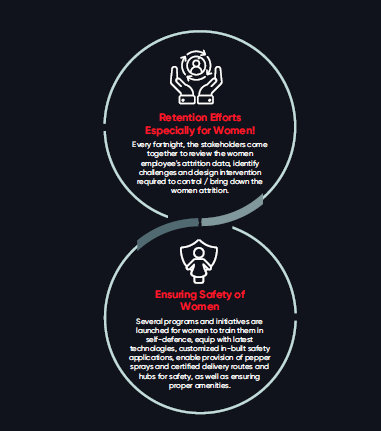
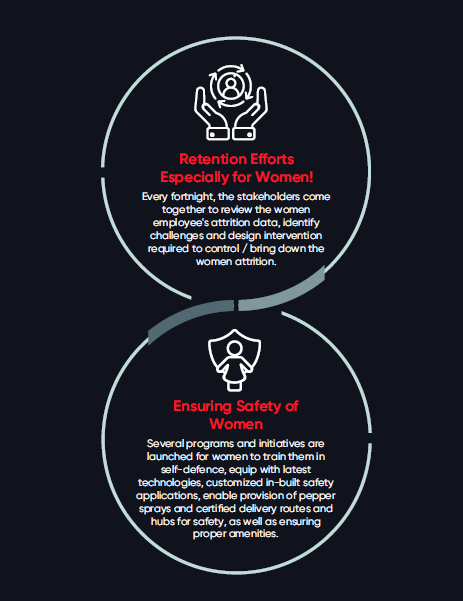
Safety and retention have emerged as crucial focus areas in Flipkart’s approach. The company conducts regular reviews of women’s attrition data to identify and address challenges proactively. They’ve implemented comprehensive safety measures, including self-defense training and certified delivery routes, recognizing that physical safety is fundamental to workplace equity. Their custom-built safety applications and infrastructure show how technology can be leveraged to support gender equity goals.

Building a Sustainable Framework

Creating lasting change requires organizations to focus on cultural transformation at a deep level. This involves challenging unconscious biases through regular training and awareness programs. 

Cultural Transformation

Successful organizations are creating Employee Resource Groups that support women’s professional growth and fostering environments where speaking up about inequities is not just permitted but encouraged. The establishment of zero-tolerance policies for harassment and discrimination sends a clear message about organizational values.

Structural Changes

Structural changes play a vital role in supporting gender equity initiatives. Organizations must review and revise policies that might inadvertently disadvantage women. This includes creating flexible work arrangements that support work-life integration and implementing family-friendly policies that support both parents. Progressive companies are establishing clear metrics for measuring progress in gender equity, recognizing that what gets measured gets improved.

Leadership Accountability

Leadership accountability has emerged as a critical factor in successful gender equity initiatives. Organizations are setting specific, measurable goals for improving gender equity and including these metrics in leadership performance evaluations. Regular reporting on progress toward equity goals ensures sustained attention to these issues. Perhaps most importantly, leadership teams are being called upon to actively champion and model inclusive behaviors.

The future of workplace equity depends on leadership teams recognizing that this is not just a human resources initiative but a strategic priority that requires ongoing attention and resources. By making gender equity central to their organizational strategy and backing that commitment with concrete actions, organizations can create lasting change that benefits all employees and drives sustainable success.

Get Certified to Showcase Your Commitment

Achieving Great Place To Work Certification is an excellent way to demonstrate your organization’s commitment to employees’ overall well-being and experience. This Certification not only enhances your employer branding but also helps attract and retain top talent. It highlights to current and prospective employees that your organization values their overall well-being, fostering an environment where they feel appreciated and supported.

By implementing a culture of trust, respect, and collaboration, you can create a workplace where employees feel valued and connected. Certification also provides a benchmark for continuous improvement, helping you identify areas where you can further enhance employee well-being and overall workplace culture. 

For All Summit Mumbai 2025: Vision to Value – Building Workplaces That Matter

Join us on February 6, 2025, in Mumbai for an enlightening day filled with insights on creating sustainable, humane, and inclusive workplaces. Learn from industry leaders about purpose-driven cultures, innovative HR practices, and adaptive leadership strategies.

Get your passes today – https://www.greatplacetowork.in/for-all-summit

For All Summit 2025 Mumbai Banner

Moving towards clean energy with trust-based leadership 

Solar panel installer with drill installing solar panels

Reading Time: 4 minutes

As celebrated on January 26, International Day of Clean Energy marks the founding date of the International Renewable Energy Agency (a global intergovernmental agency). The objective of this day is to raise awareness, advocate clean and renewable energy sources, and unite all stakeholders to help advance the sustainability mission. This, however, is a very recent phenomenon for the world; before the 1800s (before the Industrial Revolution), humans mainly relied on biomass as an energy source.

Clean Energy Initiatives in India

For India, the clean energy movement has taken significant attention in the last few decades, and it remains a topic of high importance and priority. In alignment with the clean energy transition, India became one of the first countries to set up a Ministry of Non-conventional Energy Sources (Ministry of New and Renewable Energy (MNRE) in 1992. Since then, many initiatives have been launched to advance energy transition to achieve net zero by 2070 and meet 50% of electricity needs from non-fossil sources by 2030. Solar energy has grown at a 36.5% CAGR, while investments in EVs, wind energy, and other energy storage systems total billions annually.

SEBI’s recent directive of mandating the top 250 listed companies to give disclosures on ESG metrics for their value chain partners in annual reports from the financial year 2024-25 has become a significant indicator of India’s more prominent role in clean energy. Today, Deloitte India’s ESG Preparedness 2023 survey shows that 88% of Indian businesses believe sustainability regulations will impact their operations, and nearly 90% think ESG reporting boosts brand reputation. However, only 27% feel well-prepared to meet ESG requirements.

Need for leaders to build trust

Going ahead, for a promising path to net zero, a significant transition is essential. This involves Indian companies embedding sustainability into core strategies, driving innovation through green technologies, and improving climate disclosures to secure green financing.

Similarly, with the population as the most remarkable growth driver, India will need the collective effort of its entire workforce to drive action and propel the future toward clean energy goals. Companies must keep their employees engaged and motivated to address challenges, devise solutions, and succeed in the energy transition.

Leaders, too, must evolve alongside reshaping themselves to transform businesses for the better. Thus, success in every endeavour may eventually hinge on leaders’ ability to build trust, which lies at the core of the relationship between leaders and employees. Great Place To Work® India research, based on responses from over 200+ leaders from the industry roundtable, suggests that the biggest foundational challenge in creating a great employee experience is in establishing a unique environment that fosters trust.

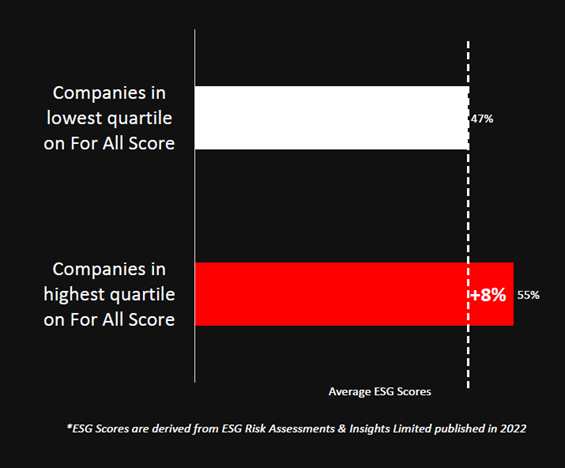
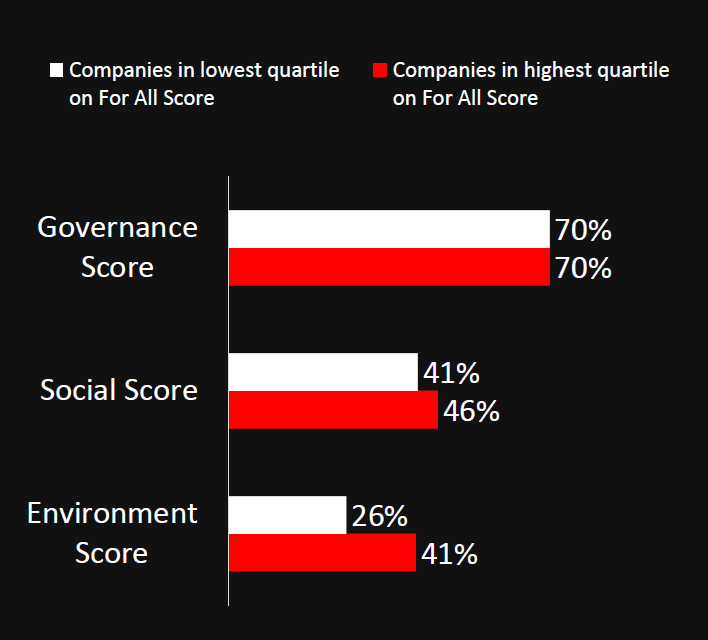
With a strong foundation of trust, leaders will find it easier to make people move the needle on sustainability. Top employers, as measured by employee satisfaction and attractiveness to talent, have significantly higher ESG scores than their peers. Employers with highly satisfied employees score higher on ESG performance (14 percent higher) than global average employers.

Likewise, enabling trust empowers leaders to create a spirit of pride and camaraderie. When all employees experience trust, it fosters an environment of innovation and drives financial success. Both are critical to finding new, sustainable solutions and ensuring the necessary financial resources to scale the clean energy transition. Hence, to meet sustainability goals, organizations need leaders to build workplace trust.

“About 3.4 billion people in the world work somewhere.
Wouldn’t it make sense if we started there and if we created this great environment for people where they work?”

– Tony Bond, Chief diversity and innovation officer, Great Place To Work

Authored by Gurab Virk, Great Place To Work India’s report on India’s Most Trusted Leaders 2024 shares an insightful perspective on how leaders can enable this transition successfully.

Three Essentials to Make Sustainability Stick

Create Sustainability Ambassador Programs

Establish a Sustainability Ambassador program where employees volunteer to champion environmental initiatives within the company. These ambassadors can lead projects, raise awareness, and drive engagement in sustainability practices.

Develop ERG-driven Innovation Labs

Set up Innovation Labs where employee resource groups can propose and develop projects contributing to the company’s ESG objectives. Provide resources, mentorship, and funding for the best ideas to bring them to fruition.

Implement a Stakeholder Collaboration Approach

Move beyond traditional stakeholder management to a more collaborative approach for stakeholder acceptance of ESG goals. This involves employees, customers, suppliers, communities, and the environment in decision-making.

Get Certified to Showcase Your Commitment

Achieving Great Place To Work Certification™ is an excellent way to demonstrate your organization’s commitment to employees’ overall well-being and experience. This Certification not only enhances your employer branding but also helps attract and retain top talent. It highlights to current and prospective employees that your organization values their overall well-being, fostering an environment where they feel appreciated and supported.

By implementing a culture of trust, respect, and collaboration, you can create a workplace where employees feel valued and connected. Certification also provides a benchmark for continuous improvement, helping you identify areas where you can further enhance employee well-being and overall workplace culture. 

For All Summit Mumbai 2025: Vision to Value – Building Workplaces That Matter

Join us on February 6, 2025, in Mumbai for an enlightening day filled with insights on creating sustainable, humane, and inclusive workplaces. Learn from industry leaders about purpose-driven cultures, innovative HR practices, and adaptive leadership strategies.

Get your passes today – https://www.greatplacetowork.in/for-all-summit

For All Summit Banner

Why Authenticity Matters to Gen Z: The Role of Culture and Values 

Indian girl using a digital tablet at metro station.

Reading Time: 6 minutes

Gen Z, born between the mid-1990s and early 2010s, is often called the “digital-native” generation. Unlike Millennials, who witnessed the internet’s evolution, Gen Z grew up surrounded by high-speed internet, smartphones, and social media. This immersion in technology, along with growing social and environmental awareness, shapes their worldview and career expectations.

Gen Z employees make the second largest pool of the workforce, following Millennials

Gen Z’s familiarity with technology makes them adaptable and quick to leverage digital tools to streamline work processes. According to the Great Place To Work® report on India’s Best Companies To Work For 2024, many companies notice Gen Z’s demand for innovation and digital transformation at work. 

Understanding Gen Z’s Work Preferences

Flexibility and Autonomy 

Unlike previous generations, Gen Z views flexibility not as a perk but as a basic requirement. They value remote work options, flexible hours, and autonomy to make decisions within their roles. The India’s Best Companies To Work For 2024 report highlights that Gen Z’s desire for flexibility correlates with their productivity and motivation. They are 18% more likely to stay with an organization that offers them autonomy and flexibility, making this a critical retention factor. 

Work-Life Balance

Work-life balance is more than a buzzword for Gen Z; it’s a priority. This generation grew up witnessing the burnout associated with ‘hustle culture’ and seeks roles that respect their mental and physical well-being. According to the report, companies that emphasize employee wellness, mental health support, and clear boundaries between work and personal life tend to have higher satisfaction scores among Gen Z employees.  They prefer employers who understand that mental health is essential for sustained productivity.

Digital Savvy and Innovation-Driven

Gen Z’s natural comfort with technology means they look for workplaces that embrace digital tools and continuous innovation. They expect quick, digital solutions in their workflow and find satisfaction in environments where technology plays a central role. Data from the report reveals that organizations offering Gen Z employees the chance to engage in innovation see an 18% increase in loyalty, advocacy, and overall job satisfaction. This statistic underlines how a culture that encourages innovation retains digitally savvy talent.

Why Authenticity Matters to Gen Z

Cultural Fit

Gen Z seeks a culture that values diversity, equity, and inclusion (DEI). This generation has a heightened awareness of social issues and expects employers to reflect similar values in the workplace. They want to feel seen and respected as individuals and look for companies where DEI is practiced, not just promoted. The report mentions that when Gen Z feels they can bring their “authentic selves” to work, they are 2.8 times more likely to remain motivated. This statistic emphasizes the importance of an inclusive culture where employees feel safe and valued.

The report mentions that when Gen Z feels they can bring their “authentic selves” to work, they are 2.8 times more likely to remain motivated.

Trust in Leadership  

Trustworthiness and integrity in leadership are paramount for Gen Z. The report finds that Gen Z employees are 2.6 times more likely to stay motivated if they see management delivering on promises and practicing transparency. Authentic leadership fosters trust, creating a positive atmosphere that resonates with Gen Z. When leaders are open and accountable, Gen Z feels more invested in their roles and the organization’s success.

The report finds that Gen Z employees are 2.6 times more likely to stay motivated if they see management delivering on promises and practicing transparency.

Brand Values Alignment

Gen Z is driven by a sense of purpose and expects their employers to act on ethical and sustainable practices. According to the India’s Best Companies To Work For 2024 report, Gen Z employees prioritize working for brands that align with their values, especially regarding social and environmental issues. They are more likely to endorse and stay with companies whose missions resonate with their beliefs, emphasizing the importance of corporate social responsibility (CSR) in attracting and retaining Gen Z talent. 

Keeping Gen Z Motivated and Engaged

Clear Pathways for Growth 

Gen Z employees are highly focused on career development and look for transparent pathways to advance within their organizations. They appreciate well-defined progression plans and opportunities to upskill, as it assures them that their career growth aligns with the company’s vision. According to the report, organizations that provide clear growth trajectories and skills training have seen increased satisfaction among Gen Z employees, who value mentorship and tangible pathways to advancement.

Opportunities for Innovation

Gen Z thrives in environments that encourage creativity and continuous learning. A culture that welcomes new ideas and promotes collaborative brainstorming sessions is essential for keeping Gen Z engaged. The India’s Best Companies To Work For 2024 report emphasizes that workplaces offering high innovation experiences see an 18% improvement in retention, brand endorsement, and satisfaction levels among Gen Z employees. This indicates that fostering creativity and adaptability in the workplace is key to engaging this generation.

Frequent Feedback and Recognition  

Unlike previous generations, Gen Z values regular feedback over annual reviews. They seek immediate insights to fine-tune their performance and are motivated by recognition. Companies that implement real-time feedback and reward systems tend to see higher engagement levels among Gen Z employees. The report supports this by highlighting the positive impact of continuous feedback, which empowers Gen Z to grow within their roles and contributes to a sense of purpose and achievement.

Leveraging Gen Z’s Strengths for Business Success

Embracing Digital Transformation  

Gen Z’s digital fluency enables them to drive technological advancements in the workplace. Their comfort with digital tools and eagerness to experiment with new tech solutions make them valuable assets in companies undergoing digital transformation. The report notes that companies integrating digital workflows see increased productivity and innovation as Gen Z employees streamline processes and introduce more efficient ways of working.  Leveraging this strength can help organizations stay competitive and adaptable in a rapidly changing landscape.

Gen Z employees with higher and more positive experience with innovation at
their workplace, take a lead of 18% in willingness to stay, brand endorsement and
positive workplace culture perception.

Entrepreneurial Thinking  

Gen Z has a distinct entrepreneurial mindset, often challenging conventional practices with fresh ideas and solutions. This generation appreciates workplaces that encourage autonomy and support out-of-the-box thinking. Companies that tap into Gen Z’s entrepreneurial spirit benefit from innovative solutions and a creative approach to problem-solving. The report emphasizes that Gen Z employees are 2.8 times more likely to feel motivated in organizations that allow them to bring their authentic, entrepreneurial selves to work.

Brand Ambassadors  

As social media natives, Gen Z employees can be effective brand advocates. They naturally align with companies that share their values and can amplify the brand’s mission online. According to the report, when Gen Z employees feel authentically connected to their workplace, they are more likely to endorse the company publicly. This alignment not only enhances brand reputation but also attracts like-minded talent, fostering a cycle of positive brand reinforcement.

Engaging Gen Z in the workplace requires a combination of authenticity, flexibility, and inclusivity. Companies that recognize Gen Z’s unique values and motivations are better positioned to attract and retain this generation, which in turn contributes to a more dynamic and innovative workplace.

To cultivate a Gen Z-friendly workplace, leaders should focus on building a culture that values transparency, supports professional growth, and aligns with social and environmental values. By addressing Gen Z’s expectations, organizations can create workplaces where these young employees thrive, innovate, and drive long-term success.

Get Certified to Showcase Your Commitment

Achieving Great Place To Work Certification is an excellent way to demonstrate your organization’s commitment to employees’ overall well-being and experience. This Certification not only enhances your employer branding but also helps attract and retain top talent. It highlights to current and prospective employees that your organization values their overall well-being, fostering an environment where they feel appreciated and supported.

By implementing a culture of trust, respect, and collaboration, you can create a workplace where employees feel valued and connected. Certification also provides a benchmark for continuous improvement, helping you identify areas where you can further enhance employee well-being and overall workplace culture. 

For All Summit Mumbai 2025: Vision to Value – Building Workplaces That Matter

Join us on February 6, 2025, in Mumbai for an enlightening day filled with insights on creating sustainable, humane, and inclusive workplaces. Learn from industry leaders about purpose-driven cultures, innovative HR practices, and adaptive leadership strategies.

Get your passes today – https://www.greatplacetowork.in/for-all-summit

From Living Rooms to Boardrooms: How Millennials Play Multifaceted Roles

A man working

Reading Time: 5 minutes

Millennials, born between 1981 and 1997, make up 67% of today’s workforce, making them the largest generation represented in professional environments. As this cohort advances in their careers, they’ve grown to embody a variety of roles beyond traditional expectations. Millennials navigate a unique work-life balance, managing responsibilities that extend beyond the office, from spearheading projects and leading teams to caregiving for family members and even raising children. Their influence is seen across all levels of organizations, where they shape not only their own career paths but also the cultures and policies around them. This blog explores the multifaceted roles as described in Great Place To Work®’s India’s Best Workplaces for Millennials 2024, how millennials juggle both professionally and personally, and how companies can support them effectively.

Millennials in the Workplace

Millennials’ impact within organizations spans multiple levels, reflecting their desire for growth, fair compensation, and a sense of purpose:

As Individual Contributors

Younger millennials, often newer in their careers, are driven by opportunities for career growth and skills advancement. For many, fair pay and equitable treatment are essential motivators, with 79% of millennials in top workplaces affirming they receive meaningful career growth opportunities. This group seeks clarity in job roles, support for developing their expertise, and a workplace that encourages them to take ownership of their progress and contributions.

79% of millennials in top workplaces affirming they receive meaningful career growth opportunities.

As Team Leads

Many millennials are now stepping into leadership roles where they not only manage projects but also mentor younger colleagues, fostering a collaborative and supportive team environment. With 80% of millennials stating they are offered training and development opportunities, they’re equipped to cultivate these skills and support their teams effectively. In these roles, they value transparency, inclusivity, and continuous learning, qualities that resonate with both their peers and their subordinates.

Entering the Boardroom

As more millennials ascend to senior leadership positions, they bring fresh perspectives to strategic decision-making. A notable 84% of millennials in these workplaces feel supported in their leadership development, indicating that the best workplaces for millennials invest significantly in their growth potential. These roles allow millennials to shape the culture, priorities, and values of their organizations from a top-down approach, fostering inclusive and innovative practices.

Personal Aspects of Millennial Life

Outside of their professional roles, millennials continue to navigate a wide range of responsibilities and lifestyle choices that require them to balance personal aspirations with family obligations:

Outside of their professional roles, millennials continue to navigate a wide range of personal responsibilities

Supporting Elder Parents

Much like previous generations, many millennials take on the responsibility of supporting aging parents, providing emotional, physical, and financial care as needed. This role often entails coordinating healthcare, managing household needs, and offering companionship, adding an additional layer of responsibility beyond their careers. Companies that offer flexibility and understanding around these responsibilities empower millennials to fulfill these familial roles without compromising their career ambitions.

Living Independently

A growing segment of millennials, including single individuals and DINKs (Dual-Income No-Kids), are embracing independent lifestyles. These millennials are often highly career-focused and may prioritize financial independence or personal growth over traditional family roles. With fewer familial obligations, they may seek out opportunities that provide both personal freedom and professional development. Workplaces that respect these lifestyle choices by offering flexible working options, remote work, and support for work-life balance often see higher engagement from these employees.

Working Parents

For those millennials who have children, balancing parenthood with professional demands is a critical part of their daily lives. They manage a variety of responsibilities, from child-rearing and education to healthcare and financial planning. Millennials in this role value workplace policies that support family life, such as parental leave, flexible work hours, and health benefits that extend to dependents. By accommodating these needs, organizations can help working parents feel valued and supported, allowing them to stay fully engaged in both their personal and professional roles.

What Best Workplaces Offer Millennials

Millennials thrive in workplaces that recognize their diverse needs and offer comprehensive support for their professional and personal growth. The best workplaces for millennials provide several key benefits that align with their expectations:

The best workplaces for millennials provide several key benefits

Unique Benefits 

Millennials appreciate companies that go beyond standard benefits by offering perks that address their lifestyle needs. Paid time-off, flexible work schedules, and in-house childcare are highly valued, as these benefits allow millennials to balance work with family or personal obligations. Additional offerings like wellness programs, mental health support, and even gym memberships demonstrate an organization’s commitment to supporting employees’ overall well-being.

Fair Compensation 

Millennials want to feel that their hard work is rewarded fairly. In the best workplaces, 74% of millennials believe they are fairly compensated for their efforts. In addition to competitive pay, these companies also provide profit-sharing programs that allow employees to share in the organization’s success. Fair compensation is not just about pay; it reflects a culture of respect and value, where employees feel recognized and appreciated.

Opportunities for Growth

Career development is a priority for millennials, who seek roles that provide both stability and advancement potential. The best workplaces offer high levels of training, development programs, and clear career paths that encourage millennials to grow within the organization. By providing structured learning opportunities and transparent promotion criteria, these companies foster a culture of continuous growth. With 79% of millennials reporting they receive meaningful career growth opportunities, these workplaces prove that investing in employee development pays off. 

Millennials represent a generation that’s reshaping the workplace through their varied roles and unique priorities. By understanding and addressing the full spectrum of their needs, both personal and professional, organizations can create environments that enable millennials to thrive. This will not only benefit the millennials themselves but also foster a more inclusive, resilient, and productive workplace.

Get Certified to Showcase Your Commitment

Achieving Great Place To Work Certification™ is an excellent way to demonstrate your organization’s commitment to employees’ overall well-being and experience. This Certification not only enhances your employer branding but also helps attract and retain top talent. It highlights to current and prospective employees that your organization values their overall well-being, fostering an environment where they feel appreciated and supported.

By implementing a culture of trust, respect, and collaboration, you can create a workplace where employees feel valued and connected. Certification also provides a benchmark for continuous improvement, helping you identify areas where you can further enhance employee well-being and overall workplace culture. 

For All Summit Mumbai 2025: Vision to Value – Building Workplaces That Matter

Join us on February 6, 2025, in Mumbai for an enlightening day filled with insights on creating sustainable, humane, and inclusive workplaces. Learn from industry leaders about purpose-driven cultures, innovative HR practices, and adaptive leadership strategies.

Get your passes today – https://www.greatplacetowork.in/for-all-summit

Banner for registering for the Great Place To Work® For All™ Summit 2025

Turning DEIB Intentions into Tangible Actions

Businesswoman in a wheelchair working in a creative office. Business team in modern coworking office space.

Reading Time: 6 minutes

Diversity, Equity, Inclusion, and Belonging (DEIB) are increasingly recognized as foundational elements for any thriving workplace. Beyond just being socially responsible, a focus on DEIB contributes to better team cohesion, innovation, and positive business outcomes. However, building a truly inclusive environment means going beyond surface-level actions and addressing systemic challenges that create barriers for certain employee groups, particularly historically excluded groups (HEGs).

While many organizations are well-intentioned in their DEIB initiatives, three core challenges often hinder genuine progress: hidden barriers to inclusion, unrecognized blind spots in existing policies, and a gap between intentions and tangible actions. Addressing these areas is essential to foster an environment where every employee can thrive. 

The Barriers to Inclusion We’re Ignoring

In many workplaces, barriers to inclusion persist despite DEIB initiatives, often because these barriers are deeply ingrained in the cultural, legal, and economic structures within organizations. These factors contribute to an exclusionary environment that marginalizes certain groups and limits their access to equal opportunities. Such obstacles are easy to overlook, especially if they exist subtly or without visible opposition from leadership.

Barriers to inclusive practices

Legal Barriers

Even where anti-discrimination laws exist, they are often insufficient or inaccessible for those most affected by bias. High legal costs can prevent HEGs from challenging discriminatory practices, and organizations without stringent anti-discrimination policies can inadvertently perpetuate bias.

Cultural Barriers

Persistent stereotypes and biases, such as assumptions about gender roles or stigmas toward the LGBTQIA+ community, remain prevalent in workplaces and influence both hiring and promotional practices. Cultural norms, especially in regions with deeply rooted prejudices, often take years to dismantle, creating a barrier for HEGs.

Economic Barriers

Economic inequities, like pay disparities and lack of access to higher education, can restrict the upward mobility of HEGs. Employees from disadvantaged backgrounds may struggle to advance in industries where specific degrees or qualifications are required. These economic barriers create an uneven playing field, making it harder for HEGs to achieve parity with other groups.

Only 56% of organizations offer leadership training programs for HEGs, limiting their career advancement. This reinforces how the lack of systemic change in organizations disproportionately affects HEGs, highlighting the need for targeted efforts to dismantle these barriers.

Recognizing Our Blind Spots

The Reality of Unseen Bias

Despite good intentions, many DEIB programs fall short because they overlook structural issues that perpetuate bias. These “blind spots” lead to superficial, checklist-driven DEIB efforts that may look good on paper but fail to bring about meaningful inclusion. Employees quickly recognize when initiatives are symbolic rather than impactful, which can erode trust and engagement over time.

Data showcasing how building confidence helps employees.

Career Growth Limitations

Many organizations lack structured career advancement programs for HEGs, resulting in fewer opportunities for promotion and leadership roles. While some companies might offer leadership training broadly, fewer have tailored programs that address the unique challenges HEGs face. This absence of growth avenues often discourages HEGs from staying with the organization long-term.

Data showcasing how acknowledging contributions helps employees.

Respect and Acknowledgment Gaps

Respect is fundamental to a sense of belonging, yet many employees report feeling undervalued or overlooked. When individuals do not feel respected or acknowledged, engagement declines. The report’s CARE framework highlights how providing acknowledgment and fostering respect can double employee sentiment, underscoring the importance of these seemingly small actions.

Data showcasing how showing respect helps employees.

Burnout and Engagement

Burnout is a prevalent issue, especially when employees feel that DEIB efforts are insincere or that their concerns are not heard. 1 in 3 employees experience burnout due to a lack of genuine engagement and support. This disconnect further alienates HEGs and underscores the importance of building a workplace culture where engagement and support are prioritized.

Data showcasing how efforts towards having a supportive workplace helps employees.

Actionable Insight

The report introduces the CARE framework, which emphasizes building a workplace where Confidence, Acknowledgment, Respect, and Engagement thrive. Each element of CARE works to counter the blind spots that can sabotage DEIB efforts:

The CARE framework underscores that DEIB success depends on continuous, intentional action, rather than one-time initiatives, to address deep-seated blind spots and build a culture of trust and inclusion. 

From Intent to Action

Shifting from Policy to Practice: While many organizations have DEIB policies, true progress lies in implementing actionable strategies that reflect these intentions. Moving from policy to practice requires a clear commitment to developing inclusive systems that support diversity at every level of the organization. Here’s how:

Inclusive Leadership: Effective DEIB starts with leadership. Leaders who demonstrate traits like active listening, empathy, and transparent communication set the standard for an inclusive culture. Leaders can encourage open discussions around DEIB topics, actively listen to employee concerns, and communicate DEIB goals clearly. When leaders model inclusive behaviors, employees feel more confident expressing themselves, which fosters a supportive environment.

Policy Transformation: Policies must go beyond compliance. For DEIB goals to have a lasting impact, organizations should establish anti-discrimination policies that hold everyone accountable for maintaining an inclusive environment. Inclusive hiring practices—such as gender-neutral language in job descriptions, diverse interview panels, and accommodations for individuals with disabilities—are critical for attracting and retaining HEGs. These changes ensure fair treatment from the recruitment phase through career progression, laying the foundation for a diverse workforce.

Support and Accountability: Establishing Employee Resource Groups (ERGs) is a powerful way to provide support and foster community for HEGs. ERGs offer a platform for underrepresented groups to voice their concerns and build connections, creating a stronger sense of belonging. Additionally, tracking DEIB progress through key metrics—such as representation rates, promotion data, and employee satisfaction—ensures accountability. Regular reviews of DEIB initiatives provide insights into what’s working and where improvements are needed, creating a cycle of continuous improvement.

Workplaces with comprehensive DEIB strategies report that employees are 3.4 times more likely to feel engaged, fostering a stronger commitment to the organization. Moreover, organizations that prioritize DEIB see reduced turnover and increased productivity, highlighting the business case for transforming DEIB from intent to actionable practices.

To truly advance DEIB, organizations must recognize and address the barriers to inclusion that have long been ignored, acknowledge and act on their blind spots, and shift from surface-level policies to impactful, practical actions. These steps are essential for fostering an environment where every employee feels valued and empowered.

When organizations commit to cultivating an inclusive culture and take ongoing, measurable steps to advance DEIB, they not only improve their business outcomes but also contribute to a fairer, more equitable world.

Get Certified to Showcase Your Commitment    

Achieving Great Place To Work® Certification™ is an excellent way to demonstrate your organization’s commitment to employees’ overall well-being and experience. This Certification not only enhances your employer branding but also helps attract and retain top talent. It highlights to current and prospective employees that your organization values their overall well-being, fostering an environment where they feel appreciated and supported.

By implementing a culture of trust, respect, and collaboration, you can create a workplace where employees feel valued and connected. Certification also provides a benchmark for continuous improvement, helping you identify areas where you can further enhance employee well-being and overall workplace culture. 

For All Summit Mumbai 2025: Vision to Value – Building Workplaces That Matter

Join us on February 6, 2025, in Mumbai for an enlightening day filled with insights on creating sustainable, humane, and inclusive workplaces. Learn from industry leaders about purpose-driven cultures, innovative HR practices, and adaptive leadership strategies.

Get your passes today – https://www.greatplacetowork.in/for-all-summit

Banner for registering for the Great Place To Work® For All™ Summit 2025

Breaking Barriers: Transforming Workplace Culture for Women’s Success

Young woman boxer training at the gym

Reading Time: 5 minutes

In an era where workplace diversity has become a strategic imperative, organizations face a critical challenge: creating an environment where women can truly flourish. Despite decades of progress, the corporate landscape still presents significant hurdles for women professionals. This reality is reflected in current statistics, with women’s representation in the Indian workforce remaining below 30%, and an even more concerning figure of just 16% in senior leadership positions. These numbers not only highlight the gender gap but also underscore the urgent need for transformative change in workplace cultures across industries.

A bar chart showing the stark contrast between overall workforce representation (30%) and senior leadership representation (16%)

The Current State of Women in the Workplace

The modern workplace is at a crucial turning point. While organizations are increasingly recognizing the value of gender diversity, there’s a significant gap between intention and implementation. The lower representation of women, particularly in leadership roles, isn’t just a numbers game – it’s a reflection of deeper cultural and structural challenges that need addressing.

What makes this situation more complex is the declining workplace sentiment levels among women professionals. This trend signals that beyond mere representation, organizations need to focus on creating environments where women feel valued, supported, and empowered to grow. The challenge isn’t simply about hiring more women; it’s about fundamentally transforming workplace cultures to ensure they can thrive and advance in their careers.

The Power of Belonging: A Game-Changer for Retention

A horizontal bar chart displaying the multiplier effect of workplace belonging. Shows how women are 6.2x more likely to consider their workplace great, 3.6x more likely to stay long-term, and 3.1x more likely to see career growth

Research reveals a compelling correlation between workplace belonging and women’s professional success. When women experience a strong sense of belonging in their workplace, the impact is transformative:

These statistics underscore a fundamental truth: creating an inclusive environment isn’t just about meeting diversity quotas – it’s about fostering a culture where women can envision and achieve their full professional potential. Organizations that successfully create this sense of belonging often see improved innovation, creativity, and overall business performance.

Creating Equitable Experiences: Beyond the Basics

The conversation about workplace equity has evolved beyond the traditional focus on equal pay. Today’s professional women seek comprehensive fairness across all aspects of their work experience. Organizations that have successfully created consistent experiences across genders show remarkable differences in employee satisfaction:

A comparative bar chart showing the differences between equitable and inequitable workplaces. Visualizes the gaps in fair treatment, fair pay, and leadership care

Leading organizations are taking proactive steps to address these disparities. They conduct regular pay parity audits, implement structured promotion processes, and ensure equal access to high-visibility projects and opportunities. These initiatives create a foundation of trust and transparency that is essential for retaining top female talent.

The Emotional Quotient: Care and Well-being at Work

One of the most significant findings in recent workplace studies is the importance of emotional well-being and genuine care in retaining female talent. In leading workplaces:

This 9% gap represents more than just numbers – it reflects the difference between a workplace that treats well-being as a priority versus one that views it as an afterthought. Progressive organizations are implementing comprehensive well-being programs that address both physical and mental health needs. These programs often include:

Supporting Life Transitions: A Critical Retention Strategy

Organizations must recognize that supporting women through various life transitions isn’t just about providing benefits – it’s about creating a culture that acknowledges and accommodates life’s different stages. This includes:

  1. Comprehensive support systems for returning professionals
  2. Flexible arrangements for caregiving responsibilities
  3. Inclusive policies that recognize diverse family structures
  4. Mentorship programs during critical career transitions
  5. Extended parental leave policies covering various family situations
  6. Phased return-to-work programs
  7. Childcare support and resources

These support systems demonstrate an organization’s commitment to long-term career development and help women navigate personal and professional challenges without sacrificing either aspect of their lives.

Bridging the Perception Gap

A notable challenge in many organizations is the disconnect between executive perception and ground reality. Current data shows a consistent 7-10% gap in how executives and individual contributors perceive:

A line chart showing the perception gap between executives and individual contributors. Illustrates the 7-10% gap across different aspects like work impact, role meaning, and growth opportunities

This perception gap needs to be actively addressed through structured feedback mechanisms and regular communication channels. Organizations can bridge this gap by:

The GRIT Framework: A Path Forward

For organizations committed to transforming their workplace culture, the GRIT framework offers a structured approach:

Goals:

Role Models & Resources:

Implementation & Monitoring:

Training:

Looking Ahead: The Future of Workplace Culture

The journey toward creating truly inclusive workplaces is ongoing. While progress has been made, organizations must maintain momentum by:

  1. Continuously evaluating and updating their diversity strategies
  2. Ensuring leadership remains actively engaged in inclusion initiatives
  3. Creating platforms for women to share their experiences and success stories
  4. Developing innovative approaches to address emerging workplace challenges
  5. Investing in technology and tools that support inclusive practices
  6. Building partnerships with organizations that champion women’s advancement
  7. Measuring and celebrating progress while acknowledging areas for improvement

The transformation of workplace culture isn’t just about implementing policies – it’s about creating an environment where women can thrive, lead, and inspire. Organizations that successfully navigate this transformation will not only retain top female talent but will also build more resilient, innovative, and successful businesses for the future. The time for incremental changes has passed; what’s needed now is bold, decisive action to create workplaces that truly work for everyone.

Get Certified to Showcase Your Commitment

Achieving Great Place To Work® Certification™ is an excellent way to demonstrate your organization’s commitment to employees’ overall well-being and experience. This Certification not only enhances your employer branding but also helps attract and retain top talent. It highlights to current and prospective employees that your organization values their overall well-being, fostering an environment where they feel appreciated and supported.

By implementing a culture of trust, respect, and collaboration, you can create a workplace where employees feel valued and connected. Certification also provides a benchmark for continuous improvement, helping you identify areas where you can further enhance employee well-being and overall workplace culture. 

For All Summit Mumbai 2025: Vision to Value – Building Workplaces That Matter

Join us on February 6, 2025, in Mumbai for an enlightening day filled with insights on creating sustainable, humane, and inclusive workplaces. Learn from industry leaders about purpose-driven cultures, innovative HR practices, and adaptive leadership strategies.

Get your passes today – https://www.greatplacetowork.in/for-all-summit

Rebuilding Trust and Resilience: The Future of Workplace Culture in IT & IT-BPM 

Two employees working together DEIB

Reading Time: 6 minutes

In an era where the IT & IT-BPM industry faces unprecedented challenges, the concept of Best Workplaces has evolved far beyond general perks like recreational centers or complementary meals. Today’s workplace culture stands at a critical crossroads, shaped by economic uncertainties, technological disruption, and shifting employee expectations. As organizations navigate through these turbulent times, building resilient workplace cultures has become more crucial than ever. The recent wave of layoffs and structural changes has created a complex landscape where trust, engagement, and cultural stability hang in delicate balance.

The Trust Paradox

The IT & IT-BPM sector, once a beacon of stability and growth, now grapples with a complex paradox. While 82% of employees find meaning in their work and feel they make a difference, organizations face growing challenges in maintaining engagement and trust. This disconnect points to a deeper truth: workplace culture isn’t just about satisfaction metrics—it’s about creating an environment where trust and purpose flourish together.

Image stating stats that 1 in every 5 employee is having concerns around their job security.

Recent trends reveal a concerning pattern of disengagement, particularly among younger generations. The rise of “silent quitting” and burnout, affecting 29% of IT employees—a 3% increase from the previous year—signals a critical need for cultural transformation. The primary culprits? Inflexibility and limited involvement in decision-making processes. This disengagement manifests not just in productivity metrics but in the subtle erosion of workplace relationships and collaborative spirit.

The Cultural Impact of Economic Uncertainty

Graph showing the declining motivation among employees as concerns around job security increases.

The tech industry’s recent turbulence has created ripple effects throughout organizational cultures. When job security wavers, the impact extends far beyond immediate workforce concerns—it fundamentally alters how employees engage with their work and connect with their organizations. However, this period of disruption also presents an opportunity for forward-thinking organizations to redefine their cultural foundations and emerge stronger.

Graph showing impact of lack of job security sentiment among employees on confidence on leadership decisions.

The I.M.P.A.C.T. Framework: Building Tomorrow’s Best Workplaces

Data showing the effect of I.M.P.A.C.T. framework.

Forward-thinking organizations are adopting comprehensive approaches to rebuild and strengthen their workplace cultures. The I.M.P.A.C.T. framework emerges as a blueprint for creating sustainable, engaging work environments:

I – Innovation through Collaboration

Despite the recognized value of cross-functional collaboration, only 23% of companies currently implement cross-functional teams effectively. This gap represents an untapped opportunity. Best Workplaces understand that innovation thrives when diverse perspectives converge, making collaborative environments a cornerstone of their culture. Organizations that successfully foster cross-functional collaboration report higher rates of innovation and employee satisfaction.

M – Meaningful Purpose

The data speaks volumes: 82% of employees find meaning in their work isn’t just a statistic—it’s a competitive advantage. Leading organizations are intentionally connecting individual roles to broader organizational goals, creating a sense of purpose that transcends daily tasks. This alignment becomes particularly crucial during periods of uncertainty, providing stability through shared mission and values. Best Workplaces actively cultivate this sense of purpose through clear communication of organizational impact and regular reinforcement of how individual contributions matter.

P – Promoting Internal Growth

The most resilient workplace cultures prioritize internal development, with 70% of organizations elevating their current leadership from within. This approach does more than fill positions—it builds institutional knowledge, strengthens cultural continuity, and demonstrates a tangible commitment to employee growth. Internal promotion strategies create visible career pathways that motivate employees and foster long-term commitment to organizational success.

A – Active Feedback Integration

In an age of rapid change, the ability to listen and adapt becomes crucial. While 80% of companies conduct engagement surveys, the true differentiator lies in how organizations act on this feedback. Best Workplaces stand out by closing the feedback loop, demonstrating that employee voices shape organizational direction. They create systematic approaches to not just collecting but implementing feedback, making it a cornerstone of their cultural evolution.

C – Communication for Empowerment

Perhaps the most telling is that only 30% of companies provide communication training to managers. This statistic illuminates a critical gap in workplace culture development. Effective communication serves as the bedrock of empowerment, enabling managers to delegate meaningfully and employees to contribute authentically. Best Workplaces invest heavily in developing communication capabilities across all organizational levels, recognizing their role in building trust and engagement.

T – Transparency as Trust’s Foundation

With 78% of companies maintaining defined grievance redressal processes, the framework for trust exists. However, true workplace culture excellence demands going beyond processes to create environments where transparency and accountability become natural elements of daily operations. Leading organizations are redefining transparency through regular updates on organizational direction, clear communication about challenges, and honest dialogue about both successes and failures.

As organizations chart their path forward, several key trends are reshaping the landscape of workplace culture:

1. Hybrid Work Evolution

The future workplace transcends physical locations, demanding cultures that foster connection and collaboration across digital and physical spaces. Best Workplaces are reimagining collaboration tools and practices to maintain cultural cohesion in hybrid environments. They’re developing innovative approaches to ensure remote employees feel as connected and engaged as their in-office counterparts.

2. Skills-First Culture

Traditional hiring models are giving way to skills-based approaches, emphasizing continuous learning and adaptability. Organizations are creating cultures where skill development becomes part of the daily workflow rather than an occasional training event. This shift requires new approaches to performance evaluation and career development that prioritize capabilities over credentials.

3. Purpose-Driven Sustainability

Environmental and social responsibility are emerging as powerful engagement drivers. Best Workplaces are integrating sustainability into their cultural DNA, recognizing its role in attracting and retaining purpose-driven talent. They’re creating initiatives that align organizational success with positive social impact, meeting the growing demand for meaningful work.

4. Accountability Culture

The most successful organizations are building cultures where accountability flows both ways—leaders to employees and employees to organization. This reciprocal relationship strengthens trust and drives engagement. Best Workplaces are implementing transparent metrics and regular check-ins to ensure accountability becomes a cultural strength rather than a management tool.

Addressing Generational Expectations

Graph representing level of engagement among the Gen Z employees

Modern workplace cultures must navigate diverse generational expectations, particularly as Gen Z enters the workforce with distinct preferences and values. Best Workplaces recognizes that creating inclusive cultures means understanding and accommodating different generational perspectives on work, success, and engagement. This understanding shapes everything from communication styles to career development approaches.

Building Resilience Through Culture

The path to becoming a Best Workplace isn’t linear. It requires constant attention, adaptation, and authentic commitment to creating environments where employees can thrive. As the IT industry continues to evolve, organizations that prioritize cultural resilience will find themselves better equipped to navigate future challenges.

The signs of strain are clear—from burnout to disengagement—but so are the opportunities for transformation. By focusing on trust, purpose, and meaningful connection, organizations can build workplace cultures that don’t just weather storms but emerge stronger from them.

Success in this endeavor requires more than policies and programs; it demands a fundamental shift in how organizations view and nurture their workplace culture. The Best Workplaces of tomorrow will be those that recognize culture as their most strategic asset, investing in it with the same rigor they apply to technological innovation.

As we look ahead, the question isn’t whether workplace culture matters—it’s how organizations will adapt their cultures to meet the evolving needs of their workforce while maintaining the trust and engagement that drive sustainable success. In this journey, the I.M.P.A.C.T. framework offers not just a roadmap but a foundation for building the resilient, engaging workplaces the future demands.

Get Certified to Showcase Your Commitment

Achieving Great Place To Work® Certification™ is an excellent way to demonstrate your organization’s commitment to employees’ overall well-being and experience. This Certification not only enhances your employer branding but also helps attract and retain top talent. It highlights to current and prospective employees that your organization values their overall well-being, fostering an environment where they feel appreciated and supported.

By implementing a culture of trust, respect, and collaboration, you can create a workplace where employees feel valued and connected. Certification also provides a benchmark for continuous improvement, helping you identify areas where you can further enhance employee well-being and overall workplace culture.  

For All Summit Mumbai 2025: Vision to Value – Building Workplaces That Matter

Join us on February 6, 2025, in Mumbai for an enlightening day filled with insights on creating sustainable, humane, and inclusive workplaces. Learn from industry leaders about purpose-driven cultures, innovative HR practices, and adaptive leadership strategies.

Get your passes today – https://www.greatplacetowork.in/for-all-summit

Banner for registering for the Great Place To Work® For All™ Summit 2025

Building a Great Place To Work: The Essential Elements of Workplace Culture in 2024

Employees discussing ideas

Reading Time: 6 minutes

In today’s rapidly evolving professional landscape, the concept of work has transformed significantly. No longer is it merely a means to earn a living; instead, it has become an integral part of our identity and lifestyle choices. This shift in perception has profound implications for how organizations approach workplace culture and what makes a truly great place to work.

Transforming Workplace Culture: Beyond Traditional Employment

Graphic showing that when employees feel authentic at work, they are 3.1x more motivated, 2.4x more likely to recommend their workplace, 2.3x more likely to see it as great, and 2.2x more likely to stay longer. Features minimal design with red highlights.

The modern workforce seeks more than just competitive compensation. They desire an environment where they can thrive, grow, and most importantly, be themselves. Recent studies reveal a compelling statistic: employees who feel they can be their authentic selves at work are 3.1 times more likely to maintain high motivation levels. This finding underscores the critical importance of creating a workplace culture that celebrates individuality and promotes genuine self-expression.

The ROI of Creating a Great Place To Work

The impact of positive workplace culture extends beyond employee satisfaction – it significantly affects the bottom line. A remarkable study by RSM demonstrates this correlation perfectly: shareholders’ investments in India’s Best Companies To Work For have generated approximately 14 times returns on initial investment, outperforming both bullion and stock indices by a factor of 3.73. This data presents a compelling business case for organizations to prioritize creating exceptional workplace environments.

Measuring Success: Key Dimensions of Workplace Culture Excellence

Recent findings from India’s Best Companies To Work For 2024 report provide valuable insights into the various dimensions that shape workplace excellence. While Pride maintains its position as the highest-scoring dimension, there’s been a notable one-point decrease in scores forCredibility, Respect, Camaraderie, and Fairness compared to the previous year. This shift signals a crucial moment for organizations to reassess and strengthen their approach to workplace culture.

Creating an Inclusive Great Place To Work: Understanding Employee Experiences

Creating a great workplace isn’t about implementing one-size-fits-all solutions. Great Place To Work® emphasizes the importance of delivering consistent positive workplace culture experiences across all employee segments. Recent research reveals interesting patterns in how different demographics experience their workplace:

Workplace Culture Across Job Roles

Bar chart showing Trust Index scores by job role: Below Supervisory at 81%, Supervisory at 82%, Managerial at 83%, and Senior Managerial at 85%. The chart highlights an increasing trend in trust scores as employees advance to higher roles.

Analysis shows that the Trust Index™ Grand mean demonstrates an upward trend as employees progress to higher positions. This pattern suggests that organizations must work harder to ensure junior employees feel equally valued and supported in their workplace culture.

Employee Tenure and Workplace Culture Experience

Bar chart showing workplace culture scores by tenure: Up to 2 years at 83%, 2 to 5 years at 81%, 5 to 10 years at 82%, and over 10 years at 85%. It highlights a dip in scores between 2 to 5 years, followed by an upward trend.

Employee experience follows an interesting pattern based on tenure:

Generational Differences in Great Place To Work Experiences

Bar chart highlighting generational workplace culture experiences. Gen X employees report the most positive experience, while there is significant room for improvement in the culture experience of Gen Z and Millennial employees.

Different generations experience workplace culture uniquely:

Gender Equity in Workplace Culture

Bar chart indicating that male employees (83%) report a more positive workplace culture experience compared to female employees (80%).

The data reveals that male employees generally report more positive cultural experiences than their female colleagues. This disparity calls for targeted initiatives to create more inclusive and equitable workplace environments that support all employees equally. Organizations must implement concrete measures such as:

The Impact of Technology on Workplace Culture

As organizations evolve into digital-first environments, technology plays an increasingly crucial role in shaping workplace culture. A great workplace in the modern era must effectively balance digital transformation with human connection. Key considerations include:

Digital Collaboration and Communication

Maintaining Human Connection

Employee Well-being as a Cornerstone of Workplace Culture

A truly great place to work prioritizes holistic employee well-being. This encompasses:

Mental Health Support 

Physical Wellness 

Financial Well-being 

Strategies for Building a Great Place To Work 

As organizations strive to become a great place to work, they must recognize that workplace culture is not static but dynamic. The key to success lies in: 

Future of Great Places To Work: The Path Forward 

Creating a great place to work requires more than surface-level changes or periodic initiatives. It demands a fundamental commitment to understanding and responding to employee needs across all demographics. Organizations that succeed in this endeavor not only create more engaged and productive workforces but also position themselves for superior business performance. 

The evolution of work from a mere job to a lifestyle choice presents both challenges and opportunities. Organizations that embrace this shift and work deliberately to create inclusive, authentic workplace cultures will find themselves better positioned to attract, retain, and engage top talent. 

As we look to the future, it’s clear that the most successful organizations will be those that view workplace culture as a strategic priority rather than a nice-to-have. They will be the ones that consistently deliver positive experiences across all employee segments, fostering environments where everyone can thrive and contribute their best work. 

Creating Tomorrow’s Great Places To Work 

Creating a great place to work is both an art and a science. It requires careful attention to data and demographics while maintaining a human-centered approach that recognizes and celebrates the individuality of each employee. As workplace culture continues to evolve, organizations must: 

  1. Stay attuned to changing employee expectations and needs 
  1. Embrace technological advances while maintaining human connection 
  1. Foster inclusive environments that support all employee groups 
  1. Implement comprehensive well-being programs 
  1. Maintain consistent measurement and improvement processes 

Organizations that successfully navigate these challenges while maintaining authentic and positive workplace cultures will not only attract and retain top talent but also achieve superior business results. The future belongs to those who recognize that being a great place to work is not just a designation, but a continuous journey of improvement and adaptation. 

Get Certified to Showcase Your Commitment

Achieving Great Place To Work Certification™ is an excellent way to demonstrate your organization’s commitment to employees’ overall well-being and experience. This Certification not only enhances your employer branding but also helps attract and retain top talent. It highlights to current and prospective employees that your organization values their overall well-being, fostering an environment where they feel appreciated and supported.

By implementing a culture of trust, respect, and collaboration, you can create a workplace where employees feel valued and connected. Certification also provides a benchmark for continuous improvement, helping you identify areas where you can further enhance employee well-being and overall workplace culture.  

For All Summit Mumbai 2025: Vision to Value – Building Workplaces That Matter

Join us on February 6, 2025, in Mumbai for an enlightening day filled with insights on creating sustainable, humane, and inclusive workplaces. Learn from industry leaders about purpose-driven cultures, innovative HR practices, and adaptive leadership strategies.

Get your passes today – https://www.greatplacetowork.in/for-all-summit

Banner for registering for the Great Place To Work® For All™ Summit 2025

Best Practices for Health and Wellness in the Workplace

A human giving a handshake to a branch.

Reading Time: 5 minutes

As workplace wellness continues to rise on corporate agendas, insights from Great Place To Work®’s report on India’s Best Workplaces in Health & Wellness 2023 reveal innovative strategies that organizations are implementing to foster a culture of health, wellness, and support for employees. Here’s a breakdown of some of the best practices championed by top-performing companies, which can serve as a model for others striving to improve employee well-being.

Mental Health Support

Mental health is no longer an afterthought but a priority. Best workplaces understand the profound impact mental wellness has on productivity and retention, implementing a variety of support measures:

Around 73% of organizations offer access to counseling, with 71% extending these benefits to family members. This support aids employees in managing stress, anxiety, and depression.

73% of organizations offer access to counseling, with 71% extending these benefits to family members.

Volkswagen Group’s program on Nurturing Emotional well-being equips people managers to support their teams’ emotional health. Under the guidance of the Chief People Officer and psychologists, managers learn to identify signs of distress, subtle cues, and effective communication techniques. A glossary of sensitive questions are shared that aid in tackling difficult conversations, while the program encourages proactive help-seeking.

At Quantiphi Analytics Solution Private Limited, leaders propagate Zen Days. Once every month, they hold a no-meeting day for all their employees. Leaders do not only practice this themselves but also encourage their teams to do so. This also forms a part of the OKRs (Objectives and Key Results) for the leaders. Initiatives like these reduce burnout and foster a sustainable work environment.

Physical Health Programs

Physical health is an essential component of wellness, and companies are evolving their approach from basic healthcare to more proactive initiatives.

78% of organizations provide facility for doctor consultations, while only 38% of organizations provide physical health training related policies or benefits.

Acquia India Pvt. Ltd. provides a holistic and flexible health insurance benefit. Each employee is allowed to select the coverage options that meet their needs, and the entire cost is borne by the organization. Parents are covered by default in all policies. Above the regulars, the policies also cover IPD, OPD expenses, IVF treatment, psychiatric ailments etc.

H & R Block (India) Pvt. Ltd. organized a free cancer screening session at the premises with the objective of raising awareness about early diagnosis, which plays a vital role in saving lives. This preventive health initiative helped around 300 associates to participate in the awareness sessions and the screening that followed.

Social Wellbeing Initiatives

A sense of community at work fosters social connections and reduces isolation, which is critical for mental wellness.

83% of employees report having a positive sense of community at their workplace.

Flipkart’s Daan Utsav Campaign, which includes blood donation drives and community-building events, strengthens team bonds and encourages a culture of giving back. Meanwhile, Accenture’s “Passion Clubs” support hobbies like photography, sports, and cooking, allowing employees to connect over shared interests.

A robust sense of community is reported among 83% of employees at the best workplaces. By creating inclusive environments, companies are supporting social health and workplace cohesion.

Professional Growth and Development

Best workplaces prioritize career progression and continuous learning, which helps employees feel fulfilled and motivated.

Graph talks about Fulfilment and Career Progression

At First American (India) Private Limited, the five-month Aspiring SME Program equips high-potential employees with leadership skills, contributing to their long-term growth within the organization.

Capgemini Technology Services’ “SheLeads” program pairs women employees with senior leaders to foster leadership development, breaking down barriers to career advancement and promoting gender equality.

Providing effective training and upskilling opportunities demonstrates an organization’s commitment to professional development. This approach boosts morale, enhances job satisfaction, and keeps the workforce engaged.

Employee Autonomy and Empowerment

Empowerment in decision-making builds trust and promotes a sense of ownership among employees.

Leading organizations involve employees in decision-making, which fosters a sense of responsibility and belonging. This engagement creates a culture where employees feel valued and invested in the company’s success.

Allowing flexibility in work schedules and supporting remote work options gives employees autonomy in managing their work-life balance, reducing stress and burnout.

Addressing Burnout

Burnout is a growing concern. Effective strategies for addressing burnout include:

Level of burnout in organizations

Policies like no-meeting days, wellness breaks, and structured work hours help reduce burnout. 

Companies encourage employees to set boundaries between work and personal life, enhancing productivity and minimizing exhaustion. These efforts create a sustainable work culture where employees feel supported and motivated.

Recognition and Rewards

Recognizing employee contributions and celebrating achievements boosts morale and motivation.

Acquia India’s Spot Bonus program recognizes innovation and exemplary work with financial rewards, creating a culture of appreciation and encouraging employees to go above and beyond.

Public acknowledgment of employees’ efforts during team meetings or on internal communication platforms fosters a positive work environment and enhances employee loyalty.

Building a Culture of Psychological Safety

Psychological safety encourages employees to express ideas, take risks, and speak up without fear of negative consequences.

Effects of cultivating psychological safety at the workplace

Leaders who openly discuss their wellness journeys foster an environment of empathy. This transparency helps bridge the gap between management and non-managerial employees, as they see leadership investing in their wellbeing.

Implementing clear and effective mechanisms for addressing workplace wellness issues assures employees that their voices are valued, and concerns will be addressed promptly.

By adopting these practices, organizations can foster an environment where employees feel supported, engaged, and motivated, ultimately contributing to a healthy, productive, and innovative workforce. As organizations continue to prioritize wellness, the impact on business outcomes becomes clear: motivated employees lead to stronger brands, enhanced productivity, and long-term success.

Get Certified to Showcase Your Commitment    

Achieving Great Place To Work Certification  is an excellent way to demonstrate your organization’s commitment to employees’ overall well-being and experience. This Certification not only enhances your employer branding but also helps attract and retain top talent. It highlights to current and prospective employees that your organization values their overall well-being, fostering an environment where they feel appreciated and supported.

By implementing a culture of trust, respect, and collaboration, you can create a workplace where employees feel valued and connected. Certification also provides a benchmark for continuous improvement, helping you identify areas where you can further enhance employee well-being and overall workplace culture.

For All Summit 2025: Vision to Value – Building Workplaces That Matter

Join us on February 6, 2025, in Mumbai for an enlightening day filled with insights on creating sustainable, humane, and inclusive workplaces. Learn from industry leaders about purpose-driven cultures, innovative HR practices, and adaptive leadership strategies.

Get your passes today – https://www.greatplacetowork.in/for-all-summit

Banner for registering for the Great Place To Work® For All™ Summit 2025

Unlocking Success Through Diversity, Equity, Inclusion, and Belonging  

Employees working together

Reading Time: 6 minutes

In today’s workplace landscape, Diversity, Equity, Inclusion, and Belonging (DEIB) are more than buzzwords. They are essential elements for fostering a thriving organizational culture. According to the 2024 report by Great Place To Work®, India’s best workplaces have made significant strides in these areas, demonstrating how a strong DEIB framework can benefit employees and businesses alike. Below, we explore data-driven insights from the DEIB 2024 report, highlighting its impact on individual growth, business success, and societal progress.

The Business Value of DEIB

Great Place To Work’s 2024 data shows that organizations investing in DEIB see a tangible positive impact on business outcomes. More than 70% of organizations in the report believe prioritizing DEIB has spurred greater innovation, reduced attrition, and increased productivity. Employees who feel a sense of belonging through DEIB are 4.3 times more likely to look forward to coming to work, underscoring how inclusive environments foster both engagement and motivation. When diversity is prioritized, employees are empowered to bring unique perspectives, boosting creativity and revenue growth.

The image shows that organizations focusing on diversity, equity, inclusion, and belonging have seen improvements in work quality and employee productivity. When employees feel a sense of belonging, they are 4.3 times more likely to look forward to coming to work.

The correlation between DEIB and organizational loyalty is also noteworthy. Employees who experience a blend of diversity, equity, and inclusion are 3.4 times more likely to remain with their organization long-term. By enhancing workplace culture, companies can improve employee experiences, increase retention, and strengthen their reputation as an employer of choice.

The image highlights that organizations prioritizing diversity, equity, inclusion, and belonging have seen reduced attrition rates among diverse groups. When employees feel a sense of belonging, they are 3.4 times more likely to stay with the organization long-term.

Enhancing Employee Well-being and Growth

Great workplaces in India are also fostering employee well-being and career growth. The report indicates that the best workplaces are rated significantly higher in areas such as psychological safety, team spirit, and work-life balance. Specifically, 85% of employees in these best workplaces feel a sense of belonging, compared to only 78% in other organizations. This strong sense of community is further strengthened by initiatives aimed at supporting mental health and enabling employees to learn from their mistakes. These programs help individuals feel safe, valued, and supported, leading to higher productivity and job satisfaction.

Best workplaces in DEIB show an increase in scores for belonging, psychological safety and team spirits.

Leadership development and career advancement are essential elements of DEIB-focused workplaces. In the best workplaces, 81% of employees report having access to growth opportunities and leadership training. Such practices empower individuals to advance within the organization, build relevant skills, and ultimately contribute to a more inclusive workplace culture. These initiatives create an environment where employees feel motivated and recognized, increasing their commitment to the company.

Employees at best workplaces feel very positive about their learning and development opportunities.

Addressing Representation Gaps and HEGs

Despite the progress, representation for Historically Excluded Groups (HEGs) remains an area where many organizations can improve. The report highlights gaps in workforce representation for groups such as LGBTQIA+ individuals, persons with disabilities, and veterans. Best practices from leading organizations include targeted hiring strategies, equitable pay structures, and leadership opportunities for HEGs. When companies take action to close these gaps, they make strides toward a truly inclusive environment.

Among the HEGs, the LGBTQIA+ community and persons with disabilities are two groups where representation often lags. Organizations that succeed in DEIB make a concerted effort to include these groups, not only in hiring but in career advancement and leadership roles. By fostering such inclusion, these organizations can bridge the gap between intent and action, providing equitable opportunities for all employees.

Building an Inclusive Culture through DEIB Initiatives

For DEIB initiatives to succeed, organizations must go beyond policymaking and foster an inclusive culture. The best workplaces are characterized by authenticity and transparency, with policies that actively support inclusion. Companies like Lowe’s India and Axis Bank are implementing impactful programs that enhance DEIB in meaningful ways. Axis Bank’s “HouseWorkIsWork” campaign, for example, addresses the challenges faced by homemakers reentering the workforce, tapping into an often-overlooked talent pool. Similarly, Lowe’s conducts interactive experiences to raise awareness about disabilities, including activities like “Dialogue in the Dark,” which educates employees on challenges faced by visually impaired individuals.

These inclusive practices are crucial for creating a workplace where everyone feels respected and valued. By fostering a culture of inclusivity, companies can unlock employees’ potential and promote a supportive work environment. Such initiatives illustrate that DEIB is not just a compliance measure but a cornerstone of long-term growth and success.

Overcoming Barriers to DEIB Implementation

Implementing DEIB is challenging, especially in diverse cultural landscapes like India. According to the report, legal, cultural, and economic barriers often hinder DEIB efforts. For example, outdated stereotypes about gender roles and stigmas associated with disabilities continue to persist in the workplace. To overcome these challenges, companies must adopt targeted strategies, including anti-discrimination policies and accessibility improvements, to create an environment where everyone can thrive.

One approach highlighted in the report is the creation of Employee Resource Groups (ERGs) for HEGs, which provide a platform for underrepresented employees to voice their concerns, build connections, and receive support. Additionally, organizations like Infosys have made significant strides in accessibility, implementing ramps, braille-enabled lifts, and gender-neutral washrooms across their campuses. Such structural changes address economic and cultural barriers, enabling employees from diverse backgrounds to succeed.

Creating Sustainable DEIB Impact through Leadership

True progress in DEIB requires leadership commitment and accountability. Inclusive leadership is essential for embedding DEIB principles throughout the organization. Leaders must model inclusive behaviors, actively listen to employees, and make transparent decisions that reflect their commitment to diversity. The report emphasizes the role of inclusive leaders who practice empathy, fairness, and allyship, creating an environment where diverse voices are valued.

Leaders who prioritize DEIB initiatives strengthen the company’s foundation and cultivate a workforce that feels valued and engaged. By embedding DEIB values in all levels of decision-making, companies not only foster a culture of belonging but also build resilience and adaptability for future challenges. This leadership-driven approach is integral for ensuring the sustainability of DEIB efforts.

Measuring and Tracking DEIB Progress

Tracking DEIB progress is crucial for maintaining momentum and identifying areas for improvement. According to the report, data collection on metrics such as gender diversity, pay equity, and promotion rates is essential for evaluating DEIB initiatives’ effectiveness. Organizations are encouraged to gather employee feedback, conduct regular audits, and monitor HEG representation. For instance, conducting annual equal-pay audits and publishing the findings, as seen in Fractal Analytics, helps maintain transparency and accountability in pay practices.

Monitoring progress allows organizations to align their DEIB goals with business outcomes, ensuring that inclusion efforts are not only impactful but sustainable. This approach also encourages continuous improvement, as companies can adapt their strategies based on feedback and emerging challenges.

The Broader Impact of DEIB on Society

Investing in DEIB has benefits beyond individual organizations. When businesses embrace diversity and inclusion, they contribute to broader societal change by creating opportunities for marginalized communities. The report highlights that 79% of organizations believe their DEIB efforts positively impact the communities they support, with employees reporting a sense of pride in their social contributions.

Organisations that invest in DEIB, are able to see direct impact on community outreach.

The alignment of DEIB initiatives with Sustainable Development Goals (SDGs), such as gender equality and decent work, illustrates how organizations can make a meaningful social impact. By addressing inequalities and promoting fair employment practices, companies contribute to a more just and inclusive society, amplifying the ripple effects of DEIB efforts across communities.

The Great Place To Work report underscores that DEIB is an essential strategy for creating supportive workplaces, fostering innovation, and achieving sustainable growth. The experiences of India’s best workplaces show that organizations that prioritize DEIB not only enhance their competitive advantage but also contribute to a fairer and more inclusive world. By continuing to advance DEIB practices, companies can unlock employees’ full potential, drive positive business outcomes, and make a lasting impact on society.

Get Certified to Showcase Your Commitment    

Achieving Great Place To Work Certification™ is an excellent way to demonstrate your organization’s commitment to employees’ overall well-being and experience. This Certification not only enhances your employer branding but also helps attract and retain top talent. It highlights to current and prospective employees that your organization values their overall well-being, fostering an environment where they feel appreciated and supported.

By implementing a culture of trust, respect, and collaboration, you can create a workplace where employees feel valued and connected. Certification also provides a benchmark for continuous improvement, helping you identify areas where you can further enhance employee well-being and overall workplace culture.

For All Summit Mumbai 2025: Vision to Value – Building Workplaces That Matter

Join us on February 6, 2025, in Mumbai for an enlightening day filled with insights on creating sustainable, humane, and inclusive workplaces. Learn from industry leaders about purpose-driven cultures, innovative HR practices, and adaptive leadership strategies. Get your passes today – https://www.greatplacetowork.in/for-all-summit

Banner for registering for the Great Place To Work® For All™ Summit 2025

Women in the Workforce: A Call for Psychological and Emotional Safety

A woman with psychological and emotional sides edited image with black line and red background

Reading Time: 6 minutes

Today, psychological and emotional safety have emerged as crucial factors that define a positive work environment. This importance is especially pronounced for women, who often face unique challenges that affect their emotional and psychological well-being at work. India’s Best Workplaces for Women 2024 report by Great Place To Work® India highlights that when organizations commit to emotional safety for female employees, the results show increased retention, higher engagement, and a boost in overall workplace satisfaction. Creating a supportive environment where women feel safe, valued, and fairly treated is not only ethical but also beneficial for businesses, as it enhances productivity, commitment, and innovation.

Understanding Psychological and Emotional Safety

Psychological and emotional safety refers to an environment where employees feel secure, valued, and free to express their ideas without fear of negative consequences. For women, this safety encompasses fairness in opportunities, recognition, support for work-life balance, and trust in leadership. According to the report, organizations that excel in promoting psychological and emotional safety experience greater levels of employee engagement and well-being among their female workforce. Our report shows that when women experience a sense of belonging, they are over 6 times more likely to consider their workplace a “great place to work.”

Such findings underscore the importance of fostering an inclusive culture that not only values but also visibly supports women. Emotional safety enhances focus, productivity, and resilience, allowing female employees to bring their full potential to work.

Key Areas to Boost Psychological and Emotional Safety for Women

Fairness and Respect

Fairness and respect in the workplace are foundational to emotional safety. They foster a sense of belonging and trust among employees, particularly women, who often encounter systemic biases. In the best workplaces, 85% of women feel they are treated with fairness, as compared to 77% in other organizations. Women in these supportive workplaces also reported an 11% higher sense of belonging, which directly correlates with retention and satisfaction. 

In the best workplaces, 85% of women feel they are treated with fairness, as compared to 77% in other organizations

Fairness in performance evaluations and opportunities for growth is essential. At the best workplaces, 83% of women feel fairly evaluated, which is comparable to the 84% satisfaction rate among men, highlighting a commitment to equity. This indicates that workplaces valuing fairness reduce the gender experience gap and encourage women to thrive by providing a level playing field in areas like promotions, role responsibilities, and performance recognition.

Work-Life Balance

For many women, balancing professional and personal responsibilities is a significant aspect of workplace satisfaction. 

Women in the best workplaces report having up to 9% more positive experiences related to work-life balance and retention drivers compared to those in other workplaces. These organizations offer benefits like mental health days, hybrid work options, and flexible hours that acknowledge and support women’s unique needs, helping them feel valued and understood.

Creating a work-life balance is essential not just for job satisfaction but also for mental well-being. Organizations that provide flexible working arrangements, paid parental leave, and affordable childcare options cultivate a culture that recognizes and supports the personal lives of female employees. Such policies reduce stress and increase loyalty, as women feel they can pursue a career without sacrificing family responsibilities.

Trust in Leadership

A culture of trust between leadership and employees is critical for fostering emotional safety. When female employees trust their leaders, they are more likely to be engaged and committed to their roles. Trust is a key driver of retention, with 87% of women at the best workplaces expressing trust in leadership, as opposed to 80% at other workplaces.

Organizations with high levels of trust also experience a higher retention rate (87%) among female employees, compared to 83% at other workplaces.

Actions such as transparent communication, addressing employee concerns, and demonstrating empathy help build trust in leadership. Leaders can also foster emotional safety by actively supporting career development through mentorship, skill-building opportunities, and recognition of contributions. These practices signal that leadership values the contributions of female employees, promoting loyalty and a sense of belonging.

Supportive Work Environment

A supportive work environment empowers women to bring their authentic selves to work. Such environments are characterized by strong HR support, accessible resources, and inclusive policies. Women who feel part of an inclusive environment are 3.6 times more likely to stay long-term and 3.1 times more likely to see career growth opportunities.

Women who feel part of an inclusive environment are 3.6 times more likely to stay long-term and 3.1 times more likely to see career growth opportunities.

Best workplaces show 9% higher retention rates among women due to supportive policies such as mentorship programs, gender sensitivity training, and employee resource groups.

Inclusive workplaces with mentorship programs help women navigate career challenges and make upward mobility achievable. Employee resource groups, for example, offer platforms for women to share experiences, seek advice, and advocate for positive change within the organization. When companies implement gender sensitivity training, they cultivate empathy across the workforce, making the workplace a safe space for women to grow and contribute effectively.

Why Psychological and Emotional Safety Matters

Creating an environment of psychological and emotional safety for women is not just a moral imperative; it is a driver of tangible business outcomes. According to the Great Place To Work report, the benefits of promoting safety and inclusion include:

Best Workplaces vs Rest

A workplace where women feel safe to be authentic and express their perspectives fosters a culture of trust and collaboration, leading to better business outcomes and a more dynamic workplace.

Practical Steps for Organizations

To implement effective practices for psychological and emotional safety, organizations should consider – 

Psychological and emotional safety is essential for cultivating an inclusive and productive workplace for women. Organizations can empower women to thrive and fully participate in the workforce by ensuring fairness, respect, and support at every level. When women feel safe and valued, they contribute with greater confidence, fostering a culture of innovation and success. It’s time for organizations to step up, create emotionally safe environments, and recognize that supporting women is integral to building a thriving, forward-thinking workplace for all.

Get Certified to Showcase Your Commitment    

Achieving Great Place To Work Certification is an excellent way to demonstrate your organization’s commitment to employees’ overall well-being and experience. This Certification not only enhances your employer branding but also helps attract and retain top talent. It highlights to current and prospective employees that your organization values their overall well-being, fostering an environment where they feel appreciated and supported. 

By implementing a culture of trust, respect, and collaboration, you can create a workplace where employees feel valued and connected. Certification also provides a benchmark for continuous improvement, helping you identify areas where you can further enhance employee well-being and overall workplace culture.

For All Summit Mumbai 2025: Vision to Value – Building Workplaces That Matter

Join us on February 6, 2025, in Mumbai for an enlightening day filled with insights on creating sustainable, humane, and inclusive workplaces. Learn from industry leaders about purpose-driven cultures, innovative HR practices, and adaptive leadership strategies.

Get your passes today – https://www.greatplacetowork.in/for-all-summit

Banner for registering for the Great Place To Work® For All™ Summit 2025

How Celebrating Success Shapes a Thriving Workplace Culture

Reading Time: 4 minutes

When teams come together to celebrate achievements, it’s more than just a fun break in the workday. It’s a powerful affirmation of the high-trust, high-performing environment many companies strive to build. Recognizing milestones, whether it’s a Great Place To Work® Certification™, a work anniversary, or the successful completion of a project, reinforces that every employee is valued and part of something meaningful.

Creating a recognition-rich culture isn’t just about boosting morale; it’s about building connections and pride that permeate every level of an organization. Celebrations aren’t just nice-to-haves; they’re essential to creating a workplace culture where everyone feels they belong, contributing to higher engagement and overall well-being.

When employees have a sense of pride about their workplace, there is a positive impact on their self-esteem and contributions to the organization’s growth.

Why Recognition Is Key to a Thriving Workplace Culture

Boosts Engagement

When employees see their contributions celebrated, it strengthens their connection to the company. They’re not just working a job; they’re part of a mission.

Enhances Workplace Enjoyment

Celebrations add a dash of fun, breaking up the daily routine and bringing employees together.

Drives Pride and Value

Recognizing big and small achievements reminds employees that they are integral to the team, inspiring them to perform at their best.

The sentiment of Pride in  best workplaces  vs rest

Practical Ways to Celebrate Your Team

Building a recognition-rich culture doesn’t require an extensive budget, just creativity and a genuine desire to connect. Here are a few effective ways to celebrate milestones:

Public Acknowledgment

Make recognition visible, like at Sheetz, where managers give personal shout-outs using Show the Love Toolkits. Whether it’s a company-wide event or a quick shout-out in a team meeting, these moments of appreciation create a sense of belonging.

Casual Celebrations

Let employees enjoy downtime together, building team spirit in a relaxed, fun way.

Storytelling Recognition

Get the team to share spotlight stories about colleagues who go the extra mile, showcasing a diverse array of contributions from across the company.

Recognising talent brings a sense of belonging to employees

When employees see their accomplishments celebrated, they feel connected to the company’s mission and goals, leading to increased engagement and well-being. CEO of Great Place To Work, Michael C. Bush, puts it well: “The most important things to celebrate are the values of the organization and how people help the organization achieve its purpose.”

Aligning Celebrations with Company Values

Effective celebrations are those that resonate with company values, ensuring that recognition goes beyond routine pats on the back to reinforce a company’s mission and purpose. 

Connecting celebrations to values creates a powerful message: each employee’s contribution brings the company closer to its overarching goals. Celebrating achievements that embody core values like teamwork, innovation, or dedication reaffirms what the company stands for and inspires employees to keep those values top of mind in their daily work.

Best Practices for Recognizing Workplace Milestones

To make milestone celebrations truly impactful, tailor them to your organization’s culture and the diverse preferences of your team. Here are some best practices for creating memorable and meaningful celebrations:

Personalized Celebrations

Customize recognition based on team members’ unique achievements and personalities. Whether it’s an in-person gathering or a virtual event, ensure the celebration is inclusive and reflective of what makes each individual valuable.

Link to Core Values

Align recognition with key cultural themes, such as innovation or community involvement. 

Seasonal and Heritage Events

Celebrating milestones can also align with broader community or cultural themes. Recognizing cultural heritage months or national days connects team celebrations to the wider world, highlighting shared values and diversity within the team.

Through these intentional acts of appreciation, companies can foster communities where employees feel respected and valued for their unique contributions. This approach lifts morale, motivates employees, and ultimately drives both personal and organizational success.

Building a Legacy of Recognition and Appreciation

The Best Workplaces understand that building a people-first culture isn’t a one-time event. It’s a commitment to consistently show employees they’re valued, weaving a legacy of recognition into the fabric of the organization. As employees become accustomed to an environment where their efforts are noticed and celebrated, their sense of loyalty and enthusiasm for the company grows.

The Lasting Impact of Celebration-Driven Culture

When a company commits to recognizing its employees and celebrating achievements, it creates a ripple effect that touches every corner of the organization. Celebrations become ingrained in daily routines, transforming regular workplaces into vibrant communities where employees are motivated to bring their best.

Through thoughtful and consistent recognition, companies reinforce the idea that each employee matters and each contribution is valued. The result is a workforce that’s not only engaged and loyal but also proud to contribute to a shared mission.

By celebrating values-driven achievements, companies cultivate more than just a happy workplace, they foster a high-trust, high-performance culture that supports both individual and company-wide success. Organizations that embrace this approach not only succeed in creating a great place to work but also inspire their employees to contribute to a thriving, purpose-driven community where recognition is the foundation of long-term success.

Get Certified to Showcase Your Commitment    

Achieving Great Place To Work Certification is an excellent way to demonstrate your organization’s commitment to employees’ overall wellbeing and experience. This Certification not only enhances your employer branding but also helps attract and retain top talent. It highlights to current and prospective employees that your organization values their health, happiness, and overall wellbeing.    

By implementing a culture of trust, respect, and collaboration, you can create a workplace where employees feel strong, healthy, and connected. Certification also provides a benchmark for continuous improvement, helping you identify areas where you can further enhance employee well-being and overall workplace culture.  

For All Summit 2025: Vision to Value – Building Workplaces That Matter

Join us on February 6, 2025, in Mumbai for an enlightening day filled with insights on creating sustainable, humane, and inclusive workplaces. Learn from industry leaders about purpose-driven cultures, innovative HR practices, and adaptive leadership strategies.

Get your passes today – https://www.greatplacetowork.in/for-all-summit

Banner for registering for the Great Place To Work® For All™ Summit 2025

Transform Your Workplace: How Company Culture Consulting Drives Trust and Success 

Reading Time: 6 minutes

In an era where workplace dynamics are rapidly evolving, organizations are increasingly turning to company culture consulting for building environments where trust and transparency aren’t just buzzwords but foundational elements of success. Through comprehensive workplace culture surveys and expert guidance, businesses are discovering that a strong cultural framework can dramatically impact their bottom line while fostering an engaged, productive workforce. 

The Building Blocks of Strong Company Culture 

Before diving into specific strategies, let’s visualize the key elements that contribute to a successful company culture:

Building Blocks of Strong Company Culture

The above chart highlights the four fundamental pillars of strong company culture and their impact on organizational success. Let’s explore how professional company culture consulting can help organizations build trust and drive success through data-backed strategies and proven methodologies.

1. Strategic Communication Framework Development

Company culture consulting begins with establishing robust communication channels. Modern consultants leverage workplace culture surveys to identify communication gaps and implement targeted solutions. These assessments often reveal surprising insights – organizations with strong communication frameworks see up to 86% of their employees feeling confident in approaching management with questions and concerns.

Communication Effectiveness Comparison

What sets successful companies apart is their shift from passive to proactive communication strategies:

Culture consultants help organizations move beyond traditional open-door policies to create dynamic, two-way communication channels that foster genuine dialogue and understanding. This transformation often involves implementing sophisticated communication technologies and developing clear escalation pathways for critical issues.

2. Equity-Focused Leadership Development

Workplace culture surveys consistently show that perceived fairness is a critical driver of employee trust. Professional culture consulting helps organizations develop equitable leadership practices through:

Data shows that in organizations with strong equity practices:

Culture consultants work with leadership teams to implement systems that ensure consistent, fair treatment across all organizational levels, leading to improved trust and engagement. They also help establish accountability measures to maintain these practices long-term.

3. Innovation-Enabling Risk Management

Modern company culture consulting emphasizes creating psychological safety – an environment where calculated risks and honest mistakes are viewed as steppingstones to innovation. This approach includes:

Workplace culture surveys reveal that organizations embracing this approach see:

Culture consultants help organizations strike the perfect balance between risk management and innovation enablement, creating an environment where creativity thrives without compromising operational stability. They also assist in developing metrics to measure innovation success and adjust strategies accordingly.

4. Recognition System Architecture

Expert company culture consulting places significant emphasis on developing comprehensive recognition frameworks. Through detailed workplace culture surveys, consultants help organizations design recognition systems that:

Organizations implementing structured recognition systems report:

Consultants work with organizations to create recognition frameworks that celebrate both individual and team achievements, fostering a culture of appreciation and mutual respect. They also help develop metrics to measure the impact of recognition programs on employee engagement and performance.

5. Collaborative Decision-Making Integration

Modern company culture consulting emphasizes the importance of inclusive decision-making processes. Through comprehensive workplace culture surveys, consultants help organizations:

Organizations that adopt inclusive decision-making practices see:

Culture consultants guide organizations in creating decision-making processes that balance efficiency with inclusivity, ensuring all voices are heard while maintaining operational effectiveness.

The Transformative Impact of Professional Culture Consulting

When organizations invest in comprehensive company culture consulting and regular workplace culture surveys, the results are remarkable:

The key to success lies in the systematic approach that professional culture consulting provides:

  1. Regular assessment through detailed workplace culture surveys
  2. Data-driven strategy development
  3. Customized implementation plans
  4. Continuous monitoring and adjustment
  5. Long-term support and guidance
  6. Adaptive strategy refinement
  7. Stakeholder engagement at all levels

The Data Behind Successful Culture Transformation

When we compare organizations that invest in company culture consulting with those that don’t, the differences are striking:

Workplace Culture Metrics: Best Workplaces vs Other Companies

As the data clearly shows, organizations that prioritize culture through professional consulting and regular workplace culture surveys consistently outperform their peers across key metrics:

Looking Ahead: The Future of Company Culture Consulting

As workplace dynamics continue to evolve, company culture consulting is becoming increasingly sophisticated. Modern consultants leverage advanced analytics, artificial intelligence, and predictive modeling to help organizations:

Through regular workplace culture surveys and expert guidance, organizations can create environments where trust, innovation, and success naturally flourish. Investment in professional company culture consulting pays dividends not just in improved employee satisfaction and retention, but in sustainable business success and competitive advantage.

Remember: Building a strong company culture is not a destination but a journey. With the right consulting partner and a commitment to regular assessment through workplace culture surveys, organizations can create environments where every employee feels valued, heard, and empowered to contribute their best work. The future belongs to organizations that prioritize cultural excellence and embrace the transformative power of professional culture consulting.

Get Certified to Showcase Your Commitment    

Achieving Great Place To Work Certification is an excellent way to demonstrate your organization’s commitment to employees’ overall wellbeing and experience. This Certification not only enhances your employer branding but also helps attract and retain top talent. It highlights to current and prospective employees that your organization values their health, happiness, and overall wellbeing.    

By implementing a culture of trust, respect, and collaboration, you can create a workplace where employees feel strong, healthy, and connected. Certification also provides a benchmark for continuous improvement, helping you identify areas where you can further enhance employee well-being and overall workplace culture.  

For All Summit 2025: Vision to Value – Building Workplaces That Matter

Join us on February 6, 2025, in Mumbai for an enlightening day filled with insights on creating sustainable, humane, and inclusive workplaces. Learn from industry leaders about purpose-driven cultures, innovative HR practices, and adaptive leadership strategies.

Get your passes today – https://www.greatplacetowork.in/for-all-summit

Banner for registering for the Great Place To Work® For All™ Summit 2025

How India’s Best NGOs to Work For Builds Trust, Purpose, and Impact 

Volunteer giving a jar to a person.

Reading Time: 5 minutes

Non-governmental organizations (NGOs) play a pivotal role in shaping India’s socio-economic landscape. Often referred to as the backbone of civil society, NGOs contribute significantly across various sectors, from education and healthcare to skill development and environmental conservation. They work diligently to bridge social gaps, uplift marginalized communities, and create lasting change. This extensive engagement translates into a substantial economic impact as well: the NGO sector contributes INR 3.56 trillion annually to India’s GDP, representing approximately 2% of the nation’s economic output. 

NGOs provide critical support to underserved communities, mobilizing resources and expertise to drive improvements in quality of life and public welfare. This work is made possible by a dedicated workforce that often finds purpose and pride in contributing to social progress. Our India’s Best NGOs to Work For report highlights how NGOs support societal wellbeing. 

The Growing Commitment to Workplace Excellence

As NGOs expand their reach, they increasingly recognize the importance of cultivating workplaces that attract and retain talent. Participation in Great Place To Work® Certification reflects this shift, with over 115 NGOs involved in 2024, up from around 40 in 2022. This growth highlights a new focus on workplace culture as a crucial part of effectively serving communities.

Participation in Great Place To Work certification reflects this shift, with over 115 NGOs involved in 2024, up from around 40 in 2022.

This commitment has led to tangible outcomes in employee satisfaction and retention, with a 7% higher retention sentiment compared to others. This is crucial, given that 60% of NGO employees have a tenure of less than two years, which impacts organizational stability. Certified NGOs are building environments that emphasize purpose and pride—93% of employees feel positively about their societal contribution, and 91% feel proud to share their affiliation. This alignment between personal values and work enhances loyalty and builds a resilient workforce beyond monetary incentives. 

Addressing Challenges in the NGO sector 

Despite the positive culture and values-driven mission, the NGO sector faces challenges with retention and fair compensation. According to the report, approximately 60% of employees have a tenure of less than two years, indicating high turnover that can impact the consistency and continuity of NGO operations. Furthermore, nearly one in three employees feel that they are not compensated fairly, which can be a barrier to long-term retention. Addressing these challenges through initiatives like fair pay policies and improved career growth paths is essential for creating a sustainable workforce in the NGO sector. 

The 5 Key Drivers of Employee Satisfaction (‘5 GEARS’)

To achieve workplace excellence, the top NGOs implement a unique framework known as the “5 GEARS.” This framework encapsulates the five core drivers that contribute to a thriving workplace culture within the sector – 

The gear framework

Career Growth Opportunities 

Best NGOs focus on structured growth paths, offering ample learning and development platforms. According to the report, 87% of employees in top NGOs feel their career growth needs are met, in comparison to 79% in other NGOs. This emphasis on growth ensures that employees feel valued and see a future within the organization. 

Egalitarian Treatment

Fairness and equity are central tenets of high-trust high – performance cultures. Top NGOs reported that 90% of employees feel they are treated with equality and fairness, versus 81% in other NGOs. This approach not only improves morale but also strengthens a culture of inclusivity across diverse roles and functions.

Leadership Advancement

Recognizing and cultivating leadership talent internally is a hallmark of the best NGOs. The report highlights that 89% of employees in leading NGOs believe they have ample opportunities for leadership advancement, compared to 79% in others. Leadership development initiatives include mentorship programs, skills training, and leadership coaching, ensuring a robust pipeline of future leaders.

Respect and Care for Employees

Compassion and respect form the foundation of employee relationships in top NGOs. With 92% of employees feeling respected and cared for at their workplace (compared to 86% in other NGOs), this component is essential in building a trusting, loyal workforce.

Psychological and Emotional Safety

The best NGOs prioritize creating an environment where employees feel emotionally and psychologically secure. In top organizations, 89% of employees feel safe in expressing their concerns and ideas, while this figure is 79% in other NGOs. Such an environment fosters open communication and psychological well-being, both crucial for employee engagement and productivity

Best vs Rest

The Role of  ‘Each One, Get One’ in Scaling Workplace Culture

The Each One, Get One initiative is a distinctive program that exemplifies how the Great Place To Work certification’s benefits can be extended across the NGO sector, promoting a healthier, more engaging workplace culture for organizations of all sizes and resources. This initiative operates on a simple yet powerful model: when a for-profit organization participates in the certification process, a portion of their fees is directed towards funding the certification for an NGO. This sponsorship enables non-profits, often constrained by limited budgets, to access the same insights, tools, and workplace transformation programs as their corporate counterparts.

The impact of Each One, Get One is transformative, fostering a ripple effect that enables more NGOs to implement high-trust, high-performance workplace practices. By giving NGOs the resources to prioritize their workplace culture, the initiative empowers these organizations to boost employee satisfaction, reduce turnover, and strengthen mission delivery. In turn, each certified NGO becomes an ambassador of good workplace practices, setting an example within the sector and encouraging others to follow suit. This collective uplift not only enhances the work environment for NGO employees but also leads to more stable and effective organizations, ultimately amplifying their societal impact.

The ongoing efforts within the NGO sector to cultivate excellent workplace environments are not just milestones; they are setting new benchmarks that inspire change across industries. By focusing on values-driven work, purpose alignment, and employee satisfaction, NGOs are creating models of organizational culture that other sectors can emulate. As they continue to evolve, these organizations stand poised to drive positive change not only within the NGO sector but also across the broader socio-economic landscape, leaving an indelible impact on India’s development. 

Get Certified to Showcase Your Commitment    

Achieving Great Place To Work Certification is an excellent way to demonstrate your organization’s commitment to employees’ overall wellbeing and experience. This Certification not only enhances your employer branding but also helps attract and retain top talent. It highlights to current and prospective employees that your organization values their health, happiness, and overall wellbeing.    

By implementing a culture of trust, respect, and collaboration, you can create a workplace where employees feel strong, healthy, and connected. Certification also provides a benchmark for continuous improvement, helping you identify areas where you can further enhance employee well-being and overall workplace culture.  

For All Summit 2025: Vision to Value – Building Workplaces That Matter

Join us on February 6, 2025, in Mumbai for an enlightening day filled with insights on creating sustainable, humane, and inclusive workplaces. Learn from industry leaders about purpose-driven cultures, innovative HR practices, and adaptive leadership strategies.

Get your passes today – https://www.greatplacetowork.in/for-all-summit

Banner for registering for the Great Place To Work® For All™ Summit 2025

Breaking Barriers: How India’s Best Workplaces Are Revolutionizing Women’s Empowerment

A woman sitting for a meeting with colleagues

Reading Time: 7 minutes

In an era where workplace diversity has evolved from aspiration to imperative, India’s Best Workplaces are setting in women’s empowerment. The landscape of corporate India is undergoing a remarkable transformation, with progressive organizations recognizing that gender diversity isn’t just about meeting quotas—it’s about fostering environments where women can truly thrive and lead. This transformation is reshaping organizational cultures and creating new standards for workplace excellence.

The Numbers Tell a Compelling Story 

The stark contrast between Best Workplaces and other organizations reveals a telling narrative. With women comprising 38% of their workforce—significantly higher than the 24% seen in other workplaces—these leading organizations demonstrate their commitment to gender diversity through action, not just words. This commitment translates directly into workplace satisfaction, with 91% of women in Best Workplaces rating their organizations as “great places to work” compared to 84% in other workplaces.

2024 India’s Best Workplaces for Women Scorecard

These statistics aren’t just numbers—they represent thousands of women finding fulfillment and success in their professional lives. The higher Trust Index score of 87% in Best Workplaces, compared to 80% in other organizations, indicates a fundamental difference in how women experience their work environment, from daily interactions to career development opportunities.

The Power of Belonging: A Catalyst for Transformation

Perhaps the most striking finding is the profound impact of creating environments where women feel they truly belong. Organizations that successfully balance diversity, equity, and inclusion witness an 11% higher sense of belonging among their female employees. This isn’t merely a feel-good metric—it translates into tangible outcomes. Women who experience this sense of belonging are 6.2 times more likely to consider their workplace exceptional, 3.6 times more likely to commit to long-term careers with their organizations, and 3.1 times more likely to see clear paths for career advancement.

When Organisation get the Balance Right, Belonging Strengthens, Leading to a Transformed Culture

The ripple effects of strong belonging extend beyond individual satisfaction. When women feel genuinely integrated into their workplace community, they’re more likely to contribute innovative ideas, take on leadership roles, and mentor others, creating a virtuous cycle of empowerment and growth.

Blueprint for Success: Measuring What Matters

Best Workplaces are adopting sophisticated approaches to tracking and improving women’s workplace experiences. Their metrics span the entire employee lifecycle, from recruitment to leadership development:

Leadership and Retention

Forward-thinking organizations are moving beyond basic headcount metrics. They’re examining women’s participation in strategic discussions, tracking the promotion of women to senior roles from within, and monitoring the effectiveness of flexible work arrangements. Critical attention is paid to post-maternity return rates and the use of support services, ensuring that parenthood doesn’t become a career obstacle.

The most successful organizations are also monitoring the frequency of women’s inclusion in key meetings and strategy discussions, recognizing that visibility and voice are crucial components of leadership development.

Development and Growth

Success in women’s empowerment requires a deliberate focus on growth opportunities. Best Workplaces track participation in leadership programs, monitor the gender distribution in promotion pools, and ensure equitable access to recognition and rewards. This systematic approach helps identify and nurture high-potential female talent, creating robust leadership pipelines.

Recruitment and Onboarding Excellence

Progressive organizations are reimagining their talent acquisition strategies, focusing on gender-balanced candidate pools and diverse interview panels. They track the gender ratio of applicants, shortlisted candidates, and new hires, particularly for leadership positions. Special attention is paid to early engagement scores and retention rates by gender, ensuring that women feel supported from day one.

Innovation in Action: Leading Practices from Top Organizations

Several organizations are pioneering innovative approaches to women’s empowerment:

Addressing the Broken Rung 

Max Life Insurance’s ROAR program tackles a critical challenge in women’s career progression—the transition to first-time management roles. By focusing on communication skills, executive presence, and leadership capabilities, the program helps women overcome self-limiting beliefs and build strong foundations for leadership careers. The program’s emphasis on practical skills like power dressing, body language, and elevator pitches demonstrates a comprehensive approach to leadership development.

Supporting Mid-Career Transitions

R1 RCM Global Private Limited’s Winspire program demonstrates the power of targeted intervention at crucial career junctures. This seven-month development initiative has achieved remarkable success, with 40% of participants advancing to senior roles, proving that structured support can significantly impact career trajectories. The program’s combination of classroom sessions, self-paced learning, and senior leader interactions creates a comprehensive learning experience.

Comprehensive Maternity Support

Happiest Minds’ MoMentum program takes a holistic approach to supporting working mothers through three crucial phases: pre-maternity preparation, during-leave engagement, and post-maternity transition. This comprehensive support system helps talented women navigate one of the most challenging periods in their careers while maintaining their professional momentum. The program’s inclusion of mental health support and peer networking through WhatsApp groups shows attention to both practical and emotional needs.

Building Leadership Pipelines

Tata AIG’s Blue-League Journey exemplifies how organizations can systematically develop women leaders. Their four-month transformative program, focusing on personal growth, people management, execution, and business acumen, creates a structured pathway for high-potential women to advance into leadership roles. The program’s competitive selection process and comprehensive curriculum demonstrate a serious commitment to leadership development.

Fostering Community and Connection

Voya India’s MAAERI Women’s Network Council shows how organizations can create powerful platforms for women to connect, learn, and grow. Through panel discussions with senior leaders and sessions addressing critical topics like unconscious bias, the initiative helps women navigate workplace challenges while building strong professional networks.

What Will It Take to Create Real Impact?

While Best Workplaces have shown impressive progress in women’s empowerment, creating lasting change requires a systematic approach across multiple dimensions. Here’s a comprehensive framework for organizations seeking to make a real difference:

Track and Manage experience, Sensitizing People Managers, Measure and communicate key and Leadership Commitment

1. Track and Manage Experiences

Organizations must go beyond surface-level metrics to truly understand women’s workplace experiences. This requires:

2. Sensitizing People Managers

People managers play a pivotal role in shaping workplace experiences and retention decisions. Key focus areas include:

3. Measure and Communicate Impact

What gets measured gets managed. Organizations should:

4. Demonstrate Leadership Commitment

Leadership commitment is the cornerstone of successful women’s empowerment initiatives:

Driving Business Excellence Through Women’s Empowerment

The data is clear: organizations that excel in women’s empowerment aren’t just doing the right thing—they’re building more successful businesses. Higher trust index scores (87% in Best Workplaces versus 80% in others) indicate stronger organizational cultures. These companies are better positioned to attract and retain top talent, foster innovation through diverse perspectives, and build more resilient organizations.

Moreover, organizations with strong women’s empowerment initiatives often see improvements in decision-making, innovation, and customer understanding, as diverse perspectives lead to more comprehensive solutions and strategies.

Beyond Numbers to Lasting Impact

The journey toward true workplace equality requires more than policies and programs—it demands a fundamental shift in organizational culture. India’s Best Workplaces are showing that when organizations commit to genuine change, the results are transformative. They’re creating environments where women don’t just participate—they thrive, lead, and shape the future of work.

As we look ahead, the message is clear: women’s empowerment in the workplace isn’t just a gender issue—it’s a business imperative that shapes organizational success in the modern economy. Organizations that recognize and act on this reality today will be the leaders of tomorrow. The blueprint for success exists; the challenge now lies in scaling these proven practices across industries and organizations to create a more equitable and prosperous future for all.

Get Certified to Showcase Your Commitment

Achieving Great Place To Work Certification™ is an excellent way to demonstrate your organization’s commitment to employees’ overall wellbeing and experience. This Certification not only enhances your employer branding but also helps attract and retain top talent. It highlights to current and prospective employees that your organization values their health, happiness, and overall wellbeing.    

By implementing a culture of trust, respect, and collaboration, you can create a workplace where employees feel strong, healthy, and connected. Certification also provides a benchmark for continuous improvement, helping you identify areas where you can further enhance employee well-being and overall workplace culture.  

For All™ Summit 2025 Mumbai: Vision to Value – Building Workplaces That Matter

Join us on February 6, 2025, in Mumbai for an enlightening day filled with insights on creating sustainable, humane, and inclusive workplaces. Learn from industry leaders about purpose-driven cultures, innovative HR practices, and adaptive leadership strategies.

Get your passes today – https://www.greatplacetowork.in/for-all-summit

Banner for registering for the Great Place To Work® For All™ Summit 2025

Reimagining the Workplace: How Women’s Empowerment Drives Organizational Excellence  

A lady is smiling in her office.

Reading Time: 6 minutes

In an era where organizational success hinges on innovation and adaptability, one truth stands increasingly clear: companies that empower women don’t just promote equality—they catalyze extraordinary business outcomes. While the dialogue around women’s participation in the workforce has intensified, recent data reveals both promising developments and persistent challenges that demand our attention. The historical contributions of women as the backbone of economies and societies have often gone unrecognized, but today’s organizations are beginning to understand that when women are empowered to participate fully, the ripple effects transform entire industries.

The Current Landscape: Progress and Plateaus

Womens representation across years

The journey of women in the workforce tells a story of both advancement and stagnation. After steady growth from 2021 to 2023, women’s representation has hit a concerning plateau at 26%, with merely 16% occupying executive or C-suite positions. This stagnation signals a crucial reality: passive progress is no longer sufficient to drive meaningful change. The steep decline in workforce participation over the last decade, driven by cultural expectations, deep-rooted social norms, and caregiving responsibilities, highlights the complexity of the challenge we face.

Representation of Women across Industries in 2024

The disparity becomes even more pronounced across sectors. While education and non-profit organizations lead with nearly 50% women representation, traditional male-dominated industries like manufacturing, transportation, and construction continue to lag significantly behind.

Women Representation across Role Levels

More troubling still is the World Economic Forum’s projection that achieving gender parity in economic participation could take up to 131 years at the current pace. This timeline serves as a stark reminder that transformative action is needed now.

Beyond Numbers: The Experience Gap 

Raw representation statistics tell only part of the story. Recent sentiment analysis reveals a growing emotional disconnect in women’s workplace experiences. A concerning trend shows fewer women feeling appreciated or believing in management’s commitment to their words. Only 65% feel they receive fair compensation from their company’s profits, highlighting a widening chasm between leadership and employees. This disconnect is further amplified by increasing perceptions of favoritism and workplace politics.

Workplace Culture Experience of Women

While 95% of women report feeling physically safe at work, true engagement stems from deeper factors: feeling valued, heard, and treated fairly.

Gap in Key Experiences

The transition from individual contributors to leadership positions remains a significant hurdle, evidenced by a 7% gap in growth opportunities between executives (84%) and individual contributors (77%). This disparity in career development opportunities underscores the need for more equitable advancement pathways across all organizational levels.

Understanding the Retention Challenge 

Social and workplace conditions often contribute to women’s workforce attrition. The Global Gender Gap Report indicates this is a widespread issue across industries, particularly in countries like India. Research consistently shows that fairness, growth opportunities, and recognition are key drivers affecting women’s intent to stay in the workplace. Organizations must recognize that creating an environment where women can thrive requires addressing these fundamental aspects of the work experience.

Best Workplaces: Setting the Gold Standard

What sets Best Workplaces apart in this landscape? The answer lies in their comprehensive approach to women’s empowerment. These organizations have demonstrated that supporting women’s advancement isn’t just about meeting quotas—it’s about fostering an environment where women can thrive at every level. Their success is built on understanding that having women as role models across all levels is crucial for building a strong pipeline of leadership talent.

Experiences of Women Employees Across Key Business Outcomes

The results speak volumes: Best Workplaces boast twice the number of women CEOs compared to other organizations. Their success extends beyond leadership demographics, with 90% of employees expressing pride in their company’s brand and 92% reporting high customer satisfaction. Perhaps most tellingly, 87% of employees indicate strong intent to stay, while 89% consistently go above and beyond in their contributions. These organizations report up to 9% more positive experiences in key areas that drive retention compared to other workplaces.

The Blueprint for Change

Creating an inclusive workplace requires a strategic, multi-faceted approach that addresses both systemic barriers and individual needs:

1. Strategic Recruitment

Successful organizations implement targeted recruitment strategies, including:

2. Engagement and Development

Retention hinges on creating an environment where women can flourish:

3. Measurement and Accountability

Progress requires regular monitoring and adjustment:

The Business Case for Women’s Empowerment

The impact of women’s empowerment extends far beyond social responsibility. Best Workplaces consistently demonstrate superior outcomes in:

Looking Ahead: The Path Forward

As we navigate the evolving workplace landscape, organizations must move beyond surface-level initiatives to create lasting change. This requires:

1. Leadership Commitment:

2. Cultural Transformation:

3. Sustainable Progress:

The message is clear: organizations that genuinely commit to women’s empowerment don’t just contribute to social progress—they position themselves for sustained success in an increasingly competitive business landscape. As we look to the future, the question isn’t whether to prioritize women’s empowerment, but how quickly organizations can adapt to this imperative for change.

The time for incremental progress has passed. Organizations must take bold steps to create workplaces where women don’t merely participate but lead, innovate, and transform. In doing so, they won’t just be supporting women’s advancement—they’ll be securing their own path to excellence in the modern business world. The success of Best Workplaces proves that when organizations create truly inclusive environments, everyone wins—employees, customers, and the bottom line.

Get Certified to Showcase Your Commitment    

Achieving Great Place To Work® Certification™ is an excellent way to demonstrate your organization’s commitment to employees’ overall wellbeing and experience. This Certification not only enhances your employer branding but also helps attract and retain top talent. It highlights to current and prospective employees that your organization values their health, happiness, and overall wellbeing. 

By implementing a culture of trust, respect, and collaboration, you can create a workplace where employees feel strong, healthy, and connected. Certification also provides a benchmark for continuous improvement, helping you identify areas where you can further enhance employee well-being and overall workplace culture.

For All Summit 2025: Vision to Value – Building Workplaces That Matter

Join us on February 6, 2025, in Mumbai for an enlightening day filled with insights on creating sustainable, humane, and inclusive workplaces. Learn from industry leaders about purpose-driven cultures, innovative HR practices, and adaptive leadership strategies.

Get your passes today – https://www.greatplacetowork.in/for-all-summit 

Banner for registering for the Great Place To Work® For All™ Summit 2025

Unleashing Creativity: How the Best Workplaces Foster a Culture of Innovation 

Colleagues working together

Reading Time: 5 minutes

In today’s fast-paced business landscape, organizations that prioritize workplace innovation culture are setting themselves apart from the competition. These forward-thinking companies understand that fostering an environment where creativity thrives is not just a nice-to-have – it’s a necessity for long-term success. Let’s explore how the best workplaces and innovation go hand in hand, and what leaders can do to cultivate this powerful combination.

The Power of a Workplace Innovation Culture

At its core, a workplace innovation culture is one that empowers every employee to contribute ideas, take calculated risks, and drive positive change. It’s a mindset that permeates every level of the organization, from entry-level staff to C-suite executives. When done right, this approach can lead to groundbreaking products, streamlined processes, and a more engaged workforce.

Innovation ratio between Best Workplaces and Other Workplaces

Research consistently shows that companies with strong innovation cultures outperform their peers. According to a recent study, organizations recognized as “Best Workplaces” demonstrate a significantly higher capacity for innovation compared to their counterparts. This advantage translates into tangible benefits, including increased market share, improved employee retention, and enhanced adaptability in the face of industry disruptions.

Key Elements of Innovation-Driven Workplacestion Day 

1. Leadership That Inspires

Innovation starts at the top. Leaders in the best workplaces understand that their role is not just to manage, but to inspire. They paint a compelling vision of the future and invite their teams to help bring it to life. These leaders:

– Communicate clearly and often about the importance of innovation

– Lead by example, demonstrating a willingness to embrace new ideas

– Provide the resources and support necessary for innovation to flourish

Confidence in leadership leading to higher innovation in best workplaces.

2. Psychological Safety

For employees to feel comfortable sharing novel ideas, they need to know that failure is not only accepted but expected as part of the innovation process. The best workplaces create an atmosphere of psychological safety where team members can take risks without fear of ridicule or punishment. This safety net encourages experimentation and learning from mistakes.

3. Cross-Functional Collaboration

Innovation rarely happens in a vacuum. The most innovative companies break down silos and encourage collaboration across departments. They create opportunities for diverse teams to come together, share perspectives, and tackle challenges collectively. This cross-pollination of ideas often leads to unexpected and exciting breakthroughs.

4. Continuous Learning and Development

In a rapidly evolving business environment, stagnation is the enemy of innovation. The best workplaces prioritize ongoing learning and development for all employees. This might include:

– Regular training sessions on emerging technologies

– Mentorship programs that pair experienced innovators with up-and-coming talent

– Resources for self-directed learning and skill development

5. Recognition and Rewards

Innovative thinking should be celebrated and rewarded. The best workplaces understand the power of positive reinforcement and create systems to recognize both big wins and small improvements. This could involve financial incentives, public acknowledgment, or opportunities for career advancement tied to innovative contributions.

The Gen Z Factor: Attracting Tomorrow’s Innovators

As the workforce continues to evolve, companies are recognizing the unique value that Gen Z employees bring to the table when it comes to innovation. Born into a world of rapid technological advancement, this generation is naturally inclined towards creative problem-solving and digital fluency.

Contribution of Gen Z in Innovation

The best workplaces are tailoring their innovation strategies to engage and retain Gen Z talent. This includes:

– Providing cutting-edge tools and technologies

– Offering flexible work arrangements that support work-life integration

– Creating opportunities for meaningful impact and social responsibility

Research indicates that organizations excelling in workplace innovation see an 18% advantage in Gen Z retention and positive brand perception. By fostering an environment where young professionals can thrive and contribute their unique perspectives, these companies are securing their innovative edge for years to come.

Measuring Innovation Culture Success

While cultivating a workplace innovation culture is crucial, it’s equally important to measure its effectiveness. Best workplaces employ various metrics to gauge their innovation prowess:

– Number of new ideas generated and implemented

– Time-to-market for new products or services

– Employee engagement scores related to innovation initiatives

– Revenue generated from recent innovations

By tracking these key performance indicators, organizations can continually refine their approach and ensure they’re creating an environment that truly fosters creativity and forward thinking.

Strategies for Building Your Own Innovation Powerhouse

Ready to transform your workplace into an innovation incubator? Here are some actionable steps to get started:

  1. Conduct an Innovation Audit: Assess your current culture and identify areas for improvement.
  2. Invest in Employee Development: Launch programs that enhance creative thinking and problem-solving skills across all levels of the organization.
  3. Create Innovation Spaces: Designate physical or virtual areas where teams can collaborate and brainstorm freely.
  4. Implement an Idea Management System: Develop a structured process for collecting, evaluating, and implementing employee ideas.
  5. Foster Open Communication: Encourage regular feedback sessions and transparent discussions about the company’s innovation goals and progress.
  6. Embrace Failure as a Learning Opportunity: Share stories of “productive failures” and the lessons learned from them.
  7. Partner with External Innovators: Collaborate with startups, universities, or industry disruptors to inject fresh perspectives into your organization.

The Future of Workplace Innovation

As we look ahead, it’s clear that the most successful companies will be those that can adapt quickly and innovate consistently. By fostering a workplace innovation culture, organizations can position themselves at the forefront of their industries, ready to tackle whatever challenges the future may bring.

Remember, building a culture of innovation is not a one-time effort but an ongoing journey. It requires commitment, patience, and a willingness to evolve. But for those companies willing to invest in creating truly innovative workplaces, the rewards – in terms of employee satisfaction, market leadership, and long-term success – are well worth the effort.

In conclusion, the best workplaces understand that innovation is not just about breakthrough technologies or revolutionary products. It’s about creating an environment where every employee feels empowered to contribute their best ideas and drive positive change. By prioritizing a workplace innovation culture, these organizations are not just preparing for the future – they’re actively shaping it.

Get Certified to Showcase Your Commitment

Achieving Great Place To Work® Certification™ is an excellent way to demonstrate your organization’s commitment to employees’ overall wellbeing and experience. This Certification not only enhances your employer branding but also helps attract and retain top talent. It highlights to current and prospective employees that your organization values their health, happiness, and overall wellbeing.    

By implementing a culture of trust, respect, and collaboration, you can create a workplace where employees feel strong, healthy, and connected. Certification also provides a benchmark for continuous improvement, helping you identify areas where you can further enhance employee well-being and overall workplace culture.  

For All Summit 2025: Vision to Value – Building Workplaces That Matter

Join us on February 6, 2025, in Mumbai for an enlightening day filled with insights on creating sustainable, humane, and inclusive workplaces. Learn from industry leaders about purpose-driven cultures, innovative HR practices, and adaptive leadership strategies.

Get your passes today – https://www.greatplacetowork.in/for-all-summit 

Banner for registering for the Great Place To Work® For All™ Summit 2025

Mastering People Management: The Connect, Develop, Inspire Framework for Leadership Success 

A leader helping his employee.

Reading Time: 5 minutes

Today, the role of people managers has never been more critical. As organizations evolve, leaders who effectively manage people are seen as catalysts for innovation, growth, and employee engagement. But what sets apart the truly exceptional leaders? It comes down to mastering the art of connecting with employees, fostering their development, and inspiring them toward a shared vision. This is encapsulated in the Connect, Develop, Inspire framework, which outlines the essential qualities that drive successful leadership. 

People Manager = Connect + Develop + Inspire

According to our India’s Most Trusted Leaders Report 2024, leadership focuses on three pillars – Connect, Develop, Inspire. These attributes help leaders build trusting relationships, nurture growth, and motivate teams to go beyond their limits. When managers adopt these behaviors, they create high-trust environments that empower employees to thrive both individually and collectively. Data shows that India’s most trusted leaders who embody these qualities score 9-11% higher in leadership effectiveness compared to their peers. This underscores the power of people management in fostering a culture where employees feel valued and engaged.

Connect: Building Relationships 

In the context of leadership, “Connect” refers to a leader’s ability to establish meaningful relationships with their team members. Building strong connections is not just about understanding employees’ professional responsibilities but also acknowledging their personal aspirations and challenges. Leaders who take the time to connect with their employees create an environment of trust, mutual respect, and open communication.

Research highlights that 93% of employees working under trusted leaders feel a sense of connection. These connections enhance communication, reduce workplace stress, and ensure that employees feel seen and heard. For example, leaders can implement regular one-on-one meetings to understand individual challenges and provide support. Open-door policies also foster approachability, allowing employees to voice their concerns without hesitation.

Beyond formal practices, leaders who connect also demonstrate empathy and actively listen to their teams. Whether it’s recognizing personal milestones or offering constructive feedback, these small gestures foster loyalty and engagement. The data is clear: leaders who excel at building connections drive up to 50% higher productivity within their teams.  Strong connections are the foundation upon which high-trust, high-performance cultures are built.

Develop: Fostering Growth

The “Develop” pillar of this framework focuses on a leader’s role in nurturing the growth and potential of their team members. Effective leaders understand that employee development is key to both individual and organizational success. When leaders invest in their employees’ professional growth, they not only enhance their skills but also increase job satisfaction and retention.

Developing employees can take many forms, from formal training programs to mentorship opportunities. Leaders should encourage continuous learning, offer feedback, and create environments where employees are challenged to grow. Providing growth opportunities ensures employees feel valued and aligned with the company’s long-term goals. 

According to research, 89% of employees under trusted leaders report significant personal and professional growth. This is crucial in retaining top talent and preventing burnout. When employees feel they are progressing in their careers, they are more likely to stay with the organization and contribute meaningfully to its success. Furthermore, development-focused leadership aligns employees’ goals with those of the organization, fostering a shared vision and commitment to excellence.

India'a Most Trusted Leaders (IMTL) set new standards, with 93% of team members feeling connected, 89% experiencing growth, and 91% feeling inspired.

Inspire: Motivating with Vision

“Inspire” represents the ability of leaders to elevate their teams by sharing a clear vision and motivating them to achieve greater heights. Inspirational leadership is crucial because it fosters an environment where employees feel connected to a purpose larger than themselves. When leaders inspire, they fuel team morale, encourage innovation, and boost overall performance. 

Vision-driven leadership plays a pivotal role in inspiring teams. Leaders who communicate a compelling vision help employees see the broader impact of their work, giving them a sense of purpose. This connection to a shared goal energizes teams and instills confidence in their contributions. Whether through personal anecdotes or aligning daily tasks with long-term goals, inspiring leaders make work meaningful. 

High confidence in leaderships' judgment leads to employees feeling more engaged.

Leaders can inspire their teams by recognizing accomplishments, no matter how small, and celebrating successes. Public recognition of employees’ efforts, coupled with appreciation for their hard work, boosts morale and instils pride in their roles. For instance, personalized notes of thanks or public shoutouts during meetings can go a long way in fostering loyalty. Additionally, sharing stories of how employee contributions align with the organization’s mission further strengthens commitment.

Business Impact of Connect Develop Inspire Leadership

The abovementioned framework not only enhances team morale and engagement but also drives tangible business outcomes. Effective people management through Connect, Develop, and Inspire directly impacts productivity, innovation, and employee retention. When leaders connect with employees, they create a foundation of trust. When they develop their teams, they foster continuous growth and skills. When they inspire, they unlock employees’ full potential, leading to innovation and collaboration.

A high-trust environment, as fostered by leadership, is a significant differentiator in business success. Organizations that cultivate trust among their teams see a 50% increase in productivity and generate 2.5 times more revenue than low-trust workplaces. Moreover, leaders who consistently inspire their teams can achieve a 30% increase in innovation and a 25% improvement in customer satisfaction. This translates to a more agile, creative, and customer-focused organization. 

Retaining top talent is another key benefit of Connect, Develop, and Inspire leadership. When employees feel connected to their leaders, see opportunities for growth, and feel inspired by the company’s mission, they are more likely to stay long-term, reducing costly turnover.

People managers who embody the Connect, Develop, and Inspire not only create a high-trust, high-performance culture but also drive lasting organizational success. These leaders form strong relationships with their teams, nurture their development, and motivate them with a clear vision, leading to increased productivity, innovation, and employee retention. By adopting these behaviors, leaders can transform their teams into engaged, purpose-driven workforces that contribute to sustained business growth. 

Get Certified to Showcase Your Commitment 

Achieving Great Place To Work Certification is an excellent way to demonstrate your organization’s commitment to employees’ overall wellbeing and experience. This Certification not only enhances your employer branding but also helps attract and retain top talent. It highlights to current and prospective employees that your organization values their health, happiness, and overall wellbeing.    

By implementing a culture of trust, respect, and collaboration, you can create a workplace where employees feel strong, healthy, and connected. Certification also provides a benchmark for continuous improvement, helping you identify areas where you can further enhance employee well-being and overall workplace culture.  

For All Summit 2025: Vision to Value – Building Workplaces That Matter

Join us on February 6, 2025, in Mumbai for an enlightening day filled with insights on creating sustainable, humane, and inclusive workplaces. Learn from industry leaders about purpose-driven cultures, innovative HR practices, and adaptive leadership strategies.

Get your passes today – https://www.greatplacetowork.in/for-all-summit

Banner for registering for the Great Place To Work® For All™ Summit 2025

The Power of DEIB in Driving Innovation, Talent, and Business Success 

Businessman shaking hands with specially-abled colleague stock photo

Reading Time: 5 minutes

In an increasingly interconnected and globalized world, organizations are recognizing that Diversity, Equity, Inclusion, and Belonging (DEIB) aren’t just buzzwords—they are foundational pillars for success. Companies that prioritize DEIB are not only fulfilling a moral and ethical responsibility but are also unlocking enormous business potential.

Demystifying DEIB

In the India’s Best Workplaces in DEIB   2024 infographic  we see how organizations that embed DEIB into their core culture consistently outperform their peers. These companies experience higher employee engagement, greater innovation, and stronger financial results. But the true power of DEIB lies in its ability to make employees feel valued, respected, and seen—an outcome that benefits both individuals and businesses alike.

As businesses navigate the challenges of a modern, dynamic workforce, embracing DEIB is no longer a choice—it’s a necessity. The data shows that 74% of companies report a direct link between their focus on DEIB and increased workplace innovation, and 85% say DEIB efforts have helped them attract diverse talent profiles. Clearly, DEIB is a catalyst for growth, driving not only business results but also positive societal impact.

74% companies report that a focus on DEIB has led to increased workplace innovation.

Understanding DEIB: The Key Components

Diversity – The “Who”

Diversity refers to the different characteristics that employees bring to the workplace, including but not limited to gender, ethnicity, age, disability, sexual orientation, and cultural backgrounds. Diversity goes beyond mere representation; it’s about harnessing the unique experiences and perspectives of employees to drive innovation and business growth.

A diverse workforce mirrors the broader society and customer base, giving organizations a competitive edge in understanding and meeting the needs of diverse markets. As highlighted in the 2024 report, 85% of companies report that their DEIB initiatives have helped them attract a broader and more diverse pool of talent. By fostering diversity, organizations not only gain a variety of perspectives but also enhance their capacity to innovate, solve problems creatively, and reach untapped markets.

85% companies report improved DEIB efforts have helped them attract diverse talent profiles.

In today’s workplace, diversity is not just a ‘nice-to-have’—it’s a business imperative. When organizations actively recruit, hire, and retain a diverse workforce, they create a dynamic environment where differences become strengths, fueling fresh ideas and creative problem-solving.

Equity – The “How”  

Equity is about creating a fair playing field where all employees, particularly those from historically excluded groups (HEGs), have access to the same opportunities and resources. Unlike equality, which treats everyone equally, equity recognizes that different people face different barriers and challenges and therefore need tailored support to thrive.

Equity in the workplace involves removing systemic barriers—whether they are in hiring practices, promotion criteria, or daily interactions—that prevent certain groups from fully participating and succeeding in the organization. Companies that embrace equity are proactive in identifying and dismantling these barriers to ensure that everyone, regardless of their background, has a fair chance to succeed.

The India’s Best Workplaces in DEIB 2024 report emphasizes that equity is not a one-time initiative but an ongoing commitment. Equity is the key to building an inclusive environment where historically marginalized groups can contribute their fullest potential, resulting in better business outcomes for the organization as a whole.

When employees feel that the playing field is level, their sense of trust and loyalty increases, which is why workplaces that champion equity see better employee retention and engagement.

Inclusion – The “What”

Inclusion refers to how well an organization incorporates the diverse voices and perspectives of its workforce into everyday interactions, decision-making, and company culture. It’s not enough to just have diverse teams—inclusion ensures that all employees feel respected, valued, and empowered to contribute to the organization’s success, regardless of their background.

Inclusion involves creating a culture where employees from all walks of life feel safe, respected, and valued for who they are. This means cultivating an environment where everyone’s voice is heard and where diverse perspectives are genuinely considered in business decisions. The India’s Best Workplaces in DEIB 2024 report reveals that when diversity, equity, and inclusion are successfully integrated, employees are 3.8 times more likely to describe their workplace as a great place to work. Inclusion doesn’t just improve employee satisfaction—it directly impacts an organization’s ability to succeed.

In inclusive workplaces, leadership teams actively engage with employees, seek out diverse perspectives, and foster collaboration. Inclusion helps to enhance psychological safety, where employees feel comfortable taking risks, speaking up, and being their authentic selves without fear of judgment or retaliation.

Belonging – The Outcome

Belonging is the emotional experience that arises when diversity, equity, and inclusion are fully realized within the organization. It’s about creating a sense of connectedness and shared purpose, where every employee feels they truly matter to the organization. When employees feel they belong, they are more engaged, motivated, and loyal to their workplace.

The report highlights the impact of belonging, showing that employees are 4.6 times more likely to feel a sense of belonging when the workplace environment is psychologically and emotionally healthy. Furthermore, when management demonstrates care for employees, the sense of belonging increases by 3.0 times, and when colleagues genuinely care about each other, belonging increases by 4.3 times. 

Data on building belongingness

Belonging is the result of an integrated DEIB strategy, where employees are not just included but are an integral part of the organization’s community. When belonging is present, employees are more likely to be engaged, innovative, and committed to the organization’s long-term success.

DEIB is not just a moral imperative, it is a business necessity. As India’s Best Workplaces in DEIB 2024 report demonstrates, companies that prioritize diversity, equity, inclusion, and belonging consistently outperform their competitors across key business metrics. DEIB drives innovation, attracts top talent, strengthens brand loyalty, and leads to better overall business performance.

For businesses aiming to stay ahead in an increasingly competitive market, embedding DEIB into the core of their strategy is crucial. Not only does it foster a healthier, more engaged workforce, but it also fuels sustainable growth and success. To thrive in today’s rapidly changing world, organizations must create an environment where everyone, regardless of their background, feels valued and empowered to contribute. The result is a workplace where both employees and the business can flourish together.

Get Certified to Showcase Your Commitment    

Achieving Great Place To Work Certification is an excellent way to demonstrate your organization’s commitment to employees’ overall well-being and experience. This Certification not only enhances your employer branding but also helps attract and retain top talent. It highlights to current and prospective employees that your organization values their health, happiness, and overall well-being.    

By implementing a culture of trust, respect, and collaboration, you can create a workplace where employees feel strong, healthy, and connected. Certification also provides a benchmark for continuous improvement, helping you identify areas where you can further enhance employee well-being and overall workplace culture.  

For All Summit 2025: Vision to Value – Building Workplaces That Matter

Join us on February 6, 2025, in Mumbai for an enlightening day filled with insights on creating sustainable, humane, and inclusive workplaces. Learn from industry leaders about purpose-driven cultures, innovative HR practices, and adaptive leadership strategies.

Get your passes today – https://www.greatplacetowork.in/for-all-summit

Banner for registering for the Great Place To Work® For All™ Summit 2025

How Diversity and Inclusion Initiatives Shape Workplace Culture: Best Practices for Companies

Collage of different employees showcasing DEIB

Reading Time: 5 minutes

Diversity, equity, inclusion and belonging (DEIB) have become critical priorities for organizations seeking to create positive workplace cultures and drive sustainable success. Our research at Great Place To Work India shows us that DEIB initiatives can profoundly shape company culture, fostering innovation, enhancing employee engagement, and improving business outcomes. Let’s explore how DEIB efforts impact workplace culture and examine some best practices companies can adopt.

The Impact of DEIB on Workplace Culture 

When implemented thoughtfully and consistently, diversity and inclusion initiatives can transform workplace culture in several key ways:

Fostering Innovation and Creativity

Diverse teams bring together a wider range of perspectives, experiences, and ideas.  By creating an inclusive environment where all voices are heard and valued, companies can unlock greater creativity and problem-solving capabilities.

Enhancing Employee Engagement and Belonging  

DEIB efforts help create a culture where employees feel respected, valued, and empowered to bring their authentic selves to work. This sense of belonging drives higher engagement, job satisfaction, and retention.

Improving Decision-Making and Performance

Diverse teams have been shown to make better decisions and outperform homogeneous groups. Companies with strong DEIB cultures can make more informed choices and drive better business results by reducing groupthink and considering a broader range of perspectives.

Building Trust and Psychological Safety

Inclusive cultures foster greater trust between employees and leadership. When people feel psychologically safe to express themselves without fear of negative consequences, it leads to more open communication, collaboration, and innovation.

Employees who can bring their genuine self to work are more engaged

Best Practices for Shaping an Inclusive Culture

Leadership Commitment and Accountability 

DEIB efforts must be championed from the top, with leaders playing a visible role in driving change.  Leaders must not only model inclusive behaviors but also tie executive compensation to diversity and inclusion metrics.

For instance, NatWest Group India has set a strong precedent by forming a dedicated Diversity and Inclusion team with structured workstreams targeting various aspects of DEIB. This approach has allowed NatWest to take a comprehensive approach to inclusion, ensuring accountability at the leadership level.

Comprehensive Training and Education

Ongoing training is critical for building an inclusive workplace. DEIB education, particularly around unconscious bias, inclusive behaviors, and cultural competence, can significantly shape employees’ decision-making.

An example is Fractal Analytics, which implemented a three-pillar approach focused on equity in promotions. By mitigating bias and promoting transparent communication, the company created an environment where diverse employees feel valued and recognized for their contributions.

Inclusive Hiring and Promotion Practices

Structured, bias-mitigating processes for recruitment and promotion ensure equal opportunities for all candidates. Utilizing diverse interview panels, standardized evaluation criteria, and inclusive job descriptions are effective strategies.

For example, S&P Global employs its “Effective Interview Skills training” program to prepare hiring teams to conduct fair and structured interviews. Similarly, Vindhya e-Infomedia Private Limited stands out for its inclusive hiring policies, creating a workspace “Accessible for all” with ramps, Braille signage, and audio instructions in elevators to support employees with disabilities. This holistic approach to inclusivity in hiring and work environment design sets a gold standard for accessibility.

Addressing Microaggressions and Exclusionary Behaviors

Building an inclusive culture requires addressing microaggressions and exclusionary behaviors head-on. Organizations should empower employees to speak up against such incidents and offer training on bystander intervention. Establishing clear processes for reporting and addressing these behaviors is critical.

Employee Resource Groups (ERGs)

ERGs foster a sense of community and belonging, providing employees from diverse backgrounds with a platform to connect and support one another. These groups can play a pivotal role in shaping company policies and practices. Mastercard’s Business Resource Groups, serves as a powerful example of how ERGs can promote inclusion and influence broader company initiatives. By securing executive sponsorship and providing resources to these groups, companies can help ensure that ERGs drive meaningful change within the organization.

Embracing Inclusion has a significant impact on employee wellbeing

Transparent Communication and Feedback Mechanisms

Open channels for communication and feedback are essential to building a culture of trust and inclusion. Companies must encourage employees to share feedback, report concerns, and contribute ideas related to DEIB initiatives. Regularly communicating progress on diversity goals and initiatives helps maintain engagement and accountability.

In practice, Akamai Technologies India Private Limited has established clear communication mechanisms, particularly in its remote work policies, remote onboarding support, and wellness programs. This focus on transparency ensures that employees feel connected and supported, even in a virtual environment.

Celebrating Diversity and Fostering Cross-Cultural Understanding

Organizations should regularly celebrate the diverse cultures, identities, and experiences within their workforce. Encouraging employees to share their unique perspectives can promote greater understanding and foster inclusion.

Inclusive Policies and Benefits

Inclusion extends beyond day-to-day interactions and should be reflected in a company’s policies and benefits. Supporting employees from diverse backgrounds with policies such as flexible work arrangements, parental leave, and mental health support is critical. Western Union, for instance, demonstrates a strong commitment to pay equity and transparent compensation practices, ensuring that all employees, regardless of background, are fairly compensated and provided with opportunities for advancement. Additionally, Akamai Technologies has implemented flexible work policies and wellness programs to support the diverse needs of its remote employees.

Embracing Equity has a significant impact on employee wellbeing

Measurement and Accountability

To drive meaningful progress, organizations must establish clear metrics to track the success of their DEIB initiatives. Regularly assessing these efforts through data allows companies to refine strategies and hold leaders accountable for results.

Inclusive Design Thinking

Inclusive design thinking means applying diverse perspectives in the development of products, services, and internal processes. This approach fosters an environment where decisions reflect the needs of all employees and customers. Forming cross-functional teams that prioritize inclusive design helps avoid unintentionally alienating any group.

Diversity, equity, inclusion, and belonging initiatives have the power to profoundly shape workplace culture, driving innovation, engagement, and business success. By adopting best practices and committing to long-term DEIB strategies, companies can create cultures where all employees feel valued, empowered, and able to contribute their best work. In today’s competitive business landscape, prioritizing DEIB is not just the right thing to do—it’s a strategic imperative for building high-performing, resilient organizations.

Get Certified to Showcase Your Commitment    

Achieving Great Place To Work Certification is an excellent way to demonstrate your organization’s commitment to employees’ overall wellbeing and experience. This Certification not only enhances your employer branding but also helps attract and retain top talent. It highlights to current and prospective employees that your organization values their health, happiness, and overall wellbeing.    

By implementing a culture of trust, respect, and collaboration, you can create a workplace where employees feel strong, healthy, and connected. Certification also provides a benchmark for continuous improvement, helping you identify areas where you can further enhance employee well-being and overall workplace culture.  

For All Summit 2025: Vision to Value – Building Workplaces That Matter

Join us on February 6, 2025, in Mumbai for an enlightening day filled with insights on creating sustainable, humane, and inclusive workplaces. Learn from industry leaders about purpose-driven cultures, innovative HR practices, and adaptive leadership strategies. 

Get your passes today – https://www.greatplacetowork.in/for-all-summit 

Banner for registering for the Great Place To Work® For All™ Summit 2025

How India’s Top Manufacturing Workplaces are Building Trust and Employee Engagement

Two colleagues shaking hands at a factory.

Reading Time: 6 minutes

The manufacturing sector in India continues to be a cornerstone of the nation’s economic growth, contributing a substantial 17% to the country’s GDP and employing an estimated 35.6 million people. Despite facing challenges, as reflected in the dip of the Purchasing Managers Index (PMI) to an 18-month low of 54.9 in December 2023, the outlook for the sector remains positive. 

Today, workplace culture has emerged as a critical differentiator for success. Great Place To Work®’s report on India’s Best Workplaces™ in Manufacturing 2024, draws insights from over 4.9 lakh employee voices across 270+ organizations, reveals that 86% of employees in the manufacturing sector consider their organization a great place to work. This marks a 1% increase from the previous year, though still slightly below the peak of 87% observed in 2022. Notably, the manufacturing sector has made significant strides in closing the gap with other industries, with its Grand Mean Trust Index now standing just 1 percentage point behind at 82%.

Perception of workplaces rises, still lower than 2022 Levels

However, the report also highlights areas for improvement. Manufacturing organizations need to focus on involving employees in decisions that affect them, building a sense of collaboration, and improving the perception of impartiality by reducing favoritism and politics in the workplace. The importance of management integrity, building a positive brand image, promoting a physically safe and psychologically healthy workplace, and encouraging work-life balance cannot be overstated for employee satisfaction. With these challenges and opportunities in mind, let’s explore how some of India’s best manufacturing workplaces are setting the standard for exceptional workplace cultures.

Hindalco’s Journey of Trust Development

Hindalco, a 60-year-old company at the forefront of India’s manufacturing industry, has demonstrated that age is no barrier to cultural transformation. Over the past five years, Hindalco has embarked on an ambitious journey to reshape its workplace culture, resulting in a remarkable 14-point increase in its Trust Index Grand Mean compared to 2021.

At the heart of Hindalco’s transformation is the “Shillim” movement, a comprehensive initiative designed to cascade key concepts throughout the organization:

  1. High Performance: Encouraging employees to strive for excellence in their roles.
  2. Breaking Hierarchies: Flattening organizational structures to promote open communication.
  3. Winning Attitudes: Fostering a positive and growth-oriented mindset among staff.
  4. Taking Ownership: Empowering employees to take initiative and responsibility for their work.
Hindalco's Journey of Trust Development - High Performance, Breaking Hierarchies, Winning Attitudes and Taking Ownership

Best practices from Hindalco’s culture change strategy include:

  1. Culture Change Champions: Hindalco has trained 200 chosen Culture Champions through capability-building sessions. These champions have, in turn, conducted over 300 Culture Cascade sessions, reaching 7,500 employees.
  2. Empowerment by Design: The company implemented “One on One People Hour Conversations” to create a safe environment of mutual trust and support. Leaders have engaged in 1,700 hours of managerial empowerment dialogues, resulting in the devolution of over 300 decisions to the next level of management.
  3. Bhoomika Board: This initiative recognizes and celebrates employee behaviors that align with the values of a High Performance Contemporary Organization. In the past year, 40,000 recognition cards have been exchanged, and 405 Bhoomika Boards have been set up across the company.

HIL’s Workplace Culture Pathway

HIL Limited, a CK Birla Group Company, has consistently ranked among India’s Best Companies to Work For, steadily climbing the ranks since its first certification in 2019. HIL’s success is reflected in its impressive culture scores, which are 6 points higher than its industry average, 7 points above its 2021 scores, and 10 points higher than organizations of similar employee strength.

HIL's Workplace Culture Pathway

HIL’s best practices for sustaining a positive workplace culture include:

  1. Systematic Culture Management: HIL follows a five-step culture management cycle that includes regular assessments, identifying focus areas, collecting feedback, taking corrective actions, and setting benchmarks against industry standards.
  2. Developing Trust through Transparency: Annual “Roadshows” are conducted nationwide, visiting all plants to communicate the company’s journey, initiatives, policies, and CSR activities. These events emphasize values of accountability, respect, and integration.
  3. Inculcating Values with New Employee Connections: “Parichay Sessions” allow new employees to connect directly with the Managing Director within 2-3 months of joining. This practice gives new hires a big-picture view of the company and allows them to discuss personal strengths, career paths, and ideas directly with top leadership.
  4. Maximizing Human Potential: HIL has implemented a 3-tier signature program for leadership capability building:
    – LEGO: Focuses on new managers transitioning into leadership roles.
    – LEAP: Enhances team dynamics for middle managers.
    – LEAD: Develops leadership skills for experienced managers and functional heads.

Each program offers tailored training, coaching, and experiential learning to nurture effective people management skills.

Forbes Marshall’s Holistic Employee Development

Forbes Marshall takes a proactive approach to nurturing employee support and competence, emphasizing dialogue, structural adaptability, project assignments, and peer feedback to create a dynamic and trusting work environment..

Best practices from Forbes Marshall include: 

  1. Dialogues on Purpose: The company conducts purposeful discussions to identify employee strengths, align roles with individual passions, and foster trust.
  2. Structural Agility: Forbes Marshall adapts team structures to enhance productivity, ensuring flexibility in organizational design to meet changing needs.
  3. Assigning Projects: Cross-functional teams and challenging roles are leveraged to deepen trust and showcase employee strengths in organization-wide initiatives.
  4. Peer Feedforward: The annual Performance Management System incorporates peer feedback, nurturing a culture of responsibility and trust among team members.

Symphony’s Hospitality-Focused Workplace

Symphony, with a 35-year legacy, understands that its people are the true differentiator. The company employs a hospitality-focused approach to create a unique and enjoyable work atmosphere, fostering not just productivity but a sense of belonging among its employees.

Symphony's Hospitality-Focused Workplace

Symphony’s best practices for creating a welcoming workplace include:

  1. Recruitment & First Impression: The company prioritizes cultural adaptability in interviews, starting with family-related questions to create a comfortable atmosphere.
  2. AARAMBH & Building Relationships: A comprehensive induction program fosters belonging through personalized welcomes and cross-functional sessions.
  3. Inclusion & Mentorship: Mentorship during the probation period helps integrate new joiners smoothly into Symphony’s unique culture.
  4. Employee Engagement & Wellbeing: Digital HR_Konnect forms ensure a positive initial experience, complemented by monthly wellness activities for a relaxed environment.
  5. Recognition & Collaboration: The company recognizes families and organizes team dinners to strengthen bonds and enhance collaboration.
  6. Alumni Involvement: Post-retirement involvement showcases a lasting bond, with retirees serving as mentors for knowledge transfer.

Kumar Equipment’s Commitment to Fairness

Kumar Equipment prioritizes people over categories, fostering a workplace where unbiased promotions, equal recognition, and open communication define a unique and inclusive atmosphere for all employees.

Kumar Equipment's Commitment to Fairness

Best practices from Kumar Equipment include:

  1. Unified Culture: The company eliminates hierarchical distinctions, ensuring equal treatment and connection among all team members.
  2. Skill Enhancement: Challenging tasks promote healthy competition, allowing employees to develop their own mechanisms and experiment with leadership roles for skill improvement.
  3. Open Communication Programs: Kumar introduces break-and-learn programs, providing platforms for sharing thoughts, experiences, and promoting healthy discussions.
  4. Fair Recognition and Opportunities: The company ensures unbiased promotions and equal recognition, invests in world-class equipment, acknowledges contributions, and supports employees pursuing higher education.

The best practices highlighted from India’s top manufacturing workplaces demonstrate a common thread: a commitment to building trust, fostering open communication, and prioritizing employee development. By implementing these strategies, manufacturing companies can create workplaces that not only attract and retain top talent but also drive innovation and productivity in an increasingly competitive global market. As the manufacturing sector continues to evolve, these people-centric approaches will be crucial in shaping the factories of the future.

Get Certified to Showcase Your Commitment    

Achieving Great Place To Work Certification is an excellent way to demonstrate your organization’s commitment to employees’ overall wellbeing and experience. This Certification not only enhances your employer branding but also helps attract and retain top talent. It highlights to current and prospective employees that your organization values their health, happiness, and overall wellbeing.  

By implementing a culture of trust, respect, and collaboration, you can create a workplace where employees feel strong, healthy, and connected. Certification also provides a benchmark for continuous improvement, helping you identify areas where you can further enhance employee well-being and overall workplace culture. 

For All Summit 2025: Vision to Value – Building Workplaces That Matter

Join us on February 6, 2025, in Mumbai for an enlightening day filled with insights on creating sustainable, humane, and inclusive workplaces. Learn from industry leaders about purpose-driven cultures, innovative HR practices, and adaptive leadership strategies.  

Get your passes today – https://www.greatplacetowork.in/for-all-summit 

Celebrating Your Great Place To Work Certification: Nurturing Workplace Culture on Certification Nation Day 

Employees celebrating in the workplace.

Reading Time: 7 minutes

In today’s competitive business landscape, fostering a positive workplace culture has become more crucial than ever. As organizations strive to create environments where employees thrive, being recognized as a Great Place To Work® has emerged as a significant milestone. This Certification not only validates your commitment to cultivating an exceptional workplace culture but also opens doors to numerous benefits for your organization. 

As we approach Certification Nation Day, it’s time to reflect on the journey that led to this achievement and celebrate the positive impact it has on your workplace culture. In this blog post, we’ll explore creative ways to commemorate your Great Place To Work Certification™ and delve into the myriad benefits that come with this prestigious recognition. 

The Significance of Great Place To Work Certification 

Before we dive into celebration ideas, let’s take a moment to understand why the Great Place To Work Certification is such a remarkable achievement. This globally recognized Certification is awarded to organizations that demonstrate exceptional workplace cultures based on extensive employee feedback and rigorous evaluation criteria. 

The Certification process involves a comprehensive assessment of various aspects of your workplace culture, including trust, respect, fairness, pride, and camaraderie. By earning this Certification, your organization has proven its commitment to creating an environment where employees feel valued, supported, and motivated to give their best. 

Creative Ways to Celebrate Your Certification on Certification Nation Day 

Certification Nation Day is the perfect opportunity to showcase your achievement and reinforce the positive workplace culture that earned you this recognition. Here are some innovative ideas to celebrate your Great Place To Work Certification: 

Organize a special event to bring all employees together. This could be a virtual gathering for remote teams or an in-person celebration at the office. Use this opportunity to thank your team for their contributions to creating a great workplace culture. 

Create a dedicated hashtag and encourage employees to share their favorite aspects of working at your company. This not only boosts morale but also serves as authentic employer branding. 

Designate a prominent space in your office to showcase your certification and highlight key elements of your workplace culture. Include employee testimonials, photos, and company values to create a visual representation of what makes your organization special. 

Identify and celebrate employees who exemplify your company’s values and contribute significantly to the positive workplace culture. This can be an excellent way to reinforce desired behaviors and attitudes. 

Encourage employees to perform small acts of kindness for their colleagues throughout the day. This fosters a sense of community and reinforces the supportive aspects of your workplace culture. 

Produce a short video featuring employees sharing what they love about working at your company. This can be shared internally and on social media platforms to showcase your workplace culture to a broader audience. 

Celebrate by investing in your employees’ growth. Provide access to online courses, workshops, or mentoring sessions aligned with individual career goals and company values. 

Set up booths or virtual rooms representing different aspects of your workplace culture (e.g., diversity and inclusion, work-life balance, innovation). Employees can visit each station to learn more and participate in related activities. 

Select employees to serve as culture ambassadors, responsible for organizing regular events and initiatives that reinforce your workplace values throughout the year. 

The Benefits of Being Great Place To Work Certified 

Achieving Great Place To Work Certification is more than just a badge of honor. It comes with a host of benefits that can significantly impact your organization’s success. Let’s explore some of the key advantages: 

Sustaining and Improving Your Workplace Culture 

While celebrating your Great Place To Work Certification is important, it’s equally crucial to view this achievement as a steppingstone rather than a final destination. Here are some strategies to help you maintain and further improve your workplace culture: 

Implement ongoing feedback mechanisms to stay attuned to employee needs and concerns. This could include pulse surveys, town hall meetings, or anonymous suggestion boxes. 

Invest in developing leaders who can effectively embody and promote your workplace culture. Provide training on emotional intelligence, inclusive leadership, and effective communication. 

Foster a culture of continuous learning by providing resources and opportunities for employees to grow both personally and professionally. 

Commit to ongoing efforts to create a diverse, equitable, and inclusive workplace where all employees feel valued and respected. 

Regularly assess and update your work-life balance initiatives to ensure they meet the evolving needs of your workforce. 

Develop and refine systems to recognize and reward employees who exemplify your company values and contribute to a positive workplace culture. 

Invest in tools and technologies that support collaboration, communication, and productivity, especially in hybrid or remote work environments. 

Engage in meaningful corporate social responsibility initiatives that align with your company values and allow employees to contribute to broader societal goals. 

Conclusion 

Achieving Great Place To Work Certification is a significant milestone that deserves to be celebrated. By implementing creative celebration ideas on Certification Nation Day, you not only commemorate this achievement but also reinforce the positive workplace culture that earned you this recognition. 

The benefits of being a Great Place To Work Certified organization extend far beyond the celebration day. From attracting top talent and improving employee engagement to enhancing financial performance and fostering innovation, positive impacts ripple through every aspect of your business. 

As you bask in the glow of your certification, remember that maintaining and improving your workplace culture is an ongoing journey. By staying committed to your employees’ well-being, continuously seeking feedback, and adapting to evolving needs, you can ensure that your organization remains a great place to work for years to come. 

Celebrate your success, but also use this moment as a catalyst for further growth and improvement. After all, a truly great workplace culture is one that never stops evolving and striving for excellence. To get Certified, connect with us at: Get Certified – Great Place To Work® 

For All Summit 2025: Vision to Value – Building Workplaces That Matter 

Join us on February 6, 2025, in Mumbai for an enlightening day filled with insights on creating sustainable, humane, and inclusive workplaces. Learn from industry leaders about purpose-driven cultures, innovative HR practices, and adaptive leadership strategies.  

Get your passes today – https://www.greatplacetowork.in/for-all-summit 

Banner for registering for the Great Place To Work® For All™ Summit 2025

Benefits of Certification: Why You Should Earn the Great Place To Work Certification

Senior Leader clapping

Reading Time: 7 minutes

Key Takeaways:

1. The Great Place To Work® Certification™ builds employer brand credibility and attracts and retains top talent.

2. Benefits of Certification include improved employee engagement and trust.

3. This is your start to the journey of becoming great.

Earning Great Place To Work Certification signals trust, credibility, and a strong workplace culture, helping organizations attract talent, retain employees, and enhance brand reputation. Benefits of Certification™ are many, and it goes above mere acknowledgment – it’s a potent instrument that molds your company’s trajectory. From drawing in top-tier talent to becoming the preferred choice for customers, this certification distinguishes your organization and propels enduring success.

What does Great Place To Work Certification represent?

Workplace Excellence Recognition represents a company-wide commitment to fostering a culture of high trust and high performance. It serves as a compelling endorsement, signaling to employees, customers, and the broader market that your company prioritizes its people and is devoted to their welfare and development.

The cornerstone of this recognition is the Trust Index Survey, a comprehensive tool that evaluates the level of trust between employees and leadership, the equity of workplace practices, and the overall employee experience.

This recognition isn’t a singular event; it’s a strategic, ongoing campaign to sustain and elevate your workplace culture, bolstering your reputation among potential employees, customers, and business partners.

What Are the Benefits of Certification?

Let’s talk about the benefits of Certification for your company:

Attracting top talent with an enhanced employer image

Our 2023 workforce study revealed that 76% of job seekers prefer companies that are Great Place To Work Certified™ over those that are not.

Job seekers are significantly more likely to choose a company when they know it has been recognized based on employee feedback. Recognition enhances your employer image, serving as a powerful endorsement of a company culture that values its employees. Consequently, you attract higher-caliber applicants who are motivated, skilled, and seeking long-term career growth.

Enhance your company culture against specific metrics

At the heart of Great Place To Work Certification is the Trust Index™ Survey, which provides an in-depth analysis of your company’s culture. This survey not only measures trust between employees and leadership but also offers insights into areas like perceived fairness, sense of belonging, and leadership effectiveness.

Subcategories for the Trust Index Survey

By conducting this survey annually (or as many recognized companies do, pulse regularly throughout the year), you gain actionable data that helps you maintain a clear view of your strengths and areas for improvement, ensuring your culture evolves positively over time.

One client highlights the value of this approach, noting that the data provides clear focus areas, while the comments offer rich insights into how to improve. Another client emphasizes the importance of the survey as a stable, reputable measurement through all the swings of business.

Showcase your badge of honor

Recognition comes with a digital badge that serves as a constant reminder of your organization’s achievements. Companies often display this badge in hiring campaigns, on social media profiles, job listings, and even in physical office spaces. This badge is an essential starting point for telling your brand story and reflecting the values that shape your employer image.

Clients have shared their experiences promoting their recognition distinction, noting the engagement on social media and the opportunity to remind people about their workplace excellence.

Showcase your badge of honor - examples.

Qualify for top company culture awards

One of the benefits of Certification is that it opens doors to greater visibility by making your company eligible for prestigious workplace lists, such as those recognizing companies that care and best workplaces for millennials, women, DEIB, etc. These awards not only enhance your employer’s image but also provide additional recognition that can attract top talent and improve employee morale.

Amplify your employer brand and drive traffic 

When your company achieves Great Place To Work Certification, you gain a powerful tool to amplify your employer brand. Every recognized company receives a profile page on the certifying organization’s website, which is a key channel for potential new hires to discover your company.

Clients often see a significant boost in web traffic when they promote their recognition – especially at events, conferences, and on their careers page. As job seekers often search for a company’s workplace recognition status, ensuring they find positive information can make a crucial difference in their decision to apply.

Build employee pride and retention

Being recognized for workplace excellence fosters a sense of pride among employees, which is crucial for engagement and retention. Pride is an essential piece of the employee engagement puzzle. Research has found that when employees feel proud to work at a company, they are:

– Six times more likely to endorse their workplace to others.

– Two times more likely to want to stay with the company for a long time.

Recognition shows that your organization is doing something different and that employees are proud to be part of it.

Being certified builds pride in employees.

Reinforce your company values and culture

Recognition runs deeper than external acknowledgment – it’s a strong internal tool for reinforcing your company values and culture. As one marketing executive explains, continuously reminding team members that they work at a great place encourages them to maintain that standard.

By celebrating your recognition, you remind employees that they are part of something special and that their contributions are recognized and valued.

One client shares how celebrating fosters internal dialogue about why employees love their workplace.

Join a community of other excellent workplaces

Great Place To Work Certification puts your company well alongside some of the world’s best workplaces. You’ll also join a vibrant community of like-minded organizations, sharing best practices and celebrating together during special events.

Additionally, recognized companies often gain special access to annual summits where HR leaders come together to share ideas, learn from top workplaces, and leave inspired with new strategies to enhance their workplace cultures.

Appeal to shareholders, customers and other business stakeholders

A high-trust culture, as measured by the Trust Index Survey, is key to earning recognition – and it’s also a driver of better business performance. RSM study demonstrates that the shareholders’ investment in India’s Best Companies To Work For have yielded ~14X returns on the initial investment, outperforming the bullion and stock indices by a factor of 3.73 . Consumers are increasingly choosing to do business with companies that treat their employees well.

This graph shows that Investments in India's Best Companies To Work For grows by 14 times in 14 years.

Companies recognized as top workplaces perform significantly better in the stock market than the market average. This recognition also signals to customers and shareholders that your company is committed to ethical and sustainable business practices, aligning with modern environmental, social, and governance (ESG) expectations.

Celebrate as a team

Celebrating recognition is more than just a party – it’s a key leadership behavior that fosters connection and reinforces your company’s values. According to one CEO, “The most important things to celebrate are the values of the organization and how people help the organization achieve its purpose.”

When you celebrate as a team – whether it’s work anniversaries, personal milestones, or organizational wins – it sends a powerful message to your employees about what truly matters.

Best workplaces reinforce their values when honoring employees for their contributions, which can transform the workplace into a more cohesive, engaged, and enjoyable environment – an experience that drives well-being across all generations.

Create goodwill and employee trust

Inviting employees to participate in the Trust Index Survey not only helps you earn recognition but also builds goodwill and trust within your organization, which is a benefit of Certification. Employees appreciate the opportunity to voice their opinions, and ongoing listening signals that their happiness and well-being are top priorities.

Earning a Great Place To Work Certification is more than a mark of distinction, it’s a strategic investment in your company’s culture, reputation, and future success. By promoting a high-trust workplace, you not only attract top talent and boost employee pride but also enhance your employer brand, improve business performance, and create lasting goodwill among stakeholders. This certification sets the foundation for long-term growth, driving both internal engagement and external recognition, all while positioning your organization as a leader in workplace excellence.

Get Certified to Showcase Your Commitment   

Achieving Great Place To Work Certification is an excellent way to demonstrate your organization’s commitment to employees’ overall wellbeing and experience. This Certification not only enhances your employer branding but also helps attract and retain top talent. It highlights to current and prospective employees that your organization values their health, happiness, and overall wellbeing.   

By implementing a culture of trust, respect, and collaboration, you can create a workplace where employees feel strong, healthy, and connected. One of the benefits of Certifications is that it also provides a benchmark for continuous improvement, helping you identify areas where you can further enhance employee well-being and overall workplace culture.

Frequently Asked Questions

1. What is the main benefit of Great Place To Work Certification?

One of the main benefits of Certification is that it validates your workplace culture, boosting trust among employees and candidates.

2. Does certification help with employee retention?

Yes, Certified companies often see higher engagement and lower turnover, and this is the reason why employees are more inclined towards working for a Certified organization.

3. How long does the certification last?

Your Great Place To Work Certification will be valid for 12 months, after which it must be renewed.

4. Is Great Place To Work Certification recognized globally?

Yes, Great To Work is a global authority on workplace culture, and the Certification is a globally recognized standard for workplace culture, trusted by employees and employers worldwide.

5. Does certification impact company performance?

Certified companies often experience stronger employee engagement, which can lead to improved productivity and business outcomes.

Employer Branding Through Great Place To Work Certification

Badge of Great Place To Work Certification™ with various portraits of working professionals.

Reading Time: 6 minutes

A strong employer brand is no longer a luxury—it’s a necessity. As the war for talent intensifies, organizations prioritize workplace culture and partner with culture consultants to enhance the employee experience. This shift reflects a growing recognition that a positive workplace culture benefits employees and is a strategic imperative that directly impacts business success.

Companies are increasingly aware that their ability to attract and retain top talent hinges on their reputation as an employer. Cultivating a positive workplace culture goes beyond keeping employees happy; it’s a move that can significantly boost the bottom line. That’s where Great Place To Work® Certification™ comes in—providing a powerful tool for amplifying your employer brand.

This blog will delve into how Great Place To Work Certification can improve and heighten the employer branding of an organization. We’ll also explore how companies can leverage Certification Nation Day to further elevate your company’s standing as an employer of choice.

What is Employer Branding

Employer branding is the reputation and image of a company as perceived by its current employees and potential job candidates. It encompasses everything from your company culture and values to your employee benefits and career development opportunities. In essence, it’s your organization’s unique value proposition to its workforce.

Today, where job seekers can easily research companies online, a strong employer brand is more critical than ever. It not only attracts top talent but also plays a crucial role in retaining existing employees. 

Moreover, employer branding extends beyond recruitment and retention. It significantly influences your overall corporate reputation, customer perception, and even investor relations. A positive employer brand can lead to increased customer loyalty, as consumers are more likely to support companies known for treating their employees well.

What is the Role of Great Place To Work Certification in Employer Branding

Great Place To Work Certification is a recognition program that validates and honors organizations with outstanding workplace cultures. The certification process involves a thorough assessment of a company’s culture through the Trust Index™, a research-backed employee experience survey.

At the heart of this certification is trust. We at Great Place To Work believe that trust is the foundation of great workplaces, and this aligns perfectly with strong employer branding. When employees trust their employers, they’re more likely to become brand ambassadors, spreading positive word-of-mouth about their workplace.

Earning this certification significantly boosts a company’s visibility and credibility and sets it apart from its competitors. In a place where job seekers are increasingly discerning, this certification serves as a beacon, attracting top talent and signaling to potential employees that your organization prioritizes creating a positive work environment.

How can Great Place To Work Certification affect Employer Branding

The impact of Great Place To Work Certification on employer branding is two-fold: internal and external.

Internally, the certification process itself can boost employee morale and engagement. When employees see that their company is invested in creating a great workplace, it fosters a sense of pride and belonging. This, in turn, can lead to increased productivity and innovation

Innovation & productivity in best workplaces V/s Rest

Externally, the certification acts as a powerful tool for attracting talent. Job Seekers Are 15X More Likely To Choose Certified Great Workplaces. This can lead to a larger pool of high-quality applicants, reducing recruitment costs and time-to-hire. Moreover, the certification appeals to investors and business partners, who see it as an indicator of a well-managed, forward-thinking organization.

What is Certification Nation Day?

Certification Nation Day, celebrated annually on October 16, is a global event that recognizes and celebrates the best workplaces worldwide. It’s a day when all Great Place To Work Certified companies come together to showcase their unique company cultures and share their success stories.

For certified companies, Certification Nation Day presents a unique opportunity to align and amplify their employer branding efforts. It’s a chance to shine a spotlight on what makes their workplace special and to celebrate your employees who make it all possible.

Participating in Certification Nation Day can significantly expand the reach of your employer brand. By joining the global conversation, you can increase your visibility to potential employees, customers, and partners. Companies can participate through various means, such as hosting special events, running social media campaigns, or sharing employee testimonials and stories.

How do you Maximize Employer Branding Through Certification Nation Day?

To make the most of Certification Nation Day and boost your employer brand, consider the following strategies:

How to Celebrate Certification Nation Day

Host a Celebration

Make Certification Nation Day a memorable event for your team by organizing a special celebration. This can be done in various ways:

The goal is to celebrate your outstanding workplace culture which garnered you the certification.

Leverage Social Media

Social media is a powerful tool to amplify your celebration and showcase your company culture to a wider audience. Here’s how you can make the most of it:

Launch a Special Initiative

Use this day to thank your employees and build a stronger sense of community within your organization. This can lead to increased employee satisfaction and loyalty, further strengthening your employer brand.

You may also use the Certification Nation Day as a launchpad for a new employee-focused initiative. This could be a new professional development program, a wellness challenge, or an innovation contest. This shows your ongoing commitment to maintaining and improving your great workplace.

By participating in Certification Nation Day, you’re not just celebrating your certification—you’re reinforcing your employer brand, engaging your employees, and showing the world what makes your company a great place to work. Mark your calendars for October 16, 2024, and get ready to join the global celebration of great workplaces!

Get Certified to Showcase Your Commitment  

Achieving Great Place To Work Certification is an excellent way to demonstrate your organization’s commitment to employees’ overall wellbeing and experience. This Certification not only enhances your employer branding but also helps attract and retain top talent. It highlights to current and prospective employees that your organization values their health, happiness, and overall wellbeing.  

By implementing a culture of trust, respect, and collaboration, you can create a workplace where employees feel strong, healthy, and connected. Certification also provides a benchmark for continuous improvement, helping you identify areas where you can further enhance employee well-being and overall workplace culture.  

For All Summit 2025: Vision to Value – Building Workplaces That Matter

Join us on February 6, 2025, in Mumbai for an enlightening day filled with insights on creating sustainable, humane, and inclusive workplaces. Learn from industry leaders about purpose-driven cultures, innovative HR practices, and adaptive leadership strategies. 

Get your passes today – https://www.greatplacetowork.in/for-all-summit

Banner for registering for the Great Place To Work® For All™ Summit 2025

Enhancing Employee Experience: A Millennial-Driven Revolution in the Workplace

Reading Time: 6 minutes

In the dynamic landscape of modern employment, the concept of employee experience has emerged as a critical factor in building a positive and productive workplace culture. As Millennials continue to make up an ever-larger segment of the workforce, understanding and adapting to their unique needs and expectations has become essential for organizations aiming to attract and retain top talent. According to the latest data from India’s Best Workplaces™ for Millennials 2024, Millennials now constitute 67% of the workforce, making them the largest generational cohort. This significant presence demands a shift in how companies approach employee sentiment, integrating flexibility, meaningful benefits, and opportunities for growth.

The Millennial Workforce: Shaping the Future of Work

Born between 1981 and 1997, Millennials are now the dominant force in the workforce. As they progress into managerial and leadership roles, their expectations from their employers are evolving. They seek more than just a paycheck—they desire a work environment that supports work-life integration, provides career growth opportunities, and ensures fair pay. Our recent data says that 87% of Millennials express that their organization is a great workplace. Despite this positive sentiment, 1 out of 4 Millennials report experiencing burnout, highlighting a critical area for improvement.

Millennials are not a monolithic group; they are diverse in their personal and professional lives. Younger Millennials are particularly driven by career advancement, while older Millennials place a higher value on psychological and emotional safety. As this generation continues to advance into senior roles, their influence on workplace culture and expectations will only grow.

The Importance of Unique Benefits and Fair Pay

To create an exceptional employee experience, organizations must offer more than standard benefits. Millennials seek unique perks that enhance their well-being and work-life balance. Research indicates that providing unique benefits can boost employees’ psychological and emotional safety by 2.3 times. These benefits can include everything from on-site childcare and recreational spaces to comprehensive wellness programs and flexible work arrangements.

Fair pay is another crucial element. Millennials are increasingly aware of salary disparities and expect their compensation to reflect their skills and contributions. Ensuring that pay is competitive and equitable not only addresses this concern but also enhances the perception of the organization as a great place to work. Organizations that regularly benchmark salaries and adjust compensation to align with market standards can significantly improve employee satisfaction and retention.

Balancing Personal and Professional Roles

Millennials juggle various roles in their personal lives, which influences their expectations of their work environment. For instance:

In the workplace, Millennials are not just filling roles but are actively shaping their organizations. As individual contributors, they seek opportunities to leverage their expertise and advance their careers. Data shows that 79% of Millennials feel they are given career growth opportunities, while 80% believe they are offered training and development to enhance their leadership skills. As they move into roles such as team leads and senior executives, they are responsible for mentoring younger professionals and driving organizational success.

Strategies for Enhancing Employee Experience

Organizations looking to improve employee experience for Millennials should consider several strategies:

  1. Upgrading In-House Childcare and Recreational Spaces: Providing on-site childcare and recreational facilities can significantly benefit working parents and those with caregiving responsibilities. These amenities help employees balance their work and personal lives, enhancing their overall satisfaction and productivity.
  2. Updating Policies for Flexible Work Hours and Parental Leaves: Flexibility in work hours and comprehensive parental leave policies are crucial for supporting employees with diverse personal needs. Such policies can significantly improve work-life balance and employee well-being.
  3. Implementing Comprehensive Health, Wellness, and Financial Support Programs: A holistic approach to employee well-being includes physical, mental, and financial support. Comprehensive wellness programs that address these areas can create a more supportive and engaging work environment.
  4. Regular Salary Benchmarking: Organizations should regularly conduct salary benchmarking to compare their compensation packages with market standards. This ensures employees are paid competitively and fairly, addressing potential wage discrepancies that may arise. By aligning pay with industry trends, companies can enhance employee satisfaction, reduce turnover, and foster greater loyalty across the workforce.
  5. Equipping Managers for Open Conversations: Training managers to lead data-driven, transparent discussions about salary increments and promotion criteria is crucial. These open conversations help create a culture of trust, making employees feel valued and informed. Empowering managers with the right tools fosters transparency, boosts engagement, and promotes fairness in career advancement decisions.
  6. Reverse Mentoring Programs: Implement reverse mentoring programs where junior employees mentor senior leaders and encourage mutual learning and understanding. This initiative bridges generational gaps, fosters innovation, and allows leaders to gain fresh perspectives. In turn, younger employees feel empowered and valued, creating a more inclusive and dynamic workplace environment.
  7. Cross-Functional Project Opportunities: Offering employees opportunities to participate in cross-functional projects broadens their skills, allowing them to explore diverse areas of the organization. This exposure fosters collaboration, enhances engagement, and boosts innovation by bringing together different perspectives. It also helps employees grow professionally while increasing their contributions to the company.
  8. Developmental and Feedforward Conversations: Regular developmental conversations between managers and employees create a consistent feedback loop that promotes growth and continuous improvement. By focusing on future potential (feedforward) rather than just past performance, these conversations help employees feel supported, motivated, and better equipped to advance in their careers.
  9. Creating Personalized Development Plans: Tailoring development plans to align with individual employees’ personal goals and career aspirations is key to fostering job satisfaction and professional growth. Personalized plans ensure employees receive targeted training and opportunities, leading to a more engaged and motivated workforce that sees clear paths to advancement.

The Role of Leadership in Shaping Millennial Employee Experience

Effective leadership is vital in shaping positive workplace experiences for employees. Leaders must foster a culture of trust, respect, and collaboration to create an environment where employees feel valued and empowered. Millennials, who make up a significant portion of managerial roles in India, are themselves driving changes in leadership practices. They are seeking work environments that offer opportunities for career advancement, clear role expectations, and fair compensation.

Leadership also involves creating opportunities for professional development. Whether through formal training programs or hands-on project experience, providing employees with the resources they need to succeed is essential for maintaining high levels of engagement and performance.

The Future of Employee Experience: Embracing Change

As Millennials continue to influence the workforce, the future of workplace culture will be characterized by flexibility, inclusivity, and a focus on holistic well-being. Millennials are not only seeking career growth but also a work environment that supports their mental, emotional, and physical health.

Creating a great employee experience involves understanding and addressing the diverse needs of Millennial employees. By implementing flexible policies, offering unique benefits, and fostering a supportive work environment, organizations can build a culture that attracts top talent and supports their long-term success.

Get Certified to Showcase Your Commitment

Achieving Great Place To Work Certification is an excellent way to demonstrate your organization’s commitment to employees’ overall well-being and experience. This Certification not only enhances your employer branding but also helps attract and retain top talent. It highlights to current and prospective employees that your organization values their health, happiness, and overall well-being.

Certification serves as a benchmark for continuous improvement, helping organizations identify areas where they can further enhance employee well-being and workplace culture. By fostering a culture of trust, respect, and collaboration, organizations can create a workplace where employees feel strong, healthy, and connected.

Empowering Employee Engagement: The Path from Begin to Become for Marriott Hotels India Private Limited

Marriott Hotel's Employees

Reading Time: 7 minutes

In today’s dynamic workplace, the concept of employee engagement has evolved beyond simple metrics of productivity or job satisfaction. It has become deeply intertwined with how employees perceive themselves in their work environments. Employees no longer see their jobs as merely a means of earning a living. Instead, their work is now an integral part of their lifestyle and identity, blending professional aspirations with personal fulfillment. This shift is reshaping the way organizations think about employee engagement, leading to an increased focus on fostering workplace cultures that align with employees’ evolving values and desires. 

The Evolution of Employee Expectations 

A significant trend emerging in recent years is that employees are more discerning when choosing where to work. They evaluate whether an organization provides them with not only a solid career trajectory but also a nurturing space for their individual growth and well-being. This shift is driven by several factors: the growing availability of diverse career opportunities, heightened awareness of work-life balance, and the increasing importance of aligning personal values with organizational purposes.  

Moreover, employees today are more proactive in seeking workplaces that offer an environment where they can express their authentic selves, develop their skills, and feel genuinely supported. This authenticity is key, as employees who feel safe and empowered to bring their whole selves to work are more likely to be motivated and engaged. Our recent report says that employees who feel they can be their true selves at work are: 

This data also underscores a crucial point: organizations that embrace authenticity and prioritize employee engagement are more likely to create a thriving, motivated workforce. But what does it mean for an organization to truly embrace authenticity?

Authenticity in the Workplace: A Critical Driver of Engagement

Authenticity in the workplace refers to creating an environment where employees feel comfortable being their true selves without the need to conform to rigid expectations or hide their identities. Authenticity is often associated with being able to express personal ideas and opinions, even if they differ from mainstream or conventional perspectives. For leaders, fostering authenticity means establishing a culture of openness, transparency, and psychological safety.

One of the most significant roles that leadership plays is modeling this authenticity. Leaders who are open about their values, challenges, and successes set a powerful example for their teams. They send the message that it is okay to be vulnerable, to take risks, and to bring one’s whole self to work. This, in turn, encourages employees to embrace their own authenticity and to feel confident in contributing new ideas, innovating, and taking ownership of their roles.

In an authentic workplace, employees are more likely to thrive because they feel supported not just in their professional duties but also in their personal growth. When employees believe that their organization genuinely cares about their well-being and overall development, they are more likely to invest in their work, leading to much higher levels of engagement, loyalty, and productivity. This is where the impact of leadership becomes most evident. By fostering a culture that values authenticity, leaders can drive meaningful change in how employees interact with their work, their colleagues, and the organization as a whole.

The Power of a Purpose-Driven Workplace

Purpose is another critical element of employee engagement. Employees want to know that their work matters—not just to the organization but also to society at large. Purpose-driven work is a powerful motivator, as it allows employees to feel the impact of their efforts in a larger context. When employees of an organization understand and align with the purpose of their organization, they are more likely to feel a sense of pride and fulfillment in their roles.

Organizations that successfully integrate purpose into their culture create a strong foundation for employee engagement. Employees nowadays are not just working for a paycheck; they are contributing to something bigger than themselves. This sense of purpose drives higher levels of commitment and motivation, as employees feel that they are part of a meaningful mission. It also fosters a sense of belonging, as employees recognize that they are working alongside others who share similar values and goals.

Learning from Marriott Hotels India Private Limited: A Best Practice Example

Marriott Hotels India Private Limited is an exemplary case of an organization that has successfully implemented strategies to foster employee engagement through authenticity, purpose, and belonging. Marriott’s approach to employee engagement is encapsulated in its global “Be” initiative, which was launched in 2023 to attract and retain talent in the hospitality industry. The “Be” initiative focuses on three key stages of an employee’s journey: Begin, Belong, and Become. Marriott’s strong dedication to developing a culture of respect, opportunity, and growth in its workforce is reflected in this all-encompassing strategy.

Begin: Inculcating Purpose and Offering Flexibility

The first stage, Begin, emphasizes the importance of providing employees with a strong sense of purpose from the outset of their journey. Marriott recognizes that when employees find meaning in their work, they are more likely to engage with it fully. To this end, Marriott has woven authenticity into the core of its purpose, ensuring that employees connect deeply to their roles and to the organization’s broader mission.

Flexibility is another cornerstone of the Begin phase. Marriott understands that a one-size-fits-all approach does not work in today’s diverse and dynamic workforce. Employees have different needs, lifestyles, and preferences, and Marriott’s flexible policies allow individuals to tailor their work experiences to better suit their personal circumstances. This kind of flexibility not only enhances employee satisfaction but also empowers employees to bring their full selves to work, fostering greater engagement and productivity.

Belong: Celebrating Diversity, Recognizing Talent, and Contributing to Society

The second stage, Belong, focuses on creating a sense of belonging among employees. Marriott is dedicated to recognizing and appreciating the variety of experiences, skills, and backgrounds that each employee offers. The company believes that diversity is a strength, and it has implemented initiatives to ensure that all employees feel valued for who they are, regardless of their backgrounds or identities.

Recognizing talent is another critical component of the Belong stage. Marriott takes care to identify and celebrate the unique contributions of each employee, ensuring that their efforts are acknowledged and rewarded. This recognition reinforces the company’s commitment to supporting employee development and helps build a culture of mutual respect and appreciation.

Additionally, Marriott encourages its employees to engage in meaningful contributions to society. The company offers opportunities for employees to participate in community service and charitable initiatives, fostering a sense of purpose that extends beyond the workplace. This focus on contributing to the greater good helps employees feel connected to something larger than themselves, further enhancing their sense of belonging and engagement.

Become: Enabling Learning and Growth

The final stage, Become, is centered on enabling and is focused on giving employees the opportunity to advance both personally and professionally. Marriott is aware that sustaining a driven and enthusiastic team requires investing in employee development. The organization offers a wide range of learning and development opportunities, from skill-building workshops to leadership training programs. These initiatives empower employees to continually expand their knowledge, build new skills, and advance their careers within the organization.

Marriott’s commitment to employee growth is not just about career advancement—it is also about helping employees become more confident, capable, and self-assured individuals. By giving people the chance to pursue lifelong learning and personal growth, Marriott ensures that its employees are equipped to succeed not only in their current roles but also in future opportunities. This focus on growth and development helps Marriott retain top talent and maintain its competitive edge in the hospitality industry.

The Broader Impact of Employee Engagement

Marriott’s holistic approach to employee engagement demonstrates the far-reaching impact that an engaged workforce can have on an organization. When employees feel valued, supported, and empowered, they are more likely to go above and beyond in their roles, leading to improved business outcomes. Engaged employees are more productive, provide better customer service, and contribute towards creating a positive workplace culture. Furthermore, since employees are increasingly drawn to businesses that show a commitment to the growth and well-being of their workforce, organizations that place a high priority on employee engagement will be in a far better position to bring in and hold onto the top talent.

Employee engagement also has a ripple effect that extends beyond the workplace. Employees who are engaged are more likely to be proud of their work, give back to the communities in which they live and work, and represent their companies well. This creates a virtuous cycle in which the organization’s reputation is enhanced, further attracting top talent and strengthening the company’s position in the market.

A Roadmap for Success

The path to empowering employee engagement is a journey that requires continuous effort and commitment. As Marriott Hotels India Private Limited has shown, a holistic approach that focuses on the stages of Begin, Belong, and Become can lead to a thriving, engaged workforce. By fostering a culture of authenticity, purpose, and growth, Marriott has created an environment where employees are empowered to be their true selves, contribute meaningfully, and grow both personally and professionally.

Get Certified to Showcase Your Commitment

Creating workplaces where employees feel safe, supported, and valued is critical for firms wanting to improve the culture of the workplace. Employees are more likely to put effort into their work and contribute to the success of the company as a whole when they are given the freedom to be genuine and engaged. Achieving Great Place To Work Certification is an excellent way to demonstrate your organization’s commitment to overall employee engagement. By leveraging the data and insights gained from this survey, companies can foster positive workplace cultures, retain top talent, and drive sustainable growth. As Marriott’s case demonstrates, investing in employee engagement is not just a strategy for improving morale—it is a critical driver of long-term business success.

Why IT Leaders Must Prioritize Employee Wellbeing, Camaraderie, and Leadership

Reading Time: 6 minutes

The IT industry, a cornerstone of India’s economy contributes 7.5% to the country’s GDP. According to the Great Place To Work’s research report, despite its economic importance and technological advancements in areas like AI and deep tech, the industry has experienced a 1% drop in overall employee perception. This decline is primarily attributed to decreased camaraderie (-1%) and reduced sense of employee pride (-1%).

Burnout levels remain a concern, affecting 26% of employees across the industry. These challenges underscore the need for a strategic focus on three key areas:

1. Employee Wellbeing: Addressing the rising burnout risk and overall employee experience.

2. Workplace Camaraderie: Rebuilding team spirit in the era of hybrid work.

3. Leadership Excellence: Investing in upskilling to meet the growing demand for a skilled workforce.

By prioritizing these areas, IT companies can navigate the evolving landscape and foster a more engaged, productive workforce.

The Need for Prioritizing Employee Wellbeing

The IT industry faces a significant challenge with burnout, affecting 26% of employees across the sector. This rate remains stable from 2022 but exhibits an 8% variability across different verticals. Notably, the ITES vertical maintains the highest burnout levels at 29%, while IT Consulting sustains the lowest at 21%.

Report from Great Place To Work shows burnout across various verticals.

Interestingly, burnout levels vary across roles and genders. Supervisory roles report 5% more burnout than senior managerial roles. Among senior managers, females experience a 5% higher burnout rate than their male counterparts.

However, there’s a silver lining. Best Workplaces in the IT industry have 5% fewer employees experiencing burnout compared to other workplaces. This difference highlights the impact of effective wellbeing strategies on employee experience.

Strategies for improving employee wellbeing

Recognizing the importance of employee wellbeing, 77% of IT companies now track this crucial aspect. Over half (55%) use multiple methods to monitor employee wellbeing, indicating a growing commitment to comprehensive approaches.

Effective wellbeing strategies encompass physical, mental, and emotional aspects:

First American (India)’s Wellbeing Initiative

First American (India) (FAI) exemplifies a successful approach to employee wellbeing through their ‘Swasthya’ program. This holistic initiative offers support across emotional, physical, and financial dimensions:

This multi-faceted approach has contributed to FAI’s recognition as one of India’s Best Workplaces™ in IT & IT-BPM for five consecutive years, demonstrating the positive impact of prioritizing employee wellbeing.

FAI Trust Index Score sees an increase year on year after the implementation of the Wellness initiatives.

Fostering Workplace Camaraderie

The IT industry has experienced a 1% drop in the Camaraderie dimension, reflecting a concerning trend in workplace relationships and team cohesion. This decline is particularly significant as it contributes to the overall 1% decrease in employee perception across the industry. 

The impact of this decline is far-reaching, affecting not only employee satisfaction but also productivity, innovation, and overall organizational performance.

Remote Working: Trends and Leadership Perspectives

Fostering Workplace Camaraderie

To address the camaraderie challenge, IT companies are implementing various strategies:

1. Cross-functional teams: 28% of IT companies have embraced cross-functional teams, fostering collaboration across departments and enhancing team spirit.

2. Remote work initiatives: With 76% of employees utilizing remote working options

3. Emphasis on communication: Implement clear communication channels and encourage open dialogue among team members.

Case study: Aristocrat’s Camaraderie Initiatives

Aristocrat, recognized as one of India’s Best Workplaces in IT & IT-BPM, has successfully fostered camaraderie through several innovative programs:

ShapeShifters Team: Drives engagement with creative online and offline programs for bonding, leadership connections, CSR activities, and honoring support staff.

Power Plays Platform: Encourages celebrating colleagues’ values-driven achievements, equipped with redeemable awards and e-cards.

Friday Box-Office Sessions: Led by subject specialists, these sessions promote discussions, self-growth, empathy, and team camaraderie through films on sensitive topics.

As a result of these initiatives, Aristocrat reports a 7% higher positive sentiment in the dimension of Camaraderie compared to the IT & IT-BPM industry average. Over 80% of employees have been recognized at least once through their peer-to-peer recognition platform, fostering morale, engagement, and positive workplace dynamics.

The growing demand for skilled workforce

The IT industry is experiencing a surge in demand for advanced digital skills, particularly in emerging technologies like AI, Data Science, Cloud Computing, and Cyber Security. This trend is driven by:

Rapid technological advancements: The industry’s shift towards advanced technologies like Quantum Computing, Blockchain, and AR/VR.

Global competition: India’s position as a hub for tech talent with global delivery capabilities.

Future projections: By 2028, India’s digital talent gap in the tech industry is expected to increase 2.8-fold, reaching around 28-29%, with demand exceeding 6 million professionals.

This growing demand underscores the critical need for continuous upskilling and leadership development in the IT sector.

Investing in training and development

Recognizing the importance of a skilled workforce, IT companies are making significant investments in training and development:

Widespread training opportunities: 82% of IT employees report receiving training and development opportunities, reflecting a strong industry-wide commitment to upskilling.

Substantial financial investment: The average annual investment by IT companies in training and development is ₹1.97Cr, demonstrating the sector’s dedication to nurturing talent.

Developmental Plans: 68% of IT Companies have development plans for all employees across levels.

LatentView Analytics’ S.T.E.P. Program

LatentView Analytics exemplifies leadership excellence through its S.T.E.P. (Stride Towards Excellence Program) initiative:

Objective: Cultivate future analytics leaders over a two-year comprehensive program.

Implementation

Impact

This case study demonstrates how targeted investment in leadership development can drive organizational success and foster a culture of continuous improvement and innovation.

The Interconnected Nature of These Focus Areas 

Employee Wellbeing, Workplace Camaraderie, and Leadership Excellence are deeply interconnected, creating a powerful synergy that drives organizational success. When employees feel cared for, they are more likely to form strong relationships with colleagues, reducing burnout and fostering team cohesion. 

This camaraderie, in turn, enhances Leadership Excellence by creating a supportive environment that nurtures emerging leaders and promotes better communication and mentoring. Skilled leaders further reinforce Employee Wellbeing by addressing concerns effectively and fostering trust and psychological safety. 

These interconnections significantly impact key organizational metrics: 

Employees experiencing personal fulfilment, a key aspect of wellbeing, are 1.7 times more likely to stay with their organization, and across verticals, this results in a 40% higher intent to stay. 

Strong team dynamics, driven by camaraderie, lead to 1.6 times higher productivity, with a 36% higher perception of productivity levels. 

Leadership Excellence is directly linked to innovation, with employees 3.5 times more likely to see innovation opportunities and a 45% higher perception of receiving these opportunities. 

3 Future Focus Areas for the IT Industry

Together, these focus areas create a positive feedback loop, where improvements in one area catalyze enhancements in others, ultimately driving overall organizational performance.

These interconnected focus areas directly impact retention, productivity, and innovation. IT industry leaders must take decisive action to implement comprehensive strategies addressing these key areas, ensuring their organizations remain competitive and resilient in an ever-evolving landscape.

Get Certified to Showcase Your Commitment

Achieving Great Place To Work Certification is an excellent way to demonstrate your organization’s commitment to employees’ overall wellbeing and experience. This Certification not only enhances your employer branding but also helps attract and retain top talent. It highlights to current and prospective employees that your organization values their health, happiness, and overall wellbeing.  

By implementing a culture of trust, respect, and collaboration, you can create a workplace where employees feel strong, healthy, and connected. Certification also provides a benchmark for continuous improvement, helping you identify areas where you can further enhance employee well-being and overall workplace culture.  

A Closer Look at How Innovation in the Workplace Looks Like in Different Industries

Reading Time: 5 minutes

The Great Place To Work® India’s Best Workplaces™ Building a Culture of Innovation by All 2024 report showcases India’s ascent on the global innovation stage. This study highlights the critical role of fostering innovation in the workplace, a key driver of India’s progress towards becoming an innovation powerhouse. Despite India’s impressive 40th position in the Global Innovation Index 2023, the report reveals a slight 2% dip in the perceived culture of innovation within organizations, emphasizing the ongoing challenges and opportunities in this journey. 

The Power of Inclusive Innovation in the Workplace

The report emphasises the importance of inclusivity, collaboration, and trust in nurturing a culture of innovation. Best Workplaces distinguishes itself with an 18% lead in innovation metrics, demonstrating the transformative power of environments where every voice is heard and ideas are celebrated. However, the study also points out unique challenges faced by younger generations and women in accessing innovation opportunities, highlighting the need for more equitable practices. 

Innovation readiness at Best Workplaces outpaces others

A strong correlation between workplace satisfaction and innovation culture emerges from the data. As employees’ positive perceptions of their work environment increase, so does the organization’s capacity for innovation. This relationship is further reinforced by the 5%-9% higher positive perception of key performance indicators reported by employees at Best Workplaces, illustrating the tangible benefits of fostering a culture of innovation in the workplace.

How Different Industries Cultivate Innovation in the Workplace

Financial Services & Insurance

The financial services and insurance sector emerges as a frontrunner in fostering a culture of innovation. This sector demonstrates a strong commitment to creative thinking and progressive practices, setting a benchmark for other industries.

With a 65% culture of innovation score, the financial services and insurance sector outperforms the overall average by 2%. This indicates a sector-wide emphasis on embracing new ideas, technologies, and methodologies. Financial institutions are increasingly recognizing the need to innovate in response to changing customer expectations, digital disruption, and regulatory challenges.

The report reveals that the Best Workplaces in this sector significantly outperform their peers, achieving an impressive 82% innovation score— a substantial 15% lead. This gap underscores the effectiveness of these organizations in creating environments that nurture creativity and forward-thinking. 

The data shows that 51% of employees in the sector enjoy high innovation opportunities. This suggests that over half of the workforce feels empowered to contribute ideas and participate in innovative projects. Such engagement is crucial for maintaining a competitive edge in a rapidly evolving financial landscape.

Innovation at Financial Services & Insurance

Manufacturing

The manufacturing sector shows a commitment to innovation while facing unique challenges. With a 63% innovation culture score, it aligns with the industry average, indicating a steady focus on progressive practices.

Best Workplaces in manufacturing stand out significantly, achieving an 78% score and leading their peers by 17%. This substantial gap suggests these companies have successfully implemented strategies to foster innovation despite traditional industry constraints.

The 9:2 ratio of innovation opportunities is particularly noteworthy, indicating that for every two employees who don’t experience innovation opportunities, nine do. This high ratio reflects a strong overall engagement in innovative practices across the sector.

Innovation at manufacturing Industry

However, the report highlights a critical issue: women employees face challenges in accessing innovation opportunities. Addressing the challenges could involve targeted programs for women in manufacturing, diversity and inclusion training, and re-evaluating innovation processes to ensure equal access.

Information Technology

Surprisingly, the IT sector lags slightly in innovation culture with a 62% score, 1% below the overall average. This contradiction is striking, given the industry’s reputation for cutting-edge technology and rapid advancements.

Despite this overall lag, Best Workplaces in IT excels with a 77% score, maintaining a 16% advantage over peers. This disparity suggests a significant gap between leading companies and the rest of the sector in fostering innovation.

Innovation in the IT Industry

The report indicates that 41% of employees face a 5% gap in innovation opportunities compared to the average. This statistic points to potential systemic issues in how innovation in the workplace is approached across the IT industry.

Moreover, non-managerial staff faces limited opportunities to contribute to innovation, underscoring the need for a more inclusive approach that empowers employees at all levels to drive progress.

Overcoming Challenges for Gen Z, Millennials, and Women

Innovation opportunities for Gen Z, Millennials, and women have stalled at just 40%, revealing a significant gap in their ability to engage in and drive innovation within the workplace. Despite their potential, these groups are being left behind, signaling the need for more inclusive and equitable practices to unlock their full capabilities.

Gen Z and Millennials: Despite their potential, these younger generations face obstacles like limited work experience, lack of access to resources, and different workplace expectations compared to older generations. This means they might not be getting the chances they need to innovate and grow. Companies need to understand these challenges to help these groups reach their full potential and meet the changing needs of the workplace.

Women in the Workplace: Although gender equality has improved, women are still underrepresented in leadership roles and fields that drive innovation, such as technology and STEM (Science, Technology, Engineering, and Mathematics). Issues like unconscious bias and unequal access to opportunities are holding women back from fully participating in and succeeding in innovation-driven projects.

Innovation Opportunities Stagnate for Gen Z, Millennials, and Women

While India’s innovation landscape is making significant strides, there is still some work to be done. Empowering every individual—regardless of generation or gender—to contribute to innovation is a necessity and a strategic advantage. By bridging these gaps, organizations can unlock the full potential of their diverse workforce, ensuring sustained growth and a competitive edge on the global stage.

Get Certified to Showcase Your Commitment 

Achieving Great Place To Work Certification is an excellent way to demonstrate your organization’s commitment to employees’ overall wellbeing and experience. This Certification not only enhances your employer branding but also helps attract and retain top talent. It highlights to current and prospective employees that your organization values their health, happiness, and overall wellbeing. 

By implementing a culture of trust, respect, and collaboration, you can create a workplace where employees feel strong, healthy, and connected. Certification also provides a benchmark for continuous improvement, helping you identify areas where you can further enhance employee well-being and overall workplace culture.

How the For All Summit 2025 will Bridge Vision and Values to Build Workplaces That Matter

Reading Time: 6 minutes

As the workplace continues to evolve, one might wonder, “What will the future of workplace culture look like?” Will it be driven by technology, shaped by new leadership styles, or defined by a continued focus on employee well-being? These aren’t just topics for discussion—they’re crucial challenges that today’s business leaders must tackle to stay competitive in a rapidly changing world.

This is where the Great Place To Work® For All™ Summit comes in. As the largest and most sought-after summit in India focused on workplace culture, it aims to build a community of business leaders dedicated to creating exceptional workplaces. The summit offers unmatched learning and networking opportunities, allowing participants to engage with leaders from the best workplaces worldwide who have cultivated a High-Trust, High-Performance Culture.

In this blog, we’ll have a recap of the For All Summit 2024 and explore the main themes and sessions at the For All Summit 2025.

Summit 2024 Recap – 3Ts of Workplace Culture

The For All Summit 2024 was a compelling showcase of how the 3Ts—Talent, Technology, and Trust—are pivotal in shaping India’s future. The summit’s theme underscored the critical role these elements play in driving economic growth, addressing societal challenges, and building sustainable, inclusive organizations.

India’s recent economic success can be attributed to its dynamic workforce, a thriving startup ecosystem, and progressive government initiatives. These factors have collectively propelled India towards becoming a global economic powerhouse. However, challenges such as a potential global economic slowdown, geopolitical instability, and technological disruptions persist. Despite these hurdles, India’s resilience shines brightly. The nation is on a promising trajectory, aiming to become the world’s 3rd largest economy, with a strong emphasis on technological transformation, inclusive development, and innovation, as evidenced by its leadership in the G20 priorities.

For India to fully realize its potential, it’s essential to cultivate a workplace environment that harnesses the power of talent, embraces cutting-edge technology, and builds trust. By doing so, organizations can foster a culture of high performance and inclusivity, contributing not only to their own growth but also to the betterment of society as a whole.

Key Discussions at the For All Summit 2024

The For All Summit 2024 featured a series of engaging sessions led by some of the most respected voices in their fields. One of the highlights was a session by Mr. Amitabh Kant, G20 Sherpa appointed by the Government of India. Drawing from his extensive experience in public policy-making, governance, and economics, Mr. Kant offered a comprehensive perspective on India’s growth journey. He emphasized the critical role of Talent and Trust in propelling India towards becoming an economic superpower and one of the world’s largest economies.

In a session titled “Why and How to Build Trust,” insights were shared by Gautam Aggarwal, Division President, South Asia, and Joseph Fernandes, SVP – HR from Mastercard Inc. This session, moderated by Akshat Shah, VP Sales & Client Experience at Great Place To Work® India, delved deep into the strategies for building trust within organizations, highlighting its significance in creating a cohesive and high-performing work environment.

The summit also offered a unique opportunity to explore the inspiring journey of Sumit Agarwal, a Neurodiverse Entrepreneur & Founder of PR Signal. In a session moderated by Anita Borate, Practice Head, Culture 4D, Great Place To Work® India, attendees were captivated by Sumit’s story of resilience and innovation, demonstrating how diverse talents can lead to groundbreaking success.

Breakout room sessions provided a platform for more focused discussions, with industry speakers sharing their insights on a variety of topics. Post this was “India’s Trust in its Talent,” which featured a discussion led by PV Sindhu, moderated by Balbir Singh, CEO of Great Place To Work® India. Sindhu’s insights into the role of talent in shaping India’s future resonated deeply with the audience.

The day concluded with an enlightening session on “Inside the Boardroom: Delivering Greater Value to ALL Stakeholders.” Atul Dhawan, with three decades of experience at Deloitte India, shared his expertise as a former Chairperson and seasoned board veteran. Complementing his insights, Dr. Punita Kumar-Sinha, a leading Independent Director in the country, provided a unique perspective from her board positions in prominent companies within the BFSI industry, emphasizing the importance of delivering value to all stakeholders.

These sessions, rich with insights and practical takeaways, made the For All Summit 2024 an invaluable experience for all who attended, reaffirming the importance of the 3Ts in driving India’s transformation.

For All Summit 2025 – Vision to Value : Building Workplaces That Matter

As renowned corporate advisor R Gopalakrishnan said at one of our events, India needs SHE enterprises – short for Sustainable, Humane and Enlightened. These three aspects can be linked to a single source – a strong vision. Imagine a workplace driven by a powerful vision, where Purpose ignites passion in every employee. All employees want leaders who build workplaces that matter.

Great Leaders understand that a powerful vision, rooted in the organization’s core values, in turn, drives increased overall organizational and employee value.

As India Inc. gears up for exponential growth, visionary leaders know that turning Vision into Value depends as much on ‘who’ and ‘how’ as it does on ‘from’ and ‘to.’ They recognize that employees, as culture ambassadors, are vital in building impactful workplaces. Our study of India’s Most Trusted Leaders shows that purpose is a powerful motivator—employees who find meaning in their work are 3.2 times more likely to stay and 3.4 times more likely to recommend their company. Leaders who prioritize employee experience by evolving traditional practices, building relevant capabilities, and fostering a sense of belonging are not just enhancing retention—they’re also paving the way for future leaders. Our research confirms this: organizations that excel in leadership development see a 3.2 times higher likelihood of employees staying, proving the business case for investing in their people.

Deep dive into the themes of the For All Summit 2025

Our study of the Best Workplaces shows a growing trend: companies are moving away from strict policies and focusing on clear, shared values. These values help guide decisions, encourage creativity, and give employees the power to take action.

At the For All Summit 2025, we’ll explore this shift with sessions, strategies, and success stories that break down what’s needed for this journey.

Building a modern and thriving workforce: This section will elaborate on key aspects of attracting and retaining talent in a changing environment.

Designing a Successful Future of Work: This section will elaborate on key practical aspects of building a modern workplace that matters to all.

Developing leadership in an evolving workplace: This section will elaborate on the role of leadership in shaping the future of work.

The For All Summit, true to its name, believes that the future of work is For All, transcending identity, geography, background and other differentiating factors. It is a unified source of inspiration for workplace culture enthusiasts to learn from leaders who have steered their organizations through challenges and delivered sustained business performance.

Why should you attend The For All Summit 2025? 

Connect : Join an energizing community of visionary leaders of award-winning great workplaces, Great Place To Work culture experts, and thought leaders in HR and across industries.

Innovate: Learn how the most innovative organizations are creating new solutions and strategies to meet the changing needs of their people and businesses in the most challenging times

Lead: Transform into a better and more inspired leader. You’ll return to work ready to lead and equipped with a strengthened community, fresh ideas, and best practices that you can implement immediately.

The For All Summit 2025 is a pivotal opportunity for leaders to bridge vision and values, shaping workplaces that truly matter. Don’t miss the chance to connect with top leaders, innovate with cutting-edge practices, and evolve into a leader who inspires and delivers.

Ready to shape the future of work? Register now for the For All Summit 2025 and join a community dedicated to creating workplaces where vision and values drive success.

Understanding Employee Sentiment through the Power of Employee Engagement Surveys

A lady employee with a laptop and teammates, smiling at the camera,

Reading Time: 7 minutes

In today’s fast-paced corporate landscape, understanding the pulse of employee sentiment is more critical than ever. With the Indian economy expected to grow to $7 trillion by 2030 from $3.7 trillion in 2024, organizations face unprecedented opportunities and challenges. As businesses expand, managing employee engagement becomes a top priority to foster strong workplace cultures, retain talent, and drive sustainable growth. This is where launching an Employee Engagement Survey becomes indispensable, offering organizations the opportunity to deeply understand their workforce and align their strategies to meet emerging needs.

Economic Growth and Its Impact on Organizations

According to the government of India, the Indian economy is set on an upward trajectory, projected to achieve a real GDP growth rate of 8.2% in 2023-24, translating into 173.82 lakh crore in value. Such rapid growth brings an increase in employment opportunities, competition for talent, and challenges to organizational efficiency. For instance, as the Indian stock market indices, BSE Sensex and Nifty 50, continue their robust performance with a CAGR of approximately 13.5% from January 2014 to December 2023, businesses are seeing heightened investor expectations. Companies are under pressure to deliver results while ensuring their workforce remains engaged and motivated to contribute at their highest levels.

The statistics around Indian Economy and Stock Market for 2023

However, this economic boom is accompanied by a complex set of challenges: How can organizations manage the evolving expectations of a dynamic workforce? How can they ensure their employees remain engaged and productive amidst rapid growth and changing work environments? And most importantly, how can they stay ahead in a competitive marketplace? For organizations to thrive in this evolving environment, measuring and acting upon employee sentiment becomes a vital component of success.

The Role of Employee Engagement Surveys in Navigating Complexity

An effective Employee Engagement Survey serves as a compass, providing organizations with insights into employee sentiment, behaviors, and attitudes. It allows businesses to track the collective emotional pulse of their workforce, which directly impacts productivity, innovation, and retention. Surveys help to uncover the underlying challenges that may be affecting employee engagement, such as communication gaps, dissatisfaction with leadership, or unaddressed concerns about work-life balance. In a constantly shifting economic landscape, keeping this dialogue open is essential to fostering a culture where employees feel valued and motivated to contribute.

One of the most valuable insights from our 2024 survey is the analysis of employee sentiment surrounding the statement, “Taking everything into account, I would say this is a great place to work.” The data reveals that the overriding sentiment slightly dipped from 87% in 2023 to 86% in 2024, indicating a steady but slightly tempered satisfaction level among employees. While this 1% dip might seem minor, it underscores the importance of continuous monitoring and refinement of workplace practices to maintain high levels of employee satisfaction, especially in the context of rapid growth and competition.

The Trust Index Grand Mean and Overriding Sentiment for last 8 years.

Organizations that neglect this critical feedback may find themselves facing unforeseen challenges, such as increased turnover or disengagement among their workforces. On the other hand, those who actively measure and act upon employee sentiment are better positioned to create workplaces that are not only resilient but also thrive in dynamic environments.

Exploring the Five Dimensions of Workplace Culture

One of the cornerstones of any successful Employee Engagement Survey is its ability to assess workplace culture across multiple dimensions. The Trust Index™ Survey, for instance, focuses on five key dimensions: Pride, Camaraderie, Credibility, Respect, and Fairness. These dimensions are essential in fostering a culture of trust, belonging, and engagement that leads to stronger organizational outcomes.

Employee sentiment across the 5 pillar of the Trust Index model for both Large and SME.

1. Pride – A strong sense of pride in one’s work plays a crucial role in fostering employee engagement. This dimension reflects how positively employees regard their roles, their teams, and the company’s mission. For many, the connection to meaningful work is a significant driver of satisfaction. In fact, our latest study shows that 86% of employees feel that their contributions are truly meaningful. When employees believe their work matters, they tend to be more engaged, loyal, and motivated to perform at their best. Pride, in turn, positively influences job performance, encouraging greater productivity and success across the board.

2. Camaraderie – Building a sense of community is essential to fostering employee well-being. The Camaraderie dimension highlights the importance of connection, mutual support, and a friendly atmosphere within the workplace. Our study reveals that 83% of employees report experiencing this sense of community, which plays a vital role in enhancing job satisfaction. When employees feel a strong bond with their colleagues, their work environment becomes more enjoyable and fulfilling. Encouraging collaboration and social interaction helps strengthen these relationships, ultimately contributing to a more positive and cohesive workplace culture.

3. Credibility – Trust in leadership plays a crucial role in driving employee engagement. The Credibility dimension gauges how employees perceive their leaders’ honesty, competence, and consistency. Across both large and SME organizations, 83% of employees express confidence in their leadership. When leaders demonstrate credibility, they create an environment where employees feel assured in the company’s direction, which in turn boosts engagement and commitment. On the other hand, when credibility is lacking, it can lead to feelings of distrust, disengagement, and even higher turnover.

4. Respect – Respect is a cornerstone of any healthy workplace, reflecting how valued employees feel by management. In our study, 82% of employees believe they are appreciated members of their organization, highlighting the importance of this dimension. When employees are treated with dignity, and their contributions are recognized, it fosters a culture of inclusivity that enhances engagement. Moreover, respect is essential for creating psychological safety, where employees feel secure in expressing their ideas and taking risks without fear of negative repercussions. This supportive environment not only strengthens relationships but also drives innovation and growth.

5. Fairness – Fair treatment and equitable compensation are vital to maintaining employee satisfaction. According to our study, 81% of employees feel they receive fair treatment and pay, underscoring the importance of fairness in the workplace. This dimension evaluates how employees perceive management’s practices regarding compensation, promotions, and growth opportunities. When fairness is upheld in these areas, it builds trust in the organization, reinforcing employees’ commitment and contributing to long-term success.

Learning from the Best: 2024’s Top People Practices

Organizations that perform exceptionally well in their Employee Engagement Surveys often implement innovative people practices that prioritize employee well-being, development, and engagement. These practices not only foster a positive work environment but also demonstrate the organization’s commitment to supporting its employees. Here are some of the standout examples from the 2024 study:

Inculcating Trust at PepsiCo India

PepsiCo India has taken a creative approach to fostering trust by implementing interactive activities centered around “The PepsiCo Way” principles. For example, they have designed a Customer Centricity Dart Game that encourages employees to align their behaviors with consumer-centric values. This approach not only makes learning more engaging but also reinforces the company’s core values in a memorable way. By fostering trust through interactive and gamified activities, PepsiCo ensures that employees remain connected to the company’s mission and feel supported in their roles.

Opportunities for Growth at Allianz Group

Allianz Group’s Athlete Buddy Program stands out as a best-in-class initiative for employee development. This program pairs employees with Olympic or Paralympic athletes for one-on-one mentorship, focusing on personal growth, mental resilience, and motivation. The program provides participants with valuable insights into both personal and professional development while also fostering a growth mindset. By offering such opportunities, Allianz ensures that employees feel empowered to take charge of their development, which enhances engagement and loyalty.

Boosting Innovation at Iris Software

Iris Software’s “Community of Practitioners” initiative is a powerful example of how to foster a culture of continuous learning and innovation. The initiative provides employees with a platform to share technical knowledge and collaborate on emerging topics such as cloud computing, AI, and software development. This knowledge-sharing culture not only drives innovation but also enhances employee engagement by providing them with the tools and resources needed to stay at the forefront of industry trends.

Measuring Employee Sentiment: A Strategic Imperative

Conducting regular Employee Engagement Surveys is not just a matter of checking the pulse of employee sentiment; it’s a strategic imperative that enables organizations to align their people strategies with their broader business objectives. Surveys like these provide leaders with the data and insights needed to make informed decisions about workplace practices, culture, and policies. By acting on the feedback collected, organizations can address potential issues before they escalate, create more inclusive environments, and foster a stronger sense of belonging among employees.

Moreover, these surveys help companies track the effectiveness of their people practices over time, enabling continuous improvement. As employee expectations evolve—driven by economic factors, societal changes, and shifts in workforce demographics—organizations must remain agile and responsive to the needs of their workforce. This responsiveness is what ultimately drives long-term success in today’s competitive marketplace.

Get Certified to Showcase Your Commitment

As India’s economy continues to expand, understanding and responding to employee sentiment will be a key differentiator for successful organizations. Achieving Great Place To Work Certification is an excellent way to demonstrate your organization’s commitment to employees’ overall experience. This Certification not only enhances your employer branding but also helps attract and retain top talent.

By leveraging the data and insights gained from these surveys, companies can foster positive workplace cultures, retain top talent, and drive sustainable growth. As the examples from PepsiCo, Allianz, and Iris Software illustrate, innovative people practices can make a significant difference in employee engagement and satisfaction, creating a ripple effect that benefits both the individual and the organization.

In conclusion, staying attuned to the pulse of the workforce through regular Employee Engagement Surveys will help organizations build resilient, thriving workplaces that are poised for long-term success in an increasingly dynamic business environment.

People Strategies from India’s Great Mid-size Workplaces for Managing a Diverse Workforce

A smiling woman writing notes and her coworkers discussing strategies.

Reading Time: 6 minutes

Effective People Strategies is key to nurturing an organization’s diverse workforce. India’s leading mid-size workplaces are setting the standard by implementing effective people strategies that cater to their employees’ unique needs. These strategies not only foster inclusivity but also drive employee engagement and organizational success. 

Why is there a need to address needs of a diverse workforce? 

Fostering an inclusive workplace culture is not just a moral imperative but a strategic necessity. The 2024 report on India’s Great Mid-size Workplaces underscores this reality, revealing subtle yet significant shifts in employee sentiment across various demographic groups. 

These trends signal a clear call to action for mid-size organizations. To maintain a competitive edge and foster a truly great workplace, companies must go beyond one-size-fits-all approaches and develop targeted people strategies that address each demographic group’s specific needs and concerns.

Demographic Segments experiencing decline in perceptions across various segments.

Addressing the Needs of Female Employees

The report on India’s Great Mid-size Workplaces 2024 reveals persistent challenges women face in the workplace. Despite progress in gender equality, female employees continue to experience significant gaps in key areas that impact their job satisfaction and career growth.

Specific Pain Points for Female Employees

Fair Pay: The report indicates a 6% gap between women’s and men’s perceptions of fair pay. This discrepancy suggests that women feel undervalued in terms of compensation, which can lead to decreased motivation and engagement.

Recognition: There’s a 5% gap in how women perceive recognition for their work compared to their male counterparts. This lack of acknowledgment can hinder women’s sense of value and contribution to the organization.

Favoritism: The data shows a 5% difference in perceptions of favoritism, with women more likely to feel that certain employees receive preferential treatment. This can create a sense of unfairness and limit perceived opportunities for advancement.

Impact of Addressing These Issues

Women Employees Seek Fairer Pay, Recognition and Less of Favoritism

People practices from the Best Workplaces

Targeted Leadership Development: Companies like Brigade Enterprises Limited have implemented programs such as the “Jombay 1000 Women Leaders Program.” This initiative focuses on developing self-motivated women for leadership roles through a comprehensive 17-week program that includes assessments, masterclasses, mentoring, and networking opportunities.

Recognition and Growth Opportunities: Music Broadcast Limited (Radio City 91.1 FM) exemplifies how recognizing women’s achievements can drive engagement. As one female employee shared, “They encourage and support my professional growth, providing equal opportunities and recognizing my achievements. I’ve received three awards in just over a year, which proves they value good talent.”

Addressing the Needs of Gen Z Employees

According to our research report, this demographic, which makes up 17% of the workforce in the surveyed organizations, shows notably lower perceptions in key areas that drive workplace satisfaction and commitment. 

Specific Pain Points for Gen Z Employees

Meaningful Impact: The data reveals a 7% gap in Gen Z’s perception of making a meaningful impact through their work compared to other age groups.

Purposeful Work: There’s a 6% difference in how Gen Z employees view the purposefulness of their work relative to their older colleagues.

Intent to Stay: Most concerningly, there’s an 8% gap in Gen Z’s intent to stay with their current organizations long-term.

Impact of Addressing These Issues

Pride in Organization: Gen Z employees become 2 times more likely to feel a sense of pride in the organization’s accomplishments.

Work Enthusiasm: They are 3 times more likely to look forward to coming to work.

Overall Workplace Experience: Most importantly, Gen Z employees become 3 times more likely to experience their workplace as great overall.

Gen Z's Struggle with Commitment, Impact and Purpose at Work

People practices from the Best Workplaces

Purpose-Driven Culture: Companies like Acuiti Labs (India) Private Limited are emphasizing their broader social mission. As one Gen Z employee shared, “Acuiti Labs’ commitment to social responsibility shows our purpose beyond daily operations. This broader mission, combined with a supportive and innovative work environment, makes me proud to contribute to the company’s success.”

Addressing the Needs of Supervisory Employees

Supervisory Employees are individuals who play a crucial role in bridging upper management and frontline workers. They are experiencing notable declines in workplace sentiment across several key areas.

Specific Pain Points for Supervisory Employees

Employee Care: The report indicates a 4% gap in how supervisors perceive the organization’s care for employees compared to other roles.

Favoritism: There’s a 3% difference in supervisors’ perceptions of favoritism within the organization.

Responsibility & Empowerment: Supervisors show a 3% lower perception in areas related to responsibility and empowerment.

Impact of Addressing These Issues

Organizational Pride: Supervisors become 2x more likely to be proud to tell others where they work.

Advocacy: They are 3x more likely to strongly endorse their company to friends and family as a great workplace.

Overall Workplace Experience: Supervisors become 3x more likely to experience their workplace as great overall.

Supervisors Struggle with Employee Care, Empowerment and Fairness

People practices from the Best Workplaces

Leadership Development Programs: Companies like Syngenta Services Private Limited have implemented comprehensive leadership academies offering specialized, self-paced learning journeys focusing on Digital Leadership and Innovation. This comprehensive leadership development initiative fosters skill growth, readiness for broader roles, and improved leadership effectiveness, driving organizational success.

Addressing the Needs of Mid-Tenured Employees (2-5 years)

The report also identifies specific challenges faced by employees who have been with their organizations for 2-5 years, a crucial retention and career development period.

Specific Pain Points for Mid-Tenured Employees

Intent to Stay: There’s a 6% lower perception among mid-tenured employees regarding their intent to stay with the organization long-term.

Fair Profit Sharing: The report shows a 6% gap in how mid-tenured employees view the fairness of profit sharing.

Fair Pay: This group perceives fair pay differently than other tenure groups, by 6%.

Impact of Addressing These Issues

Discretionary Effort: Mid-tenured employees are two times more likely to say they are willing to put in extra effort to get the work done.

Adaptability: They are 2 times more likely to say people adapt quickly for the organization’s success.

Overall Workplace Experience: Mid-tenured employees become 3 times more likely to experience their workplace as great overall.

Profit Share, Fair Pay and Retention in Focus for Mid-Tenured Employees

People practices from the Best Workplaces

Fair and Inclusive Practices: At Version 1 Services Private Limited, fairness and respect are at the core of our culture. As one mid-tenured employee noted, “Version 1’s commitment to recognition based on performance, along with fair profit sharing and pay practices, truly values our contributions. The supportive environment and open communication with management make this a great place to work.”

Addressing the diverse needs of employees through targeted People Strategies is crucial for any organization striving to maintain a competitive edge in today’s workplace. India’s leading mid-size companies are demonstrating that effective People Strategies are not just about implementing policies but about creating an environment where every demographic group feels valued and supported. As the workforce continues to evolve, so must the approach to people strategies—ensuring it remains agile, inclusive, and deeply attuned to every employee’s unique needs.

Get Certified to Showcase Your Commitment 

Achieving Great Place To Work® Certification™ is an excellent way to demonstrate your organization’s commitment to the overall wellbeing and experience of employees. This Certification not only enhances your employer branding but also helps attract and retain top talent. It highlights to current and prospective employees that your organization values their health, happiness, and overall wellbeing. 

By ensuring to implement a culture of trust, respect, and collaboration, you can create a workplace where employees feel strong, healthy, and connected. Certification also provides a benchmark for continuous improvement, helping you to identify areas where you can further enhance employee wellbeing and overall workplace culture. 

Top 7 Factors Impacting Employee Wellbeing in the Workplace

A lady sitting with a notebook and a laptop surrounded by greenery.

Reading Time: 7 minutes

Key Takeaways:

1. Employee wellbeing includes mental, physical, emotional, and social health.

2. Seven key factors driving wellbeing are job design, workload, social support, work-life balance, fairness, job security, and wellness programs.

3. Organizations that prioritize wellbeing see higher engagement and retention.

Employee wellbeing in the workplace refers to the overall mental, physical, and emotional health of employees, influenced by job design, workload, and organizational culture. Prioritizing wellbeing drives engagement, productivity, and retention.

The whirlwind of today’s corporate world demands a sharp focus on employee wellbeing. It’s more than a fleeting trend; it’s the foundation for building a thriving, productive workplace. When employees feel supported, valued, and healthy – mentally and physically – the benefits extend far beyond individual happiness, impacting the organization’s success. Yet, many workplaces struggle to cultivate a culture that prioritizes the wellbeing of the employees. If you often find yourself feeling drained or unmotivated by the end of the workweek, you’re not alone. Modern work environments can be major contributors to stress, anxiety, and even physical ailments. This article delves into the top seven workplace factors that significantly impact the wellbeing of an employee, offering actionable insights to create a healthier and more supportive work ecosystem.

What is Employee Wellbeing?

When considering employee wellbeing, physical health often takes center stage. However, a complete understanding encompasses an individual’s entire work experience, including mental, physical, financial, emotional and social well-being. It reflects how well employees cope with job demands and life in general, both within and outside the workplace.

Describing the various aspects of employee wellbeing and how to assist the employees to manage them.

The importance of the same cannot be overstated. Promoting physical health is just one aspect of a well-rounded strategy; another is creating a supportive work environment for mental and emotional well-being. This overall approach is crucial for creating a workplace where employees can thrive, be productive, and feel genuinely satisfied with their work lives.

Unfortunately, many employees today face unhealthy work environments that significantly impact their wellbeing. The repercussions are vast, leading to increased stress, anxiety, depression, and physical health issues. For organizations, the consequences translate to reduced innovation, impact on the brand image, increased absenteeism, and lower productivity.

The Alarming State of Wellbeing in Modern Workplaces

The current state of employee wellbeing across the globe is concerning. A report by the World Economic Forum and Deloitte titled Advancing Workforce Wellbeing, reveals alarming trends. Approximately half of respondents reported feeling exhausted or stressed “always” or “often.” Other notable findings include feelings of overwhelm, irritability, loneliness, depression, and anger.

These insights highlight a troubling trend in the modern workplace. Despite a strong desire among employees to improve their wellbeing, many struggle to make meaningful progress. The pressures of work, coupled with inadequate support systems, are taking an increasing toll on both the mental and physical health of employees.

Workplace Wellness IndexTM represents the average percentage of positive responses of 22
statements in the workplace wellness survey instrument. The average score for all participating
companies for 2023 is 82%.

This situation is not only detrimental to individual employees but also poses a significant risk to organizations. Employees who are burnt out, stressed, and unhappy are less likely to be engaged, productive, or loyal to their employer. This emphasizes the urgent need for organizations to take proactive steps to prioritize their workplace wellbeing policies.

Why Does Employee Wellbeing Matter for Business Success?

Promoting the wellbeing of employees is not just about creating a more pleasant work environment—it is a strategic imperative for business success. When employees are healthy and happy, they are more engaged and productive. Hence, the probability of them staying with the company for the long term is high. Moreover, a strong focus on employee health and wellbeing can lead to a positive organizational culture, higher levels of innovation, and better overall business performance.

A very critical component of employee engagement and organizational performance is fostering good health and wellbeing. Employees are more likely to be inspired, dedicated, and give their best work when they feel valued and supported. This is where tools like the Trust Index™ Survey by Great Place To Work®come into play. The survey is designed to assess employees’ experiences in various areas, including Pride, Fairness, Credibility, Respect, and Camaraderie.

This is the Trust Model based on which the Trust Index Survey by Great Place To Work is developed. It consists of 5 dimensions namely - Credibility, Pride, Fairness, Respect, and Camaraderie.

Organizations that achieve Great Place To Work Certification™ and are recognized as Best Workplaces™ demonstrate that it is possible to create a thriving business environment where employees feel strong, healthy, and connected. These companies set a benchmark for others to follow, showing that a focus on employee experience is not just the right thing to do but also a smart business strategy.

What Are the Top 7 Workplace Factors Affecting Employee Wellbeing?

To build a workplace that enhances the experience and wellbeing of employees, organizations need to focus on several key factors. Here are the top seven workplace factors that significantly impact it:

1. Job Design with Control Over Work:

The design of a job, including the degree of control an employee has over their work, plays a critical role. When employees have autonomy and control over how they complete their tasks, they are more likely to feel empowered, engaged, and satisfied with their work. This sense of control can also reduce stress levels and improve overall job satisfaction. On the other hand, jobs that are poorly designed or lack autonomy can lead to frustration, stress, and burnout.

2. Managing Workload and Hours:

Excessive overtime and long working hours are major contributors to employee burnout and poor health. When employees regularly put in extended hours without getting enough rest, their physical and mental health can suffer. This may result in numerous negative outcomes, like higher amount of stress, fatigue, and chronic health conditions. Organizations must encourage a healthy work-life balance by setting reasonable expectations for work hours and discouraging excessive overtime.

3. Providing Social Support:

Social support in the workplace is an essential part of the overall employee experience. When employees feel that they have a supportive network of colleagues and managers, they are better equipped to cope with stress and challenges. Social support can also foster a sense of belonging and community, which is crucial for mental and emotional health. By promoting teamwork, offering social interaction opportunities, and cultivating a collaborative and respectful culture, organizations can facilitate social support.

4. Balancing Work and Family Life:

Balancing work and family commitments is a common challenge for many employees. Workplace wellbeing can be adversely affected by the stress that arises from the conflict between work and family obligations. By providing flexible work arrangements like paid parental leave, flexible hours, and remote work choices, organizations may better support employees. By accommodating employees’ family commitments, organizations can help reduce stress and improve overall wellbeing.

5. Perceived Fairness and Justice:

Employees’ perceptions of fairness and justice in the workplace have a profound impact on their wellbeing. When employees feel that they are treated fairly and that workplace decisions are made transparently, they are more likely to have higher levels of trust, engagement, and wellbeing. Perceived fairness also contributes to a positive work environment where employees feel valued and respected. Organizations can foster fairness by implementing open policies, equitable opportunities for promotion, and resolving bias and discrimination-related issues.

6. Job Security and Economic Stability:

Job security and economic stability are critical factors in the wellbeing of the employees. The threat of layoffs or economic instability can cause significant stress and anxiety, affecting both mental and physical health. Employees who feel insecure about their jobs may also be less engaged and productive. Organizations can support the health and wellbeing of their employees by providing clear communication about job stability, offering financial wellness programs, and creating a culture of trust and transparency during times of economic uncertainty.

7. Comprehensive Health and Wellness Support:

Access to comprehensive health insurance is a vital component of employee health and wellbeing policies. When employees know that they are covered in case of illness or injury, they experience less stress and are more likely to feel valued by their employer. Providing health insurance that covers a wide range of medical needs, including mental health services, can greatly enhance employee morale and faith in the organization. Organizations should also consider offering additional wellness programs, such as fitness incentives, mental health days, and access to counseling services, to further support employee health.

Benchmarking Your Company Culture

To truly understand how well your organization is supporting your employee’s overall wellbeing, it’s essential to benchmark your company culture. By conducting employee engagement surveys, you can get important insights into the aspects of working at your firm that your workers appreciate the most and the areas that still require development. These surveys can help you identify the key factors that impact employee experience in your organization and provide a roadmap for creating a healthier and more supportive work environment.

By gathering and analyzing data from this survey, organizations can make informed decisions about how to enhance employee engagement, boost retention rates, and increase productivity and performance. This data-driven approach ensures that the initiatives you implement are aligned with the needs and preferences of your employees, leading to more effective outcomes.

Get Certified to Showcase Your Commitment

Achieving Great Place To Work Certification is an excellent way to demonstrate your organization’s commitment to the overall wellbeing and experience of employees. This Certification not only enhances your employer branding but also helps attract and retain top talent. It highlights to current and prospective employees that your organization values their health, happiness, and overall wellbeing.

By ensuring to implement a culture of trust, respect, and collaboration, you can create a workplace where employees feel strong, healthy, and connected. Certification also provides a benchmark for continuous improvement, helping you to identify areas where you can further enhance employee wellbeing and overall workplace culture.

Frequently Asked Questions

1. What is employee wellbeing in the workplace?

Employee wellbeing refers to the overall mental, physical, and emotional health of employees, shaped by job design, workload, and organizational culture.

2. Why is employee wellbeing important for organizations?

Employee wellbeing in the workplace is important as it improves engagement, productivity, and retention while reducing absenteeism and burnout.

3. What factors influence employee wellbeing the most?

Key factors include job design, workload, social support, work-life balance, fairness, job security, and wellness programs.

4. How can companies improve employee wellbeing?

By offering flexible work options, promoting fairness, providing health benefits, and fostering a supportive culture.

5. What role does Great Place To Work® Certification™ play in wellbeing?

It validates that an organization prioritizes trust, respect, and employee experience, signaling a healthy workplace culture.

Championing Change: How Bosch Limited masters the art of translating feedback into action

Jaipur Plant felicitation ceremony - Recognizing leaders and teams with the highest positive feedback and improvement from the previous year

Reading Time: 6 minutes

2000+ organizations participate in the Great Place To Work® Trust Index™ Survey annually. But only the workplaces, that are driven by passion for transforming their culture, excel at turning the survey feedback into transformative action.

Bosch is one such organization that has successfully acknowledged and unlocked the power of diligent actions. The organization first embarked on this journey back in 2019 by partnering with Great Place To Work for an assessment and a people manager intervention program, and there has been no looking back. Over the last 5 years through continuous participation, action planning and commitment to enhance employee experience, Bosch has been able to foster a culture of High Trust and create an environment where employees feel valued and supported. Bosch has witnessed remarkable growth, reflected in a significant 38% increase in their Trust Index Grand Mean score in 2023 since they first began their journey.

Particularly, the story of Bosch Limited Jaipur plant shines through as their journey stands as a testament to the massive potential an organization can yield by simply listening to their employees.  

The growth journey of Bosch Limited – Jaipur Plant

Jaipur Plant started its business in the year 1999, with the production of Diesel Fuel Injection Pump (VE Pump). From producing 10 pumps / day to the 2400 pumps / day, the plant is charting an impressive growth story.

The second product was introduced in the year 2016, where the Plant surpassed the quality parameters as well as production numbers in a span of 01 week. The business currently caters to Euro III (BS III) products, and is the sole decision maker for these two products across Bosch globally. The agility within the Plant has, and is, successfully leading the ramp-ups and ramp downs as necessary for market economics.

Commemorating its 25th year of operation in 2024, Jaipur plant has evolved from a modest beginning with minimal manpower and production output to accounting for a significant 10-12% of the company’s total earnings.

However, in 2020, the plant faced a significant challenge with a 56% reduction in its workforce due to restructuring efforts.

Amidst these turbulent times too, the plant witnessed a remarkable improvement in the Trust Index Grand Mean (Employee satisfaction scores), displaying a continuous upward trend from 2019 to 2023.

Notably, Jaipur has witnessed a significant increase of 32% in the Trust Index Grand Mean score for white-collar employees, and an impressive 48% for shop floor employees over the last 5 years, showcasing the commendable investment by the team in enhancing the employee experience and creating a Great Place To Work For All™.  In fact, for the past three years, Jaipur plant has seen an attrition of less than 4% for their white-collar workers and 0% for their shop floor workers.

The leaders at the plant recognized early on in the journey that they needed to develop, nurture, and sustain a highly agile, adaptable, and innovative workforce to bring about impactful changes.

All great achievements are hard won, and our plant leads the way to showcase this. Even with large restructuring, formidable business challenges, and reducing turnover, we stand firm in our commitment to excel, collaborating beyond boundaries, to be the best.” – Tejinder Nath Issar, Plant Commercial.

Integrating Great Place To Work insights with leadership vision

The leaders have consistently demonstrated their unwavering commitment to the following principles:

To complement these principles, Jaipur plant employs a systematic approach to action planning, ensuring focused and effective strategies for addressing priority areas.

Jaipur Plant transparently sharing results, discussing focus areas and co-creating action plans

  • Group Discussion & Action Planning: Once the results have been communicated, participants are divided into teams for each focus area. Every team discusses and aligns on actions, responsibility, measures of effectiveness, timelines and support needed during the execution & implementation phase. 
  • Ensuring Consistency of Experience: A similar process is followed for shop floor employees as well, where a specific group of employees along with their supervisors, are invited to discuss and co-create action plans for the year. 
  • Finalization of Action Plans: Each team presents their action plans and seeks input from the rest of the groups.
  • Unveiling Success Stories: Once the action plans are closed, it’s time to shine a spotlight on individuals who have exemplified outstanding leadership & teamwork, basis employee feedback received as part of the survey. By recognizing both leaders and their team members, Jaipur plant fosters a culture of learning and growth, where everyone has an opportunity to share best practices and inspire each other to create an even better work place for all. 
Jaipur Plant felicitation ceremony - Recognizing leaders and teams with the highest positive feedback and improvement from the previous year

Jaipur Plant felicitation ceremony – Recognizing leaders and teams with the highest positive feedback and improvement from the previous year

Image on Employee Engagement Theme 2024

Communicating this goes a long way in building Trust and Confidence in employees to keep sharing open and candid feedback which is being heard and acted upon. This also creates a sense of ownership, clarity and openness towards planned actions.

Towards Tomorrow: Action Plans for Sustainable Development

In 2024, key action areas were identified from insights gathered through the Great Place To Work Trust Index Survey. Through strategic initiatives under these areas, the organization aimed to foster a culture of transparency, support, and continuous improvement.

  1. Mentoring:

In 2023, an initiative was launched with the goal of supporting and guiding aspiring employees in achieving their growth objectives. This initiative encouraged employees to voluntarily nominate themselves either as mentors or mentees. Mentors were then assigned based on the specific goals of the mentee, with the aim of fostering both personal and professional development.

Employee testimonial:
“I found this initiative to be useful and wish to see it continuing. It helps me find a different perspective. I had my mentor from non-technical area, because of which,the insights received were different. This also helped me complete my leadership training well before time.”
Mr. Arun Kumar Sharma, Manufacturing

  1. Aap Ki Aawaz” and skip-level connects:

This initiative has been ongoing for almost a decade, demonstrating its enduring value to employees. Employees engage directly with Plant Management — sharing suggestions, ideas, and concerns enabling a culture of open communication and collaboration. Employee feedback has led to tangible improvements. They appreciate the transparency and responsiveness of the management, enabling them to directly address areas of improvement.

Employee testimonial:
“Aap ki Aawaz “as the name signifies, has lived up to our expectations.
We get a platform to directly interact with the plant management and get our questions cleared without any pre-screening. All our queries are rightly addressed, and at times, succeeded by immediate action. The feedback we receive at the end of these sessions in turn aid us in unlocking our highest potential. My sincerest gratitude to the entire team for organizing this session.”
– Ms. Pallavi Dayal, Manufacturing

Image on the Concern Voiced in forums like; Aap ki Awaaz, Survey, DH Connects, etc.

The plant stands as a beacon of how organizations can champion change and drive sustainable development. Despite facing challenges like workforce reductions and business restructuring, the plant saw significant improvements in scores. Through transparent communication, systematic action planning, and initiatives like mentoring programs and direct engagement platforms, the leadership fostered a culture of trust, innovation, and resilience. As it commemorates 25 years of operation, the Jaipur Plant is poised for continued success, ensuring an even brighter future for its employees and the organization.

The Best People Practices Adopted by India’s Nation Builders

Engineers discussing work.

Reading Time: 5 minutes

In today’s competitive corporate landscape, the well-being of employees has become a top priority for leading organizations. Recognizing that their greatest assets are their people, India’s Best Employers Among Nation Builders have implemented exemplary practices that prioritize employee wellness. These initiatives cater to the holistic health of their employees, addressing physical, mental, and emotional well-being. By focusing on employee wellness, these companies create supportive and inclusive environments that foster productivity, engagement, and overall job satisfaction. In this blog, we will explore some of the outstanding initiatives implemented by India’s Best Employers Among Nation-Builders 2024. 

Focus on DEIB & Women

Diversity & Inclusion are essential for creating a workplace where every employee feels valued and empowered. India’s Best Employers Among Nation-Builders 2024 recognize the importance of Diversity, Equity, Inclusion, and Belonging (DEIB), particularly regarding the representation and support of women. These companies have made significant strides in ensuring that their DEIB initiatives are not just policies on paper but are actively implemented and fostered within their organizational culture. Prioritizing a ‘For All’ experience results in a 14% increase in employee perceptions, regarding professional & leadership development, employee involvement in decision-making.

DEIB are essential for creating a workplace where every employee feels valued and empowered.

These initiatives underscore the necessity for companies to make extra efforts towards DEIB and women’s inclusion. Creating dedicated forums for women to voice their concerns and aspirations, offering platforms that recognize and celebrate their achievements, and ensuring leadership support are critical components of these efforts. Such measures not only enhance the sense of belonging among women employees but also drive overall organizational success by leveraging the diverse perspectives and talents within the workforce.

CK Birla Group’s DEI Leadership Connect with Women

The CK Birla Group has implemented a unique initiative known as Diversity Dialogues. This interactive session brings DEI leaders together with all women employees of GMMCO, a CK Birla company, to discuss matters pertinent to women in the workplace. These quarterly meetings cover topics such as job enhancement opportunities, suggestions for workplace improvements, career growth exploration, and leadership support. By gathering inputs from these sessions and sharing them with the CK Birla Group’s DEI forums, the organization ensures that actionable steps are taken to address concerns and promote the interests of women employees.

JSW’s Springboard Initiative

JSW has introduced the Springboard initiative, which highlights the success stories of women within the organization. By showcasing the journeys of dynamic women who have made significant contributions to JSW, this initiative not only celebrates their achievements but also provides inspiration and practical tips for other women aspiring to break through the glass ceiling. These stories serve as powerful agents for peer-to-peer learning, fostering a culture of encouragement and empowerment among women employees.

Focus on Work-Life Balance

Maintaining a healthy work-life balance has become crucial for the well-being and productivity of employees. Work-life balance refers to the equilibrium between professional responsibilities and personal life, allowing employees to pursue personal interests and spend quality time with their families. Companies that prioritize work-life balance tend to have more engaged, satisfied, and loyal employees, which ultimately contributes to the organization’s success.

Achieving a good work-life balance is essential for several reasons. Firstly, it is crucial for mental and physical health, as overworking can lead to stress, burnout, and various health issues, while a balanced lifestyle helps reduce stress and maintain overall health. Secondly, employees who can balance their work and personal lives are generally more productive and perform better at work, as they are more creative and motivated. 

Additionally, companies that support work-life balance are more likely to retain their employees, leading to high retention rates that save costs associated with recruitment and training. Lastly, a supportive work environment that promotes work-life balance increases employee satisfaction and morale, contributing to a positive workplace culture.ife balance increases job satisfaction and morale, leading to a positive workplace culture.

Steel Authority of India (SAIL)’s Shorter Working Period Scheme

SAIL has taken a proactive step to enhance work-life balance through its “Shorter Working Period Scheme.” This policy allows employees to opt for a reduced working period to pursue philanthropic or voluntary activities aimed at societal development. By offering such flexibility, SAIL acknowledges the diverse needs and aspirations of its employees, including women, and supports them in balancing their professional and personal lives effectively. This initiative not only benefits the employees but also encourages a culture of social responsibility and community engagement.

Programs like SAIL’s Shorter Working Period Scheme play a significant role in fostering a healthy work environment. They provide employees with the flexibility to manage their time better, reducing stress and preventing burnout. These programs also reflect the company’s commitment to employee well-being, making it an attractive workplace for current and prospective employees.

Focus on Health & Wellbeing

Today, the challenges posed by modern lifestyles, such as long working hours, increased stress, and sedentary habits, necessitate a proactive approach to maintaining physical and mental health. 

Employee health and well-being have a direct impact on productivity, engagement, and retention. When employees feel physically and mentally well, they are more likely to perform at their best, contribute creatively, and remain committed to their organization. Moreover, a healthy workforce reduces healthcare costs and absenteeism, leading to overall organizational efficiency.

When employees do not experience burnout, they are more productive

Leading companies recognize that the well-being of their employees is integral to their overall success and sustainability. They have implemented comprehensive health and wellness programs that not only address immediate health concerns but also foster long-term wellness and resilience.

HDFC Bank’s Wellness Newsletter

HDFC Bank, under its ‘HDFC Bank Cares’ initiative, publishes a Wellness Newsletter aimed at raising awareness about the importance of health and wellbeing. The newsletter serves as an educational tool, featuring health advisories, informative articles, health tips, and updates. By consistently highlighting health-related topics, HDFC Bank keeps the conversation about wellness ongoing, encouraging employees to take proactive steps toward maintaining their health.

Infosys’ HALE (Health Assessment and Life Enrichment) Program

Infosys has taken significant steps to counter the adverse effects of busy schedules and sedentary lifestyles through its HALE program. HALE addresses both physical and mental health, focusing on employee safety, leisure, and work-life balance. The program provides a proactive approach to health and life enrichment, aiming to increase awareness and promote overall well-being. By fostering a safe work environment and improving productivity levels, HALE ensures that employees are not only healthy but also capable of balancing their personal and professional lives effectively.

India’s top nation builders have demonstrated that investing in employee wellness is not just a moral imperative but a strategic advantage. By prioritizing DEIB, health and well-being, and work-life balance, these companies ensure that their employees are healthy, motivated, and engaged. Through innovative programs and policies, they create workplaces where employee wellness is at the forefront, driving organizational success and sustainability. By setting a benchmark in employee wellness, these leading organizations exemplify how caring for employees can lead to a thriving, productive, and positive workplace. Visit us here to learn more. 

5 Ways to Make Every Employee Feel Like a Valued Teammate

Confident business lady on a wheelchair for a seminar.

Reading Time: 5 minutes

In today’s rapidly changing business environment, the inclusion of all employees, regardless of their role, is more important than ever. Employee inclusion not only fosters a positive workplace culture but also strengthens the overall resilience of an organization. When every team member feels valued and included, companies are better equipped to navigate economic uncertainties and challenges.

Research from Great Place To Work® highlights the significant impact of prioritizing employee experience. During the Great Recession from 2007 to 2009, companies that focused on creating a positive experience for every employee not only avoided the severe impacts of the economic downturn but actually thrived. These companies posted a remarkable 14.4% gain in stock performance, demonstrating that a commitment to employee inclusion and respect translates into tangible business success.

What sets these successful companies apart? It’s their dedication to making every employee feel like a valued teammate. This blog will explore five key practices that help achieve this goal. By implementing these strategies, organizations can ensure that all employees feel respected, included, and motivated to contribute their best efforts, ultimately leading to greater organizational resilience and success.

Foster a Culture of Innovation

Encouraging innovation should not be limited to the C-suite; it should be a company-wide initiative that invites ideas from all levels of the organization. When employees at every level feel that their ideas are valued and can lead to real change, it fosters a more engaged and motivated workforce. This inclusive approach to innovation not only enhances the quality and diversity of ideas but also builds a sense of ownership and commitment among employees.

Sun Pharma, recognized for being one of India’s Best Employers Among Nation- Builders exemplifies this practice through its Ideathon initiative. Ideathon is a structured process designed to gather qualitative ideas aimed at driving process improvements and generating indirect business benefits. The goal is to create a culture where individuals, especially those at the grassroots level, feel empowered to contribute innovative ideas that can be nurtured and developed into successful initiatives.

This program encourages participation from all levels of the organization, ensuring that innovation is not just a top-down directive but a continuous, collaborative effort. By promoting continuous change and improvement, Ideathon helps to cultivate a dynamic and forward-thinking workplace environment.

Recognize and Celebrate Extra Effort for All Roles

Recognizing and celebrating contributions from employees at all levels is crucial for fostering a positive work environment. It’s important to acknowledge the efforts of employees across the organization, not just those in high-profile positions or leadership roles. By consistently recognizing and celebrating the extra effort of employees, you reinforce their value and encourage ongoing dedication and hard work.

Recognition should be an inclusive practice that reflects the diverse contributions of all employees. When employees see that their efforts are acknowledged, it boosts their morale and enhances their sense of belonging within the organization. This inclusive approach to recognition helps build a more engaged and motivated workforce.

Ensure Fair Pay and Benefits

Equitable benefits and pay are fundamental to making employees feel valued and respected. When employees perceive disparities in compensation and benefits, it can lead to feelings of resentment and demotivation. Ensuring fairness in pay and benefits across different roles is essential for maintaining a cohesive and motivated workforce. Equitable compensation practices demonstrate to employees that their contributions are recognized and valued, fostering a sense of loyalty and commitment to the organization.

Best Workplaces Elevating Women’s Workplace Culture Experience

Eliminate Favoritism and Bias

Favoritism and bias can significantly undermine the effectiveness of an organization and erode employee trust. When certain individuals are given preferential treatment based on relationships rather than merit, it creates a perception of unfairness and inequality. This can lead to decreased morale among employees who feel overlooked or undervalued, resulting in disengagement and diminished productivity.

Favoritism and bias in evaluations and promotions also undermine the principles of meritocracy and equal opportunity. When decisions are influenced by personal biases rather than objective criteria, it can prevent deserving employees from advancing and achieving their full potential. This not only affects individual employees but can also hinder overall organizational performance and growth.

To maintain trust and promote equality within the organization, it is essential to ensure that evaluations and promotions are conducted fairly and transparently. Implementing clear, objective criteria for performance assessments and career advancement helps to mitigate the effects of favoritism and bias. By adhering to standardized processes and communicating expectations clearly, organizations can foster a culture of fairness and meritocracy, ensuring that all employees feel valued and have equal opportunities for growth and recognition.

Recognize the Human Story Behind Every Employee

Understanding and appreciating the unique stories and backgrounds of each employee is crucial for building a supportive and inclusive workplace. Every individual brings their own experiences, perspectives, and strengths to the organization. Recognizing these personal stories helps to humanize the workplace, fostering a sense of belonging and respect among employees. When employees feel seen and valued for who they are beyond their job roles, it enhances their engagement and commitment to the organization.

Sharing personal stories within the organization fosters deeper connections and appreciation among team members. When employees are encouraged to bring their whole selves to work, it not only boosts their morale but also enhances their productivity. Feeling valued and understood enables employees to perform at their best, contributing more effectively to the organization’s success. By creating opportunities for employees to share their unique stories and experiences, companies can cultivate a more inclusive and empathetic work environment, driving both individual and collective growth.

Employees who can bring their genuine self to work are more productive.

Creating a workplace where every employee feels valued and included is not just a matter of ethical responsibility; it’s a strategic step that drives organizational success. By fostering a culture of innovation, ensuring fair pay and benefits, recognizing and celebrating contributions, eliminating favoritism and bias, and appreciating the human stories behind each employee, companies can build a resilient and motivated workforce. These practices help create an environment where employees are engaged, productive, and committed to the company’s mission.

The impact of these efforts is profound: not only do they enhance employee satisfaction and retention, but they also lead to improved organizational performance and resilience, especially during challenging economic times. As you implement these strategies, remember that the key to success lies in genuine, consistent efforts to value every team member. When employees feel respected and included, they are more likely to go above and beyond, driving your organization to new heights. Investing in your employees is investing in your future. By making every employee feel like a valued teammate, you create a thriving, dynamic workplace that can weather any storm and emerge stronger. Visit us here to learn more.

Building a Great Place To Work: 9 High-Trust Leadership Behaviors for Success 

A lady with a laptop and on top of that there is a Great Place To Work Certification Badge

Reading Time: 5 minutes

Great workplaces aren’t just good for employees; they’re essential for business growth. When leaders prioritize creating a positive employee experience, it has a ripple effect throughout the organization. Great Place To Work® Certification™ isn’t just a badge of honor; it signifies a commitment to fostering a thriving and agile culture that fuels innovation and performance and attracts top talent.

India’s Most Trusted Leaders understand this. They cultivate environments where employees feel valued, inspired, and empowered to develop their skills. These leaders build trust and camaraderie through open communication, ongoing development opportunities, and genuine appreciation. This not only fuels employee well-being but also sets the stage for success in an AI-driven future where agility and purpose are paramount.

The Competitive Advantage of a Great Workplace Culture

Research on India's Best Companies To Work For reveals ~14x return on investment, exceeding bullion and stock indices by 3.73 times.

In today’s competitive job market, companies with strong workplace cultures have a significant advantage. They attract and retain top talent, fostering a sense of loyalty and dedication that translates to higher productivity and innovation. Research by Great Place To Work and RSM India shows a clear correlation between a positive employee experience and strong financial performance. Companies recognized as Great Places To Work typically outperform the stock market, demonstrating the tangible benefits of investing in employee well-being and a positive workplace culture.

The Power of High-Trust Culture

Great Place To Work’s research reveals nine key leadership behaviors that create a high-trust culture. Interestingly, these behaviors aren’t limited to those at the top. While leaders play a crucial role in shaping the employee experience, everyday interactions and collaboration throughout the organization are equally important. Building a truly great workplace requires a collective effort.

The 9 High-Trust Behaviors for High-Performing Culture

Hight Trust Behaviours of Leaders that impact the overall employee experience in an organization
  1. Active Listening: Great leaders solicit feedback, actively listen to their team’s concerns and ideas, and value their input by incorporating it into decision-making. This demonstrates respect and fosters a sense of psychological safety, where employees feel comfortable sharing their perspectives without fear of reprisal.
  2. Open Communication: Transparency and clear communication are key. Leaders should keep everyone informed about important developments and encourage a two-way flow of information. Regular town halls, Q&A sessions, and internal communication platforms can facilitate open communication and build trust.
  3. Inspiring Vision: Leaders who share the company’s vision and mission with passion are contagious. They lead by example, demonstrating enthusiasm for the work and its impact. Inspiring leaders connect individual contributions to the bigger picture, motivating employees through stories of success and the positive impact of their work.
  4. Genuine Care: Showing genuine concern for your team’s well-being builds trust and loyalty. Offer support during challenging times, promote work-life balance, and be flexible when necessary. This demonstrates that the company values its employees as people, not just cogs in a machine.
  5. The Power of Appreciation: Regularly acknowledge your team’s hard work and contributions. Personalized thank-you notes, public recognition programs, and small rewards can significantly boost morale. Feeling valued and appreciated is a key driver of employee engagement and satisfaction.
  6. Investing in Growth: Leaders who prioritize professional development opportunities empower their teams. Provide training, mentorship, and challenging projects to foster continuous learning and support career advancement. Investing in employee development shows a commitment to their long-term success within the company.
  7. Hiring for Culture Fit: Hiring individuals whose values align with the organization’s culture is crucial. Conduct thorough interviews to assess both skills and cultural fit. When employees share the company’s values, it fosters a sense of belonging and collaboration.
  8. Celebrating Success – Big and Small: Take the time to celebrate milestones and achievements, both big and small. Organize team-building activities, social events, and recognition ceremonies to build camaraderie and a sense of accomplishment. Celebrating successes reinforces positive behaviors and motivates teams to achieve even greater things.
  9. Promoting Fairness: Ensure equitable distribution of profits, compensation, bonuses, and resources. This fosters a sense of inclusion and belonging. When employees feel like they are treated fairly, it builds trust and loyalty towards the organization.

Leading by Example: Building Trust Through Action

Rahul Agrawal, CEO of Barbeque-Nation Hospitality Limited, exemplifies trust-based leadership. His people-centric approach, built on transparency and strong interpersonal relationships, fosters a stark contrast to the transactional nature of finance. This philosophy translates to stability and performance, especially during times of market uncertainty or corporate change. As Mr. Agrawal says, “Leadership is about creating an environment where trust and transparency guide our actions, ensuring our core values and relationships drive our collective success.”

Balakrishna Navuluri, COO of YASH Technologies Private Limited, embodies leadership defined by empathy and empowerment. He actively engages with employees at all levels, ensuring their voices are heard and concerns addressed. This commitment to open communication and personal connection forms the foundation of his leadership style. Mr. Navuluri emphasizes, “To drive innovation, especially in the evolving world of technology, the top three priorities are simple: learn, learn, and learn. Mastering the application of technology is not just a goal; it’s our key to unlocking potential, to solving problems we haven’t yet encountered, and creating opportunities that will shape our future.”

Building a Great Place To Work: A Journey, Not a Destination

Creating a great workplace is an ongoing process, but the benefits are undeniable. By implementing these high-trust behaviors, leaders can create a work environment where employees feel valued, empowered, and inspired to do their best work. This translates to a more engaged workforce, higher productivity, and, ultimately, a thriving and successful organization.

The Road to Greatness: Getting Started

Here are some initial steps your organization can take on the journey to becoming a Great Place To Work:

  1. Conduct an Employee Survey: Understanding your employees’ perspectives is crucial. Great Place To Work offers a validated employee experience survey tool that can provide valuable insights into employee satisfaction and areas for improvement.
  2. Define Your Core Values: Clearly defined core values serve as a compass for your organization, guiding decision-making and behavior. Involve employees in the process of defining your core values to foster ownership and alignment.
  3. Develop a Recognition and Rewards Program: A well-designed program shows appreciation for employee contributions and reinforces desired behaviors. The program should be flexible and cater to diverse preferences.
  4. Promote Work-Life Balance: Offer flexible work arrangements, encourage breaks, and create a culture that prioritizes employee well-being outside of work.
  5. Empower Employees: Give employees ownership of their work and provide opportunities for them to make decisions. This fosters a sense of responsibility and accountability, leading to higher engagement.

Conclusion: Building a Great Place To Work is an Investment in Your Future

Investing in creating a Great Place To Work is an investment in the future of your organization. By fostering a positive employee experience, you can unlock the full potential of your workforce, achieve greater innovation, and secure a competitive advantage in the years to come. Great Place To Work Certification provides a valuable framework and resources to guide you on this journey.

Embark on your journey to becoming a Great Place To Work today!

Leading in a World of Purpose, People, and AI 

AI and People

Reading Time: 5 minutes

The landscape of leadership is undergoing a seismic shift. No longer is it sufficient to merely manage a team; effective leaders must now inspire, develop, and connect with their people while navigating complex challenges and opportunities. At the heart of successful leadership is the creation of a high-trust culture that makes the organization a truly great workplace.

The New Era of Leadership

Today’s leaders are confronted with a myriad of trends that are reshaping the business world. Four key areas demand their attention: embracing purpose, prioritizing sustainability, meeting the expectations of the new-age workforce, and leading in an AI-driven future. These trends are interconnected, and a holistic approach is essential for long-term success.

Purpose: The North Star of Leadership

A strong sense of purpose is no longer a nice-to-have; it’s a must-have for organizations and leaders alike. Employees are increasingly seeking work that aligns with their values and makes a positive impact on the world. By making purpose a priority, leaders can foster a more engaged, motivated, and resilient workforce.

Corelation between purpose vs clarity of expectations

To embed purpose into the organizational fabric, leaders must:

Deloitte India’s ESG Preparedness 2023 survey underscores the growing importance of sustainability. While the majority of Indian businesses recognize the impact of sustainability regulations and the benefits of ESG reporting, many are still unprepared to meet these requirements. This presents a significant opportunity for leaders to differentiate their organizations and attract talent by demonstrating a strong commitment to sustainability.

Meeting the Expectations of Gen Z

The entry of Gen Z into the workforce is fundamentally changing the dynamics of leadership. This generation brings fresh perspectives, bold expectations, and a strong desire for purpose and impact. In order to draw in and keep top talent, leaders need to modify their strategies to fit the particular requirements and goals of Generation Z.

Perception of Gen Z Across Key Areas

Gen Z employees prioritize:

By meeting the expectations of Gen Z, leaders can create a high-performance culture and build a strong talent pipeline for the future. Research shows that organizations with India’s Most Trusted Leaders enhance the Gen Z experience by 8-12% across key areas, demonstrating the positive impact of leadership on employee engagement and satisfaction.

Leading in the AI Era

The business landscape is fast changing due to artificial intelligence, and executives need to adjust to this new reality. AI can improve decision-making and automate repetitive jobs, but it’s important to strike a balance between technology and human judgment and empathy.

Corelation between high confidence in leadership's judgement and employees feeling involved in innovation culture.

The Indispensable Role of Trust in Leadership in AI-Driven Future

The 2024 Edelman Trust Barometer underscores the pivotal role of trust in AI implementation. While 38% of people are open to AI when managed effectively, a significant 43% are resistant to it if handled poorly. This highlights the need for transparency, accountability, and ethical considerations in AI development and deployment.

Building trust and confidence in leadership is paramount for successful AI adoption. When employees have high confidence in their leaders’ judgment, they are more likely to feel valued, involved in decision-making, and committed to innovation. Conversely, a decline in trust can lead to a significant drop in employee engagement and innovation.

3 Effective Ways to Lead an AI-Powered World

To successfully navigate the AI-driven landscape, leaders should focus on these key strategies:

  1. Invest in your People: Upskilling the workforce in AI and digital literacy is paramount. Leaders can prepare their employees to succeed in the AI era by promoting a culture of ongoing innovation and learning. Providing employees with access to AI tools, mentorship opportunities, and training programs can enable them to fully utilize AI’s potential.
  2. Communicate Transparently: To foster trust and allay worries about job stability, open and honest communication is crucial. Leaders may foster a sense of shared purpose and ownership among staff members by educating them about AI efforts, their part in the process, and the possible advantages. Addressing concerns proactively and providing opportunities for feedback can foster a supportive and collaborative environment.
  3. Leverage AI Strategically: Identifying key areas where AI can deliver the most significant impact is crucial. Focusing on customer experience, employee engagement, and supply chain optimization can yield substantial benefits. Starting with targeted AI projects can help build momentum, demonstrate value, and create a foundation for broader AI integration.

Research indicates that employees who have high confidence in their leadership team’s judgment are more likely to feel valued, involved, and celebrated. This highlights the importance of strong leadership in fostering an innovative culture.

The Interconnectedness of Leadership

The trends discussed above are interconnected and mutually reinforcing. A leader who prioritizes purpose, embraces sustainability, meets the expectations of Gen Z, and effectively leverages AI is more likely to create a high-trust culture and drive organizational success.

For example, a leader who prioritizes purpose and sustainability can attract and retain Gen Z talent who are passionate about making a positive impact on the world. By leveraging AI to analyze sustainability data and identify opportunities for improvement, leaders can demonstrate their commitment to sustainability and innovation.

Ultimately, the key to successful leadership is the ability to connect, develop, and inspire people while navigating the complexities of the modern world. Through the adoption of these trends and the acquisition of required competencies, executives can adeptly position their establishments for sustained prosperity.

Great Starts with Leadership: Building Trust and Igniting Success in Today’s Workplace

Employees with their Employer discussing business strategies.

Reading Time: 6 minutes

The corporate world is undergoing a whirlwind of change. New technologies disrupt industries overnight, workforces become increasingly diverse, and the very definition of “work” itself is constantly evolving. In this dynamic landscape, one crucial element remains constant: the need for Great Leadership.

True leadership is beyond just implying authority; it’s about empowering and inspiring those around you. Great leaders build trust, foster a positive work culture, and act as catalysts that propel teams toward collective success. They understand that a team that trusts its leader and colleagues is more likely to be engaged, innovative, and willing to go the extra mile.

Trust: The Foundation of a Thriving Workplace

At Great Place To Work®, in collaboration with the Great Manager Institute®, we conducted extensive research that revealed a universal truth: at the heart of exceptional leadership lies an unwavering foundation of trust. This trust transcends mere words; it’s a feeling of security, respect, and psychological safety within the workplace. Employees who trust their leaders feel comfortable taking risks, sharing ideas, and offering constructive criticism. This open and collaborative environment fosters innovation and problem-solving, ultimately leading to better business outcomes.

The Science Behind Trust: Why It Matters

The benefits of trust are not just anecdotal – they are backed by hard data. According to neuroscientist Paul Zak, trust is a measurable, physiological condition that significantly impacts team productivity, morale, and overall well-being. His book, The Neuroscience of Trust, shows that trust and effective leadership can boost productivity by 50%, increase revenue by 2.5 times, and enhance innovation by 30%. Trust acts as the glue that binds teams together, fuels creativity, and sets truly exceptional workplaces apart.

The Indian Perspective of Culture of Trust

In India, this reality is reflected in the experiences of employees. A staggering 91% of employees at India’s Best Workplaces™ believe their organization fosters a great work environment. This positive perception is directly linked to the leadership that prioritizes trust and employee well-being. Employees feel valued, respected, and empowered to contribute their best work.

The Pillars of Effective People Management

The Great Manager Institute® identifies three pillars of effective people management and leadership: Connect, Develop, and Inspire. Leaders who excel in these areas create a high-trust, high-performance culture.

The % represents team members responses to leaders on various aspects of the CDI framework.

Connect: Great leaders understand the importance of building genuine connections with their teams. This goes beyond simply knowing names; it’s about actively listening, recognizing each individual’s strengths and weaknesses, and fostering a sense of belonging. When employees feel connected to their leaders and peers, they are more likely to be engaged and invested in the team’s success.

Develop: Effective leaders see their teams as individuals with potential. They invest in their development by providing opportunities for learning and professional growth. This may include formal training programs, coaching, or mentoring relationships. Leaders who prioritize development create a culture of continuous learning, ensuring their teams have the skills and knowledge they need to succeed in an ever-changing environment.

Inspire: Great leaders are not just managers; they are also motivators. They have a clear vision for the future and the ability to communicate that vision in a way that inspires and energizes their teams. They set ambitious yet achievable goals, and they celebrate successes along the way. This inspires employees to push themselves beyond their comfort zones and achieve their full potential.

The Leadership Factor: Striking the Right Balance

Effective leadership also profoundly shapes a company’s culture. Leaders who demonstrate competence and inspire their teams cultivate a more positive workplace experience. Our research highlights the importance of striking a balance between social-cognitive functions that foster connections and task-focused networks for strategic decision-making.

The Great Manager Institute® underscores a fundamental truth: effective leadership is a triad of connection, development, and inspiration. By mastering these pillars, leaders foster team growth, strategic alignment, and a high-trust, high-performance culture – the bedrock of organizational success. Leaders who excel in all three areas play a crucial role in uniting their teams around the organization’s big picture. This is precisely what India’s Most Trusted Leaders demonstrate, excelling in all three areas – connect (+9%), develop (+11%) and inspire (+11%). Their success highlights the transformative power of fostering genuine connections, investing in employee development, and igniting a sense of purpose within their teams.

This leadership style goes beyond just management. India’s Most Trusted Leaders exemplify this approach. They empathize with their people, building trust and fostering a vibrant, enthusiastic atmosphere where team members are seen as individuals with potential. This commitment is reflected in the exceptional experiences their teams report: 93% of team members feel connected, 89% experience growth, and 91% feel inspired. These results underscore the transformative power of leadership that prioritizes genuine connection, invests in development, and ignites a sense of purpose within the team.

Leadership Effectiveness: Metrics for Retention

Our research also revealed that India’s Most Trusted Leaders surpass others by 8-12% in key leadership effectiveness metrics. Furthermore, three drivers of leadership effectiveness stand out for their impact on employee retention:

1. Inclusion:

The first key driver of leadership effectiveness for retention is inclusion. Leaders who prioritize inclusion create a work environment where everyone feels valued, respected, and heard, regardless of background, experience, or any other factor. This creates a sense of belonging and psychological safety, which leads to increased employee engagement and loyalty.

2. Integrity:

The second key driver is integrity. Employees trust leaders who are honest and ethical and act with integrity in all situations. When leaders walk the talk and live by their values, it builds trust and credibility. Employees are more likely to follow a leader they believe in and respect.

3. Leadership Succession Planning:

The third key driver is leadership succession planning. Effective leaders understand that they won’t be in their role forever. They proactively invest in developing future leaders within their teams. This not only ensures a smooth transition when a leadership change occurs, but it also strongly conveys to staff members that the company values their long-term development and progress.

The Ripple Effect: From Leaders to Teams

The impact of great leadership extends far beyond the individual leader. When leaders prioritize trust, connection, and development, they create a positive ripple effect throughout the organization. Employees who experience a sense of empowerment and worth are inclined to extend the same deference and thoughtfulness to their peers. This creates a collaborative and supportive work environment where everyone feels encouraged to share ideas, take risks, and learn from each other.

Building a Culture of Great Leadership

So, how can organizations cultivate a culture of great leadership? Here are a few key steps:

The Future of Leadership:

In today’s dynamic business landscape, the most successful leaders will be those who are adaptable and innovative. They will need to be able to navigate change, embrace new technologies, and think creatively to solve complex problems. Great leaders will also need to be empathetic and understanding as they navigate a workforce that is increasingly diverse and multi-generational.

The Enduring Power of Great Leadership

Great leadership is not a fad; it’s a fundamental building block for success in any organization. Leaders who prioritize trust, connection, and development create a thriving work environment where employees feel valued, empowered, and inspired to do their best work. This, in turn, leads to increased productivity, innovation, and, ultimately, long-term organizational success. By investing in great leadership, organizations can empower their people and unlock their full potential, ensuring they are well-positioned to thrive in the ever-changing world of work.

Team Leader Roles and Responsibilities: How Caring Leaders Drive High Performance

A leader discussing work with the employee.

Reading Time: 6 minutes

Key Takeaways:

1. Team leader roles and responsibilities include balancing performance goals with employee well-being.

2. Flexibility and autonomy are essential responsibilities of modern team leaders because investing in employee well-being drives engagement and retention.
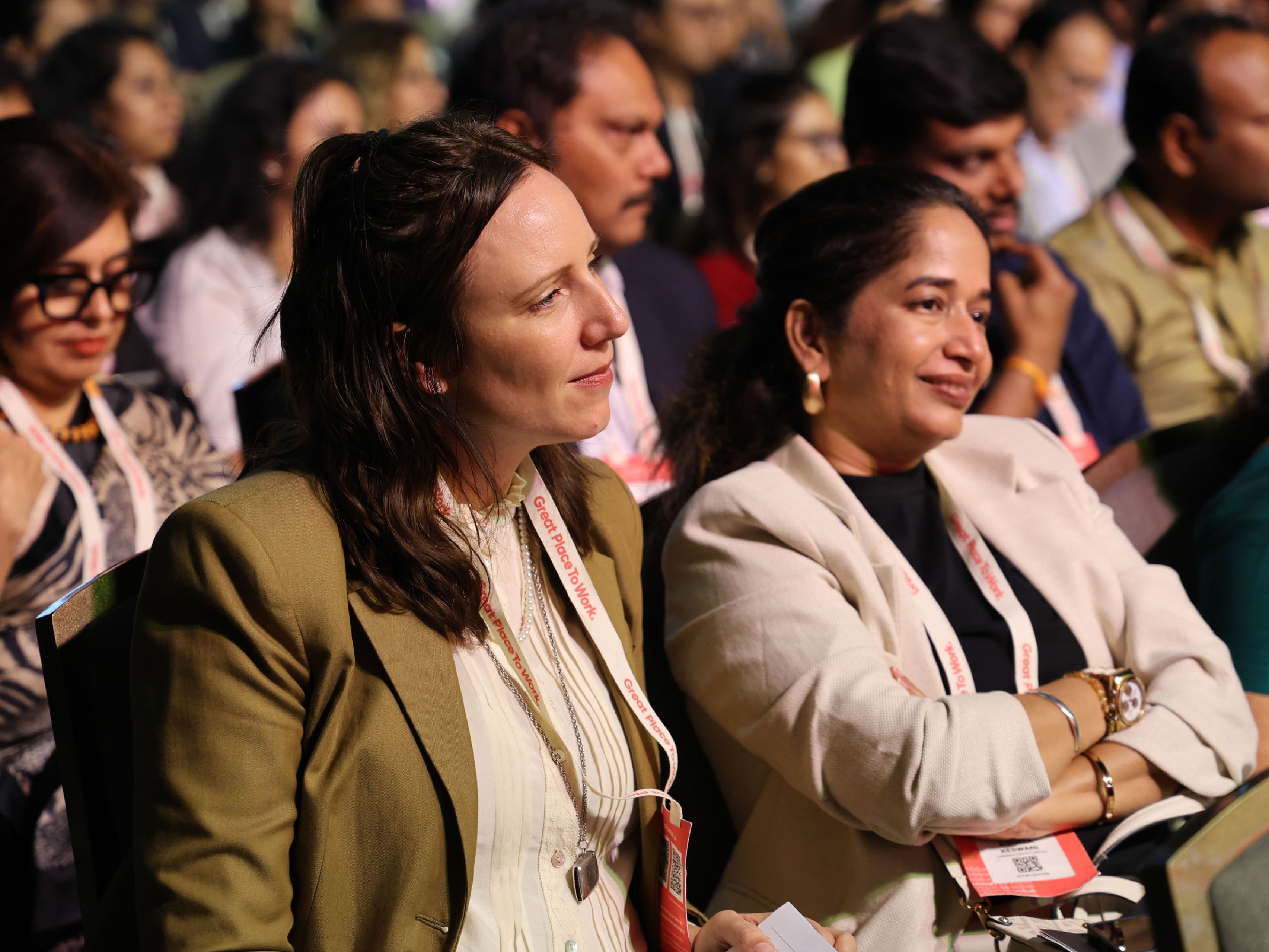
3. Caring leaders are the architects of high-performance workplaces as they create environments where employees can invest their best efforts.

Team leader roles and responsibilities go beyond task management—they include creating a culture of care, trust, and high performance. When leaders show genuine care, it significantly boosts employee performance. “People invest in their work when they feel valued,” says Michael C. Bush, CEO of Great Place To Work®. This care is evident when leaders take the time to understand and listen to their employees’ experiences, both in and out of the workplace. 

Caring is one of the nine high-trust leadership behaviors and signals to employees that their leaders are invested in their overall well-being, not just their job performance. Aiming for everyone in the organization to succeed professionally and receive recognition is not enough.

Leaders who demonstrate a high level of care for their employees inquire about workload and work-life balance. They focus on creating inclusive and welcoming environments where everyone feels they belong. They prioritize employee well-being and take the time to understand each individual’s goals and needs.

Here’s how top workplaces ensure their managers lead with empathy and foster inclusive environments where everyone can thrive.

What Are the Key Roles and Responsibilities of a Team Leader?

Some of the team leader’s roles and responsibilities are explained below in detail:

Foster an environment where everyone can excel

Team leaders who truly care about their employees make a concerted effort to identify and dismantle barriers that may be hindering their progress. This process involves thoroughly assessing the workplace’s equity to ensure that all individuals, regardless of their role or background, have equal opportunities to grow, develop, and thrive. It’s about providing opportunities and creating an inclusive environment where everyone feels valued and supported.

When employees can bring their true selves to work, their productivity and engagement significantly increase. Authenticity fosters a sense of belonging, which in turn boosts morale and motivation. Employees who feel accepted and valued are more likely to contribute creatively and work collaboratively, driving innovation and improving overall performance. When people don’t have to hide parts of their identity, they can focus their energy on their tasks and goals, leading to a more dynamic and effective workplace.

To effectively address the barriers that some employees face, it is essential to thoroughly analyze workplace data. This involves collecting and disaggregating data to understand how different experiences and backgrounds intersect and contribute to inequalities within the workforce. By examining this data, organizations can identify specific areas where interventions are needed and develop targeted strategies to address these issues.

Employees who bring their genuine self to work are more productive

Offer flexibility for employees navigating complex lives outside of work.

Research by Great Place To Work has shown that employees who have the freedom to choose where they work are:

– Three times more likely to remain with the company

– 14 times less likely to “quit and stay”

However, this doesn’t mean that remote work is the best option for every workplace. The key takeaway is the importance employees place on flexibility.

There are numerous ways to provide flexibility to employees, accommodating their diverse needs and responsibilities. Employers can offer flexible work hours, allowing employees to adjust their start and finish times to better fit their personal schedules. Remote work options can enable employees to work from home or other locations, reducing commute time and allowing for a better work-life balance. Flexible leave policies, such as extended parental leave, bereavement leave, and personal days, help employees manage significant life events without the added stress of work obligations. Job sharing and part-time opportunities can also provide alternatives for those who need to reduce their hours while maintaining their roles. By implementing these flexible arrangements, companies can create a more supportive and productive work environment, leading to increased employee satisfaction and retention.
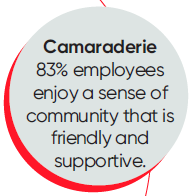
Invest in Employee Well-being 

Investing in employee well-being is crucial for creating a thriving, productive workforce. When employees suffer from burnout, loneliness, or other challenges, they may feel neglected by leadership, leading to disengagement and reduced performance. Companies must prioritize physical and mental health initiatives to foster a sense of well-being, demonstrating a genuine commitment to their employees’ overall well-being. 

Great Place To Work research points out that psychologically safe individuals contribute more towards organizational success

A key component of this commitment is investing in leadership training and development. Leaders play a pivotal role in shaping the work environment and influencing employee morale. By equipping leaders with the skills and knowledge to support their teams effectively, companies can create a culture of care and support. Training should focus on empathy, active listening, and strategies for recognizing and addressing signs of stress or burnout among employees.

Great workplaces also emphasize the importance of building connections among colleagues. Facilitating strong interpersonal relationships within the workplace can mitigate feelings of loneliness and isolation, fostering a sense of community and belonging. Regular one-on-one meetings between employees and their managers are essential for maintaining open lines of communication. These meetings allow managers to check in on their team members’ well-being, offer support, and promptly address any concerns.

Leave room for autonomy and innovation

A hallmark of caring leadership is the ability to foster an environment where autonomy and innovation thrive. By granting employees the freedom to make decisions and explore new ideas, leaders not only demonstrate trust but also pave the way for enhanced creativity and performance.

Caring leaders understand that micromanagement stifles initiative and morale. Instead, they delegate responsibilities and empower team members to take ownership of their tasks. This approach encourages a sense of accountability and motivation, as employees feel their contributions are valued and impactful. When individuals have the autonomy to make decisions within their areas of expertise, they are more likely to bring fresh perspectives and solutions to the table.

Autonomy and innovation go hand in hand with continuous learning. Caring leaders invest in the development of their employees by offering opportunities for training, mentorship, and skill-building. They encourage curiosity and the pursuit of knowledge, understanding that a well-informed team is better equipped to innovate. By fostering an environment where learning is prioritized, leaders ensure that their teams remain agile and adaptable to new challenges and opportunities.

Benefits of Innovation in workforce are 3 fold

Conclusion

Caring leadership is not just a management style; it’s a transformative approach that can drive high performance and sustainable success in any organization. By showing genuine care and empathy, leaders can significantly boost employee morale and productivity. When leaders listen to their employees’ experiences and understand their needs, they create an environment where everyone feels valued and supported. This care manifests in various ways, from offering flexibility and fostering inclusivity to investing in employee well-being and encouraging autonomy and innovation.

High-Trust High- Performance leadership behaviors are the bedrock of creating a thriving workplace. Leaders who prioritize the well-being of their employees cultivate a sense of belonging and security, which in turn leads to higher engagement and performance. By promoting flexibility, leaders acknowledge the complex lives of their employees, allowing them to balance work and personal responsibilities effectively. Inclusivity ensures that every team member has equal opportunities to grow and succeed, while continuous learning and innovation keep the organization agile and competitive.

Caring team leaders have a few important roles and responsibilities, and they are the architects of high-performance workplaces. They create environments where employees are not only willing but eager to invest their best efforts. The impact of such leadership extends beyond individual job performance; it shapes the entire organizational culture, making it a place where everyone can excel and feel proud to be a part of. By embracing the principles of caring leadership, organizations can unlock their full potential and achieve lasting success.

Visit us here to learn more. 

Frequently Asked Questions

1. What are the main responsibilities of a team leader?

Team leaders are responsible for guiding their teams, fostering trust, ensuring inclusion, and supporting employee well-being while driving performance goals.

2. How can team leaders show they care about employees?

By listening actively, offering flexibility, and creating an inclusive environment where employees feel valued and supported.

3. Why is empathy important in leadership?

Empathy builds trust, reduces turnover, and improves engagement, making teams more productive and innovative.

4. How can team leaders balance performance goals with employee well-being?

Team leaders can balance these priorities by setting clear objectives while fostering a supportive environment. This includes offering flexibility, promoting open communication, and ensuring workloads are manageable so employees can thrive without burnout.

Best People Practices: How Best Workplaces Foster Success Through Employee Engagement

Colleagues standing together.

Reading Time: 6 minutes

In the quest for success, organizations increasingly recognize the importance of creating exceptional workplaces. Companies that prioritize employee experience not only foster a motivated and collaborative workforce but also enjoy longer employee retention, greater productivity, and enhanced adaptability. These employees, in turn, become passionate advocates for their employer, enhancing the organization’s reputation and driving sustainable competitive advantage. Let’s explore how some of the Best Workplaces™ from our India’s Best Companies To Work For 2024 study implemented exemplary people practices to achieve remarkable business outcomes.

Companies with strong workplace cultures and positive employee relations achieve a lasting edge over competitors, resulting in successful business results.

PepsiCo India:

PepsiCo India exemplifies a dynamic approach to embedding its core values through engaging and interactive activities. Known as “The PepsiCo Way” (TPW), these principles are reinforced through a series of games designed to resonate with employees.

For instance, the Customer Centricity Dart Game encourages participants to aim for behaviors that align with being consumer-centric, reinforcing the ‘Be Consumer Centric’ tenet. Similarly, values such as Act with Integrity, Talent and Diversity, Voice Opinions Fearlessly, Act as Owners, and Celebrate Success are celebrated through games like Throw the Ring, Hurdle’s Pathway, Suggestions Box, Leave Your Mark, and Gratitude Cards. These activities foster a cohesive and motivated workforce that is deeply aligned with PepsiCo’s core values.

By embedding these values through enjoyable and interactive methods, PepsiCo ensures that its employees not only understand but also internalize these principles in their daily work. This approach not only enhances employee engagement but also strengthens the organizational culture, making it a great place to work and driving long-term business success.

Bajaj Finance Limited:

Bajaj Finance Limited stands out with its proactive approach to understanding and addressing the financial needs of its workforce. The company offers employees the flexibility to access their salaries before the standard monthly payday, allowing them to choose between a monthly or a fortnightly payment cycle. This initiative recognizes individual financial responsibilities and builds trust by providing a tangible solution.

Furthermore, Bajaj Finance Limited eliminates probationary periods for new hires, demonstrating profound trust in their inherent capabilities. This approach reflects the company’s organizational ethos and underscores a belief in the potential and integrity of every team member. In 2023 alone, over 1,970 employees benefited from these financial flexibility options.

This commitment to financial well-being and trust in employees’ capabilities fosters a supportive and trusting work environment. Employees feel valued and respected, which in turn motivates them to contribute more effectively to the organization’s goals. By prioritizing the financial and professional well-being of its workforce, Bajaj Finance Limited creates a loyal and driven team dedicated to the company’s success.

Intercontinental Hotels Group:

Intercontinental Hotels Group (IHG) fosters a culture of recognition and accessibility through its innovative programs. The Power Ringer initiative allows colleagues to publicly recognize team members for their helpful service by ringing a bell, thereby fostering trust and camaraderie. This public acknowledgment of contributions helps build a sense of community and mutual respect among employees.

Additionally, the Power Kiosk, set up by an HR representative every Friday during tea breaks, provides employees with easy access to administrative support for queries such as salary issues or transfers, improving communication and efficiency. This regular and accessible touchpoint with HR ensures that employees feel supported and valued, addressing any concerns promptly and effectively.

These initiatives demonstrate IHG’s commitment to creating a positive and supportive work environment. By regularly recognizing employee contributions and providing accessible support, IHG ensures that its workforce remains engaged, motivated, and aligned with the company’s goals.

PGP Glass Private Limited:

PGP Glass Private Limited’s ASTITVA initiative highlights its commitment to enhancing employability within the specially-abled community. By providing training in employable skills and creating a supportive ecosystem, the Astitva Skill Centre has transformed lives and introduced a sustainable talent stream for PGP Glass and the industry.

Training company supervisors in Basic Sign Language ensures seamless communication and fosters an inclusive environment. Additionally, specially designed uniforms, dedicated weekly safety training sessions, and frequent visits by PGP Glass leadership keep learners motivated and underscore the company’s commitment to empowerment and inclusion.

This holistic approach to inclusion not only benefits the specially-abled community but also enriches the organizational culture. By embracing diversity and fostering an inclusive environment, PGP Glass creates a workplace where every individual can thrive. This commitment to diversity and inclusion enhances the company’s reputation as a socially responsible and forward-thinking organization.

Allianz Partners India:

Allianz Partners India leverages the unique Athlete Buddy Program to offer employees mentorship from Olympic and Paralympic athletes. Through six deep-dive coaching sessions, participants explore various developmental topics such as mental and physical health, growth mindset, and motivation. This program not only supports the athlete community but also provides employees with valuable insights and personal development opportunities through direct interactions with athletes.

The Athlete Buddy Program exemplifies Allianz Partners India’s commitment to holistic employee development. The organization ensures that its employees have access to a range of viewpoints and experiences that can fuel their development on both a personal and professional level by offering special mentoring opportunities. The company’s long-term success is fueled by this creative approach to staff development, which promotes a culture of ongoing learning and development.

ISS Facility Services India Private Limited:

The Innovation Roundtable initiative by ISS Facility Services India Private Limited exemplifies the company’s belief in the power of collaboration to drive positive change. Launched in 2022, this initiative brings together thought leaders from leading companies to discuss innovation and sustainability. Over 200 internal attendees participate in these roundtable discussions, learning from industry experts and exploring sustainable, innovative opportunities.

The first event, held on August 1st, 2022, focused on fostering innovation while prioritizing sustainable practices. This initiative highlights the company’s commitment to addressing global challenges through collaborative efforts. By bringing together diverse perspectives and expertise, ISS Facility Services India Private Limited fosters a culture of innovation and sustainability that benefits both the company and the wider community.

Iris Software:

Iris Software has established a “Community of Practitioners” (CoP) initiative, serving as a central hub for employees’ technical needs. This platform fosters knowledge sharing and enhances client service through peer-to-peer learning. The program offers various resources, including case studies, success stories, and articles on technical subjects such as cloud computing, AI, and software development.

Since its inception in April 2023, the CoP has conducted 39 webinars covering a wide range of technical areas. Enthusiasts of all levels can expand their horizons, refine their skills, and stay updated on emerging technologies through this initiative.

The CoP initiative demonstrates Iris Software’s commitment to continuous learning and professional development. Through the provision of a collaborative and knowledge-sharing platform, the organization guarantees that its staff members stay abreast of technical developments. This dedication to professional development improves the company’s capacity to provide its clients with creative solutions and first-rate service.

Conclusion

The Best Workplaces are those that prioritize their employees’ experiences and well-being. From engaging activities and financial flexibility to inclusive practices and innovative initiatives, these organizations demonstrate a commitment to their workforce that goes beyond the ordinary. By fostering a motivated, collaborative, and inclusive environment, these companies not only achieve positive business outcomes but also create a sustainable competitive advantage.

These exemplary best people practices highlight the importance of investing in people. Whether through interactive games that reinforce core values, flexible financial options that build trust, recognition programs that celebrate contributions, or inclusive initiatives that empower diverse communities, these companies show that putting people first leads to success.

To learn more about these exemplary best people practices and how they contribute to business success, download the full report.

Transforming India: The Impact of the Best Employers Among Nation-Builders 

Colleagues discussing strategies.

Reading Time: 5 minutes

Our recent report on India’s Best Employers Among Nation Builders highlights impressive economic strides India has made and its projected future growth. Best Employers among Nation-Builders have set an indelible mark by contributing a global annual revenue of Rs. 18,00,000Cr.+, boosting an employee headcount of 10L. These exemplary employers have collectively generated an astounding global annual revenue of Rs. 18,00,000 crore and boosted employment with a workforce exceeding 10 lakh. From export growth and global economic contributions to sectoral advancements in manufacturing, financial services, biotechnology, healthcare, information technology, and construction, we’ll dive into the extraordinary impact of these organizations.

 India’s Growth Story 

India’s economic progress in recent years has been remarkable. Substantial growth in various sectors has been driven by the contributions of the nation’s leading employers, who are recognized as India’s Best Employers Among Nation – Builders. These organizations play a pivotal role in this economic transformation. 

Export Growth 

Global Economic Contribution 

 Domestic Economic Strength 

Sectoral Contributions 

Manufacturing & Production 

Financial Services & Insurance 

Biotechnology & Pharmaceuticals 

Health Care 

Information Technology 

Construction, Infrastructure & Real Estate 

These organizations are recognized not only for their economic contributions but also for their leadership in creating positive workplace cultures, fostering innovation, and driving social change. They are pivotal in shaping a prosperous future for India by setting benchmarks for excellence and inspiring other businesses to follow suit. 

Driving Economic and Social Impact

The Ministry of Corporate Affairs reports that there are more than 1.6 million active companies in India as of November last year. However, very few of these companies make a significant impact on the Indian economy. Recognized by Great Place To Work®, the Best Employers among Nation-Builders distinguish themselves by driving the country’s GDP growth, exports, and employment far more effectively than their peers. These organizations are steadfast in their vision of making India a great place to work for all, proactively contributing to social change and environmental sustainability. 

Our research finds that employees at the Best Employers among Nation-Builders take immense pride in their work and its contribution to society. These companies actively provide their employees with opportunities for growth and development, ensuring a safe and meaningful work environment. 

Employee Pride and Trust 

A remarkable 84% of employees at the Best Employers among Nation-Builders take pride in their work, their job, and their organization. In 2024, the Trust Index Grand Mean at these organizations rose by 1%, reaching an impressive 79%. Additionally, 83% of employees believe that, considering everything, their workplace is great for them. These figures highlight the strong sense of pride and trust that employees feel, underscoring the positive work environments fostered by these leading employers. 

The Trust Index Grand Mean at Best Employers among Nation-Builders
rose by 1% in 2024, reaching 79%. Additionally, 83% of employees say that taking
everything into account, it’s a great workplace for them.

Workplace Satisfaction Among Female Employees 

In 2024, the Best Employers among Nation-Builders employ over 200,000 female employees, with 78% of them reporting that, considering everything, it’s a great workplace. This satisfaction rate is 5% lower than that of male employees. Our research highlights that a reliable, fun, and agile workplace are key drivers of satisfaction for female employees at these leading organizations. 

However, areas of improvement for female employees remain fairness in pay, fair share and workplace politics compared to male peers. 

Gen Z Workplace Satisfaction 

In 2024, the Best Employers among Nation-Builders employ over 190,000 employees who are 25 years old or younger, with 79% of them stating that, taking everything into account, it’s a great workplace. Our research indicates that an agile work environment, authentic connections, and egalitarian treatment are key drivers of workplace satisfaction for Gen Z employees at these leading organizations. 

Additionally, compared to others, Gen Z employees feel less positive about staying in the organization for a long time, making a difference, and being in a psychologically and emotionally healthy workplace.

Key Drivers for Gen Z - Workplace Agility, Authentic Connect and Egalitarian Treatment

Employee Pride and Perception Improvements at Best Employers Among Nation-Builders

In 2024, 88% of employees at the Best Employers among Nation-Builders are proud to tell others where they work. Employee perceptions have improved by 1-3% compared to 2023 in areas such as career opportunities, training and development, and resource availability.

Furthermore, training and development initiatives play a crucial role for Best Employers among Nation-Builders, where, on an average, every employee experiences 100+ hours of training per year.

Perception of Employees - 
Career Opportunities: 78% in 2023 and 79% in 2024
Training and Development: 77% in 2023 and 79% in 2024
Resource for doing job: 83% in 2023 and 86% in 2024

The Best Employers among Nation-Builders are not just driving India’s economic growth but are also setting new benchmarks for workplace excellence. Through innovative practices and strategic foresight, these organizations foster a sense of pride and trust among their employees, ensuring that they feel valued and engaged. Their exemplary practices serve as an inspiration for other businesses, highlighting the importance of aligning economic success with employee well-being and societal impact. Visit us here to learn more.

Building Workplace Culture: Key Drivers of the Mid-size Workforce in 2024

Happy business team sharing ideas in a meeting at office

Reading Time: 4 minutes

Mid-sized organizations are crucial to India’s economic growth, contributing over 29% to the GDP, 50% to exports, and employing over 110 million people. In 2024, there was a minor decline in workplace culture for mid-sized organizations, with the Trust Index score dropping by 1% to 83%. Despite this, employees still regard their workplaces positively.

Cultural Landscape of Mid-size Organizations

The decline varied across industries, with sectors like IT and BFSI experiencing a 1-2% decrease, while NGOs and Manufacturing saw a 1-2% increase. Key demographics, especially women, showed a need for fairer pay, recognition, and less favoritism. Addressing these issues could lead to greater career growth opportunities and long-term retention for female employees.

Mid-sized organizations’ strengths include high levels of employee pride, ethical management, and a welcoming environment. Notably, 89% of employees rate their management as competent, feel welcomed, believe their service is excellent, and are proud of their workplace. Additionally, 88% feel management is honest and ethical and that their organization contributes positively to society.

Mid-sized organizations demonstrate resilience through high standards of workplace culture, which is essential for employee satisfaction, innovation, and competitiveness in India’s evolving economy. Addressing innovation opportunities and demographic-specific concerns can further enhance their success.

Key Drivers of the Mid-size Workforce in 2024

Our research finds that, in 2024, Fair Performance Evaluations, Care for Employees, Walking the Talk, Leadership Development, and Talent Attraction are key drivers of workplace satisfaction for employees in mid-size organizations. 

These drivers reflect a need for a balanced emphasis across various management practices. Fair Performance Evaluations promote transparency and a sense of value, while Care for Employees fosters a sense of belonging. Walking the Talk builds trust by aligning leadership actions with stated values.

Investing in Leadership Development ensures a stable leadership pipeline and fosters growth. Effective and efficient Talent Attraction ensures cultural alignment and fresh innovation while minimizing disruption. When leaders and organizations prioritize these drivers, they collectively shape vibrant workplaces where employees flourish, contributing to organizational success and sustainability.

Key Drivers of the Mid-size Workforce in 2024

Importance of Investing in Key Drivers

Best Workplaces, scoring an average of 7% higher on these key drivers than Other Workplaces, underscore the importance of the right vision and effective implementation of these aspects to cultivate a thriving workplace culture. 

When organizations focus on these key drivers, employees are:

Best Workplaces Exhibit Great Workplace Experience

The Trust Index Score for Best Workplaces stands at 89%, compared to 83% at other workplaces. This 6-point difference underscores the greater levels of trust employees have in Best Workplaces. Furthermore, 92% of employees at Best Workplaces report experiencing a great workplace culture, which is 6% higher than the satisfaction rate at other workplaces.

Best Workplaces typically score higher in areas like unique benefits, fair compensation, work-life balance, employee involvement in decision-making, responsiveness to feedback, seamless transitions, an enjoyable work environment, professional development opportunities, and minimizing office politics. These factors set them apart from other workplaces. The most significant gaps are in providing special and unique benefits and ensuring employees receive a fair share of the profits.

Best Workplaces Exhibit Great Workplace Experience

Business Outcomes of Being a Great Mid-size Workplace

On average, Best Workplaces demonstrate 6% higher Retention, Brand Endorsement, Discretionary effort, Agility, Motivation, and Collaboration levels than Other Workplaces.

This underscores that fostering a great workplace culture not only benefits employees but also significantly enhances business outcomes.

Business Outcomes of Being a Great Mid-size Workplace

As mid-size organizations in India navigate the evolving workplace culture landscape, proactive measures are crucial for sustained success and competitiveness. By implementing targeted interventions for specific demographic segments and tailoring strategies to industry specifics, organizations can effectively address challenges and seize growth opportunities. Prioritizing key drivers such as fair performance evaluations, employee care, authentic leadership, leadership development, and talent attraction sets the stage for creating vibrant, inclusive workplaces where employees thrive. Continuous feedback mechanisms and adherence to best practices enable organizations to adapt and evolve, driving long-term engagement and success.

Looking ahead, mid-size organizations should embrace these strategic recommendations to shape a future where workplace culture, a cornerstone of organizational identity, accelerates business outcomes. By fostering environments that prioritize fairness, empathy, and talent development, organizations can attract and retain top talent while encouraging a culture of innovation and collaboration. These efforts will position mid-size organizations as industry leaders, driving positive change and contributing to the overall growth and prosperity of the Indian business landscape. Visit us here to learn more.

The ROI of Culture: How Investing in Employees Drives Business Success in India

Employees discussing strategies.

Reading Time: 6 minutes

The Indian economy is on a phenomenal growth trajectory. Expected to reach a staggering $7 trillion by 2030, it presents unparalleled opportunities for businesses and individuals. But in this dynamic landscape, what truly sets successful companies apart? Our latest India’s Best Companies To Work For 2024 report reveals a compelling truth: a strong workplace culture is the secret sauce for achieving sustainable success.

The report unveils a powerful connection between employee experience and financial performance. A study by RSM demonstrates that investing in India’s Best Companies To Work For has yielded a remarkable ~14X return on the initial investment for shareholders. This outperforms both bullion and stock indices by a factor of 3.73, highlighting the tangible financial benefits of fostering a positive work environment.

Trusting in Best Workplaces yields 14X returns

However, creating a great workplace goes beyond just numbers. It’s all about creating an environment where workers feel appreciated, empowered, and motivated to give their best effort. Our research delves into several key aspects that define a thriving work environment:

The Fairness Factor: A Critical Gap

Significant inconsistencies in experience of fairness.

While every individual experiences workplace culture slightly differently, a significant inconsistency emerges in the area of fairness. Employees report discrepancies in favoritism by managers, fair compensation, and a fair share of profits. This lack of perceived fairness can negatively impact employee morale and potentially lead to higher attrition. Interestingly, these concerns are more pronounced among women employees, highlighting the need for focused efforts toward achieving pay parity and a genuinely equitable work environment.

Gen Z: The Innovation Engine

Gen Z thrives in innovative workplaces, leading to higher retention and satisfaction.

Generation Z, the digital-native generation, is entering the workforce in large numbers. Our research identifies them as a key driver of innovation. When Gen Z employees have a positive experience with innovation at work, they are 18% more likely to stay with their current employer, advocate for the company, and perceive the workplace culture positively. This emphasizes how crucial it is to create an atmosphere that values innovation, creativity, and experimentation.

Authenticity: The New Workplace Currency

The traditional notion of work as simply a job is evolving. Today, employees seek a workplace that allows them to be their authentic selves. Our findings reveal that when employees feel comfortable bringing their true selves to work, they are 3.1 times more likely to stay motivated. Leaders who prioritize authenticity create a space where employees feel valued, respected, and empowered to contribute their unique perspectives.

Mix of perceptions in the Trust Index Grand Mean for most major industries

The report also examines how workplace culture experiences vary across different industries. While industries like IT, Hospitality, and Financial Services show a dip in the Trust Index Grand Mean (a measure of overall employee experience), the decline is most prominent in the Education and Training sector. Conversely, industries like Non-profits, Biotech & Pharmaceuticals, and Advertising & Marketing have witnessed a slight improvement.

Leadership Imperative: Addressing the Diversity Gap

Regardless of an employee’s role, gender, tenure, or generation, leaders play a key role in providing a constant and healthy workplace culture. The report highlights specific demographics that require focused attention:

There’s a positive correlation between employee experience and job roles. As employees progress in their careers, their experience with the company culture improves.

Employee culture experience dips mid-career, but rebounds for long-term employees.

Interestingly, employees new to an organization (within 2 years) report a high initial experience, followed by a dip in satisfaction between 2-5 years. This suggests a potential onboarding and mid-career support gap that needs to be addressed. The trend then reverses, with the highest tenure employees reporting the best workplace experience.

Work culture survey finds Gen X thrives, while Millennials and Gen Z seek improvement.

Gen X employees report the most positive experience, while there’s significant room for improvement for Gen Z and Millennials.

Men report more positive work culture than women.

A concerning trend reveals that male employees report a more positive cultural experience than their female counterparts. This emphasizes the necessity of focused efforts to establish a more welcoming and equal work environment for women.

Empowering Gen Z: Keeping the Spark Alive

Gen Z thrives under leaders who deliver and embrace authenticity.

With their strong awareness and access to opportunities, Gen Z employees require specific strategies to stay motivated. Our research suggests that Gen Z thrives when management delivers on promises and when they feel comfortable expressing their authentic selves at work. Companies can significantly improve Gen Z retention by fostering a culture of transparency and encouraging employees to be their true selves.

Psychological Safety for Women: Key Drivers

The report also explores factors that contribute to the psychological and emotional well-being of women employees. It identifies several key areas where leaders can focus their efforts:

Taking Action: Building a Culture that Thrives

The insights from our India’s Best Companies To Work For 2024 report paint a clear picture: a strong workplace culture is not just a feel-good initiative; it’s a strategic investment with a tangible return. Following are some actionable steps leaders can take to cultivate a thriving work environment:

Conclusion: The Road to Success is Paved with Culture

Building a strong workplace culture is an ongoing journey. Leaders may foster an environment where employees feel appreciated, engaged, and inspired to give their all by placing a high priority on equity, creativity, authenticity, and employee well-being. As our research demonstrates, a positive workplace culture not only improves employee satisfaction and retention but also translates into tangible business benefits. In the dynamic and competitive Indian market, companies that prioritize culture will be best positioned to attract and retain top talent, drive innovation, and achieve sustainable success in the years to come.

This blog highlights just a glimpse of the valuable insights available in India’s Best Companies To Work For 2024. To understand the full picture and learn more about the best workplaces in India, download the complete report.

3 Unexpected Wins: How Sports Can Supercharge Your Business Strategy

4 kids playing basketball.

Reading Time: 4 minutes

The world of business is a competitive arena, demanding strategic plays and a high-performing team to emerge victorious. Just like in sports, fostering a healthy and collaborative work environment is key to achieving success. But are we doing enough to prioritize well-being in the workplace? We achieve this not just by improving performance and productivity but also by giving everyone a more rewarding and happy work environment.

Our Wellness Report reveals a concerning gap between leadership and employee perception of wellness initiatives. While leaders report a positive experience, employees, particularly those in non-managerial roles, show a significant decline in their perception of well-being at work. This calls for a leadership shift, one that goes beyond mental well-being and embraces a holistic approach that prioritizes physical health, too.

Leaders and managers show a consistent high perception of their workplace wellness experience however employees in non-managerial roles report lower perceptions.

Consider the analogy of preparing for a crucial game. While the focus on mental well-being is undoubtedly essential, neglecting your physical health can leave you sluggish and prone to injury. Similarly, a successful business team requires a robust foundation built on both mental and physical well-being. This is where we can draw valuable insights from the world of sports, as these principles are directly applicable to our business leadership:

Lesson 1: Leading by Example – Building a Culture of Wellness

The most impactful leaders are those who “walk the talk.” When leaders openly prioritize their own well-being and champion wellness initiatives, it sends a powerful message to employees. Imagine a coach who constantly pushes their team to train harder but never takes care of themselves. It wouldn’t inspire much confidence, would it?

It is imperative for organizations to transition from occasional health workshops to a comprehensive and
systematic health and wellbeing framework.

By incorporating preventive healthcare measures as part of a comprehensive wellness program, businesses can move beyond occasional health workshops towards a sustainable model. This could include offering physical health training on topics like nutrition and exercise, subsidizing gym memberships or on-site fitness facilities, or encouraging healthy habits through company-sponsored activities like walking groups or lunchtime yoga sessions.

Leading by example goes beyond physical health. Openly discussing personal mental health struggles can normalize seeking help and reduce stigma. Leaders who prioritize a healthy work-life balance and encourage employees to do the same create a more positive and productive work environment.

Lesson 2: Teamwork Makes the Dream Work: Collaboration and Shared Success

The magic of sports lies in the seamless collaboration between players. As they collaborate to achieve a common objective, each member brings special talents and viewpoints to the table. This translates directly to the business world. The full potential of employees is unlocked by leaders who give their people the freedom to make decisions while encouraging a culture of open communication and teamwork.

Think of a basketball team where only one player is allowed to dribble. They might be incredibly skilled, but their chances of winning are slim. The same goes for businesses. By creating a flexible structure where team members feel comfortable venturing outside their comfort zones and collaborating effectively, organizations become more adaptable and responsive to challenges.

Collaboration thrives on clear communication. Leaders who set a vision, delegate tasks effectively, and encourage open communication create a space where information flows freely and everyone feels heard. Team members can take measured risks and learn from each other’s mistakes because of the trust and psychological safety this promotes.

Lesson 3: Strength in Diversity: Building an Inclusive Team

A winning sports team isn’t built on uniformity. It’s the combination of different strengths, sizes, and backgrounds that creates a powerful unit. Businesses can benefit from the same idea. Creative and innovative thinking flows freely from leaders who foster an inclusive workplace culture where staff members are respected for their distinct identities and viewpoints. By embracing diversity, we not only create a more competitive edge but also foster a sense of belonging and appreciation among our team members.

Imagine a multinational corporation attempting to launch a product in a new market without understanding the cultural nuances. The outcome is almost certain to be a disaster. Diversity fosters cross-cultural understanding, enabling businesses to navigate the global landscape with greater success. Additionally, a diverse workforce increases innovation and gives businesses a stronger competitive edge by bringing a wider range of perspectives and experiences to the table.

Building an inclusive team goes beyond ethnicity and gender. It encompasses age, neurodiversity, sexual orientation, and any other factor that contributes to a unique perspective. Leaders who actively create a space where everyone feels safe to share their ideas and be themselves create a more engaged and productive workforce.

The Winning Formula

By incorporating these lessons, businesses can build a winning team. Leaders who prioritize well-being, both mental and physical, empower their teams to collaborate effectively, and embrace diversity will create a thriving and successful work environment.

These detractors demonstrate a clear need for leaders to address mental health concerns, professional development needs and employee engagement concerns at the workplace.

It is important to remember that strong leadership is like a skilled coach. They inspire their team, identify and nurture individual strengths, and ultimately guide them toward achieving their full potential. By adopting these strategies, businesses can transform their workplace into a winning team ready to take on any challenge. After all, just like in sports, the ultimate goal is to achieve victory – but this victory extends beyond the bottom line. It’s about creating a work environment where everyone feels valued, supported, and empowered to do their best work.

Unlock Your Workplace Potential:

Empower your business with Great Place To Work® Certification™. Gain valuable insights into employee sentiment, identify areas for improvement, and create a high-performing workplace culture that attracts and retains top talent.

The Landscape of Mid-Size Organizations in India

Three employees working together.

Reading Time: 4 minutes

Mid-sized organizations are the backbone of India’s economic growth, playing a vital role in GDP contribution, exports, and job creation. These organizations contribute over 29% of India’s GDP and account for 50% of the country’s total exports. They are instrumental in the manufacturing sector, producing one-third of the output and employing over 110 million people. This makes them crucial to the economy and significant in creating employment opportunities across both urban and rural areas.

Recognizing the importance of mid-sized organizations, the Indian government has introduced various supportive schemes and initiatives. Programs such as SME Samadhaan, Udyog Aadhaar, and Mudra aim to provide financial assistance, simplify regulatory processes, and promote innovation within the sector. This governmental support is essential in helping mid-sized organizations overcome challenges and thrive in a competitive business environment.

For mid-sized organizations in India, it is critical to focus on enhancing business competence, nurturing leadership development, and optimizing employee benefits. Providing a fair share of profits and ensuring transparent, merit-based advancement opportunities are key strategies for sustaining a positive workplace culture. Excelling in these areas not only benefits employees but also drives business success, as evidenced by the performance of Best Workplaces.

Minor Decline in Workplace Experience for Employees in Mid-Sized Organizations

In 2024, the workplace culture experience among mid-sized organizations in India saw a slight decline of 1%. The Trust Index score for these workplaces also experienced a minor decrease of 1% compared to 2023, bringing it to 83%. While this decline is modest, it underscores the importance for organizations to focus on maintaining and enhancing employee trust and satisfaction. Despite these challenges, employees continue to regard their organizations as great places to work, reflecting the resilience of workplace culture.

Minor Decline in Workplace Experience for Employees in Mid-Sized Organizations.

The trend varies across industries. Major sectors like IT, BFSI, and Professional Services experienced a decline of 1-2%, while industries such as NGOs and Manufacturing saw an increase of 1-2% in employee experience compared to last year.

The graph shows the trend across industries. Sectors like IT, BFSI, and Professional Services experienced a decline of 1-2%, while industries such as NGOs and Manufacturing saw an increase of 1-2% in employee experience compared to last year.

Decline in Workplace Sentiment Among Key Demographics

Even though most areas of workplace culture have remained stable at an overall level, we observed a decline in a few sentiments among key employee demographic groups.

Decline in Workplace Sentiment Among Key Demographics.

Women Employees Seek Fairer Pay, Recognition and Less of Favouritism.

Areas with the highest difference in sentiment between men and women: Fair Pay (-6%), Recognition (-5%), and Favoritism (-5%).

When organizations address these issues, female employees are:

Strengths to Sustain: What’s Working for Mid-size Workplaces

Despite a slight decline in overall workplace culture scores in 2024, mid-sized organizations in India continue to excel in critical areas such as employee pride, ethical management practices, and a welcoming environment. These strengths, combined with high levels of management competence, form a robust foundation that supports a positive and productive work environment.

For every 2 employees that don’t experience innovation opportunities, there are 9 employees ready to innovate, highlighting the potential for growth in fostering a more innovative workplace culture.

Key highlights include:

These statistics demonstrate the resilience and strength of mid-sized organizations in India, showcasing their ability to maintain a high workplace culture standard even amidst challenges.

Mid-size organizations in India demonstrate a resilient workplace culture, underscored by high levels of safety, fairness, and management competence. These attributes foster an environment where employees feel valued and supported. Maintaining and building upon these strengths is crucial for mid-size organizations to enhance employee satisfaction, drive innovation, and remain competitive.

Mid-sized organizations in India showcase a resilient and dynamic workplace culture, even amidst slight overall scores decline. Key strengths, including high levels of employee pride, ethical management practices, and a welcoming environment, provide a robust foundation for these organizations. By addressing areas such as innovation opportunities and demographic-specific concerns, mid-sized companies can further enhance employee satisfaction and drive business success. The continued focus on maintaining high standards of workplace culture is essential for sustaining growth, fostering innovation, and remaining competitive in India’s rapidly evolving economic landscape. Visit us here to learn more.

4 Leadership Lessons That Apply to Any Business

4 plants with 4 pots stuck on a wall.

Reading Time: 4 minutes

Today, effective leadership is more critical than ever. Great leaders drive their organizations toward success and create an environment where team members thrive. Leadership isn’t about wielding the power to command; it’s about the profound ability to nurture and inspire those around you. Effective leaders build trust, foster a positive work culture, and drive collective success.

The Importance of Good Leadership in Business

Good leadership is crucial to the success and sustainability of any business. Effective leaders provide direction, inspiration, and clarity, ensuring that all team members understand and work toward the organization’s goals. They set the tone for the company culture, influencing the work environment and employee morale. Good leadership fosters a positive and productive workplace where employees feel valued, motivated, and engaged.

Leadership is also pivotal in decision-making and strategic planning. Competent leaders can analyze complex situations, make informed decisions, and steer the company through challenges and opportunities. Their ability to adapt to changing circumstances and drive innovation is essential for maintaining a competitive edge in the market.

Qualities of a trusted leader - A continuous learner, A team player, Genuine, Ethical, Courageous, Inclusive, Resilient, Approachable, Humble and Credible.

Moreover, strong leadership is vital for building and maintaining relationships, both within and outside the organization. Leaders who communicate effectively and demonstrate integrity and empathy can build trust with employees, customers, and partners, leading to stronger collaborations and customer loyalty.

Good leadership directly impacts a business’s overall performance and growth. It enables the organization to achieve its vision, foster a collaborative and innovative culture, and navigate the complexities of the business world, ensuring long-term success and sustainability.

1. Empowerment and Delegation

Empowerment and delegation are crucial aspects of effective leadership, serving as the backbone of a motivated and high-performing team. Empowering team members involves giving them the authority and confidence to make decisions within their roles. This not only boosts their confidence and morale but also encourages a sense of ownership and accountability. Delegation, on the other hand, involves assigning tasks and responsibilities to team members, and trusting them to complete these tasks autonomously.

When employees feel empowered, they are more likely to be innovative, taking the initiative to propose new ideas and solutions. This culture of innovation leads to improved problem-solving and efficiency.

Leadership Blueprint for Cultivating Innovation-Ready Future - Facing the future's uncertainties, leaders must now more than ever cultivate a culture of innovation, where diverse ideas flourish and adaptability is not just a trait
but a core organizational value. Adaptive Environment: Foster inclusivity and
flexibility in workplaces to embrace diverse
ideas and adapt to future workforce trends. Streamlined Ideation: Develop clear, agile
ideation processes for staying ahead of
emerging trends. Forward-Thinking Incentives: Reward
innovative challenges to the status quo,
encouraging groundbreaking solutions. Lifelong Learning: Prioritize continuous
learning to navigate future tech and
market shifts. Agile Risk-Taking: Cultivate a fast,
constructive, and risk-taking culture to lead
industry evolution.

Moreover, empowered employees are generally more motivated and engaged, which enhances overall productivity and job satisfaction. Delegation allows leaders to focus on strategic planning and high-priority tasks, optimizing resource allocation and operational effectiveness.

2. Flexibility and Adaptability

In today’s fast-paced business world, flexibility and adaptability are essential traits for effective leadership. Leaders must be prepared to pivot strategies and approaches in response to new challenges, market shifts, and emerging opportunities. This agility enables businesses to remain competitive and resilient, even in the face of unexpected disruptions.

The benefits of adaptability are significant. An adaptable leader can quickly identify and respond to changes in the business environment, ensuring that the organization remains relevant and ahead of the curve. This proactive stance helps in seizing new opportunities, mitigating risks, and maintaining a competitive edge. Furthermore, adaptable leaders inspire confidence and trust within their teams, fostering a culture of continuous improvement and innovation.

3. Clear Communication and Vision

Clear communication and a strong vision are foundational elements of effective leadership. Clear communication involves conveying information, expectations, and feedback in a way that is easily understood by all team members. A strong vision provides a sense of direction and purpose, guiding the organization toward its long-term goals.

Effective communication fosters trust among team members and between leadership and staff, creating a transparent and cohesive work environment. It ensures that everyone is aligned with the organization’s objectives, reducing misunderstandings and enhancing collaboration. A compelling vision, on the other hand, motivates and inspires employees, providing them with a shared sense of purpose and direction. When team members understand the bigger picture, they are more likely to be engaged and committed to their work.

Great people managers, connect, develop & inspire. India's Most Trusted Leaders score 93% to Connect, 89% to Develop and 91% to Inspire compared to others with 84% to Connect, 78% to Develop and 80% to Inspire.

4. Emotional Intelligence

Emotional intelligence (EQ) is a critical leadership trait that involves understanding and managing one’s emotions and the emotions of others. Leaders with high EQ are adept at handling interpersonal relationships judiciously and empathetically, which is essential for building a cohesive and motivated team.

The benefits of emotional intelligence in leadership are profound. Leaders who exhibit high EQ can create a positive work environment by recognizing and addressing the emotional needs of their team members. This fosters a sense of trust and loyalty, leading to improved team dynamics and collaboration. Moreover, emotionally intelligent leaders are better equipped to handle stress and conflict, making them more resilient in challenging situations.

Good leadership is the cornerstone of any successful business. These leadership strategies are not just theoretical concepts but practical tools that can transform a business. Implementing these strategies will help leaders cultivate a positive workplace, foster innovation, and navigate the complexities of the business world, ensuring sustained growth and success for their organizations.

Visit us here to learn more.

How Artistic Expression Creates Belonging in the Workplace?

Little Girl lying on the floor and drawing with crayons on a paper, together with her dog.

Reading Time: 4 minutes

The modern workplace is a dynamic landscape, constantly evolving to reflect the ever-changing needs of a diverse workforce. In this environment, achieving Diversity, Equity, Inclusion, and Belonging (DEIB) is no small feat. It’s akin to assembling a complex puzzle with interconnected pieces. Each element, valuable, contributes to a larger picture: a workplace that fosters success promotes employee well-being, and ultimately thrives in today’s competitive landscape.

Beyond Diversity: Belonging as the Cornerstone

Imagine a magnificent building. Diversity, Equity, and Inclusion represent the strong foundation upon which it stands. However, without a framework to connect these elements, the building remains incomplete. Belonging acts as that framework, providing the structure and stability needed for sustainable growth.

Employees who can bring their genuine self to work are 4.3X more likely to experience a psychological and emotionally healthy place to work. 4.3X more likely to believe their organization is a great workplace. 3.4X more likely to say their organization celebrates innovation at work. 2X more likely to say that their customer service is excellent.

At Best Workplaces™, they follow a simple belief: to succeed, one needs to bring together different pieces to create a place where everyone feels welcome, valued, and empowered to do their best work. This means going beyond simply having a diverse workforce. It’s about fostering an environment where individuals feel comfortable bringing their unique perspectives, talents, and experiences to the table. This creates a vibrant tapestry of ideas, leading to a more successful and innovative workplace.

The Power of Feeling Connected

Belonging is the ultimate goal of DEIB efforts. It’s more than just physical presence; it’s the feeling of being truly connected to your colleagues and valued as an equal member of the team. Best Workplaces prioritize employee well-being and create a psychologically healthy, fun, and open culture that promotes work-life balance and offers unique benefits. This fosters a sense of security and encourages employees to bring their whole selves to work, leading to greater engagement and productivity.

Best Workplaces prioritize employee well-being, promote work-life balance, and offer unique benefits, fostering a psychologically healthy, fun, and open culture.

Leaders Championing Belonging

Leaders are increasingly recognizing the value of belonging. This shift in mindset has sparked the development of targeted strategies to cultivate a sense of connection within teams. Psychological safety, the feeling of being able to express oneself without fear of negative consequences, has emerged as a critical component. When employees feel safe to share ideas and take risks, creativity flourishes, and innovation thrives.

The Art of Belonging

Art has always been a powerful tool for self-expression, allowing us to explore our identities and connect with others on a deeper level. This power extends to the workplace as well. By embracing artistic expression, we can create avenues for employees to share their authentic selves, fostering a sense of connection and belonging. It allows individuals to showcase their unique talents and perspectives, building respect and appreciation for diversity.

Expressing Identity Through Art

Imagine a workplace where data analysts can showcase their award-winning nature photography alongside their statistical reports. Or a space where a programmer finds solace in composing music during breaks, later sharing their original pieces with colleagues. Artistic expression allows employees to share their passions and interests beyond their professional roles. This creates a more holistic understanding of everyone, fostering empathy and building stronger bonds between colleagues.

Sharing Creates a Sense of Belonging

Trust is a cornerstone of any successful workplace relationship. A key element of this trust is respect. When employees feel respected by their leaders and peers for who they are, a sense of belonging flourishes. At Best Workplaces, our Trust Index™ Survey measures if employees feel they can be their full selves at work. This includes understanding if leaders show a genuine interest in their employees’ lives – their hobbies, passions, and even their favorite foods. By taking the time to learn about their employees as individuals, leaders can reinforce this sense of belonging and create a more positive work environment.

Encouraging Artistic Expression at Work

The good news is that nurturing artistic expression doesn’t require a complete overhaul of your workplace culture. Here are a few ways to get started:

Remember, artistic expression isn’t just for artists. By encouraging employees to explore their creative sides, you can unlock a wealth of potential. Studies have shown that fostering creativity in the workplace leads to a number of benefits, including:

By fostering a culture that embraces artistic expression, you’re not just creating a more vibrant workplace; you’re laying the foundation for a more successful and innovative organization. When each employee feels like a valued member of the team, with the freedom to express their unique talents and perspectives, the entire organization thrives. Let’s build a framework for success together, where belonging isn’t just a word but a lived experience for everyone.

How Neurodivergent Masking is Fueling the Employee Burnout Crisis

A woman in double characteristics.

Reading Time: 5 minutes

The specter of burnout is once again looming large over workplaces. After a brief reprieve during the initial phases of the pandemic, employee wellbeing seems to be declining. Managers are left scrambling to understand the root cause, often overlooking a significant factor hiding in plain sight: neurodivergent masking.

The Perception Gap and the Silent Struggle

Data paints a concerning picture of a disconnect between leadership perception and employee reality. Leaders consistently overestimate employee wellbeing, often reporting high satisfaction with workplace wellness initiatives. However, employees tell a different story. A staggering number (one in four) struggle to openly discuss stress, burnout, anxiety, or depression at work for fear of judgment. This lack of open communication creates a breeding ground for burnout to fester, leaving employees feeling unseen and unheard.

One out of every four employees struggle in speaking up about stress, burnout, anxiety, or depression at their workplace without feeling judged.

The good news is that leaders have a powerful, yet often underestimated, impact on employee wellbeing. Studies by UKG have shown that managers significantly influence mental health more than doctors or therapists. Employees, recognizing this influence, prioritize good mental health over high salaries. When they feel supported, valued, and heard, employees are twice as likely to stay with their company, go the extra mile, and adapt to change. This highlights the crucial role leaders play in fostering a work environment conducive to mental wellbeing and overall employee success.

When employees do not experience burnout, they are twice as likely to want to stay at the organization for a long time, put in the extra effort, quickly adapt to changes needed for the organization's success, and consider their workplace a great place to work.

Masking: The Hidden Cost of Fitting In

One under-recognized explanation for the burnout gap lies in the concept of neurodivergent masking. Neurodivergent individuals, which include those with conditions like ADHD, autism, or dyslexia, often have unique ways of processing information, interacting with the world, and experiencing emotions. In a workplace built around a presumed neurotypical standard, these individuals may feel pressure to conform. This constant effort to appear “normal” at work, known as masking, is emotionally and cognitively draining.

Imagine the constant strain of suppressing your natural communication style, stifling fidgeting that helps you focus, or masking sensory sensitivities to harsh lighting or loud noises. Over time, this masking becomes an invisible burden, silently contributing to burnout.

Burnout: Beyond Disengagement, a Threat to Retention

Burnout isn’t just about a decline in employee engagement or productivity. It’s a serious issue with real consequences. Employees experiencing burnout are more likely to withdraw, lose motivation, and ultimately leave their jobs. This presents a significant risk in today’s talent-scarce market. Here’s the harsh reality: companies struggling to attract and retain top talent can’t afford to ignore the needs of neurodivergent employees. Addressing neurodiversity and promoting inclusion isn’t just the right thing to do, it’s good business sense.

Building a Better Workplace for All: Fostering Neurodiversity Inclusion

By fostering inclusion for neurodivergent employees, companies can create a wellbeing benefit for everyone. Here are some key steps to take:

Building a Culture of Inclusion Starts Today

By creating a culture of inclusion and open communication, organizations can combat burnout and unlock the full potential of their neurodivergent employees. Imagine the innovation and creativity that can flourish when diverse minds feel valued and empowered to contribute in their own unique way.

Don’t let burnout become the norm. Take the first step towards a more inclusive and thriving workplace by considering these additional tips:

The Road to a More Inclusive Future

Building a truly inclusive workplace for neurodivergent employees is an ongoing process. It requires continuous learning, open communication, and a commitment to fostering a culture of understanding and respect. By taking these steps, organizations can not only combat burnout but also unlock the full potential of their diverse workforce, leading to a more innovative, productive, and successful future.

Ready to Get Started?

Partner with organizations specializing in neurodiversity inclusion to gain valuable expertise and resources. Consider collaborating with groups like The Autistic Self Advocacy Network (ASAN) or The National Center for Learning Disabilities (NCLD). Additionally, pursuing certifications like the Neurodiversity Certification Program from the International Board of Credentialing and Continuing Education Standards (IBCCE) can demonstrate your commitment to creating a neuroinclusive workplace.

Remember, investing in neurodiversity inclusion isn’t just the right thing to do, it’s a smart business decision. By creating a work environment where everyone feels valued and empowered to contribute their best, organizations can unlock a competitive advantage and thrive in today’s rapidly changing world. Start building a more inclusive future today.

The Three Pillars of Retention: Why “Fairness” and “Fun” Matter More Than Ever 

3 Snow geese flying.

Reading Time: 4 minutes

The war for talent is real. In a post-pandemic world, employee expectations have undergone a seismic shift. Gone are the days when a hefty paycheck alone could guarantee loyalty. Today’s workforce prioritizes a holistic experience that fosters a sense of purpose, fairness, and even a dash of fun. This begs the question: What differentiates truly great workplaces from the rest? 

The answer lies in three key pillars: fair compensation, equitable treatment, and a positive work environment. These seemingly simple elements hold immense power when it comes to employee retention. Here’s why: 

The Power of Parity: Fair Pay and Fair Treatment 

Let’s face it: feeling undervalued is a surefire way to lose your best people. Best Workplaces understand this fundamental truth. They excel in offering fair profit sharing, equitable compensation, and fostering an environment where everyone feels valued and respected. This commitment translates into a staggering 10% uplift in positive employee responses compared to their counterparts. 

But what exactly constitutes “fairness”? It’s a multi-faceted concept. Here’s a breakdown: 

Future Focus Areas - Differentiators of Best Workplaces 2023. Pay Fairly, Treat Fairly and Better Work Environment.

Beyond the Paycheck: The Importance of Feeling Valued  

Fair compensation is just one piece of the puzzle. Equitable treatment is equally crucial. This involves creating an environment at work where everyone is valued, heard, and given the chance to succeed. Here’s how Best Workplaces achieve this:

The Unexpected Factor: Why Fun Matters

Our research clearly states that employees who find their work environment fun are 1.7 times more likely to stay with their organization. This doesn’t mean turning the workplace into a circus but instead creating a positive and engaging atmosphere. Here are some ways to do this:

The Ripple Effect: How a Positive Work Environment Impacts Your Business

Regardless of industry, when people feel they are “paid fairly and
treated fairly, as well as provided with the better work environment,”
they are 5 times or more likely to respond to their organization being a
Great Place To Work.

Positive work experiences have many advantages that go well beyond just increasing employee satisfaction. It produces a domino effect that benefits your entire company:

Building a Sustainable Model: Beyond Perks and Pool Tables

For All Organizations that are able to close the gaps in employee experience result in 8% higher productivity and 10% innovation at the workplace through For All Leadership.

It’s important to remember that a positive work environment goes beyond offering perks like free lunches or pool tables. These can be an excellent addition, but true employee satisfaction comes from a more profound sense of purpose, belonging, and growth. Here’s how to build a sustainable model for employee experience:

The Road Ahead: Building a Workplace Where People Thrive

The landscape of work is constantly evolving. Companies prioritizing fairness, fun, and employee well-being in this dynamic environment are poised for success. Organizations can foster a loyal and high-performing workforce by creating a workplace where people feel valued and respected and have the opportunity to contribute meaningfully. Remember, happy employees are not just good for your company culture; they’re good for your bottom line. So, make the shift, prioritize these three retention pillars, and watch your organization thrive.

5 Main Dimensions of Workplace Culture

A room filled with mirrors with the reflection of mountains.

Reading Time: 4 minutes

In today’s competitive business environment, attracting and retaining top talent is crucial for organizational success. A company’s achievements rely not just on its products or services but significantly on its employees’ collective strength and commitment. According to a study by RSM India, organizations recognized as Best Workplaces have demonstrated a remarkable 14 times increase in cumulative returns on their initial investments since 2008-09. This substantial growth underscores the value of cultivating a positive workplace culture. By prioritizing employee satisfaction, engagement, and development, companies can drive superior performance, innovation, and long-term profitability, establishing a strong competitive advantage in the market.

Best Workplaces outperform major indices by providing more than 3X returns.

5 Dimensions of Indian Workplace Culture across Demographics and Industries

Camaraderie 

Camaraderie measures the sense of enjoyment in the workplace by assessing the level of intimacy and connection employees experience with their colleagues. When employees share a strong sense of camaraderie, they are more likely to feel engaged, supported, and motivated. 

The importance of camaraderie lies in its ability to create a positive work atmosphere where employees feel valued and understood. It helps in reducing stress, as individuals who enjoy strong interpersonal relationships at work are better equipped to handle challenges and conflicts. Moreover, a workplace with high camaraderie often experiences lower turnover rates, as employees are more likely to stay with a company where they have formed meaningful bonds.

Credibility

Credibility measures the extent to which employees perceive management as trustworthy, reliable, and competent. When employees view their leaders as credible, they are more likely to have confidence in their decisions, directions, and communications. 

Employees rely on credible leadership to provide guidance, support, and a sense of stability within the organization. When management is perceived as credible, employees feel more engaged, motivated, and invested in their work. They are more willing to collaborate, take initiative, and contribute their best efforts towards achieving organizational objectives.

Credibility is especially crucial during times of change or uncertainty, as employees look to leadership for reassurance and direction. Leaders who demonstrate integrity, honesty, and authenticity in their actions are better able to navigate challenges and inspire confidence among their teams.

Respect 

Respect measures the extent to which employees feel valued, appreciated, and treated fairly by those in leadership positions. When employees feel respected by management, they are more likely to be engaged, motivated, and committed to their work.

Respect is demonstrated through various actions, including active listening, acknowledging contributions, providing opportunities for growth and development, and treating all employees with dignity and fairness. It involves creating an inclusive environment where differences are celebrated, and everyone’s voice is heard and respected.

The presence of respect in the workplace has numerous benefits. It leads to higher levels of employee satisfaction, increased morale, and improved overall well-being. Employees who feel respected are more likely to collaborate effectively, communicate openly, and contribute their unique skills and perspectives to achieve organizational goals.

Moreover, a culture of respect contributes to lower turnover rates as employees are more likely to remain loyal to an organization where they feel valued and respected. It also enhances employer branding, making the organization more attractive to prospective employees and customers alike.

Pride 

Pride measures the extent to which employees take pride in their work, their team or work group, and the overall company. When employees feel a sense of pride, they are more likely to be motivated, productive, and loyal to their organization.

At an individual level, pride in one’s work reflects a deep sense of accomplishment, fulfillment, and personal investment in the tasks and projects they undertake. It encompasses feelings of satisfaction derived from overcoming challenges, achieving goals, and delivering high-quality results.

Similarly, pride in one’s team or work group reflects a sense of camaraderie, collaboration, and mutual respect among colleagues. Pride in the company reflects a strong sense of belonging, loyalty, and commitment to its mission, values, and reputation. Employees who feel proud of their organization are its best ambassadors, advocating for its products, services, and culture both internally and externally.

Fairness 

Fairness measures the extent to which employees perceive management’s practices as just, equitable, and unbiased. When employees believe that they are treated fairly, they are more likely to feel motivated, engaged, and committed to their work.

One crucial aspect of fairness is impartiality, where decisions are made based on merit and objective criteria rather than personal biases or favoritism. Employees expect fair treatment in various aspects of their employment, including recruitment, promotion, performance evaluation, and compensation.

Fair pay is a significant concern for employees, as they want to receive compensation commensurate with their contributions and market value. Gain-sharing programs, where employees are rewarded based on collective performance and productivity, can further enhance perceptions of fairness and promote a sense of shared ownership and accountability.

Addressing perceptions of fairness requires a proactive approach from management, including regular assessments of policies and practices to identify and address areas of potential bias or inequality. By prioritizing fairness, organizations can build a culture of trust and fairness where employees feel valued, respected, and motivated to contribute their best efforts towards achieving organizational goals.

Behaviors Driving Workplace Culture - Pride in one's job, Pride in the team and Pride in the company. Focus Areas of Workplace Culture - Rewards distributed in a balanced way, Management avoiding favouritism and Actively promoting fair assessments.

Pride and Fairness Define Workplace Culture Fulcrum of India 2023

Organizations must recognize the importance of cultivating a positive workplace culture that prioritizes the well-being and success of its employees. By embracing these key dimensions of workplace culture, organizations can differentiate themselves, attract and retain top talent, and achieve sustainable growth and success in the dynamic Indian market. Visit us here to learn more. 

How Workplaces Are Creating Well-Being for their Employees in 2024

Businesswoman at A Meeting Sitting With Her Team.

Reading Time: 5 minutes

Post-pandemic, prioritizing employee well-being became a central focus for company leaders, driven by the recognition of the profound impact the crisis had on mental health and work dynamics. Organizations are investing heavily in wellness programs, mental health resources, and flexible work arrangements, aiming to support their employees in adapting to the new normal. Initiatives such as virtual therapy sessions, mindfulness workshops, and comprehensive health benefits were introduced to foster a supportive and resilient workforce. Despite these efforts, however, surveys have indicated that employees’ overall psychological and emotional health has seen minimal improvement. This highlights the complexity of addressing well-being in the workplace and underscores the need for continued innovation and commitment from leadership to truly enhance the employee experience in a sustainable way.

Workplace Wellness - Umbrella term used to describe organizational benefits and practices, designed to support employee health and wellbeing
at the workplace.

What builds well-being for employees?

Sense of purpose

A sense of purpose is vital in the workplace, yet nearly half of respondents in the 2023 market survey (46%) reported that they did not find their work meaningful. Research from Johns Hopkins highlights this experience gap as a significant factor in why only one in six employees globally are “flourishing.” Employees are less likely to feel engaged and motivated without meaningful work, leading to lower overall well-being and productivity. Cultivating a sense of purpose can help bridge this gap, enabling employees to find value in their roles and contribute more effectively to their organizations.

Mental and emotional support

Mental and emotional support in the workplace is crucial for maintaining a positive outlook, even amid adversity. When cultivated across an organization, this positivity contributes to the development of “psychological capital.” Psychological capital comprises optimism, resilience, and confidence, forming a reservoir of goodwill that companies can rely on during challenging times. By fostering a supportive environment, organizations enhance individual well-being and build collective strength. This reservoir of psychological capital helps employees navigate stress, adapt to changes, and maintain productivity, ultimately contributing to the long-term success and stability of the organization.

Mental and emotional support

Mental and emotional support in the workplace is crucial for maintaining a positive outlook, even amid adversity. When cultivated across an organization, this positivity contributes to the development of “psychological capital.” Psychological capital comprises optimism, resilience, and confidence, forming a reservoir of goodwill that companies can rely on during challenging times. By fostering a supportive environment, organizations enhance individual well-being and build collective strength. This reservoir of psychological capital helps employees navigate stress, adapt to changes, and maintain productivity, ultimately contributing to the long-term success and stability of the organization.

While organizations have started providing various mental health benefits including
counselling services, mental health webinars, wellness leave policies etc., the low utilization of these services highlights the need for ease of usage that can be addressed by creating a structured framework to support employees that open up
about their struggles.

Personal support

Personal support from managers significantly impacts employee well-being, often more than therapists or doctors. At best companies, 84% of employees believe management shows a sincere interest in them as individuals. However, the 2023 market study revealed that only 58% of employees at an average workplace felt similarly supported. This disparity highlights managers’ crucial role in fostering a supportive and caring work environment. When managers genuinely care about their employees, it enhances well-being, engagement, and overall job satisfaction.

Financial health

Financial health is a critical component of overall well-being, as financial worries can negatively impact other areas of life. Recognizing this, great workplaces are increasingly focusing on supporting their employees’ financial health. They offer tools and programs designed to help employees build a strong financial foundation, such as financial literacy workshops, retirement planning resources, and budgeting tools. By addressing financial concerns, these organizations alleviate stress and empower employees to achieve stability and peace of mind, ultimately enhancing their overall well-being and productivity.

Meaningful connections

Meaningful connections are essential for employee well-being, as they significantly influence how connected workers feel to their colleagues and management. The Johns Hopkins study revealed that 25% of employees feel lonely at work, and 30% do not experience a sense of belonging. These feelings of isolation can detract from overall job satisfaction and mental health. Building strong, supportive relationships within the workplace helps foster a sense of community and belonging. Encouraging team collaboration, social interactions, and open communication can bridge these gaps, creating a more inclusive and connected work environment.

83% of employees report having a positive sense of community at their workplace.

What sets the Best Workplaces apart?

Here’s what you can do to generate good results from your wellbeing practices-

Ask questions to identify barriers to well-being

Asking questions to identify barriers to well-being is crucial for creating a supportive and healthy work environment. By engaging with employees through thoughtful and specific inquiries, organizations can uncover the underlying issues that impact well-being. This proactive approach allows employers to understand stressors, gaps in support, and areas where employees feel unfulfilled or disconnected. Addressing these concerns enhances individual satisfaction and mental health and fosters a culture of openness and continuous improvement. When employees feel heard and valued, it leads to increased engagement, productivity, and loyalty, ultimately contributing to the organization’s overall success.

Align benefits to the needs employees share with you

Aligning benefits to employees’ needs is essential for creating a workplace culture that prioritizes their well-being. Organizations can tailor their benefits packages to address specific needs and preferences by actively listening to employees and understanding their concerns. Whether it’s offering flexible work arrangements to promote better work-life balance, providing comprehensive mental health support, or implementing wellness programs that focus on physical health, aligning benefits with employee feedback demonstrates a commitment to their overall wellness. This approach helps attract and retain top talent and fosters a positive work environment where employees feel supported and valued. Ultimately, aligning benefits to employee needs contributes to higher job satisfaction, increased productivity, and improved overall morale.

Take action to influence the big picture

Taking action to influence the big picture involves implementing strategies and initiatives that go beyond individual employee needs to drive systemic change within the organization and the broader industry. This may include advocating for policies that promote diversity, equity, and inclusion, both internally and externally. It could also involve investing in sustainable practices that reduce the organization’s environmental impact and contribute to a healthier planet. Additionally, organizations can take action to address social issues and community needs through corporate social responsibility initiatives and philanthropy. By actively engaging with stakeholders, collaborating with industry partners, and leveraging resources, organizations can have a meaningful impact on society while also advancing their long-term goals and objectives.

Creating a workplace environment that prioritizes employee well-being is essential for fostering a healthy, productive, and sustainable organization. By adopting proactive measures, fostering a culture of openness and continuous improvement, and advocating for systemic change, organizations can create workplaces where employees feel valued, supported, and empowered to thrive. Visit us here to learn more. 

Why Sustainability Starts with Employees: Building a Great Place To Work for a Sustainable Future 

Diversity team brainstorming in ESG (environment,socail,governance) sustainability business goals

Reading Time: 4 minutes

The business landscape is in a significant transformation. Environmental, Social, and Governance (ESG) initiatives are no longer a mere regulatory requirement; they are now a fundamental value for many companies. At Great Place To Work® India, we firmly believe that the key to long-term success and true sustainability lies in creating a workplace that values all its employees.  

From Policy to People: The Power of a “For All” Workplace Culture

ESG is often seen as a policy dictated by the government. However, the landscape is changing. We are witnessing a significant shift, with ESG evolving into a people-centric and workplace-driven necessity.

ESG is often seen as a policy dictated by the government. However, the landscape is changing.  We are witnessing a significant shift, with ESG evolving into a people-centric and workplace-driven necessity. Our research report supports this trend. Companies with a ‘For All’ workplace culture consistently outperform others on ESG scores by a substantial 8%. This underscores the importance of a culture that values diversity, equity, and inclusion as a strong foundation for sustainable initiatives. 

TOP RANKED COMPANIES WITH FOR ALL WORKPLACE CULTURE OUTPERFORM OTHERS ON ESG SCORES BY 8%.

The Employee Connection: Motivation and Brand Advocacy 

Employees are not just cogs in the machine; they are the driving force behind an organization’s success.  When workplaces actively contribute to society, it leads to a more motivated and brand-loyal workforce. Our ESG report establishes a direct link between employee experience and a company’s social impact. Employees who are proud of their company’s social impact are:  

WORKPLACES CONTRIBUTING TO SOCIETY
EXPERIENCE INCREASED MOTIVATION AND BRAND ENDORSEMENT.

This results in a happier, more engaged workforce that becomes vocal advocates for the company’s positive contributions.

Building a Sustainable Future: The Business Case for Great Workplaces 

Creating a Great Place To Work isn’t solely about employee satisfaction; it unequivocally leads to higher stakeholder returns. A study by RSM India unveiled that Best Workplaces have generated an impressive 14X cumulative return on the initial investment since 2008-09. This underscores the tangible financial gain of prioritizing employee experience. Companies with a positive and empowering work environment witness increased productivity, reduced absenteeism, and lower employee turnover, all of which contribute to a healthier bottom line. 

Beyond ESG Scores: The Power of Culture for Environmental Sustainability 

Top-ranked companies with For All Workplace Culture differentiate on environment scores by 3X compared to social aspects.

Our data shows a nuanced trend within ESG performance.  Top-ranked companies with a “For All” workplace culture show a 3Xdifferentiation in environmental scores compared to social aspects. This suggests that a strong culture fosters a deeper commitment to environmental responsibility within the organization. 

A Culture of Sustainability: From Values to Everyday Actions 

Building a sustainable future requires more than just grand pronouncements.  A company culture that prioritizes sustainability translates into everyday behaviors and practices. Here are some ways a great workplace culture can empower employees to be environmentally responsible: 

Attracting and Retaining Talent for Sustainability Success 

Companies with strong values and a positive culture are more likely to attract talent committed to making a positive impact. These employees are intrinsically motivated by the company’s mission and are likelier to stay with the organization long-term.  A stable and engaged workforce is essential for sustainable growth, as employee turnover disrupts operations and hinders long-term planning. 

Employee Engagement: Aligning Actions with Values for Sustainability 

Creating a sustainable work environment goes beyond just recycling and energy-efficient lighting. A company culture that encourages sustainable behavior empowers employees to take actions that align with the company’s ESG goals and values. This could involve encouraging carpooling, reducing paper consumption, or participating in community clean-up efforts. When employees feel like their daily actions contribute to a larger purpose, it fosters a sense of ownership and commitment to sustainability initiatives. 

Fostering Innovation for a Sustainable Future 

A great workplace culture doesn’t just encourage adherence to existing sustainability practices; it fosters an environment where innovation thrives.  Employees who feel valued, heard, and empowered are more likely to come up with creative solutions for tackling environmental challenges.  Companies can create innovation labs or run internal competitions specifically focused on developing sustainable solutions, encouraging collaboration across departments, and leveraging the diverse skillsets of their workforce. 

Building a Sustainable Supply Chain 

A company’s commitment to sustainability extends beyond its own walls. Partnering with suppliers who share similar values is crucial for creating a truly sustainable ecosystem.  Companies with a great workplace culture are more likely to prioritize ethical sourcing and fair labor practices throughout their supply chain.  This not only strengthens their ESG profile but also fosters trust and loyalty with key partners. 

Measuring Progress and Communicating Impact 

Sustainability is a continuous journey, not a destination. It’s essential to track progress and measure the impact of your employee-driven sustainability initiatives.  This data can be used to adjust strategies, celebrate successes, and keep employees engaged in the long term. Regularly communicate your sustainability goals and achievements to both employees and external stakeholders.  Transparency builds trust and demonstrates your commitment to creating a positive impact. 

The Future of Work: Sustainability as the Cornerstone of Success 

The future of business belongs to companies that prioritize both environmental responsibility and social good.  By creating great workplaces, companies can empower their employees to be sustainability champions, fostering innovation, collaboration, and a shared commitment to a better future.  This approach not only benefits the environment and society at large but also creates a strong foundation for long-term financial success and a competitive edge in the evolving marketplace. 

The Wellbeing Chain Reaction: Why Investing in Employees Pays Off

Businessmen standing on wall holding rope.

Reading Time: 4 minutes

J.W. Marriott, Jr., Executive Chairman at Marriott, famously stated, “Take good care of the people, they’ll take good care of the customer, and the customer will come back.” This statement rings truer than ever in today’s competitive landscape. While many organizations witnessed a surge in their Workplace Wellness Index in 2023, a recent dip of 2 points signals a pressing need to elevate employee wellbeing from a fleeting trend to a sustained priority.

Workplace Wellness Index

The good news? Industries like Construction, Infrastructure & Real Estate, followed by Retail, are demonstrating leadership in workplace wellness. But the gap between leaders and non-managerial staff paints a concerning picture. A drop in employee wellbeing scores from 83% to 81% for non-managerial roles in 2023 is a call to action for leaders to walk the talk when it comes to wellbeing initiatives.

Wellbeing culture experience across industries.

Healthy Workforce: The Foundation

A healthy workforce forms the bedrock of a thriving organization. Employees are more engaged, productive, and unlikely to burn out when they feel appreciated, supported, and empowered. This translates into improved decision-making, innovation, and problem-solving – all vital ingredients for success.

Leading by Example: Fostering Wellbeing in Leaders

Workplace wellness based on roles.

Workplace culture is greatly influenced by leaders. A strong signal is sent to the entire company when executives support and actively engage in wellness programs. Imagine the impact of senior leaders participating in a Women’s Sponsorship Program—a program that fosters leadership growth through mentorship and experiential learning. In addition to helping female leaders, this fosters a more welcoming and encouraging atmosphere for everyone.

Creating Space to Recharge: No-Meeting Days

Imagine a day free from the relentless ping-pongs of emails and back-to-back meetings. No-meeting days are a proactive measure that organizations can take to minimize burnout, and they are beneficial to both leaders and employees. Leaders who actively participate these days not only demonstrate their commitment to wellbeing but also encourage their teams to disconnect and recharge. These wellness practices can be strategically woven into OKRs (Objectives and Key Results), ensuring continuous focus and progress.

Beyond the Basics: Building a Holistic Wellbeing Strategy 

While a Women’s Sponsorship Program and no-meeting days are great starting points, a holistic wellbeing strategy encompasses a wider range of initiatives. Here are some additional ways to foster employee wellbeing:

The Power of Metrics: Measuring the Impact of Wellbeing Initiatives

Investing in employee wellbeing requires a data-driven approach. It’s crucial to track the impact of your initiatives through surveys, focus groups, and employee engagement metrics. Regularly monitor employee wellbeing scores, absenteeism rates, and turnover rates to assess the effectiveness of your programs and identify areas for improvement.

The Wellbeing Chain Reaction in Action

Wellness Chain Reaction.

Investing in a healthy workforce has a ripple effect throughout the organization, creating a Wellbeing Chain Reaction:

The Business Case for Wellbeing

Beyond the ethical imperative of caring for your employees, there’s a strong business case for investing in employee wellbeing. Studies have shown that companies with strong wellbeing programs experience:

Conclusion: A Sustainable Investment

Investing in employee wellbeing is not an expense but a strategic investment in the future of your organization. By creating a Wellbeing Chain Reaction, you can cultivate a thriving workforce, a healthy workplace, and, ultimately, a successful business. Let’s move beyond short-lived trends and build a culture of wellbeing that empowers employees, fosters innovation, and ensures long-term success. It’s important to keep in mind that a happy and healthy workforce translates into a profitable and productive company.

Job Seekers Are 15X More Likely To Choose Certified Great Workplaces

Collage of Best Workplaces with Great Place To Work Certification Badge.

Reading Time: 4 minutes

In today’s competitive job market, attracting top talent requires more than just offering a competitive salary and a good benefits package. Job seekers are increasingly discerning, seeking out workplaces that offer a positive and fulfilling work environment. According to our recent studies, job seekers are 15 times more likely to choose certified Great Workplaces over those that are not. This trend highlights the growing importance of workplace culture, employee satisfaction, and organizational values in the decision-making process of potential employees. Certified Great Workplaces stand out by fostering environments where employees feel valued, engaged, and inspired. In this blog, we’ll explore why job seekers are gravitating towards these certified workplaces and how organizations can leverage this trend to attract and retain the best talent in the industry.

The role of trust in great workplaces

Before we delve into the impact of trust on workplace dynamics, it’s essential to understand its significance in earning the Great Place To Work Certification. Our model is founded on the principle that trust is the cornerstone of an exceptional workplace. This is the key factor we evaluate when assessing companies for Certification. Through our Trust Index™ Survey, we gauge employees’ trust in their leaders, their sense of respect, and their overall workplace satisfaction.

Our research consistently shows that trust creates a pleasant work environment and drives substantial business success. Employees who trust their company are more engaged, productive, and loyal. Consequently, companies that achieve our Certification excel in trust, giving them a competitive edge.

Our research consistently shows that trust creates a pleasant work environment and drives substantial business success.

How companies Certified by Great Place To Work eclipse the typical workplace

Our research indicates that Certified (high-trust) companies distinguish themselves by having better leadership, more equitable promotion processes, and higher levels of employee engagement, with a significant number of employees expressing excitement about coming to work. These companies excel in retaining and engaging employees and promoting adaptability more effectively than the average workplace:

Achieving Certification has become a national benchmark for a positive company culture. For a company to be certified, at least 70% of its employees must affirm it’s a great workplace. 

Companies that cultivate trust-based workplaces fundamentally transform the landscape. They create environments where employees genuinely want to be, which in turn drives business success. When trust is at the core of a workplace, it leads to higher employee satisfaction, engagement, and productivity, ultimately resulting in flourishing businesses.

Certified great workplaces pay and promote their people fairly 

Certified Great Workplaces are distinguished by their commitment to fair pay and equitable promotion practices. They ensure that all employees are compensated fairly for their contributions and have clear, unbiased paths to career advancement. This focus on fairness fosters trust and loyalty and contributes to a more motivated and engaged workforce.

Great workplaces provide a sense of purpose and pride

Our research into top employee retention strategies has revealed that purpose and pride are the most critical factors influencing an employee’s decision to remain with an organization. Employees are:

When leaders inspire their employees to take pride in their work and find meaningfulness in their roles, they cultivate a happier and more motivated workforce. At Certified Great Workplaces, employees experience these empowering conditions, leading to higher retention rates and a more engaged team.

Employer brands that stand out from the crowd 

Certified companies have employer brands that truly stand out from the crowd. These organizations are recognized for their commitment to creating exceptional workplace environments characterized by trust, fairness, and respect. By prioritizing employee well-being, fair compensation, and clear career advancement paths, certified companies attract top talent and foster loyalty and engagement among their workforce. This strong, positive employer brand sets them apart in a competitive job market, making them desirable workplaces and driving their overall success.

Great workplaces offer more opportunities for innovation

Great workplaces offer more opportunities for innovation by fostering an environment where creativity and new ideas are encouraged and valued. These workplaces cultivate a culture of trust and open communication, where employees feel safe to take risks and experiment without fear of failure. By providing resources, support, and recognition for innovative efforts, great workplaces empower their employees to think outside the box and contribute to the company’s growth and success. This emphasis on innovation drives business advancements and enhances employee engagement and satisfaction, making the organization a dynamic and forward-thinking place to work.

The Best Workplaces distinguish themselves by showcasing an impressive 18% lead in innovation metrics.

For both job seekers and HR managers, opting for Great Place To Work Certification proves to be a wise choice. It results in enhanced job satisfaction, heightened employee engagement, and a sustained positive work atmosphere. Embracing workplace certification boosts job seekers’ prospects of encountering excellent leadership and enables HR managers to utilize this certification as a powerful tool for attracting and retaining top talent within their respective industries. Visit here to learn more.

How Leaders at Great Workplaces Develop and Grow Talent

Leadership concept with red paper ship leading among white

Reading Time: 4 minutes

In today’s fast-paced business world, investing in your team’s growth and development is crucial for success. As markets shift and competition heats up, companies need to focus on nurturing their employees’ skills, passions, and potential. This investment boosts employee satisfaction and retention and fuels innovation, productivity, and overall performance. By having a clear plan for talent development, leaders can systematically identify, nurture, and leverage the talent within their organization. By doing so, leaders can create a continuous learning and improvement culture where employees feel empowered to grow and thrive. 

Holistic Assessment

A holistic, thorough understanding of your team’s strengths, weaknesses, and potential is the key to effective talent development. By taking the time to really get to know your employees, you can gain a deep understanding of your workforce’s dynamics. This helps you identify the stars of your organization, the ones with the potential to take on leadership roles and drive your business forward. This holistic approach can also align talent strategies with business goals, create a culture of continuous improvement, and unlock the full potential of your workforce. 

3 leadership imperatives to create a caring work environment - Good Work Environment, Authentic Connection and Work Life Balance.

Personalized Development Plans

Personalized development plans are the cornerstone of effective talent growth, recognizing the individuality of each employee and catering to their specific needs and ambitions. By tailoring these plans accordingly, leaders demonstrate a commitment to nurturing talent at a personal level, fostering engagement and motivation. Integration of diverse learning approaches, including on-the-job experiences, formal training programs, coaching, and mentoring, ensures a well-rounded development journey.

Furthermore, providing ample resources and support enables employees to pursue continuous learning and skill enhancement, empowering them to reach their full potential. Through personalized development plans, organizations cultivate a skilled workforce and foster a culture of lifelong learning and growth.

Continuous Feedback and Coaching

Continuous feedback and coaching are vital components of talent development. They foster a culture of transparency, growth, and improvement within the organization. By nurturing an environment of regular feedback and open communication, leaders create opportunities for dialogue and collaboration, enhancing employee engagement and satisfaction.

Providing constructive feedback allows employees to understand their performance and progress, enabling them to make necessary adjustments and improvements. Additionally, offering coaching and guidance demonstrates a commitment to supporting employees in overcoming challenges and achieving their development goals. Through continuous feedback and coaching, organizations empower their workforce to excel, driving individual and collective success.

Opportunities for Growth and Advancement

Opportunities for growth and advancement are essential for fostering employee engagement, satisfaction, and retention. By creating clear pathways for career progression within the organization, leaders demonstrate a commitment to recognizing and rewarding talent. Offering opportunities for employees to take on new roles, responsibilities, and projects expands their skill sets and keeps them challenged and motivated. Encouraging cross-functional collaboration and mobility further enriches employees’ experiences, fostering a culture of innovation and knowledge sharing. 
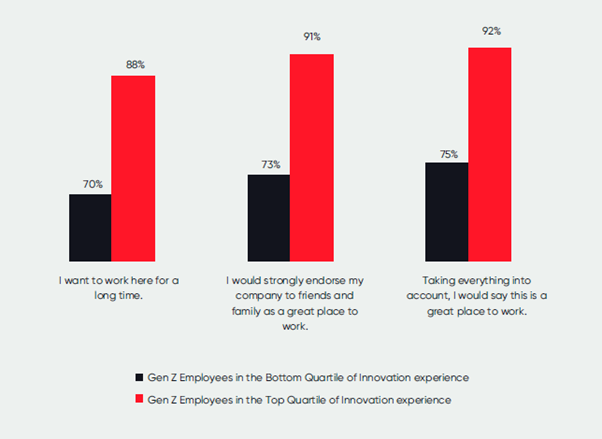
Workers who were satisfied with their opportunities for growth were 79% more likely to report good or excellent mental health. Workers who lacked opportunities for growth and advancement were also more likely to feel tense or stressed during their workday. By prioritizing opportunities for growth and advancement, organizations cultivate a skilled and versatile workforce and position themselves as employers of choice in attracting top talent.

Leaders need to focus on supporting employees in their career progression planning, training and development, and fostering a culture of shared decision making. The Sense of Pride stays at 87%, Training and Development at 81% and Involvement in Decision Making at 76%.

Recognition and Rewards

Recognition and rewards play a pivotal role in reinforcing desired behaviors, fostering a culture of appreciation, and motivating employees to excel. Acknowledging and celebrating employees’ achievements and contributions boosts morale and cultivates a sense of belonging and loyalty within the organization. Implementing reward systems that recognize both individual and team accomplishments encourages collaboration and camaraderie, driving collective success.

Moreover, linking rewards to performance and development goals incentivizes continuous improvement, aligning employees’ efforts with organizational objectives. By prioritizing recognition and rewards, organizations reinforce positive behaviors and inspire a high-performance culture that fuels sustained success.

Cultivating a Learning Culture

Cultivating a learning culture is essential for fostering innovation, adaptability, and continuous improvement within organizations. By promoting a culture of curiosity, leaders inspire employees to explore new ideas, challenge the status quo, and embrace change. Encouraging knowledge-sharing and collaboration creates an environment where diverse perspectives are valued, fostering creativity and problem-solving.

Providing access to learning resources, workshops, and development programs empowers employees to expand their skills and knowledge, driving personal and professional growth. By prioritizing a learning culture, organizations stay ahead of the curve and nurture a workforce that is agile, resilient, and poised for success in an ever-evolving world.

Nurturing talent is not just a strategic imperative but a fundamental commitment to any organization’s long-term success and sustainability. By adopting a structured framework for talent development, leaders can cultivate an empowered workforce that drives innovation, productivity, and growth. Visit here for more info.

Beyond Beanbags: 5 Workplace Well-Being Lessons From Toddlers

Toddler boy playing with construction blocks.

Reading Time: 6 minutes

Employee well-being has undergone a remarkable transformation. Once a niche concept discussed in hushed tones, it’s now a hot-button issue gracing boardroom agendas worldwide. However, despite initial progress, recent data paints a concerning picture. The 2022 Workplace Wellness Index, while initially positive, reveals a worrying decline in 2023. Employee satisfaction dipped by a concerning 2 points, while burnout experiences surged by a staggering 3 points. This stark data serves as a potent reminder: true well-being isn’t a one-time initiative but a continuous journey demanding unwavering commitment from individuals and organizations alike.

Workplace Wellness is an umbrella term used to describe organizational benefits and practices, designed to support employee health and wellbeing at the workplace - Mental Health, Physical Health, Social Health and Financial Health.

Workplace Wellness, an umbrella term encompassing benefits and practices designed to support employee health and well-being, plays a crucial role in this journey. Remember, burnout – a state of complete mental, physical, and emotional exhaustion – thrives in its absence. The 2023 data paints a clear picture: lower well-being perceptions coincide with a rise in burnout.

The stakes are high. When employees don’t experience burnout, they’re: 

The image shows that when employees do not experience burnout, they are 2x more likely to want to work at their organization for a long time, put in extra effort to get the job done, quickly adapt to changes needed for organization's success and call their workplace a great workplaces.

So, how do we tackle this well-being crisis in the modern workplace? Perhaps it’s time to look beyond traditional solutions. Enter Toddlers – an unconventional source brimming with surprisingly effective well-being lessons. 

Toddler-like Well-being: Lessons from the Littles 

Yes, toddlers – those seemingly tireless balls of energy – actually work incredibly hard every day. They’re constantly learning, exploring, and navigating complex social situations. Yet, they often enjoy scheduled breaks for play, outdoor time, meals with friends, and, yes, even naps. Now, compare that to many working adults who eat lunch at their desks, skip breaks, and remain glued to their screens for hours. Structured breaks, even a short walk or screen-free activity, can be incredibly beneficial for adult well-being.

Burnout is a state of complete mental, physical, and emotional exhaustion. It is an established fact that employee wellbeing and burnout are inversely proportional
concepts.

But that’s not all toddlers can teach us. Here are five key well-being lessons we can glean from these pint-sized experts:

1. Be a Team Player – Collaboration is in a Toddler’s DNA: Collaboration is ingrained in toddlers. Focused on building relationships and learning, they naturally work well with others. The key is approaching colleagues without judgment. Research shows toddlers don’t assign blame when tasks go awry; they simply acknowledge the issue and seek solutions together. Imagine the power of replicating this collaborative spirit in the workplace! Foster teamwork by encouraging open communication, establishing clear roles and responsibilities, and celebrating team successes.

2. Ask More Questions – Curiosity is a Toddler’s Superpower: Building meaningful connections is a cornerstone of well-being, identified as one of the five well-being dimensions in Great Place To Work research. And what better way to build connections than by asking questions?

Toddlers are masters at this. Studies reveal toddlers can ask hundreds of questions in an hour when not distracted by recording equipment. Asking questions isn’t just about information gathering, it demonstrates humility and genuine interest in others. Encourage a culture of curiosity in the workplace by creating safe spaces for questions, actively listening to colleagues, and celebrating the power of “not knowing” as a springboard for learning and innovation.

3. Embrace Saying “No” – Setting Boundaries Like a Toddler: Toddlers are infamous for their frequent “nos.” While we don’t recommend emulating their full-blown contrariness, there’s a valuable well-being lesson here: setting boundaries. Often, our default response to requests is “yes,” leading to overwork and burnout. To protect your time and well-being, consider resetting your default or pausing before accepting another project. Communicate your boundaries clearly and respectfully with colleagues and managers.

4. Adopt the Toddler Sleep Schedule – Prioritize Sleep Like a Pro-Napping Toddler: Sleep is vital for well-being. Here, toddlers have us beat. Their typical routine involves winding down an hour before bedtime with screen-free activities like reading or quiet play, a warm bath, hygiene routines, and a consistent bedtime. This simple playbook dramatically improves sleep quality, benefiting the entire day. Implement similar sleep routines by establishing a regular sleep schedule, creating a relaxing bedtime ritual, and ensuring a sleep-conducive environment. Encourage employees to utilize flexible work arrangements or nap pods to prioritize sleep during the workday.

5. Celebrate Others – Unleash Your Inner Toddler Cheerleader: Great Place To Work research highlights the importance of a recognition culture for employee well-being. Celebrating others comes naturally to toddlers. Organizations aiming to create “great workplaces” should strive to emulate the pure joy with which a two-year-old celebrates a colleague’s (in their case, playmate’s) success. It might seem silly, but research shows a little fun goes a long way.

Here are some ways to unleash your inner toddler cheerleader: 

The graph shows that the perception of sense of community at the workplace
tends to increase with age, with the youngest workers reporting the lowest sense of community and those 55 years or older reporting the highest. 83% of employees report having a positive sense of community at their workplace. 84% reports that they have a caring workplace. 81% reports workplace co-operatation.

The Power of Play: Rethinking Breaks in the Workplace 

Toddlers understand the importance of play. It’s not just about fun, it’s essential for learning, development, and well-being. Unfortunately, many adults view breaks as a sign of laziness and often skip them altogether. But research shows that incorporating breaks for play, even short ones, can: 

Here are some ways to incorporate play into the workday: 

Conclusion: Building a Culture of Well-Being 

In today’s world of constant hustle, it’s easy to lose sight of well-being. But by embracing some of the simple wisdom toddlers possess – collaboration, curiosity, setting boundaries, prioritizing sleep, celebrating others, and incorporating play – we can cultivate a more positive and productive work environment for all. Let’s redefine our approach to workplace well-being and create spaces where employees can thrive, not just survive. Remember, well-being isn’t a luxury; it’s the foundation for a successful and fulfilling work experience.

Taking Action: A Call to Change 

The well-being crisis in the workplace is real. It’s time to move beyond beanbags and ping-pong tables and embrace a holistic approach to well-being. By implementing the lessons learned from our pint-sized colleagues and fostering a culture of collaboration, curiosity, healthy boundaries, sleep prioritization, celebration, and play, we can build a future where work and well-being go hand-in-hand. The power to create positive change lies within us. Let’s start by unleashing our inner toddler and rediscovering the joy of learning, connecting, and thriving at work.

Nurturing Creativity: Best Practices for Fostering Innovation Across Industries

Innovation

Reading Time: 6 minutes

Innovation is the lifeblood of any organization, propelling it forward in a dynamic landscape. But fostering a culture of creativity and innovation isn’t magic. It requires deliberate effort, supportive leadership, and a nurturing environment. This article explores best practices for nurturing creativity and fostering innovation across various industries, drawing inspiration from leading companies like Juniper Networks, Cadence Design Systems, Reliance Nippon Life Insurance Company (RNLIC), Mahindra, and Flipkart.

Cultivating Creative Confidence: Examples Across Industries

In the Financial Service sector, innovation reigns with a 2% higher score than average, led by Best Workplaces at 82%, a significant 
15% ahead of their peers. Employees enjoy a 5% surplus in innovation 
opportunities compared to the average, yet Gen Z voices concerns about limited chances for innovation. In Manufacturing, innovation on par with the industry average, yet Best Workplaces shine at 78%, boasting a notable 17% lead over their peers. Within the Manufacturing sector, there's a clear enthusiasm for innovation, reflected in the ratio of 9 
employees availing innovation opportunities for every 2 who don't. However, women employees face 
challenges accessing such opportunities. Despite the IT industry's innovation score 
lagging by 1% compared to the average, Best Workplaces excel at 77%, leading with a significant 16% advantage over their peers. Within the IT industry, employees grapple with a 5% gap in innovation opportunities vis-à-vis the average. Moreover, non-managerial staff 
encounter restricted opportunities for innovation.

Information Technology (IT):

Banking, Financial Services and Insurance (BFSI):

Manufacturing:

E-commerce:

Key Takeaways for Building a Culture of Innovation

Adaptive Environment. Agile Risk-Taking. Lifelong Learning. Forward-Thinking Incentives. Streamlined Ideation.

These industry-specific examples highlight some key takeaways for building a culture of innovation:

Fostering a Growth Mindset

In addition to the key takeaways mentioned above, nurturing a growth mindset is crucial for fostering a culture of innovation. A growth mindset encourages the belief that skills and abilities can be developed through effort and learning. This is essential for innovation because it allows employees to embrace challenges, persevere through setbacks, and continuously learn and improve. Organizations can promote a growth mindset by providing opportunities for professional development, encouraging experimentation, and rewarding employees for their effort and learning, not just for achieving perfect results.

The Road to Innovation: A Continuous Journey

Building a culture of innovation is not a one-time event; it’s an ongoing process that requires continuous effort and dedication. By implementing the best practices highlighted in this article and fostering a growth mindset within the organization, companies across all industries can empower their employees, cultivate creativity, and unlock the power of innovation to achieve sustainable success in a dynamic and ever-evolving world.

Beyond the Examples: Universal Strategies for Innovation

While the previous sections focused on specific industry examples, several key strategies can be applied universally to foster a culture of innovation:

By adopting these universal strategies alongside industry-specific best practices, organizations can create a thriving innovation ecosystem that propels them towards long-term success.

In Conclusion:

Innovation is the key to surviving and thriving in today’s competitive landscape. By fostering a culture of creativity, empowering employees, and implementing effective innovation programs, organizations can unlock their full potential and drive positive change. The journey towards a truly innovative organization is continuous, but the rewards of a successful innovation culture are undeniable. So, take the first step today, nurture creativity within your teams, and embark on the path to a brighter and more innovative future.

Insights into Workplace Dynamics in India’s BFSI Sector

Giving presentation

Reading Time: 4 minutes

Within this vibrant financial landscape of BFSI, notable advancements are observed across various fronts. The BFSI sector, alongside manufacturing, emerges as a frontrunner with a robust 25% hiring intent, signalling a strategic emphasis on both industrial expansion and talent acquisition within the financial domain. Significant developments, including the fortification of banks, the proliferation of fintech ventures, and a surge in investments and insurance activities, further fuel this fervent pursuit of growth. Such advancements not only signify the sector’s upward momentum but also underscore its pivotal role in driving India’s economic evolution towards greater prosperity and inclusivity.

The Financial Inclusion (FI) Index for March 2023 stands at 60.1 vis-a-vis 56.4 in March 2022 and 53.9 in 2021, with growth witnessed across all sub-indices.

The trajectory of financial inclusion emerges as a testament to progress. Recent data paints a vivid picture of growth, with the Financial Inclusion (FI) Index soaring from 56.4 in March 2022 to an impressive 60.1 in March 2023. This upward trend reverberates across all sub-indices, reflecting a concerted effort towards broader accessibility, deeper engagement, and enhanced quality within the financial ecosystem. Crafted in collaboration with governmental bodies and sectoral regulators, the FI-Index articulates its narrative through three fundamental parameters: Access (35%), Usage (45%), and Quality (20%). These metrics not only underscore the sector’s unwavering commitment to fostering inclusive financial practices but also lay the groundwork for a more empowered and resilient future.

Perception of Workplace

Despite an overarching sentiment of positivity, organizations experienced a marginal 1% dip in the overriding sentiment, with 86% of employees affirming their workplace’s greatness in 2024. Concurrently, the industry’s Trust Index Grand Mean has consistently declined since 2022, signalling a nuanced narrative within the sector. Particularly noteworthy is the perceptible decline in workplace perception, marked by diminished credibility, fairness, and pride among BFSI employees in 2024. The erosion of trust is reflected in waning belief in the integrity of management, perceptions of justice in the workplace, and a fading sense of pride in one’s job, team, and corporate identity.

The overall sentiment was consistently at 84% from 2018 to 2020, and it increased to 86% in 2021 and 88% in 2022. However, it decreased to 87% in 2023 and further to 86% in 2024. The Trust Index Grand Mean showed a similar trend, with a constant rating of 79% from 2018 to 2020, followed by an increase to 82% in 2021 and 86% in 2022. Then, it decreased to 84% in 2023 and 83% in 2024.

Compared to other industries, the BFSI sector experienced a slip in key areas of fairness, pride, and overall sentiment from the preceding year. There exists a discernible opportunity to enhance employees’ perceptions of service excellence, improved facilities, the commemoration of special occasions, and the addressing of biases related to gender and sexual orientation.

The decline in perception is particularly notable across three verticals, registering a dip ranging between 2% to 4%. Within the BFSI sector, the most significant drop in perception is observed in the Fintech, Health & General Insurance, and Investment verticals. Furthermore, this decline is most pronounced, reaching approximately 10%, among Millennial and Gen-Z managers in the early stages of their tenure. These insights underscore the imperative for proactive measures to bolster workplace culture, foster inclusivity, and nurture a conducive environment for all employees across the BFSI spectrum.

For BFSI employees, belief in the integrity of management, justice at work, and pride in personal job, team, and corporate image has declined.

Workplace Perception across Gender

1 out of every 4 women employees in the BFSI sector feel they lack opportunities to get special recognition. 

1 out of every 4 women employees in the BFSI sector feel they lack opportunities to get special recognition.

The biggest difference in workplace experience between male and female employees lie in the opportunities they get for special recognition, receiving fair pay and a fair share of profits, and experience with workplace favoritism and politicking.

Equity Perception Across Gender

4 out of 5 employees in the BFSI industry feel positive about equity in the workplace, however female employees are 5% less satisfied with workplace equity compared to their male colleagues.

Workplace Perception across Generations

Almost 21% of Gen Z and 15% of Millennials in the BFSI sector do not intend to stay long in the organization. The biggest difference in workplace experience between Gen Z and Millennials of BFSI lies in their intent to stay for a long time, feeling that they make a difference at work, believing that their job has a special meaning, and management laying of people as a last resort.

Almost 21% of Gen Z and 15% of Millennials in the BFSI sector do not intent to stay for a long time in the organisation.

Equity Perception Across Generation

Even though almost 80% of Gen-Z and Millennial employees in the BFSI sector are satisfied with equity in the workplace, Gen-Z employees have a 6% lower perception of fair pay compared to their older peers like Gen-X and Boomers.

Highest And Lowest Perceptions Of BFSI Industry In 2024

Most employees within the BFSI industry find their workplace physically safe, find their management competent, and do not perceive gender/age/race or caste/sexual orientation-based discrimination. However, they are most dissatisfied with their fair share of profits, managers’ favoritism, and instances of politics and favoritism in the workplace.

Highest Scoring Perceptions showing physically safe place to work at 93%. Management competence at 89% and fair treatment regardless of gender/sexual orientation/race or caste at 89%. Lowest Scoring Perceptions showing fair share of profits at 72%, manager avoiding favoritism at 73%, absence of politicking and backstabbing at 76% and special and unique benefits at 76%.

Amidst the evolving dynamics of the BFSI sector, the imperative to prioritize care at the workplace emerges as a beacon of necessity. As organizations navigate through shifting paradigms and strive for sustained growth, fostering a culture of compassion and empathy becomes paramount. Recognizing the pivotal role of a caring work environment as a cornerstone of workplace culture and employee satisfaction, it becomes incumbent upon BFSI entities to redouble their efforts in this regard. By nurturing an environment where employees feel valued, supported, and empowered, organizations not only cultivate loyalty and commitment but also fuel innovation and productivity. As we look towards the future, let us reaffirm our commitment to prioritizing care at the workplace, thereby fostering a culture that thrives on compassion, inclusivity, and collective well-being. Visit us here for more information.

Crafting a Leadership Blueprint: Cultivating an Innovation-Ready Future

Telephone and Mobile

Reading Time: 4 minutes

In an era of unprecedented change and uncertainty, the imperative for leaders to cultivate a culture of innovation has never been more pressing. Traditional business operation models are being disrupted unprecedentedly, necessitating a shift towards a more agile and adaptable approach. A culture of innovation encourages the exploration of diverse ideas and instills a mindset of continual adaptation and evolution. It goes beyond mere tolerance of change; it embraces change as a fundamental aspect of organizational identity.

A robust connection exists between workplace satisfaction and the vibrancy of its innovation culture. As employees' perceptions of their workplace improve, there 
is a notable increase in the organization's culture of innovation.

In such a culture, adaptability becomes ingrained as a core organizational value, enabling teams to respond effectively to emerging challenges and capitalize on new opportunities. By fostering an environment where innovation thrives and adaptability reigns supreme, leaders can position their organizations to survive and thrive in an uncertain future.

Agile Risk-Taking

Cultivating a culture characterized by agility, constructive feedback, and a willingness to take risks is paramount. Speed is not just desirable; it’s essential. Innovation cycles are continually accelerating, and organizations must act swiftly to seize emerging opportunities and maintain a competitive edge. By fostering a culture that values speed and agility, leaders empower teams to make decisions rapidly, adapt to changing market dynamics, and capitalize on new trends.

Moreover, cultivating a constructive culture where feedback is embraced as a tool for growth fosters continuous improvement and innovation. Employees feel empowered to experiment, knowing that failures are viewed as opportunities for learning and growth rather than as setbacks. This mindset encourages creativity, risk-taking, and the pursuit of bold ideas that have the potential to drive industry evolution forward.

Adaptive Environment

Creating an adaptive environment fosters inclusivity and flexibility within workplaces to embrace diverse ideas and adapt to future workforce trends. Inclusivity ensures that all voices are heard and valued, regardless of background or perspective. By fostering a culture of inclusivity, organizations can tap into the full spectrum of talent and creativity within their teams, leading to more innovative solutions and approaches.

4.3X more likely to experience a psychological and emotionally healthy place to work. 4.3X more likely to believe their organization is a great workplace. 3.4X more likely to say their organization celebrates innovation at work. 2X more likely to say that their customer service is excellent.

Flexibility is equally crucial in creating an adaptive environment. As the nature of work continues to evolve, organizations must adapt to shifting workforce trends, such as remote work, flexible schedules, and alternative work arrangements. By offering flexibility in how, when, and where work is done, organizations can attract and retain top talent while also promoting employee satisfaction and productivity.

Together, inclusivity and flexibility form the foundation of an adaptive environment that enables organizations to thrive in the face of uncertainty and change. By embracing diverse ideas and accommodating evolving workforce needs, organizations can position themselves for long-term success in an ever-changing world.

Forward-Thinking Incentives

Forward-thinking incentives are instrumental in fostering a culture of innovation and encouraging groundbreaking solutions that challenge the status quo. By rewarding innovative challenges, organizations inspire employees to think outside the box, take calculated risks, and push the boundaries of what is possible.

These incentives can take various forms, such as recognition programs, monetary rewards, career advancement opportunities, or even dedicated time and resources for pursuing innovative projects. By aligning incentives with the organization’s strategic goals and values, leaders reinforce the importance of innovation and signal their commitment to supporting and rewarding creative thinking.

Forward-thinking incentives create a sense of excitement and motivation among employees, driving engagement and fostering a culture where innovation is celebrated and encouraged. By recognizing and rewarding individuals and teams who dare to challenge convention and pursue bold ideas, organizations reinforce the message that innovation is valued and essential for long-term success.

Lifelong Learning 

Prioritizing continuous learning allows individuals to stay up-to-date of the latest technological advancements, ensuring they remain relevant and competitive in their fields. By continuously updating their knowledge and acquiring new skills, professionals can adapt to changing market demands and seize new opportunities as they arise.

Furthermore, organizations that prioritize lifelong learning foster a culture of innovation and agility. Employees are encouraged to explore new ideas, experiment with innovative solutions, and contribute fresh perspectives to the organization’s growth. This culture of learning not only enhances employee engagement and retention but also equips the organization with the agility needed to respond effectively to shifting market dynamics.

Best Workplaces exhibit nearly double the readiness to innovate 
compared to other workplaces. However, Gen Z, Women, and Non-managerial staff report limited 
opportunities for innovation, highlighting a need for equitable resource distribution and support to nurture creativity universally.

Streamlined Ideation

Streamlined ideation processes are indispensable for staying ahead of emerging trends in today’s dynamic business environment. Organizations can foster a culture of innovation and responsiveness by developing clear and agile ideation processes, enabling them to identify and capitalize on emerging opportunities swiftly.

Clear ideation processes provide structure and direction, guiding teams through the brainstorming and idea-generation phase efficiently. This clarity ensures that everyone understands the objectives and parameters of the ideation process, leading to more focused and productive sessions.

Agility in ideation processes allows organizations to adapt quickly to changing circumstances and market shifts. By embracing iterative approaches and rapid experimentation, teams can test ideas, gather feedback, and refine their concepts in real-time. This flexibility enables organizations to stay nimble and responsive, seizing opportunities as they arise and mitigating risks effectively.

A leadership blueprint for cultivating an innovation-ready future is essential in today’s rapidly changing business landscape. By embracing the above-mentioned key principles, organizations can position themselves for sustained success in an uncertain future. Visit us here to learn more. 

Fostering Inclusive Workplaces: Prioritizing Equity and Satisfaction in the BFSI Sector

An employee giving presentation.

Reading Time: 4 minutes

The BFSI sector in India is experiencing significant growth, with a strong focus on hiring and expansion. Despite this, workplace perceptions show a noticeable decline, particularly regarding employee trust and fairness. Women report feeling overlooked for special recognition and less satisfied with workplace equity than men. Similarly, younger employees, especially Gen Z, express a lower intent to stay long-term and perceive less fairness in pay than older generations. While the industry is praised for safety and competent management, dissatisfaction stems from perceived unfair profit-sharing, favoritism among managers, and workplace politics. Amid these challenges, fostering a caring work environment is emphasized to enhance employee satisfaction, loyalty, and productivity, urging BFSI entities to prioritize compassion and inclusivity.

A pressing necessity at present is prioritizing care within the workplace, particularly in organizations within the BFSI sector. It remains paramount for these entities to steadfastly concentrate on cultivating a nurturing work environment, recognizing it as a fundamental catalyst for fostering workplace culture and ensuring employee satisfaction.

Equity Perceptions across Gender & Generations

In the BFSI industry, most employees, comprising 4 out of 5, hold positive perceptions regarding workplace equity. However, a notable gender disparity emerges, with female employees expressing a 5% lower satisfaction level regarding equity than their male counterparts. Similarly, while nearly 80% of Gen-Z and Millennial employees report satisfaction with workplace equity, a discernible generational gap exists. Specifically, Gen-Z employees exhibit a 6% lower perception of fair pay than their older peers, such as Gen-X and Baby Boomers. These findings underscore the importance of addressing gender and generational equity concerns to foster an inclusive and supportive workplace environment in the BFSI sector.

Focusing on Care in the Workplace – Across Genders

Male employees tend to perceive their organization as more caring than their female counterparts on average. To enhance the experience of women employees, organizations should prioritize demonstrating genuine interest, enhancing work-life balance, and offering tailored and distinctive benefits. Particularly in the BFSI sector, female employees express a heightened requirement for sincere attention from management, improved work-life equilibrium, and specialized perks.

Sincere interest from management is 82% for female and 77% for male. Work - life balance for female is 80% and male 76%. Special and unique benefits for female is 76% and male its 72%.

Focusing on Care in Workplace – Across Generations

On aspects related to a caring work environment (a key driver for the BFSI industry), Millennials and Gen-Z employees report lower perception in 5/7 sentiments (i.e., -1% lower on average). Millennials and Gen-Z employees in the BFSI industry report a higher need for sincere interest from management, a psychologically and emotionally healthy workplace, work-life balance, and taking time off when necessary.

Millennials and Gen-Z 
employees in the BFSI industry 
report a higher need for 
sincere interest from 
management, a psychologically 
and emotionally healthy 
workplace, work-life balance, 
being able to take time off 
when necessary.

Maximizing Workplace Satisfaction in the BFSI Sector

Enhancing Employee Retention through Care and Benefits

Leading organizations in the BFSI sector outpace others by 9% in equitably sharing profits and offering special and unique benefits. Moreover, the gap in the Trust Index™ score between these top-tier workplaces and others averages 4%. These top performers go beyond industry standards by tailoring workplace initiatives to fit their vertical, resulting in a distinctively positive experience for their employees.

Best Workplaces In BFSI Lead
By 9% In Fair Share Of Profits And 
Special & Unique Benefits.

Long-Term Commitment Despite Slight Dip

Although 84% of BFSI employees desire to stay long-term, this figure lags 1% below the all-industry average for 2024. However, cultivating a healthy, equitable workplace environment can significantly boost employee retention in the BFSI sector. Prioritizing well-aligned hiring practices, executive authenticity, psychological well-being, flexibility for necessary time off, and dependable management commitments contribute to this positive outcome.

A healthy, fair workplace prioritizing well-aligned hiring, executive authenticity, psychological well-being, flexibility for 
necessary time o, and reliable management promises enhances employee retention in the BFSI industry.

The Payoff of Prioritizing Care

Organizations perceived as caring, wherein managers demonstrate genuine interest in employee well-being and provide supportive benefits, witness remarkable workplace outcomes. On average, entities ranking in the top quartile for caring report a 14% higher intent among employees to remain with the company, underscoring the substantial benefits of fostering a caring workplace culture.

On average, organizations in the top quartile of caring report 
14% higher intent to stay and overriding sentiment.

Learnings from Best Workplaces

Promoting Work-Life Balance at Future Generali India Insurance Company

Future Generali India Insurance Company prioritizes work-life balance by offering flexible work arrangements, particularly beneficial for women before and after maternity. Employees can avail of options such as working from home, capped at 2 days per week and 5 days per month, without the option to accumulate or carry forward unused days. Additionally, the policy prohibits selecting Mondays and Fridays or two consecutive days unless exceptionally approved.

The Flexi Work Arrangement allows employees to adjust their start and end times within core hours and opt for reduced or part-time hours. Moreover, the company supports working from the nearest office location, aligning with the gender diversity goals of the Generali Group. Future Generali has introduced period leave, extended paternity leave to 30 days, and mandated various safety measures for female employees working late to further support employees.

Fostering Authentic Connections at Angel One Limited

The Core Program of Angel One Limited. Through CORE managers and leaders emerge as agents of change.

Cultivating a Culture of Care at Tata AIG General Insurance

Tata AIG General Insurance has implemented impactful programs focusing on collaboration, effective communication, demonstrating care, and prioritizing the overall employee experience.

While the BFSI sector in India experiences growth, challenges in maintaining workplace equity persist. Gender and generational disparities require attention, but prioritizing care and inclusivity can enhance employee satisfaction and retention. Leading organizations demonstrate the benefits of equitable practices and tailored initiatives. Moving forward, emphasizing empathy and collaboration will be vital for sustained success in the BFSI industry. Visit us here to learn more. 

Building Thriving Teams: Empowering Employee Self-Care and Resilience

Team Building

Reading Time: 4 minutes

In today’s whirlwind of deadlines and demands, employee well-being and resilience are no longer just buzzwords; they’re the cornerstones of individual success and organizational strength. Well-being allows individuals to bring their best selves to work every day, while resilience equips them to bounce back from setbacks. When both are nurtured, employees can truly flourish. Our India’s Best WorkplacesTM in Health and Wellness 2023 report underlines this very notion, highlighting the significance of prioritizing employee self-care and resilience in fostering a healthy workplace culture.

The Power of Feeling Safe

The Workplace Wellness Index showing an upward trend from 79% in 2021 to 84% in 2022. Then a dip to 82% in 2023.

Imagine a workplace where psychological safety reigns supreme. Employees feel comfortable taking risks, voicing their opinions, and admitting mistakes without fear of judgment. This sense of security is a game-changer. According to our research report, employees who experience psychological safety are three times more likely to be committed to their organization for the long haul and twice as likely to go the extra mile. This translates into a more engaged workforce, willing to invest their creativity and energy into achieving organizational goals.

The Cost of Neglecting Well-being

The graphs shows Construction, Infrastructure & Real Estate leading the workplace wellness index at 86%. Retail is at 83%. Biotechnology & Pharmaceuticals, Information Technology, Financial Services & Insurance, Manufacturing & Production and Healthcare at 82%. Professional Services and Education & Training at 81% and NGOs at 80%.

Empowering Your Workforce: 5 Actionable Tips

So, how can you empower your employees on their journey towards self-care and resilience building? Here are five practical tips to get you started:

Image showing one out of every four employees struggle in speaking up about stress, burnout, anxiety, or depression at their workplace without feeling judged. 73% of organizations provide access to counselling services to their employees. 71% of these also extend these benefits to employees’ family members. ~19% of employees have utilized these services at least once.
78% of organizations provide
facility for doctor consultations,
38% of organizations provide physical health training related policies or benefits.
Leaders and managers show a consistent high perception
of their workplace wellness experience however employees. In 2022 and 2023 Employees in managerial roles were at 84% and Employees in non managerial roles at 83% in 2022 and 81% in 2023.

The Ripple Effect of Well-being

Investing in employee well-being isn’t just about fostering a positive work environment; it’s about creating a supportive ecosystem where employees can thrive. Happy, healthy, and resilient employees are more engaged, productive, and innovative. They are also more likely to stay with your organization for the long haul, reducing costly turnover rates.

Furthermore, a positive workplace culture spills over into employees’ personal lives, creating a ripple effect that benefits their families and communities. In essence, by prioritizing employee well-being, you’re not just investing in your workforce; you’re investing in the overall well-being of your organization and the wider community. So, act today. Implement these tips, prioritize your employees’ well-being, and watch your organization flourish.

Welcome Aboard! How Onboarding Boosts Morale and Retention

Employee Holding a Red Umbrella

Reading Time: 5 minutes

In today’s competitive landscape, companies are always striving for an edge. While factors like innovation and efficiency are crucial, a surprising secret weapon is often overlooked: hospitality. Yes, creating a welcoming environment for new team members isn’t just about courtesy – it’s a strategic move with a significant impact on your bottom line.

Why Warm Receptions Matter 

Image showing employees experiencing high disconnect and employees experiencing low disconnect.

Traditionally, hospitality might not be seen as a core business function. However, our research shows that making new hires feel at home is essential, especially during economic downturns. When faced with uncertainty, strong and effective teams become the backbone of a company’s resilience.

Here’s why a welcoming onboarding process is so important:

The High Cost of Disengagement

The data is clear: when workplaces fail to prioritize elements that differentiate themselves, like fairness, work-life balance, and employee involvement in decision-making, staff become susceptible to disengagement. This disengagement has a ripple effect, impacting retention, productivity, and innovation.

Image showing unveiling the Power of Workplace Ikigai

To counter disengagement and create a thriving work environment, companies can adopt a holistic approach called “Workplace Ikigai”. This concept goes beyond just offering competitive salaries and benefits. It focuses on aligning individual passions, skills, and values with the organization’s needs. By creating a sense of purpose and fulfillment for each employee, Workplace Ikigai fosters a more engaged and productive workforce.

The Mid-Size Workplace Landscape

Image showing Striking a Balance

While employee experience scores remained steady in 2023 for mid-size workplaces compared to 2022, there have been some key shifts. Respect from management has risen, highlighting the importance of strong leadership. Additionally, effective communication remains a top demand for employees. Interestingly, even with a sustained overall experience score of 84%, “Best Workplaces” still leads the pack at 89%. This gap highlights the potential for mid-size companies to improve employee experience through targeted efforts.

Building a Welcoming Onboarding Process

So, how can you create a welcoming onboarding experience that fosters team spirit and boosts morale? Here are some key points to consider:

The Power of Welcoming Teams

By prioritizing a welcoming onboarding process, companies invest in their most valuable asset – their people. This investment pays off in multiple ways. New team members who feel valued and supported are more likely to be engaged, productive, and stay with the company for the long run. Reduced turnover translates to cost savings in recruitment and training. Happy and engaged employees fosters a positive company culture, which in turn, attracts top talent. This virtuous cycle fuels innovation, productivity, and ultimately, a company’s success.

Building a Culture of Welcome

Creating a welcoming environment isn’t a one-time event during onboarding. It’s an ongoing process that requires continuous effort. Here are some additional tips to foster a culture of welcome within your organization:

The Bottom Line: It Pays to Welcome

Investing in a welcoming onboarding process and fostering a culture of inclusion isn’t just the right thing to do – it’s a smart business decision. By creating an environment where new team members feel valued and supported, companies can reap the benefits of a more engaged, productive, and loyal workforce. In today’s competitive landscape, a welcoming team can be the secret weapon that propels your company towards success.

Adapting to the Gen Z Workforce: Strategies for Workplace Evolution and Innovation 

Young Woman Enjoying Time with Her Dachshund at Home.

Reading Time: 3 minutes

Every few years, a fresh wave of individuals enters the workforce, each bringing its own unique blend of characteristics, traits, and values. In the past, Baby Boomers prioritized job security, Generation X emphasized achieving a balance between work and personal life alongside professional advancement, and currently, Millennials and Generation Z place importance on various aspects such as a company’s ethical stance and maintaining a healthy work-life balance. These distinctions significantly shape how employees interact with each other and how they are managed within organizations.

According to Johns Hopkins, a significant portion of the workforce currently comprises Baby Boomers (19%), Generation X (35.5%), and Millennials (39.4%). With individuals from this section reaching 65 every day, by 2030, it’s projected that Generation Z will constitute approximately 30% of the workforce. Their innovative perspectives on work and technology are poised to significantly impact our work environments in the near future. Hence, recognizing and appreciating the similarities as well as the distinctions is essential for employers seeking to create inclusive environments where diverse talents can thrive, ultimately driving innovation and success. 

Greater Diversity, Equity, Inclusion & Belonging (DEIB) 

Gen Z views DEIB as an aspiration and an indispensable cornerstone for a workplace that resonates with its core values and fosters its vision of a more equitable future. Furthermore, Great Place To Work® research underscores the profound impact of DEIB initiatives on employees’ sense of workplace wellness, with those in inclusive environments being 4x more likely to perceive their workplace as psychologically healthy. By prioritizing diversity, equity, inclusion, and belonging (DEIB), organizations attract and retain top Gen Z talent and cultivate an environment where all employees can thrive, innovate, and contribute their fullest potential to the organization’s collective success.

Recognize the importance of diversity beyond traditional demographics by including neurodiversity alongside gender, race, and sexual orientation in DEI programs. Demonstrating a commitment to understanding and supporting Gen Z’s diverse workforce strengthens retention efforts.

The image showing 2x more likely to say that their customer service is excellent. 3.4x more likely to say their organization celebrated innovation at work. 4.3x more likely to believe their organization is a great workplace. 4.3x more likely to experience a psychological and emotionally healthy place to work.

Focus on Flexibility & Mental Health

Gen Z values work-life balance and autonomy in the workplace. Despite their willingness to work hard, they seek flexible schedules to accommodate personal needs and career development. Research indicates that 73% of Gen Z employees prefer permanent flexible work options, such as remote or hybrid arrangements. These alternatives enhance productivity and alleviate stressors like heavy workloads and poor work-life balance, contributing to improved mental health. Employers can support Gen Z’s holistic well-being by embracing flexible work models while fostering a more engaged and productive workforce.

Gen Z employees prioritize access to mental health services and a workplace culture that fosters well-being. This entails establishing stigma-free environments and integrating mental health initiatives across the organization to cater to personal and professional wellness needs. Moreover, when employees do not experience burnout, they are twice more likely to be happier and contribute more to the organization.

The image shows that when employees do not experience burnout, they are 2x more likely to want to work at their organization for a long time, put in extra effort to get the job done, quickly adapt to changes needed for organization's success and call their workplace a great workplaces.

Focus on Engagement & Fair Pay

Engagement activities play a pivotal role in the workplace, especially when it comes to Gen Z employees. By incorporating engaging activities into the workplace culture, companies can foster a sense of belonging and loyalty among Gen Z employees.

Commitment to equal pay reinforces employer attractiveness to Gen Z. Offering fair compensation aligns with their values and increases the likelihood of employee retention.

The image shows at Best Workplaces when women are involved in decision-making they are 2x more likely to say they work at a great workplace, proud to tell others about their workplace, they look forward to coming to work here and strongly endorse their company to their friends and family as a great place to work.

Gen Z employees seek career advancement and financial security, valuing mentorship and training programs. They prefer companies offering guidance, development opportunities, and supportive leadership.

As today’s young employees ascend into future leadership roles, companies must adopt innovative strategies to accommodate the needs of Generation Z employees. By gaining a deeper understanding of their perspectives and adapting accordingly, organizations can bridge generational gaps and foster environments conducive to the success and satisfaction of all employees. Visit us here to learn more.

From “Fine” to Fantastic: How Gratitude Builds a Fortress of Trust

Group of business people applauding team leader.

Reading Time: 3 minutes

We’ve all heard it before: “Good job!” or “Thanks for your hard work.” These are perfectly fine phrases, but in the world of building trust and fostering a truly exceptional workplace, they fall a bit short. While many companies have employee recognition programs, these often become stale and impersonal. So how do we move beyond “fine” and create a culture of gratitude that builds a fortress of trust?

Norms of Workplace Culture 2023

Source: 100 Best Companies to Work For

The answer lies in understanding that thanking is an active leadership behavior. It requires genuine effort and a shift in perspective. Companies recognized as Best Workplaces™ continued to shine in 2023. They excelled in offering fair compensation practices, shared profits with employees, and fostered improved work environments. This widened the gap between these top workplaces and others. As a result, Best Workplaces received significantly more positive feedback from employees in 2023, with an average increase of 10%. Here’s why expressing gratitude makes all the difference: 

Taking Recognition from “Good” to “Great”

Showing Likelihood Increase Great Workplace Experience for various industries like Health Care and BioPharma being 7X. Financial Services and Information Technology being 6X. Manufacturing and Retail being 5X.

So how do we elevate gratitude from “fine” to “fantastic”? Here are some secrets employed by Best Workplaces to build trust through meaningful recognition: 

Building a Culture of Gratitude 

By incorporating these tips, leaders can transform a “fine” recognition program into a powerful tool for building trust and fostering a thriving workplace. Here’s what you gain: 

The Takeaway 

Moving beyond a culture of “fine” is within your reach. By actively expressing gratitude and implementing these strategies, you can build a fortress of trust within your team, one sincere thank you at a time. Remember, creating a thriving workplace starts with recognizing the value each individual brings to the table. 

Ready to take your gratitude game to the next level? 

Building a culture of appreciation takes continuous learning and effort. Download our community app to connect with like-minded leaders, share best practices, and access a treasure trove of resources designed to help you create a truly exceptional workplace. 

Beyond Paychecks: How Retail Companies are Cultivating Thriving Workplaces

Lady cooking in the kitchen

Reading Time: 3 minutes

The Indian retail industry is undergoing rapid change. According to the BCG-RAI 2024 report Post-COVID, Indian retail saw a strong recovery, set to reach $2Tn in the next decade. Consumer confidence is high, fueled by a growing middle class with a taste for premium goods. The future holds a tech revolution, with AI, computer vision, and 5G transforming how we shop.

However, when it comes to the workplace culture of the industry, the story is slightly different.  According to our recent research report on India’s Best Workplaces™ in Retail, there seems to be concerns about equity in the workplace, particularly for female employees. While 87% of employees believe their organization is a great place to work, there is a 4% drop in this perception among female employees.

The graph is showing the trend of Perception for Employer as a great workplace. In 2019 it was 85%. From 2020 to 2023 it was 88% and it dipped to 87% in 2024.

Even though female employees do not overtly perceive gender bias at their workplaces, their perception in key areas of Equity and Impartiality lags by almost 7% compared to their male colleagues.

The graph depicts Males having 82% Equity and Females with 75%. For Impartiality the same trend for Male with 78% and Female with 71%.

To address these issues, leaders must prioritize building gender equity. Achieving gender equity in the workplace is essential, and requires leaders to take concrete steps:

By actively addressing these challenges, the retail sector can cultivate a thriving workforce, ultimately contributing to its long-term success and sustainability. Let us have a closer look at a few of India’s Best Workplaces in Retail and their best practices. 

What India’s Best Workplaces are doing differently  

Flipkart’s Breaking Barriers, Building Futures

Flipkart is dedicated to empowering women through various tailored programs and interventions designed to support them at various stages, including those who have taken breaks from their careers.

Enhancing Representation

Flipkart prioritizes increasing the representation of women across business groups through initiatives such as:

Developing Women Leaders

To cultivate a pipeline of women leaders, Flipkart offers programs such as:

Sustaining Support

Flipkart fosters an equitable work environment by leveraging Employee Resource Groups, including:

Through these initiatives, Flipkart endeavors to create a workplace culture that champions gender diversity, supports women’s career progression, and fosters an inclusive environment for all employees.

Flipkart’s Commitment to Safety, Equality, and Inclusivity 

Flipkart is dedicated to ensuring the safety and security of all employees, especially women in the supply chain. Their commitment to this cause is further strengthened by bold and audacious program that aims to address women’s attrition rates in the workforce.

Image showing Retention Efforts Especially for Women and Ensuring Safety of Women.

Shopper’s Stop Motivating for Innovation

While constantly evolving, Shoppers Stop focuses on building trust among employees by providing a safe and secure environment where employees can grow, innovate and are recognized for their efforts.

Building Trust through Reward - Happiness Cheque Book, Innovate - ReSSet Program and Grow - L.E.A.P & L.E.A.D Programs.

Lifestyle’s Landmark Happiness Movement 2.0

With the primary goal of enhancing the overall well-being and engagement of employees, Lifestyle International structures its initiatives around four pillars, Care, Connect, Inspire, and Innovate, each representing a key aspect of the organization’s approach to creating a positive and thriving workplace.

These case studies underscore the importance of proactive measures in addressing workplace challenges and cultivating environments where all employees can thrive. By prioritizing inclusivity, equity, and innovation, these organizations not only set benchmarks for excellence but also contribute to the long-term success and sustainability of the retail industry.

Visit us here to learn more.

Bridging the Gap: Can We Ditch the One-Size-Fits-All for Work-Life Balance? 

Young woman practicing yoga in India at the famous Taj Mahal at sunrise - Headstand position upside down.

Reading Time: 3 minutes

The modern workforce is a beautiful tapestry woven with threads of experience. From seasoned Baby Boomers to digitally native Gen Z, companies are navigating a multigenerational landscape. But this diversity presents a challenge: Can we create a one-size-fits-all work-life balance policy that caters to everyone’s needs? The answer is a resounding NO

Graph showing Burnout and No Burnout levels of GenZ, Millennials, Genn X and Boomers.

Our data paints a clear picture: Boomers and Gen X report lower burnout rates compared to Millennials and Gen Z. This suggests younger employees might face steeper hurdles in achieving work-life harmony. Similarly, Boomers feel more valued and supported at work, perhaps due to established positions or a workplace culture that prioritizes experience. Meanwhile, Gen Z and Millennials report lower agreement on being able to take time off or feeling encouraged to balance work and life – highlighting a potential gap in policies that support their needs for flexibility. 

Graph showing different levels of Boomers, Gen X, Millennials and Genz answering statements like: I am treated as a full member here regardless of my position, I can be myself around here, I am able to take time off when I think it's necessary, People are encouraged to balance their work life and their personal life and We have special and unique benefits here.

Interestingly, all generations express a similar sentiment: a lack of “special and unique benefits”. This suggests companies might be missing the mark when it comes to offering perks that resonate with their diverse workforce. A generic approach simply won’t cut it. 

So, how do we bridge this generational divide and create a work environment that thrives on inclusivity? Here are some key strategies: 

Flexibility isn’t a one-dimensional concept. For younger generations, it might mean remote work or flexible hours. Older workers might value predictable schedules or part-time options as they approach retirement. Companies can cater to this diversity by offering a range of working arrangements – remote work, flextime, compressed workweeks, and part-time opportunities. Remember, the key is to make these options accessible to everyone and avoid perceptions of unfairness. 

An environment where employees feel comfortable sharing their work-life challenges is crucial. Regular check-ins and feedback sessions empower managers to understand individual preferences and tailor support accordingly. Cross-generational mentorship programs are another win-win. They facilitate knowledge transfer, dismantle stereotypes, and foster mutual understanding across generations. 

A “one-size-fits-all” benefits package simply doesn’t work for a multigenerational workforce. Employees at different life stages have different needs. Consider offering a cafeteria-style plan where employees can choose benefits that best suit their situation. Don’t forget mental health! Include benefits that focus on well-being, such as counseling services, wellness programs, and workshops on stress management. Remember, mental health is a priority across all generations. 

Respecting boundaries is key. Encourage managers and teams to disconnect from work outside of business hours, especially for those working remotely or flexibly. Additionally, providing support for life milestones like parental leave, caregiving assistance, or sabbaticals for personal growth demonstrates your commitment to employee well-being and can significantly boost loyalty and satisfaction. 

Celebrate the unique strengths that each generation brings to the table. Recognize generational diversity as an asset, not a liability. Organize events that celebrate different cultures and backgrounds and encourage employees to share stories that foster a sense of belonging. When making decisions, especially those related to work-life balance and flexibility, involve employees from all generations. This ensures a well-rounded approach that considers diverse perspectives. 

Equipping all employees with the latest productivity and collaboration tools and trainings are essential for a smoothly functioning flexible work environment. However, don’t let technology replace human interaction entirely. Create opportunities for face-to-face meetings and gatherings to maintain team cohesion and company culture. 

By implementing these strategies, companies can move away from a one-size-fits-all approach and create a work environment that bridges the generational gap. A workforce that feels valued, supported, and empowered to achieve work-life balance is a recipe for success. It’s time to celebrate our differences and leverage them to build a more vibrant, productive, and inclusive workplace for all. 

Creating a Healthy Workplace with a Healthy Workforce

Employees exercising in their office.

Reading Time: 4 minutes

Employee well-being has evolved from a mere buzzword to a crucial business strategic imperative. It demands consistent attention and enhancement. Although the Workplace Wellness Index surged significantly the previous year, perceptions in 2023 slightly declined by 2 points. This underscores organizations’ collective responsibility to actively foster employee well-being and ensure a healthy workplace environment for all.

Graph of Employee Wellbeing Trend from 79% in 2021 to 84% in 2022 and 82% in 2023.

This blog will delve into emerging trends, key drivers, and areas of improvement across various domains. It will also explore effective strategies drawn from leading workplaces that promote employee well-being, offering valuable insights for organizational enhancement.

A deep dive into well-being culture experience across industries

The Construction, Infrastructure, and real Estate industry stands out as a frontrunner in workplace wellness. It leads the graph, closely trailed by the retail sector.

However, despite the overall positive trend, 2023 witnessed a decline in workplace wellness scores, particularly in certain areas.

Graph of Workplace Wellness Index of various sectors like Construction, Retail, Pharma, Financial, Manufacturing, Healthcare, Professional Services, Education, NGOs.

With the decline in workplace wellness scores in 2023, maximum dip has been observed in the below areas.

These detractors demonstrate a clear need for leaders to address mental health concerns, professional development needs and employee engagement concerns at the workplace.

Navigating through the see-saw of burnout and wellbeing

Maintaining the delicate balance between burnout and well-being is crucial in fostering a healthy workplace environment. In 2023, there was a noticeable decline of 2 points in Workplace Wellness perceptions, accompanied by a troubling increase of 3 points in reported burnout experiences.

A significant divergence is evident in burnout rates when comparing workplaces. While only 16% of employees in the Top 25% of Workplaces report high burnout, a troubling 40% of employees in the Bottom 25% indicate experiencing high burnout levels.

Graph of level of burnout with Among Top 25% Workplaces being at 16% and Among Bottom 25% Workplaces being at 40%

Employees who do not experience burnout exhibit behaviors that contribute positively to organizational success. They are twice as likely to express long-term commitment to their organization, demonstrate extra effort to accomplish tasks, readily adapt to necessary changes, and view their workplace favorably.

Leaders must cultivate a culture of well-being throughout the organization. Although leaders and managers consistently perceive their workplace wellness positively, non-managerial employees report lower perceptions. The decline in scores for non-managerial employees from 83% to 81% in 2023 underscores the urgent need for leaders to prioritize and lead wellbeing initiatives. Leaders have a valuable opportunity to improve the overall employee experience by demonstrating a genuine commitment to well-being, openly sharing their own well-being journeys, and ensuring that actions align with organizational values.

Mental Health

One in every four employees finds it challenging to voice concerns about stress, burnout, anxiety, or depression in their workplace without fearing judgment. Despite organizations implementing mental health benefits such as counseling services, mental health webinars, and wellness leave policies, the underutilization of these resources underscores the necessity for improving accessibility and ease of use.

There’s a clear need for a structured framework that supports employees willing to open up about their struggles. This framework can facilitate a more supportive environment where employees feel comfortable seeking help and utilizing available resources to effectively address their mental health needs.

Physical Health & Fitness

While 78% of organizations offer facilities for doctor consultations, only 38% extend policies or benefits related to physical health training. This glaring discrepancy underscores the urgent need for intervention in workplace preventive healthcare measures. Organizations must shift from sporadic health workshops to implementing a comprehensive and systematic health and wellbeing framework.

An exemplary model is demonstrated by Acquia India Pvt. Ltd., which provides a holistic and flexible health insurance benefit package. Each employee can choose coverage options that align with their individual needs, with the entire cost covered by the organization. Moreover, parental coverage is included by default in all policies. Beyond standard coverage, the policies cover inpatient (IPD) and outpatient (OPD) expenses, IVF treatment, and psychiatric ailments, among other benefits. This approach prioritizes employee health and demonstrates a commitment to comprehensive well-being support.

Social Health

83% of employees express a positive sense of community within their workplace. Interestingly, data indicates that the perception of workplace community tends to increase with age, with younger workers reporting the lowest sense of community while those aged 55 or older report the highest.

Accenture Solutions Pvt. Ltd. fosters a strong sense of community through its Passion Clubs initiative. These clubs allow employees to join communities of like-minded individuals who share similar interests and hobbies. This initiative strengthens interpersonal bonds and enriches the workplace environment, contributing to overall employee satisfaction and well-being.

Fulfillment and Career Progression

Employees’ pride in their workplace positively impacts their self-esteem and contributions to the organization’s growth. However, leaders must prioritize supporting employees in their career progression planning, training and development and fostering a culture of shared decision-making.

Graph showing levels of Sense of pride being at 87%, Training and development at 81% and Involvement in decision making at 76%

TVS Credit Services Limited’s ISHA – Inner Engineering program has been instrumental in equipping participants with a profound understanding of their minds and bodies. This empowers them to effectively manage stress, enhance productivity, and cultivate stronger workplace relationships. With a focus on mindfulness and self-awareness, the program resonates deeply with participants, significantly improving overall well-being. Key benefits observed include heightened energy levels, improved sleep quality, emotional balance, stress reduction, and the prevention or reversal of chronic ailments.  As workplaces evolve, prioritizing employee well-being has become paramount for organizational success. From addressing mental health challenges to fostering a sense of community and supporting career progression, organizations must invest in comprehensive strategies that nurture holistic employee wellness. Visit us here to learn more. 

Employee Well-being and Workplace Culture as Mutual Byproducts

Employees playing Table Football.

Reading Time: 4 minutes

In 2023, it became increasingly evident that fostering an environment where employees can express their true selves is paramount. This authenticity promotes a sense of belonging and comfort, thus elevating overall well-being. This blog will uncover the transformative power of nurturing employee well-being and its profound impact on organizational excellence.

The Importance of Key Drivers of Workplace Wellness in 2023

Upon closely examining the key drivers of what drives employee wellbeing, our research found – 

Graph showing Authentic Self vs Wellbeing Sentiment

On average, the top 25% of workplaces exhibit a 17% more positive experience regarding these drivers than the bottom 25%, highlighting the correlation between workplace excellence and the prioritization of employee wellness.

Synergizing Employee Well-being and Workplace Culture

When employees experience psychological safety at the workplace, they are:

Graph of workplace culture and employee wellbeing
  1. 4 times more likely to describe their workplace as great when they feel psychologically safe.
  2. They are 3 times more likely to envision a long-term future with the organization. The sense of security and support provided by psychological safety fosters loyalty and commitment among employees. 
  3. They are 2 times as likely to adapt quickly to the organization’s dynamic needs. Psychological safety facilitates a culture of openness and innovation, wherein employees feel comfortable experimenting, taking risks, and embracing change. 
  4. Employees who feel psychologically safe are 2 times more likely to go the extra mile in their work. They are motivated to invest additional effort and energy into their tasks, driven by a sense of ownership, camaraderie, and shared purpose within the workplace.

By nurturing this sense of safety and trust, workplaces can unlock the full potential of their workforce, driving innovation, productivity, and sustainable growth.

A Healthy Workforce Matrix

On average, three out of every four employees experience a healthy workplace culture.

Healthy Culture

Employees who have positive perceptions of both workplace culture and well-being experience. This is an ideal situation for the workplace and the workforce and results in motivated employees who stay with the organization for a long.

Culture of Comfort

Employees who experience a psychologically healthy workplace but do not have an overall positive culture experience. Leaders to identify these employees and understand their areas of concern as that can lead to retaining these employees for a long.

Burnout Culture

Employees who have an overall positive workplace experience struggle with their psychological and emotional well-being. Due to work-related stress and anxiety, these employees might feel burnt out quickly. Leaders need to prioritize their well-being.

At Risk

Employees who neither experience an overall positive workplace nor experience healthy well-being at work are at high risk of attrition and becoming detractors of the organization’s brand.

Wellbeing is Directly Proportionate to Innovation

At companies that prioritize wellbeing, 3X more employees leverage innovation opportunities.

Organizations in the Top Quartile of the Workplace Wellness Index, for every 2 employees that do no experience innovation at the workplace; there are 13 employees that do experience innovation opportunities. However, this number is only limited to 4 employees experiencing innovation opportunities at the organizations in the Bottom Quartile.

One of the practices to improve innovation by Acquia India Pvt. Ltd. is a Spot Bonus practice to invite and celebrate innovative minds at work. Every Leadership Executive recommends employees from their team to the CEO for Spot Bonuses every quarter for thinking out of the box and jumping in and owning it. The CEO selects the best of the best exemplary innovations and performances out of all the recommendations. The winners of this reward receive a one-time monetary bonus ranging from INR 35000 to INR 50000 in their monthly salary. The impact being a direct monetary reward, drives innovation and process improvement.

Graph showing Top 25% and Bottom 25% of Motivation, Brand Endorsement, Workplace Sentiment, Agility, Retention and Discretionary Effort.

On average, organizations in the Top Quadrant, based on their Workplace Wellness Index, lead by 14% in various measures of business outcomes.

Way Forward

There is an undeniable connection between employee well-being and organizational success. A happy and healthy workforce fuels productivity, creativity, and overall engagement, leading to a rewarding impact on the bottom line. By fostering a culture of well-being, leaders are making a strategic investment in the future of their business.

To maximize the return on this investment, a personalized approach is crucial. Aligning well-being initiatives with employee needs and expectations ensures a high level of engagement and maximizes the program’s value. Focusing on the initiatives with the greatest potential impact, supported by data-driven insights, further strengthens the program’s effectiveness.

Furthermore, adopting a proactive approach through preventive measures, such as stress management workshops and healthy lifestyle programs, empowers employees to take control of their well-being and foster a resilient workforce. This can be further strengthened by assigning dedicated stakeholder champions and resources to ensure the program’s long-term sustainability and success.

Organizations prioritizing employee well-being create an environment where individuals can thrive, ultimately contributing to a stronger, more successful organization. This is an investment worth making. Visit us here to learn more. 


The 3Ts: Talent, Technology, and Trust – India’s Path to Becoming a Great Place To Work For All 

Collage of three employees in terms of Talent, Technology and Trust.

Reading Time: 3 minutes

India’s economic rise in recent years is undeniable. A young and energetic workforce, a flourishing startup ecosystem, and government initiatives promoting business, investment, and sustainable development have all been instrumental in this growth story. However, the future holds both challenges and opportunities. A potential global slowdown, geopolitical uncertainties, and rapid technological advancements paint a volatile external environment. Despite these hurdles, studies project India’s resilience, with projections placing it on track to become the world’s third-largest economy, up from its current fifth position. This ambition is further solidified by India’s leadership of the G20 this year, focusing on technological transformation, inclusive development led by women, innovation, and strengthened international cooperation.

But true transformation demands more than just economic prowess. To achieve greatness, India needs to become a Great Place To Work® For All™. This necessitates a collective effort by India Inc. leaders to ensure a virtuous cycle – a positive employee experience fuels organizational growth, which in turn benefits society. While seemingly daunting, research reveals a timeless approach: leveraging Talent, Technology, and Trust to build a High-Trust, High-Performance Culture.

The Trust Deficit: A Challenge and an Opportunity

Fair Pay, Fair Treatment, and Better Work Environment in great workplaces.

Industry trust levels reveal a significant potential for cultural enhancement. Regardless of industry, when employees feel fairly compensated, treated with respect, and offered a superior work environment, they are 5 times or more likely to report their organization as a great workplace. This highlights the importance of fostering trust as a cornerstone of a thriving workplace.

Tech Synergy and Strong Leadership: Fueling Innovation

Tech Synergy and Government Guidance Steer BFSI into a Trailblazing New Era

Technology plays a crucial role in building trust and empowering a high-performance culture. The BFSI sector exemplifies this synergy. Here, technology advancements combined with effective leadership have ushered in a new era of innovation. Organizations with most effective leaders have 11 employees who experience opportunities to innovate for every 2 who don’t. Technology empowers organizations to create a superior employee experience through:

Building Psychological Safety and Fostering Inclusion

Create, Communicate and Corroborate Imperatives for Leaders

While workplaces today prioritize physical safety, ensuring psychological safety – where employees feel comfortable taking risks, admitting mistakes, and offering ideas without fear of retribution – remains a challenge. This is critical for fostering innovation, as evidenced by the 4-point drop in the percentage of employees who believe they have opportunities to innovate at work from 2022.

Creating a Great Place To Work for All: An Imperative

Graph about organizations with most vs least experience

Building a Great Place To Work For All goes beyond just physical safety and basic needs. It necessitates a commitment to diversity, equity, and inclusion. Organizations should strive to create welcoming and beneficial workplaces that:

The Business Case for a High-Trust Culture

Best Workplaces outperform major stock indices by providing more than 3X returns

The benefits of a High-Trust, High-Performance Culture extend far beyond employee satisfaction. A study by RSM India reveals that Best Workplaces™ have yielded a staggering 14X cumulative return on investment since 2008-09. This demonstrates the clear link between a positive work environment and strong financial performance.

Innovation: A Catalyst for Growth

Workplace innovation is a catalyst for growth, driving benefits across three key areas:

Conclusion: The 3Ts – A Roadmap to the Future

By harnessing the power of Talent, Technology, and Trust (the 3Ts), India can not only solidify its position as the world’s third-largest economy but also become a Great Place To Work For All.

Beyond Celebrations: Reimagining the Workplace for Women’s Lasting Success 

A women employee

Reading Time: 4 minutes

Every year, International Women’s Day sparks conversations and initiatives celebrating women’s achievements. While these are important, truly honoring women goes far beyond a single day – it demands a commitment to building a work environment where they can thrive, not just survive. This year let’s move beyond performative gestures and turn our attention to the stark reality: women remain significantly underrepresented in leadership roles, and their career progression faces unique challenges.

Women representation in the Indian Workforce

Our latest report reveals a concerning trend: women account for only 26% of the workforce, with an even smaller presence (16%) in senior leadership. This begs the crucial question – what can be done to retain talented women and empower them to reach their full potential?

Career advancement isn’t just about training and promotions. It’s a multi-faceted journey that requires dismantling cultural barriers, fostering inclusion, supporting parenthood, and offering comprehensive leave policies. Studies show that companies investing in leadership training for women see a 2.2x increase in retention, highlighting the power of empowering and investing in their future.

2x Outcome when women are involved in decision making.

Furthermore, organizations recognized as Great Place To Work® for Women deliver significantly more positive workplace experiences for their female employees. This translates to a remarkable commitment from women to put in extra effort, creating a win-win situation for both individuals and organizations.

So, how can we turn the tide and support women in advancing their careers? Here are some actionable steps:

Redesigning and Upgrading Policies:

Building an Ecosystem for Women Entrepreneurs:

Capacity Building:

Women develpoment programs, Career comeback programs, Parenthood support, Pay parity are the niche areas for enhancing women's workplace culture experience.

Defining Indicators for Measuring Success:

Go beyond traditional metrics: Move beyond solely focusing on performance and productivity and acknowledge the unique strengths and contributions each individual brings. This may involve developing new metrics or indicators that capture the diverse ways in which women contribute to the success of the organization.

Building Gender Equity at the Workplace:

Learning from Best Practices:

Organizations like Flipkart offer valuable lessons in retaining and empowering women. Their fortnightly review of women’s attrition data, coupled with targeted interventions and safety initiatives, demonstrates a commitment to addressing specific challenges faced by their female workforce.

By taking these steps, we can move beyond mere celebrations and create a work environment where women are truly empowered to excel. Let’s create a future where International Women’s Day isn’t just a day of recognition, but a symbol of a workplace built on genuine equality and opportunity for all. Together, we can build a world where women thrive, not just survive.

Building an Equitable Workplace in the Retail Industry

An employee eating pizza and another employee eating an apple

Reading Time: 4 minutes

A lot has been going on in the retail industry in the past year. According to our recent research report, the RBI’s Consumer Confidence Index stands as a beacon of optimism, maintaining its upward trajectory into 2024. Despite ongoing debates among economists, RBI research casts doubt on the notion of a K-shaped recovery post-pandemic, suggesting a more nuanced reality. One striking trend is the burgeoning Indian middle class, projected to encompass around 60% of the population by 2047, steadily gravitating towards premiumization. Moreover, 2024 and beyond promise a technological revolution, with the widespread adoption of AI, computer vision, 5G, and Edge computing poised to revolutionize the shopping experience. 

This rapid evolution hints at a future where personalized and omnichannel retail experiences become the norm, profoundly reshaping consumer behavior and expectations. As we dive deeper, these insights paint a picture of big changes ahead, showing us how economic shifts and what consumers want are coming together. 

Perception of Workplace

After enjoying years of stability, there’s been a slight dip in how organizations in the retail sector perceive themselves as great workplaces, with a 1% decrease reported in 2024. Despite this, around 87% of most employees still believe their organization is a great place to work. However, this decline is particularly notable among female employees, where the perception of being a great workplace among employers has dropped by 4%.

Looking closer at the employee sentiment, while female employees in the retail sector may not explicitly sense gender bias in their workplaces, their perception of equity and impartiality trails behind their male counterparts by nearly 7%. Despite this gap, male and female retail employees generally believe they are treated fairly, irrespective of gender. This suggests a positive overall environment in the sector yet highlights the need for continued efforts to address subtle disparities and ensure equal opportunities for all employees.

The industry Grand Mean Trust Index has remained stable at 85% for the last 2 years but is at risk of slipping.  Employee perceptions within the retail sector have shown positive shifts in certain areas, notably in celebrating special occasions and recognizing unique benefits. However, there has been a decline in perception regarding management’s proficiency in hiring the right talent, avoiding micromanagement, empowering employees with responsibilities, and illustrating how their roles contribute to the organization’s goals. These trends indicate a need for focused attention on refining managerial strategies and fostering a more transparent and empowering work environment within the retail industry.

Apart from that, employees generally feel secure in their physical work environment, take pride in their employer’s brand, regard their management as competent, and do not detect instances of caste-based discrimination. However, the most notable areas of discontent among employees lie in the fairness of promotions, equitable compensation, and distribution of profits, as well as concerns regarding workplace politics and favoritism. These disparities underscore significant challenges that the industry must address to cultivate a more transparent and equitable workplace culture.

For employees in the retail industry, the strongest drivers of their employer’s perception and workplace satisfaction are the opportunities for career growth and management taking action on employee feedback.

The Retail Industry Stays Ahead in all Parameters

In the retail industry, many employees feel they enjoy distinctive benefits and receive a fair share of profits, surpassing their counterparts in other sectors. Nevertheless, there remains room for improvement in addressing employees’ perceptions of bias related to gender and sexual orientation, particularly when compared to other industries. This indicates a crucial area where the retail sector can focus efforts to create more inclusive and equitable workplaces. 

Best Workplaces Maintain a Trust Index score of 88%

In the retail industry, female employees report a lower positive experience with micromanagement compared to their male peers. Likewise, the Best workplaces outperform others considerably in avoiding micromanagement (8%). Additionally, Best Workplaces do a better job of avoiding politicking and backstabbing in the workplace (8%) and GenZ employees perceive this more strongly than their peers. Although the Best Workplaces are leading in these areas as compared to the rest, they too have scope for improving the workplace experience of their employees.

Need of the Hour: Building Gender Equity at the Workplace

To build an equitable work environment, leaders must create an environment where women can thrive, and find opportunities for mentorship, visibility, and connection.

The Indian retail industry is poised for exciting growth, but its success hinges on creating a truly equitable workplace.  The path forward lies in fostering a culture of transparency, empowerment, and equal opportunity for all. Leaders must prioritize closing the gender gap, providing strong mentorship for women, and ensuring fair compensation. By actively addressing these issues, the retail industry can build a workforce that thrives and reflects the diverse customer base it serves. This commitment to equity will benefit employees and contribute to the long-term success of the industry as a whole. Visit us here to know more.

Cultivating Excellence: Insights from the Manufacturing Sector for Building a Thriving Workplace 

Manufacturing Industry Employee

Reading Time: 4 minutes

In the pursuit of organizational excellence, businesses must prioritize the needs of their workforce. Employee satisfaction, retention, and discretionary effort are indicators of a healthy workplace culture and are crucial to overall success. This article delves into the insights from our recent manufacturing report that highlight the key areas that matter most to employees and explores how aligning strategic priorities with these needs can lead to enhanced performance and employee engagement. 

Prioritising Workplaces Needs

Understanding what matters most to employees is essential for improving satisfaction and retention.  
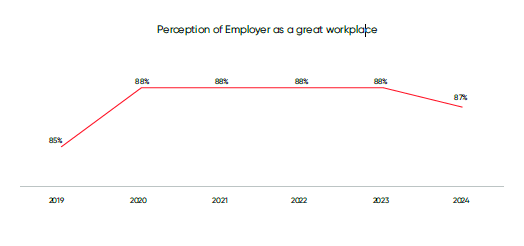
Once employee priorities are identified, organizations must align their strategic priorities accordingly. This alignment involves implementing policies, initiatives, and programs that effectively address employees’ needs and concerns. This, in turn, leads to higher levels of employee engagement, productivity, and discretionary effort, ultimately driving improved organizational performance, profitability, and sustainable growth. 

Employee Perceptions in Blue-Collar and White-Collar Roles 

Recent trends indicate a positive shift in the perception of employers among both blue-collared and white-collared employees, with a year-on-year improvement of 2% and 1%, respectively. However, it’s noteworthy that blue-collared employees generally report higher satisfaction with their employers than their white-collared counterparts. This disparity underscores the importance for organizations to recognize and address each employee group’s specific needs and concerns to foster a more inclusive and supportive work environment conducive to overall satisfaction and productivity. 

Perceptions in Blue-Collar and White-Collar Roles

Factors Behind Best Workplaces’ Continued Success in Manufacturing

India’s manufacturing sector have successfully maintained a 7% gap in the Grand Mean Trust Index compared to other organizations. Remarkably, this margin remains consistent across both blue-collared and white-collared employees. The question arises: how do they achieve and sustain this lead? 

Their commitment to fostering a positive workplace culture and prioritizing employee satisfaction is the answer. Best Workplaces ensure fairness and equity in all aspects of employee treatment. Moreover, they uphold the principle of just rewards, offering competitive pay, comprehensive benefits, and transparent promotion processes. By prioritizing integrity, fairness, and employee well-being, Best Workplaces cultivate an environment where trust thrives, enabling them to maintain a distinct advantage over their counterparts and secure the loyalty and commitment of their workforce.

The business outcome of becoming a Great Place To Work

Becoming a Great Place To Work® yields significant business outcomes. With higher satisfaction and morale, employees at Best Workplaces are more motivated, productive, and likely to stay longer. This positive culture becomes a competitive advantage, attracting top talent and driving business success.

Outcomes of a Great Workplace Culture

Best Practices from Top Manufacturing Workplaces

Empowering Talent: Forbes Marshall’s Holistic Employee Development

Here’s how Forbes Marshall takes a proactive approach to nurturing the support and competence of its employees, emphasizing dialogue, structural adaptability, project assignments, and peer feedback to create a dynamic and trusting work environment.

A proactive approach for Employee Development

The Symphony Experience: Crafting Hospitality in the Workplace

With over 35 years of experience, Symphony recognizes that its most significant asset lies in its people. By embracing hospitality, Symphony creates a unique and enjoyable work atmosphere, fostering productivity, a sense of belonging, and camaraderie among its employees, known as Symphonies.

Research indicates that the onboarding experience at Symphony ensures a welcoming atmosphere for new members, with 91% of employees at Best Workplaces expressing satisfaction in this regard. When employees feel welcomed upon joining the organization:

– They are four times more likely to describe the workplace as fun.

– They are three times more likely to enthusiastically recommend the company to friends and family as a great place to work.

– They are three times more likely to perceive the workplace as great. This emphasis on hospitality during onboarding not only sets a positive tone for new employees but also contributes to a vibrant and inclusive workplace culture, where every Symphonite feels valued and motivated to contribute their best.

Hospitality in the Workplace

Equity at Work: Kumar Equipment’s Commitment to Fairness

At Kumar Equipment, prioritizing people over categories is not just a philosophy; it’s a way of life. The company is committed to fostering a workplace where unbiased promotions, equal recognition, and open communication prevail, defining a unique and inclusive atmosphere for all employees.

Research reveals that this commitment resonates strongly with employees, with 90% of those at Best Workplaces affirming that they feel fully recognized as integral members, regardless of their positions within the organization. When employees experience such inclusivity:

– They are three times more likely to feel they make a difference with their work.

– They are three times more likely to describe the workplace as psychologically healthy.

– They are three times more likely to perceive the workplace as great.

This emphasis on treating every employee as a valued member, irrespective of hierarchy, fosters a sense of belonging and contributes to a more engaged, motivated, and productive workforce. At Kumar Equipment, inclusivity isn’t just a goal; it’s the foundation of a thriving workplace culture.

Equity at Work

Prioritizing employee needs and nurturing a supportive work environment are critical for organizational success. By understanding and aligning with employee priorities, implementing best practices, and embracing inclusivity and fairness, businesses can create a workplace where employees feel valued, motivated, and empowered to excel. Visit us here to learn more. 

Driving a Culture of Trust – The New Manufacturing Blueprint

a women manufacturing sector employee

Reading Time: 4 minutes

In our recent report, we analyze the current state and future prospects of the manufacturing sector in India. The report dives into various facets of the industry, ranging from economic indicators and government policies to employee sentiment and workplace dynamics. Let’s look closer at the valuable insights into the challenges and opportunities shaping the manufacturing landscape.

Resilience of the Manufacturing Sector Amidst Downturn

Despite a recent dip in the Purchasing Managers Index (PMI), the outlook for India’s Manufacturing sector remains robust, marked by significant expansion in sectoral activity and backed up by supportive government policies. In fiscal year 2023, the sector achieved a milestone with its highest-ever annual exports, totaling $447.46 billion, showcasing a growth rate of 6.03%. The government’s unwavering commitment to the industry is evident through initiatives such as the Production Linked Incentive, National Manufacturing Policy, Make In India 2.0, Digital India, and Startup India, all aimed at fostering growth and innovation. Additionally, the Index of Industrial Production (IIP) saw a remarkable rise, reaching 141.8 in October 2023, marking a 10.4% increase compared to the previous year. Foreign Direct Investments (FDI) continue to flow into the sector, with $33 billion recorded as of September 2023 for the ongoing financial year, facilitated by policies allowing 100% FDI under the automatic route in most sectors. Despite the slight downturn indicated by the PMI for December, dropping to 54.9, the lowest in 18 months, the manufacturing sector’s resilience is underpinned by its significant contribution to India’s GDP, accounting for 17% and providing employment opportunities for an estimated 35.6 million people.
Positive Shift in Workplace Perception

Within the manufacturing industry, organizations experience a notable uptick of 1% in the perception of being a great place to work among employers, with an impressive 86% of employees affirming their organization’s status as such in 2024.

However, despite this improvement, current satisfaction levels fall short of those observed in 2022, suggesting an ongoing requirement for sustained efforts in cultivating an exceptional workplace culture. This need for continuous improvement is more pronounced among larger organizations, as the current rise in perception is predominantly driven by mid-sized companies.

Employees' Perception of Employer as a Great Place To Work

Closing the Gap: Manufacturing Sector’s Trust Index

In a remarkable development, the Grand Mean Trust Index for the Manufacturing Sector has narrowed the gap with other industries, standing just 1% point behind at an impressive 82%.

While the manufacturing sector may lag behind other industries in various aspects, unlike their counterparts in different industries, manufacturing sector employees express higher levels of pride and a profound sense of accomplishment in their professional endeavors. Moreover, they harbor positive sentiments regarding their work’s contribution to society and desire longer tenures in their current positions.

Growth across different dimensions such as Pride, Credibility, Camaradarie, Respect and Faireness

Navigating Disillusionment in Career Progression

As individuals progress in their careers within the manufacturing sector, they encounter a trough of disillusionment, significantly influencing their perception of workplace fairness. This phenomenon potentially serves as both a precursor and a contributing factor to employee attrition within these career stages. Addressing issues of equity and impartiality becomes imperative to mitigate this disillusionment and foster a more supportive and inclusive work environment conducive to employee retention and satisfaction.
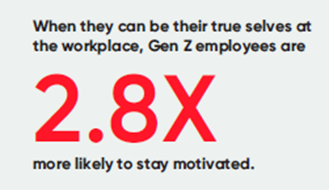
Equity and Impartiality in Career Progression across job levels

Sentimental Dynamics in the Manufacturing Industry

Within the manufacturing sector, employee sentiment reflects a nuanced landscape of satisfaction and concern. The highest satisfaction levels are observed in workplace facilities, societal impact, and management competence. These aspects likely contribute to a positive work environment and employee morale.
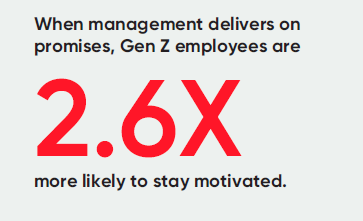
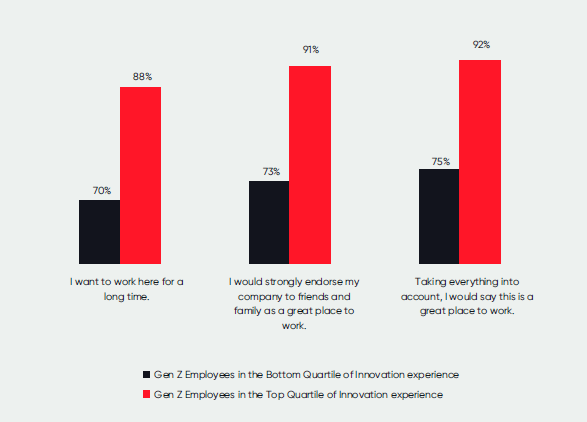
However, the sentiment could be more uniformly positive across all aspects. Employees express the lowest satisfaction levels regarding favoritism in the workplace, profit-sharing schemes, and the fairness of promotions. These concerns suggest areas where there may be disparities or perceived injustices within the organizational structure, warranting attention and potential remedial action to enhance employee trust and engagement.

Manufacturing Sector's Sentiments

Integrity: A Crucial Driver of Employee Satisfaction in Manufacturing

In the manufacturing sector, the perception of integrity within organizational leadership is pivotal in influencing workplace culture and employee satisfaction. Organizations within this industry must prioritize efforts to enhance management’s perceived integrity.
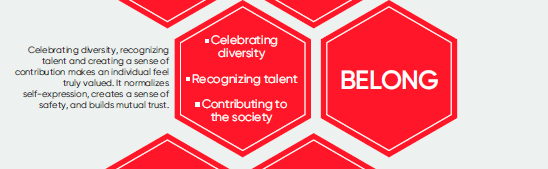
To foster employee retention and maintain a motivated workforce, manufacturing organizations must ensure that their leaders consistently uphold their commitments, exemplify honesty and integrity, and align their actions with their words. By embodying integrity in their conduct and decision-making processes, leaders can inspire trust among employees, cultivating a positive work environment conducive to productivity and well-being. This emphasis on integrity is a cornerstone for building a strong organizational culture and fostering long-term success within the manufacturing sector.

The manufacturing sector in India exhibits promising signs of growth and resilience, propelled by significant achievements in exports, government support, and industrial production. While challenges such as maintaining workplace satisfaction and addressing equity issues persist, there is ample room for improvement and innovation. By prioritizing integrity, fostering a positive workplace culture, and leveraging the benefits of becoming a Great Place To Work, manufacturing organizations can drive sustained growth, enhance competitiveness, and contribute to the overall prosperity of the sector and the nation. Visit us here to learn more. 


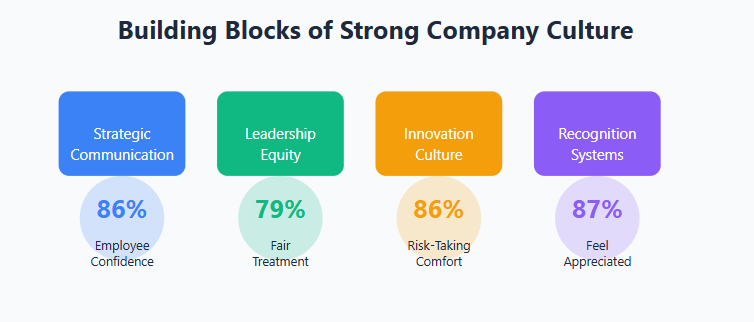
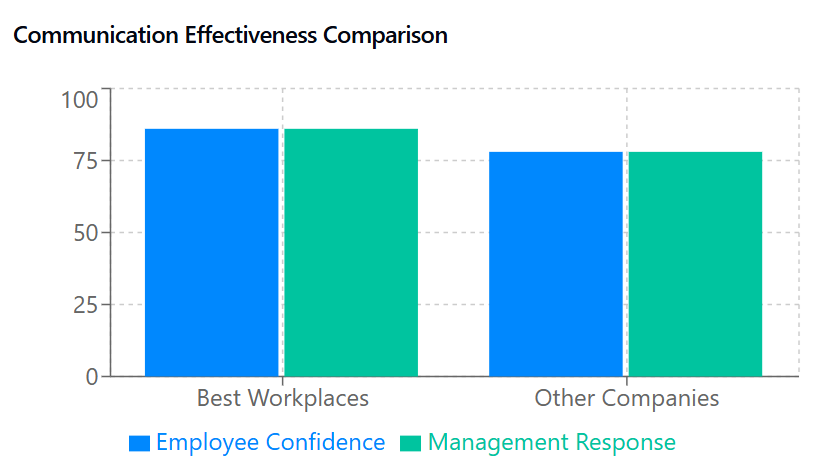
Building a Great Workplace Culture: 15 Key Practice Areas for Sustainable Success

Building a Great Workplace Culture

Reading Time: 6 minutes

In an era where workplace dynamics are constantly reshaped by the forces of change, the importance of cultivating a culture that champions equity has become more pronounced than ever. Recent data points from the Best Companies To Work For 2023 report underscore the significant impact of providing an equitable experience across demographics. 

Studies reveal that organizations prioritizing equity witness a remarkable 8% surge in productivity and a substantial 10% boost in innovation. As the Indian economy rides the waves of high growth, enabling employees to maximize their potential emerges as a focal point for sustainable success.

Michael Bush, CEO at Great Place To Work® USA, succinctly captures the essence of this imperative. He emphasizes that an organization failing to harness the best from all its employees is essentially leaving money on the table. This assertion reflects the tangible consequences of overlooking the potential that lies within a diverse and motivated workforce.

For All Organization's Equitable Experience

The influence of organizations that actively engage in maximizing human potential, propelled by For All Leadership, cannot be overstated. The significance of closing gaps in employee experience is evident, as organizations embracing For All Leadership practices consistently report higher levels of productivity and innovation.

In this article, we will unravel the 15 key practice areas crucial for creating an equitable workplace culture where every individual is empowered to contribute their unique talents and ideas. From hiring practices to community engagement, each facet plays a pivotal role in shaping a workplace where productivity and innovation flourish hand in hand.

1. Hiring for Cultural Fit: The Foundation of Excellence

The journey to building a great workplace culture begins with hiring the right individuals. Exceptional teams are the backbone of great workplaces, and companies with outstanding cultures prioritize hiring individuals whose values align with the organization’s mission. Strategic hiring practices, focusing on both skill sets and cultural fit, create a workforce that positively contributes to and enhances the workplace culture.

2. Welcoming New Employees: Nurturing a Sense of Belonging

First impressions are lasting, and great workplaces understand the importance of onboarding in shaping an employee’s experience. Diverse and personalized onboarding methods go beyond mere orientation, ensuring that new hires feel welcomed and integrated into the organizational culture from day one. A strong onboarding process sets the stage for a positive and inclusive work environment.

3. Inspiring a Shared Purpose: Connecting Work to Meaning

Employees thrive when they find meaning in their work. Organizations with great cultures inspire their workforce by connecting them to a shared purpose. Programs that foster pride and emphasize the impact of individual contributions on customers and society overall contribute to a motivated and engaged workforce. Creating a sense of purpose elevates the overall workplace experience.

4. Transparent Communication from Leadership: Building Trust

Trust is the cornerstone of great workplace cultures. Leaders at successful organizations understand the importance of transparent communication, even in challenging times. Distinctive ways of sharing information, coupled with accessibility and warmth, build trust between employees and leadership. This transparency fosters a positive and open organizational environment.

Invest in Fairness & Better Work Environment

5. Effective Upward Communication: Fostering Dialogue and Trust

Building trust demands creating avenues for employees to voice concerns and offer input. Organizations that actively seek input from employees demonstrate a commitment to a two-way communication flow, fostering a culture where every voice is heard and valued. This practice builds a sense of inclusivity and encourages employees to actively participate in shaping the organizational narrative.

6. Encouraging Collaboration and Innovation: Harnessing the Power of Ideas

Innovation is the lifeblood of successful organizations. Great workplaces actively encourage employees, regardless of their position, to share new ideas and suggest improvements. This creates an ‘Innovation by All‘ culture, driving positive changes in the business. By tapping into the collective insights of employees, organizations foster an environment that values continuous improvement and embraces change.

7. Frequent Appreciation and Recognition: Nurturing a Culture of Gratitude

Acknowledging and appreciating employees’ efforts is fundamental to building a positive workplace culture. Frequent recognition initiatives foster an environment of gratitude in which each worker is inspired to give their all and feels appreciated. This procedure not only lifts morale inside the company but also reaffirms its dedication to acknowledging the unique contributions made by each worker that come together to form the culture of the workplace.

8. Investing in Employee Development: Prioritizing Growth

Valuing employees means investing in their growth. Great workplaces prioritize training and development, providing employees with opportunities to discover and enhance their talents. This commitment to personal and professional growth fosters loyalty and dedication, as employees feel supported in their journey towards continuous improvement.

9. Balancing Work and Personal Lives: Supporting Holistic Well-being

Recognizing employees as whole individuals, not just workers, is vital for building a positive workplace culture. Organizations that support work-life balance and provide assistance during significant life events showcase a genuine concern for the well-being of their workforce. By offering a range of work/life benefits and programs, organizations demonstrate a commitment to the holistic well-being of their employees.

10. Promoting Diversity and Inclusion: Creating a Truly Inclusive Environment

A truly great workplace is one that caters to all employees, irrespective of their backgrounds. Programs and policies promoting diversity and inclusion across demographics and job roles contribute to an inclusive and equitable workplace. This commitment to diversity reflects societal values and enriches organizational culture by bringing together various perspectives and experiences.

11. Encouraging Fun and Camaraderie: Fostering a Positive Work Environment

Invest in Equitable Experience

Camaraderie and fun are not just perks but essential elements of a great workplace culture. Organizations that actively promote a positive and enjoyable work environment see increased employee satisfaction and collaboration. Organizations may foster stronger relationships and improve the overall work experience by giving employees the opportunity to interact outside of formal work environments.

12. Equitable Compensation Practices: Fostering a Sense of Fairness

Invest in Equitable Experience

Fair compensation practices are integral to a positive workplace culture. Great workplaces ensure that compensation-related activities are transparent, well-communicated, and inclusive, fostering a sense of equity among employees. By focusing efforts on ensuring fair compensation, organizations demonstrate their commitment to valuing and respecting every employee.

13. Engaging in Corporate Social Responsibility: Extending Care Beyond the Workplace

Beyond the workplace, great organizations actively participate in philanthropic and CSR initiatives. Involving employees in these efforts creates a sense of purpose and pride, aligning the workforce with the company’s values. This engagement in social responsibility not only benefits the community but also strengthens the bonds among employees, fostering a shared commitment to making a positive impact beyond business goals.

14. Transparent Leadership Effectiveness: Involving Employees in the Vision

Invest in For All Leadership

Effective leadership is pivotal to a great workplace. Organizations involve employees in the development of short and long-term strategies, fostering a connection between daily tasks and overarching business goals. Transparent communication of these strategies across all levels builds a shared vision where employees understand their roles in achieving organizational success. This involvement in the decision-making process enhances employee satisfaction and commitment.

15. Continuous Improvement Through Analysis: Adapting to Evolving Needs

Analyzing responses and adapting to changing dynamics is essential for sustaining a great workplace culture. Businesses dedicated to creating and preserving positive workplace cultures assess their procedures regularly to make sure they adapt to the changing demands and expectations of their employees. This commitment to continuous improvement positions the organization as agile and responsive to the evolving workplace landscape.

To sum up, developing a fantastic workplace culture is a constant endeavor that requires commitment and flexibility. By prioritizing these practice areas, organizations can cultivate a positive and impactful workplace culture, leading to increased productivity, innovation, and employee satisfaction. As the workplace landscape evolves, so must the strategies for building and sustaining a great workplace culture. Continuous commitment to these practices ensures that organizations not only attract top talent but also retain and nurture a workforce that contributes to long-term success.

Navigating Workplace Culture Opportunities and Challenges in India’s Pharmaceuticals, Healthcare and Biotech Frontier

A Pharma employee doing her research

Reading Time: 5 minutes

In the ever-evolving landscape of India’s pharmaceuticals, healthcare and biotech sectors, innovation and leadership excellence are the driving forces shaping the nation’s journey toward establishing India as the “pharmacy of the world”. These industries play a pivotal role not only in addressing the diverse healthcare needs of the population but also in establishing India as a global hub for cutting-edge research and development.

In this blog, we delve into the strengths, weaknesses, opportunities, and threats that define the current state of workplace culture in the pharmaceuticals, healthcare and biotech industries in India. We will highlight how Great workplaces in these industries handle challenges and stay ahead of the competition in making important changes for the future of healthcare in India.

Strengths: Empowering Employees for Societal Impact

The strengths of these industries are deeply intertwined with their contributions to societal well-being. Organizations in these fields prioritize leadership excellence and fostering a sense of pride among employees for their impactful work. For instance, companies like Allucent and R1 RCM Global Private Limited demonstrate an unwavering commitment to transparency and social responsibility.

Allucent’s Commitment to Integrity and Transparency

Allucent places integrity at the core of its values, fostering transparency among leaders and employees. During town hall meetings, leaders respond honestly and comprehensively to employee inquiries, showcasing a commitment to openness. This transparency extends to the rationale behind challenging tasks, demonstrating how each employee contributes to the company’s overall success. During a recent Allucent Global Town Hall Meeting, an employee presented a direct question regarding the financial health and forecast of the company. In response, Allucent’s Chairman & Chief Executive Officer provided a comprehensive and detailed answer, addressing each aspect of the employee’s sensitive inquiry with transparency. This practice reveals how such work contributes to the overall success of Allucent’s business strategy.

R1 RCM Global Private Limited: Balancing Transparency and Social Responsibility

R1 RCM Global Private Limited not only emphasizes transparency but also champions social responsibility. Through initiatives like the Helping Hands Month, employees are encouraged to volunteer in various community service activities, aligning with the company’s commitment to operating with purpose. R1 RCM Global Private Limited leader maintains transparent communication with teams through ‘From the Desk of the leader,’ delivering updates, program launches, and personal notes. Executive Leadership also engages with business functions through regular emails, connects, and town halls. Such holistic approach to transparency, employee well-being, and societal impact sets the tone for success in the pharmaceuticals, healthcare and biotech industry.

Weaknesses: Transforming Challenges into Vibrant Strengths

Acknowledging the performance gap is the first step towards transformative change. A lack of fun at the workplace and limited employee involvement in decision-making are the key workplace culture performance gaps in the pharmaceuticals, healthcare and biotech sectors in India. are However, industry leaders like R1 RCM Global Private Limited and Cipla Ltd are actively working on addressing these challenges.

R1 RCM Global Private Limited: Fostering Vibrant Celebrations and Recognition

R1 RCM Global Private Limited fosters a vibrant work environment through initiatives that go beyond acknowledging work contributions. From themed celebrations to recognition of individual and team achievements, R1 RCM Global Private Limited ensures that employees feel valued and engaged holistically. This approach transforms the workplace into a dynamic and enjoyable space, addressing the identified gap of a lack of fun.

Cipla Ltd: Inclusive Participation in Celebration Ethos

Similarly, Cipla Ltd emphasizes inclusive participation in its celebration ethos, fostering camaraderie among employees through various events and activities. The company’s focus on engaging employees not only in the main event but also in the idea generation and planning stages addresses the weakness of limited employee involvement in decision-making. They create a committee of volunteers consisting of employees across divisions and levels to plan and celebrate festivals and fun activities. This committee takes ownership of the events and is responsible for deciding event themes, selecting vendors, and building an enduring collaborative approach.  

Opportunities: Nurturing Talent for Future Success

In India’s healthcare industries, significant opportunities for building sustainable competitive advantages lie in improving talent management, emphasizing skill development and fostering career evolution. Organizations like Aragen Life Sciences Pvt Ltd are leveraging innovative approaches to talent management.

Aragen Academy: Diverse Learning Initiatives

Aragen Life Sciences Pvt Ltd is dedicated to providing diverse learning opportunities across scientific, manufacturing, professional, leadership, and sales streams. These initiatives reflect a commitment to continuous learning and skill enhancement, shaping the future of the organization and the industry. The Academy team at Aragen Life Sciences Pvt Ltd publishes training calendars, allowing employees to self-nominate or be nominated by managers, thus ensuring learning is tailored to individual needs and aspirations.

Threats: Proactive Approaches to Ensure Equity and Collaboration

Persistent challenges like manager favouritism and workplace politics threaten the establishment of a fair and constructive work environment. Eli Lilly and Company, a leading player, recognizes and addresses these issues to foster a workplace that values equity and collaboration.

Eli Lilly and Company: Inculcating Fairness by fostering Trust and Mutual Respect.

At Eli Lilly and Company, important people processes, like as Performance Management, include multiple touchpoints throughout the year such as formal goal setting in discussion with the manager, and periodic performance check-ins during the year to ensure that there is open communication and transparency in sharing performance-related feedback and development areas. All supervisors are trained on holding performance and coaching conversations in an open and respectful manner, and on managing performance issues fairly- giving employees adequate opportunity and support to work on their development areas. Supervisors are also given examples of “What Good Looks Like” in terms of documenting performance feedback. Eli Lilly and Company also has a detailed and clear SOP in place for managing non – performance (PIP policy), outlining the steps and responsibilities of different stakeholders to ensure a fair and impartial process with adequate time, resources and support provided to the employee. This exemplifies their commitment to creating a workplace that prioritizes Transparency, Equity and Inclusion.

Conclusion: Shaping a Resilient and Dynamic Future

In conclusion, the pharmaceuticals, healthcare and biotech sectors in India are navigating a dynamic landscape, marked by strengths, weaknesses, opportunities, and threats in workplace culture. When leaders excel at demonstrating their executive capability and employees feel positive about their contribution to the society, workplace culture blooms. Fostering vibrant celebrations, addressing performance gaps, and nurturing talent through diverse learning initiatives are some key imperatives organization must focus on. Leaders must take proactive measures against favouritism and politics to ensure a fair and inclusive work environment.

By embracing these principles, the industry can not only overcome challenges but also establish a workplace that maximizes potential, fosters innovation and contributes to advancing healthcare in India and globally.

Demystifying Excellence: A Closer Look at Best People Practices in IT & IT-BPM 2023

Employees Discussing

Reading Time: 6 minutes

The IT and BPM industries are titans of innovation, pushing the boundaries of technology and efficiency. But their true strength lies not in algorithms but in their people. This blog delves into the meticulously crafted best practices of organizations recognized as one of India’s Best Workplaces™ in IT & IT-BPM 2023. 

First American (India) ‘s Blueprint for a People-First Culture.

First American (India) (FAI) entered the spotlight in 2017, earning a place among India’s Best Workplace in IT & IT-BPM, marking the beginning of a remarkable journey. As a result of their unwavering commitment to consistently building and sustaining a great workplace, they bagged this recognition for the 5th time in 2023.

FAI’s impressive, ongoing trajectory reflects their consistent efforts as they continuously strive to foster and maintain a positive employee experience. Throughout their journey, FAI has broadened their list of accolades as they focus on creating a supportive and a welcoming environment for all individuals, while also being dedicated to the holistic well-being of people.

FAI’s dedication to fostering an exceptional workplace culture reaches new heights, as they rank as one of India’s Best Companies To Work For in 2023. Their journey towards creating an exemplary workplace continues to inspire.

First American India's Trust Index Score

FAI’s Formula For Employee Well-being

First American India's for Employee Well-being

FAI makes a notable impact by showcasing a 6% higher positive score on overriding wellness sentiment, standing out amidst the overall dip observed in Health and wellness sentiment across Indian workplaces in 2022.

FAI: Crafting Success Through People Practices

Building a fraternity at the workplace where each individual yields better results by

bringing their authentic selves to work involves making employees feel respected and welcomed. FAI demonstrates that it genuinely cares for its employees through various initiatives. ‘Swasthya’ program offers holistic support—emotional, physical, financial. The Wellness Corner app conducts health assessments, provides online consultations; the Tranquil app aids in mindfulness and coping with stress. FAI also supports a hybrid mode of working to ensure flexibility at work.

Impact and Employee Speaks

Credible Leadership is the cornerstone of building a High-Trust Culture. FAI’s transparent and consistent communication fuels healthy employee-employer relationships at work.

Focus Group Discussion: Assesses well-being and critical issues, encourages feedback via anonymous surveys and ends with transparent action plans.

They implemented the ‘SMILE’ framework (Socialize, Motivate, Inspire, Lead, and Empower) to consistently build personalized engagement with each individual in the Business unit, hear their perspectives, and collaborate in their growth journey. Tenured Sta Connects has engaged employees for over two years tenure, with a focus on understanding aspirations, gather suggestions and create awareness about T&D, encouraging utilization of growth opportunities.

Impact and Employee Speaks

FAI’s competent Leadership is seen in action as they see ripple effects across the organization. They invest in individual development through various learning interventions.

Elevate Program @NPS: Nurtures talent with positive management, fostering Leadership by instilling confident decision-making and developing clear vision. Customized Learning Journeys: Tailored roadmaps for aspirational roles, enhancing skills, attitudes, and overall performance.

Impact and Employee Speaks

Pride in Unity: Aristocrat’s Inclusive Path to Workplace Camaraderie

Aristocrat’s consistent recognition as India’s Best Workplace in IT & IT-BPM is a testament to the company’s commitment to fostering Trust between Leadership and employees. The company extends its efforts to embrace a comprehensive approach to employee health and well-being, reflecting its dedication to prioritizing care for its workforce.

The company actively fosters an environment where employees from various backgrounds feel valued, contributing to a rich, diverse, inclusive workplace culture. Aristocrat’s workplace culture, marked by vibrant Camaraderie, mirrors its dedication to an engaging and supportive environment. This not only earns external recognition but also fosters internal pride among employees.

Aristocrat’s Trust Matrix for A Thriving Work Culture

Employees at Aristocrat report 7% higher positive sentiment in dimension of Camaraderie as compared to the IT & IT-BPM Industry.

Aristocrat: Crafting Success Through People Practices

When employees feel cared for, it enhances their morale through positive workplace dynamics.

Aristocrats believe in supporting their employees, especially in times of crisis, strengthening resilience and well-being.

Power Life – A complete well-being program offered through an internal portal supports employees in critical areas of mental and physical well-being.

Restore Resilience: A 12-week stress management program covers critical issues like sleep, nutrition, and exercise.

R U OK Day: Encourages checking in with friends, family members, and work colleagues.

September: Cerebral Palsy Alliance-led fundraising initiative engages employees.

Flexible and Remote Working Support Policy.

Impact and Employee Speaks

Promoting Camaraderie at the workplace is ingrained in Aristocrat’s value of collective brilliance as they believe in cultivating team spirit and an environment of mutual support at the workplace.

ShapeShifters Team: Drives engagement with innovative online/online programs for bonding, leadership connections, CSR, honoring support staff.

Power Plays Platform: Encourages celebrating colleagues’ values-driven achievements equipped with redeemable awards and e-cards. Friday box-office sessions: Led by subject specialists, promoting discussions, self-growth, empathy, and team camaraderie through films on sensitive topics.

Impact and Employee Speaks

At Aristocrat, People & Culture Business Partners collaborate with business leaders to

facilitate individual learning & development, unlocking employee’s potential for growth.

Women’s Leadership Program: Empowers female leaders through self-awareness, tackling self-limiting beliefs, and cultivating key skills.

Aristocrat Leadership Academy: Provides diverse holistic leadership training programs. Tully Platform: Dynamically supports individual growth, skill progression, and career planning, fostering company-wide engagement.

Impact and Employee Speaks

Charting the Future of IT Workplaces

In the challenging landscape of the IT industry, prioritizing workplace culture has become paramount for sustaining employee engagement. The industry has witnessed a decline in perception, underscoring the importance of addressing issues like diminishing workplace camaraderie. Organizations must proactively invest in employee well-being initiatives to rejuvenate workplace dynamics. Furthermore, fostering better Camaraderie and leadership excellence emerges as a strategic imperative. Leaders are crucial in steering organizations through these trying times, striving for excellence, and

inspiring teams. This holistic approach not only enhances employees’ well-being but also the team spirit, and upskilling but also yields substantial business returns. Improved retention rates, heightened productivity, and increased innovation opportunities are direct outcomes of a robust focus on these critical aspects. In navigating the current challenges, organizations that prioritize these elements stand to create resiliently and thriving workplaces, positioning themselves for sustained success in the dynamic IT landscape. Visit us here to learn more.

Adapting to Change: Trends Reshaping the IT Industry’s Workforce Dynamics

Reading Time: 4 minutes

The latest IT report by Great Place To Work India unravels workforce dynamics trends. Delving into challenges such as diminished camaraderie and organizational pride, we analyze factors contributing to the industry’s employee experience decline. Additionally, we address burnout levels, remote work trends, and future-focused strategies. Join us in understanding the nuanced challenges and envisioning a resilient and innovative path forward for the IT workforce.

In the dynamic landscape of the Information Technology (IT) industry, the pulse of employee perception reveals a nuanced narrative in 2023. A noticeable shift is observed, marked by a 1% drop in the Trust Index Grand Mean and Overriding Sentiment. This modest decline challenges the industry’s upward trajectory, prompting a closer examination of the factors influencing the workplace experience for IT professionals.

Interestingly, within the intricate tapestry of this trend, there exists a notable divergence between large and mid-size organizations. While large organizations showcase a commendable effort, managing to improve the employee experience by 1%, their mid-sized counterparts demonstrate consistent performance, maintaining a steady 85%. These intriguing dynamic positions mid-size organizations ahead, surpassing their larger counterparts in providing a stable and satisfactory work environment. This shift underscores the importance of organizational size in influencing employee experience and suggests potential advantages in agility and adaptability for mid-size entities.

Despite the overall decline in sentiments, the IT industry retains its stronghold, boasting the second-highest Trust Index Grand Mean across various sectors at 84%. This resilience is a testament to the IT sector’s enduring appeal and economic significance. 

Trust Index Grand Mean and Overiding Statement

Perception Decline Led by Females, GenZ, and ITES Vertical

These trends highlight the dynamic interplay of gender, generation, and industry-specific challenges, emphasizing the need for tailored strategies to foster a workplace environment that addresses diverse concerns and sustains positive perceptions amid the evolving nature of work.

Perception Decline Driven by Drop in Team Spirits and Organizational Pride

The IT industry grapples with a decline in employee experience, notably driven by a 1% reduction in Camaraderie and Pride, indicative of diminished team spirits and organizational pride. Respect and Fairness exhibit the most significant variation, with a 25-26% gap between the most and least positively perceived sentiments. 

This decline points to the crucial role of interpersonal dynamics and organizational culture in shaping the overall workplace experience. Aspects such as diminished camaraderie and pride contribute to a less positive work environment, emphasizing the need for targeted interventions to restore a sense of unity, mutual respect, and fairness within the IT industry. Focusing on these dimensions becomes paramount in addressing the nuanced challenges impacting employee well-being and satisfaction.

Most Positive and Least Positive aspects

The IT Engagement Equation: Why It’s Changing

Global Economic Slowdown

The global economy has been slowing down in recent years, and this has had an impact on the Indian IT industry. Many IT companies have had to lay off employees or reduce salaries to stay afloat. This has led to a decline in employee morale and satisfaction.

Rise of Automation

Automation is becoming increasingly common in the IT industry and this is leading to job losses. Many employees are worried that machines and this will replace them is causing them to feel anxious and insecure.

Competition from Other Countries

The Indian IT industry faces increasing competition from other countries, such as China and the Philippines. These countries offer lower wages and more flexible working conditions, making them more attractive to employers. This is putting pressure on Indian IT companies to reduce costs and offer better benefits to their employees.

Changing IT Demands

The IT industry is constantly evolving, and employees need to be able to adapt to new technologies and trends. This can be stressful and challenging, and it can lead to burnout.

Overall Burnout Levels are Stable at 26% from 2022, Exhibiting 8% Variability Across Verticals

Burnout Across Verticals

Way Forward: 3 Future Focus Areas for the IT Industry

In light of the challenging year for the IT industry, there is a heightened focus on employee well-being, camaraderie, and upskilling. In response to the IT industry’s current challenges and employee engagement concerns, organizations must prioritize Workplace Ikigai as a comprehensive solution. Workplace Ikigai, a measure of employee happiness and engagement, offers a strategic path to address workplace issues, ultimately improving Productivity, Retention, and Innovation.

3 Future Focus Areas for the IT Industry

As the IT industry navigates the complexities of a changing global landscape, these trends underscore the importance of holistic approaches. Prioritizing employee well-being, investing in continuous learning, and cultivating strong leadership are identified not only as strategic imperatives for organizational success but also as essential elements in creating a resilient, innovative, and adaptive workforce capable of meeting future challenges. Visit us here to know more.

Celebrating Excellence: Certification Nation Day 2023 Contest Winners Shine Bright!

People Celebrating

Reading Time: 3 minutes

Certification Nation Day (CND) is not merely an event; it’s a grand celebration of dedication and achievements, a worldwide acknowledgment of workplace excellence. From November 1-3, 2023, the Great Workplaces Community India united to recognize and honor the best of the best, celebrating the very essence of great workplaces under the banner of Certification Nation Day 2023.

What is CND?

Certification Nation Day is more than just a day on the calendar; it’s an exclusive celebration of commitment and achievements, a global salute to workplace excellence. It presents a significant opportunity for organizations to showcase their dedication, solidify their reputation as employers of choice, and foster a profound sense of belonging among their employees. Regardless of size or industry, CND is a celebration that transcends boundaries, honoring the unique cultures and success stories that make each workplace special.

Success Stories of the CND 2023 Contest Winners:

Larsen & Toubro Limited – CND 2023 Culture Champion Among Large Organizations

In the vast landscape of Construction, Infrastructure, and Real Estate, Larsen & Toubro Limited (L&T) has been a beacon of innovation and excellence since its founding in 1938. With a global presence in 50 countries and a workforce of 52,586 employees, L&T has consistently demonstrated a remarkable ability to dream, innovate, and create solutions that build a better world.

Their passion for excellence and commitment to a positive workplace culture are truly commendable. On Certification Nation Day, L&T took the opportunity to celebrate its remarkable journey by showcasing the transformative projects that have shaped a better future. From construction and project-related activities to manufacturing and engineering services, their multifaceted approach has played a pivotal role in building the Best Workplaces in India.

L&T’s story is not just about structures and projects but about the people who dream, innovate, and create. Their contribution to building a better world and fostering positive workplace cultures has been truly outstanding. Congratulations to L&T India for achieving the well-deserved title of CND 2023 Culture Champion among large organizations! 

Dive into the heart of excellence at L&T! Watch how they celebrated Certification Nation Day, shaping a brighter workplace future here.

H & R Block (India) Private Limited – CND 2023 Culture Champion Among Mid-size Organizations

In the realm of Information Technology, H & R Block (India) Private Limited, founded in 2017, has stood out as a global consumer tax services provider. With a staggering global workforce of 90,700 employees operating in 5 countries, H&R Block is synonymous with tax services, offering complete choice for consumers to get tax help on their terms.

What makes H&R Block exceptional is not just its industry leadership but its unwavering commitment to positive employee experiences and diversity. On Certification Nation Day, H&R Block actively participated in the initiative, using the occasion to celebrate their commitment to nurturing a positive, high-performing work culture.

Through a series of engaging social media posts, H&R Block showcased their dedication to credibility, respect, fairness, pride, and camaraderie. Beyond just a tax services provider, H&R Block stands as a beacon of excellence in cultivating positive employee experiences. Congratulations to H&R Block for achieving the well-deserved title of CND 2023 Culture Champion among mid-size organizations!

Experience the H&R Block journey here. Watch how they celebrated CND by showcasing their commitment to diversity, excellence, and positive work culture.

Taking the Next Step

As we conclude this grand celebration, we extend an invitation to organizations across the country. Take the first step today and Get Certified to revolutionize your organization, ensuring a brighter, more successful future for your business and employees alike. Let’s continue to celebrate workplace excellence and inspire others to reach new heights!

Setting Trends, Bettering Yardsticks

employess

Reading Time: 6 minutes

As one of the first and biggest department store chains in India, Shoppers Stop isn’t just a retail brand but a beacon for its peers and competitors alike. Shoppers Stop has featured among India’s Best Workplaces™ for Women 2022, and India’s Best Workplaces™ for Retail 2023. Shoppers Stop has numerous learning, development, and recognition programs for employees across levels, to align them with the strategic focus of providing world-class customer experience.

“I am not a commander giving orders to others but as a leader I give advice to others. This is a great place, because here everyone co-operates with each other & keeps one goal in mind to achieve – organization goal like a common people.” – in the words of a Team Leader, Customer Service Desk.

An important aspect of building trust is recognizing the efforts of our employees in real time. A pat on the back from a manager can go a long way in keeping people motivated and happy at work. With the idea to create something that appreciates great efforts and small achievements, and adding to the concept of Instant Rewards, they introduced the Happiness Cheque Book. While the Happiness Cheques are non-monetary, they are curated keeping in mind the thought of Reward and Appreciation.

This initiative appreciates employee efforts and extends the benefits to their loved ones who are an integral part of their lives.

A fair and transparent work environment goes a long way in creating an emotional connect with the organization. Employees at Shoppers Stop have strongly endorsed the impartial, unbiased, and family like workplace culture

An open, caring, and inclusive workplace culture

Employee feedback

The foundation of their everyday communication is represented by ‘Dilsay’ – a bottoms up communications platform.

Being an action planning initiative, this platform is in tandem with Functional and HR Heads to facilitate engaging two-way communication. It is a structured mechanism to collect ideas, concerns, suggestions, and evaluate the same. Dilsay encourages managers to ‘listen’ and employees to share their ideas as well as their concerns. The purpose is to communicate to the people that their suggestions and opinions matter. Using this app, they identify the root cause of the underlying concern and work towards resolving the same.

The process of sharing ideas and concerns is kept simple. Employees can scan the QR code, which is available at various locations, fill in all the details, and submit their thoughts. After submission, these inputs are collated, sorted, and shared with the relevant SPOCs for further action. Employees get periodic updates about their inputs.  The ideas and concerns received through this platform and their progress is reviewed and presented to the CEO and the leadership team. To ensure that this becomes a continuous and consistent process, they also host monthly reviews, and the dashboard numbers are presented during the Management Committee Meetings.

Every quarter, the most impactful ideas are nominated by the jury to be a part of the Golden Mirror Awards. These ideas could be related to revenue generation, cost saving, process improvement, social responsibility, customer experience, or employee experience. Dilsay not only gives employees a voice but also makes them a part of defining the future of the organization. 

The Golden Mirror Awards has been a popular recognition program started in 2014. Held on a quarterly basis across India, the award is presented to employees at a regional and national level. Immaculate knowledge, pristine store management, and above all, providing a delightful experience to customers is what makes Shoppers Stop a trusted brand. The Golden Mirror Awards recognize the people who make all these things possible.

Another recognition program introduced is the peer-to-peer badges. The objective is to recognize outstanding work put in by employees across the organization. Whether it is to help a fellow employee in time of need or come up with a brilliant solution.

“I have seen many times my head of the family – my unit head & my HR always encourage the associates not like staff, but like family member. We are under one roof, recognizing the associates for their good work.” – says a Junior Store Officer.

Not the one to rest on past laurels, Shoppers Stop has introduced contemporary programs to keep up the ante on learning for the talented young leaders through workshops and coaching on Design Thinking, Executive Presence and many such other present-day themes. In partnership with Great Place To Work® and Great Manager Institute®, more than 200 people managers have undergone the Great Manager Certification Program. The certified managers are all set to become culture role-models for the people. The range of programs help amplify the associates’ learning, add value to their role, helping Shoppers Stop build a succession pipeline.

Every year, on December 12, Shoppers Stop celebrates the Retail Employee Day, dedicated to the customer-facing champions, where a host of engaging activities are planned for them.

One of the industry-first initiativesShoppers Stop introduced was how their employees identify as Customer Care Associates first, and not as their designation. This has helped the organization go devoid of the sentiment of being above one another within the organization. Right from the MD and CEO Venu Nair to the Department Managers, everyone identifies first as a Customer Care Associate. This stems from the feeling that in our hearts we are people who love serving the customers. “When we speak of an experience that we want to deliver to our customers it is Nothing But The Best. We work hard and leave no stone unturned to do it well. Our deep-rooted customer centric culture inspires our associates to be committed and go beyond what is expected.”- Venkatesh Raja, Chief Human Resources Officer.

With the pandemic, the importance of the safety and wellbeing has come to the forefront more than ever before. The Human Resources team at Shoppers Stop took up the responsibility of promoting an environment of calmness while also engaging the leadership to respond with timely, accurate, assertive, clear, and consistent communications from across all levels within the organization. Through SSConnects they safeguard people’s interests which strengthens the bonding and leads the Associates to reciprocate the trust and faith that Shoppers Stop has invested in them.

While society often looks at marriage or childbirth as a stalling period in women’s lives, Shoppers Stop, through the Second Innings program, has given women an opportunity to re-join the organization without skipping a beat. They extend job opportunities across verticals and offices to women and provide them a platform to restart their career with the organization. Women get assigned a workplace ‘buddy’ for a month from the existing team, to ease their journey as they transit back into their professional workplaces. The Women Engagement Committee introduced the 12 days a year Menstrual Leave and sanitary pad vending machines to help women take care of their health. Shoppers Stop has partnered with ProEves, a child services management agency. Employees can enrol their kids, aged 6 months to 6 years and to give working parents a sense of security, the organization also contributes towards the day-care expenses.

Shoppers Stop has made a signification contribution to PANKH – Wings of Destiny, which is an initiative by Trust for Retailers & Retail Associates of India (TRRAIN) and Youth 4 Jobs Foundation (Y4J). The initiative aims to train people with disabilities (PwD) and provide them employment opportunities in retail industry. The initiative thus aims to create sustainable livelihoods for PwD and promote inclusive growth in retail sector.  To sum it up, an inclusive workplace culture, where employees belong and contribute across the organization and leadership believes in putting people first and customers foremost. Since its inception, Shoppers Stop has paved the way for providing a world-class experience not only to its customers, but also treating employees with respect and integrity. By encouraging, an agile, innovative, and digital mindset among its associates, Shoppers Stop has built and sustained an immense amount of credibility. With the shared passion of breaching boundaries and providing endless possibilities to all its stakeholders, Shoppers Stop is ready to take on the challenges of the future, here and now.

Fuelling the Growth from Within

employees discussing

Reading Time: 5 minutes

Skills are the currency of the current multi-generational workforce. To be future-ready, nurturing talent through continuous upskilling and reskilling has become a critical focus for organizations and leaders since that keeps innovation alive and helps organizations to stay ahead of the curve. Learning at GlobalLogic has always been at the core of what they do for employees and therefore has been closely linked to their growth and career progression. There are various programs supporting and creating learning opportunities for employees across levels – including Learning Forums, Conclaves, Communities, Coaching interventions, Academies, Certifications, On the Job Learning and numerous cultural interventions that continuously help our employees towards their growth.

The cornerstone of GlobalLogic’s culture is the focus on developing people manager capabilities, as they are the flag bearers of the company’s open, inclusive, and flexible workplace culture. At GlobalLogic, the goal is to develop managers not only for a better performance on their present job but to lead the organization and get ready for the next level assignments.

To provide a steady and healthy talent pipeline, GlobalLogic has created programs that help them achieve these objectives.  This is done through a series of Management Development Programs:

Management Development Programs

The benefits from these progressive and inclusive programs can be seen:

To understand the role & job satisfaction of the employees after promotions, the ‘Career Advancement Survey’ is conducted annually – this year it covered 700 promoted employees. Based on the feedback, the Career Core team (L&D and HR) works in tandem with the Delivery team and helps create action plans to help employees build their careers further.

Journey with Great Place To Work

Great Place To Work® has been partnering with GlobalLogic in their culture journey since 2015. GlobalLogic has been recognized among India’s Top 25 Best Workplaces™in IT & IT-BPM 2022. The Trust Index™ Grand Mean of the organization has seen a significant improvement of 15% since 2020, with maximum increases on aspects of Fairness & Respect at the workplace – including impartiality showcased by managers, management reliability, right hiring & fitment, candid communication, demonstrated care and appreciation by management.

The commitment of the organization to its managerial development did not faze during the pandemic year of 2020, when GlobalLogic conducted the first phase of its People Managerial Capability Development program with Great Place To Work Close to 80 managers embarked on their journey of building High Trust High Performance teams through a 5-month intervention – comprising a structured workshop followed by creation and implementation of over 250 initiatives by the participants.

The focus areas included listening, caring, developing, and appreciating their teams. The intervention concluded with a measurement of impact based on feedback from teams of the managers who have undergone the program and a panel of the Business & HR leaders in the organization, followed by recognition and certification of successful managers. “The next phase of the intervention has been rolled out in 2022 where the focus is on `Developing Leaders of the Future’ in a fast growth and elevated environment”, says Rajesh Rai, Vice President- People Development, GlobalLogic. “GlobalLogic has always believed in growing its talent from within and giving our employees a platform to not only grow vertically but horizontally and in diverse ways. For our people, GlobalLogic has always been a place to build careers and that is why right from the middle management to the senior leadership levels, myriad interventions help our managers and leaders remain ahead of the curve. Our culture of agility, innovation and care ensures our people grow as the organization grows – we focus on impact and not spans, on nodes in a human network and not on hierarchies to deliver that impact. With these solid cultural principles, it’s always heartening to see how all of this translates into high engagement of our people, much above the market benchmarks, eventually building a high performance ‘People First’ workplace.”

GlobalLogic Academies

An Academy in GlobalLogic is a structured, long-term, community-driven, on-the-job learning program which enables organic growth of talent with a fast-track career progression model. The design & learning structure is an immersive learning experience, with high involvement & interactivity in an adaptive environment, using agile, scalable, and innovative models. Employees can explore the individual academy as each of these academies have their own learning feature.

GlobalLogic Academies
”A lot of opportunities come via Internal job posting or also through communication with the management for change of projects which can help the people enhance their career skills.” – a young engineer at GlobalLogic

Putting People First

A platform of GlobalLogic Citizens Club (GLCC) by and for the people has been established. Here the elected Members (chosen based on employee votes) get a unique opportunity to be the voice of GlobalLogic. The GLCC members are employee champions and represent people of GlobalLogic in important organizational matters, participation in leadership meetings based on focus areas/recommendations, policy changes, critical initiatives, decisions, policy implementations, location level decisions and more.

Culture of Gratitude & Appreciation

GlobalLogic has a 360-degree recognition platform called as “Kudos Recognition Drive” which offers a wide variety of recognition anchors. Post Covid, Kudos has been gamified and gone virtual on their internal platform called GLO – Thank You, Cheers to Peers, You Make a Difference, Walk the Talk, Pat on the Back, Rockstar Rookie. Employees achieving a milestone of Kudos in numbers are given a badge based on the counts of Kudos received – Silver, Gold, Diamond, and Platinum.

2022 saw over 2 lakhs of KUDOS exchanged among employees!

KUDOS exchanged among employees

“Each employee gets recognized even for the smallest achievement related to a task or work at the management level and even at the internal team level.” – a young employee at GlobalLogic

An open, caring, and inclusive workplace culture

The icing on the cake is how the Employee Activity Club ensures fun at work while they learn and grow. The enthusiastic club volunteers are always game to engage, energize and entertain the employees. Around the year, there are theme parties, festival celebrations, talent events inviting individuals & their extended family members to enjoy and unwind. A highly inclusive team values the uniqueness of every individual. GlobalLogic has an integrated workforce of specially abled individuals, people from various ethnicities and races coming together to celebrate their passion and ideas. A transparent, collaborative, and supportive work environment helps bring the best ideas to the table.

Life at GlobalLogic is a mix of exceptional work, continuous learning and engaged workforce! One GlobalLogic family united by passion, trust, and empathy for each other.

Alkem’s leaders prove positive relationship between Trust and Performance

Reading Time: 5 minutes

The massive sales force of Alkem is led by leaders who demonstrate by action that people are essential to achieve the organizational goals. The Alkem Family is 17,000+ strong, epitomising a High Trust High Performance culture. 91% of employees say it is a Great Place To Work. The one reason that stands out regarding how it creates this environment, exquisitely expressed by an employee in their own words: “Alkem is a very beautiful company – takes good care of all the employees, teaches us to do work in a peaceful way & takes care of us like a family member.” It is this very authentic and heart-felt sense of belonging that’s earned Alkem the 31st rank in India’s Best 100 Companies To Work For 2022.

How has the journey been?

Alkem’s journey in building one of the best places to work goes back to its inception. The founders Mr Samprada Singh and Mr Basudeo Singh laid the foundation of an organization which was not only meant to change the landscape of the Indian pharmaceutical industry, but also to build inspiring leadership models for the workforce. This is echoed even today by the current generation of leadership – Sandeep Singh, Managing Director – “Our people are vital to our success, and we continue to focus on building their capabilities and driving a high-performance culture. During the year, numerous training programmes were rolled out for upskilling and professional growth. We also provided multiple learning and development opportunities to develop future leaders and keep the talent pipeline flowing”. (Excerpts from Alkem’s Annual Report)

Continuous learning – at the heart of the success.

One of its most widely diversified flagship internal learning app – ALKEPEDIA provides continuous interactive learning opportunities in bite-sized format The ‘Ask the Expert’ platform has helped the field force to serve the customers at a rapid pace leading to delightful experiences. Video based on the job training (VBOJT) was initiated to further sharpen the communication related to the brands. The overall outcome of this coordinated effort was one of the most successful launches in the Chronic segment. Within a year of its launch, the brand became worth INR 20 crore.

In the words of Rajorshi Ganguli, President & Global Chief Human Resources Officer, “We believe that learning is an integral part of growth, and investment in learning is a strategic decision. To stay relevant, our L&D team and senior leaders co-create the capability-building process. Numerous programs both technical and behavioural, using various interesting pedagogies and relevant content, caters to all sections of employees to enable them to perform both current and future roles. Apart from this, we have mid to long-term education programmes for specific cohorts by tying up with reputed institutes and using MOOCs.”

An industry leadership initiative is Connect 2 Clinic – through this digital platform, any patient in any part of the country could consult a doctor from the convenience of their homes without any risk to their health. C2C is not only an easy-to-use telemedicine platform but also has evolved into a virtual clinic for practitioners, allows the doctors to stay in constant touch with the patients even post-consultation through various content initiatives.

How Alkem built on its people management capabilities to rise above in the new normal.

While their people practices drive a great employee experience, the leadership team needs to measure progress and give managers actionable data for continuous improvement on how they could best achieve the employee engagement while driving business goals, finding the right balance.

For this, Alkem partnered with Great Place To Work and Great Manager Institute® to introduce a learning & certification program for 200 senior leaders in the sales function.

Engage To Excel (E2E) Program, as they brand-named it, has 3 key levers – Connect – Develop – Inspire, a well-researched people management framework aimed at identifying and impacting key managerial styles and business outcomes. The entire program has been custom designed based on leadership interviews, team feedback and focus group discussions. The areas of focus are carved out to enhance the people manager capability in alignment with Alkem’s values, future business growth and employee aspirations.

The program has various phases including surveys, workshops, action planning and implementation of practices for managers, e-learning platform, culminating in certification as a Great People Manager. The participation and dedication in E2E from leadership – top to bottom, along with the L&D team has given the required momentum for managers to go through the 6-month detailed intervention – resulting in quantifiable behavioral changes. One of the participating managers, Nitin Kumar has this to say about the program – “Concept of CDI has given a new perspective of managing teams, it is practical and implementable. Meaningful and frequent conversation with my team is helping me to build a more connected and engaged team.”

Key Outcomes and Impact of the program and how is Alkem sustaining this

Working on areas like Appreciation between peers, Empowerment in team members for taking decisions, Transparency within team, Openness to receive feedback, Personal connect with team, has resulted in significant business results. The people managers who exceled in making an impact on their team’s engagement levels, performed 14% higher on sales target achievement and sales growth (refer graph representing cross-plot of manager’s business performance and Overall CDI score which refers to team feedback for managers on elements of the Great People Manager Framework – Connect-Develop-Inspire).

There is no additional investment, only the focused approach, combined with time and effort spent in connecting, developing, inspiring the team.

“My boss is always pushing me to break my own record every time. He never forgets to celebrate my success every time.”- Mr Tirthankar Dutta, DSM, Kolkata

“He has played a huge role in aligning the collective efforts of entire team into a firing rocket. We are now ready to accept the challenge of creating milestone achievements.”- Ankit Shah, GM, Sales and Marketing

“He is creating positive vibe within the team with transparency to take business to newer heights.”- Debmalya Banerjee DGM, Sales

The evolving practices and experiences are getting institutionalized across the organization by becoming part of their monthly business reviews, as more and more managers are getting imbibed into the active philosophy of being great people managers.

Decoding the Culture Fundamentals of a consistent Great Place To Work

employees discussing

Reading Time: 6 minutes

Over the last few decades, the concept of workplace culture has grown in significance as organizations place a great deal of emphasis in developing a culture that boosts performance and productivity. Every organisation has a distinct culture that develops over time – through intentional and unintentional actions. Most organizations often look for what can be done to create a great workplace culture. However, they often miss the fact that creating a great workplace is more about the ‘How’ than the ‘What’. CDK Global has in many ways epitomised this factuality.

“CDK is like a family. Leaders make employees feel valued. Employees care for each other during the tough times. The entire organization exhibits the values set by CDK.”

With over 40 years of experience, approximately $2 billion in revenues and about 6,500 employees globally, CDK Global is a leading provider of retail technology and software as a service (SaaS) solution that helps automotive dealers and manufacturers run their businesses more efficiently, drive improved profitability, and create frictionless purchasing and ownership experiences for consumers.

In India, CDK Global is Great Place To Work® Certified™ thrice in a row since 2020, among Top 15 India’s Best Workplaces™ in Health & Wellness 2021, Top 75 India’s Best Workplaces in IT & IT-BPM 2021, and among Top 100 India’s Best Workplaces for Women in 2022.

“At CDK, our culture puts people first as we firmly believe that only a happy and engaged workforce can create great business outcomes and deliver world-class customer experiences. We have consistently invested in programs that help elevate the employee experience through focus on development, inclusion, wellness & empathy, which builds a safe environment driving engagement & innovation. We are extremely proud and thankful for the recognition, re-affirming our belief in our people-focused approach.”  – Arvind Chaturvedi, Managing Director, CDK Global India.

During this period, CDK India with a growing 1,400 strong workforce, also witnessed a whooping increase in their employee experience where employees saying ‘CDK is a Great Place To Work’ has gone up from 74% in 2020 to 90% in 2022, despite the period marked by a global pandemic and the great resignation. Let us decipher the cultural underpinnings that have enabled CDK Global to create a great workplace culture, that too consistently.

The Power of Empowerment

Among the multiple initiatives launched that empower new employees, women employees, managers, and individual contributors to go beyond boundaries and explore possibilities, one such program is Reverse Mentoring. Chitra Yesodharan, a fresh graduate who joined CDK had mentored one of the senior managers. In Chitra’s own words: “It is one of the most impactful programs I have come across in our industry. It links us back to the values of CDK – Being Open, Create Possibilities, Stay Curious, and Own it. The program empowers new hires to speak up and creates a diversified work environment. During my interaction with senior executive leaders, we were able to think innovatively to empower personal development. It certainly made me feel more connected with my organization’s culture.” While Reverse Mentoring reflects an inclusive learning mindset, it also improves the new employees’ critical business skills and provides the leadership team with views and thoughts from the young minds.

Super Mom: The core team at CDK India for Diversity, Equity & Inclusion – Spectrum-All In has been working with returning mothers to ensure that their comeback is seamless and a balanced experience for the returning employee. Ensuring performance goals are commensurate to the integration process; a team mentor is also assigned to the returning employee, to ensure they are updated on all changes that have taken place in their absence; refresher training sessions are also conducted to recapitulate earlier learning – CDK leaves no stone unturned to provide women who are returning from a career break, the learning avenues, and opportunities that they value.

CDK is constantly driven by the success of its employees. The approach to career growth at CDK is bottom up. CareerX, the Internal Career Progression program ensures eligible employees can apply for career opportunities across the functions to meet their growth aspirations. What makes this unique is the philosophy of inviting all employees to think about their next level growth, own it and be empowered make it happen, using the plethora of development opportunities and career enablement programmes.

”CDK provides an excellent environment and work culture for teams to excel in what they are doing to deliver the best value to its customers.” says a young software engineer at CDK.

C-Cube (Culture Change Transformation) is another OD intervention where managers and middle-level leaders are trained and empowered to own up the engagement of their teams. In partnership with Great Place To Work India, C-Cube is a structured people manager capability building program spanning 4-5 months, with 150 participating managers, who prioritised action areas that positively impacted: both employee experience and business results.

The icing on the cake is the ongoing improvement of their products, services and processes through incremental and breakthrough improvements that signify the strength of the healthy Innovative culture at CDK.

LEAN Implementation – Fail Fast @ CVR. From the Desk of Sandeep Jain – Senior Director, Engineering

What is CVR (Computerized Vehicle Registration):  One of the product lines, with 100 employees working on it – an equivalent of online RTO operation in India.

What did we do: We encourage people and never penalise for failing. There has been a significant investment done in training over the past one year. We implemented SAFe – a methodology to scale Agile process framework.

How is failure perceived: Employees are recognized for failing as we know only those who fail, have tried to walk the unchartered territory! Overall impact: 15- 25% productivity has increased within one year. The whole process has transparency, and we are continuously improving.

Run it the fun way

Fun at work is often overlooked because it is considered as a “soft” factor. However, it is an important driver for emotional connections and to drive positive relationships within the organisation – prerequisites for high productivity and performance.

”Fun is not what we drive. It is a by-product,” says Joy George, Head- Human Resources, about what is unique in the culture at CDK Global India. Everything at CDK Global is done in a fun way. Adding something fun to the smallest of the tasks makes it more interesting. 

CrossJam – Beyond Work is the platform for Fun, Frolic and Entertainment at CDK which brings together the multi-generational workforce beyond work. For instance, employees are divided in 6 teams based on their birth months. Multiple activities are planned monthly, and teams participate with full energy to get highest score on their team score card. The best part about the fun agenda at CDK is that that it’s all inclusive. It is not driven by the HR function; it is driven by the employees, for the employees. It does not just end there. Events not only include employees but also their families – which become extended family to CDK. This gesture has had a great enhancement in how employees feel that they belong to CDK.

nother example is the family day at CDK, aptly named as Convergence with the theme of celebrating togetherness, where the employees’ families take active part in the festivities and get to interact with colleagues and senior leaders.

Campus Day organized on World Youth Skills Day 2022 is a unique office connect welcome session for interns who are now full-time employees. CDK hosted these young graduates along with their elated parents for an engaging session.


Continuous Listening!

CDK believes in a listening culture and displays receptiveness to feedback. A weekly Pulse survey is run to capture feedback from employees that also gets acted upon in real-time. This helps the organization do regular checks across the employee lifecycle, such as Hiring, Performance Review, Merit distribution, Recognition. A key strength of CDK is reflected through an approachable leadership team, just like how you connect with a peer sitting next to your cubicle. At CDK it is not uncommon to see both leaders and employees break the hierarchy stereotype while sharing and seeking perspectives. “I can count on the Leadership team here and they always treated me with great dignity and respect.”  expresses a Senior Communications Specialist from CDK.


For example, monthly townhalls are a mix of business, culture, and leadership updates along with rewards and recognition. The Managing Director, Arvind Chaturvedi takes all questions from employees on the spot and answers them live.

To sum up, CDK thrives on the diversity of their workforce, by fostering an inclusive culture where everyone feels belonged, and experience a sense of holistic wellbeing. CDK is a listening organization by being receptive to feedback. They firmly believe differences add and do not subtract. CDK’s culture values and celebrates diversity in thoughts and perspectives. They are driven by the philosophy, ‘Together we are More!’ CDK strives to create a respectful, rewarding, and inclusive work environment that enables their employees to produce the best work of their lives at the same time enjoying their passions beyond work.

Nurturing Leadership Excellence: A Framework for Cultivating Great Workplaces

6 employees are discussing

Reading Time: 3 minutes

In the ever-evolving landscape of the modern workplace, cultivating great workplaces is a goal shared by organizations worldwide. The importance of a positive workplace culture, where employees are engaged, motivated, and empowered, cannot be overstated. At the heart of any great workplace lies a group of exceptional leaders who are instrumental in achieving organizational goals and shaping the culture that defines the organization. This blog post will explore a comprehensive framework for nurturing organizational leadership excellence.

The Importance of Leadership in Great Workplaces

Leadership is the cornerstone of any thriving organization. It provides direction, instills a sense of purpose, and empowers employees to achieve their full potential. In great workplaces, Leadership is not confined to the executive suite; it’s distributed across all levels of the organization. Employees are encouraged to lead in their capacity, regardless of their formal title or role.

Building a Foundation of Leadership

Fostering a Culture of Leadership

Developing and Nurturing Leaders

Measuring and Evolving Leadership

Employees are more engaged in such environments, productivity soars, and innovation flourishes. Ultimately, great workplaces are not just the result of leadership excellence—they are its living embodiment. Visit us here to learn more.

Empowering the Super Heros of Bajaj Finance Limited: An overview of the remarkable culture of Rewards and Recognition

Reading Time: 5 minutes

Bajaj Finance Limited (BFL), a leading NBFC in India, has cultivated an organizational culture that prioritizes and celebrates employee achievements through its outstanding rewards and recognition policies. In the current year, Bajaj Finance was honoured as one of the three laureates by the Great Place To Work®, denoting its consistent recognition for over a decade. While Fair Compensation is often an area of improvement for many organizations, Bajaj Finance stands out as an exception. Fair compensation is not only a strength for them but also a crucial aspect of their success. However, it is not solely the monetary benefits that contribute to Bajaj Finance’s effectiveness; their robust rewards and recognition policy plays a significant role as well. This case study delves into how BFL’s commitment to empowering excellence has created a workplace environment where employees feel appreciated, motivated, and driven to achieve remarkable results.

bajaj finance

Building Trust in BFL:

BFL recognizes that trust is the bedrock of enduring relationships, both within the organization and with its employees. By fostering transparent communication channels and actively soliciting employee feedback, BFL ensures that every voice is heard and valued. Initiatives like Pulse Calling provide a platform for employees, regardless of their designation, to present their ideas and concerns, leading to prompt resolution of critical issues.

Integration and Welcoming New Joiners:

BFL extends its communicative culture to new joiners through a structured connect framework. With daily connections during their initial 15 days and a minimum of two connections per month throughout their first year, new employees feel welcomed and supported. This commitment to integration is reflected in the Trust Index scores, with 93% of employees reporting a positive onboarding experience.

Celebrating the Firsts

In their pathway to Success, Bajaj Finance recognizes the immense value of celebrating employees’ first milestones, which have played a pivotal role in shaping the organization’s journey to success. These significant moments symbolize the growth and progress of employees, fostering a culture of achievement and aspiration.

By actively celebrating these pivotal firsts, Bajaj Finance nurtures a culture of growth and achievement. These milestones not only recognize individual successes but also inspire a collective spirit of excellence within the organization. It is through the continuous celebration of these key moments that Bajaj Finance has created a pathway to success, enabling employees to thrive and contribute to the organization’s remarkable journey.

Employee Speaks “Rewards & recognitions are part of Bajaj DNA” “The company rewards its employees handsomely. Employees are handsomely rewarded for going the extra mile. Deliveries of the One Web Build project is such an example.”

A Culture of Appreciation:

At the heart of BFL’s success lies a strong rewards and recognition framework, which serves as a catalyst for employee satisfaction and engagement. By nurturing a culture of appreciation, BFL ensures that individual and team accomplishments are acknowledged and celebrated regularly, fostering a positive and competitive atmosphere that inspires productivity.

Comprehensive Recognition Framework:

BFL’s recognition framework encompasses a wide range of programs and initiatives designed to honour employees who embody the organization’s core values and excel in their respective roles. Spot Awards, Discretionary Awards, Milestone Benefits Awards, Organizational Awards, Group Awards, and Social Recognition are just a few examples of the diverse ways in which BFL recognizes exceptional performance, innovation, execution, customer service, competencies, and loyalty.

“Here people are recognized for their good work and are also rewarded equally by the Company. One of the best parts is that Bajaj Finance Limited always rolls out New and Better Policies to Recognize their Staff for their Good work with various Awards and Rewards.”

Acknowledging Excellence at Scale:

BFL’s commitment to recognizing excellence is evident in the scale of its awards programs. In the fiscal year of 2023, an impressive 13,000 employees received rewards for their exceptional contributions. Notably, 500 awards were specifically dedicated to innovation, AOP, and LRS initiatives, which were sponsored by the Managing Director. This commitment to recognizing and rewarding outstanding achievements amplifies employee motivation and dedication across the organization.

Rewarding Innovation and Initiative:

BFL places a strong emphasis on fostering innovation and encouraging employees to bring forth their creative ideas. The organization actively seeks to recognize and reward employees who proactively contribute to the organization’s growth through their innovative initiatives. The “Making a Difference” program serves as a platform for new employees to share their ideas, receive feedback, and earn appreciation and recognition, instilling a sense of value and belonging from the outset.

Inspiring Success Stories:

BFL’s commitment to recognizing excellence extends beyond individual achievements. Through the Lighthouse Framework, BFL identifies change champions who have successfully embraced the organization’s change acceleration framework. These success stories are shared through various internal communication channels, including emails and the OPEN portal, inspiring other employees and fostering a culture of continuous improvement. To date, 750 Lighthouse success stories have been published, driving a sense of collective motivation and fostering a spirit of innovation and adaptability.

Extending Appreciation and Gratitude to Families:

BFL understands that the support of employees’ families is invaluable in their professional journeys. Recognizing this, the organization actively includes families in celebrations and expressions of gratitude, acknowledging their crucial role in enabling employees to give their best efforts at work. By actively addressing work-life conflicts and promoting a harmonious balance, BFL ensures that employees can bring their whole selves to work, resulting in enhanced productivity and engagement.

Conclusion:

Bajaj Finance Limited’s exceptional rewards and recognition policies form the backbone of a culture that nurtures and empowers its employees to achieve excellence. By fostering appreciation, recognizing innovation and initiative, and incorporating family inclusion practices, BFL has created a workplace environment that inspires, motivates, and rewards its employees. This commitment to acknowledging and celebrating achievements not only drives individual and team success but also cultivates a vibrant organizational culture that thrives on continuous improvement and exceptional performance.

Pitney Bowes Lets Me Be Me

Reading Time: 4 minutes

Pitney Bowes is one of those companies that places employees at the center of everything it does. They believe in empowering their employees, regardless of who they are or where they come from by providing a conducive work environment, developmental tools, and a strong cultural foundation to support them in making their own career decisions in order to achieve personal and professional success.

When we asked them about the top-most reason for their success in their employee engagement journey that has led to them becoming Laureates at Great Place to Work, they pointed to their commitment to letting employees be themselves. Pitney Bowes Lets Me Be Me.

Their practices are integrated with this theme in a way that brings out the best in their employees.

I for Inclusion, I for Intersectionality

At Pitney Bowes, diversity is not a new discovery or a destination. It is the reality of who they are. Over the last century, the company has adapted and evolved to become a more inclusive workplace FOR ALL. Their understanding of Inclusivity is deeper, not just in terms of gender equality, LGBTQI, or disability inclusion, but also from the lens of ‘Intersectionality’.

Pitney Bowes is dedicated to creating a truly inclusive workplace by embracing intersectionality, providing parental support, and nurturing a culture of empathy, respect, and equality.

Accelerate Your Great @ PB

Pitney Bowes’ primary objective is to cultivate an inclusive environment that encourages continuous learning and growth. Valuing diverse viewpoints, backgrounds, and abilities of their employees play a crucial role in success. They provide ongoing learning opportunities, fostering personal and professional development, and creating pathways for advancement. By empowering employees, they enable them to excel, thereby propelling Pitney Bowes forward and ensuring long-term success for all stakeholders. In 2023, the aim is to streamline processes like Goal Setting, Development Planning, Career Profiles, and Performance Feedback for our Career Enablers. This initiative aims to enhance the overall employee experience and simplify their journey towards success.

Aligned with this goal, the concept of “Anytime Feedback” has been launched to facilitate employee development, enhance interpersonal relationships, and aid in goal attainment. Embracing feedback plays a significant role in fostering a culture of collaboration. It is essential to actively offer and seek feedback on a regular basis, while also being receptive and open-minded towards the feedback received. By doing so, employees can continually enhance their skills and propel their personal and professional growth, enabling them to excel and reach their full potential.

Pitney Bowes stands as a shining example of a company that values its employees and creates a supportive environment where individuals can thrive and contribute to the long-term success of the organization. By embracing diversity, fostering inclusivity, and promoting personal and professional development, the organization truly lets its employees be proud to be themselves and achieve greatness.

Employees echo the idea of PB Lets Me Be Me: 

An IT Manager says “PB deeply cares about maintaining a healthy balance between work and personal time for employees, offering a lot of flexibility in working hours and location.

Another Manager from Noida location shares “PB gives its employees an opportunity to perform and grow in their roles. I joined a year back and was new to the domain – I was given all the guidance on domain and technology front to grow as an individual.

Empowering Mid-Size Excellence: Unveiling the Impact of Workplace Ikigai on India’s Leading Organizations 

Reading Time: 6 minutes

India’s Great Mid-size Workplaces™ has set a new standard by surpassing other workplaces in various aspects. They maintain a significant 9% gap in fairness, covering areas such as pay, profit-sharing, benefits, and work environment. Additionally, these top-tier workplaces excel in providing work-life balance and actively involving employees in decision-making processes. Let’s learn more about how these companies have done better than others in their sector.

Striking a Balance

In mid-size organizations, respect and credibility are pivotal in shaping workplace culture, fostering an environment where employees feel valued and appreciated. The overall employee experience has remained steady since 2022, at 84%. However, it is worth noting that Best Workplaces are leading the way with a significant 5% advantage, reaching an impressive 89% Trust Index Score. 

Over the past year, there has been progress in certain aspects of workplace culture. The workplaces have shown an increase in respect, with a notable 2% improvement in work-life balance support and a 1% rise in training assistance. Despite these positive developments, a pressing issue that demands attention is the area of communication. Employees have expressed a need for better focus on communication, as the perception around both top-down and bottom-up communication has declined from the previous year. 

Recognition and celebration of work, support in employees’ personal lives, and assistance within the work environment all make employees feel respected and valued. Additionally, credibility and trustworthiness in leadership are crucial to building a solid and cohesive culture where employees believe in their leaders’ abilities and intentions. 

However, certain aspects require conscious attention to uplift the overall culture. Communication with employees is paramount, ensuring transparent and effective channels for information sharing. Alongside this, management reliability is pivotal in creating a sense of stability and dependability within the organization. 

By addressing these areas and proactively working to strengthen respect, credibility, and communication, mid-size organizations can enhance their workplace culture, leading to increased employee satisfaction and organizational success. 

The Upward Spiral

To ensure future success and growth, organizations and leaders must prioritize certain key areas: 

By prioritizing employee benefits and profit-sharing, amplifying leadership capabilities, and sustaining business competence, organizations can create a strong foundation for future success. These strategic efforts demonstrate a commitment to employees’ well-being, foster a culture of innovation and growth, and ensure the organization remains competitive in an ever-changing business environment. 

2023 Workplaces Trends

Tailoring Workplace Culture

Industries hold unique challenges and opportunities, demanding tailored strategies. By aligning with these industry-specific focus areas, businesses can tackle challenges and seize opportunities for prosperity.

Industry Unique Challenges and Oppurtunities

Beyond Ordinary

Best workplaces stand out by going beyond ‘Must-haves’ to ‘Great-to-have.’

Must have’s

Essential for shaping organizational culture, must-have elements include an unbiased environment, a supportive atmosphere, and management competence with unwavering integrity.

Good to have

Adding to the employee experience, desirable elements encompass fair treatment and promotions, work-life balance, equitable pay, and participation in decision-making processes.

Great to have

Taking culture to new heights, exceptional elements entail equitable profit sharing and distinctive, unique benefits that set organizations apart.

Best Workplaces Drive – Fairness in Pay, Profits, Environment, Work-Life Balance, and Involvement in Decision-Making

Best Workplaces stands out as a leader in the diverse industry landscape, boasting a remarkable 9% advantage over Other Workplaces in “Great to Have” aspects.

Best Workplaces

Industries like Professional Services, Manufacturing, and Construction must refocus and re-imagine practices prioritizing employee benefits and equitable profit-sharing.

Best Workplaces

The Hidden Cost

Impact on Productivity, Retention, and Innovation

The consequences of neglecting a solid workplace culture and disregarding the incorporation of essential “good-to-have” and “great-to-have” elements are significant. A staggering 69% of employees in such organizations become highly susceptible to disengagement, leading to a profound sense of detachment from their work. This disconnection directly impacts productivity and the retention of valuable talent and can impede the fostering of an innovative environment that drives organizational growth and success.

Employee Disconnect

Workplace Ikigai: A guide to overcome Workplace Disconnect and enhance Productivity, Retention, and Innovation

Workplace Ikigai

Unveiling the Power of Workplace Ikigai is a journey towards retaining the best talent, optimizing productivity, and amplifying innovation. Organizations can align their efforts with a purpose-driven approach, ensuring sustained growth, engagement, and success by addressing Workplace Disconnect through the dimensions of Leadership Excellence, Personal Fulfillment, and Team Dynamics.

Investing in Workplace Ikigai yields impressive results:

– 3.5x more innovation opportunities

– 2x higher intent to stay with the organization

– 1.6x increased workplace productivity

Embracing Workplace Ikigai fuels innovation and loyalty and significantly enhances productivity, creating a thriving environment for success.

Unlocking the Self Factor: Personal Fulfilment Drives Talent Retention

When retaining top talent, the power of personal fulfillment cannot be overstated. It’s the driving force behind individuals’ unwavering commitment and engagement in the workplace. Anchored in facets like team pride (33%), role contribution (22%), work appreciation (23%), and a sense of belonging (22%), personal Fulfilment forms the bedrock of a thriving work experience. Notably, the research underscores its significance, revealing that those who find genuine satisfaction in their roles are twice as likely to remain dedicated to their organization.

This insight carries particular weight for the emerging purpose-driven generation, as an astounding 40% of these individuals will only remain loyal to an organization that effectively addresses their personal fulfillment prerequisites. By emphasizing these nuanced aspects of personal Fulfilment, organizations can cultivate a workforce that’s not just dedicated but also deeply connected to the core values and aspirations of the company, thus achieving higher retention rates and a more engaged workforce.

Driving Transformation: Nurturing Team Dynamics for Enhanced Productivity

In the realm of organizational success, the dynamics within a team play a pivotal role in driving high productivity. The orchestration and coordination of tasks (23%), an encompassing sense of care (26%), frequent recognition (27%), and seamless work transitions (24%) collectively mold strong team dynamics that fuel productivity.

Collaborative teams ignite motivation and instill dedication and a willingness to go the extra mile, leading to a remarkable 1.6 times increase in employee engagement and focus. Particularly pertinent for the driven older generation, the impact of solid team dynamics must be noticed. In its absence, productivity dwindles to 61%, underlining the crucial connection between cohesive teamwork and an organization’s overall performance.

Perspectives of employees across generations

Cracking the Code: Leadership Excellence Drives Innovation

The power of effective leadership cannot be understated, as organizations that prioritize and embody it witness a remarkable threefold increase in innovation opportunities for their employees. This significance is particularly evident among Millennials, where only 20% experience opportunities to innovate within organizations that need more leadership excellence. The connection between strong leadership and a culture of innovation is undeniable, underscoring the pivotal role that effective leadership plays in shaping an organization’s capacity for creative growth.

Perspectives of employees across generations

The Greatness Blueprint

Great Workplace CUlture Blueprint

In the dynamic landscape of modern workplaces, unlocking employees’ potential and fostering a thriving culture has never been more crucial. The pillars of Workplace Ikigai—Personal Fulfilment, Team Dynamics, and Leadership Excellence—shine as beacons guiding organizations towards greater productivity, enhanced retention, and amplified innovation.

Personal Fulfillment empowers individuals to embrace their roles with pride and authenticity, creating a workforce that is not just engaged but deeply connected to the organization’s purpose. Team Dynamics weave a tapestry of collaboration, where each individual’s contribution is celebrated, nurturing an environment of unity and shared success. Leadership Excellence is the cornerstone of innovation, shaping a culture that encourages creativity and encourages employees to push boundaries.

By investing in these dimensions, organizations can transform from merely functional entities to vibrant ecosystems that attract and retain talent, fuel productivity, and foster an unwavering commitment to innovation. As we navigate the ever-evolving landscape of work, Workplace Ikigai emerges as the guiding philosophy that addresses the workforce’s needs and propels organizations toward a future of growth, prosperity, and shared success. To learn more, visit us here.

Unlocking the Secrets to Best Workplaces in India: Learnings from Exceptional Companies

a women employee shaking hands with another employee

Reading Time: 6 minutes

In today’s dynamic business landscape, attracting and retaining top talent has become an organization’s paramount goal. The success of any company relies not only on its products or services but also on the collective strength of its employees. Recognizing this, some companies in India have emerged as beacons of excellence, setting the bar high when creating a conducive and fulfilling work environment.

In this blog, we will delve into the best practices embraced by a few of India’s Best Companies To Work For™.

1. Learnings from Best Workplaces: Best Practices in Equity in Pay

Bridging the Gap: Ericsson India’s Strategies for Equal Compensation

At Ericsson India Global Services, they ensure that all employees are treated fairly and equally regarding pay. They do this by providing special training for People Managers to understand and promote Diversity and Inclusion. They also focus on gender diversity during performance evaluations and salary reviews to ensure everyone gets a fair chance.

To prevent any unconscious biases that could affect pay decisions, they conduct Unconscious Bias Training. Moreover, they regularly analyze employee data, especially related to gender, to identify and fix gender pay gaps. This way, they aim to create a more equal and inclusive workplace for everyone.

Inclusive Excellence: NVIDIA’s Proactive Approach to Pay Parity

At NVIDIA, ensuring everyone is treated fairly and equally regarding pay is a top priority. They take this seriously and have a thorough process to check for any pay disparities every year. They look at more than 75 aspects, such as job performance, education, experience, and job level.

If they find any significant differences in pay that shouldn’t be there, they act immediately to fix it. They want to ensure that everyone’s hard work and contributions are recognized and rewarded fairly.

NVIDIA doesn’t stop there. They also make sure that promotions are given fairly to all employees, regardless of their gender, race, or ethnicity. They monitor promotion rates across the company and have found no significant differences based on these factors.

Empowering Associates: MOURI Tech’s Focus on Pay Satisfaction and Benefits

At MOURI Tech (P) Limited, fairness and equal opportunities are at the core of their compensation strategy. They follow diversified wage acts governed by the central body, ensuring a transparent and just compensation philosophy that values their skilled workforce.

Through intensive analysis, market studies, and surveys, MOURI Tech derives structured pay metrics, aligning them with industry standards and employee satisfaction. They are committed to providing fair and justified compensation, fostering an inclusive and supportive work environment that empowers every employee to thrive and contribute effectively to the organization’s growth. MOURI Tech sets a strong example for building a workplace that values and rewards employees, fostering a culture of growth and success.

2. The Learnings from Best Workplaces – Best Practices in Encouraging Flexibility and Work-Life Balance

Hilton’s Sabbatical and Flexibility Initiatives

Hilton, known for its commitment to a fulfilling work environment, offers unique Sabbatical and Flexibility Initiatives. Selected Team Members enjoy three mini sabbaticals to “Reconnect and Recharge,” fostering a motivated workforce.

The “Hilton Flex” program enables wage access as earned, granting financial autonomy. Modernized schedule management and a dedicated app empower employees to control their work schedules.

Hilton’s focus on well-being and flexibility sets a remarkable example for nurturing workplace cultures, leading to engaged and productive teams. Embracing these best practices fosters a satisfied and harmonious workforce, ensuring long-term success.

3. Learnings from Best Workplaces – Best Practices in Maximizing Human Potential

Unleashing Team Potential: Atlassian’s Flexible Work Program

At Atlassian India LLP, the innovative TEAM Anywhere program empowers employees to choose their work location – office or home – offering up to 90 days of remote work. They orient around time zones, ensuring global teams collaborate effectively.

India-based employees can work in any state, and the streamlined compensation system allows hiring talent nationwide. The Global Relocation Policy offers immigration support, showcasing Atlassian’s commitment to an inclusive work environment. The Flexible Work Program fosters an adaptive and inclusive culture, enabling employees to thrive and contribute to the company’s success.

Unlocking Leadership Potential: Salesforce’s Pathways to Success

At Salesforce, equitable access to leadership opportunities is a priority. The Great Leader Pathways (GLPs) program revolutionizes leadership training, tailored to employees’ unique stages of growth. These pathways offer personalized learning with self-paced, live, and immersive experiences, nurturing essential skills and mindsets.

The GLPs include distinct pathways:

1. Aspiring People Leader: For individual contributors aspiring to lead and support teams effectively.

2. Leader of Individual Contributors: Equips leaders to foster collaborative and high-performing teams.

3. Leader of Leaders: Empowers leaders responsible for guiding and supporting fellow leaders.

4. Function Leaders: Hones the skills of executives responsible for specific functions’ success.

5. Enterprise Leaders: Engages senior executives in transformative experiences for leading the organization.

6. Growing Experts: Focuses on developing subject matter expertise without formal managerial roles.

Salesforce’s dedication to cultivating exceptional leaders at all levels strengthens its talent pipeline and fosters a culture of growth and empowerment. This investment in leadership development ensures employees can unlock their full potential and contribute to both the company’s and their personal success.

4. Learnings from Best Workplaces: Best Practices in Creating a Fun Place to Work

Celebration: Barbeque Nation’s innovative ideas for celebrating talent

Barbeque-Nation Hospitality Limited exemplifies best practices for creating a fun workplace. Throughout December, they celebrated each day uniquely, fostering camaraderie and excitement among employees.

The first week featured knowledge-based quizzes, promoting learning and friendly competition. The second week celebrated diverse Indian flavors, fostering cultural appreciation and team bonding. The third week offered indoor games, allowing employees to unwind and build collaboration. The fourth week showcased talent hunt activities, recognizing individual contributions with exciting prizes.

Barbeque-Nation’s fun workplace practices teach us the importance of joy, camaraderie, and recognition. Embracing such activities cultivates a positive workplace culture, leading to engaged employees, improved productivity, and a successful organization.

Wizards Challenge: Akamai’s Strategy to Identify and Solve Problems in a Fun Way

Akamai Technologies India Private Limited adopts the ‘Wizards Challenge,’ a fun and engaging ideation program encouraging creative problem-solving. With well-defined problem statements, clear timelines, and rewards, the company fosters a culture of creativity and teamwork. The challenge unlocks the creative potential of its workforce, driving continuous improvement and showcasing their commitment to talent and innovation. Embracing fun and recognition empowers teams to tackle business challenges with creativity and agility.

5. Learnings from Best Workplaces: Best Practices in Leadership Development

Investing in Leadership: DHL Express proactively invests in leadership development initiatives.

DHL Express India’s Certified International Specialist (CIS) program fosters a community based on product quality and exceptional service. It starts with a detailed induction for new hires, emphasizing customer-centricity and transforming leadership thinking. The program promotes collaboration across functions, providing networking opportunities and a CIS Passport to track progress. The CIM Supervisory Excellence Academy offers comprehensive training for lower-level managers. Graduation ceremonies celebrate achievements and inspire employees to reach their potential.

Future Leaders Acceleration Program: HP’s Commitment to Enhancing Leadership Potential

HP invests in leadership excellence through the Future Leaders Acceleration Program (FLAP). This initiative empowers middle-level managers with essential competencies for future leadership roles.

The FLAP curriculum covers personal branding, networking, change management, communication in virtual settings, decision-making, and group dynamics.

The blended learning approach combines virtual modules, live sessions with experienced leaders, and virtual classroom sessions led by experts.

The program fosters camaraderie and collaboration, promoting networking and idea exchange. HP’s dedication to leadership development creates a strong leadership pipeline and a culture of continuous learning, contributing to its sustained success. The best workplaces prioritize empowering employees, fostering inclusivity, and investing in continuous growth. By embracing such practices, organizations can cultivate exceptional workplaces where motivated and fulfilled employees contribute to sustained success and growth.

To read more on this, download our report here.

Creating Best Workplaces : Lessons Learned from India’s Best Companies To Work For 2023

3 colleagues are discussing

Reading Time: 5 minutes

Our recent announcement of the top 100 India’s Best Companies To Work For™ allowed us to look into valuable insights into workplace culture and employee satisfaction. With a wealth of data available, we have extracted key insights that shed light on what makes these companies stand out. In this blog, we will delve into these insights, exploring the factors contributing to their success and the lessons that can be learned from their exemplary practices.

The Upside to Investing in Best Workplaces

According to a study by RSM India, investing in the best workplaces not only fosters a High-Trust, High-Performance Culture but also leads to higher business returns. RSM India study reveals that Best Workplaces have yielded 14X cumulative returns on the initial investment since 2008–09.

A key insight from the report highlights the significance of fair pay and treatment and a better work environment in driving Great workplace experience. When individuals perceive that they are paid and treated fairly, they are five times more likely to consider their organization a great workplace.

Furthermore, providing an equitable experience across demographics has resulted in an 8% increase in productivity and a 10% boost in innovation.

These insights highlight the benefits of investing in the best workplaces, including enhanced employee satisfaction, increased productivity, and improved innovation.

Enabling Employees to Maximize Their Potential

During the current high growth phase of the Indian economy, it becomes crucial for organizations to focus on enabling their employees to maximize their potential. This entails creating an environment where employees are empowered to thrive and excel. By fostering such a culture, organizations can tap into the capabilities and talents of their workforce, enabling them to contribute to the growth and success of the business in this transformative period of the Indian economy.

Creating an organization that maximizes human potential requires ensuring that every individual, regardless of their background or role, has a consistently positive experience. This inclusive approach is essential for unlocking the full potential of employees.

Therefore, harnessing the benefits of maximizing human potential serves as a powerful catalyst for progress and becomes a critical component in seizing the expected economic growth for India. By maximizing human potential organizations can effectively leverage the talent and capabilities of their workforce, fueling both individual and collective success in the evolving Indian economy.

Dimensions of Indian Workplace Culture across Demographics and Industries

The culture of workplaces encompasses five key dimensions that cut across demographics and industries. In 2023, the Employee Experience dimension has slightly increased by 1%, reaching 83%. This improvement can be attributed to the efforts of Best Workplaces in creating an environment that supports and nurtures employees.

Among the dimensions, Pride stands out as the most positive aspect, exhibiting a 5% difference from the lowest dimension, Fairness. This indicates that employees feel a strong sense of Pride in their work and organization. Furthermore, Respect and Camaraderie have grown since the previous year, with a 1% increase each. These findings highlight the status of each dimension and identify those that determine the strengths and areas for improvement.

Standing Out in 2023: How the Best Workplaces Outshine Others

In the current year, Best Workplaces have further showcased its excellence by excelling in fair gain sharing, equitable compensation practices, and providing a superior work environment. These outstanding qualities have accentuated the growing disparity between Best Workplaces and other workplaces. As a result, Best Workplaces have distinguished themselves, even more this year, with an average of 10% more employees responding positively to these aspects.

The key to unlocking greatness within organizations is ensuring fair pay, fair treatment, and a better work environment for employees. Irrespective of the industry, when individuals perceive that they are paid fairly, treated equitably, and provided with an improved work environment, they are five times or more likely to consider their organization a Great Place To Work.

Adding the Lens of Size and Industry, the First Step to Devise Workplace Culture Solutions 

When it comes to workplace culture solutions, it is crucial to consider the size and industry of the organization. Compared to the previous year, the Construction, Infrastructure & Real Estate, Non-profit Charity Organizations, Retail, Information Technology, Transportation, and Manufacturing & Production sectors in large companies have surpassed others, resulting in an overall improvement in employee experience. Although the overall experience remains similar, mid-size companies have shown higher year-to-year shifts, while large companies have maintained a stable experience.

This highlights the importance of customizing strategies to suit specific sectors and company sizes to achieve successful outcomes. Recognizing the unique dynamics and challenges within each industry and company size allows organizations to tailor their approaches to address their employees’ specific needs and expectations. By implementing targeted strategies and interventions, organizations can foster a workplace culture tuned to the characteristics of their industry and size, leading to enhanced employee engagement, satisfaction, and overall success.

Trends Shaping the Future of Workplace

In the rapidly evolving world, there has been a shift in priorities. Purpose has emerged as a leading force, and sustainability is no longer seen as optional but a necessary component. Belonging has become a driving force for progress, and flexibility is now an inherent expectation. These facets are transforming not only how we lead but also how we operate and thrive in the modern workplace.

The development of For All Leadership is essential to navigating this new paradigm. With For All leaders at the helm, everyone within the organization consistently experiences a great workplace.

For All Leadership recognizes the significance of inclusivity, purpose-driven practices, and adaptability in empowering individuals and driving organizational success in this evolving landscape. By embracing these principles and fostering a culture of For All Leadership, organizations can effectively navigate the changing dynamics of the world while enabling employees to thrive, innovate, and contribute to a better future for all.

By prioritizing fair pay, fair treatment, and a better work environment, these companies have demonstrated their commitment to employee satisfaction. The significance of For All Leadership must be noticed, as it has been shown to unlock the full potential of individuals and foster a culture of inclusivity and purpose. As we navigate a rapidly changing world, embracing priorities such as purpose, sustainability, belonging, and flexibility is crucial. By incorporating these principles into our organizations, we can create environments where employees find meaning in their work, make a difference, and contribute to a better future.

To learn more about the best practices of India’s Best Companies To Work For™ download the report here.